Tundra Bean Goose in India: Rare Sightings, Migration Mystery & the 2011 Corbett Record
A Rare Visitor That Keeps Reappearing Across India
India’s wetlands and river systems attract thousands of migratory birds every winter. Most follow predictable routes, returning year after year. But some species break the pattern entirely.
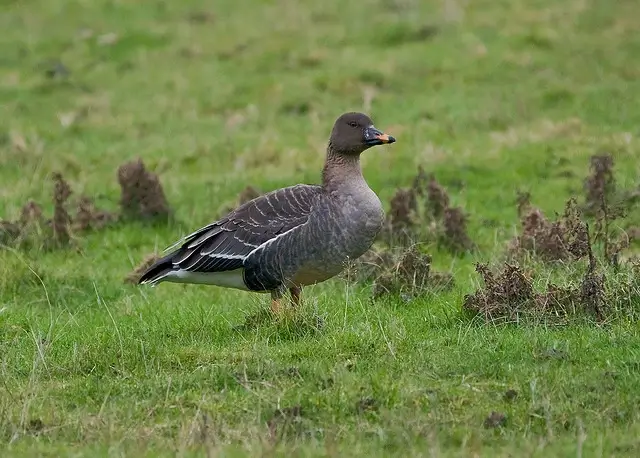
One such bird is the Tundra Bean Goose, a species so rarely recorded in India that every confirmed sighting becomes a point of scientific interest.
What makes it more intriguing is not just its rarity but its scattered appearances across the country over decades. From Rajasthan to Assam and Uttarakhand, the bird has shown up unexpectedly, including a notable sighting in Jim Corbett National Park in 2011.
This is not the story of a single sighting. It is the story of a bird that occasionally appears where it technically shouldn’t.
Is the Tundra Bean Goose Found in India?
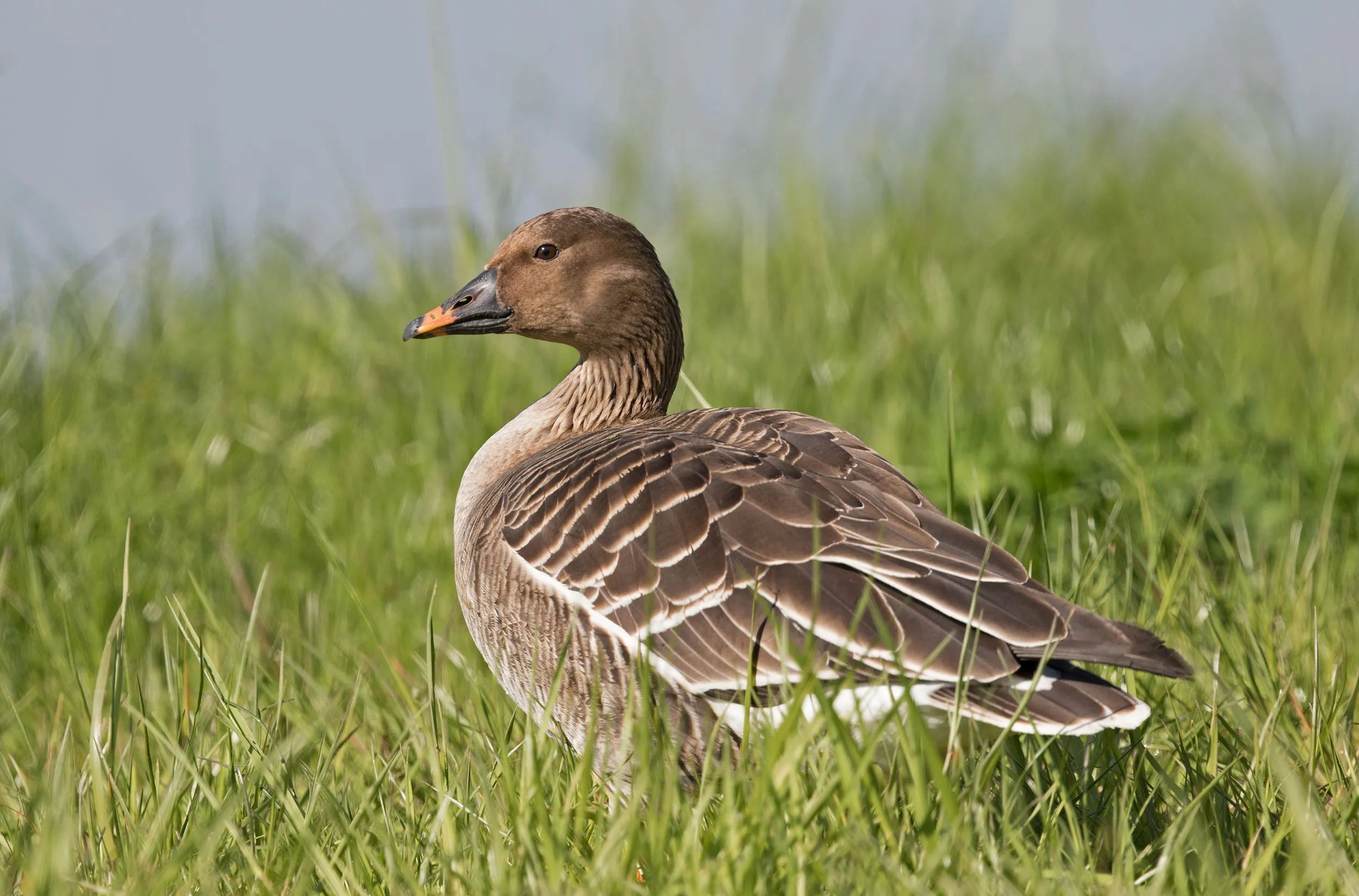
The Tundra Bean Goose is not a regular migratory bird in India. It is considered an accidental or vagrant visitor, with only a handful of confirmed sightings recorded across different regions over the years.
Its presence in India is rare, unpredictable, and not tied to any consistent migratory pattern.
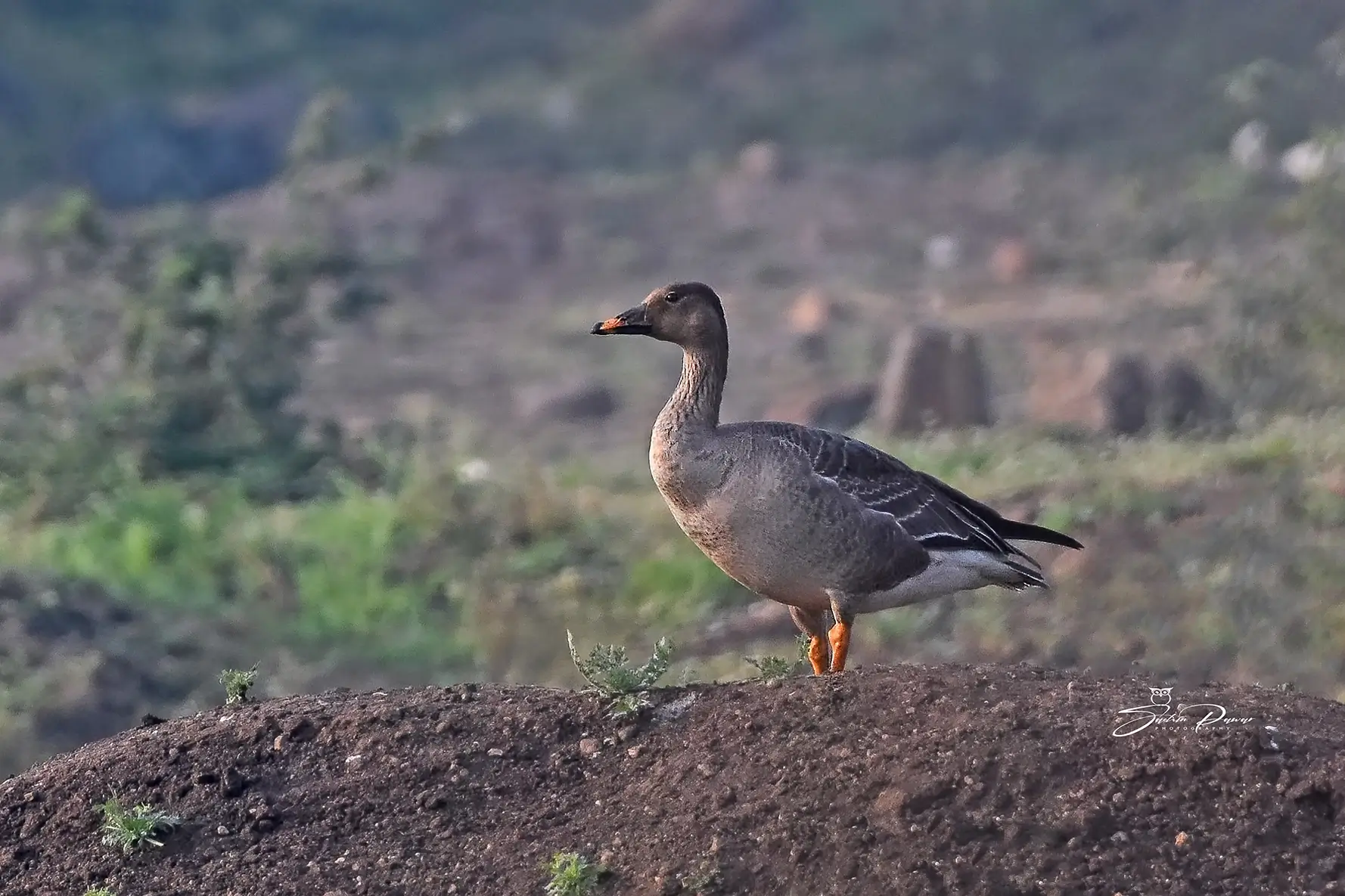
Unlike regular migratory species, the Tundra Bean Goose does not follow a fixed route into India. Its appearances are scattered across geography and time.
Key Recorded Sightings:
- 1948 – Bikaner, RajasthanOne of the earliest known records in India, after which the species disappeared from observation for decades.
- 2003 – Harike Wetland, PunjabA rare reappearance in North India’s wetland ecosystem.
- 2007 – Dibru-Saikhowa National Park, AssamAn isolated sighting in eastern India, far from earlier records.
- 2011 – Jim Corbett National ParkOne of the most well-documented sightings, recorded at the Tumariya Reservoir.
Recent Sightings (2016–2026)
- 2016 – Gajoldoba, West BengalA rare appearance in North Bengal’s wetland ecosystem, known for migratory bird activity.
- 2022 – Bhigwan (Ujani Dam), MaharashtraSighted in January and March, marking a significant record for western India, especially in a region better known for flamingos.
- 2022 – Maguri Beel, AssamAnother eastern India sighting, reinforcing the species’ scattered distribution.
- 2023 – Raiganj, West BengalA documented sighting in Kulik Bird Sanctuary, a known hotspot for migratory species.
- 2026 – Wular Lake, KashmirFirst-ever recorded sighting in Kashmir, making it one of the northernmost recent records in India.
What This Pattern Tells Us
These sightings reveal something important:
- The Tundra Bean Goose is not confined to a single region in India
- Its appearances span north, east, and west India
- There is no fixed migratory corridor linking these sightings
In simple terms:
This bird doesn’t “visit India". It occasionally shows up across India. And that unpredictability is exactly what keeps birding communities alert every winter.
In March 2011, researchers led by Anushree Bhattacharjee observed an unusual goose among flocks of bar-headed geese and ruddy shelducks in the Tumariya Reservoir area.
What initially looked like a routine sighting turned into something far more significant.
After careful documentation and consultation with global experts, including the IUCN Species Survival Commission, the bird was identified as a Tundra Bean Goose.
Why this sighting stands out:
- It was scientifically verified, not just visually reported
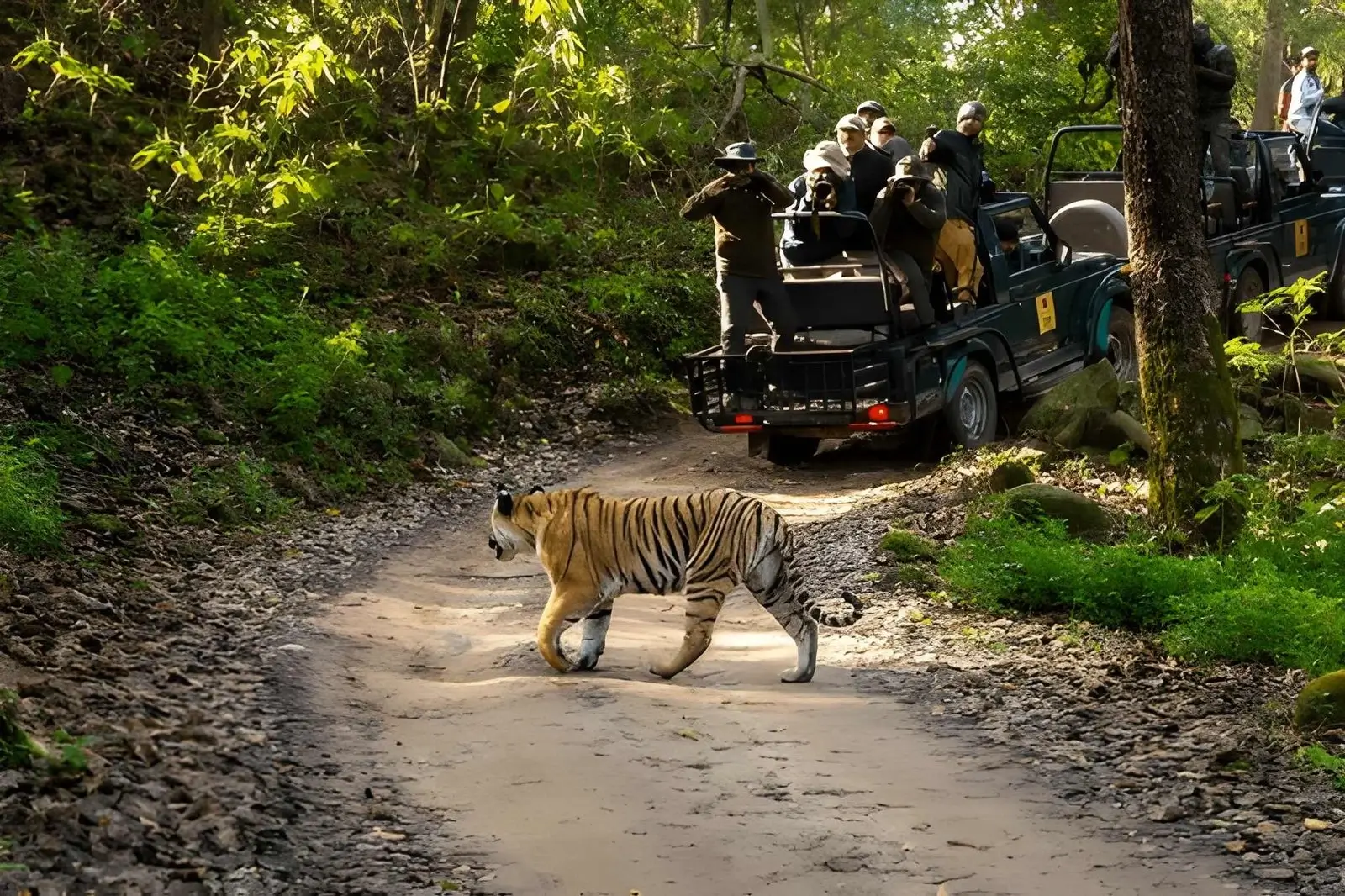
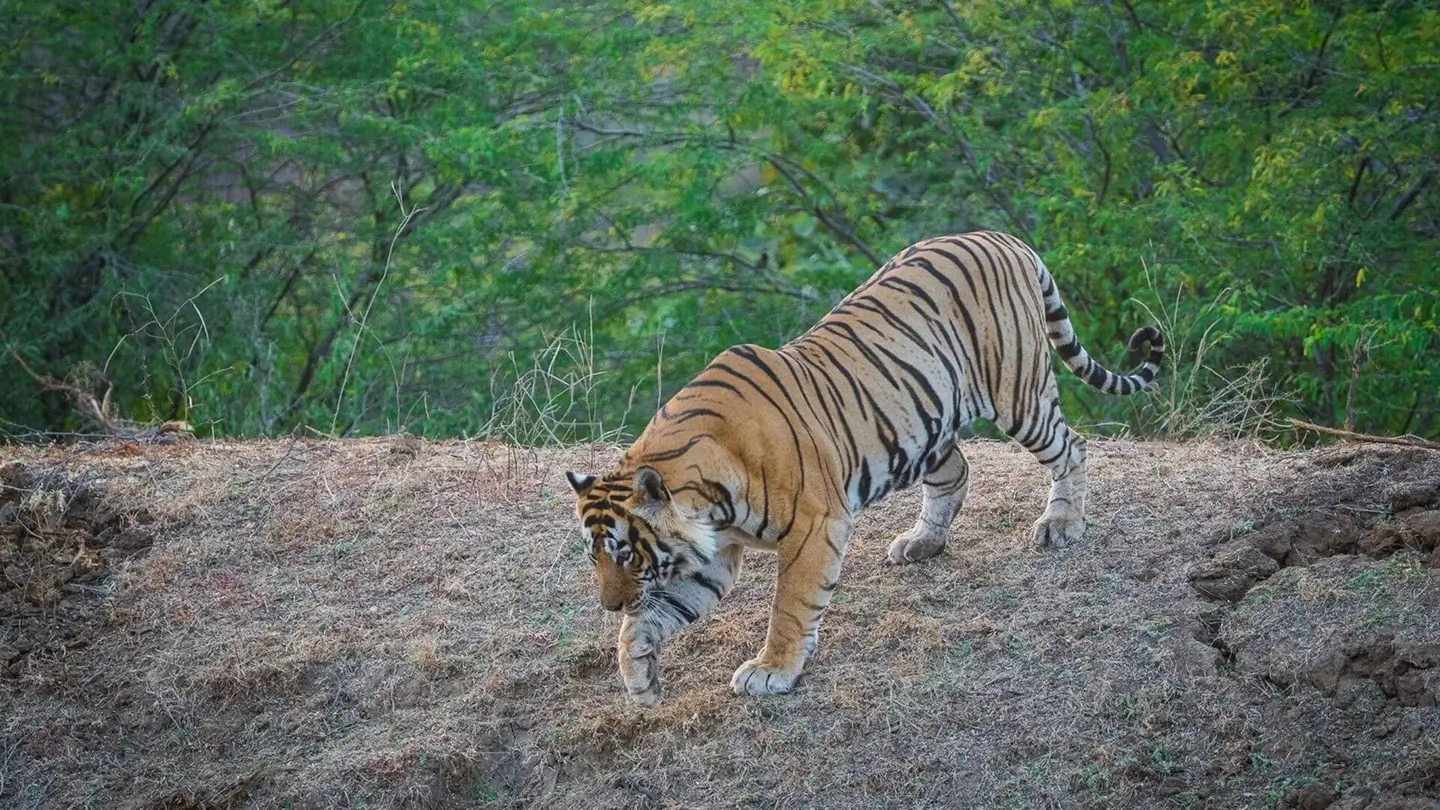
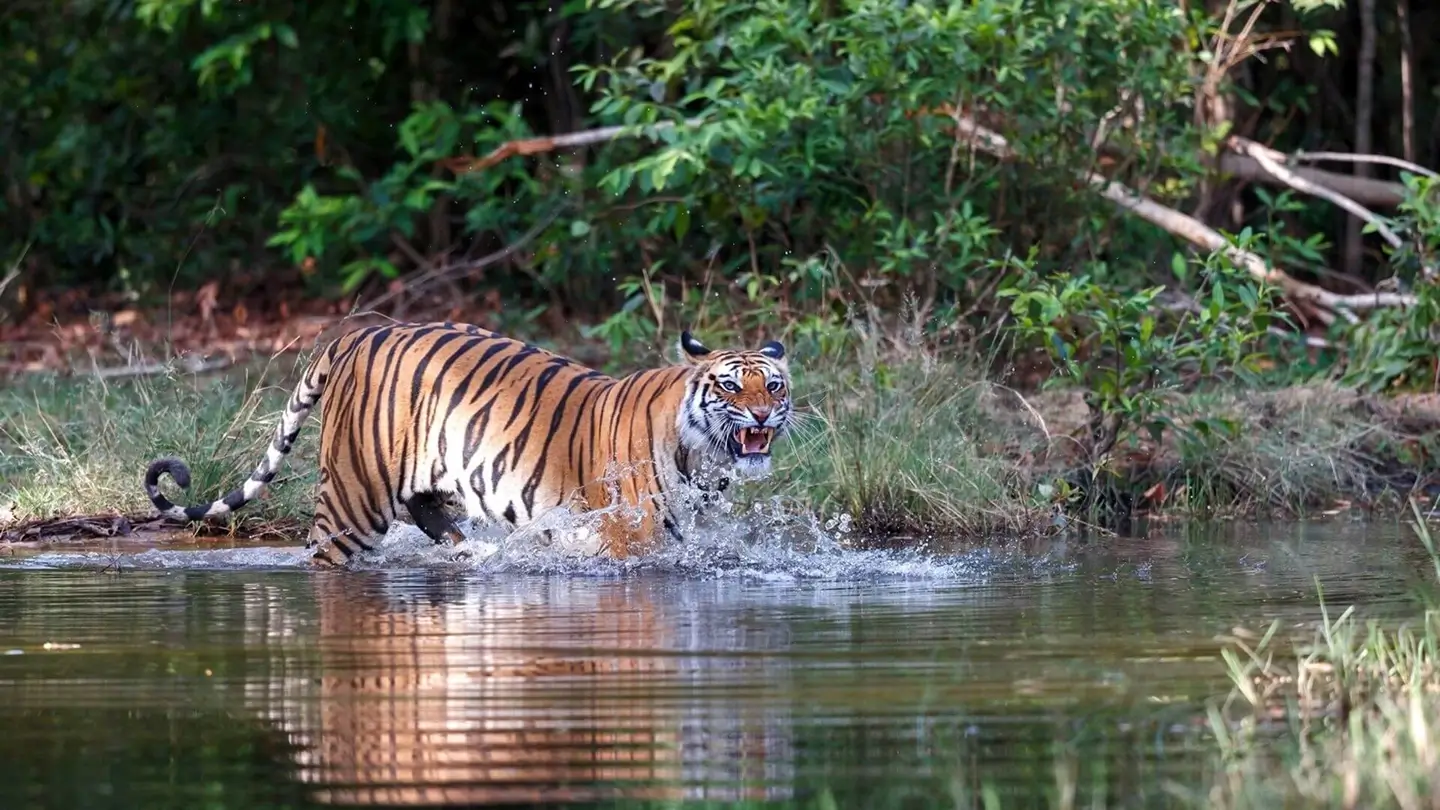
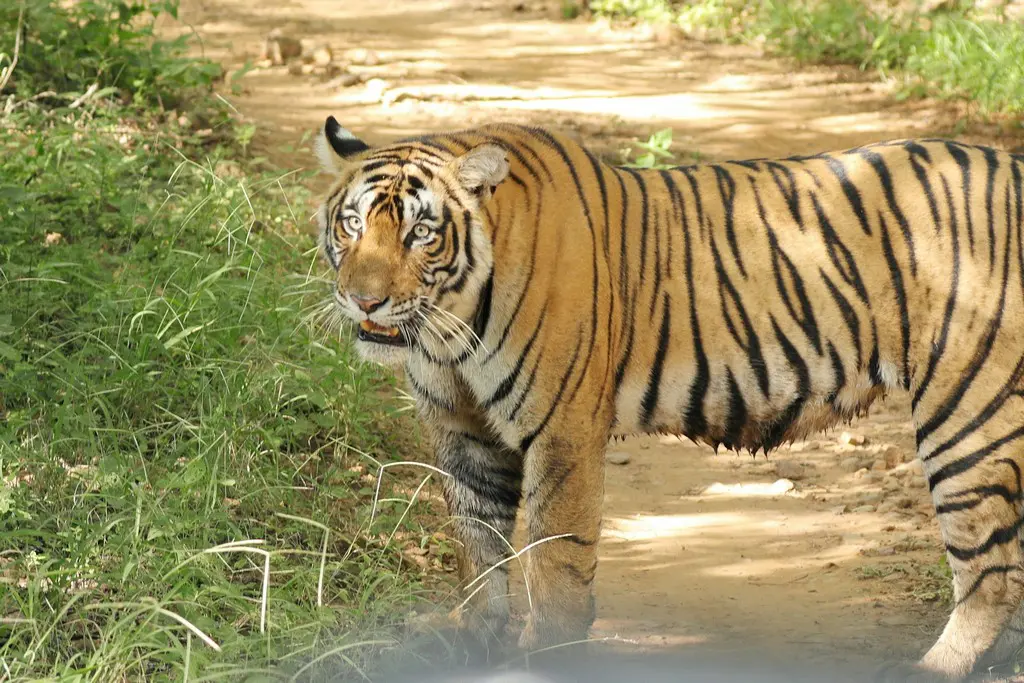
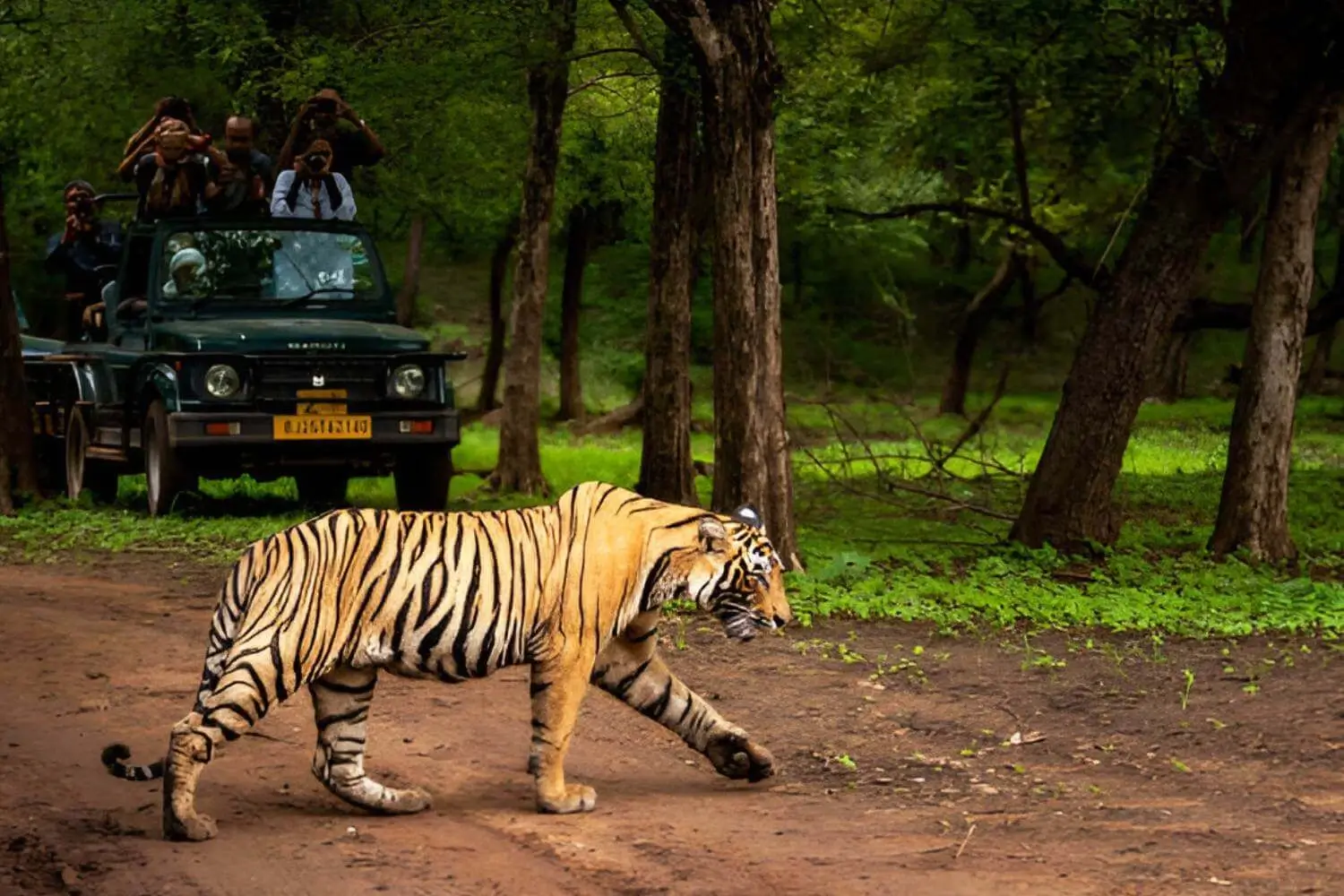
- It occurred in a park known more for tigers than rare birds
- It reinforced Corbett’s role as a diverse ecological habitat
For Corbett, this wasn’t just a rare moment. It was proof that its ecosystems support far more than its flagship species.
Unlike Bar-headed Geese, which regularly migrate across the Himalayas, the Tundra Bean Goose primarily follows routes across:
- Northern Europe
- Siberia
- East Asia (especially China)
Its rare presence in India can be linked to the following:
- Deviation from primary migratory routes
- Changing climatic conditions affecting migration
- Limited suitable stopover habitats along extended paths
When it does appear, it is often:
- A lone individual
- Hidden within larger flocks of common geese
Which makes spotting it both difficult and exciting.
The Bean Goose species is broadly divided into two types:
Tundra Bean Goose
- Smaller and more compact
- Breeds in Arctic tundra regions
- Shorter bill with an orange band
Taiga Bean Goose
- Larger in size
- Found in boreal forest regions
- Slightly different structure and bill pattern
For birdwatchers, distinguishing between the two is crucial, especially in rare sightings where accurate documentation matters.
There is no predictable pattern to the Tundra Bean Goose’s appearances in India. However, occasional unconfirmed reports suggest possible sightings in:
- Punjab wetlands
- Uttar Pradesh floodplains
- Assam river ecosystems
For birding communities, this unpredictability is part of the appeal. Every winter season carries the possibility of another rare record.
The occasional appearance of species like the Tundra Bean Goose highlights an important truth:
India’s wetlands are not just seasonal habitats. They are critical ecological safety nets.
Even for species that do not regularly migrate here, these ecosystems provide the following:
- Emergency stopover points
- Alternative wintering grounds
- Indicators of changing global migration patterns
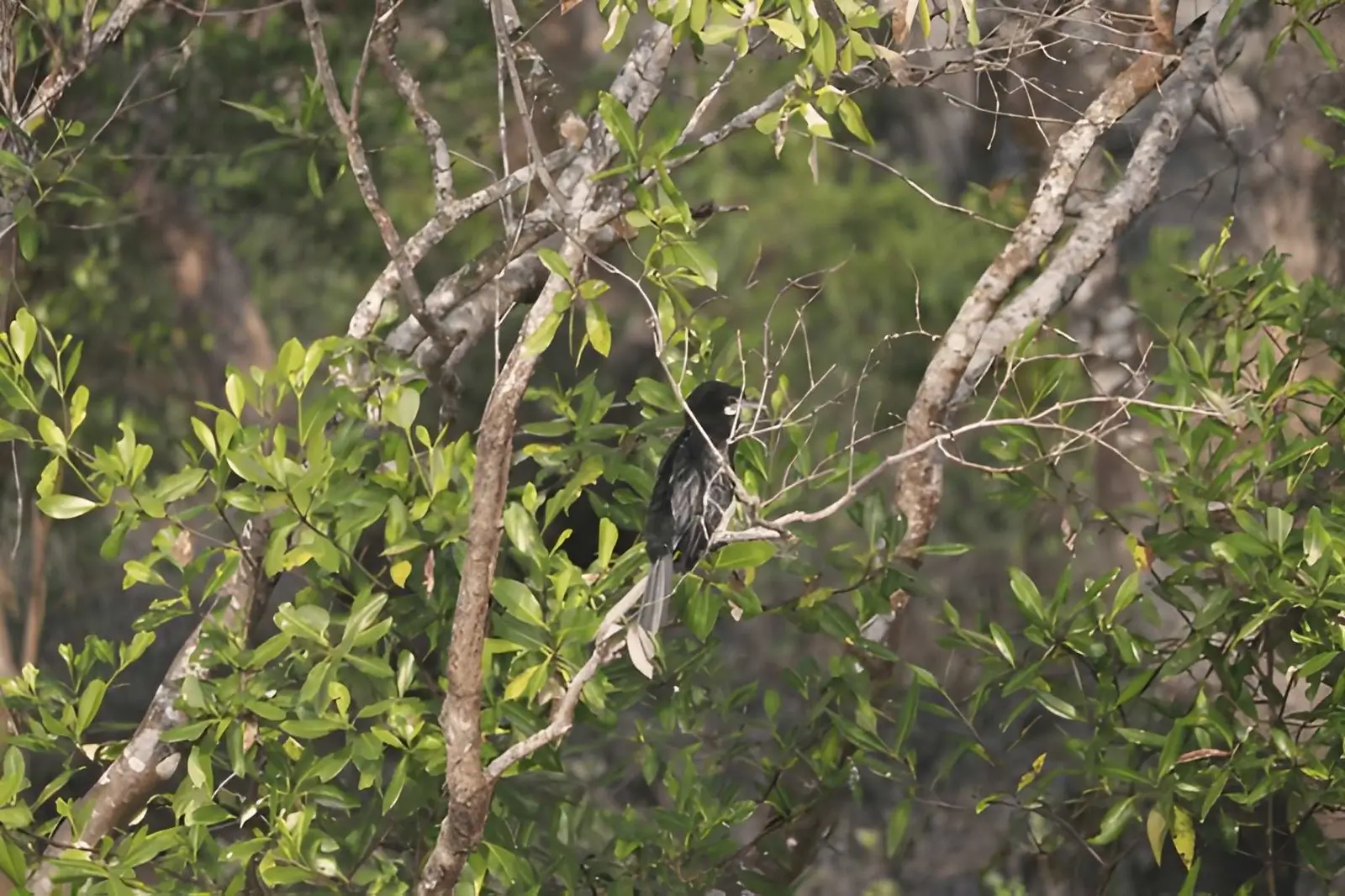
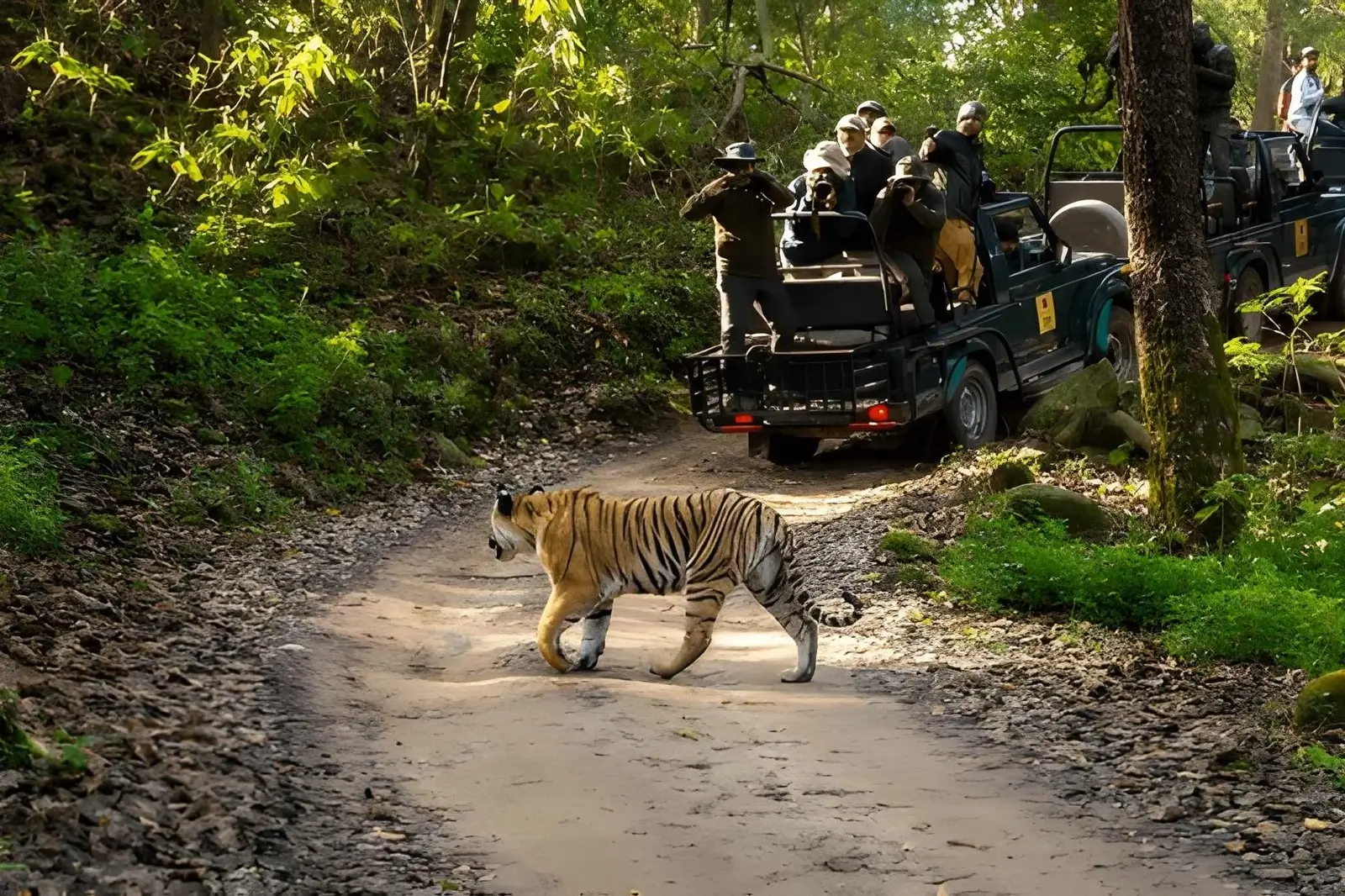
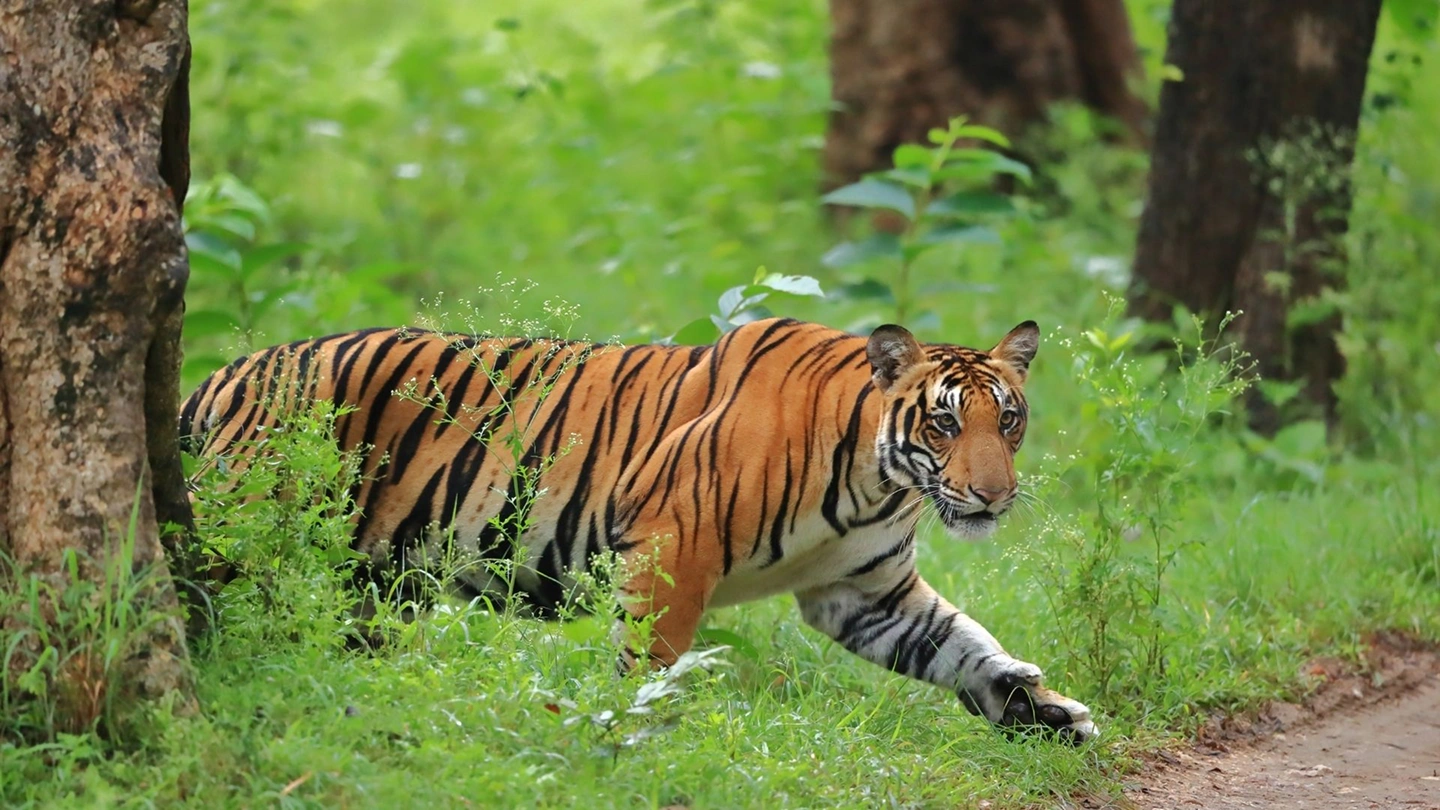
While Jim Corbett National Park is globally known for its Royal Bengal Tigers, it is also one of North India’s most rewarding birding destinations.
What makes Corbett ideal for birding:
- Riverine belts (Kosi & Ramganga)
- Grasslands and reservoirs
- Seasonal wetlands
Common winter migrants include:
- Bar-headed Goose
- Ruddy Shelduck
- Great Crested Grebe
Best time for birdwatching:
November to March
The Tundra Bean Goose is not part of India’s regular birding checklist. And that is exactly why it matters.
Each sighting is:
- A scientific clue
- A reminder of ecological interconnectedness
- A moment of discovery
The 2011 Corbett record is not the end of the story. It is just one chapter in an ongoing mystery that continues to unfold across India’s skies and wetlands.
And for those who look closely enough, the next sighting could happen anywhere.





 Packages
 +91 9212777224