Wildlife Management in India: Conservation Efforts, Laws & National Parks
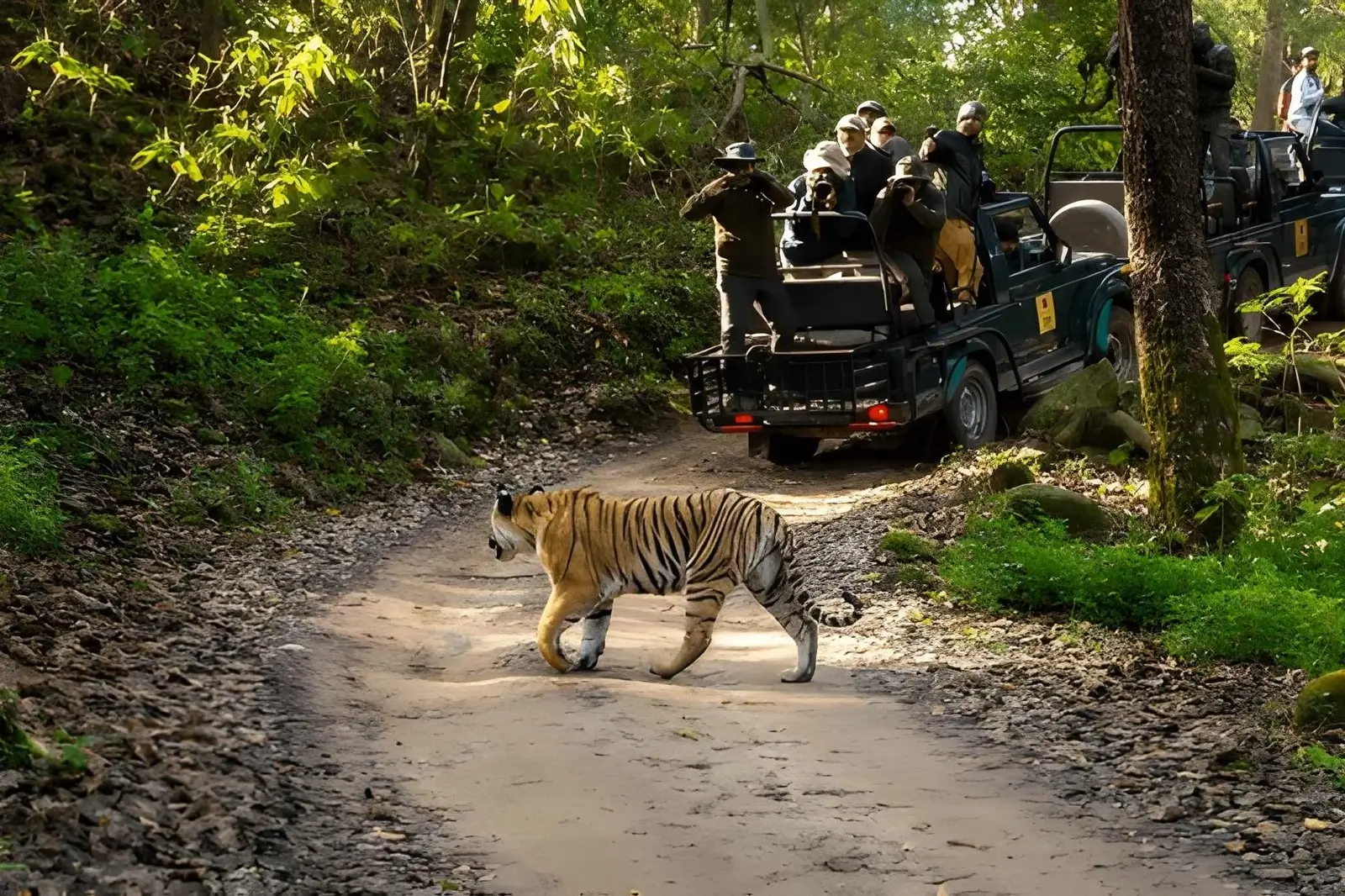
Wildlife management in India is not just about protecting animals; it is about maintaining entire ecosystems that support biodiversity, water systems, and local communities. With increasing pressure from urbanisation, deforestation, and human expansion, conservation efforts have become essential to ensure the survival of wildlife across the country.
India today stands as one of the few countries where large-scale conservation programmes have successfully protected iconic species while promoting sustainable wildlife tourism.
What is wildlife management in India?
Wildlife management in India involves the protection, conservation, and scientific monitoring of wildlife species and their habitats through laws, national parks, and conservation programmes.
Wildlife of India
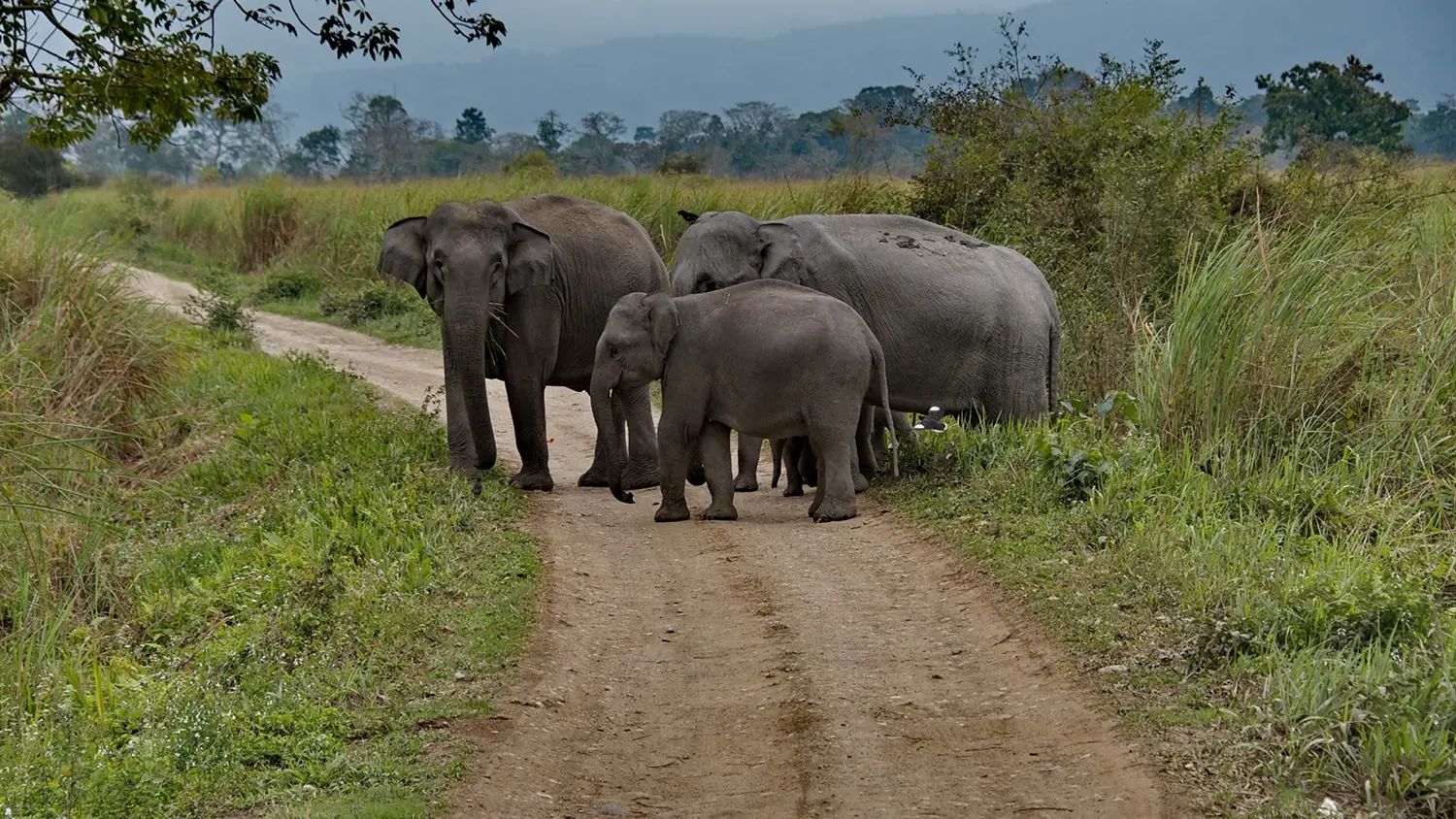
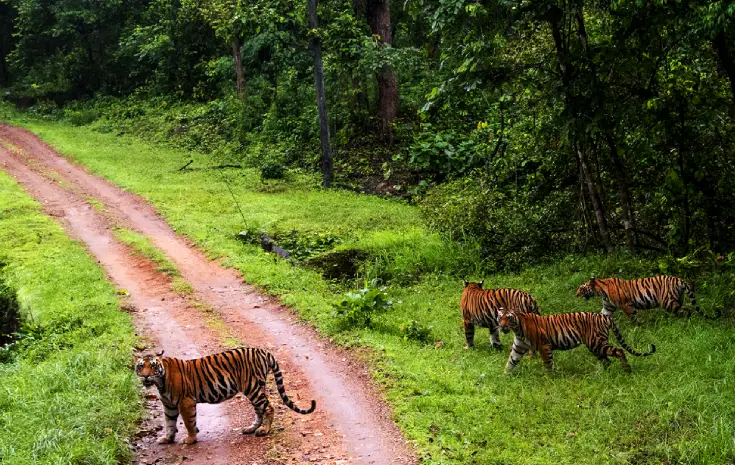
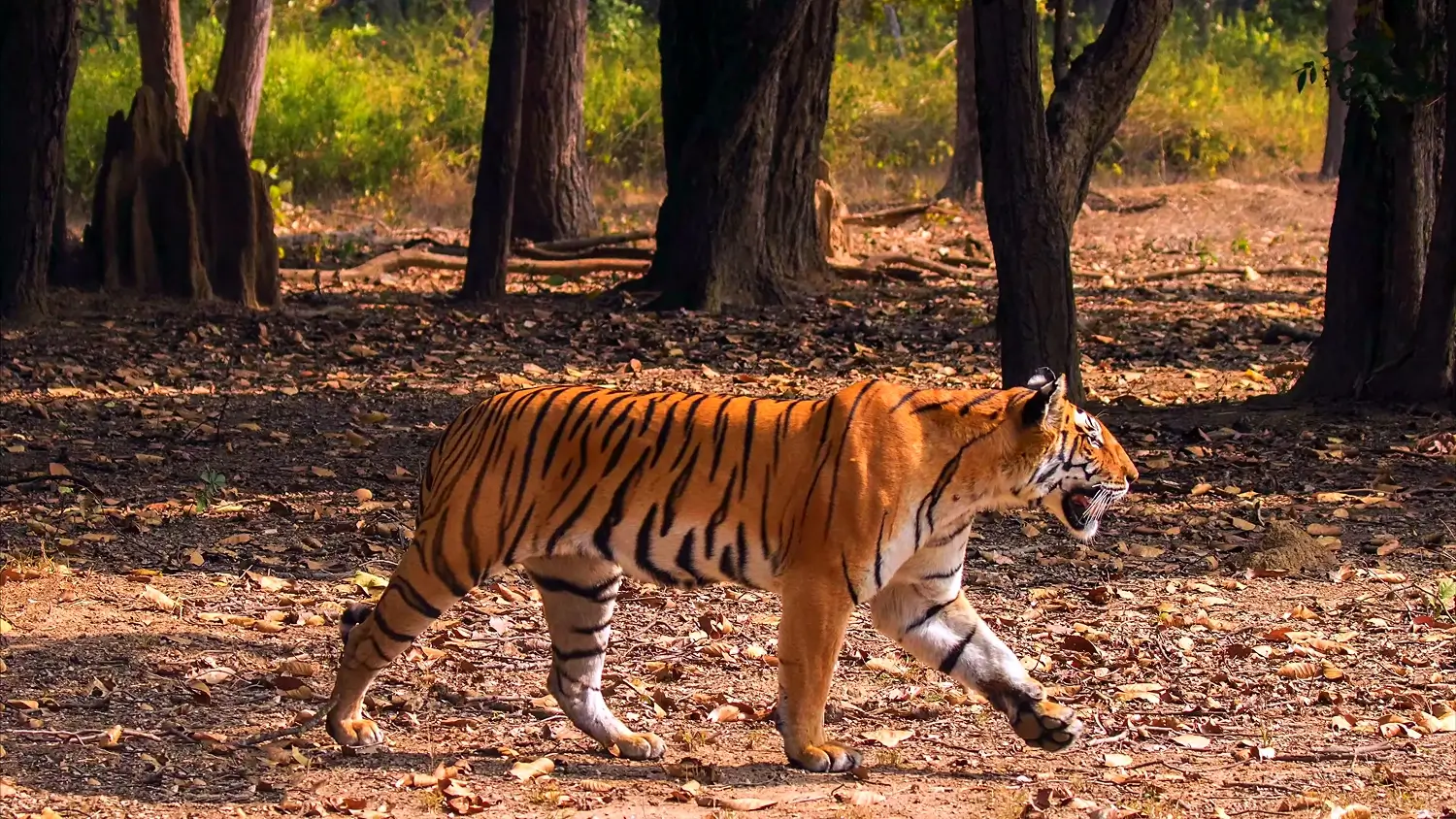
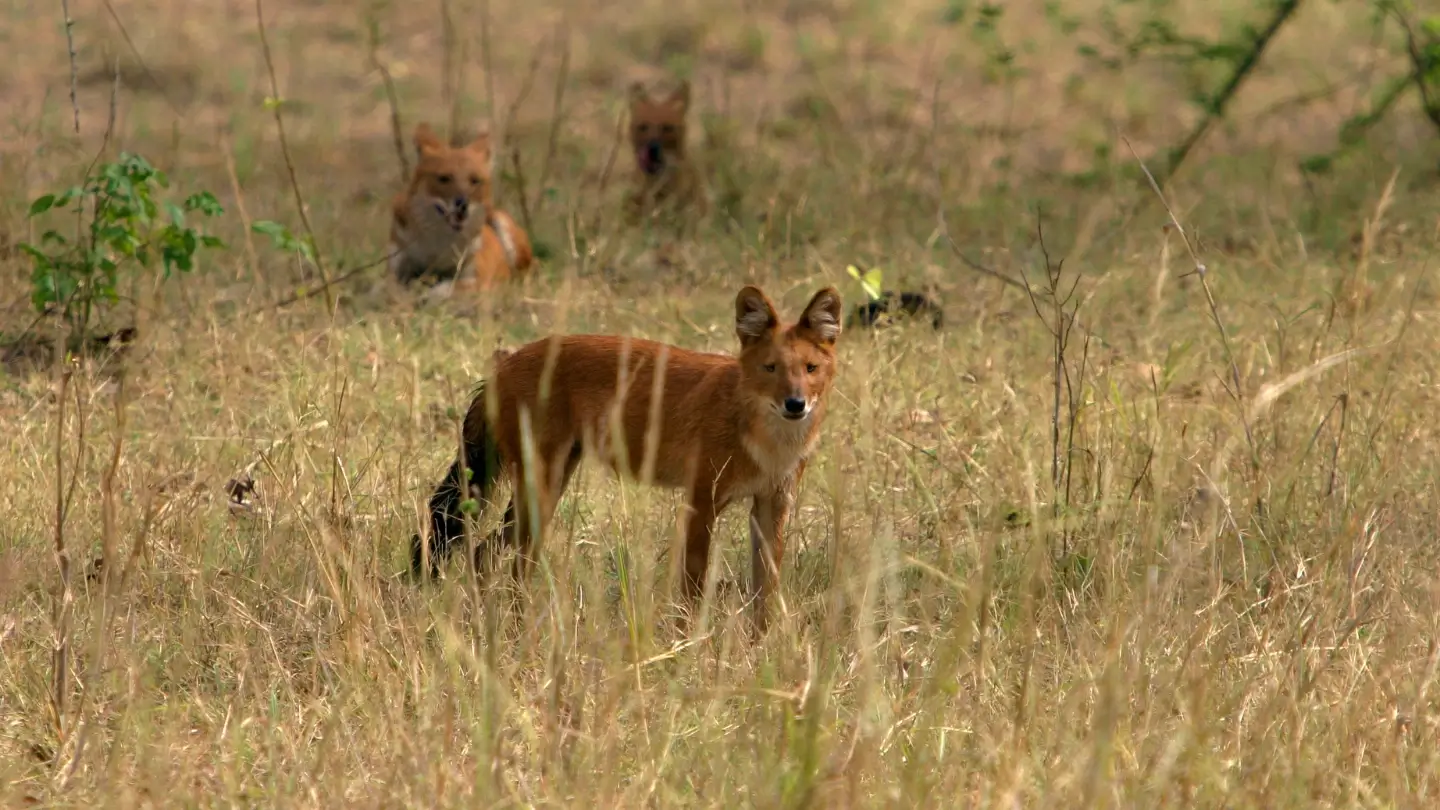
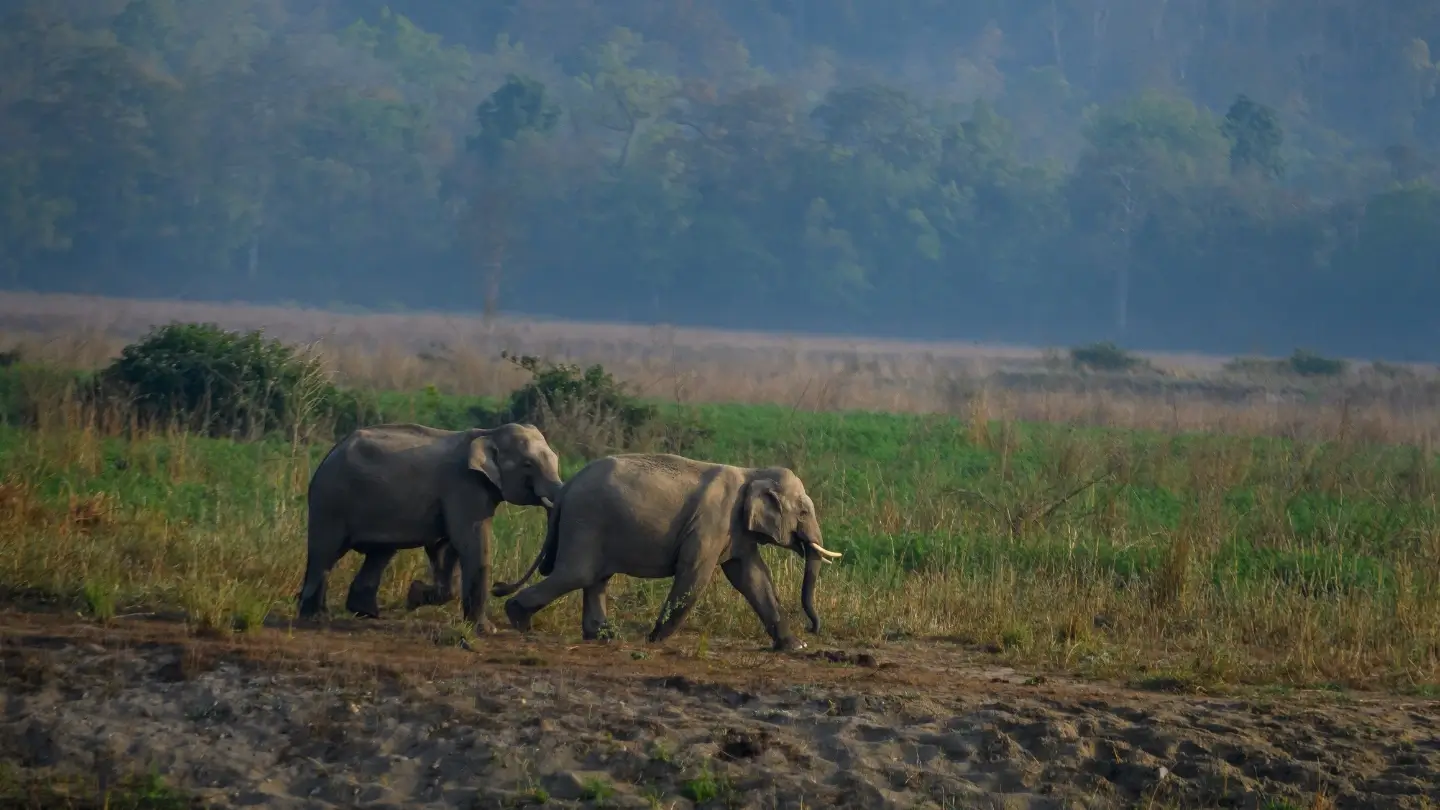
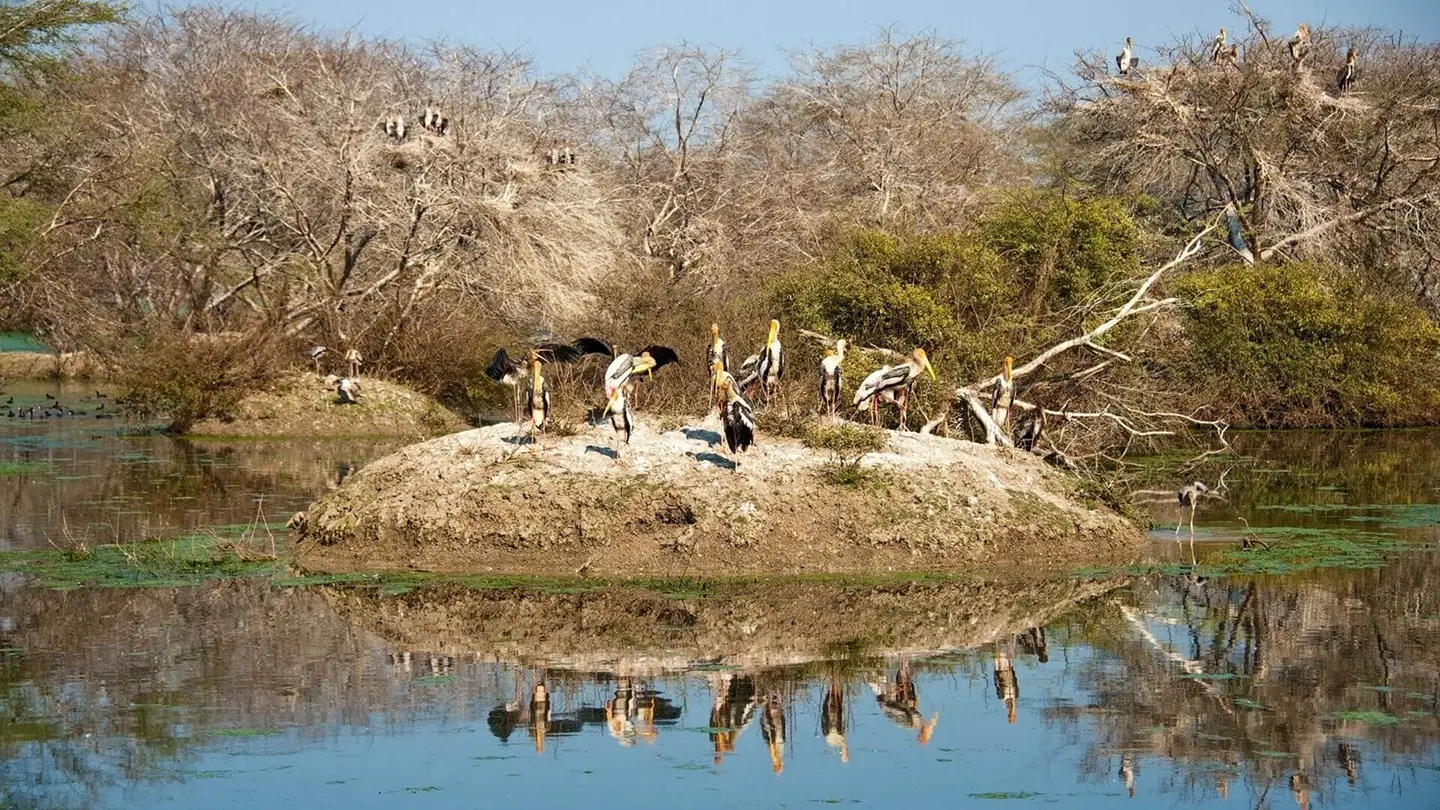
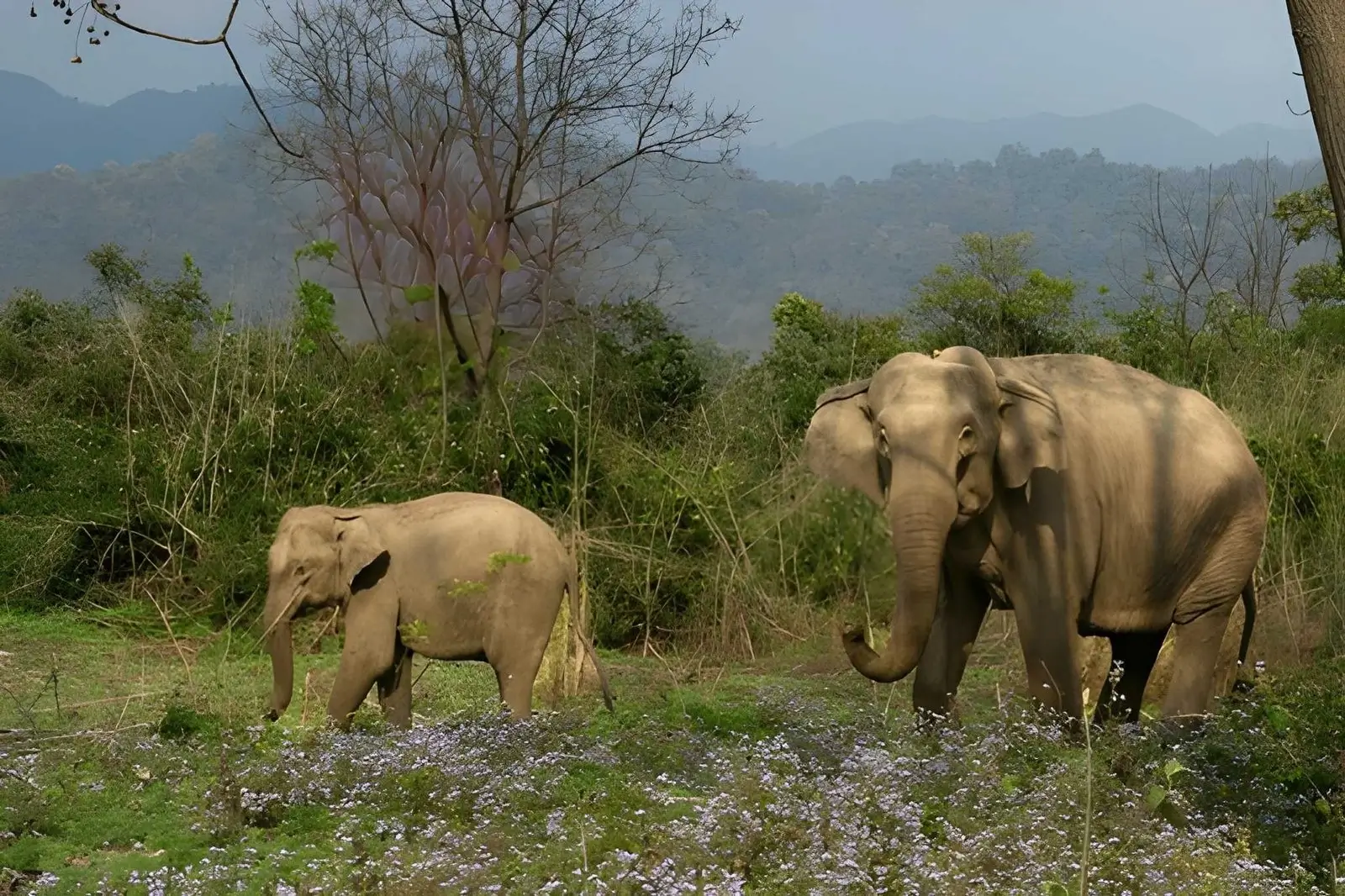
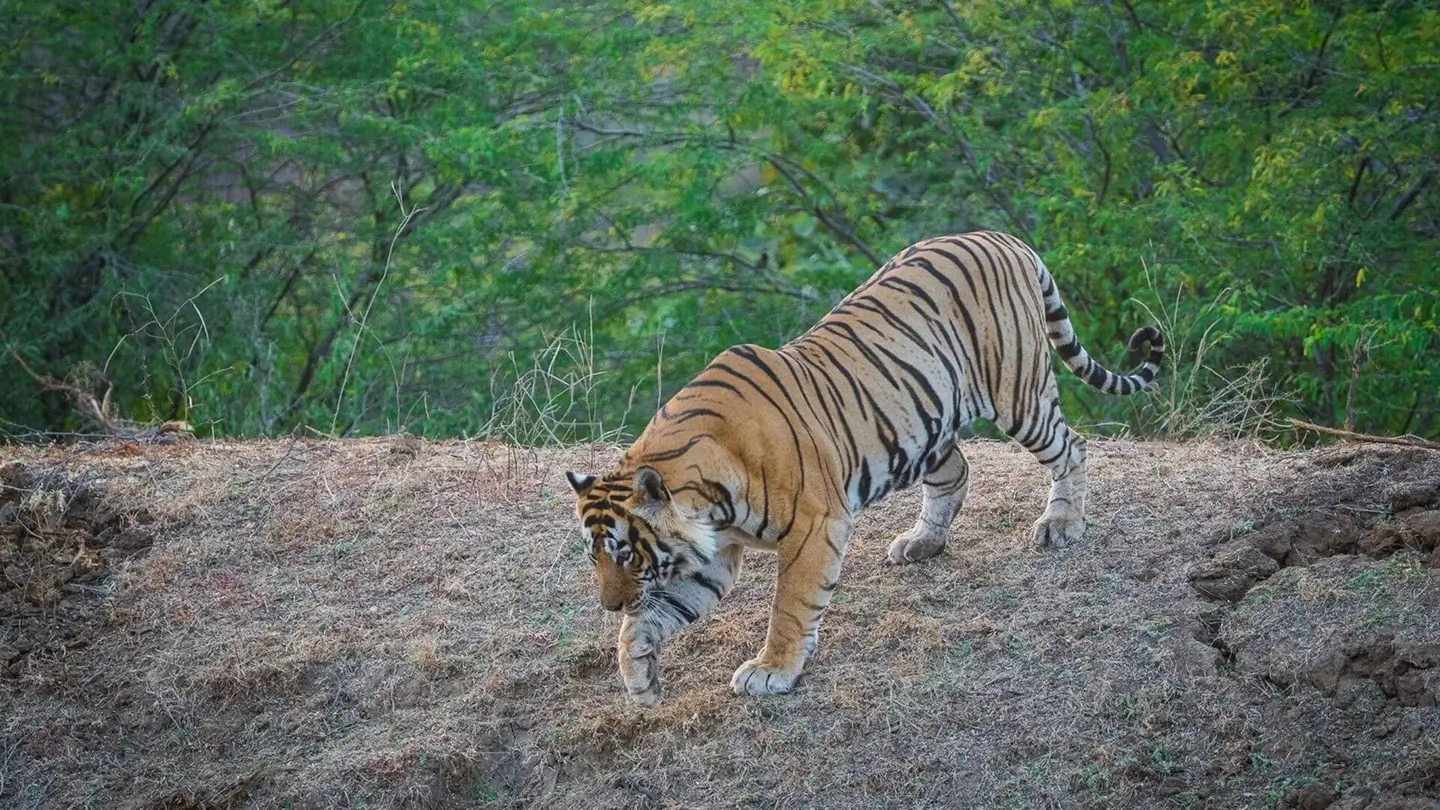
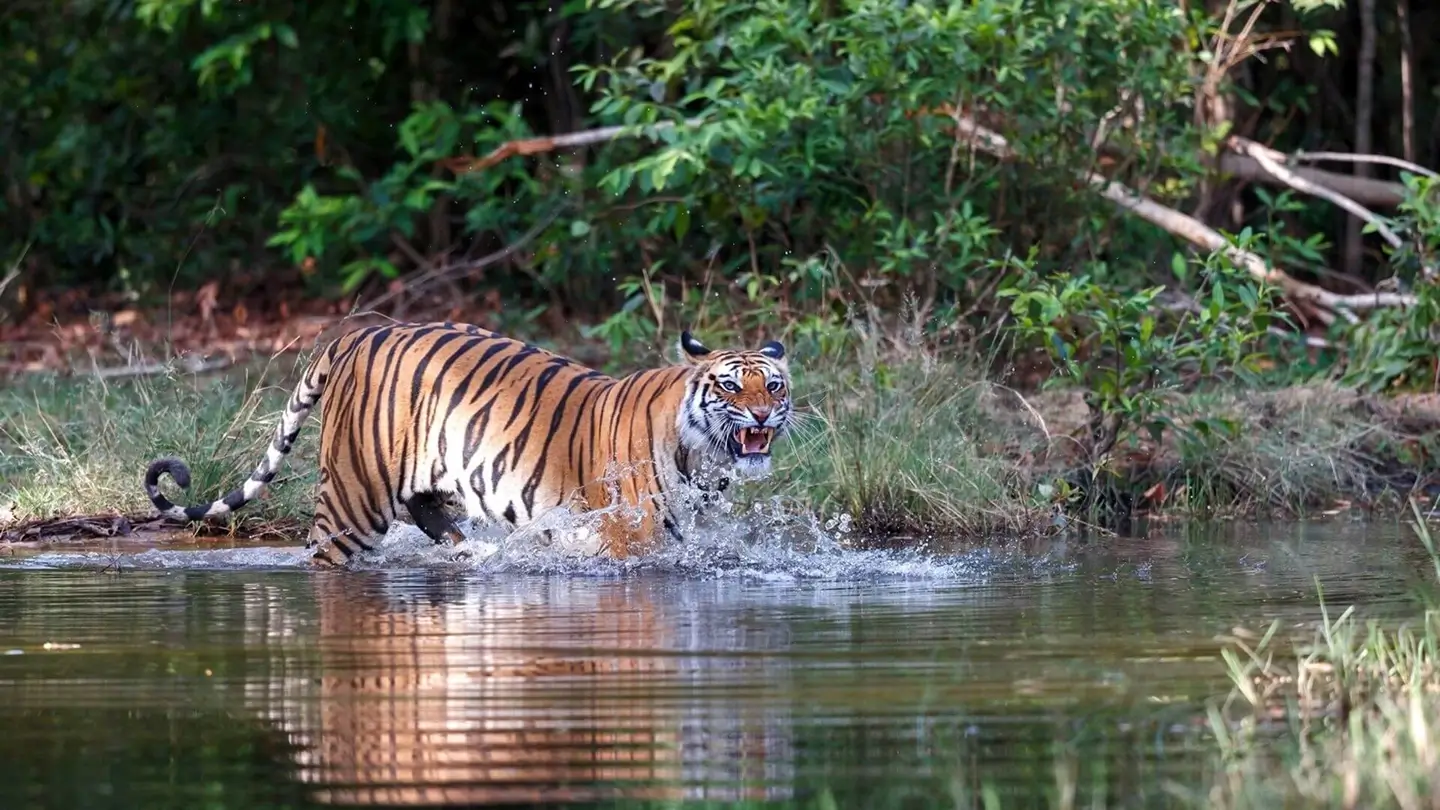
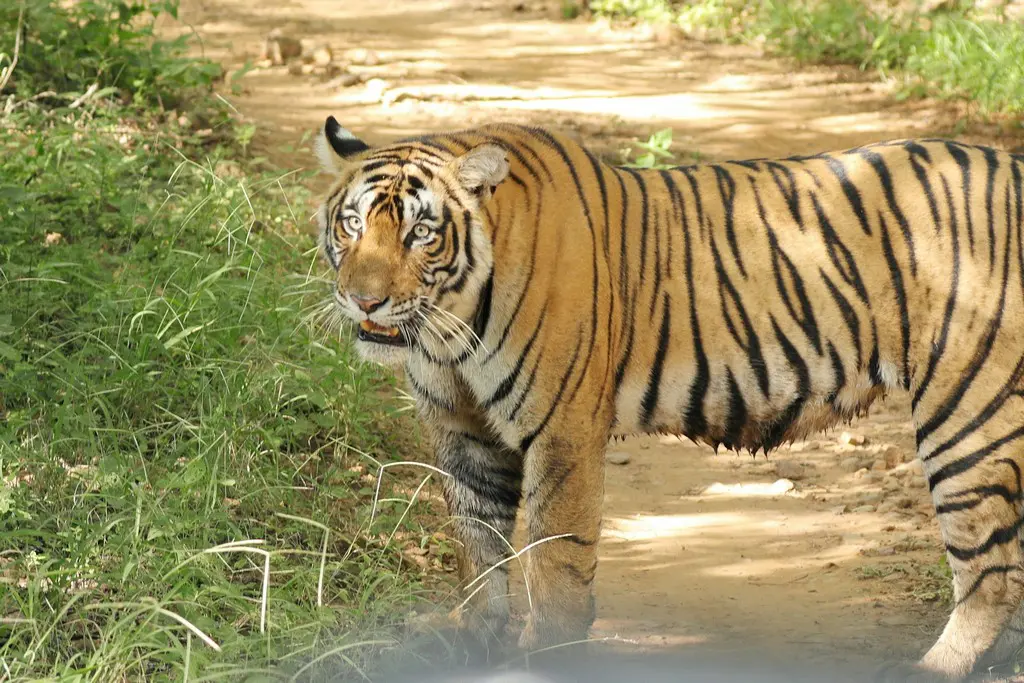
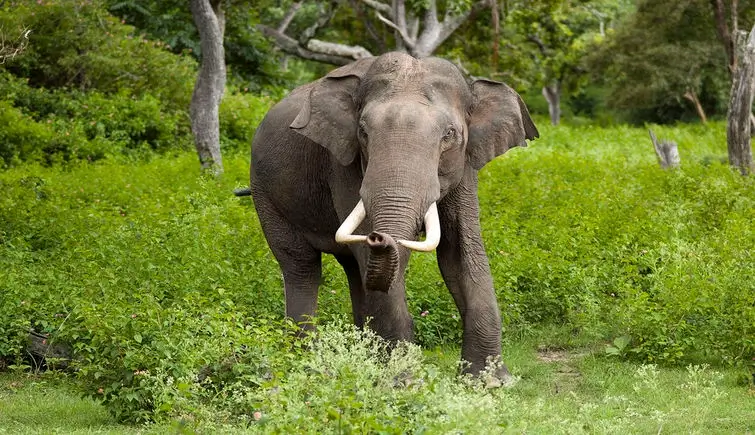
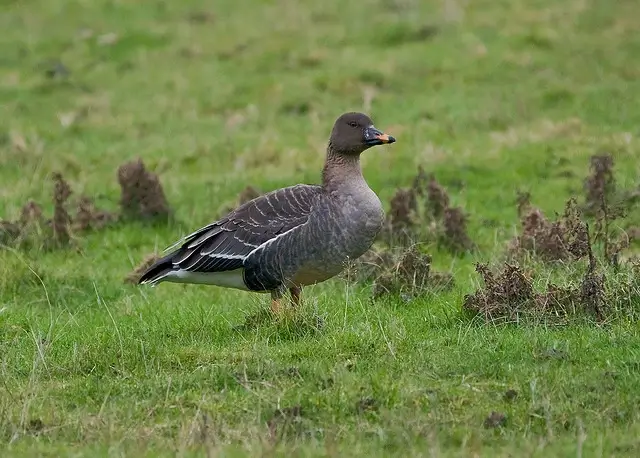
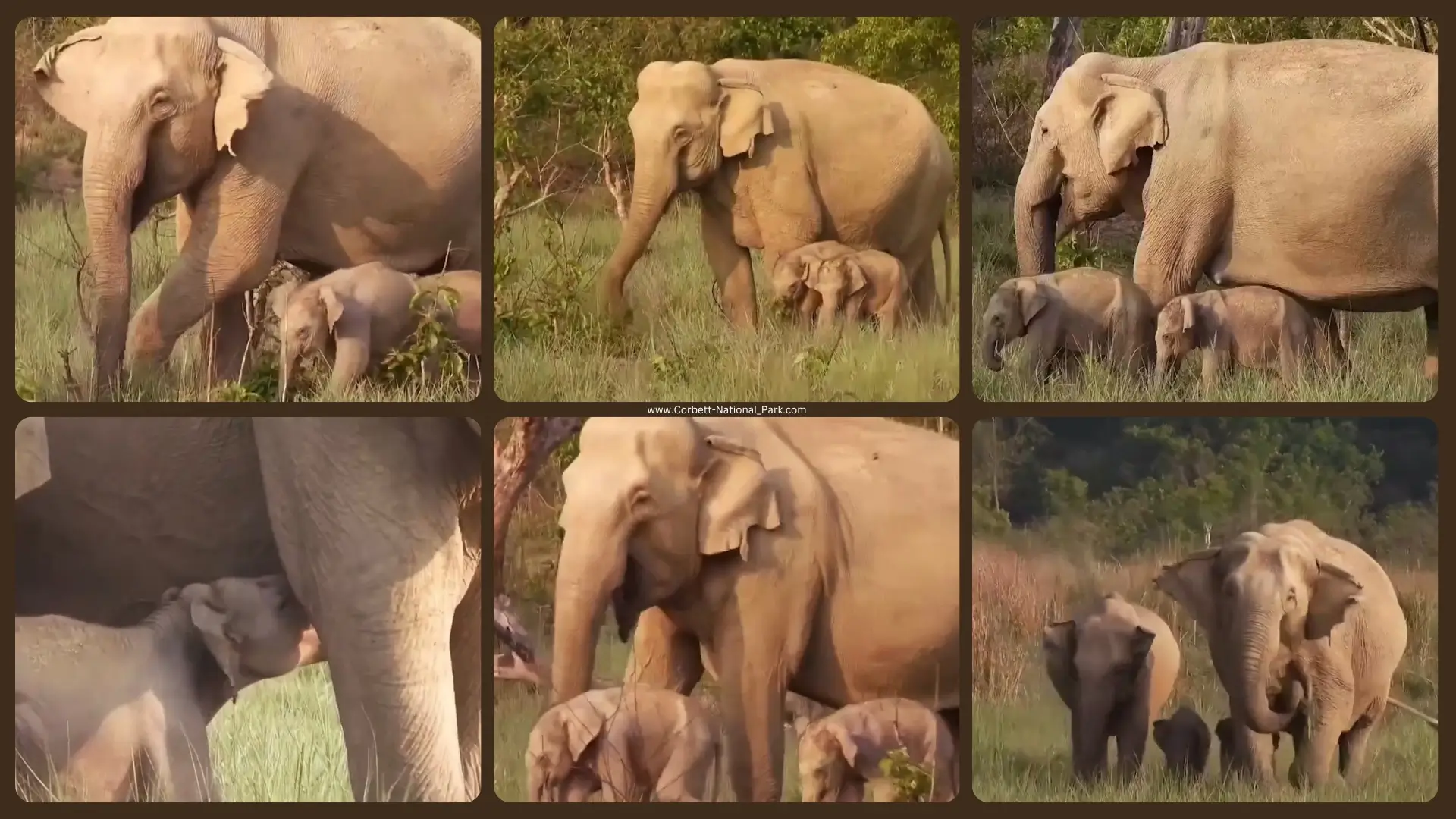
India’s biodiversity spans forests, wetlands, deserts, and mountains, making it one of the most ecologically diverse countries in the world. From majestic tigers and Asiatic lions to elephants, rhinos, and countless bird species, the wildlife panorama in India is truly spectacular.
These animals can be observed in many national parks, biosphere reserves, and wildlife sanctuaries, which serve as protected habitats. India’s protected areas also provide shelter to many threatened and endangered species, ensuring their survival for future generations.
Why this matters : This diversity allows India to support a wide range of species, from large predators to migratory birds.
Wildlife conservation plays a vital role in maintaining the health of ecosystems and biodiversity. Many wildlife lovers, scientists, and conservationists are working tirelessly to protect species that are on the brink of extinction.
Those who wish to understand the importance of wildlife protection can consider the following values that wildlife brings to the planet.
Scientific Value
Wildlife has immense importance for scientific research and discovery. Many plants and animals help scientists understand biological processes, animal behaviour, and environmental changes.
Numerous medicines used in modern healthcare have been derived from plants and natural compounds found in forests. Scientists continue to study wildlife and plant species because many potential medical discoveries may still remain hidden in nature. Losing wildlife species could mean losing valuable scientific knowledge that benefits humanity.
Many medical discoveries are linked to biodiversity, making conservation critical for future research.
Environmental Balance
Wildlife plays a critical role in maintaining ecological balance. Every species, whether plant, herbivore, carnivore, or microorganism, contributes to the stability of ecosystems.
If wildlife disappears, natural food chains break down, forests degrade, and ecosystems become unstable. A world without nature and wildlife would eventually become barren and lifeless.
Healthy ecosystems also support water sources and climate regulation.
Aesthetic Value
Wildlife enriches the environment with its beauty, diversity, and uniqueness. Observing animals and birds in their natural habitats creates a sense of wonder and helps people develop a deeper connection with nature.
Nature tourism and wildlife experiences often inspire people to support conservation efforts.
Economic Value
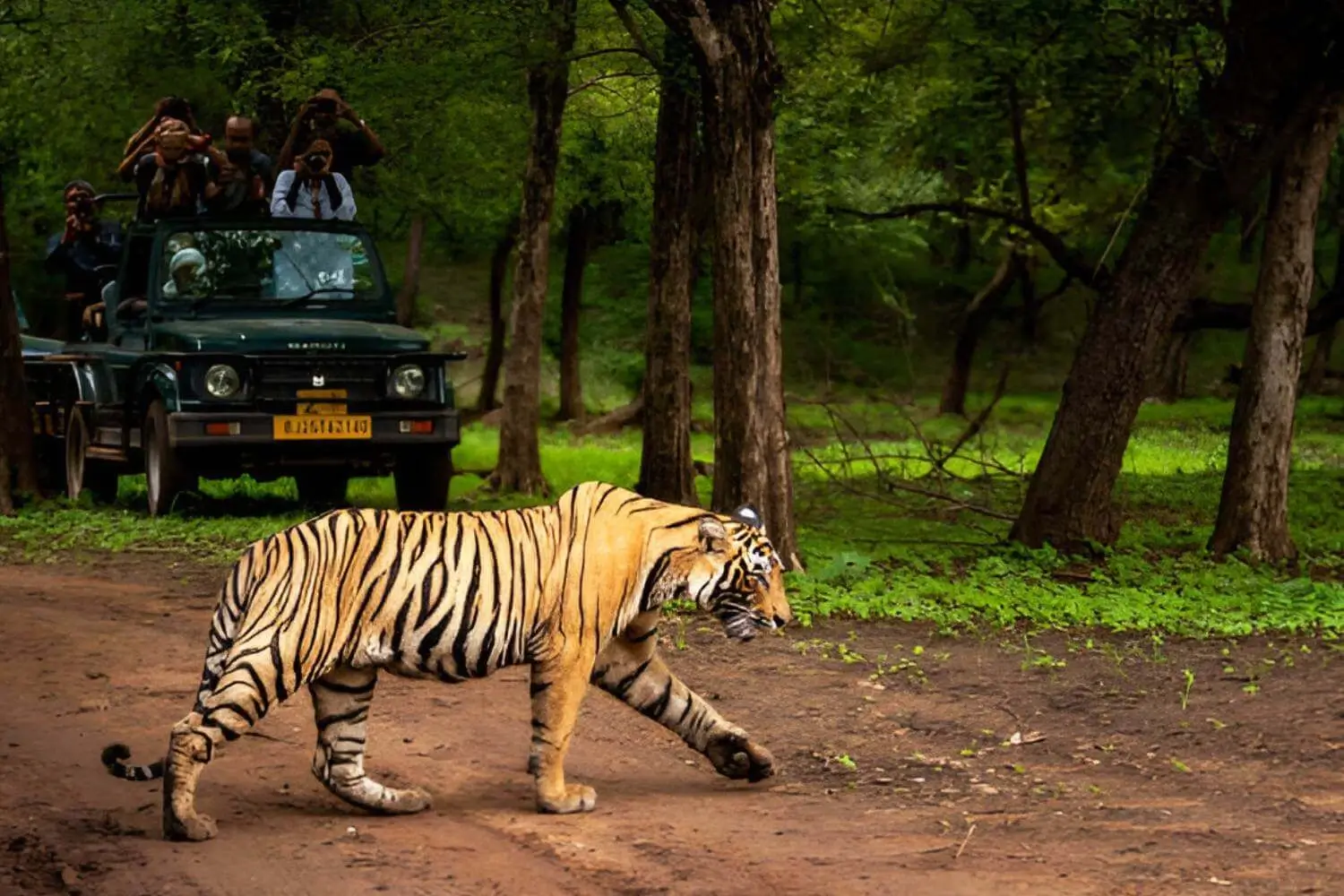
Wildlife also contributes significantly to the economy through ecotourism and natural resources. Activities such as jungle safaris, wildlife photography, nature tourism, and forest lodges generate employment and support local communities.
Natural products such as honey, fruits, medicinal plants, and forest produce also contribute to livelihoods in many rural areas.
Wildlife tourism generates employment and supports local economies around national parks.

Wildlife management efforts are most visible in India’s national parks and protected areas:
- Jim Corbett National Park
- Kaziranga National Park
- Gir National Park
- Ranthambore National Park
These parks act as conservation hubs where wildlife protection, research, and tourism coexist.
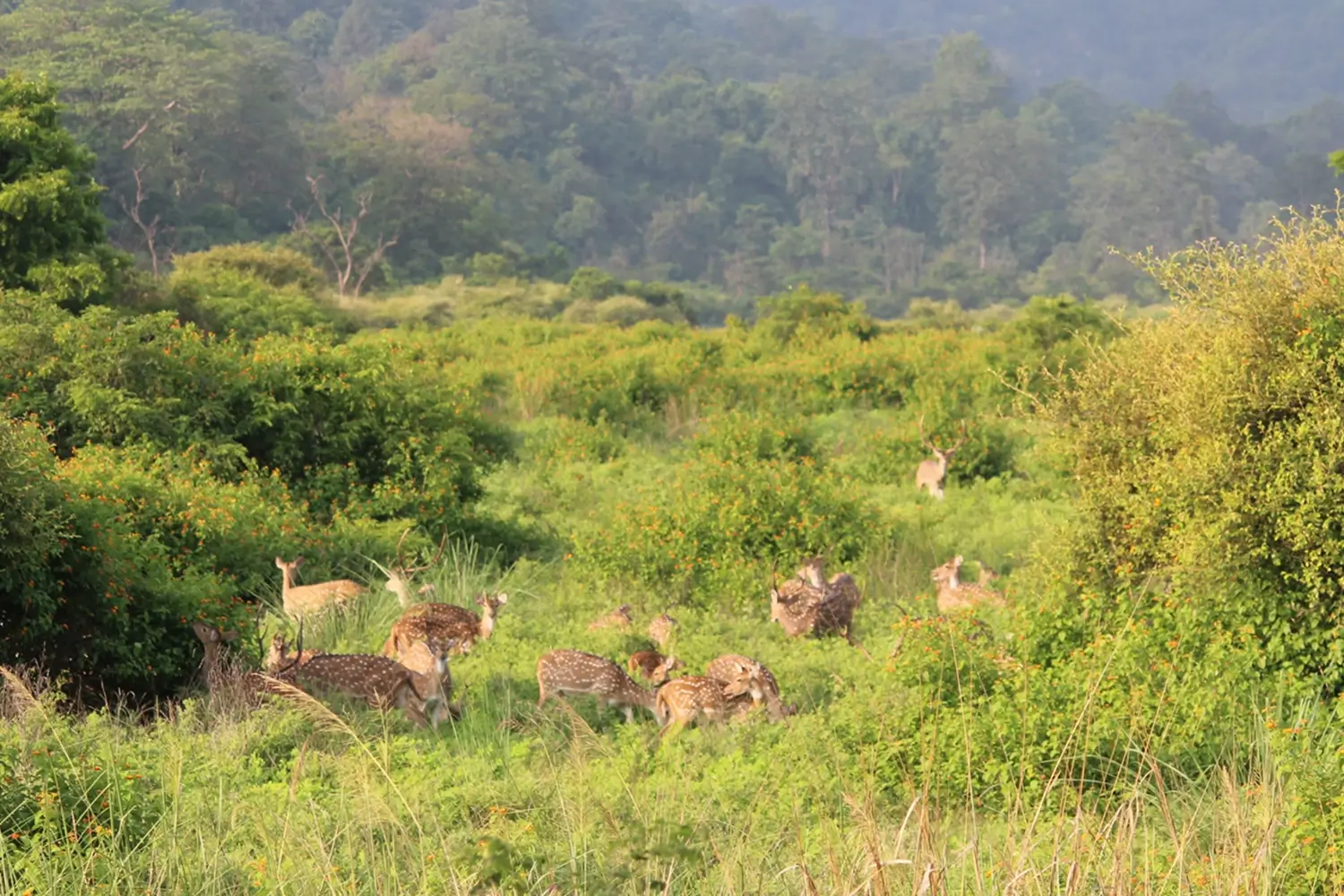
To protect biodiversity, the Indian government and conservation organisations have taken several important steps.
Wildlife Protection Act, 1972
One of the most significant milestones was the Wildlife Protection Act, 1972, which created a legal framework for wildlife conservation and banned hunting of many endangered species.
Project Tiger
Another major initiative is Project Tiger, launched in 1973 to protect India’s declining tiger population. The programme began at Jim Corbett National Park, India’s first national park, and later expanded to many tiger reserves across the country.
Protected Areas Network
India has established more than 100 national parks and over 550 wildlife sanctuaries, along with biosphere reserves and conservation areas that protect wildlife habitats.
Today, tiger conservation programmes protect tigers in famous national parks such as:
- Ranthambore National Park
- Bandhavgarh National Park
- Sundarbans National Park
- Bandipur National Park
- Manas National Park
Species-Specific Programs
Apart from tiger conservation, other efforts have also helped protect important species such as:
- Kashmir Stag (Hangul) in Dachigam National Park
- Indian Rhinoceros in Kaziranga National Park
- Asiatic Lion in Gir National Park
These conservation programmes aim to restore wildlife populations, protect habitats, and promote eco-tourism in a sustainable way.
Key insight: India’s conservation success comes from combining legal protection, scientific monitoring, and community involvement.
In addition to government initiatives, several non-governmental organisations (NGOs) are actively involved in wildlife conservation across India.
- habitat restoration
- wildlife rescue
- conservation awareness
- research and monitoring
Their work complements government initiatives and strengthens conservation efforts across regions. These organisations focus on environmental awareness, habitat restoration, wildlife rescue, and conservation research.
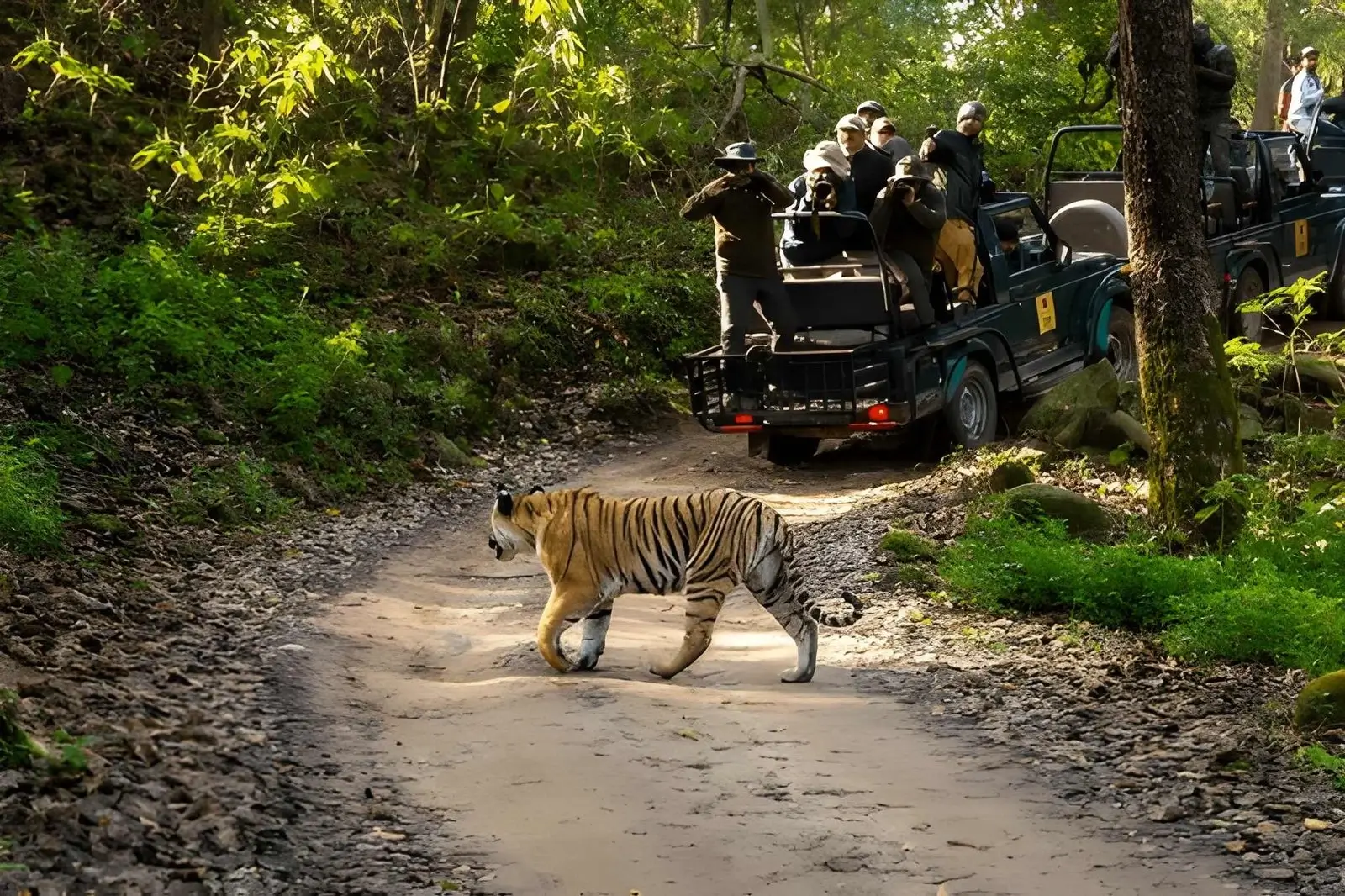
For travellers, wildlife management directly impacts the quality of safari experiences.
Well-managed parks ensure:
- better wildlife sightings
- safer tourism practices
- preservation of natural habitats
Visiting national parks responsibly supports conservation while offering meaningful travel experiences.
Wildlife management in India is a continuous process that balances conservation with human needs. The country’s success in protecting species like tigers, rhinos, and lions highlights the importance of long-term planning and collective effort. For travellers, these efforts make it possible to experience wildlife in its natural habitat while contributing to its preservation.







 Packages
 +91 9212777224