Tiger Population in India (2026): Latest Count, State-Wise Data & Best Places to See Tigers
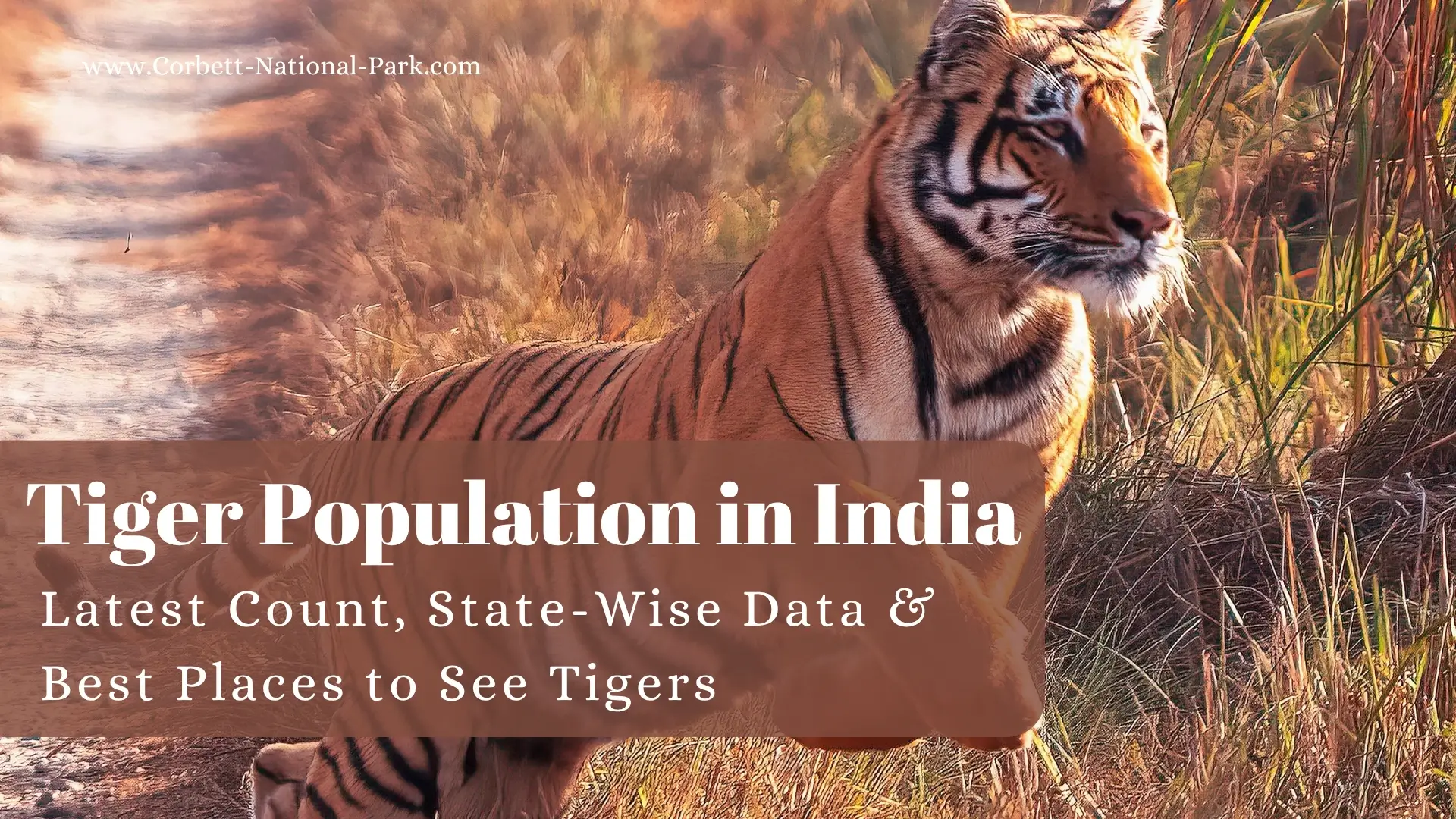
Tiger Population in India : Latest Count, State-Wise Data & Best Places to See Tigers

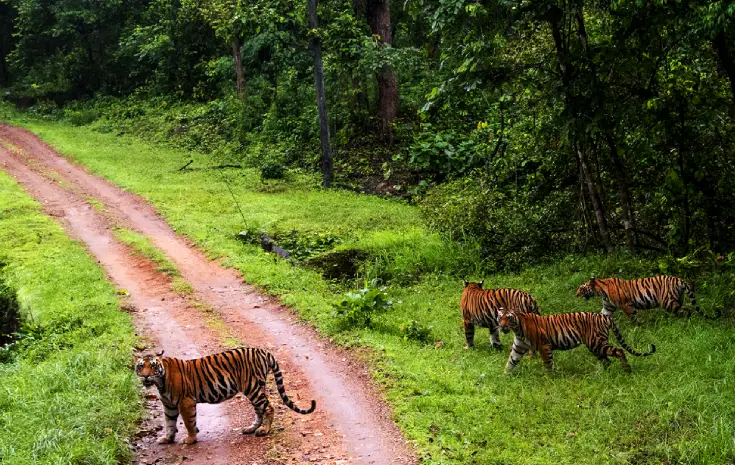
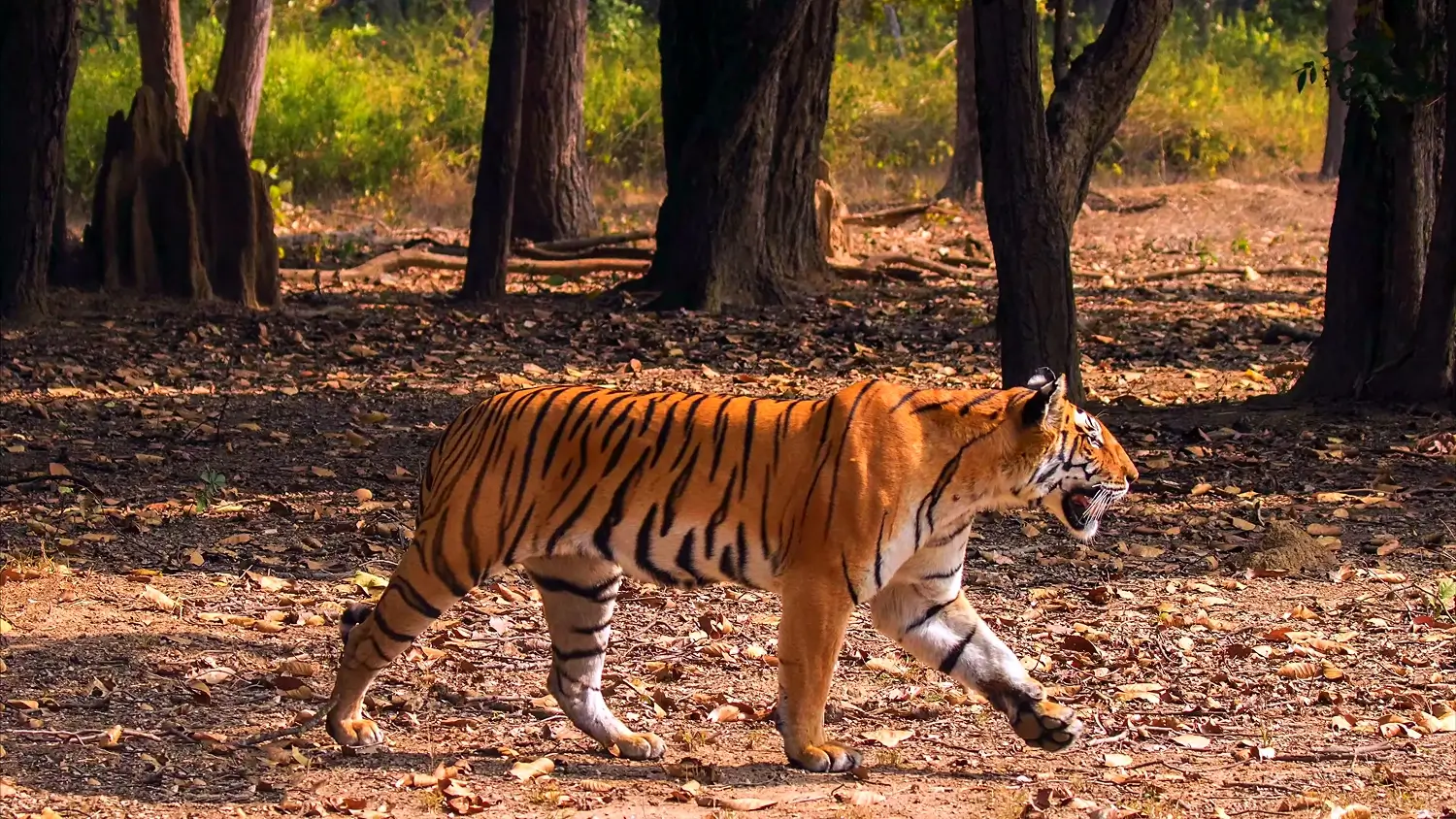
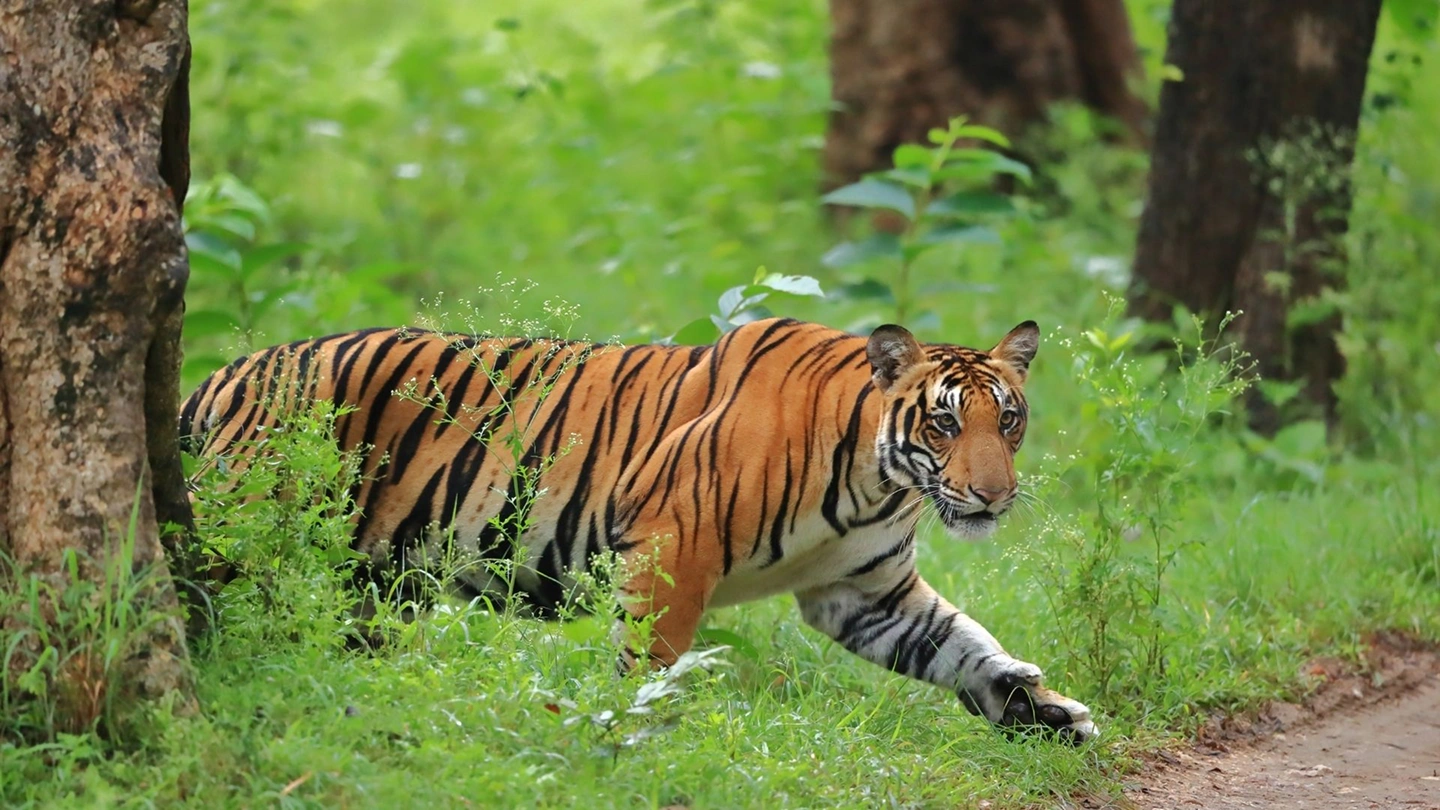
India is now home to nearly three out of every four wild tigers on the planet. What was once a species on the brink of collapse has staged one of the most remarkable wildlife recoveries in modern conservation history.

This recovery did not happen overnight. Decades of conservation planning under Project Tiger, expansion of protected forest reserves, strict anti-poaching measures, and scientific wildlife monitoring have all contributed to the steady growth in tiger numbers across the country.

In this guide, we explore the latest tiger population in India, major tiger habitats, and the conservation efforts that helped revive this iconic species.

How many tigers are there in India in 2026?

India has approximately 3,167 wild tigers, according to the latest All India Tiger Estimation (2022–23), accounting for nearly 75% of the world’s tiger population.

This means that nearly three out of every four wild tigers in the world live in India, making the country the most important region for global tiger conservation. The steady increase in the number of tigers in India reflects the success of long-term conservation programmes and improved habitat protection policies. Several states with large forest ecosystems now support thriving tiger populations, while protected reserves provide safe breeding grounds for the species.

Where to See Tigers in India (Best National Parks for Sightings)

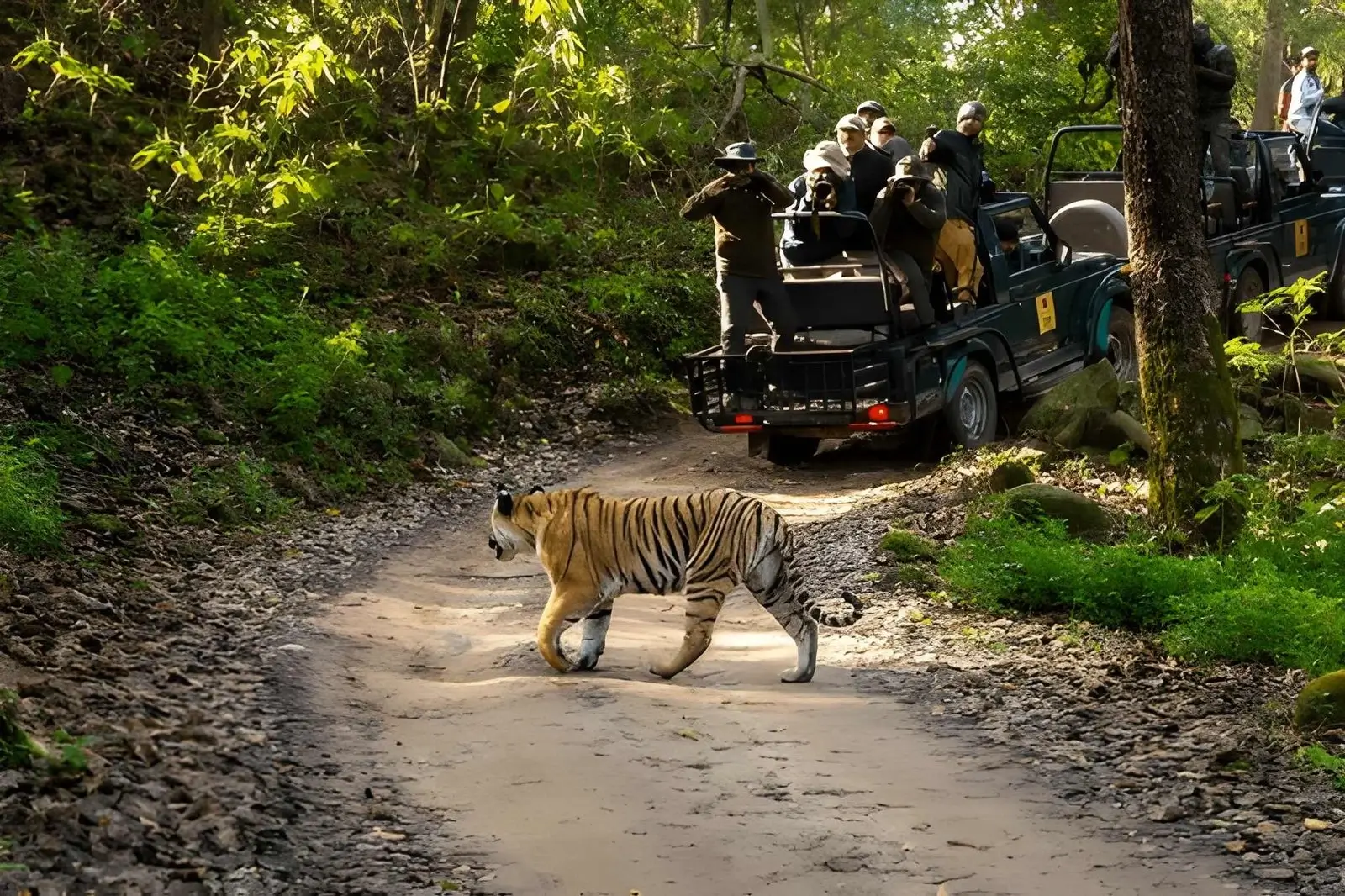
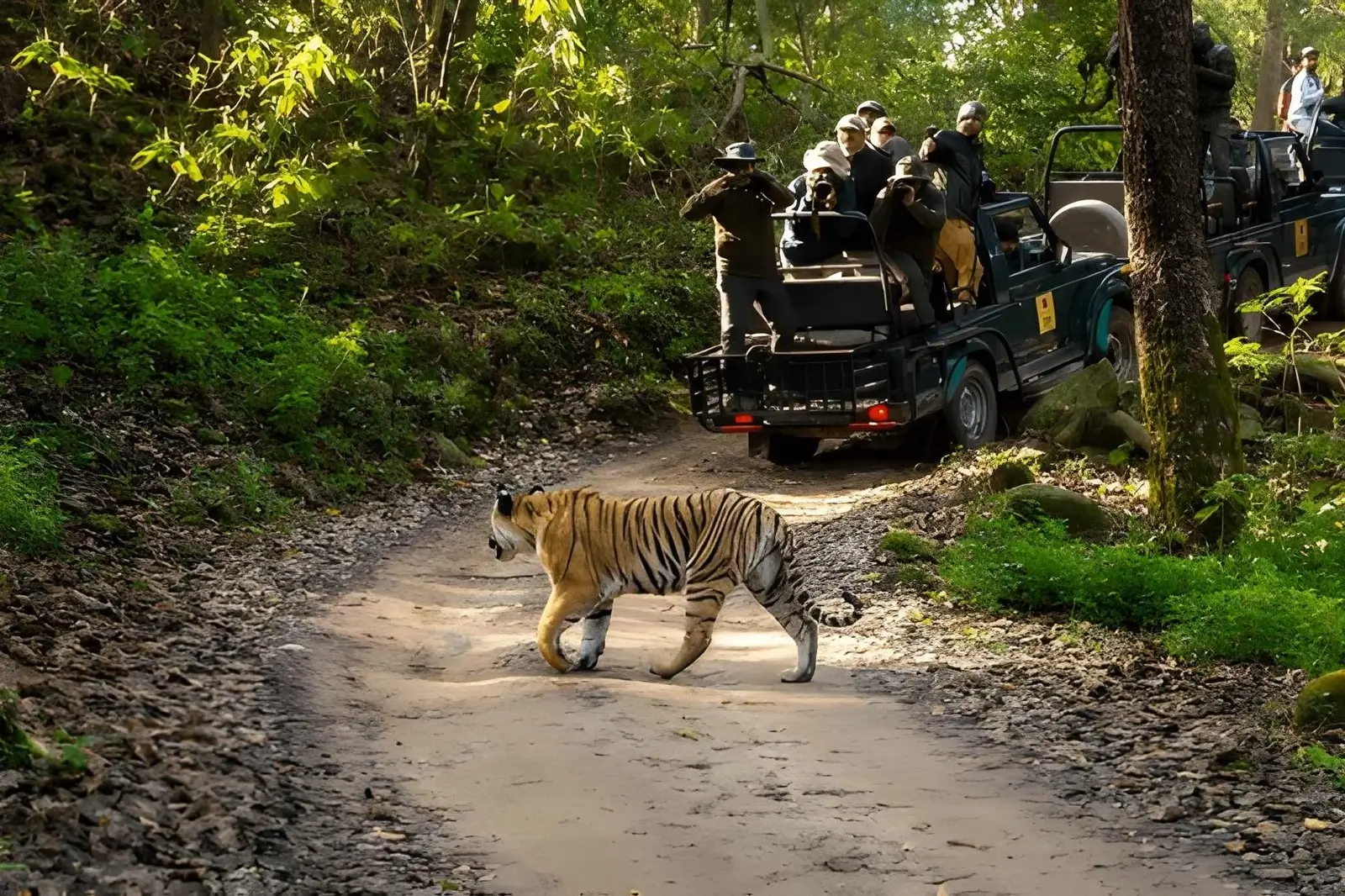
While tiger population numbers are important, travellers often want to know where sightings are most likely. Not all reserves offer the same experience.

Some of the best national parks for tiger sightings include:

Each national park offers a different experience, and the best choice depends on your travel goals:

  • Bandhavgarh National Park : Known for one of the highest tiger densities in India, offering strong sighting chances.
  • Kanha National Park : Scenic landscapes with stable tiger populations, ideal for a well-rounded safari experience.
  • Jim Corbett National Park : India’s oldest national park, best explored through zones like Dhikala and Bijrani.
  • Ranthambore National Park : One of the most accessible parks, where tigers are often seen near historic ruins.
  • Tadoba Andhari Tiger Reserve : A rising favourite for frequent tiger sightings with relatively fewer crowds.

Choosing the right park depends on travel route, season, and safari availability, not just population numbers.
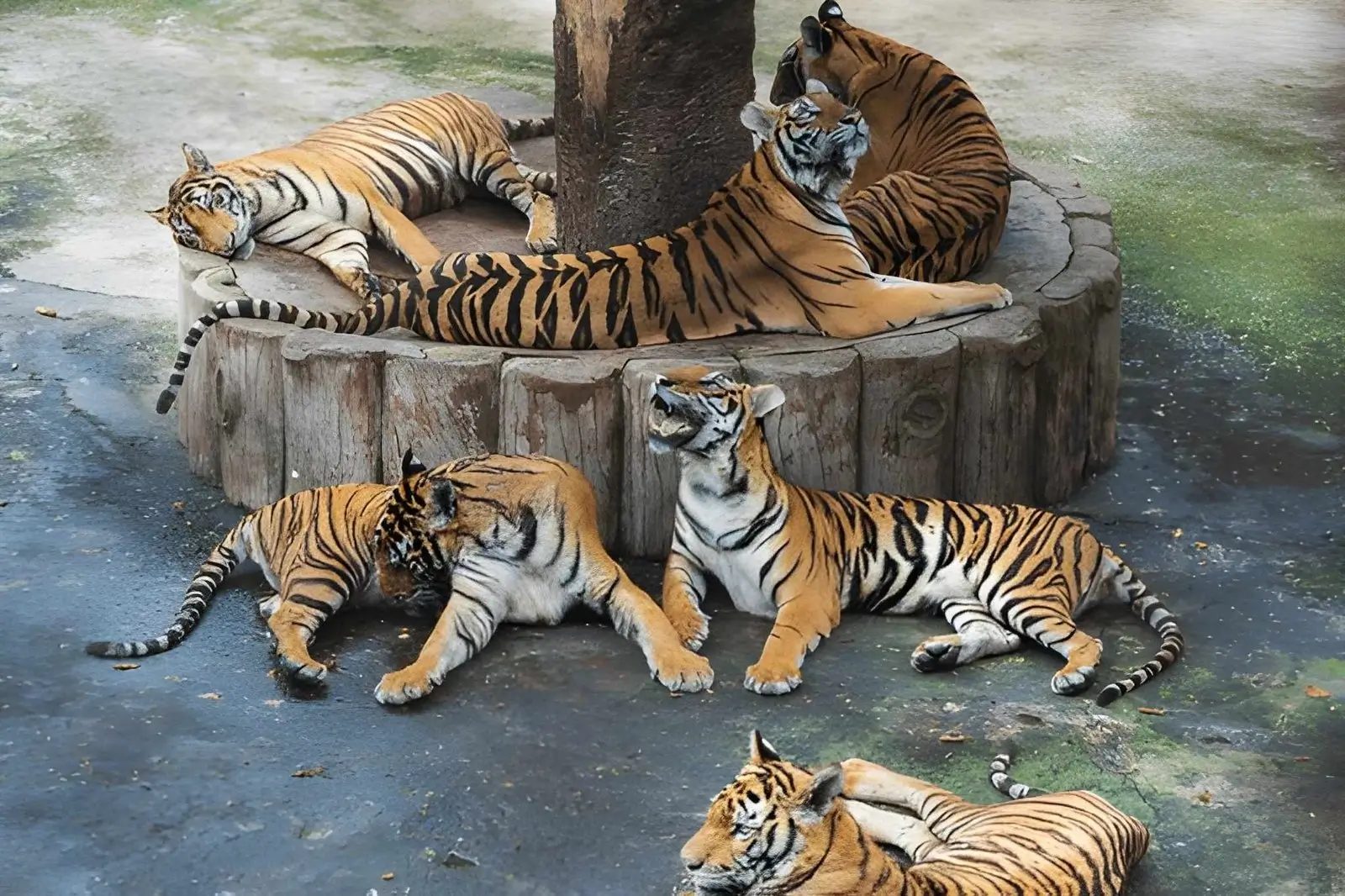
Tiger Population in India: Growth Over the Years

Tiger Population in India: Growth Over the Years

India conducts a nationwide tiger census every four years to monitor the health, distribution, and growth of the species. The results of these surveys show a remarkable increase in tiger numbers over the past two decades.

Year Tiger Population
2006 1,411
2010 1,706
2014 2,226
2018 2,967
2022–23 3,167+

What this means : India has more than doubled its tiger population since 2006, making it one of the most successful wildlife recovery stories globally.

How the Tiger Census Is Conducted in India

India’s tiger census is the largest wildlife monitoring exercise in the world, conducted using a combination of advanced techniques:

Key methods include:

  • Camera traps placed across forests to capture individual tigers
  • Satellite mapping to analyse habitat and movement
  • DNA sampling from scat and hair
  • Field surveys by trained forest staff

Each tiger is identified through its unique stripe pattern, allowing accurate population estimation.

State-Wise Tiger Population in India

While tigers are distributed across many states, some regions support significantly larger populations due to extensive forest cover and well-managed protected areas.

According to the latest census data, the states with the highest tiger populations include:

Top Tiger States in India (2022–23 Census)

State Tiger Population
Madhya Pradesh 785
Karnataka 563
Uttarakhand 560
Maharashtra 444
Tamil Nadu 306
Assam 227
Kerala 213
Uttar Pradesh 173
West Bengal 101
Rajasthan 88

While Madhya Pradesh leads in total tiger numbers, parks like Bandhavgarh often offer better sighting probabilities due to higher density, whereas larger reserves like Corbett require careful zone selection for successful safaris.

Quick insight : A higher population does not always mean easier sightings. Factors like forest density, terrain, and safari zones play a major role.
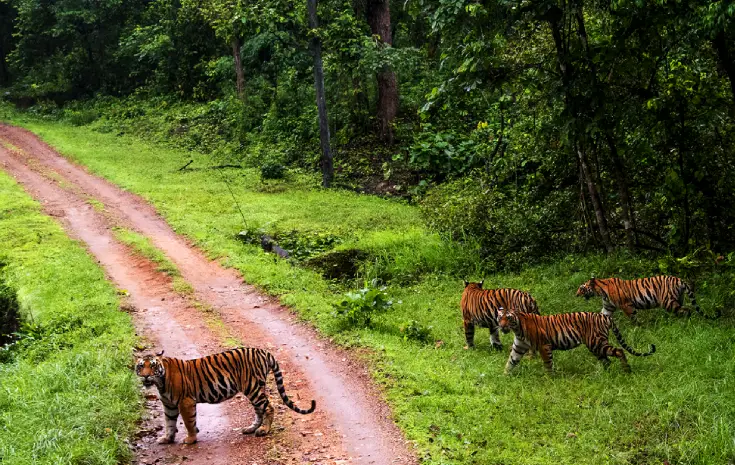
Major Tiger Landscapes in India

Tiger Landscapes in India

India’s tigers are distributed across several large ecological landscapes that support breeding populations.

  • Central India Tiger LandscapeThis region includes forests across Madhya Pradesh and Maharashtra and supports some of the highest tiger densities in the country. Important reserves include Kanha, Bandhavgarh, Pench, and Tadoba.
  • Western Ghats Landscape Stretching across Karnataka, Kerala, and Tamil Nadu, the Western Ghats provide continuous forest habitat. Bandipur, Nagarhole, Mudumalai, and Periyar are among the key tiger reserves here.
  • Terai Arc Landscape Within this landscape, Jim Corbett National Park stands out as one of the most accessible tiger reserves in India, especially for travellers combining wildlife with North India itineraries.
  • Sundarbans Landscape The mangrove forests of the Sundarbans in West Bengal host a unique population of tigers adapted to swamp and tidal ecosystems.

These landscapes form the backbone of India’s tiger conservation strategy.
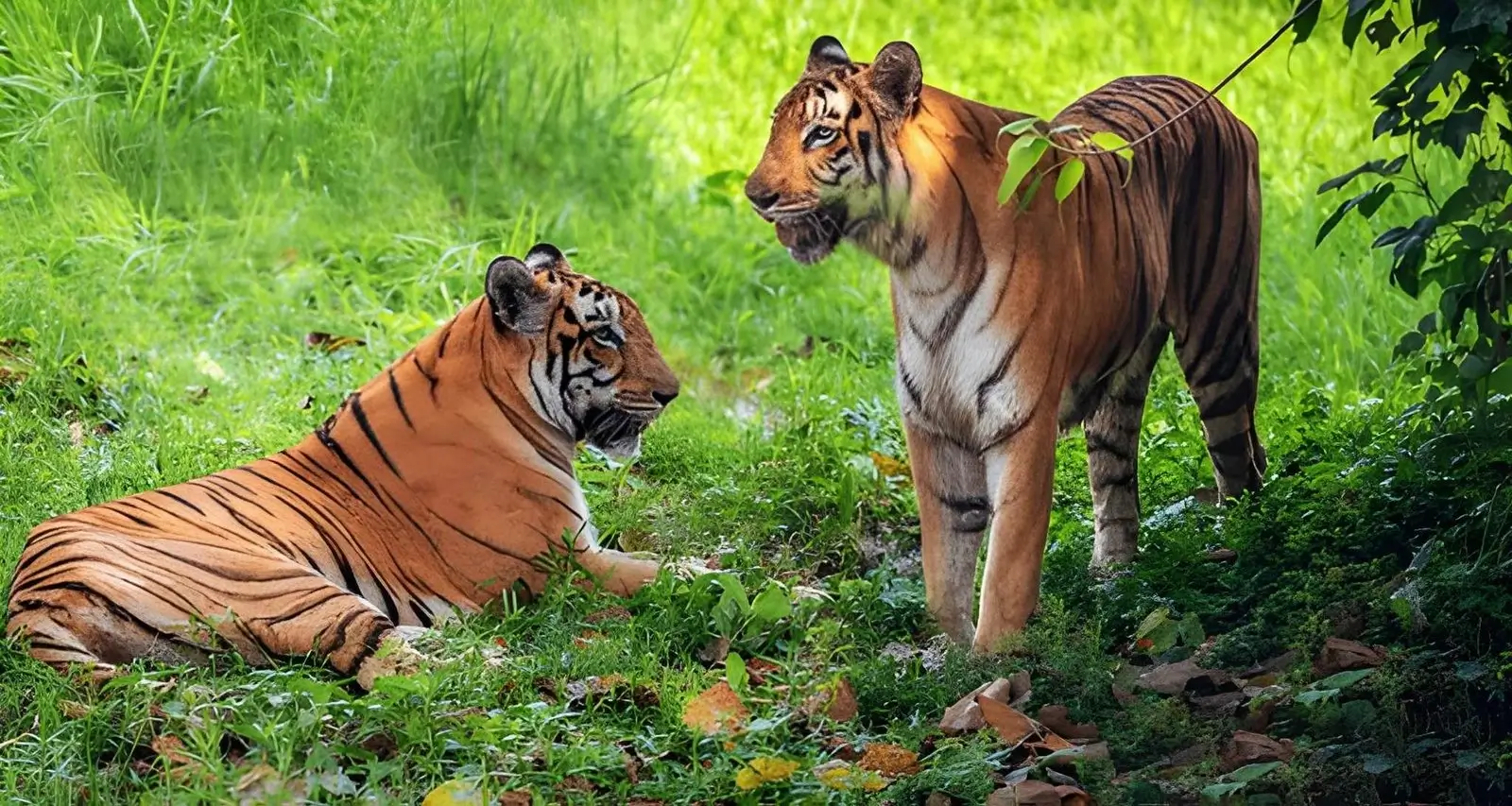
Number of Tiger Reserves in India

Tiger Reserves in India

India currently has 54 officially designated tiger reserves across 18 states, forming one of the largest protected wildlife networks in the world.

These reserves are managed under Project Tiger, which focuses on habitat conservation, prey population management, and minimizing human disturbance inside core forest zones.

Some of the most important tiger reserves include:

  • Corbett Tiger Reserve (Uttarakhand)
  • Kanha Tiger Reserve (Madhya Pradesh)
  • Bandipur Tiger Reserve (Karnataka)
  • Tadoba-Andhari Tiger Reserve (Maharashtra)
  • Ranthambore Tiger Reserve (Rajasthan)
  • Sundarbans Tiger Reserve (West Bengal)

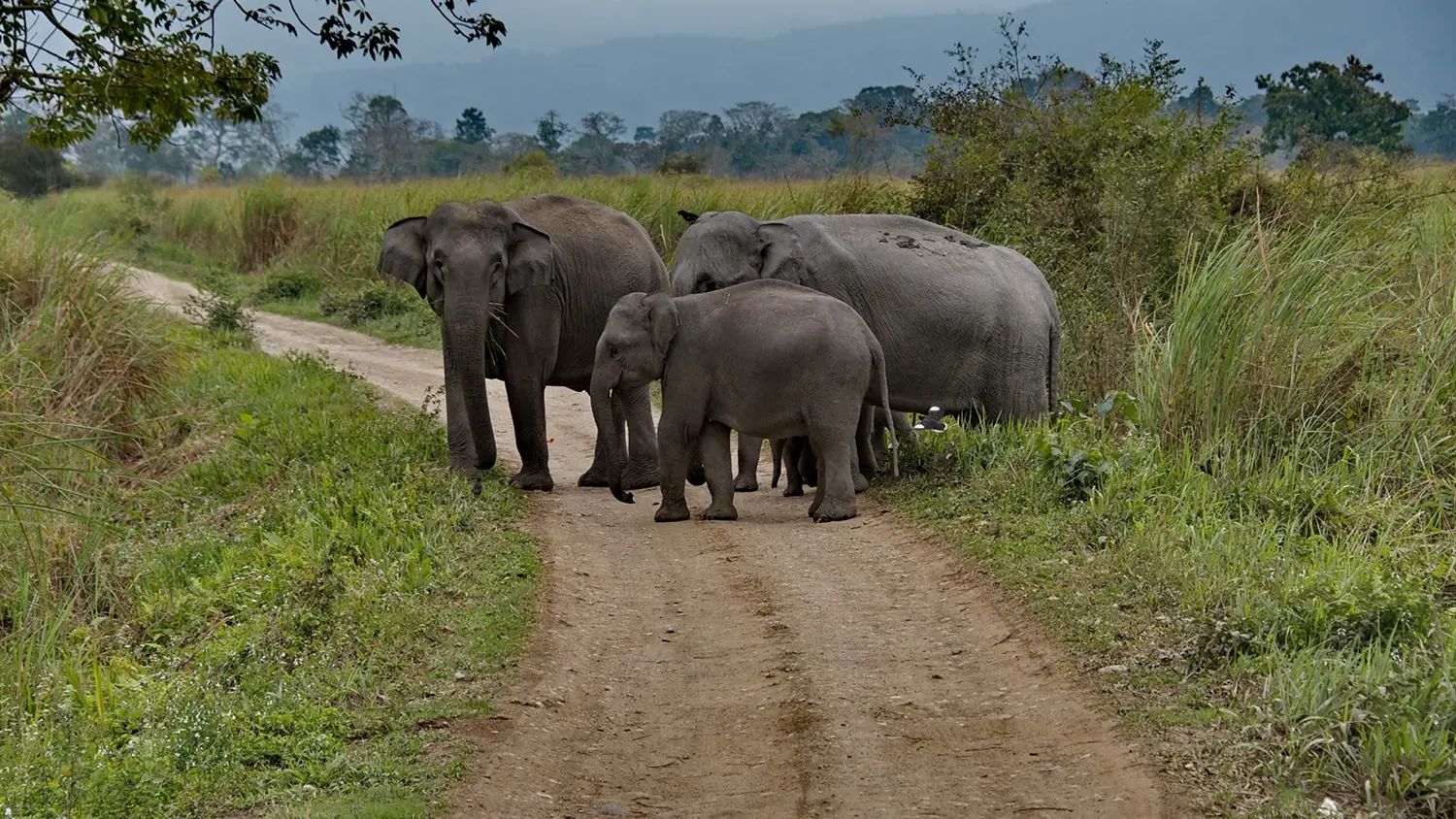
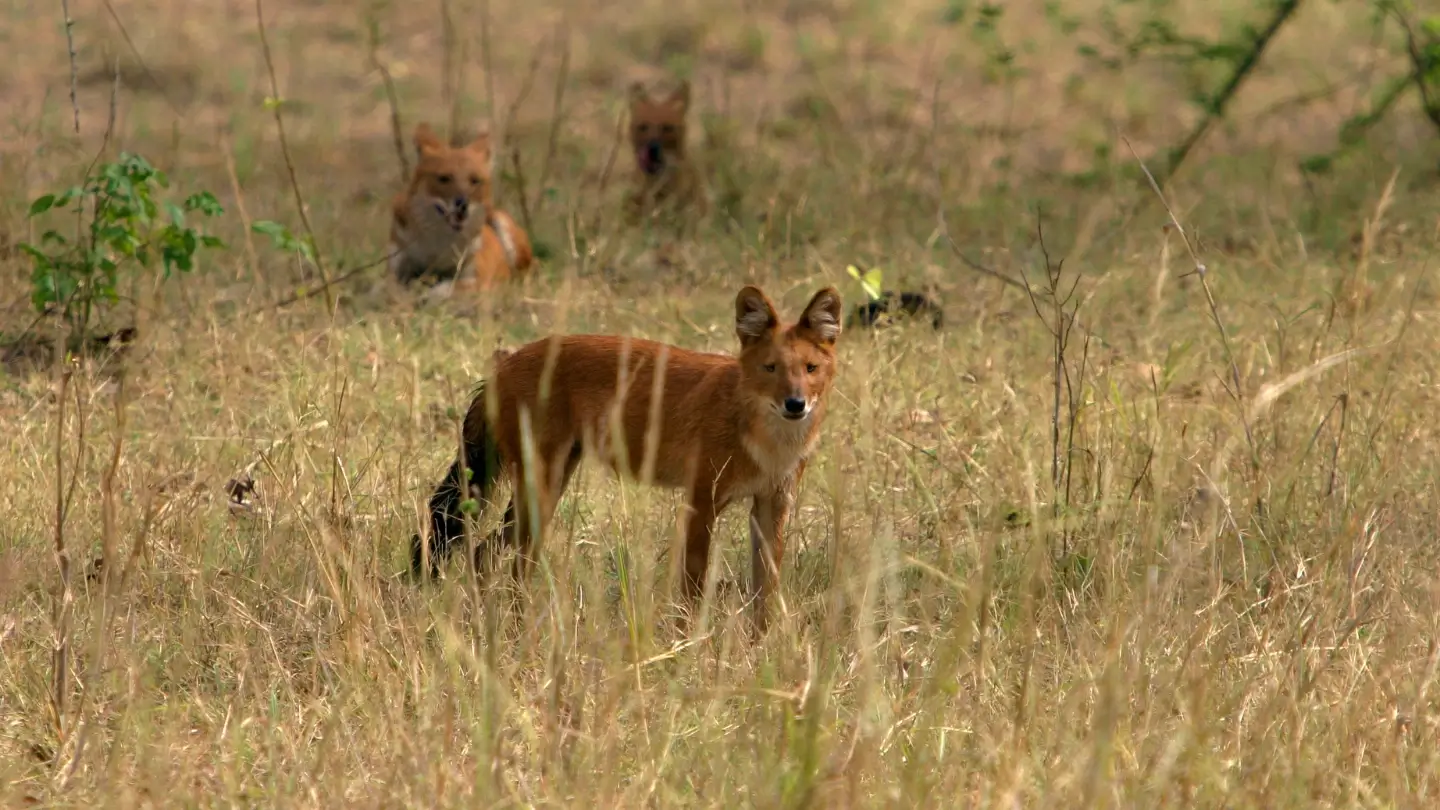
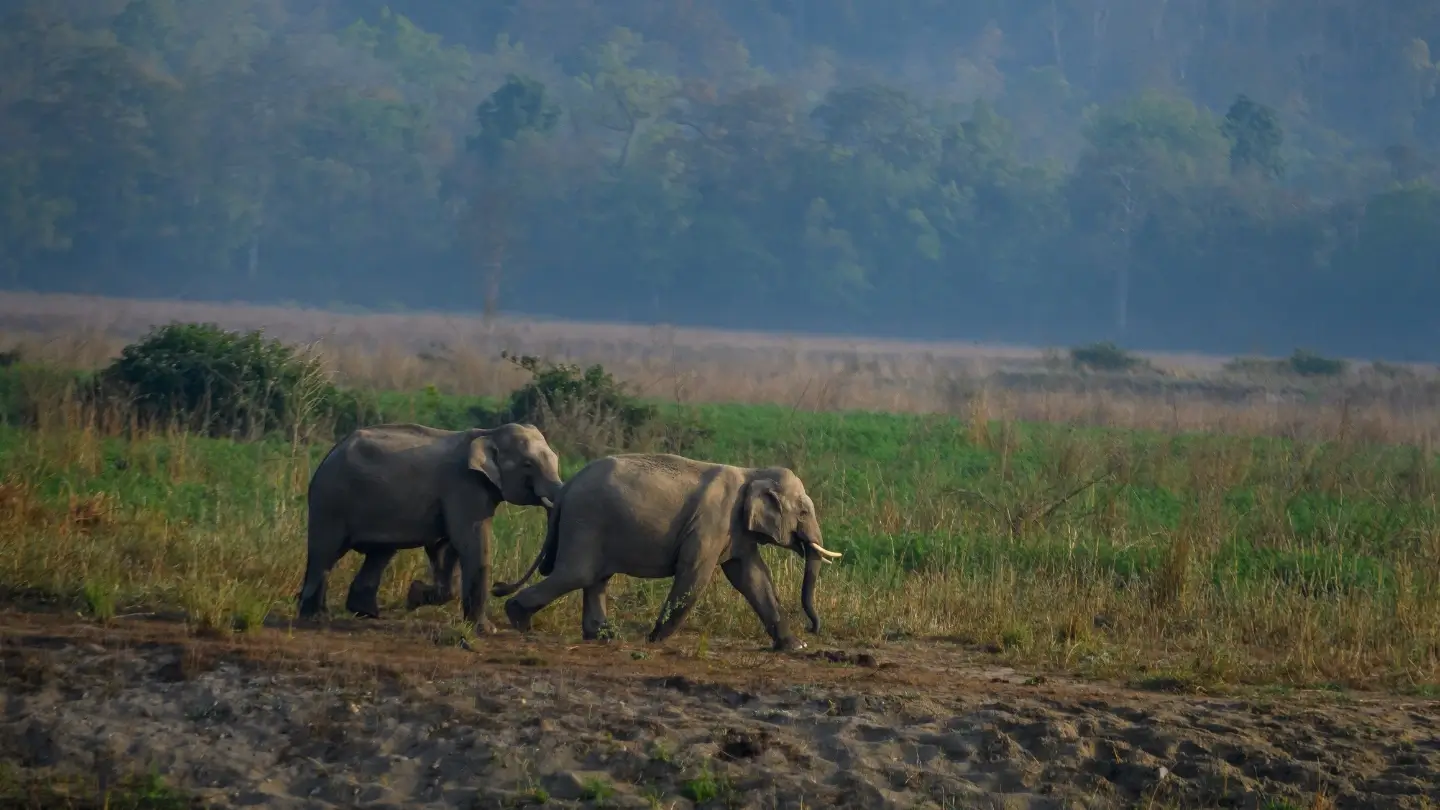
Together, these protected landscapes cover millions of hectares of forests that support not only tigers but also elephants, leopards, deer, wild dogs, and hundreds of bird species.
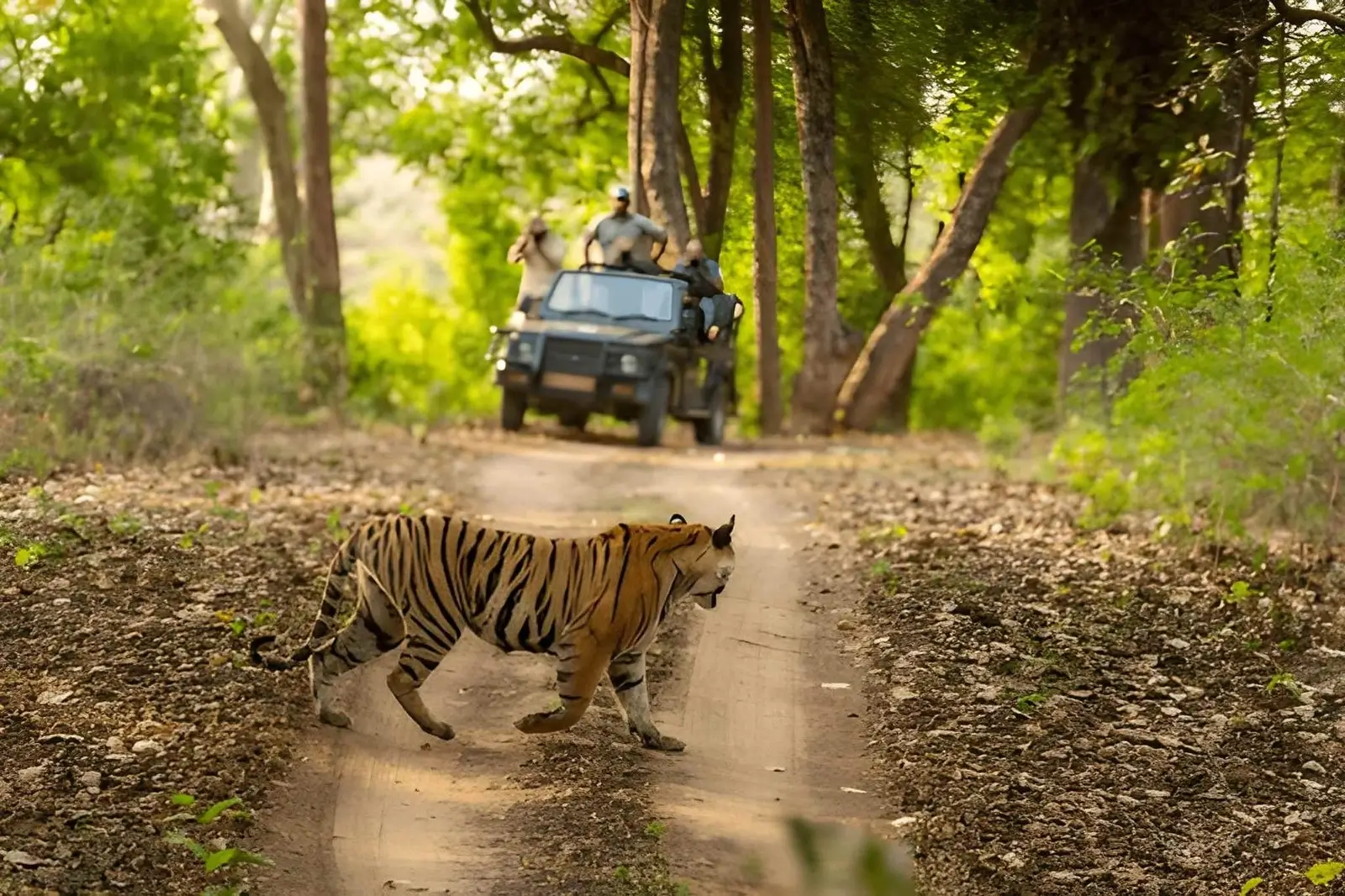
Conservation Efforts That Helped Increase the Tiger Population in India

Conservation Efforts That Helped Increase the Tiger Population in India

The growth in tiger numbers is the result of decades of focused conservation work across India’s forests.

  • Project Tiger Launched in 1973, Project Tiger created dedicated tiger reserves and implemented strict protection policies to safeguard the species and its habitat.
  • Expansion of Tiger Reserves India has significantly expanded its network of protected areas, creating safe breeding grounds for tigers and improving habitat connectivity between forests.
  • Anti-Poaching Measures Special wildlife protection forces, advanced surveillance systems, and stricter legal enforcement have helped reduce poaching activities.
  • Habitat Restoration Forest departments have worked to restore degraded forest areas and increase prey populations, which are essential for maintaining healthy tiger numbers.
  • Wildlife Corridors Conservation programs have focused on protecting forest corridors that allow tigers to move safely between reserves and maintain genetic diversity.

Why Tiger Conservation Matters?

Tigers are apex predators that play a vital role in maintaining the ecological balance of forest ecosystems. They are indicators of healthy forests.

A thriving tiger population means the following :

  • Balanced ecosystems
  • Protected water sources
  • Sustained biodiversity

Protecting tiger habitats also safeguards hundreds of other species including elephants, leopards, deer, birds, reptiles, and insects.

Healthy tiger ecosystems therefore contribute to biodiversity conservation, climate stability, and watershed protection, benefiting both wildlife and human communities.

The Role of Wildlife Tourism in Tiger Conservation

Wildlife tourism has become an important component of tiger conservation in India. Tiger reserves attract thousands of visitors every year, generating revenue that supports conservation programs and local livelihoods.

How it helps :

  • Generates revenue for forest protection
  • Creates local employment (guides, drivers, hospitality)
  • Increases awareness about wildlife conservation

But it must be managed carefully:

Unregulated tourism can disturb habitats and affect breeding zones.

For travellers planning a tiger safari, choosing the right reserve, safari zone, and season significantly impacts the experience. Well-planned itineraries help maximise sightings while ensuring responsible wildlife travel.

Tiger Population in India Compared to Other Countries

Although tigers are found across several Asian countries, India supports the majority of the global population.

Country Estimated Wild Tiger Population
India 3,167+
Russia ~540
Indonesia ~400
Nepal ~355
Thailand ~200

Challenges Facing Tiger Conservation

Despite the recovery in numbers, tiger conservation still faces several challenges.

  • Habitat fragmentation : due to infrastructure
  • Human-wildlife conflict : near forest edges
  • Poaching risks : linked to illegal wildlife trade

Addressing these requires long-term planning, community involvement, and stricter protection measures.


Frequently Asked Questions

Q. How many tigers are there in India today?
India currently has more than 3,167 wild tigers, according to the latest estimate by the National Tiger Conservation Authority. This makes India home to nearly 75% of the global tiger population and the most important country for tiger conservation.
Q. Which is the best place in India to see tigers easily?
Parks like Bandhavgarh, Ranthambore, and Tadoba are known for relatively higher sighting chances, while Corbett offers a more expansive forest experience where sightings depend on zone selection and timing.
Q. When is the tiger census conducted in India?
The tiger census in India is conducted every four years. The survey uses camera traps, satellite mapping, DNA analysis, and field observations by forest officials to estimate tiger numbers and distribution.
Q. Which state has the highest tiger population in India?
Madhya Pradesh currently has the highest tiger population in India, followed by Karnataka and Uttarakhand. These states have large forest landscapes and well-managed tiger reserves that provide suitable habitat for breeding populations.
Q. Why has the tiger population in India increased?
The tiger population has increased due to strong conservation initiatives such as Project Tiger, expansion of protected reserves, improved anti-poaching enforcement, habitat restoration programmes, and scientific wildlife monitoring.
Q. Which national parks are best for spotting tigers in India?
Some of the best national parks for tiger sightings include Jim Corbett National Park, Bandhavgarh National Park, Kanha National Park, Ranthambore National Park, and Tadoba-Andhari Tiger Reserve, all known for healthy tiger populations and well-managed safari tourism.

Recent Trending Posts

Best National Parks for Wildlife Safari in India: Tiger, Lion & Jungle Experiences
5 Best National Parks for Wildlife Safari in India: Tiger, Lion & Jungle Experiences

India is one of the few countries in the world where travellers can experience such an extraordinary range of wildlife within a single nation. From the riverine forests of the Himalayan foothills to the dry landscapes of western India and the dense jungles of central India, the country hosts some of the most remarkable ecosystems on Earth.

Tiger Population in India: Latest Count, State-Wise Data & Best Places to See Tigers
Tiger Population in India (2026): Latest Count, State-Wise Data & Best Places to See Tigers

India is now home to nearly three out of every four wild tigers on the planet. What was once a species on the brink of collapse has staged one of the most remarkable wildlife recoveries in modern conservation history.

Jim Corbett : From Hunter to Conservationist

Few figures in India’s wildlife history are as compelling as Jim Corbett, a hunter who spent years tracking man-eating predators before becoming one of the earliest voices for wildlife conservation. His journey from protecting villages to advocating for forests reflects a deeper understanding of the relationship between humans and wildlife.

Fascinating Facts About Elephants: Intelligence, Behaviour & Where to See Them in India
9 Fascinating Facts About Elephants: Intelligence, Behaviour & Where to See Them in India

Elephants are not just the largest land animals on Earth, they are among the most intelligent and emotionally complex species in the wild. In India, spotting an elephant in its natural habitat, especially in forests like Jim Corbett National Park, is often one of the most memorable wildlife experiences a traveller can have.

Jim Corbett National Park History: From Hailey Park to India’s First Tiger Reserve

The story of Jim Corbett National Park is closely tied to the evolution of wildlife conservation in India. Established in 1936 as Hailey National Park, it was the country’s first attempt at protecting forest ecosystems and wildlife at scale.

Interesting Facts About Tigers: Behaviour, Habitat & Safari Insights

Spotting a tiger in the wild is one of the most intense moments on a safari. The forest falls silent, alarm calls rise, and suddenly, every movement matters. But beyond the sighting lies a deeper story of behaviour, territory, and survival that most travellers miss.

Fascinating Animal Facts: Surprising Wildlife Insights from Around the World
25 Fascinating Animal Facts: Surprising Wildlife Insights from Around the World

The animal kingdom is full of behaviours that often seem unbelievable until you see them in action. From tigers with unique stripe patterns to elephants with complex social bonds, wildlife continues to challenge what we think we know about intelligence, survival, and adaptation.

Powerful Life Lessons Humans Can Learn from Wildlife
Powerful Life Lessons Humans Can Learn from Wildlife (Inspired by Nature & National Parks)

Humans often believe they have mastered intelligence, leadership, and progress. Yet, in the wild, animals follow simple principles that have ensured survival for millions of years.

Endangered Animals in India : Causes, Conservation Efforts & National Parks
Endangered Animals in India: Causes, Conservation Efforts & National Parks

TIndia is one of the world’s most biodiverse countries, yet many of its wildlife species are facing increasing threats. From habitat loss and climate change to poaching and human expansion, several animal populations have declined sharply over the past century.

Project Tiger in India: History, Achievements & Tiger Population Growth

Tigers are among the most iconic symbols of India’s wildlife heritage. The Royal Bengal Tiger, which is also the country’s national animal, represents the strength and ecological richness of India’s forests. Once widespread across the subcontinent, tiger populations declined dramatically during the twentieth century due to hunting, habitat loss, and poaching.

Best National Parks for Wildlife Photography in India
5 Best National Parks for Wildlife Photography in India

When photography is a passion, every subject can become a masterpiece. However, when wildlife becomes the theme, photography turns into a powerful way of capturing the raw beauty of nature and the untamed wilderness

Best Bird Watching Destinations in India: Top National Parks for Birding
5 Best Bird Watching Destinations in India: Top National Parks for Birding

Bird watching in India offers an extraordinary experience because few countries match its diversity of habitats and birdlife. From Himalayan foothills and vast wetlands to mangrove forests and tropical evergreen jungles, the country supports an exceptional range of bird species throughout the year.

Top Adventure Activities in Jim Corbett: Safaris, River Rafting & Outdoor Experiences

Jim Corbett National Park is often associated with tiger safaris, but the experience goes far beyond wildlife sightings. Set against the foothills of the Himalayas and shaped by rivers like Ramganga and Kosi, Corbett offers a range of outdoor activities that combine adventure with nature.

How to Help Save Tigers: Practical Ways to Support Tiger Conservation
How to Help Save Tigers: Practical Ways to Support Tiger Conservation?

Tigers play a critical role in maintaining healthy ecosystems, but their survival is still under threat due to habitat loss, poaching, and human expansion.

Why Tigers Are Endangered: Causes, Population & Conservation Efforts

Tigers are among the most important predators in the natural world, yet their survival remains under constant threat. Over the past century, tiger populations have declined drastically due to habitat loss, poaching, and human expansion.

Why Wildlife Conservation Matters for Human Survival : Real Impact on Food, Climate & Travel
Why Wildlife Conservation Matters for Human Survival: Real Impact on Food, Climate & Travel

The animal kingdom is full of behaviours that often seem unbelievable until you see them in action. From tigers with unique stripe patterns to elephants with complex social bonds, wildlife continues to challenge what we think we know about intelligence, survival, and adaptation.

Wildlife Conservation in India: Efforts, National Parks & Why It Matters

Wildlife conservation in India focuses on protecting entire ecosystems that sustain biodiversity, water systems, and human life. With increasing pressure from urbanisation, deforestation, and climate change, conservation efforts have become essential to ensure the survival of wildlife across the country.

Wildlife Management in India: Conservation Efforts, Laws & National Parks

Wildlife management in India is not just about protecting animals; it is about maintaining entire ecosystems that support biodiversity, water systems, and local communities. With increasing pressure from urbanisation, deforestation, and human expansion, conservation efforts have become essential to ensure the survival of wildlife across the country.

Tundra Bean Goose in India: Rare Sightings, Migration Mystery & the 2011 Corbett Record

India’s wetlands and river systems attract thousands of migratory birds every winter. Most follow predictable routes, returning year after year. But some species break the pattern entirely.

Our experts are available 24/7: