Jim Corbett: From Hunter to Conservationist
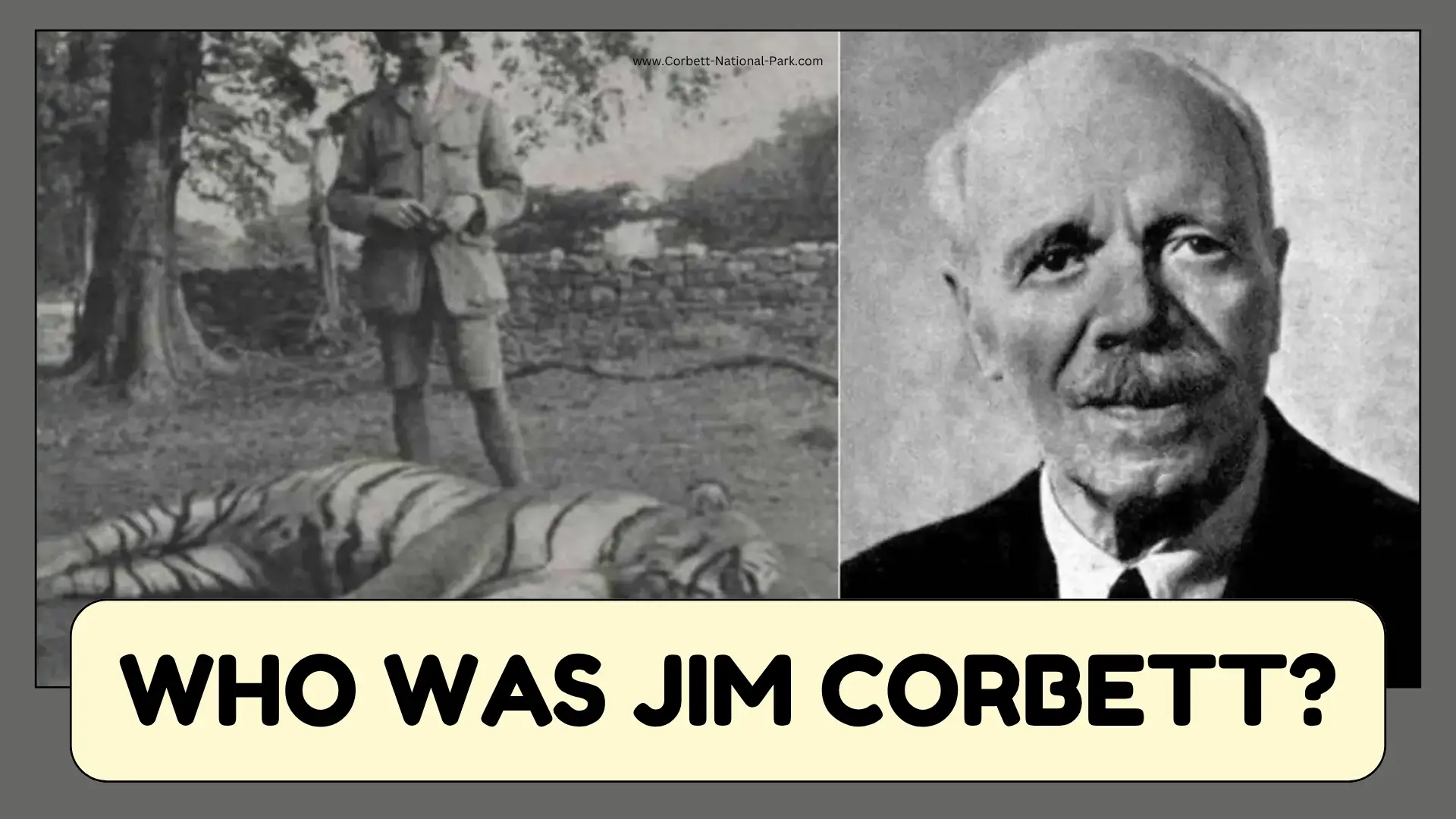
Few figures in India’s wildlife history are as compelling as Jim Corbett, a hunter who spent years tracking man-eating predators before becoming one of the earliest voices for wildlife conservation. His journey from protecting villages to advocating for forests reflects a deeper understanding of the relationship between humans and wildlife.
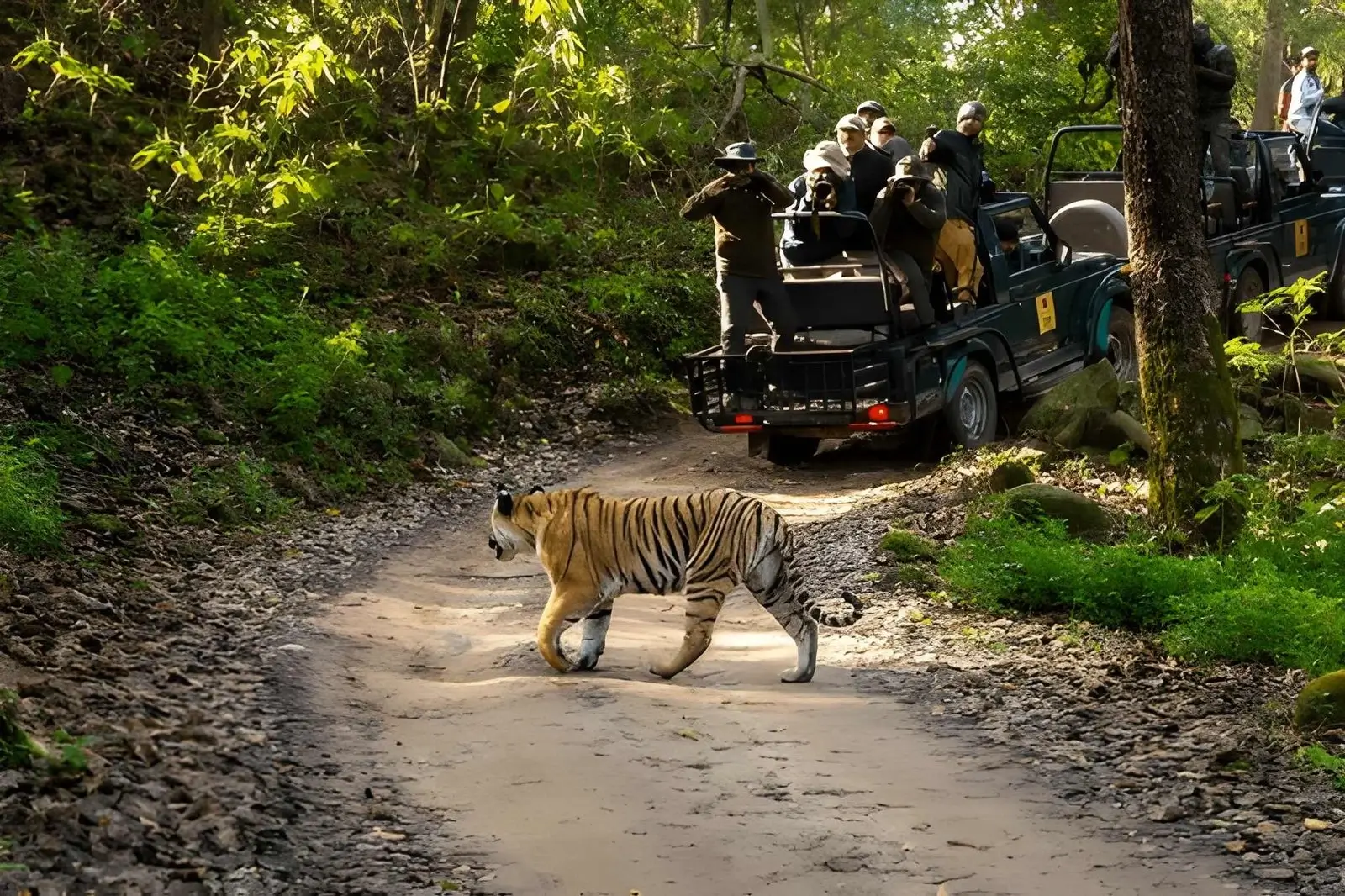
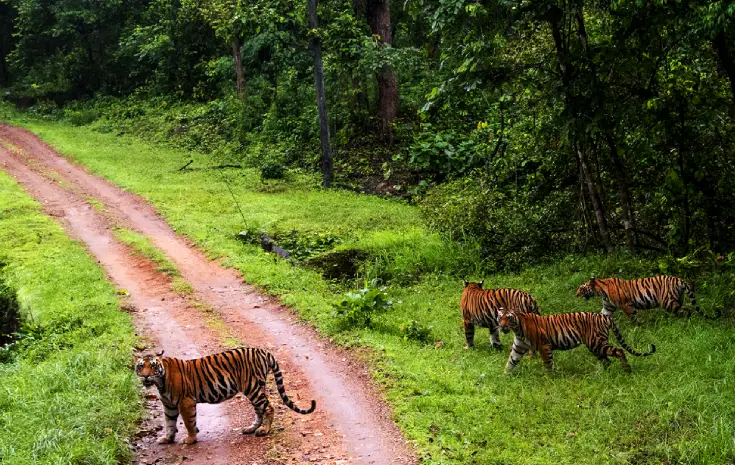
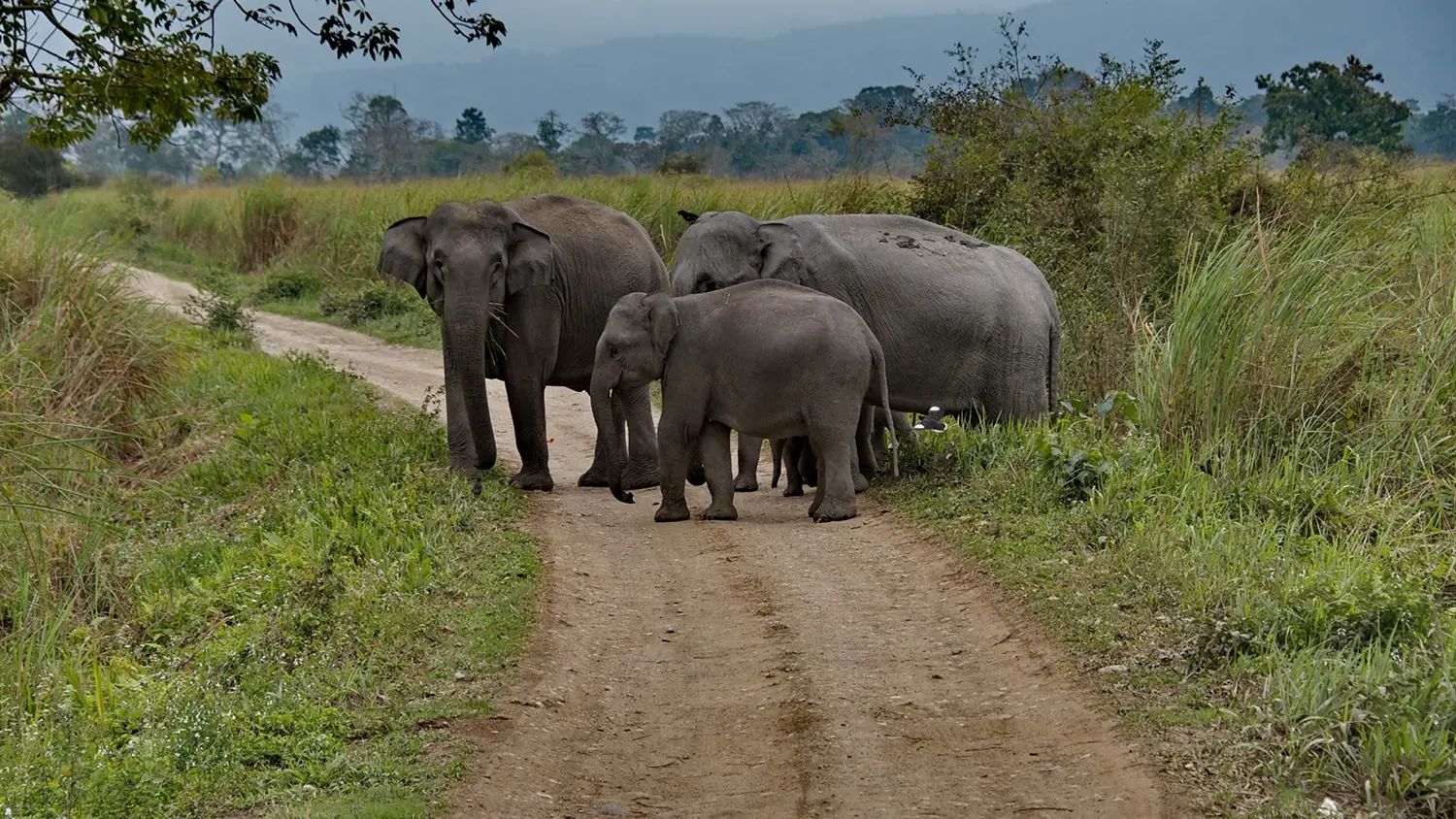
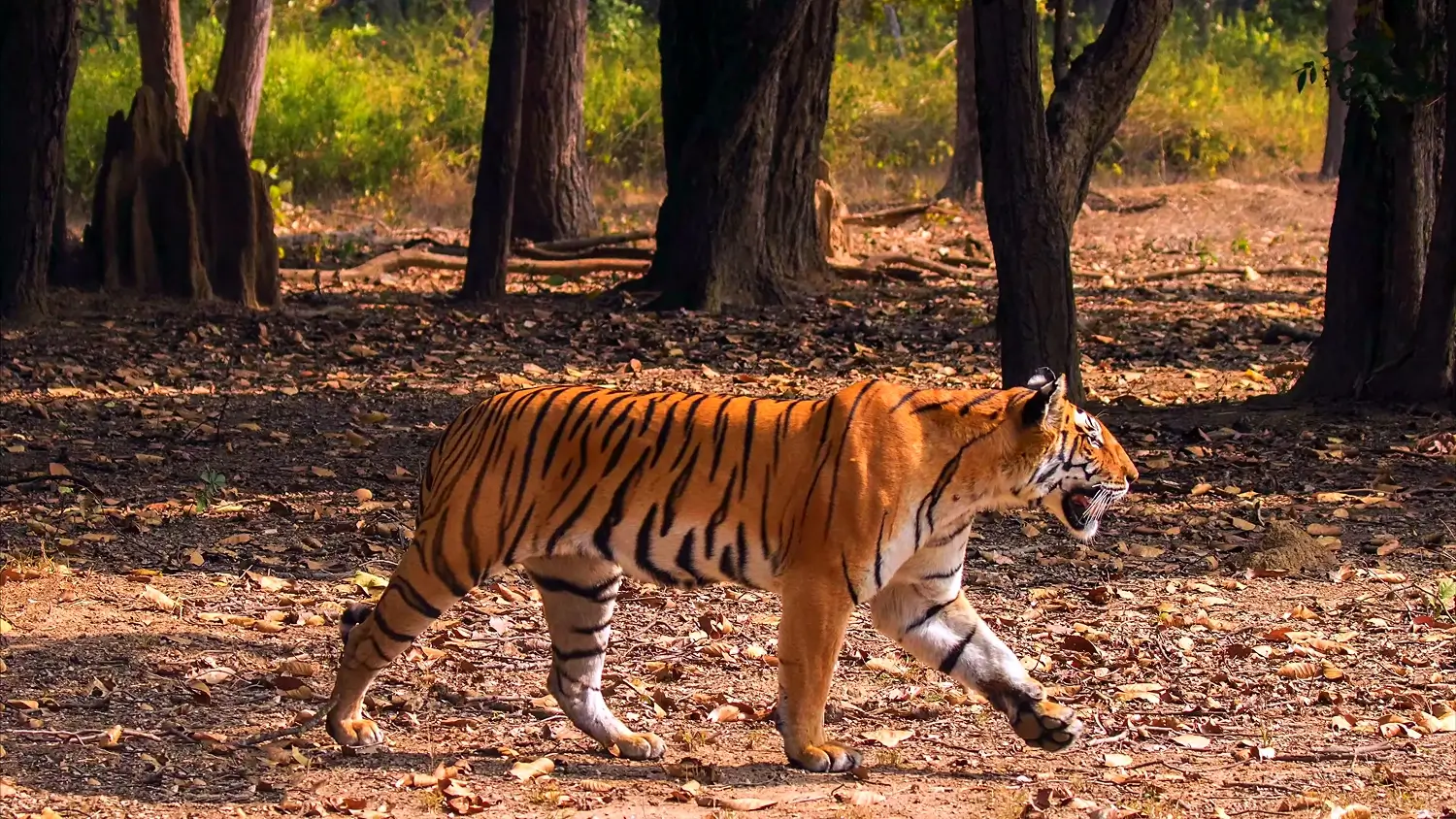
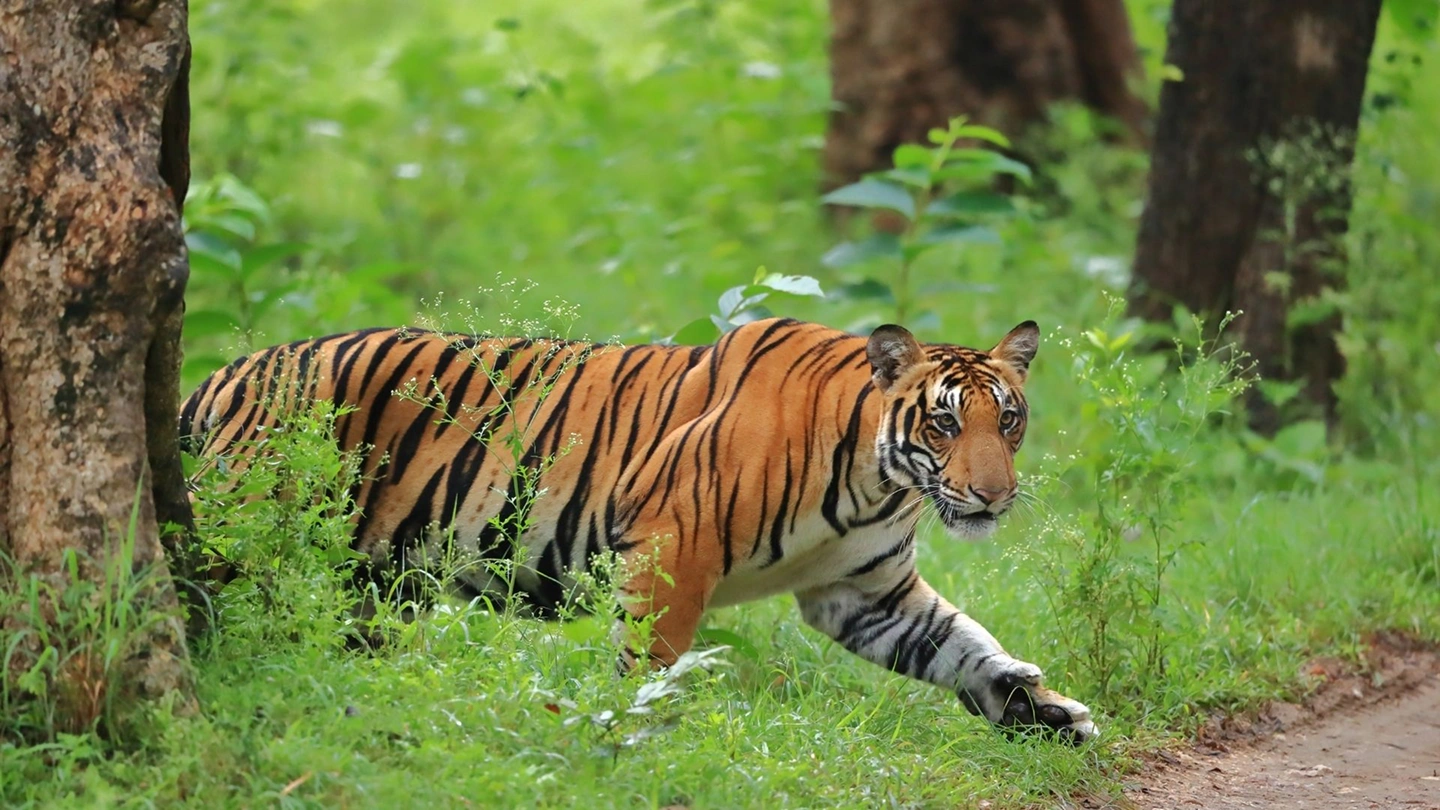
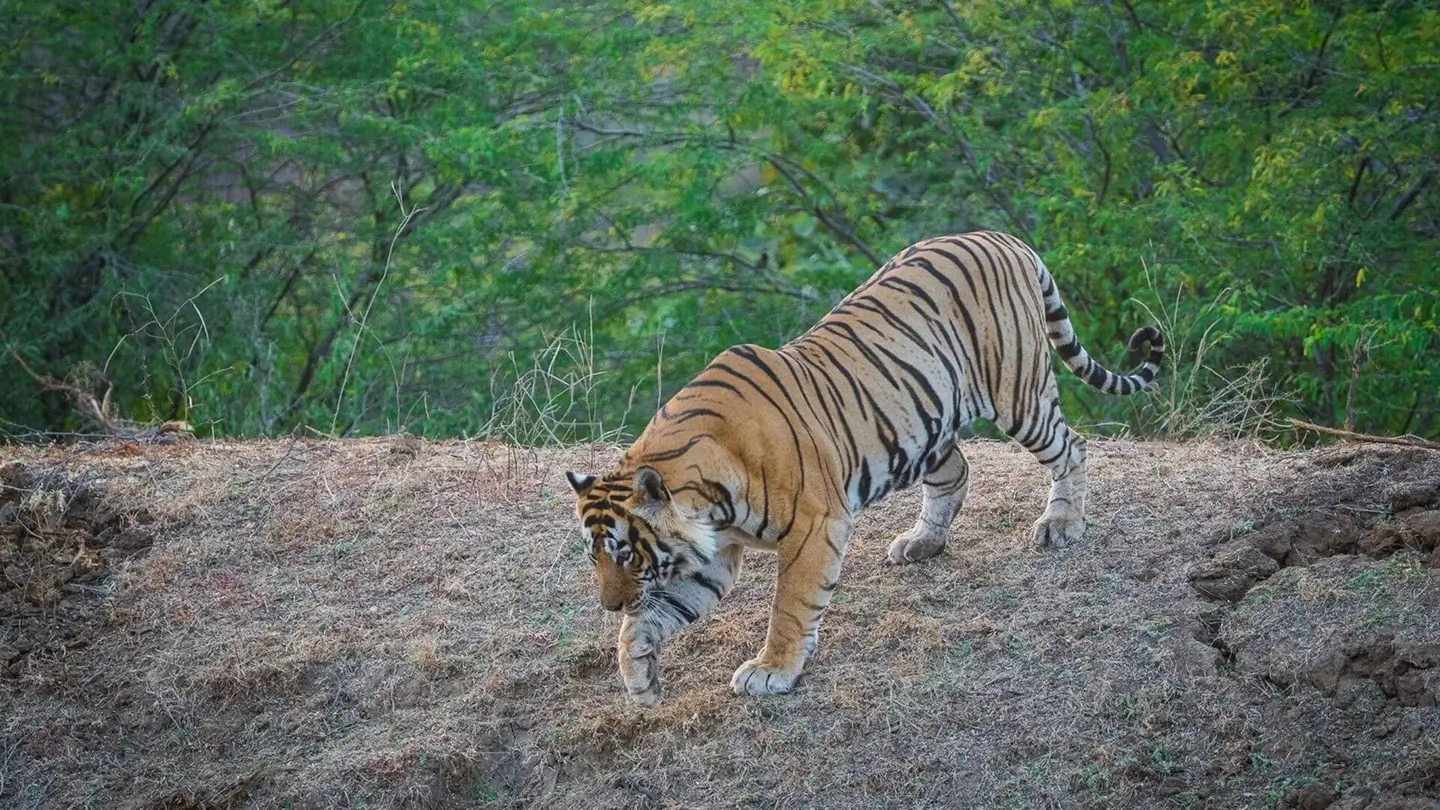
Today, his legacy lives on in Jim Corbett National Park, one of India’s most important tiger reserves. Located in the Himalayan foothills of Uttarakhand, the park is famous for its rich biodiversity, forest landscapes, and strong tiger population.
However, the story behind the park goes far beyond wildlife tourism. It is closely tied to the life of Jim Corbett, whose remarkable journey from hunter to conservationist helped shape early wildlife protection efforts in India.
Who Was Jim Corbett?
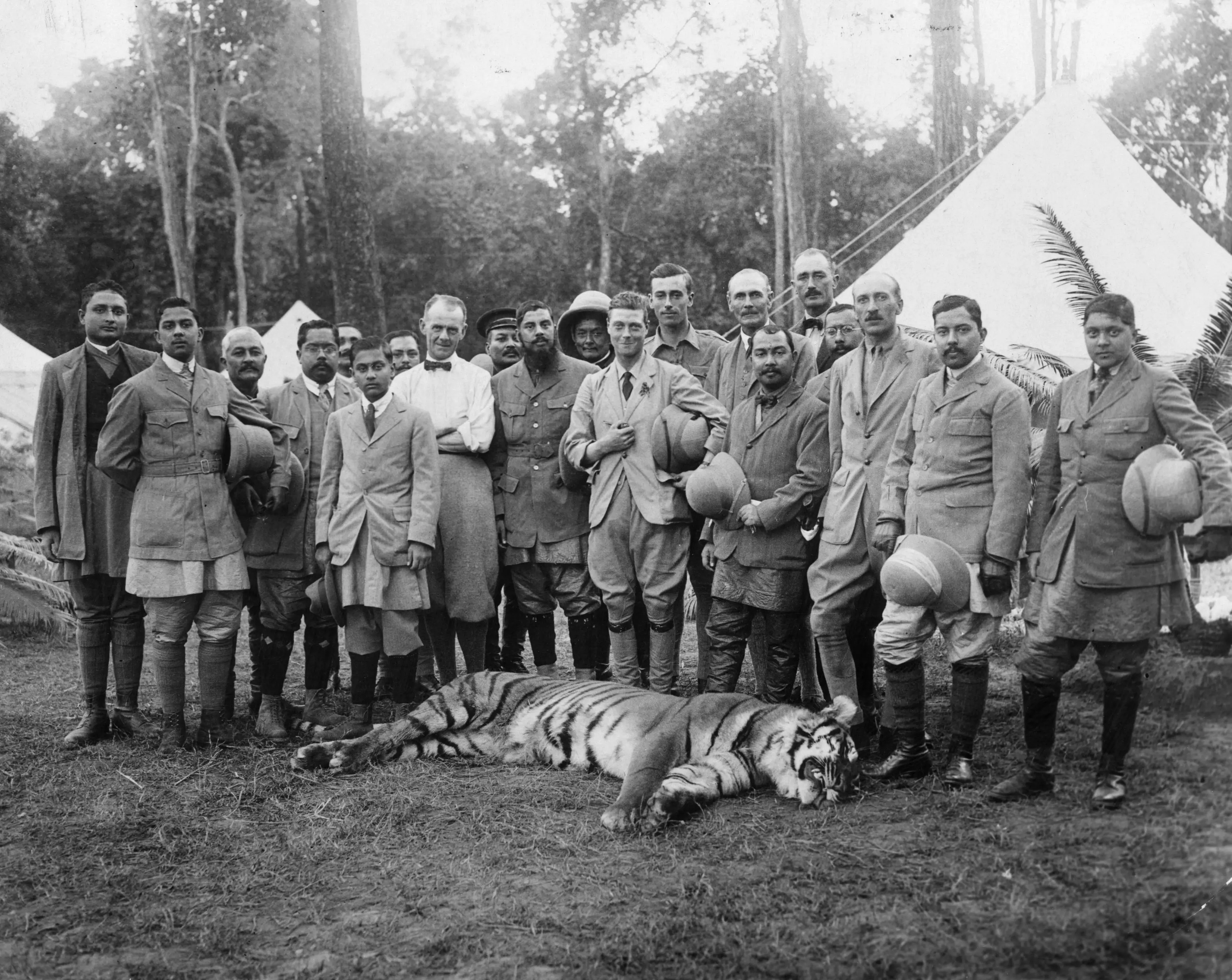
Jim Corbett was a British-Indian hunter, tracker, and conservationist known for hunting man-eating tigers and later advocating wildlife protection in India.
He was born in 1875 in Nainital, a hill station in the Kumaon region of present-day Uttarakhand. Growing up in the forests and hills of Kumaon, Corbett developed an exceptional understanding of wildlife and forest landscapes.
During the early twentieth century, several villages in the Kumaon and Garhwal regions were terrorised by man-eating tigers and leopards. These animals often turned to humans as prey after being injured or displaced due to habitat disturbances.
Between 1907 and 1938, Corbett successfully tracked and killed 19 man-eating tigers and 14 leopards, animals that had reportedly been responsible for over 1,200 human deaths in the region. His ability to read animal behavior, track footprints, and move silently through dense forests made him one of the most skilled hunters of his time.
Despite his reputation as a hunter, Corbett believed strongly that most man-eaters were victims of human interference, such as habitat destruction or injuries caused by poorly executed hunts.
From Hunter to Conservationist
Over time, Corbett’s perspective began to change. His close encounters with wildlife revealed that human activity was often the root cause of conflict. This shift led him to advocate for forest protection and responsible wildlife management, making him one of the earliest conservation voices in India.
Corbett also played an important role in raising public awareness about wildlife through his writings. His books vividly described the forests of Kumaon and the complex relationship between humans and wildlife.
Some of his most famous works include:
- Man-Eaters of Kumaon
- The Man-Eating Leopard of Rudraprayag
- Jungle Lore
- My India
These books brought international attention to India’s forests and wildlife and helped inspire early conservation thinking.
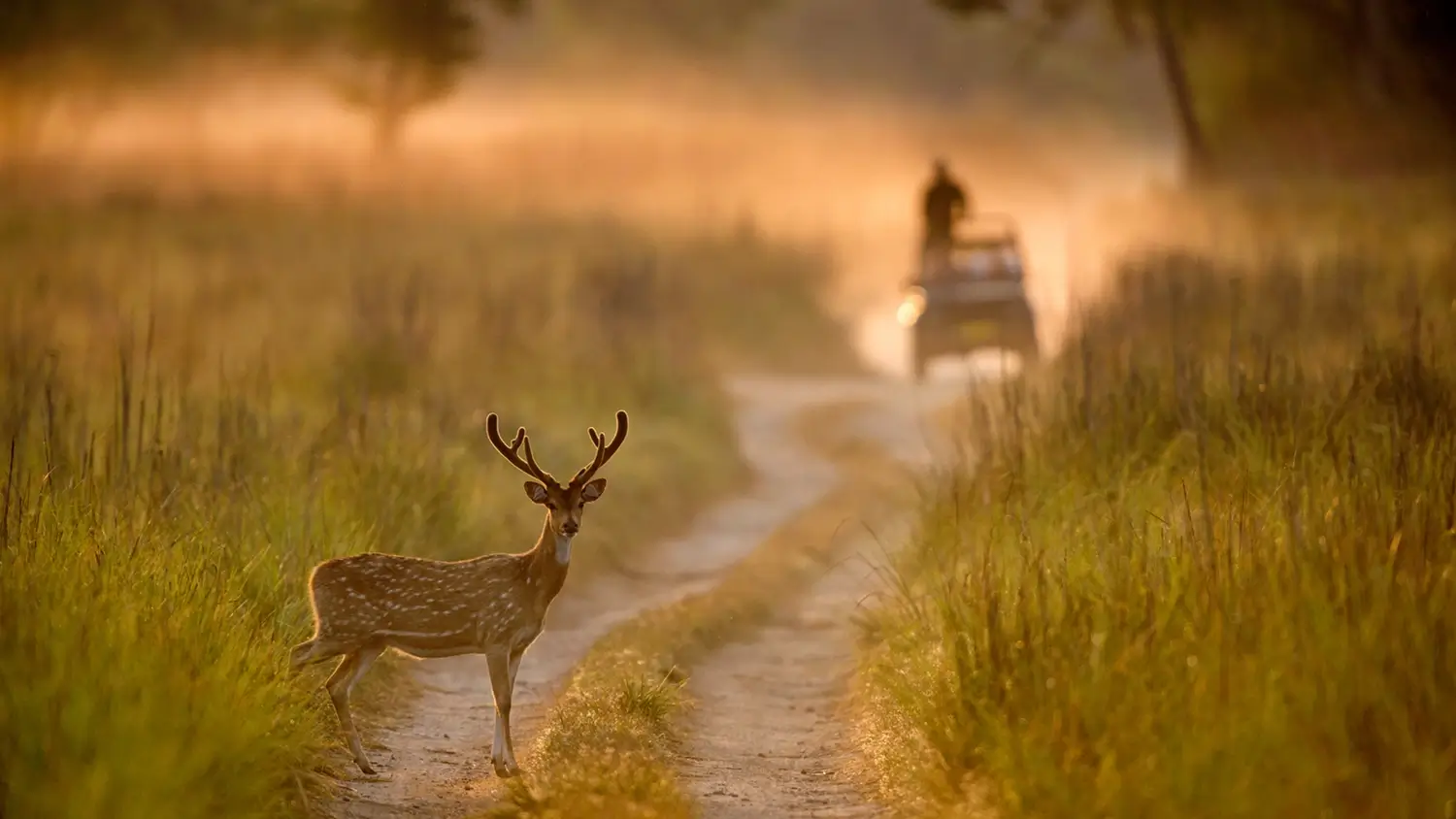
The national park that bears Corbett’s name has a long and interesting history. The protected forest was originally established in 1936 as Hailey National Park during British rule, making it the oldest national park in India. After India’s independence, the park was briefly renamed Ramganga National Park.
In 1957, the park was officially renamed Jim Corbett National Park in recognition of Corbett’s contributions to wildlife conservation and his deep connection with the forests of Kumaon.
Later, in 1973, the park became the first tiger reserve under Project Tiger, India’s flagship wildlife conservation programme.
Why this matter : The park represents the transition from hunting-based wildlife interaction to conservation-focused protection.
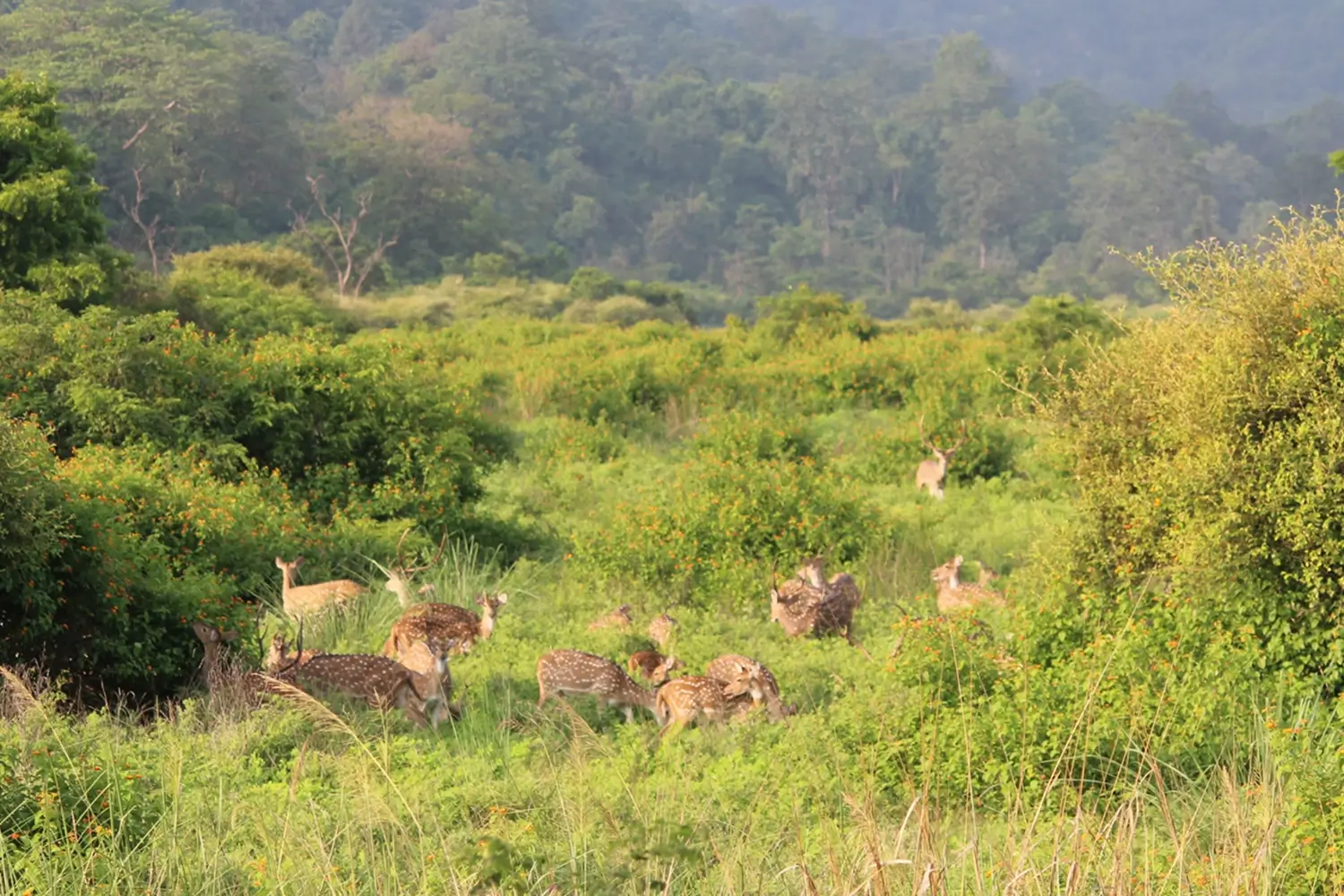
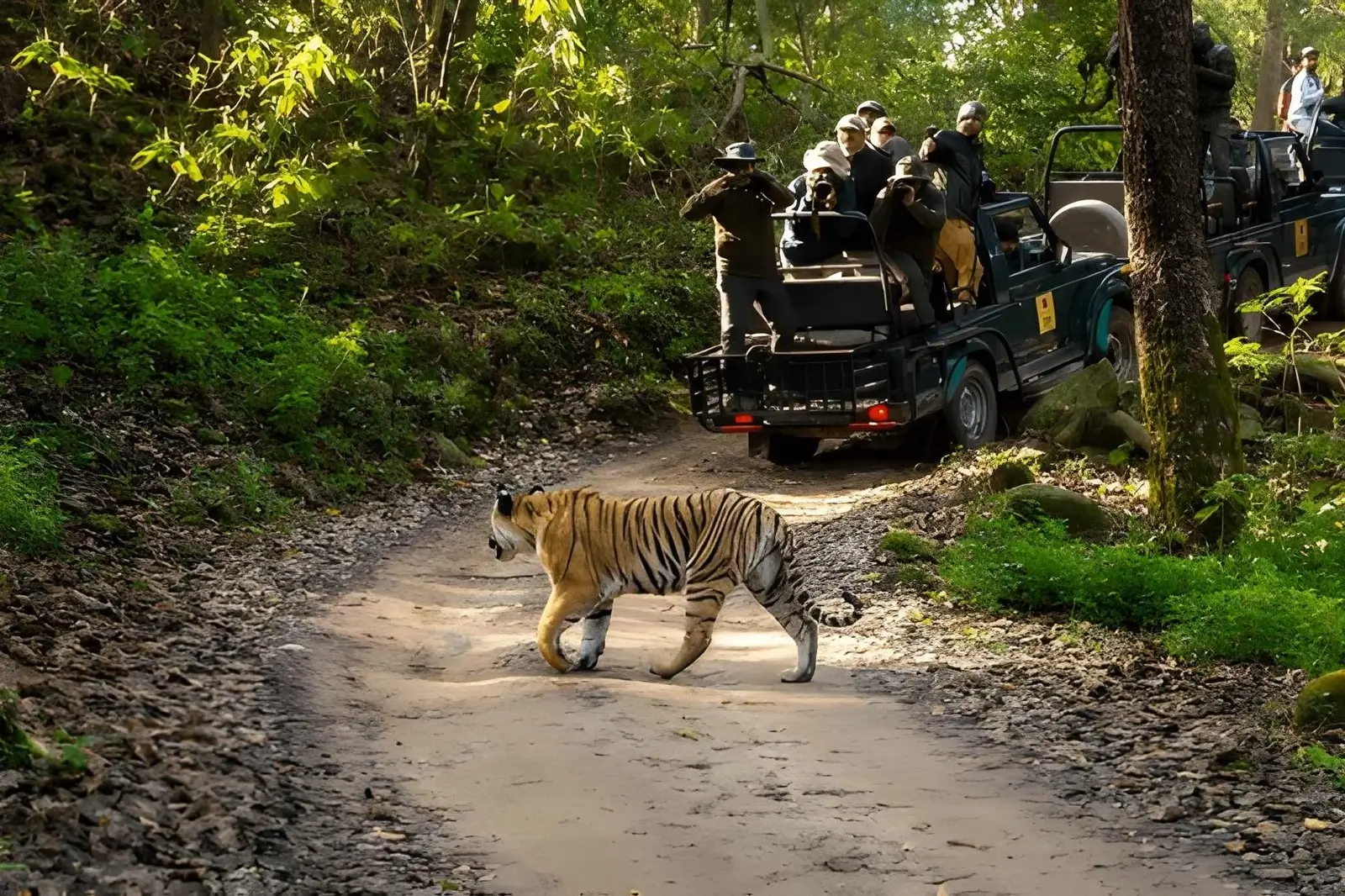
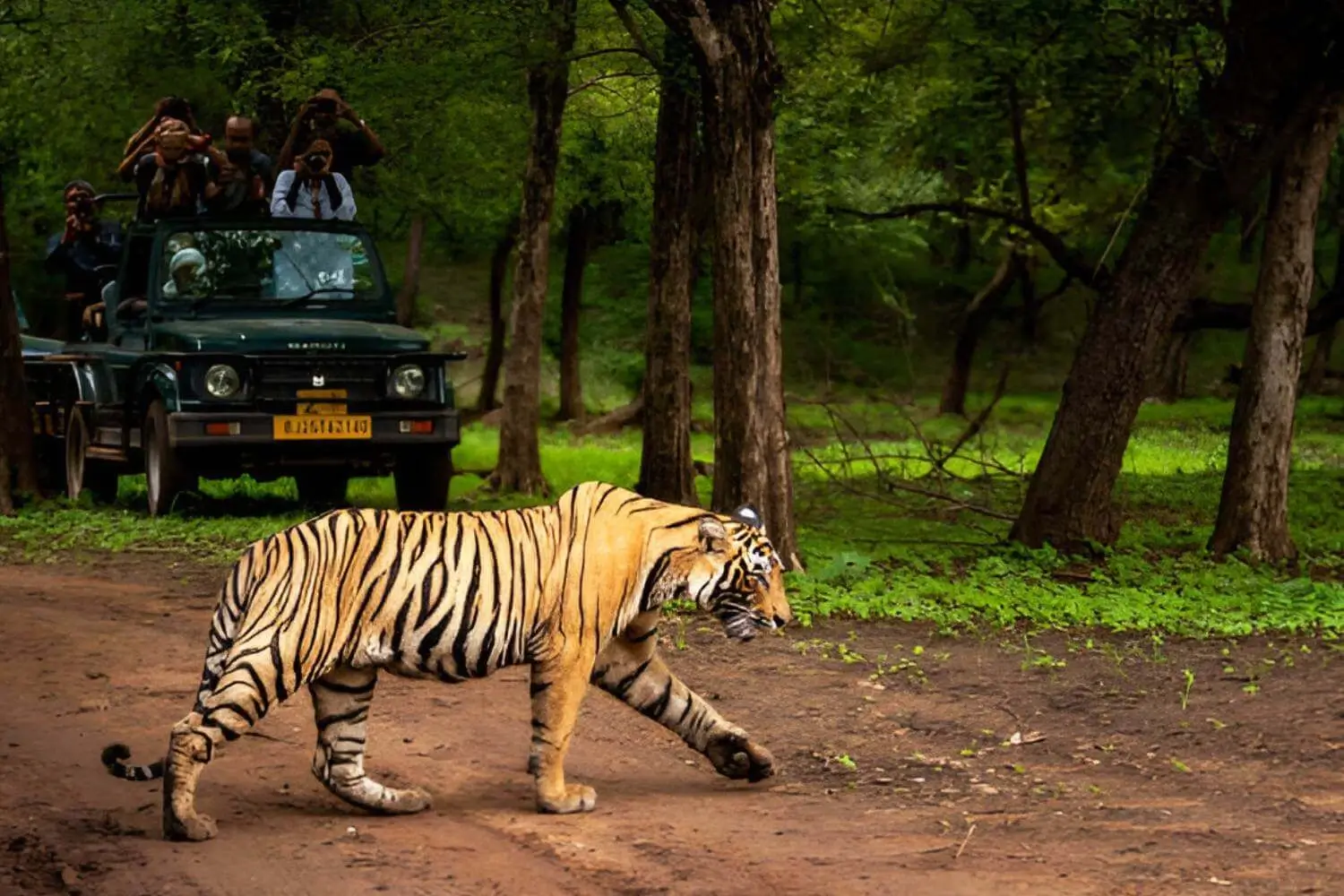
Visitors to Jim Corbett National Park can still experience landscapes once explored by Corbett. Safari zones, forest trails, and riverine ecosystems offer a glimpse into the wilderness he wrote about, making the experience both historical and immersive.
Chhoti Haldwani: The Village Linked to Corbett’s Legacy
Close to the national park lies Chhoti Haldwani, a village closely associated with Jim Corbett’s life.
Corbett helped establish this village as a self-sufficient community settlement for local residents. He also constructed a protective wall around the village to safeguard it from wild animals.
Today, Chhoti Haldwani has become an important example of community-based rural tourism. Visitors can explore the village to learn about Corbett’s life and experience the traditional lifestyle of the Kumaon region.
What makes it unique : It reflects Corbett’s belief in coexistence between humans and wildlife.
Jim Corbett Museum in Kaladhungi
Another significant place connected with Corbett’s life is his bungalow in Kaladhungi, which has been converted into the Jim Corbett Museum.
The museum preserves many personal belongings and historical items related to Corbett’s life, including:
- His caps and jackets
- Walking sticks
- Camping equipment
- Torches and medical kits
- Rare photographs and letters
- Hunting records and historical documents
Visitors can explore these exhibits to understand Corbett’s life, his hunting expeditions, and his transformation into a conservation advocate.
Local stories about Corbett are still preserved in the region, reflecting the deep respect people continue to hold for him.
The museum offers a rare insight into Corbett’s life beyond hunting, showcasing his transformation into a conservation advocate.
Community Tourism in Chhoti Haldwani
In recent years, the villagers of Chhoti Haldwani have developed community-based tourism initiatives inspired by Corbett’s philosophy of living in harmony with nature.
Visitors can stay in local homestays, where families host guests and introduce them to their daily lifestyle and traditions.
Activities available to visitors include:
- Birdwatching
- Village walks
- Nature trails
- Farming and cattle rearing experiences
- Enjoying traditional Kumaoni cuisine
The surrounding forests and trails also provide excellent opportunities for nature walks and trekking, similar to the routes once explored by Jim Corbett.
This model reflects how conservation and tourism can work together to support local communities.
Jim Corbett’s Lasting Legacy
Jim Corbett’s life represents an extraordinary transformation from a hunter who protected villages from dangerous animals to a conservationist who advocated protecting wildlife and forests.
His writings helped people around the world appreciate the beauty of India’s forests and understand the importance of conservation.
Today, his legacy continues through:
- Jim Corbett National Park
- Corbett Tiger Reserve
- Wildlife conservation awareness in the Kumaon region
Thousands of wildlife enthusiasts, photographers, and nature lovers visit the region each year to experience the landscapes and wildlife that Corbett once explored.
Jim Corbett’s life represents a rare transformation from hunter to conservationist, shaped by deep understanding of wildlife and forests. His legacy continues not just through protected landscapes but also through the way wildlife is perceived and experienced today. Visiting Corbett is not just about safaris; it is about stepping into a story that helped shape conservation in India.





 Packages
 +91 9212777224