Why Tigers Are Endangered : Causes, Population & Conservation Efforts
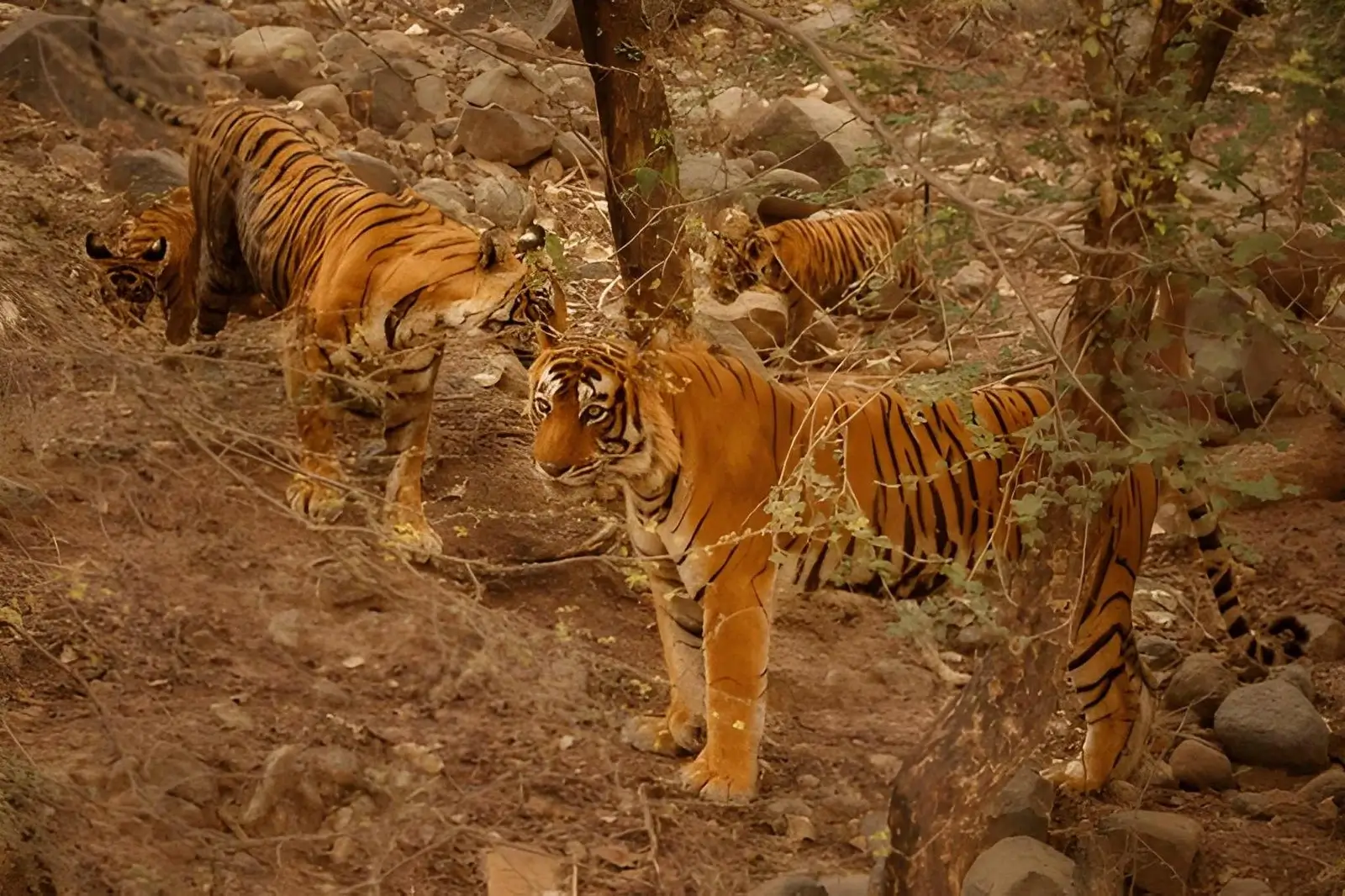
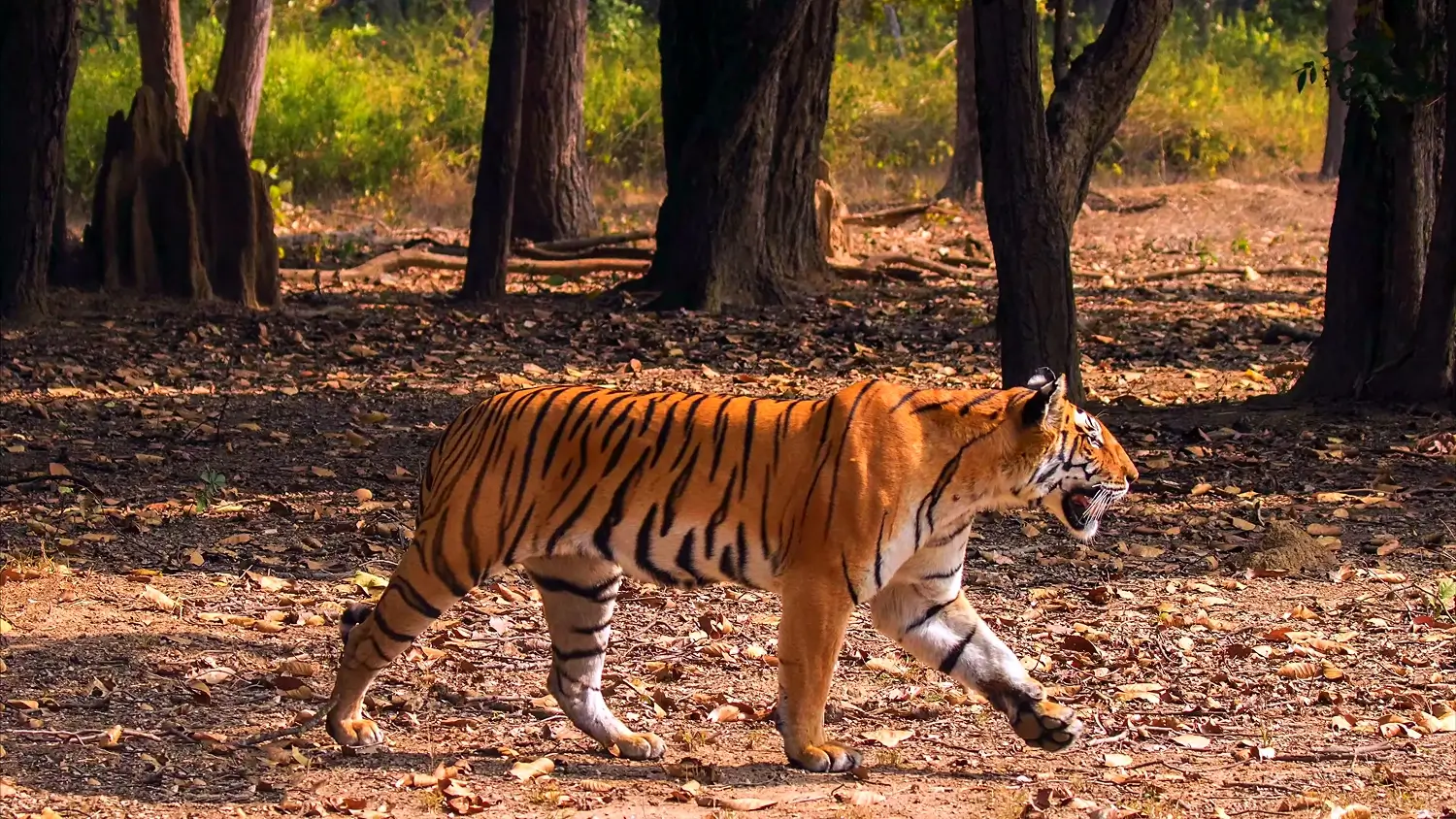
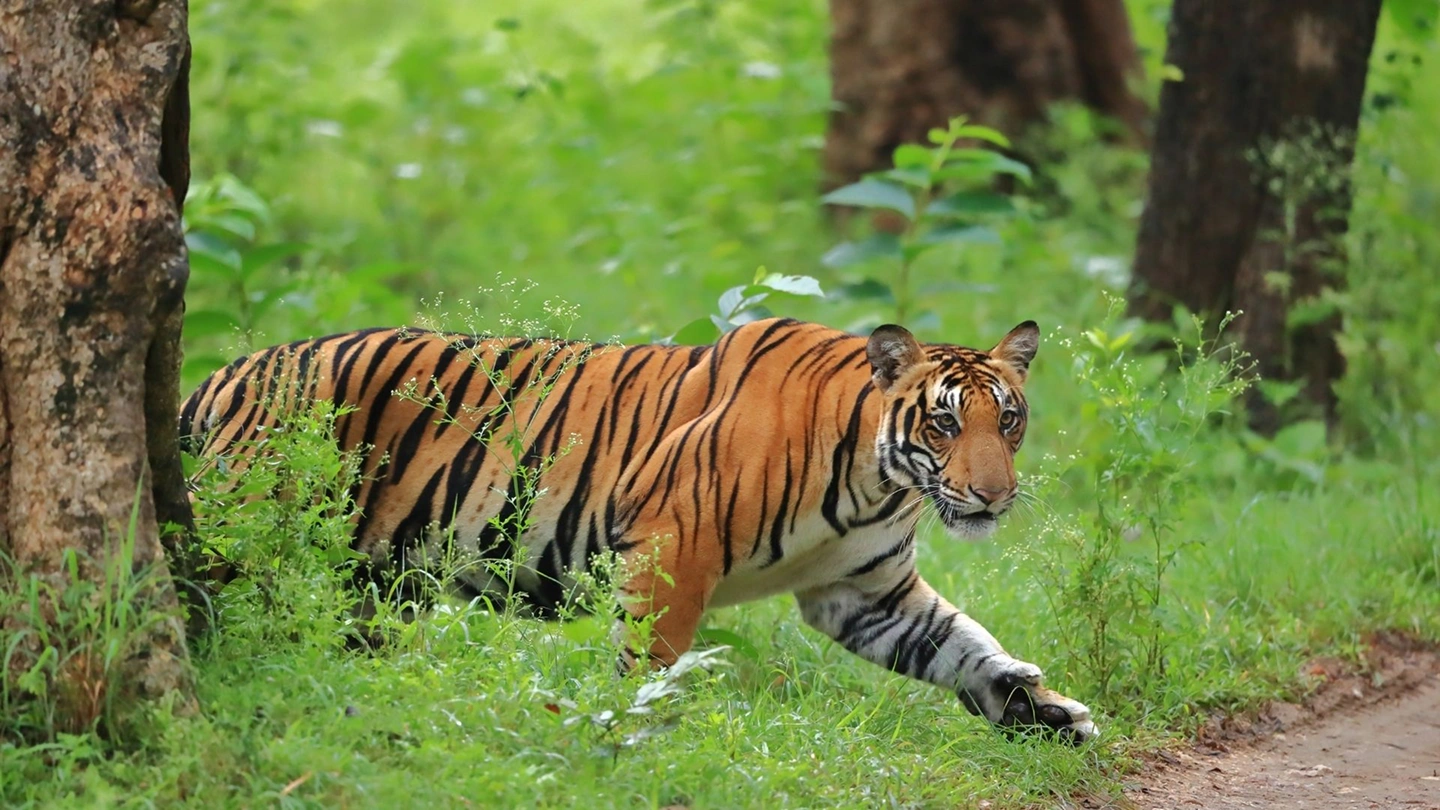
Tigers are among the most important predators in the natural world, yet their survival remains under constant threat. Over the past century, tiger populations have declined drastically due to habitat loss, poaching, and human expansion.
Although conservation efforts have helped stabilise numbers in countries like India, tigers are still classified as endangered. Understanding why tigers are disappearing is essential to understanding how ecosystems function and why conservation efforts matter today.
A century ago, tigers roamed across vast parts of Asia. Today, their presence is limited to fragmented landscapes, making every remaining population critically important for the survival of the species.
Why are tigers endangered?
Tigers are endangered mainly due to the following:
- Habitat loss
- Poaching and illegal wildlife trade /li>
- Human-wildlife conflict
Despite conservation efforts, these threats continue to impact tiger populations globally.
Tiger Species: Then and Now
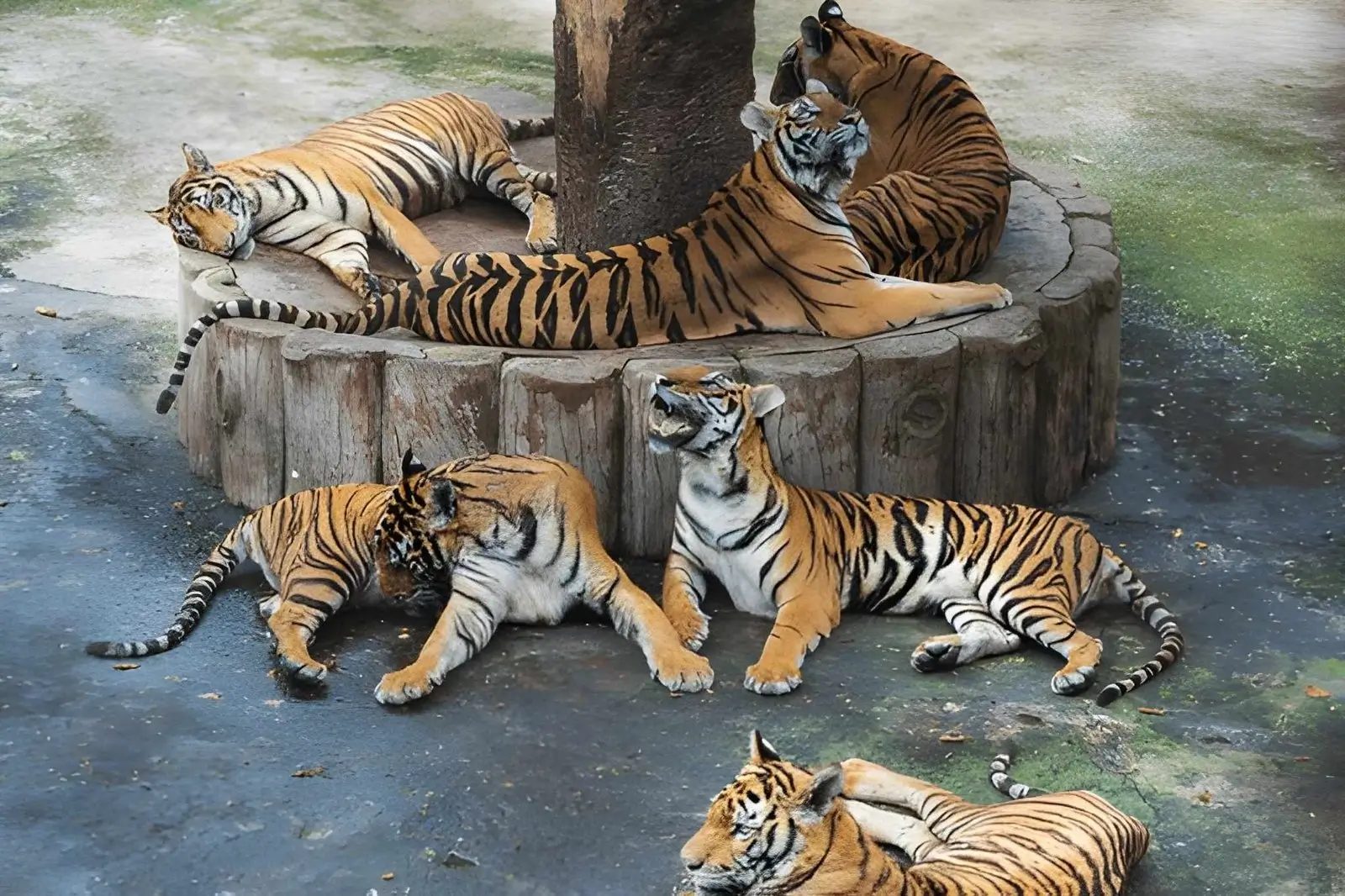
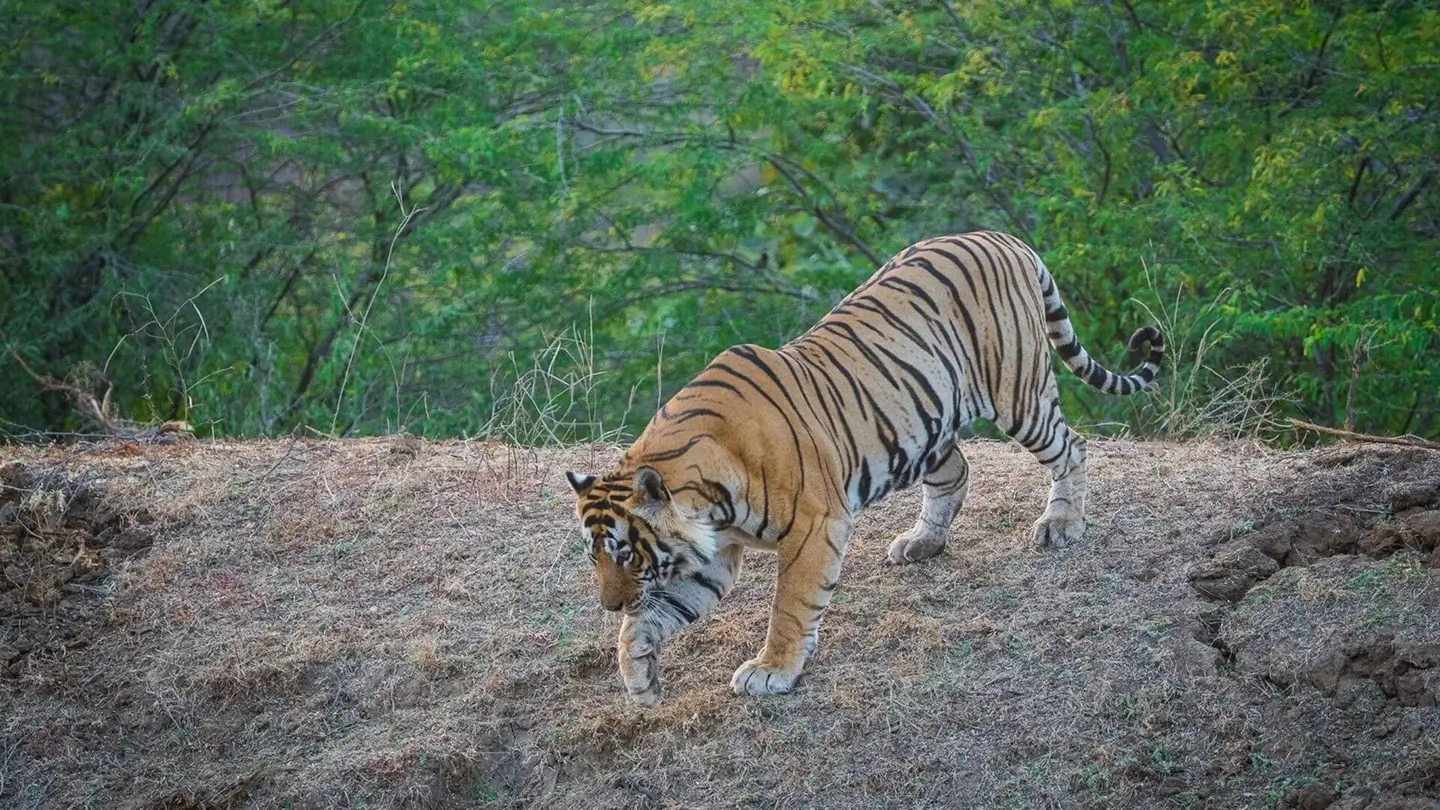
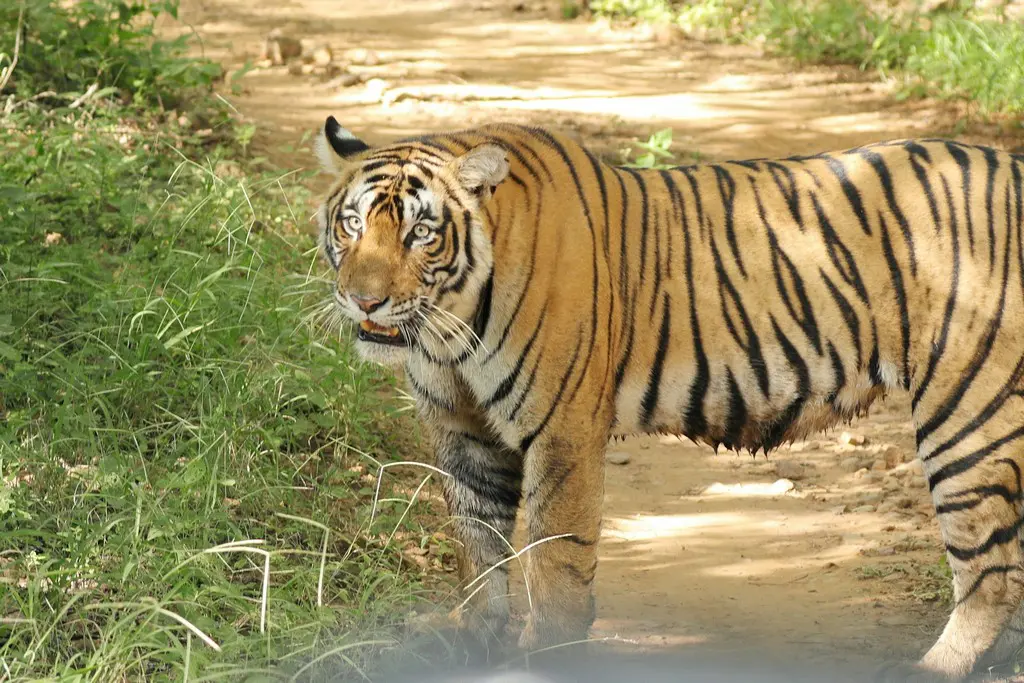
Tigers are the largest members of the cat family (Felidae). Historically, there were nine recognized subspecies of tigers, including:
- Bengal Tiger
- Siberian (Amur) Tiger
- Indochinese Tiger
- Malayan Tiger
- South China Tiger
- Sumatran Tiger
- Caspian Tiger
- Javan Tiger
- Balinese Tiger
Unfortunately, three subspecies, the Caspian, Javan, and Balinese tigers, became extinct during the 20th century. Today, only six tiger subspecies remain, and all of them face conservation challenges.
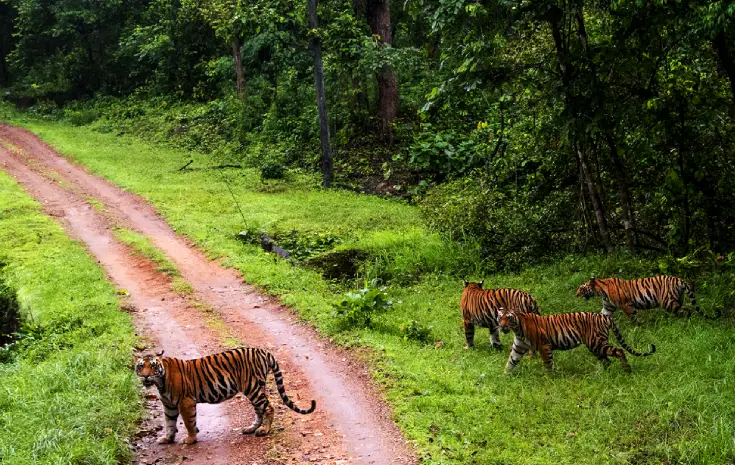
According to global wildlife estimates, around 5,500 tigers remain in the wild today. India alone supports over 3,100 wild tigers, making it the most important country for tiger conservation worldwide. Despite conservation efforts, tigers are still listed as Endangered by the International Union for Conservation of Nature (IUCN).
Key insight:
The extinction of three tiger subspecies highlights how quickly wildlife populations can decline without strong conservation measures.
Let’s take a closer look at the major reasons behind their disappearance.
1. Habitat Loss
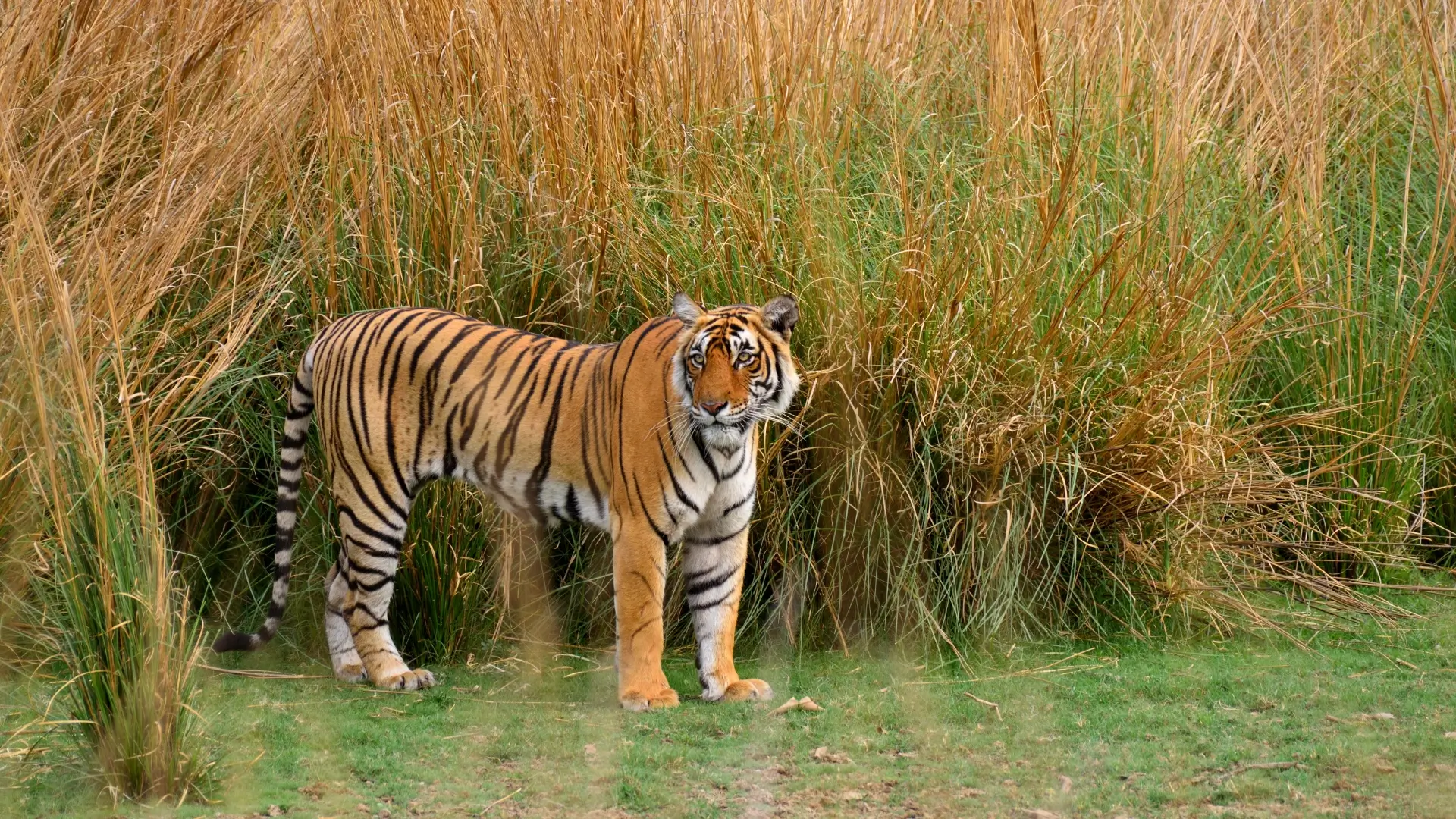
One of the biggest threats to tiger survival is habitat destruction.
As the human population grows, forests are increasingly cleared for:
- Agriculture
- Infrastructure development
- Mining
- Urban expansion
This leads to deforestation and fragmentation of tiger habitats, making it harder for them to find food, shelter, and space to roam.
Tigers require large territories to survive, and when forests shrink, they often come into conflict with humans and livestock owners. Loss of habitat is considered one of the most serious threats to wildlife globally, including tigers.
2. Poaching and Illegal Wildlife Trade
Even though killing tigers is illegal in most countries, poaching continues to be a major problem.
Tigers are hunted for their:
- Bones
- Skin and fur
- Teeth and claws
- Body parts used in traditional medicines
In some illegal markets, tiger body parts are falsely believed to have medicinal properties. This demand fuels illegal wildlife trafficking, making tigers a target for poachers who sell these parts at extremely high prices.
Wildlife conservationists emphasise that there is no scientific evidence that tiger parts cure diseases, and many modern medical treatments exist without harming wildlife.
3. Human-Wildlife Conflict
As forests shrink, tigers increasingly come into contact with human settlements, leading to conflicts with livestock owners and local communities.
Such conflicts often result in retaliatory killings or relocation challenges, making coexistence a key issue in conservation.
Several protected areas across India play a crucial role in tiger conservation. Some of them are as follows:
- Jim Corbett National Park
- Ranthambore National Park
- Bandhavgarh National Park
- Kanha National Park
These reserves not only protect tiger populations but also preserve entire ecosystems.
In India, initiatives like Project Tiger have played a significant role in increasing tiger populations through habitat protection, anti-poaching measures, and scientific monitoring.
Several global organisations and governments are working to protect tiger populations. For example, the World Wide Fund for Nature (WWF) has launched initiatives aimed at eliminating tiger poaching and restoring habitats.
One well-known conservation goal was the TX2 initiative, which aimed to double the number of wild tigers globally through coordinated conservation actions.
Some of the major conservation efforts include:
- Strengthening anti-poaching patrols
- Protecting and restoring forest habitats
- Creating wildlife corridors between forests
- Raising awareness about wildlife conservation
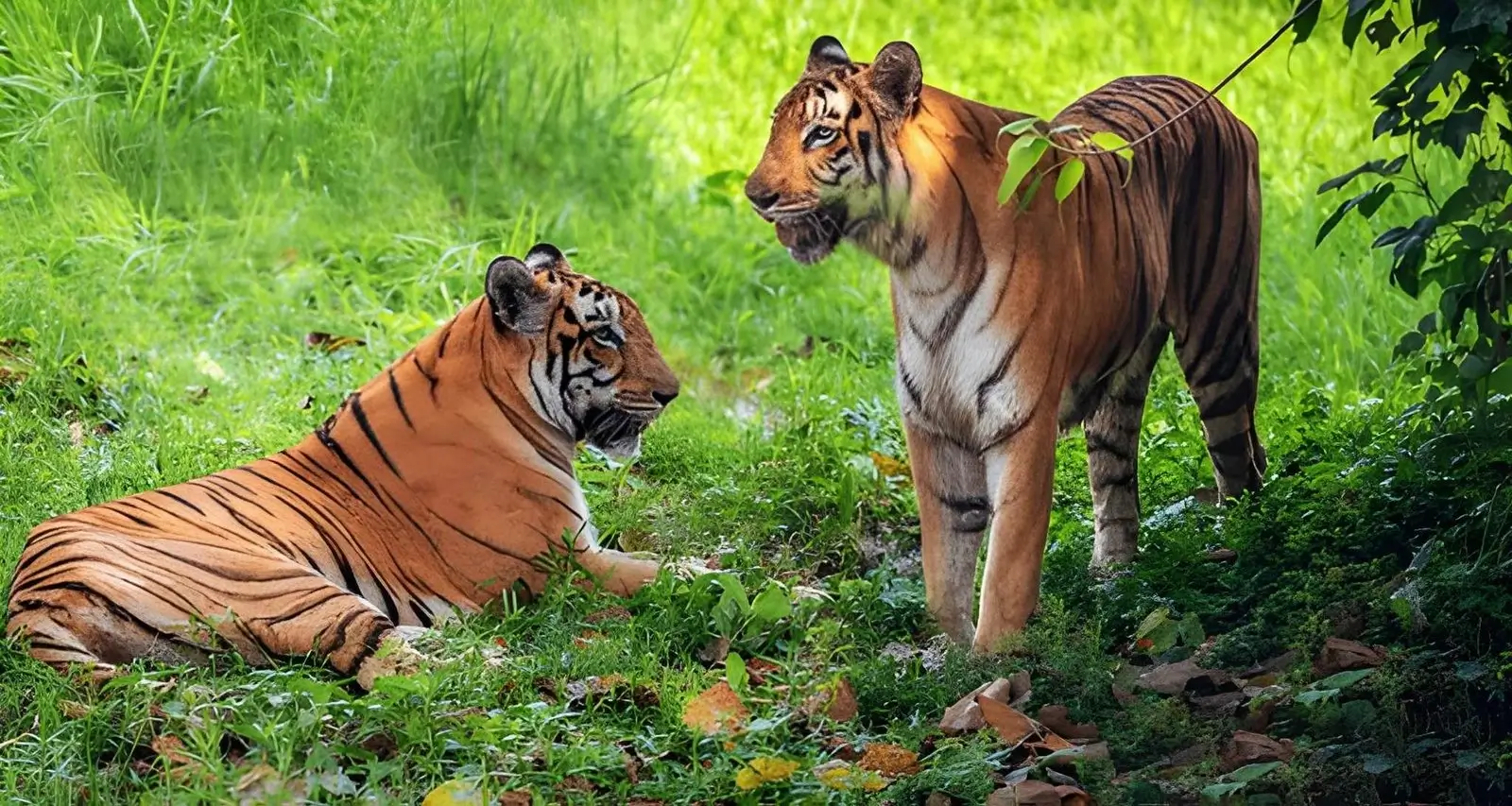
Protecting tigers is not only the responsibility of governments or conservation groups; individuals can also contribute.
Here are a few ways individuals can contribute to tiger conservation by:
- Supporting responsible wildlife tourism
- Avoiding products made from endangered species
- Promoting awareness about conservation
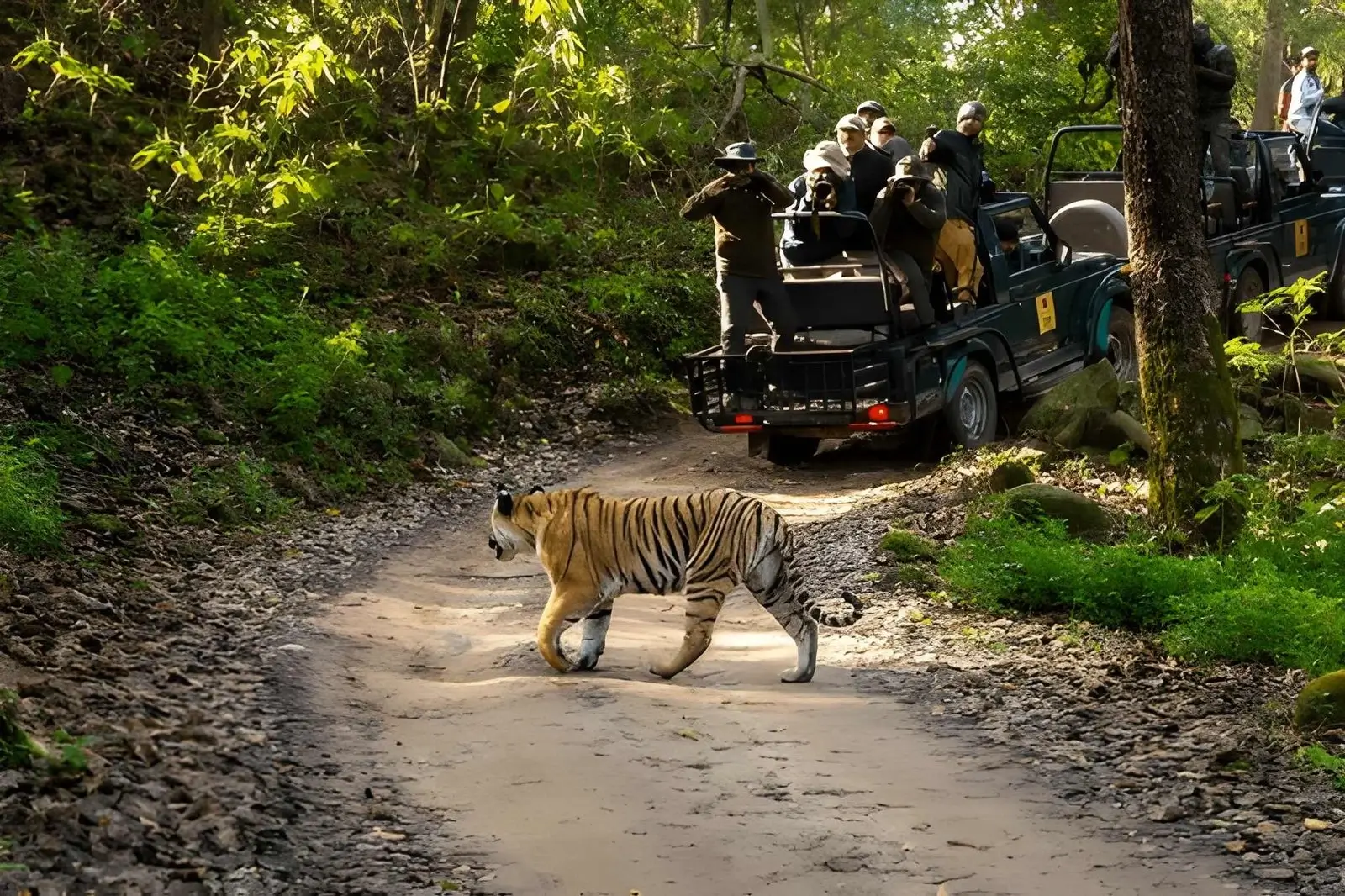
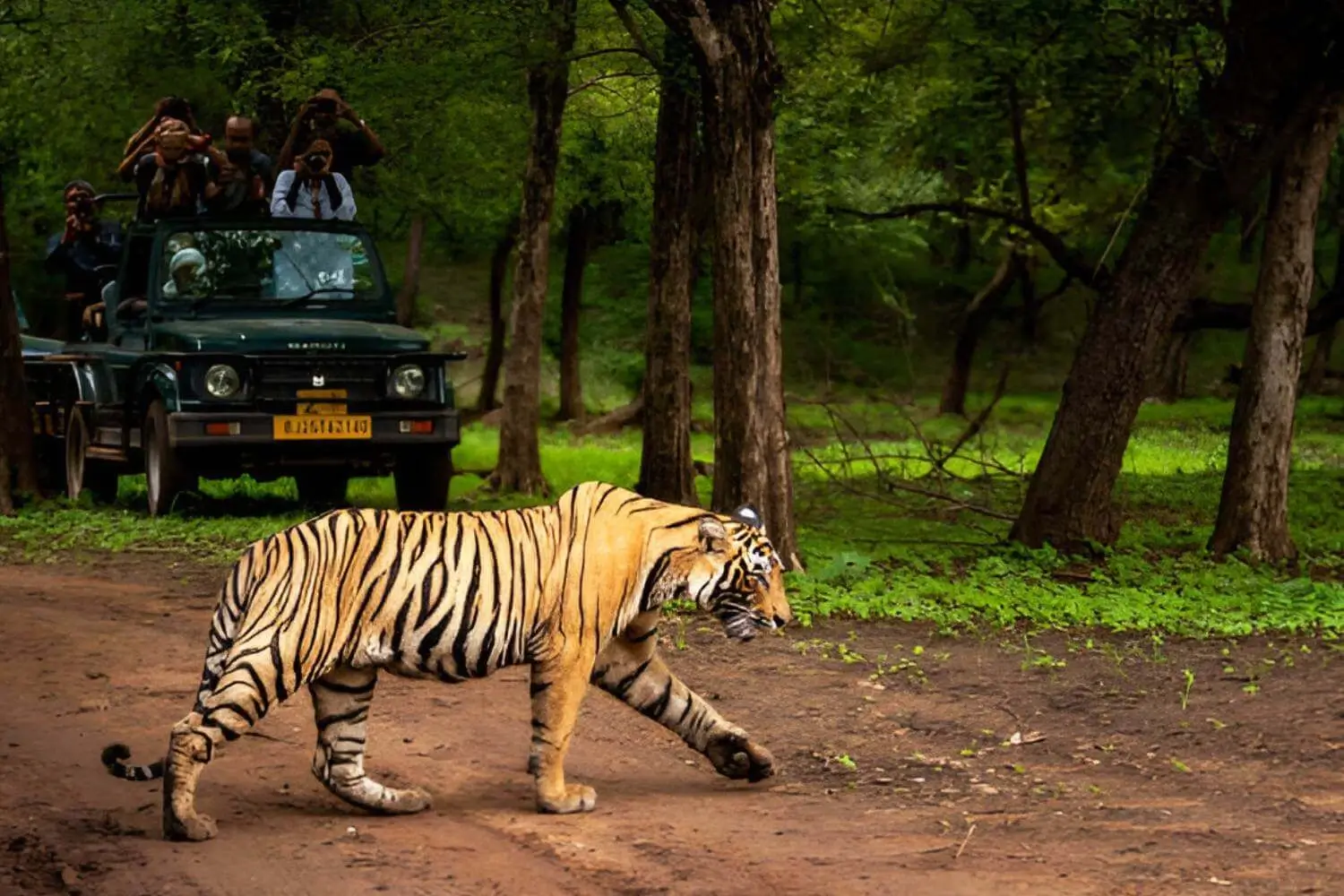
- Respecting wildlife guidelines during safaris
Responsible travel plays a growing role in supporting conservation efforts.
The survival of tigers is closely linked to the health of entire ecosystems. While conservation efforts have helped stabilise populations in countries like India, long-term protection requires continued awareness, policy support, and responsible human behaviour. The disappearance of tigers would not just mean the loss of a species but also the collapse of ecosystems that millions of people depend on.










 Packages
 +91 9212777224