Wildlife Conservation in India: Efforts, National Parks & Why It Matters
Wildlife Conservation in India: Efforts, National Parks & Why It Matters

Wildlife conservation in India focuses on protecting entire ecosystems that sustain biodiversity, water systems, and human life. With increasing pressure from urbanisation, deforestation, and climate change, conservation efforts have become essential to ensure the survival of wildlife across the country.

India today stands as one of the few countries where large-scale conservation programmes have successfully helped protect iconic species like tigers and rhinos.

What is wildlife conservation in India?

Wildlife conservation in India involves protecting animal species and their habitats through laws, national parks, and conservation programmes to maintain ecological balance.

The Decline and Recovery of Tigers in India
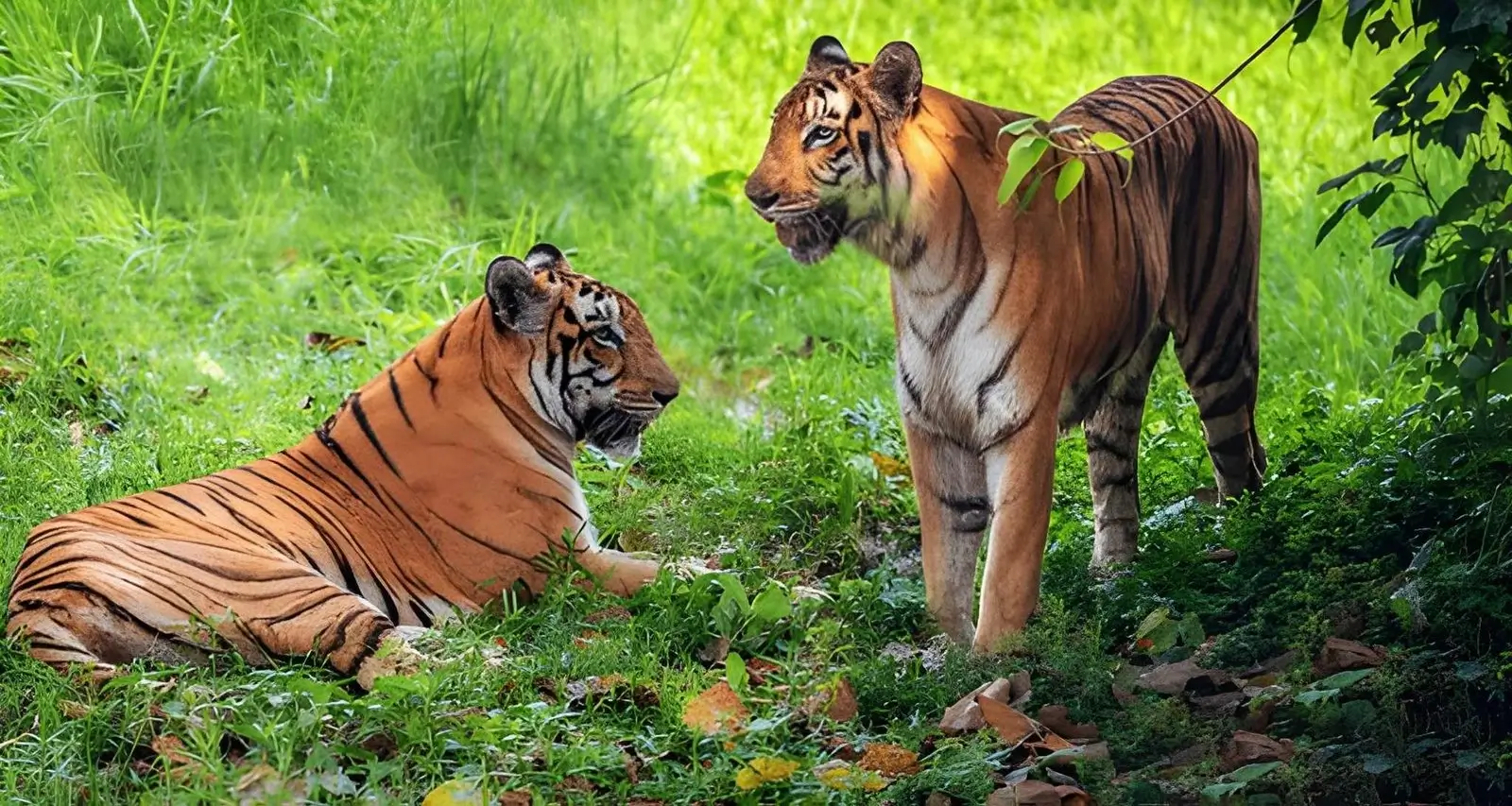
The Decline and Recovery of Tigers in India

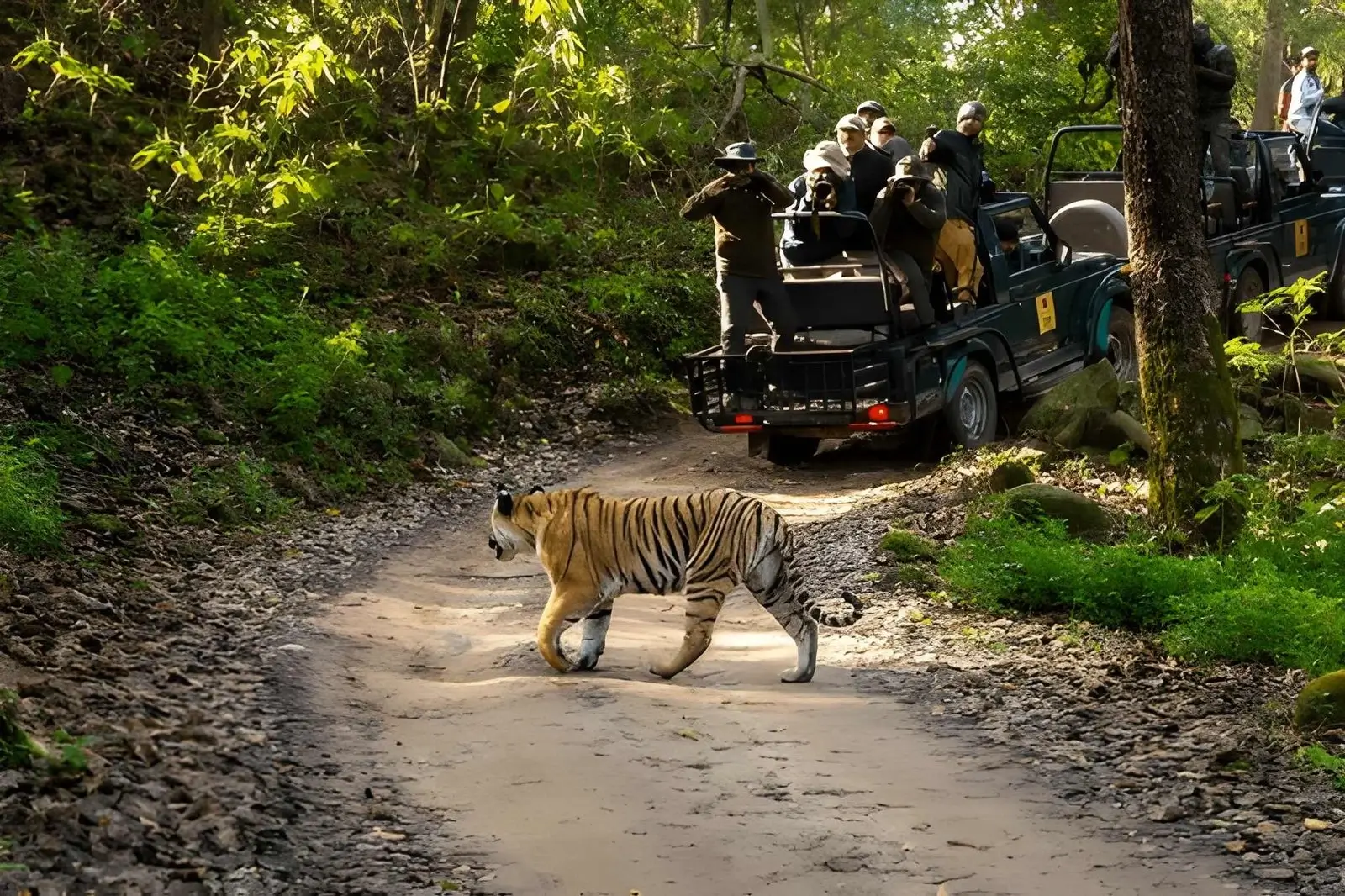
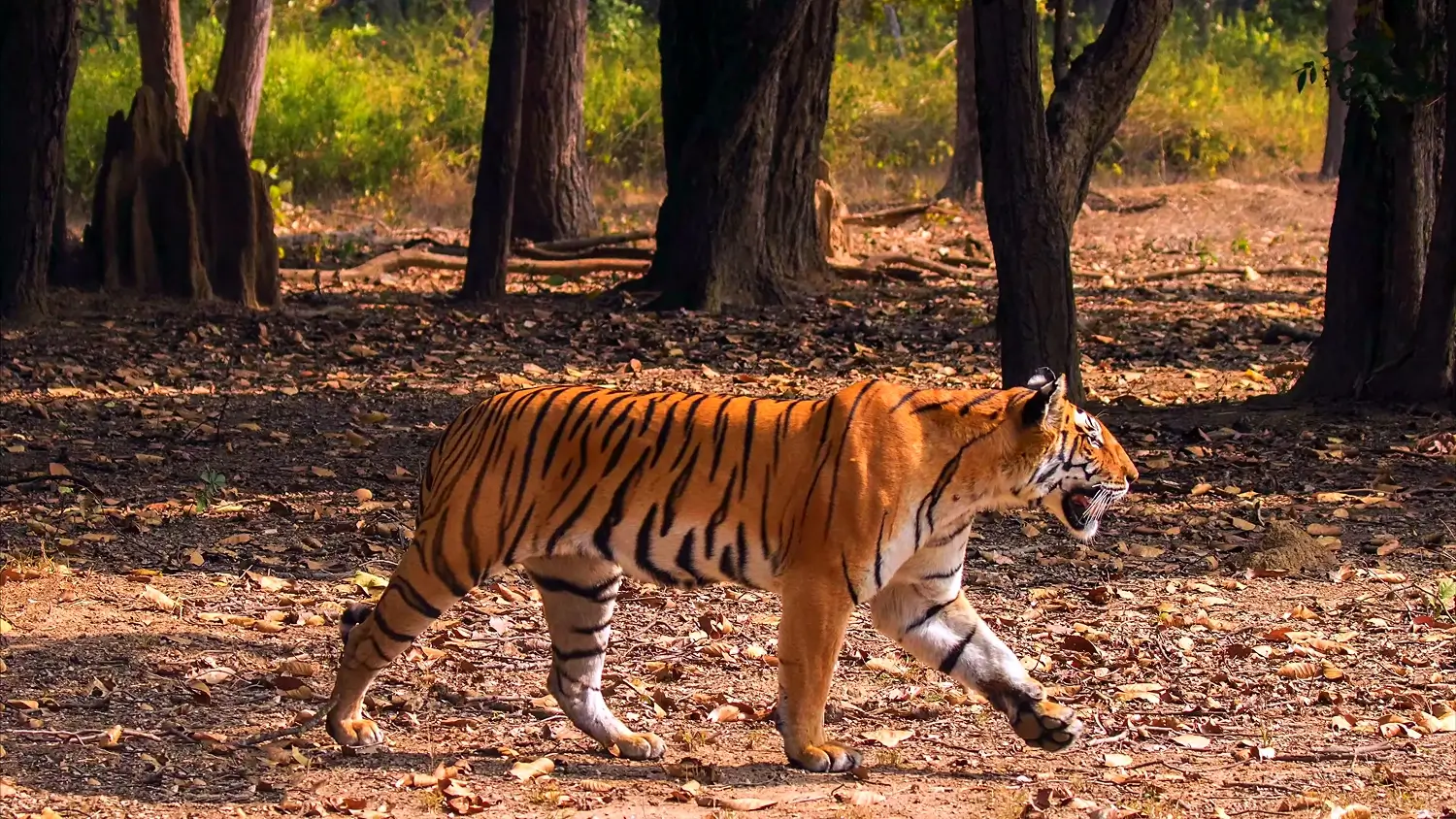
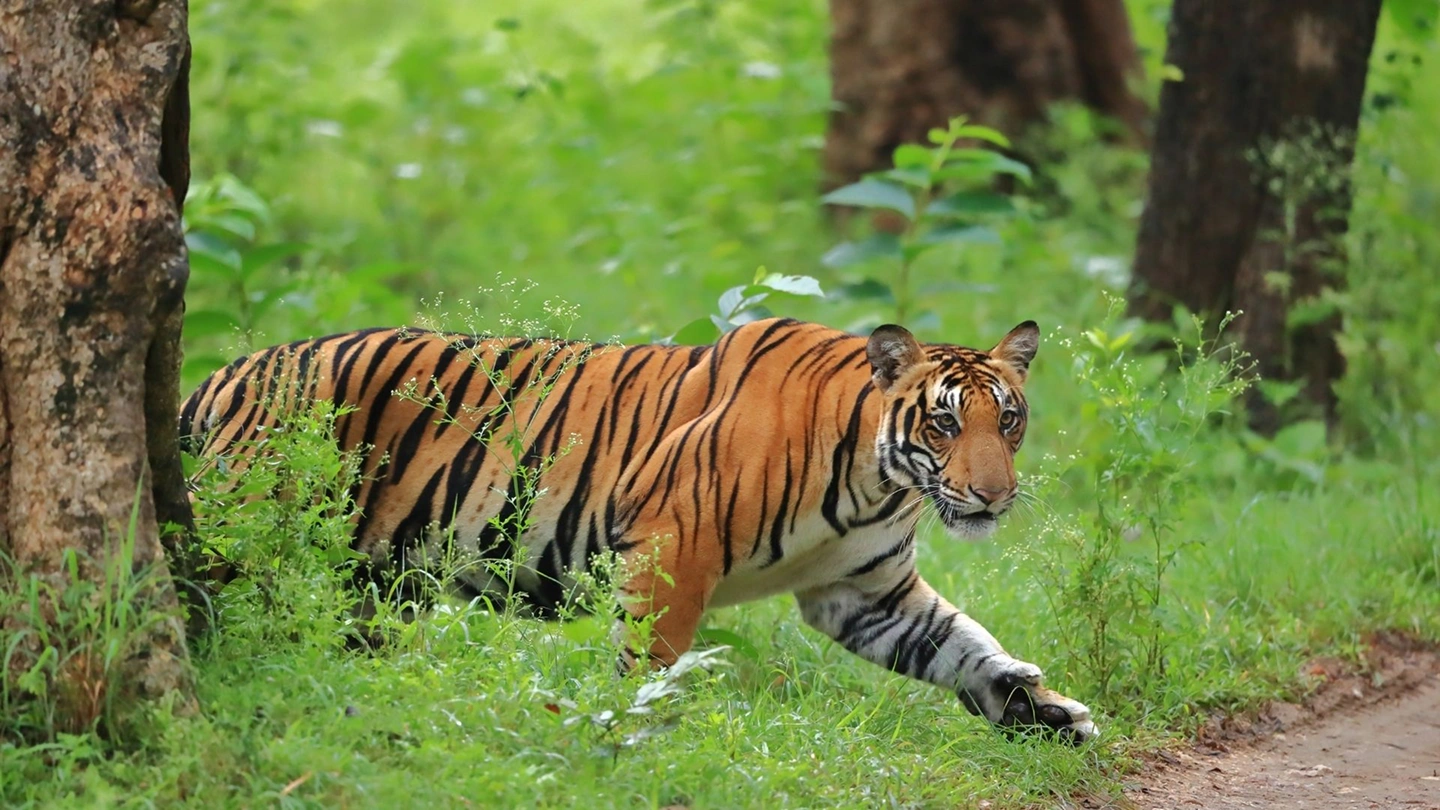
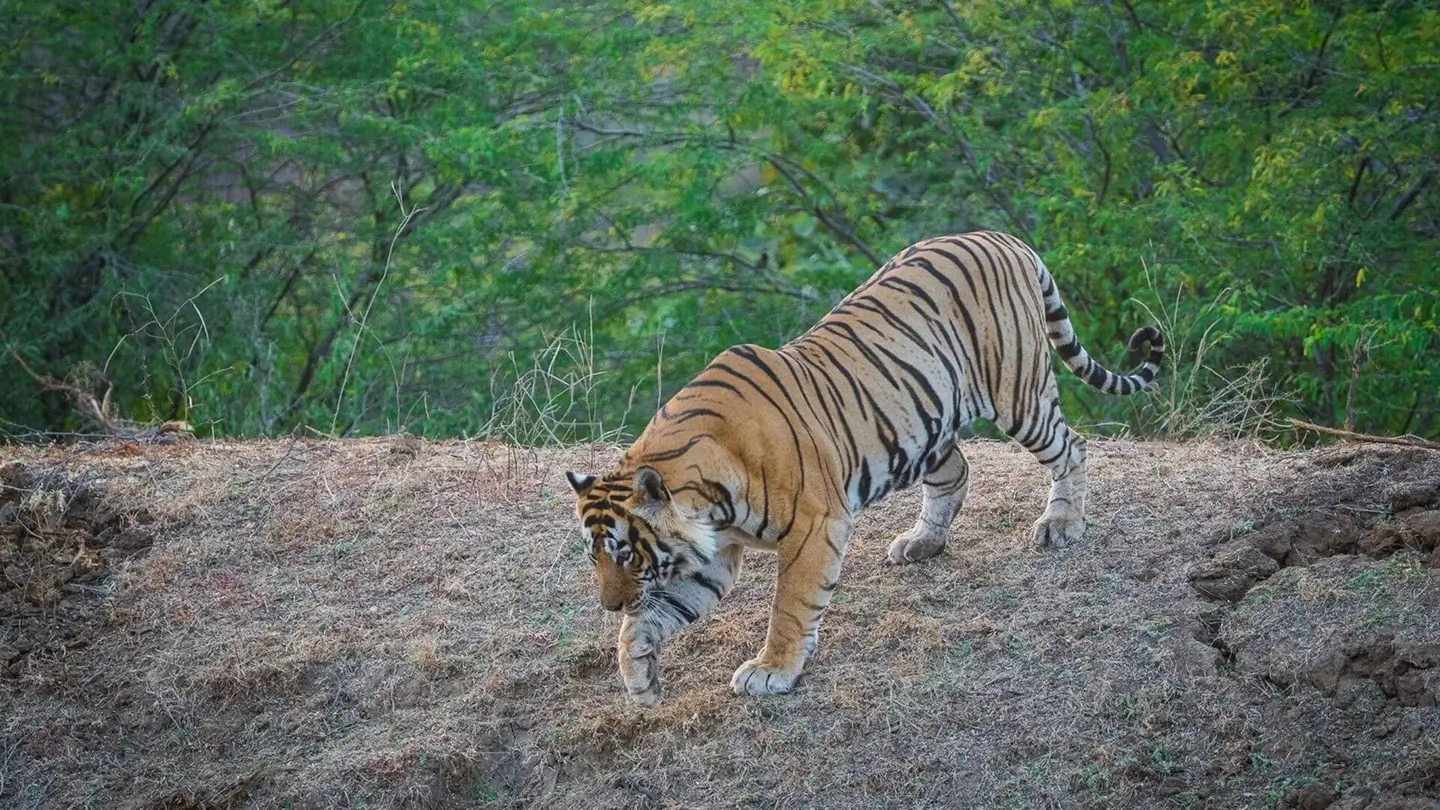
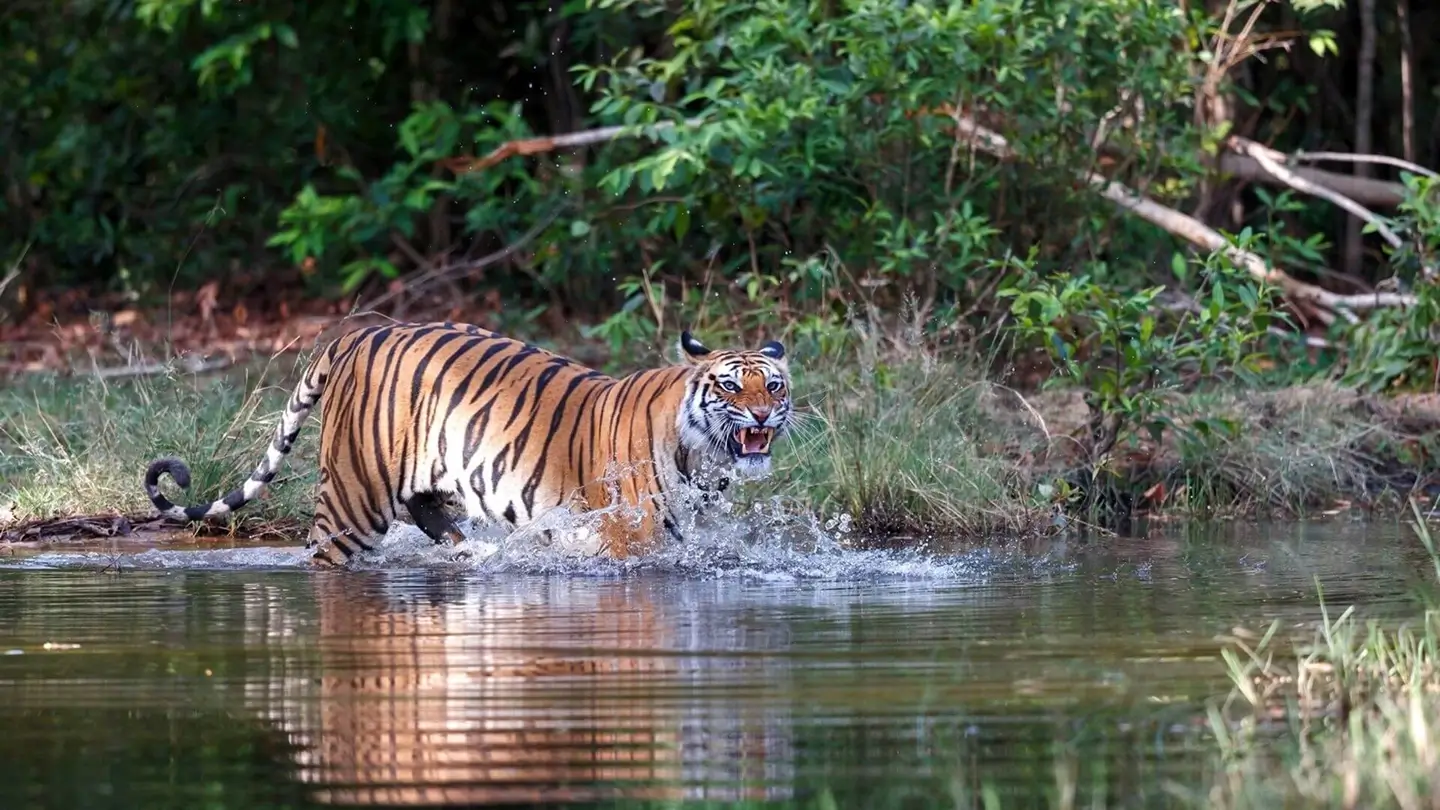
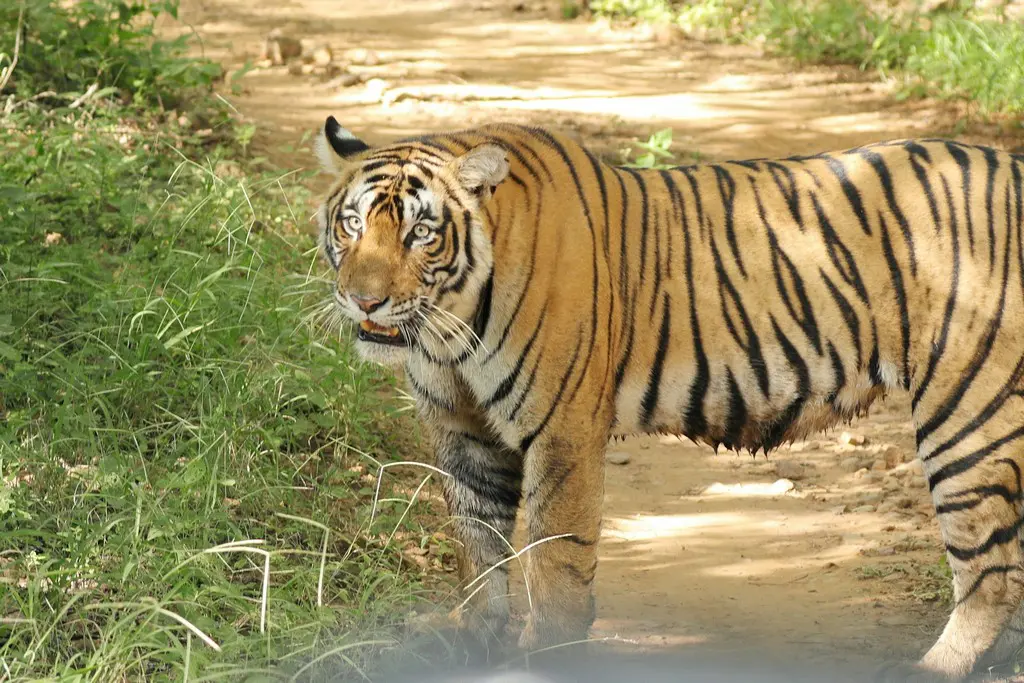
One of the most striking examples of wildlife decline in India is the story of the Bengal tiger, the country’s national animal.

At the beginning of the 20th century, it is estimated that there were around 40,000 to 45,000 tigers in the Indian subcontinent. However, widespread hunting, habitat loss, and poaching drastically reduced their population during the mid-twentieth century.

Recognizing the urgent need for protection, the Government of India launched Project Tiger in 1973, a landmark conservation initiative aimed at safeguarding tigers and their forest habitats.

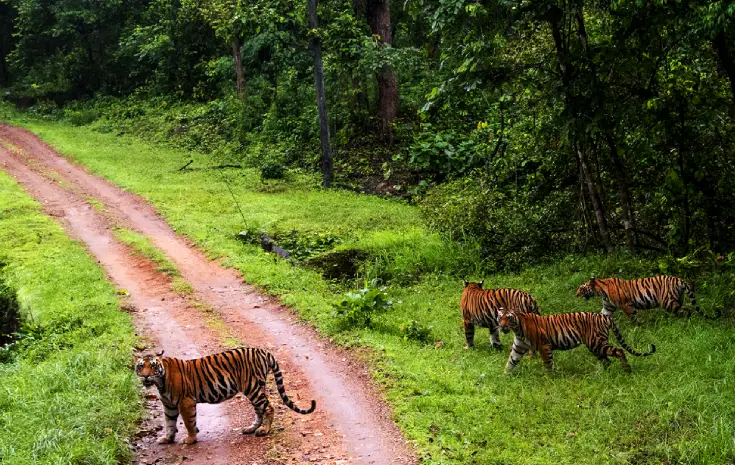
Over the decades, sustained conservation efforts have helped tiger populations recover significantly. According to the All India Tiger Estimation (2022), India now supports more than 3,100 wild tigers, representing nearly 75% of the world’s tiger population.

This remarkable recovery demonstrates how effective conservation policies and habitat protection can help restore endangered wildlife populations.

Key insight: India’s tiger recovery is one of the most successful conservation efforts globally, highlighting the impact of long-term policy and habitat protection.

Protected Areas in India

A key strategy for wildlife conservation in India has been the creation of protected areas that safeguard natural habitats and allow wildlife populations to recover.

Today, India has an extensive network of protected landscapes that include:

  • 106 National Parks
  • 573 Wildlife Sanctuaries
  • 54 Tiger Reserves
  • 18 Biosphere Reserves

What this means: India’s extensive protected area network forms the backbone of wildlife conservation and supports both biodiversity and eco-tourism.
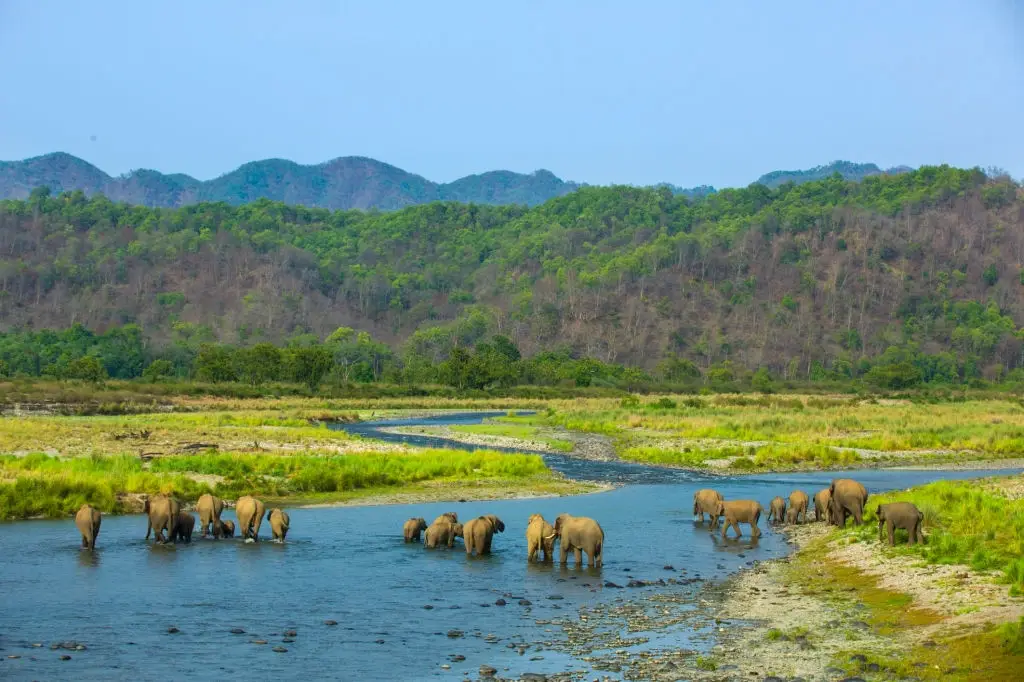
Important Wildlife Reserves in India

Wildlife Reserves in India

Several national parks and wildlife reserves across India are internationally recognized for their role in protecting endangered species.

Some of the most prominent wildlife destinations include:

  • Jim Corbett National Park (Uttarakhand) : India’s oldest national park and an important tiger reserve located in the Himalayan foothills.
  • Ranthambore National Park (Rajasthan) : A well-known wildlife reserve where visitors often have opportunities to observe Bengal tigers in the wild.
  • Bandhavgarh National Park (Madhya Pradesh) : Famous for its high density of tigers and rich forest ecosystems.
  • Kanha National Park (Madhya Pradesh) : A major conservation success story, particularly for the protection of the endangered Barasingha (swamp deer).
  • Kaziranga National Park (Assam): A UNESCO World Heritage Site known for protecting the one-horned Indian rhinoceros.
  • Sundarbans National Park (West Bengal) : The world’s largest mangrove forest and an important habitat for the Royal Bengal tiger.

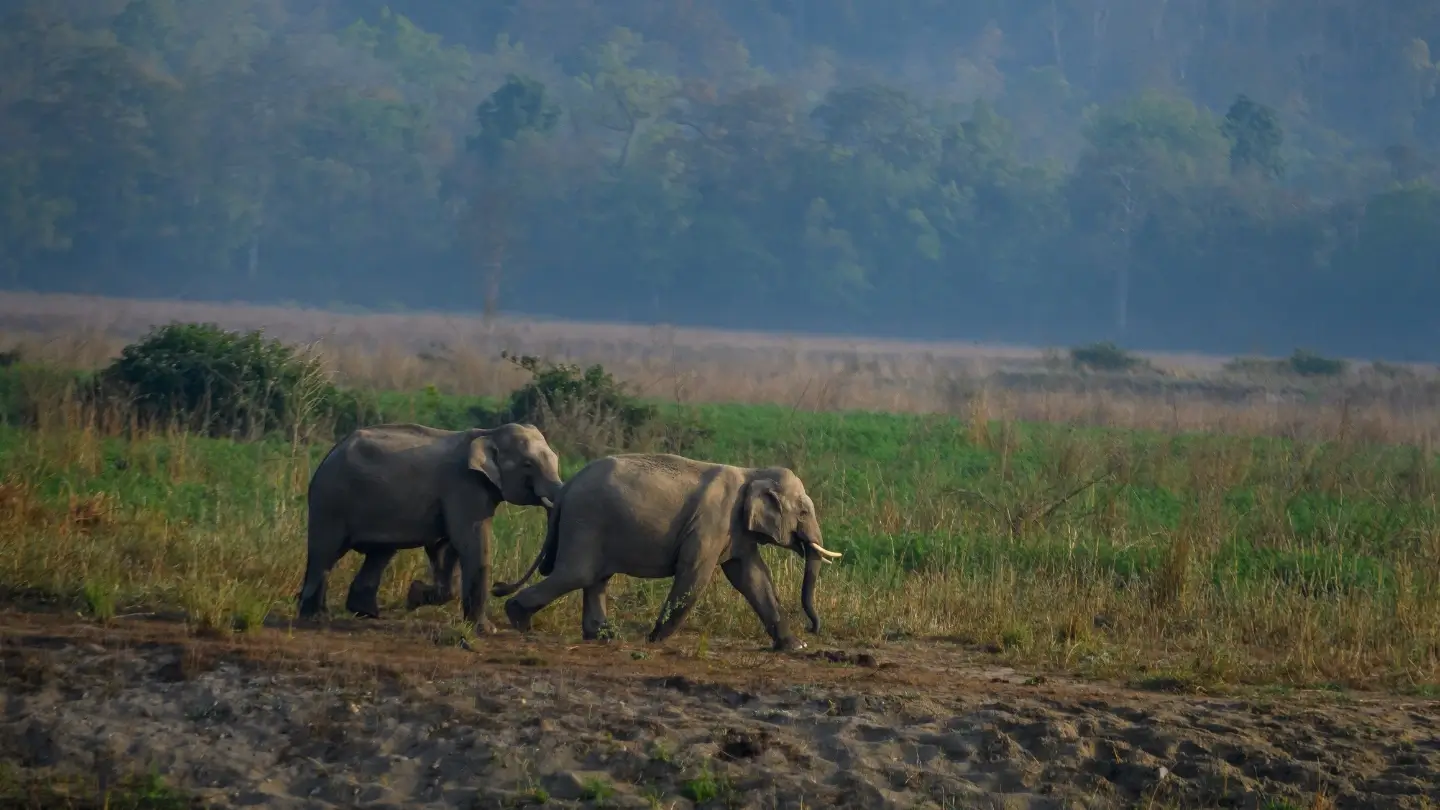
These protected areas help conserve endangered animals such as the Bengal tiger, Asiatic lion, snow leopard, Indian elephant, and several rare bird species.

Where Travellers Experience Wildlife Conservation?

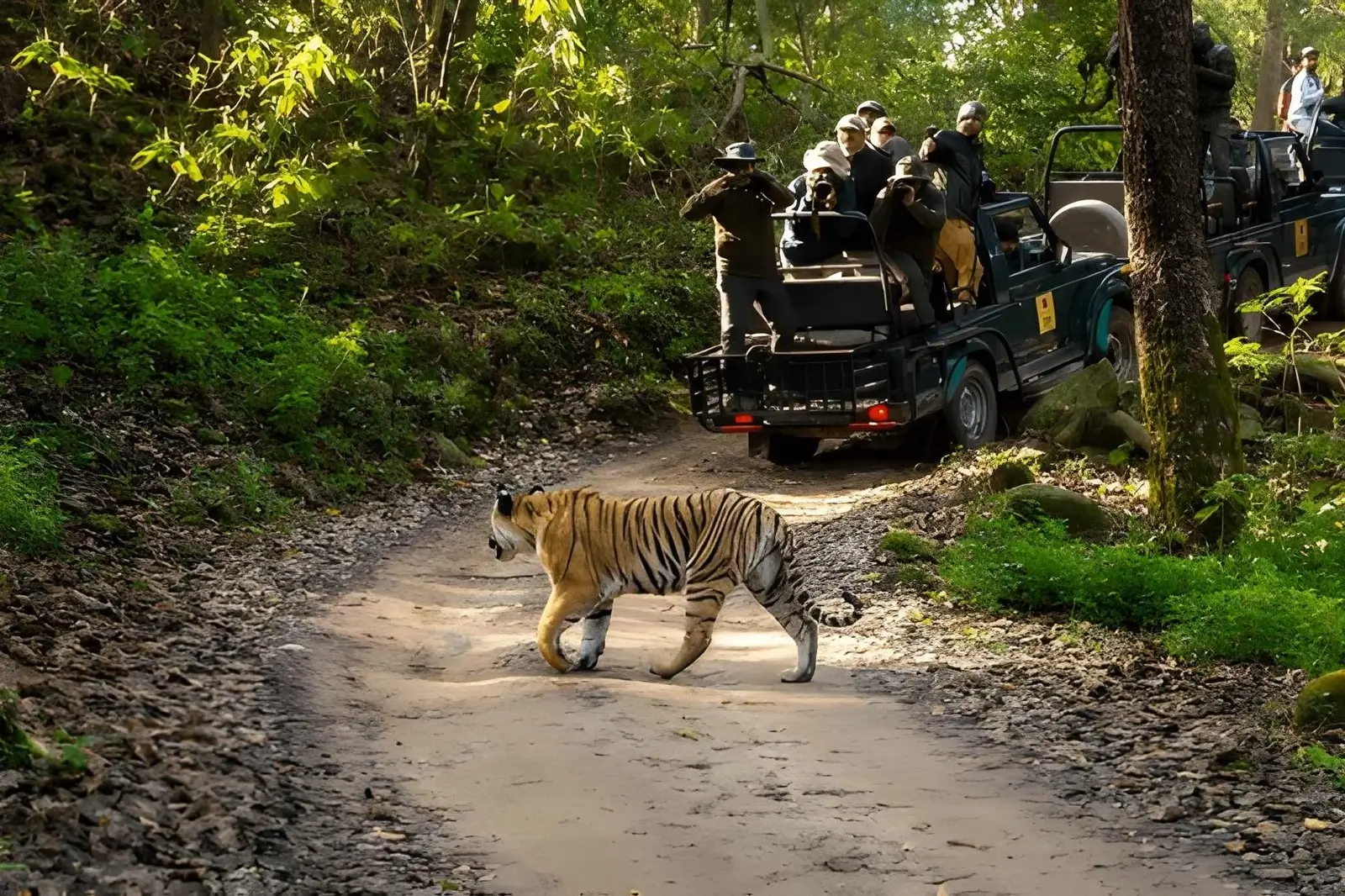
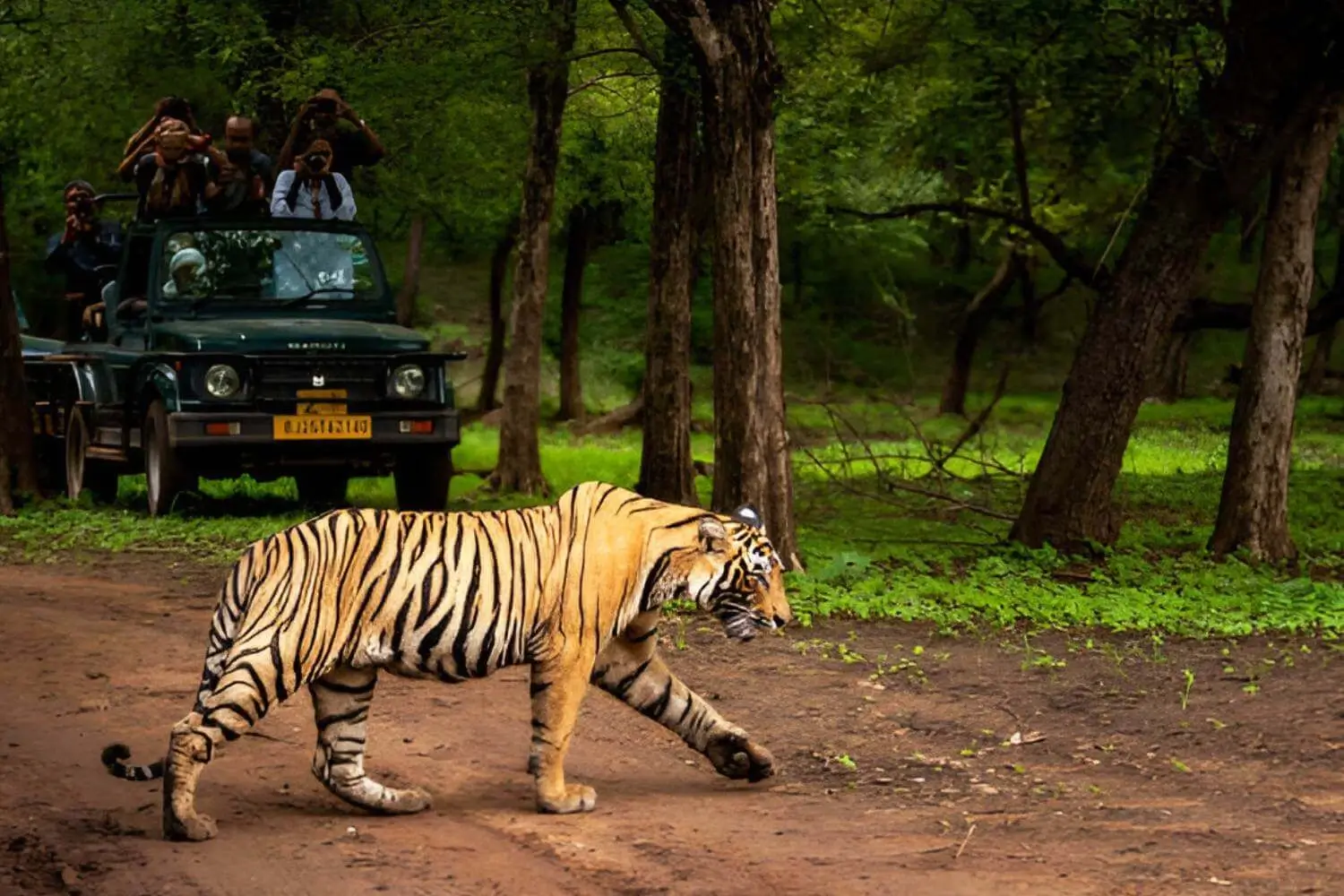
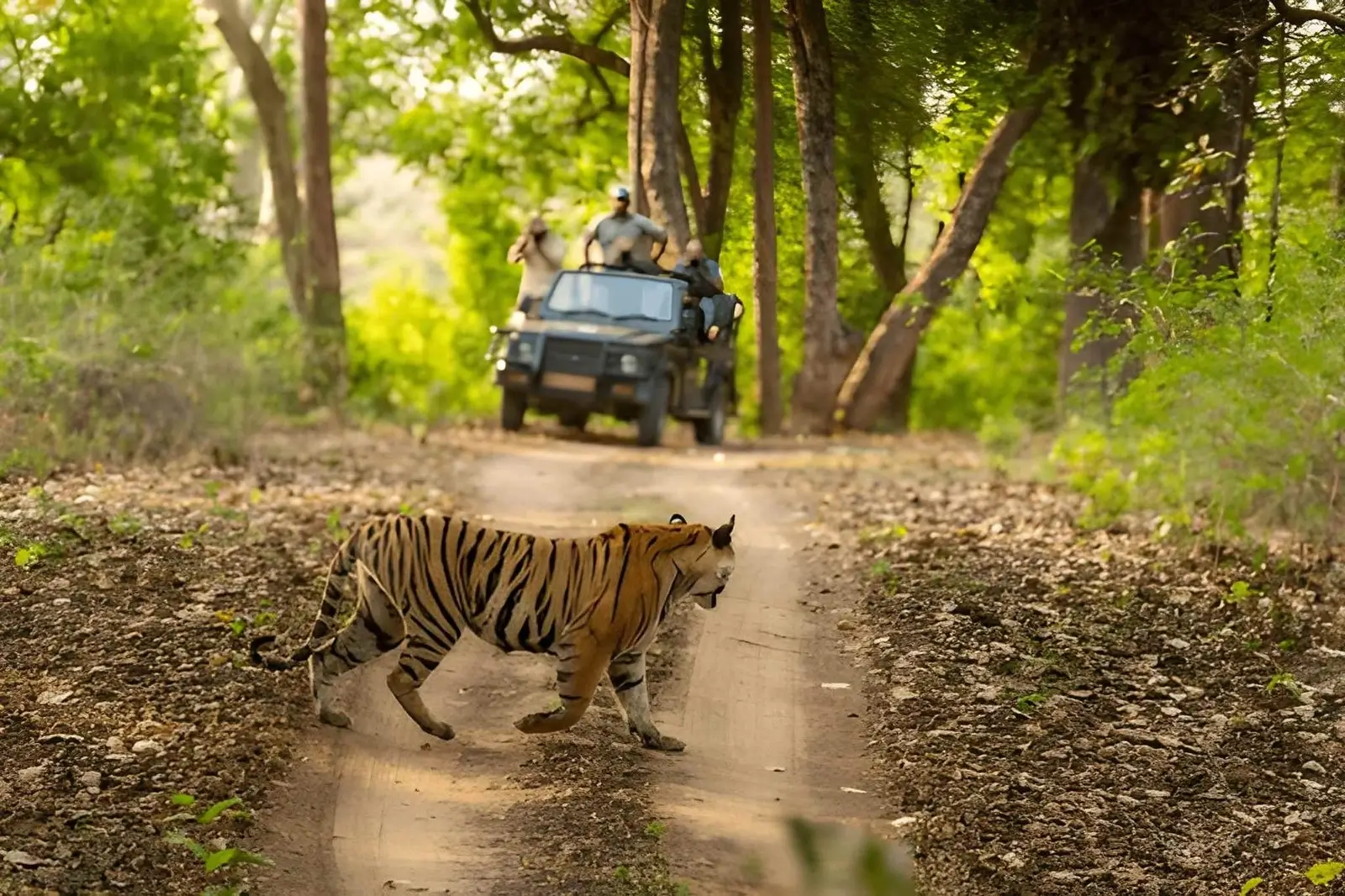
Wildlife conservation in India is most visible in its national parks and reserves, where protection efforts directly shape the visitor experience. Safaris, guided tours, and eco-tourism initiatives not only allow travellers to observe wildlife but also contribute to conservation funding and awareness.

Why Wildlife Conservation Is Important

Wildlife conservation is essential not just for protecting animals but for maintaining ecosystems that support life on Earth.

Healthy wildlife populations contribute to:

  • Ecological balance within natural ecosystems
  • Protection of biodiversity
  • Forest regeneration and habitat stability
  • Climate regulation and carbon storage
  • Sustainable tourism and local livelihoods

When wildlife populations decline, ecosystems become unstable, which can ultimately affect human societies that depend on healthy natural environments.

What Can We Do to Support Wildlife Conservation?

While governments and conservation organizations play a major role in protecting wildlife, individuals can also contribute through responsible actions.

Here are several ways people can support wildlife conservation efforts.

  • Promote Responsible Wildlife TourismVisitors to national parks and wildlife reserves should follow park guidelines, maintain a safe distance from animals, and avoid disturbing wildlife. Responsible tourism helps protect ecosystems while supporting conservation-based economies. Responsible wildlife tourism directly contributes to conservation funding and supports local communities.
  • Discourage Hunting and Wildlife TradeIllegal hunting and wildlife trafficking remain serious threats to many species. Reporting wildlife crimes and supporting strict enforcement of conservation laws can help reduce these activities.
  • Protect Forests and Natural HabitatsForests are critical habitats for wildlife. Supporting forest conservation programs, sustainable land use practices, and ecological restoration initiatives can help protect these environments.
  • Reduce Paper and Wood WasteResponsible consumption of forest resources can reduce pressure on natural habitats. Recycling and minimizing unnecessary use of wood-based products help support conservation.
  • Encourage Tree PlantationTree planting and habitat restoration initiatives contribute to healthier ecosystems that support both wildlife and human communities.
  • Spread Awareness About ConservationEducation and awareness play an important role in protecting wildlife. Sharing knowledge through social media, community discussions, and educational initiatives can inspire more people to support conservation efforts.

Why this matters: Individual actions, when scaled across communities, can significantly reduce pressure on ecosystems.

Wildlife conservation in India is an ongoing effort that balances ecological protection with human needs. The country’s success in protecting species like tigers and rhinos shows that long-term conservation is possible when policy, science, and public awareness align. For travellers, these efforts make it possible to experience wildlife responsibly while contributing to its preservation.


Frequently Asked Questions

Q. What is wildlife conservation?
Wildlife conservation refers to the protection and management of wild animals, plants, and their natural habitats to ensure their survival for future generations. It includes habitat protection, anti-poaching measures, research, and sustainable ecosystem management.
Q. Where can you see wildlife in India?
Popular destinations include Corbett, Ranthambore, Kaziranga, and Bandhavgarh National Parks.
Q. How does tourism help wildlife conservation?
Tourism generates revenue, supports local communities, and promotes conservation awareness.
Q. Why is wildlife conservation important in India?
India is one of the world’s most biodiverse countries and home to many endangered species. Conservation helps maintain ecological balance, protect rare wildlife, and support sustainable tourism and local communities.
Q. What are the main threats to wildlife in India?
Major threats include habitat destruction, illegal hunting and poaching, human-wildlife conflict, pollution, and climate change.
Q. How can tourists support wildlife conservation?
Tourists can help by following park rules, choosing responsible wildlife tourism operators, reducing plastic waste, respecting animal habitats, and supporting eco-friendly travel practices.

Recent Trending Posts

Best National Parks for Wildlife Safari in India: Tiger, Lion & Jungle Experiences
5 Best National Parks for Wildlife Safari in India: Tiger, Lion & Jungle Experiences

India is one of the few countries in the world where travellers can experience such an extraordinary range of wildlife within a single nation. From the riverine forests of the Himalayan foothills to the dry landscapes of western India and the dense jungles of central India, the country hosts some of the most remarkable ecosystems on Earth.

Tiger Population in India: Latest Count, State-Wise Data & Best Places to See Tigers
Tiger Population in India (2026): Latest Count, State-Wise Data & Best Places to See Tigers

India is now home to nearly three out of every four wild tigers on the planet. What was once a species on the brink of collapse has staged one of the most remarkable wildlife recoveries in modern conservation history.

Jim Corbett : From Hunter to Conservationist

Few figures in India’s wildlife history are as compelling as Jim Corbett, a hunter who spent years tracking man-eating predators before becoming one of the earliest voices for wildlife conservation. His journey from protecting villages to advocating for forests reflects a deeper understanding of the relationship between humans and wildlife.

Fascinating Facts About Elephants: Intelligence, Behaviour & Where to See Them in India
9 Fascinating Facts About Elephants: Intelligence, Behaviour & Where to See Them in India

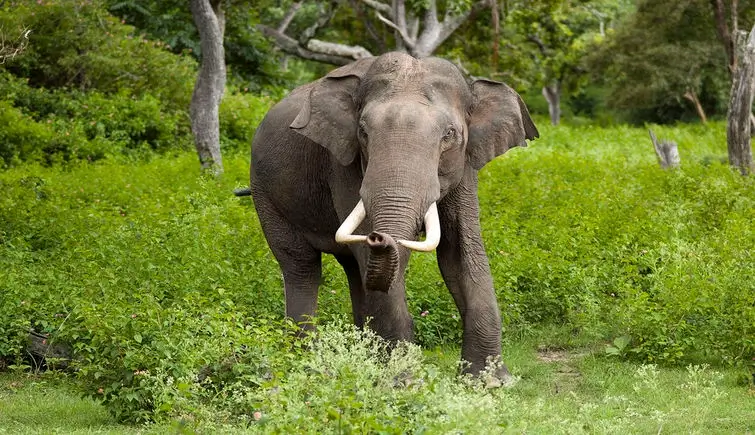
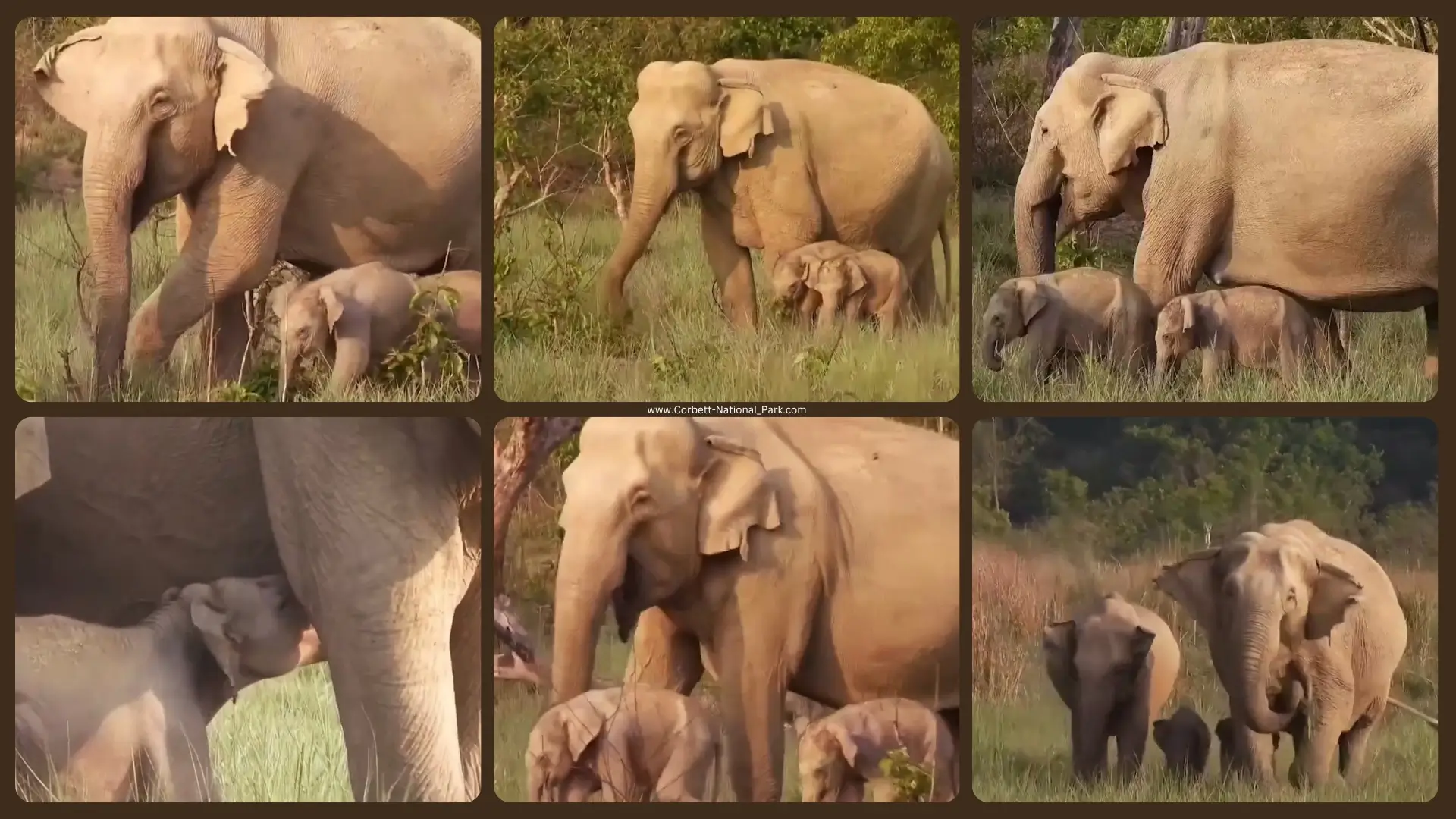
Elephants are not just the largest land animals on Earth, they are among the most intelligent and emotionally complex species in the wild. In India, spotting an elephant in its natural habitat, especially in forests like Jim Corbett National Park, is often one of the most memorable wildlife experiences a traveller can have.

Jim Corbett National Park History: From Hailey Park to India’s First Tiger Reserve

The story of Jim Corbett National Park is closely tied to the evolution of wildlife conservation in India. Established in 1936 as Hailey National Park, it was the country’s first attempt at protecting forest ecosystems and wildlife at scale.

Interesting Facts About Tigers: Behaviour, Habitat & Safari Insights

Spotting a tiger in the wild is one of the most intense moments on a safari. The forest falls silent, alarm calls rise, and suddenly, every movement matters. But beyond the sighting lies a deeper story of behaviour, territory, and survival that most travellers miss.

Fascinating Animal Facts: Surprising Wildlife Insights from Around the World
25 Fascinating Animal Facts: Surprising Wildlife Insights from Around the World

The animal kingdom is full of behaviours that often seem unbelievable until you see them in action. From tigers with unique stripe patterns to elephants with complex social bonds, wildlife continues to challenge what we think we know about intelligence, survival, and adaptation.

Powerful Life Lessons Humans Can Learn from Wildlife
Powerful Life Lessons Humans Can Learn from Wildlife (Inspired by Nature & National Parks)

Humans often believe they have mastered intelligence, leadership, and progress. Yet, in the wild, animals follow simple principles that have ensured survival for millions of years.

Endangered Animals in India : Causes, Conservation Efforts & National Parks
Endangered Animals in India: Causes, Conservation Efforts & National Parks

TIndia is one of the world’s most biodiverse countries, yet many of its wildlife species are facing increasing threats. From habitat loss and climate change to poaching and human expansion, several animal populations have declined sharply over the past century.

Project Tiger in India: History, Achievements & Tiger Population Growth

Tigers are among the most iconic symbols of India’s wildlife heritage. The Royal Bengal Tiger, which is also the country’s national animal, represents the strength and ecological richness of India’s forests. Once widespread across the subcontinent, tiger populations declined dramatically during the twentieth century due to hunting, habitat loss, and poaching.

Best National Parks for Wildlife Photography in India
5 Best National Parks for Wildlife Photography in India

When photography is a passion, every subject can become a masterpiece. However, when wildlife becomes the theme, photography turns into a powerful way of capturing the raw beauty of nature and the untamed wilderness

Best Bird Watching Destinations in India: Top National Parks for Birding
5 Best Bird Watching Destinations in India: Top National Parks for Birding

Bird watching in India offers an extraordinary experience because few countries match its diversity of habitats and birdlife. From Himalayan foothills and vast wetlands to mangrove forests and tropical evergreen jungles, the country supports an exceptional range of bird species throughout the year.

Top Adventure Activities in Jim Corbett: Safaris, River Rafting & Outdoor Experiences

Jim Corbett National Park is often associated with tiger safaris, but the experience goes far beyond wildlife sightings. Set against the foothills of the Himalayas and shaped by rivers like Ramganga and Kosi, Corbett offers a range of outdoor activities that combine adventure with nature.

How to Help Save Tigers: Practical Ways to Support Tiger Conservation
How to Help Save Tigers: Practical Ways to Support Tiger Conservation?

Tigers play a critical role in maintaining healthy ecosystems, but their survival is still under threat due to habitat loss, poaching, and human expansion.

Why Tigers Are Endangered: Causes, Population & Conservation Efforts

Tigers are among the most important predators in the natural world, yet their survival remains under constant threat. Over the past century, tiger populations have declined drastically due to habitat loss, poaching, and human expansion.

Why Wildlife Conservation Matters for Human Survival : Real Impact on Food, Climate & Travel
Why Wildlife Conservation Matters for Human Survival: Real Impact on Food, Climate & Travel

The animal kingdom is full of behaviours that often seem unbelievable until you see them in action. From tigers with unique stripe patterns to elephants with complex social bonds, wildlife continues to challenge what we think we know about intelligence, survival, and adaptation.

Wildlife Conservation in India: Efforts, National Parks & Why It Matters

Wildlife conservation in India focuses on protecting entire ecosystems that sustain biodiversity, water systems, and human life. With increasing pressure from urbanisation, deforestation, and climate change, conservation efforts have become essential to ensure the survival of wildlife across the country.

Wildlife Management in India: Conservation Efforts, Laws & National Parks

Wildlife management in India is not just about protecting animals; it is about maintaining entire ecosystems that support biodiversity, water systems, and local communities. With increasing pressure from urbanisation, deforestation, and human expansion, conservation efforts have become essential to ensure the survival of wildlife across the country.

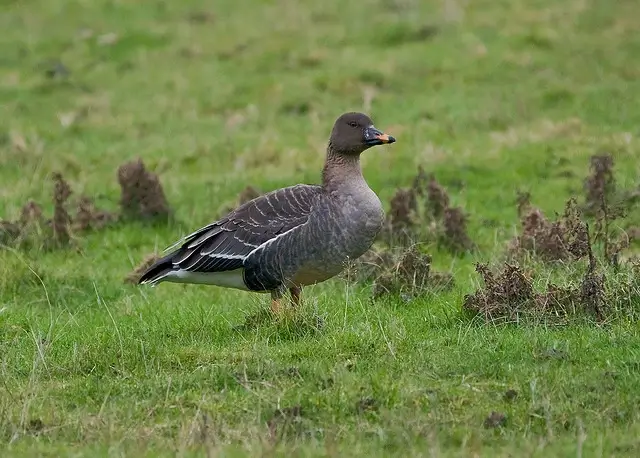
Tundra Bean Goose in India: Rare Sightings, Migration Mystery & the 2011 Corbett Record

India’s wetlands and river systems attract thousands of migratory birds every winter. Most follow predictable routes, returning year after year. But some species break the pattern entirely.

Our experts are available 24/7: