Interesting Facts About Tigers: Behaviour, Habitat & Safari Insights
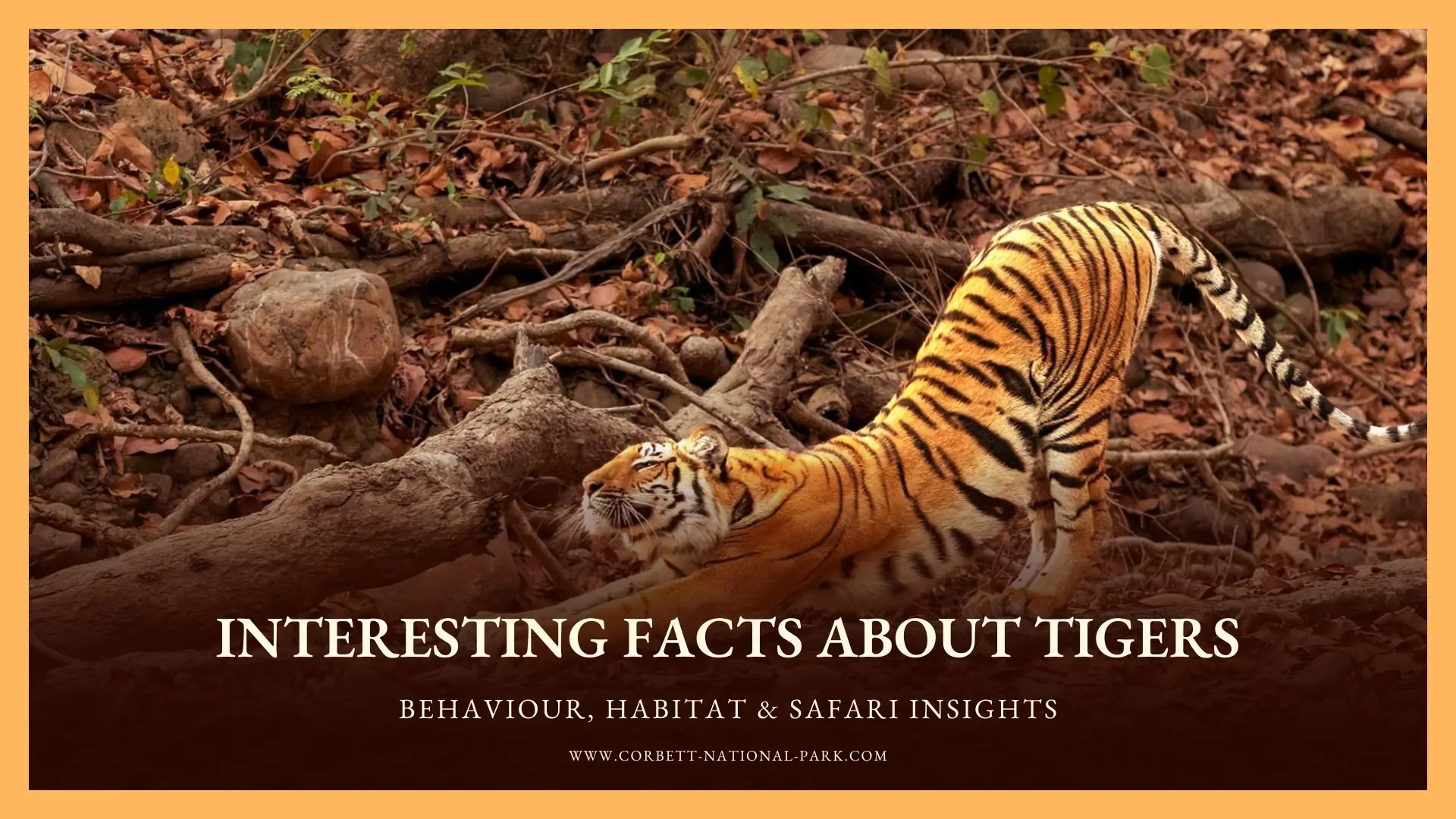
Interesting Facts About Tigers: Behaviour, Habitat & Safari Insights

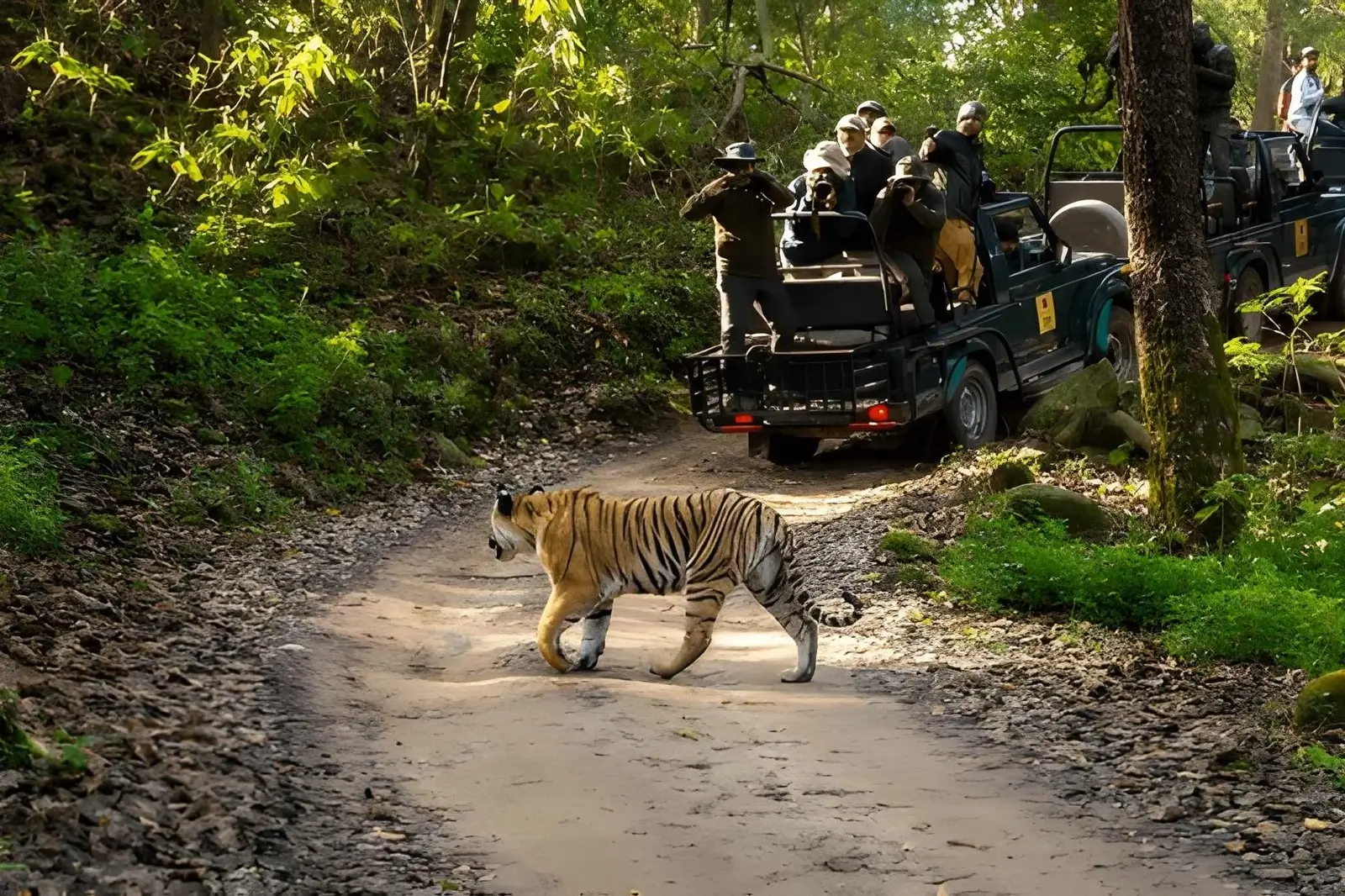
Spotting a tiger in the wild is one of the most intense moments on a safari. The forest falls silent, alarm calls rise, and suddenly, every movement matters. But beyond the sighting lies a deeper story of behaviour, territory, and survival that most travellers miss.

Understanding these tiger facts can completely change how you experience a wildlife safari in India.

What are some interesting facts about tigers?
interesting facts about tigers

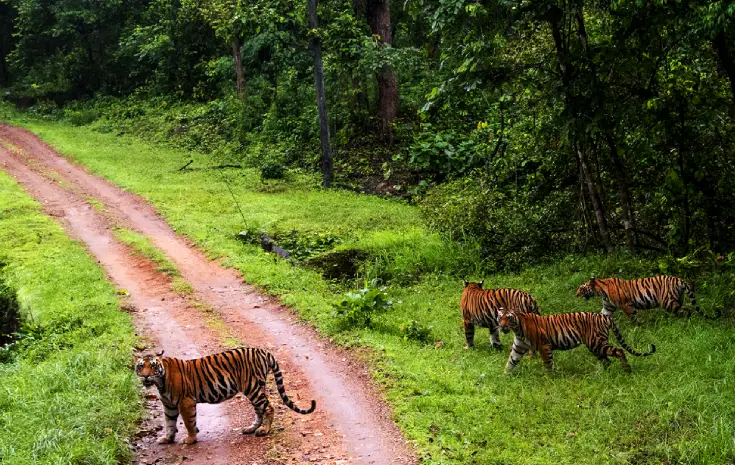
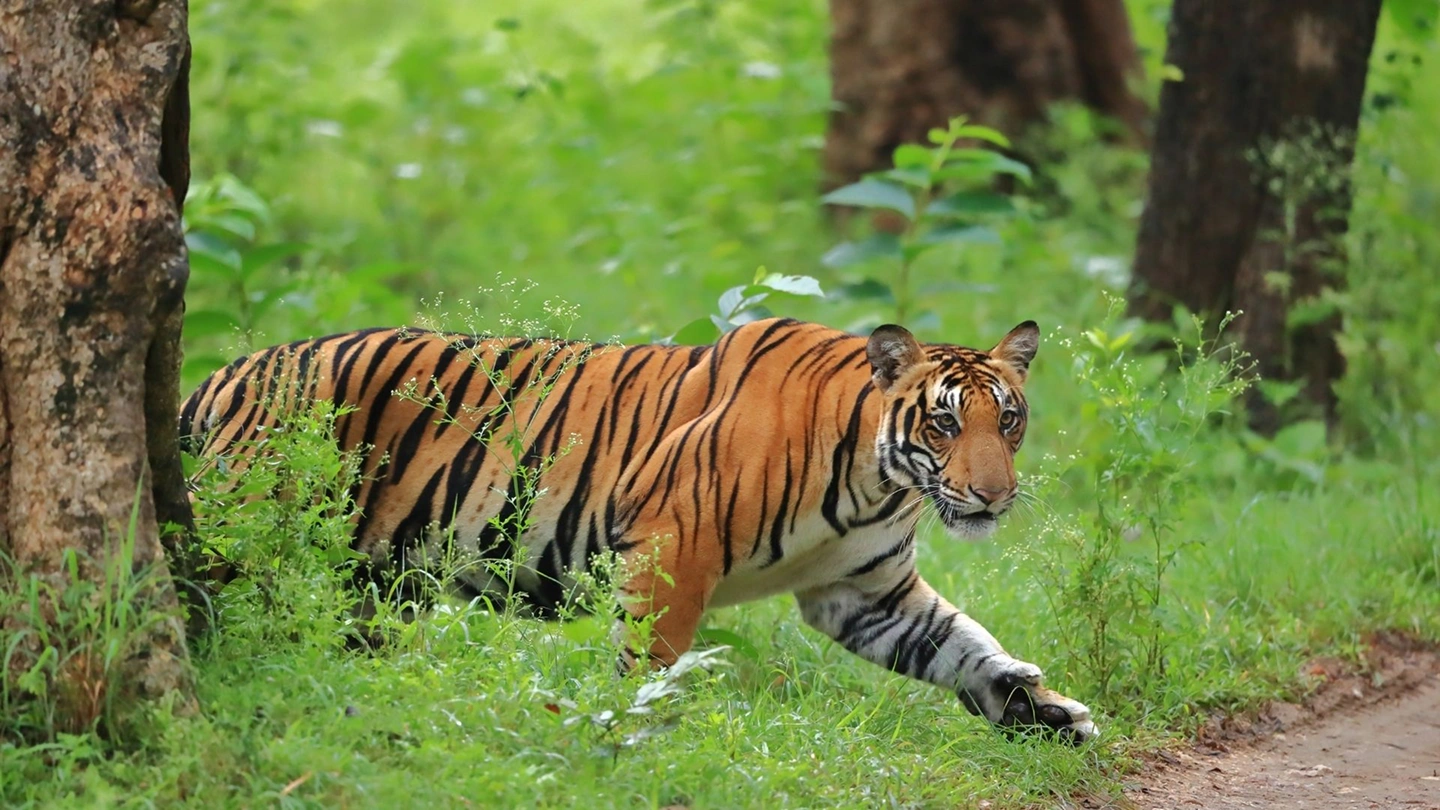
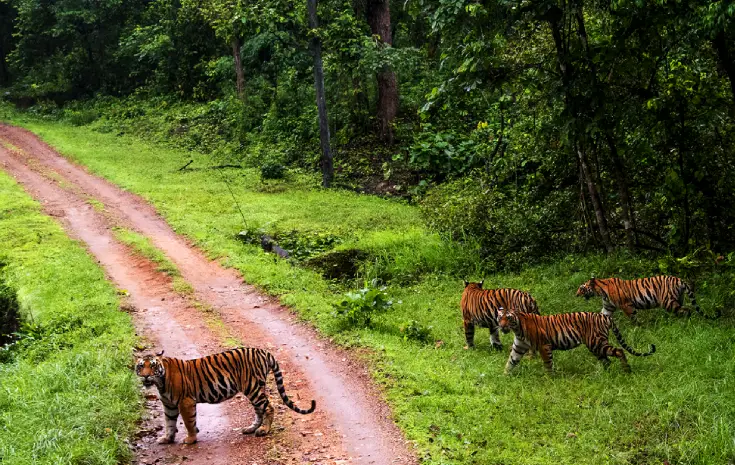
Tigers are solitary hunters and strong swimmers, and each individual has a unique stripe pattern. They are most active during dawn and dusk and rely on stealth rather than speed to hunt.

Tigers Are the Most Powerful Big Cats

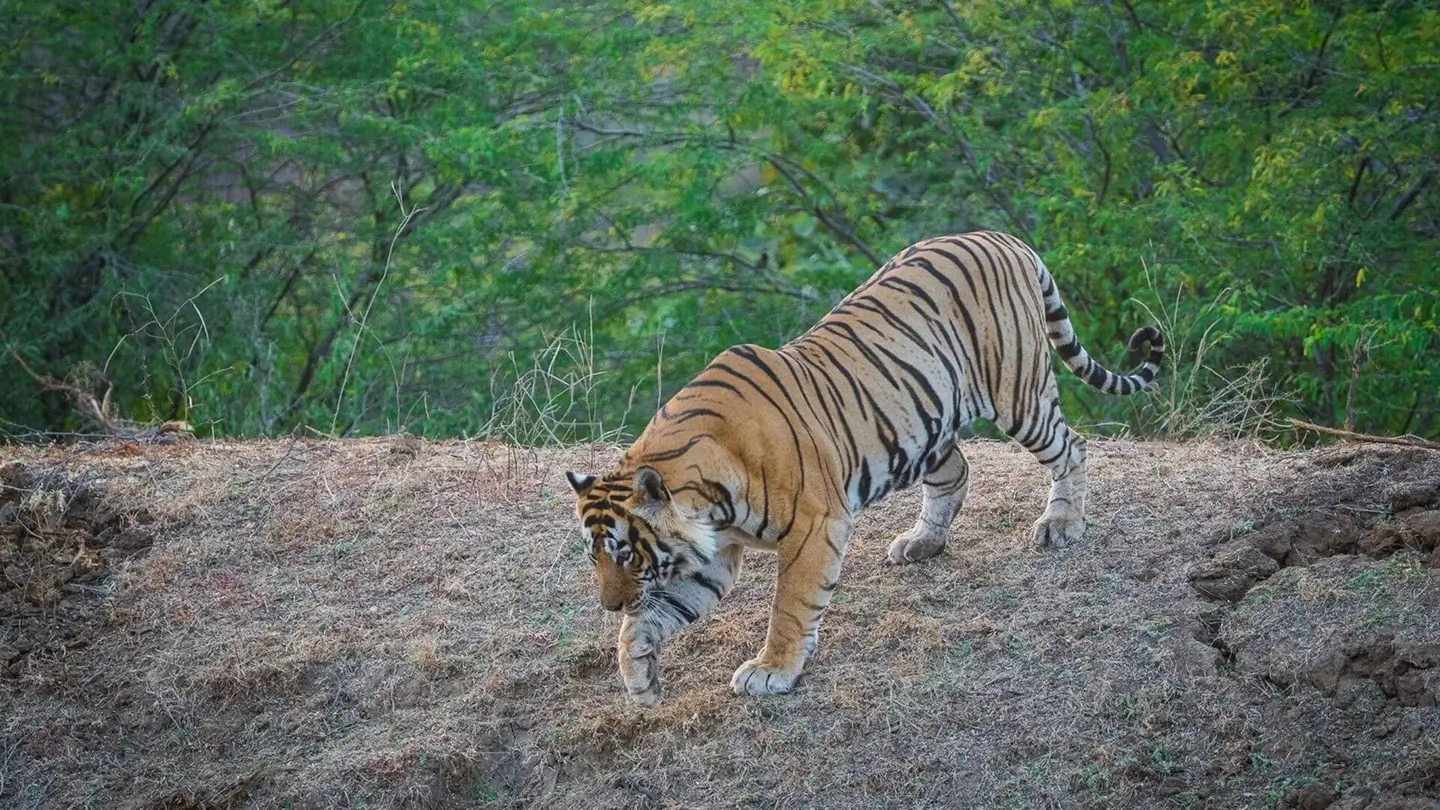
Tigers are the largest members of the cat family (Felidae), with adult males weighing up to 220–260 kg in India. Their strength lies in a combination of stealth, explosive power, and precision.

Unlike lions, tigers hunt alone. They rely on silence, cover, and a short burst of speed rather than endurance.

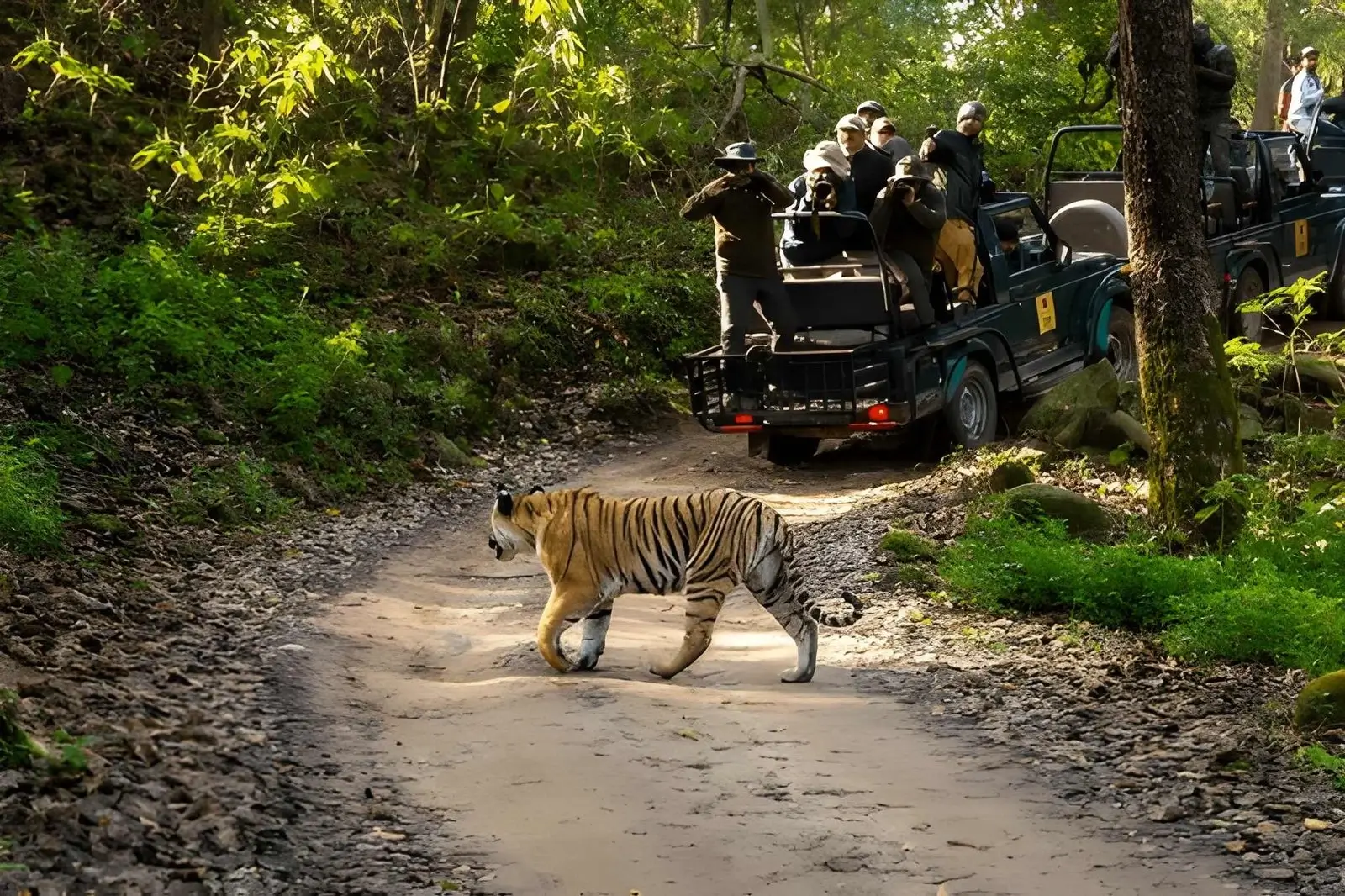
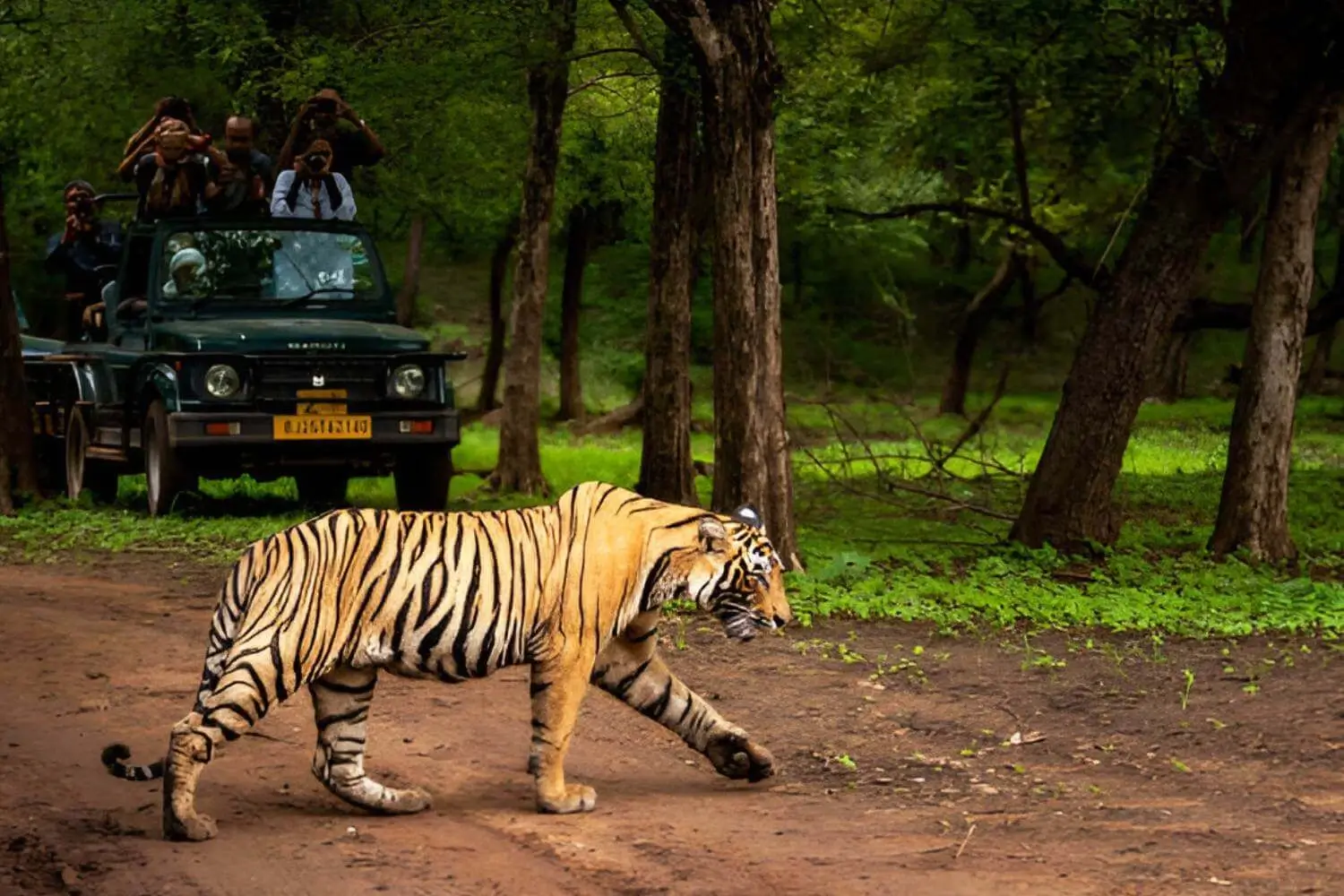
Safari insight : Most sightings involve a tiger moving quietly through its territory rather than actively hunting, which is why patience matters more than speed during safaris.
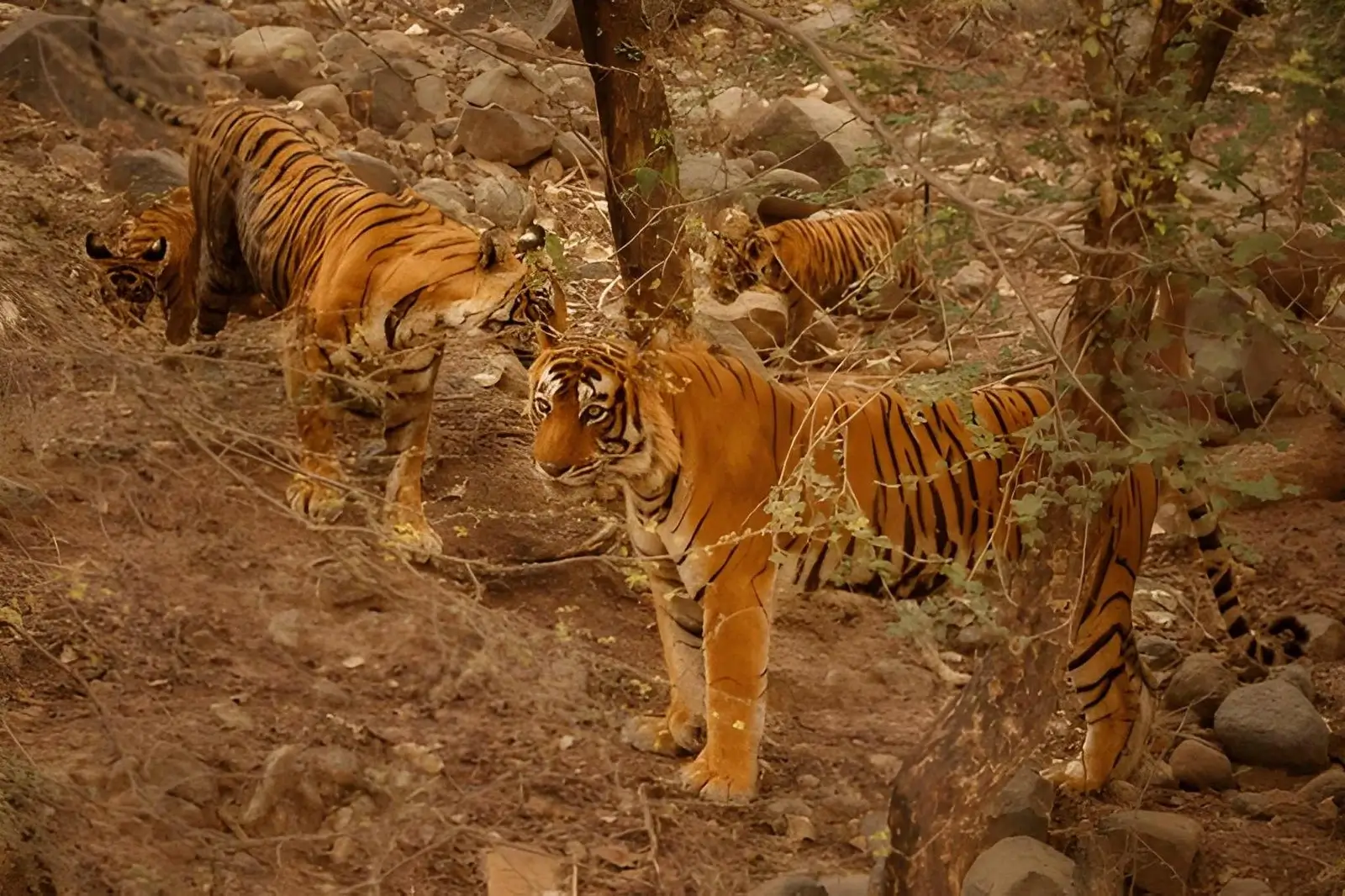
Tigers Can Survive in Some of the Harshest Landscapes on Earth

Tigers Can Survive in Some of the Harshest Landscapes on Earth
  • Dense tropical forests
  • Mangrove swamps like the Sundarbans
  • Grasslands
  • Cold mountainous regions

India is home to nearly 75% of the world’s wild tiger population, according to recent NTCA tiger census data, making it the best destination globally for tiger sightings.

Travel insight : Landscapes influence sightings. In Bandhavgarh, forests are denser, while Ranthambore offers more open terrain, making tigers easier to spot.
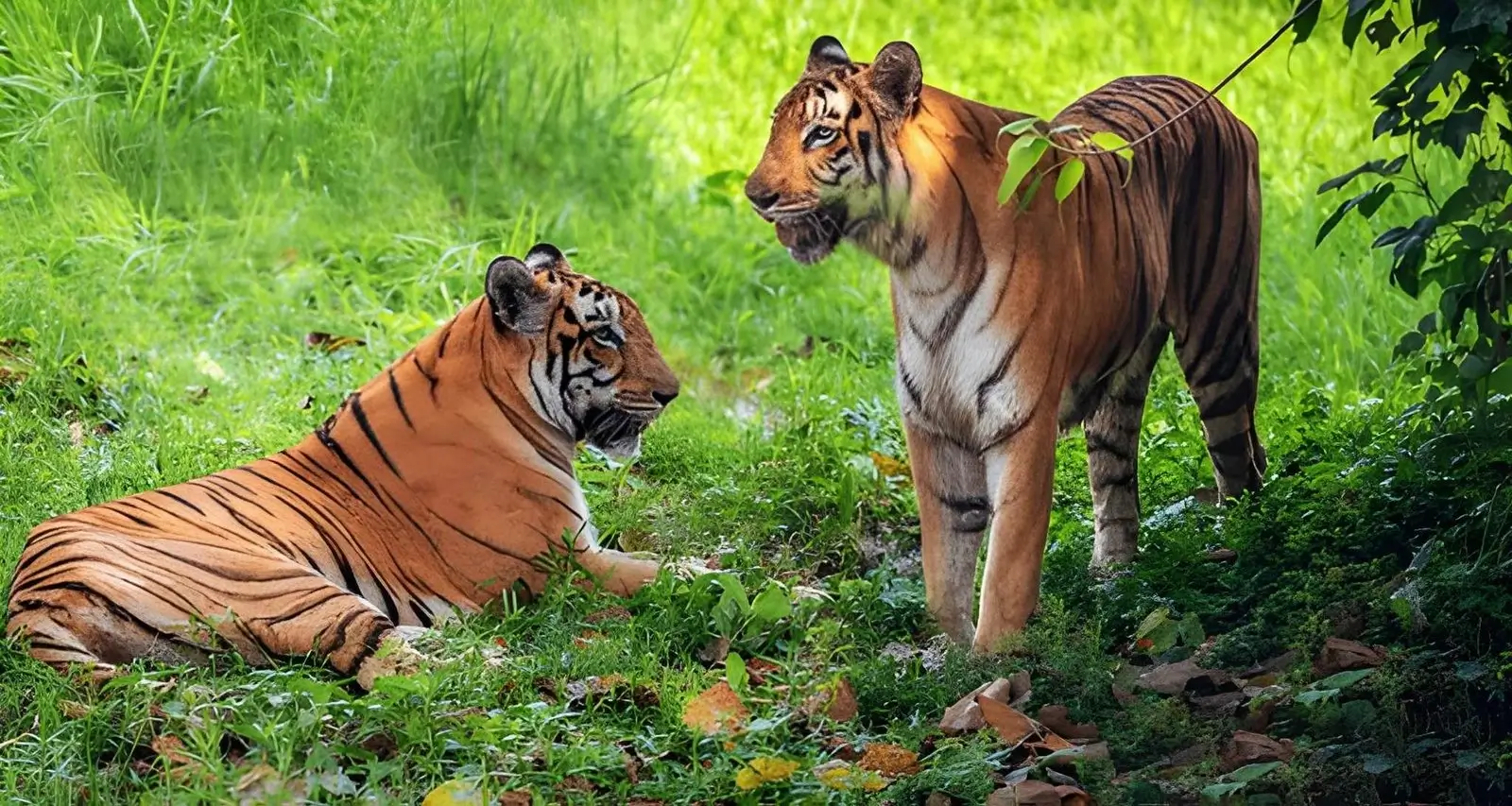
No Two Tigers Have the Same Stripes Ever

Two Tigers Have the Same Stripes Ever

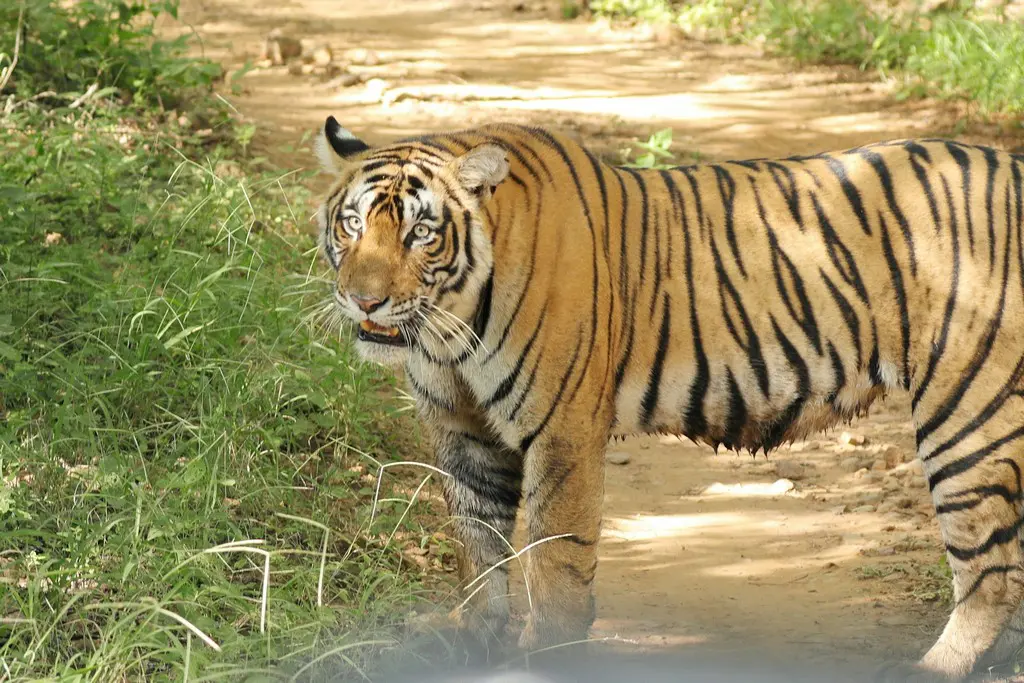
Every tiger has a unique stripe pattern, similar to a fingerprint. These stripes extend to the skin, not just the fur.

They act as camouflage, breaking the tiger’s outline in forests where light and shadow constantly shift, making them surprisingly hard to detect even at close range.
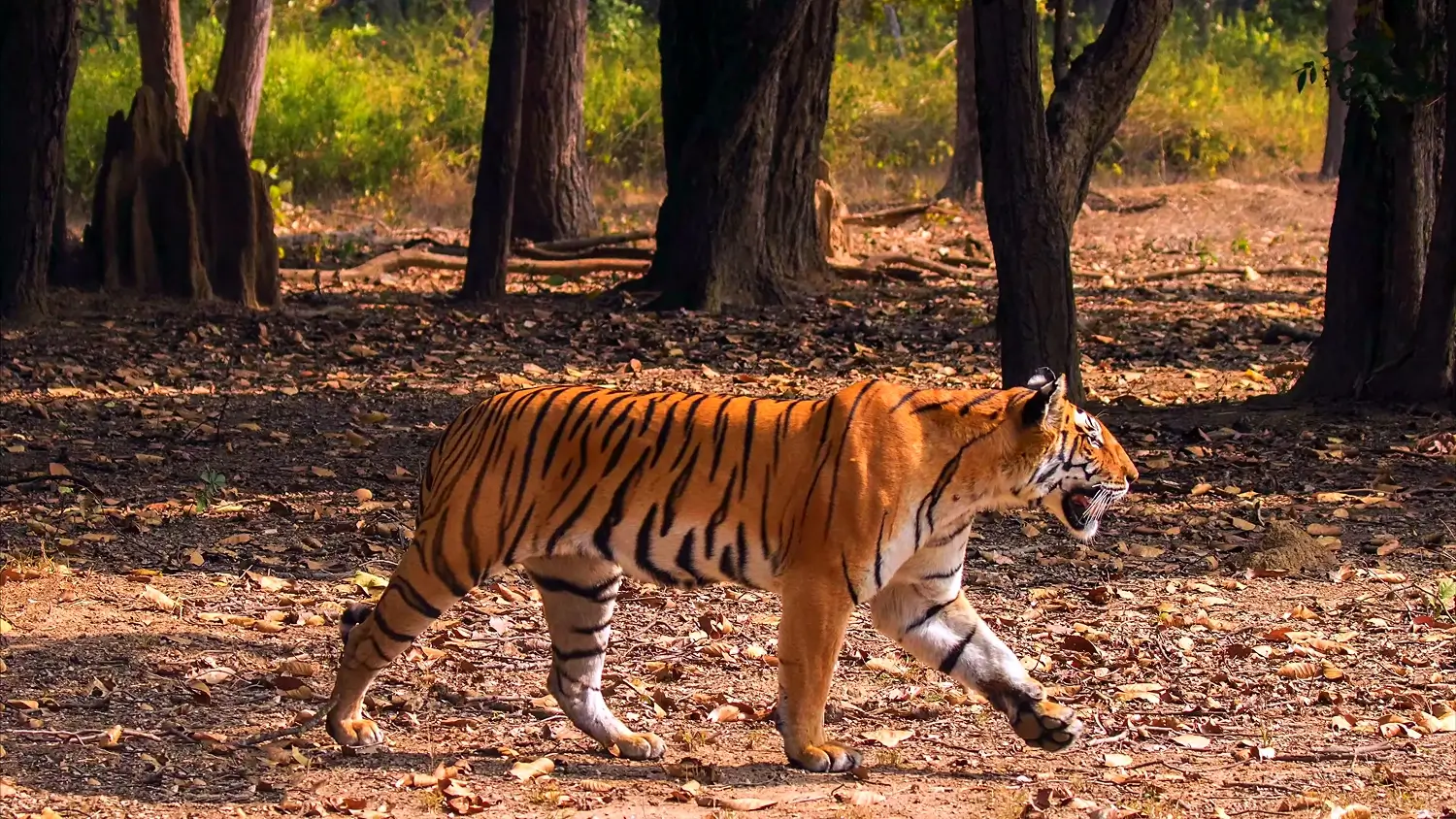
A Tiger Can Take Down Prey Twice Its Size

A Tiger Can Take Down Prey Twice

Tigers are apex predators capable of taking down prey much larger than themselves.

  • Bite force strong enough to crush bone
  • Can eat up to 25–30 kg of meat in one sitting
  • Hunting success rate is relatively low, often less than 10%, which explains their patience and energy conservation

They usually hunt during low-light conditions to maximise stealth.

Tigers Hunt When the Forest Is at Its Quietest

Tigers are crepuscular, meaning they are most active during dawn and dusk. However, in protected areas with less disturbance, they may also be seen during the day.

Safari tip: Early morning safaris offer the best chance of sightings, especially near water sources or frequently used trails.

Tigers Control Vast Territories Without Ever Being Seen

Tigers are highly territorial and maintain large home ranges:

  • Male territory: up to 60–100 sq km or more
  • Female territory: smaller, depending on prey availability

They mark territory using:

  • Urine spraying
  • Scratch marks on trees
  • Scent glands

These markings help avoid conflict and communicate presence.

Tigers Are One of the Few Big Cats That Love Water

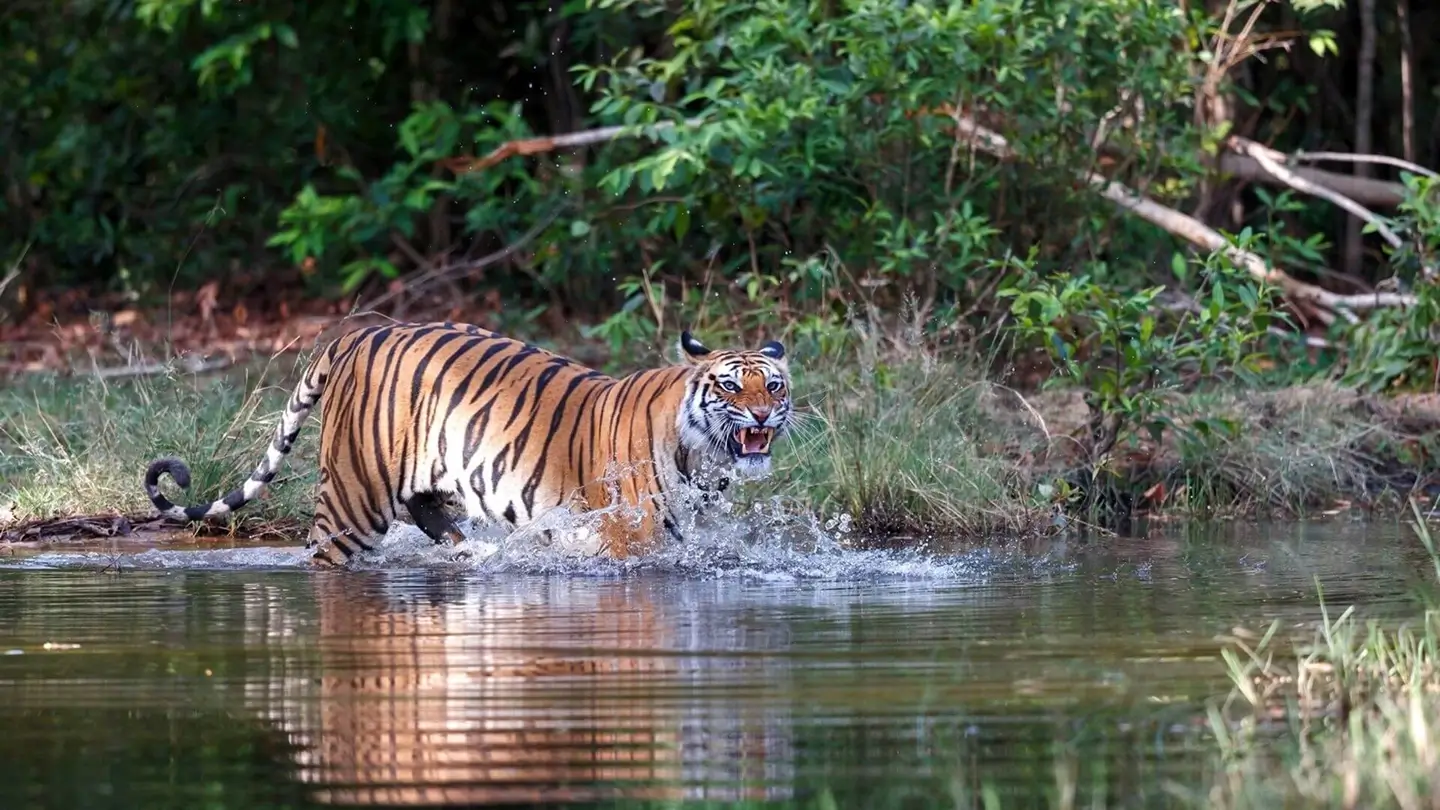
Yes, tigers are strong swimmers and often use water to cool down or move across territories.

Safari insight : In summer, sightings near water bodies increase significantly in parks like Tadoba, Pench, and the Sundarbans.

Tigers Have a Natural Way to Heal Minor Wounds

Tiger saliva has mild antiseptic properties, which help clean wounds. However, this is a natural biological trait and not a special healing ability.

How Many Types of Tigers Exist Today?

There are five surviving tiger subspecies:

  • Bengal Tiger (India)
  • Siberian Tiger
  • Indochinese Tiger
  • Malayan Tiger
  • Sumatran Tiger

Three subspecies have already gone extinct, highlighting the importance of conservation.

Why Are Tigers Endangered?

Tigers are classified as Endangered (IUCN Red List) due to:

  • Habitat loss
  • Poaching
  • Human-wildlife conflict

India has made significant progress through Project Tiger, increasing populations across protected reserves.

How to Read Tiger Signs on a Safari (Insider Guide)

Understanding the forest increases your chances of meaningful sightings:

  • Alarm calls : Deer or langur calls often signal a predator nearby
  • Pugmarks : Fresh tracks on dirt roads indicate recent movement
  • Territory markings : Scratches and scent marks show active zones
  • Jeep movement : Multiple vehicles focusing on one direction often indicates a sighting

Experienced guides rely more on these signs than luck.

Where Can You See Tigers in India? (Best by Experience)

  • For high sighting probability : Bandhavgarh, Tadoba
  • For photography : Ranthambore (open terrain, fort backdrop)
  • For landscapes : Kanha (meadows and forests)
  • For diversity & history : Jim Corbett (India’s oldest park)
  • For unique ecosystem : Sundarbans (mangrove habitat)

Tigers are not just symbols of wilderness; they are indicators of healthy ecosystems. The more you understand their behaviour and environment, the more meaningful a safari experience becomes. In places like Jim Corbett National Park, these insights turn a simple sighting into a deeper connection with the wild.


Frequently Asked Questions

Q. What is the most interesting fact about tigers?
Each tiger has a unique stripe pattern that helps researchers identify individuals in the wild through camera traps.
Q. How many tigers are left in India?
India is home to over 3,000 tigers, according to recent census data, making it the global stronghold for the species.
Q. Are white tigers a separate species?
No, white tigers are Bengal tigers with a genetic mutation affecting pigmentation.
Q. When is the best time to see tigers in India?
March to June is ideal, as tigers frequent water sources, increasing visibility.
Q. Can tigers be seen during daytime safaris?
Yes, especially in protected reserves where disturbance is low. Morning safaris offer the best chances.

Recent Trending Posts

Best National Parks for Wildlife Safari in India: Tiger, Lion & Jungle Experiences
5 Best National Parks for Wildlife Safari in India: Tiger, Lion & Jungle Experiences

India is one of the few countries in the world where travellers can experience such an extraordinary range of wildlife within a single nation. From the riverine forests of the Himalayan foothills to the dry landscapes of western India and the dense jungles of central India, the country hosts some of the most remarkable ecosystems on Earth.

Tiger Population in India: Latest Count, State-Wise Data & Best Places to See Tigers
Tiger Population in India (2026): Latest Count, State-Wise Data & Best Places to See Tigers

India is now home to nearly three out of every four wild tigers on the planet. What was once a species on the brink of collapse has staged one of the most remarkable wildlife recoveries in modern conservation history.

Jim Corbett : From Hunter to Conservationist

Few figures in India’s wildlife history are as compelling as Jim Corbett, a hunter who spent years tracking man-eating predators before becoming one of the earliest voices for wildlife conservation. His journey from protecting villages to advocating for forests reflects a deeper understanding of the relationship between humans and wildlife.

Fascinating Facts About Elephants: Intelligence, Behaviour & Where to See Them in India
9 Fascinating Facts About Elephants: Intelligence, Behaviour & Where to See Them in India

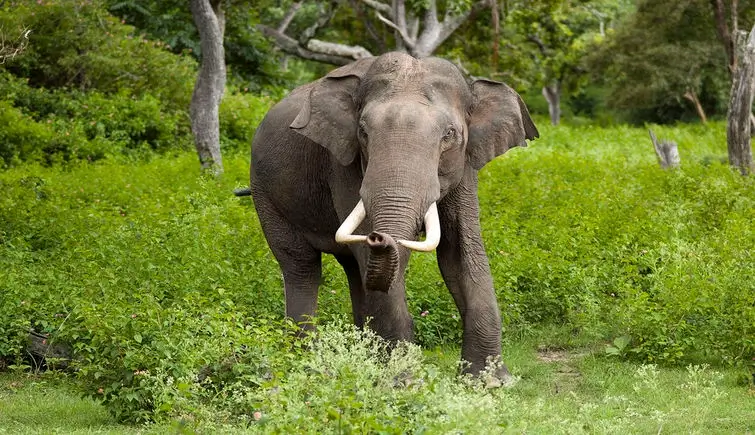
Elephants are not just the largest land animals on Earth, they are among the most intelligent and emotionally complex species in the wild. In India, spotting an elephant in its natural habitat, especially in forests like Jim Corbett National Park, is often one of the most memorable wildlife experiences a traveller can have.

Jim Corbett National Park History: From Hailey Park to India’s First Tiger Reserve

The story of Jim Corbett National Park is closely tied to the evolution of wildlife conservation in India. Established in 1936 as Hailey National Park, it was the country’s first attempt at protecting forest ecosystems and wildlife at scale.

Interesting Facts About Tigers: Behaviour, Habitat & Safari Insights

Spotting a tiger in the wild is one of the most intense moments on a safari. The forest falls silent, alarm calls rise, and suddenly, every movement matters. But beyond the sighting lies a deeper story of behaviour, territory, and survival that most travellers miss.

Fascinating Animal Facts: Surprising Wildlife Insights from Around the World
25 Fascinating Animal Facts: Surprising Wildlife Insights from Around the World

The animal kingdom is full of behaviours that often seem unbelievable until you see them in action. From tigers with unique stripe patterns to elephants with complex social bonds, wildlife continues to challenge what we think we know about intelligence, survival, and adaptation.

Powerful Life Lessons Humans Can Learn from Wildlife
Powerful Life Lessons Humans Can Learn from Wildlife (Inspired by Nature & National Parks)

Humans often believe they have mastered intelligence, leadership, and progress. Yet, in the wild, animals follow simple principles that have ensured survival for millions of years.

Endangered Animals in India : Causes, Conservation Efforts & National Parks
Endangered Animals in India: Causes, Conservation Efforts & National Parks

TIndia is one of the world’s most biodiverse countries, yet many of its wildlife species are facing increasing threats. From habitat loss and climate change to poaching and human expansion, several animal populations have declined sharply over the past century.

Project Tiger in India: History, Achievements & Tiger Population Growth

Tigers are among the most iconic symbols of India’s wildlife heritage. The Royal Bengal Tiger, which is also the country’s national animal, represents the strength and ecological richness of India’s forests. Once widespread across the subcontinent, tiger populations declined dramatically during the twentieth century due to hunting, habitat loss, and poaching.

Best National Parks for Wildlife Photography in India
5 Best National Parks for Wildlife Photography in India

When photography is a passion, every subject can become a masterpiece. However, when wildlife becomes the theme, photography turns into a powerful way of capturing the raw beauty of nature and the untamed wilderness

Best Bird Watching Destinations in India: Top National Parks for Birding
5 Best Bird Watching Destinations in India: Top National Parks for Birding

Bird watching in India offers an extraordinary experience because few countries match its diversity of habitats and birdlife. From Himalayan foothills and vast wetlands to mangrove forests and tropical evergreen jungles, the country supports an exceptional range of bird species throughout the year.

Top Adventure Activities in Jim Corbett: Safaris, River Rafting & Outdoor Experiences

Jim Corbett National Park is often associated with tiger safaris, but the experience goes far beyond wildlife sightings. Set against the foothills of the Himalayas and shaped by rivers like Ramganga and Kosi, Corbett offers a range of outdoor activities that combine adventure with nature.

How to Help Save Tigers: Practical Ways to Support Tiger Conservation
How to Help Save Tigers: Practical Ways to Support Tiger Conservation?

Tigers play a critical role in maintaining healthy ecosystems, but their survival is still under threat due to habitat loss, poaching, and human expansion.

Why Tigers Are Endangered: Causes, Population & Conservation Efforts

Tigers are among the most important predators in the natural world, yet their survival remains under constant threat. Over the past century, tiger populations have declined drastically due to habitat loss, poaching, and human expansion.

Why Wildlife Conservation Matters for Human Survival : Real Impact on Food, Climate & Travel
Why Wildlife Conservation Matters for Human Survival: Real Impact on Food, Climate & Travel

The animal kingdom is full of behaviours that often seem unbelievable until you see them in action. From tigers with unique stripe patterns to elephants with complex social bonds, wildlife continues to challenge what we think we know about intelligence, survival, and adaptation.

Wildlife Conservation in India: Efforts, National Parks & Why It Matters

Wildlife conservation in India focuses on protecting entire ecosystems that sustain biodiversity, water systems, and human life. With increasing pressure from urbanisation, deforestation, and climate change, conservation efforts have become essential to ensure the survival of wildlife across the country.

Wildlife Management in India: Conservation Efforts, Laws & National Parks

Wildlife management in India is not just about protecting animals; it is about maintaining entire ecosystems that support biodiversity, water systems, and local communities. With increasing pressure from urbanisation, deforestation, and human expansion, conservation efforts have become essential to ensure the survival of wildlife across the country.

Tundra Bean Goose in India: Rare Sightings, Migration Mystery & the 2011 Corbett Record

India’s wetlands and river systems attract thousands of migratory birds every winter. Most follow predictable routes, returning year after year. But some species break the pattern entirely.

Our experts are available 24/7: