Powerful Life Lessons Humans Can Learn from Wildlife (Inspired by Nature & National Parks)
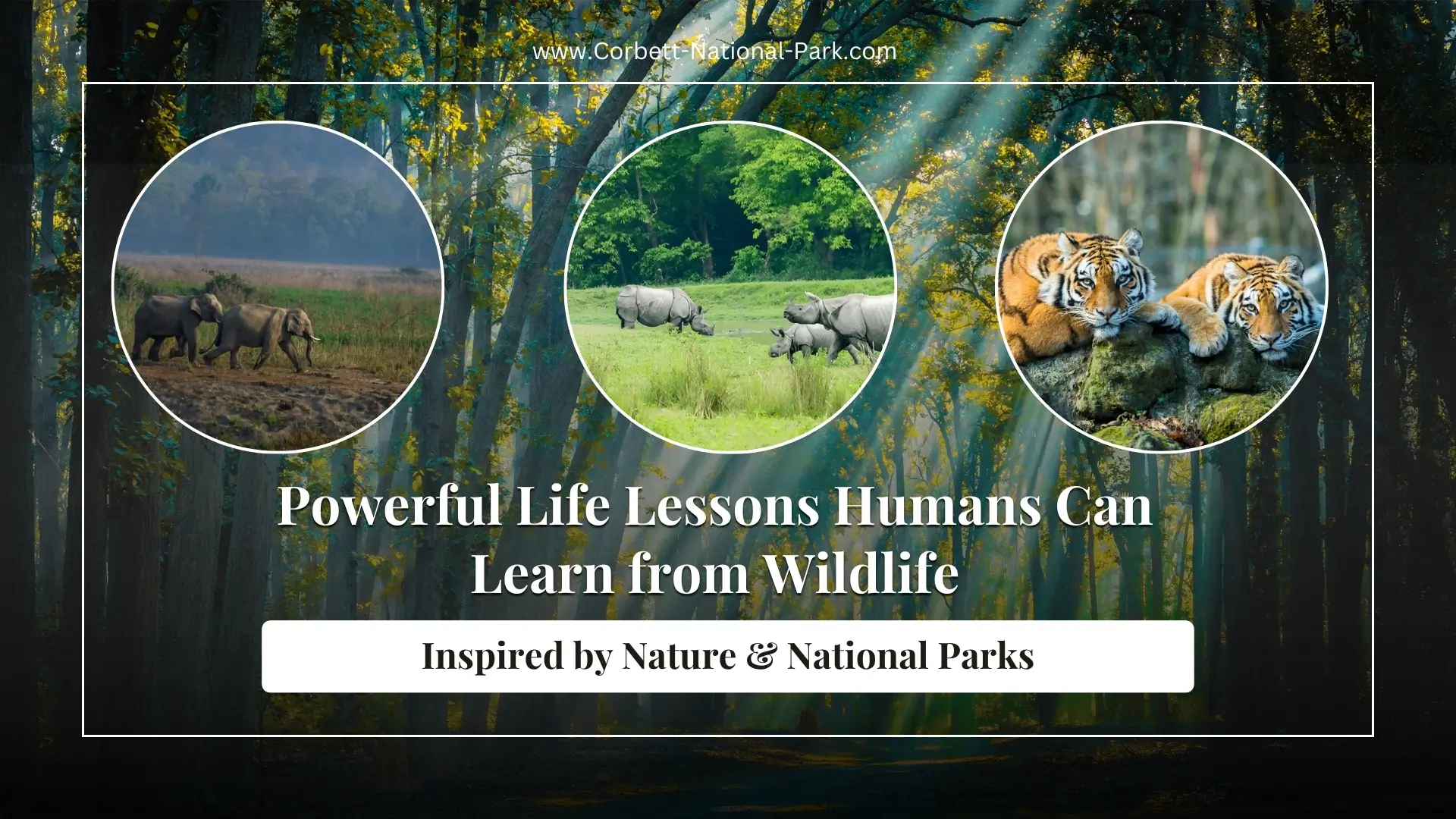
River Ramganga at Corbett National park, Uttarakhand, India

Humans often believe they have mastered intelligence, leadership, and progress. Yet, in the wild, animals follow simple principles that have ensured survival for millions of years.

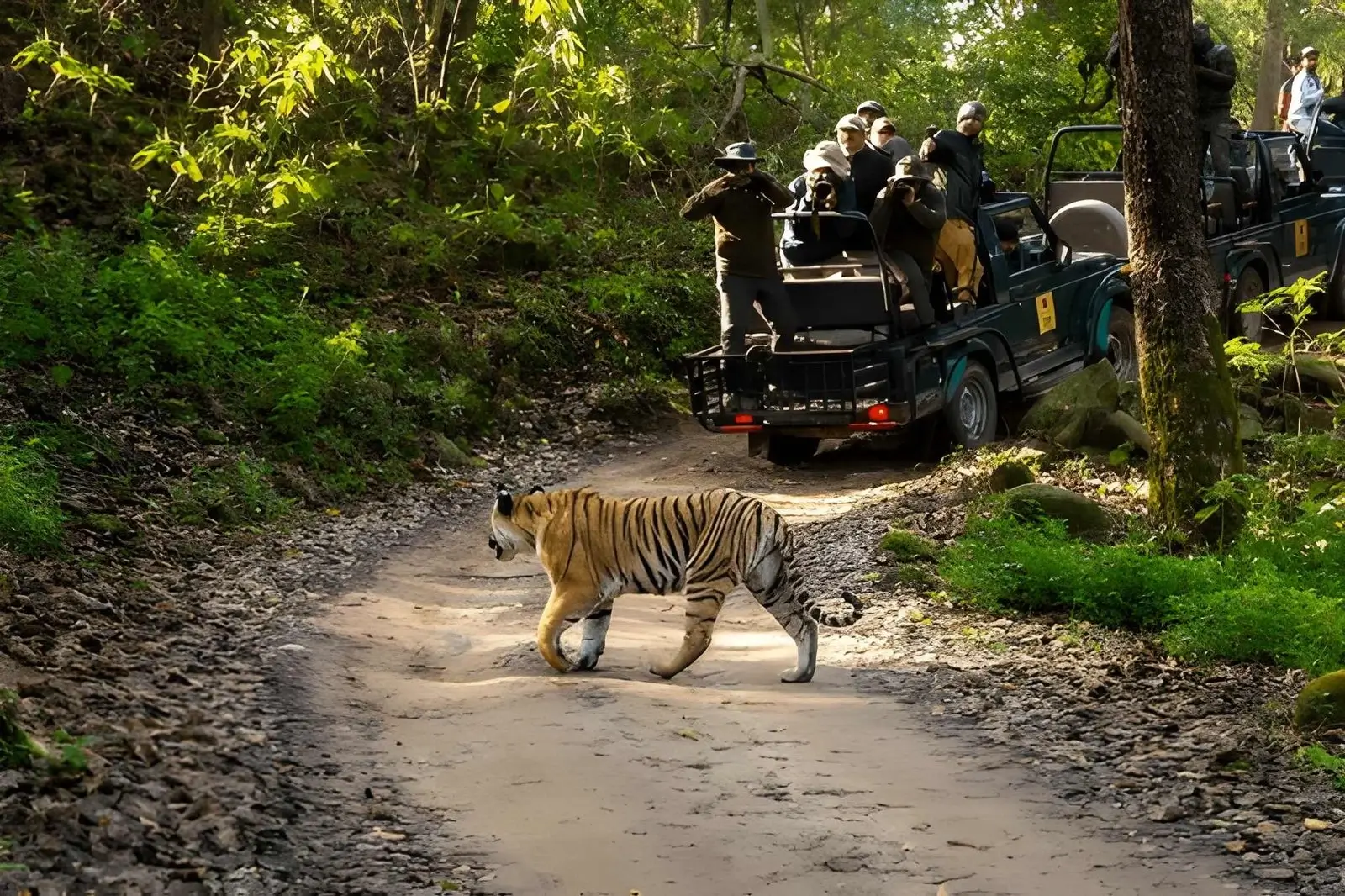
In forests like Jim Corbett National Park, observing wildlife closely reveals something surprising: animals often demonstrate clarity, balance, and instinct in ways humans struggle to replicate.

From teamwork and leadership to resilience and emotional intelligence, wildlife offers lessons that feel surprisingly relevant to modern life. Here are some powerful life lessons humans can learn from the natural world.

1. Lions: The Power of Teamwork and Defined Roles
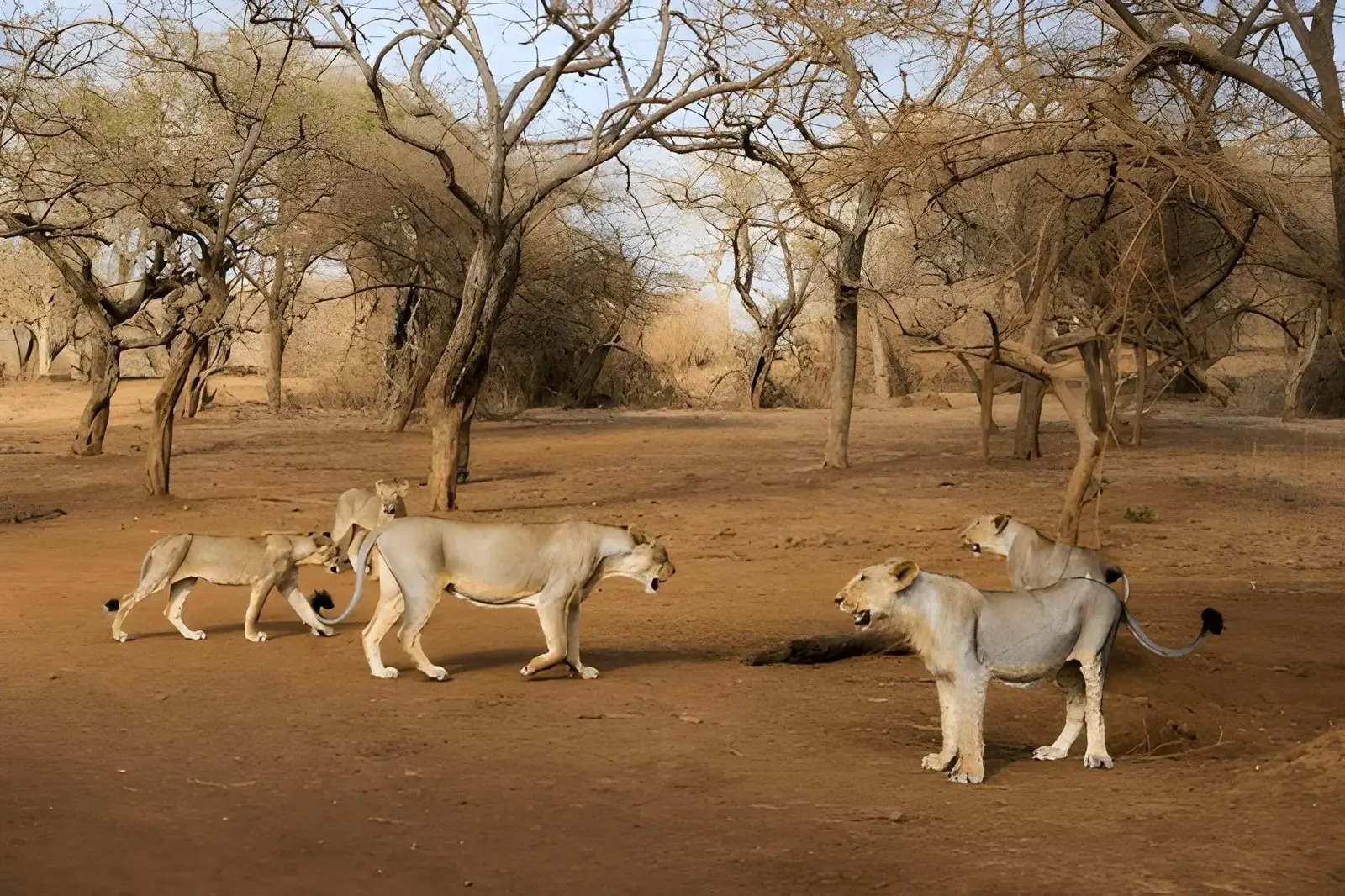
Lions: The Power of Teamwork and Defined Roles

Lions are often called the kings of the jungle, not simply because of their strength but because of their social structure and cooperative behaviour.

Their lives within a pride demonstrate powerful lessons about leadership, teamwork, and balance.

  • Teamwork Multiplies Strength

Unlike most big cats that live alone, lions live in groups called prides. A pride typically includes several lionesses, a few adult males, and their cubs.

Lionesses work together during hunts, coordinating their efforts to capture prey much larger than any one lion could handle alone.

The lesson for humans is simple: collaboration multiplies strength.

Whether in workplaces, communities, or families, teamwork often produces better results than individual effort alone.

  • Success Works Better When Shared

After a successful hunt, lions feed together. When they finish eating, scavengers such as hyenas, vultures, and jackals consume the remaining prey.

Nothing in nature goes to waste. This natural sharing cycle reminds humans that success should not be hoarded. Sharing opportunities, knowledge, and recognition strengthens communities and teams.

  • Rest Is a Strategy, Not Weakness

Lions spend much of their time resting, often 12 to 16 hours per day. While they are powerful hunters, they conserve energy and avoid unnecessary activity.

This behaviour reflects a valuable human lesson: constant activity does not equal productivity. Modern life often glorifies overwork, but rest and recovery are essential for long-term performance and mental health.

  • Play to Your Strengths, Not Ego

In a lion pride, each member has a role.

Lionesses usually handle hunting because they are faster and more cooperative hunters. Male lions typically focus on defending the territory and protecting the pride. This natural division of roles shows the importance of delegation and specialization.

In human life, whether in workplaces or families, clearly defined roles and collaboration often determine long-term success.
2. Elephants: Leadership, Memory, and Emotional Intelligence

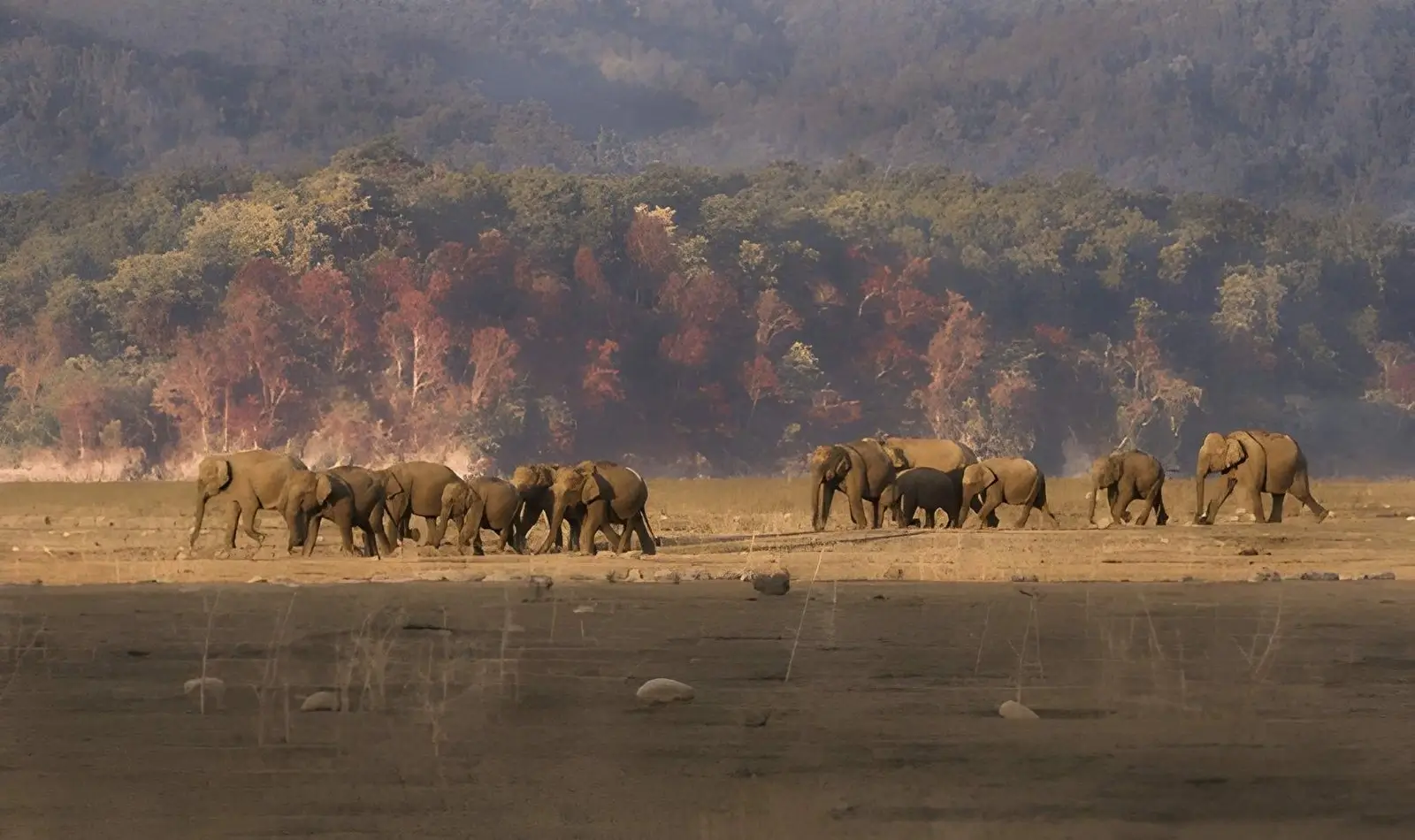
Elephants: Leadership, Memory, and Emotional Intelligence

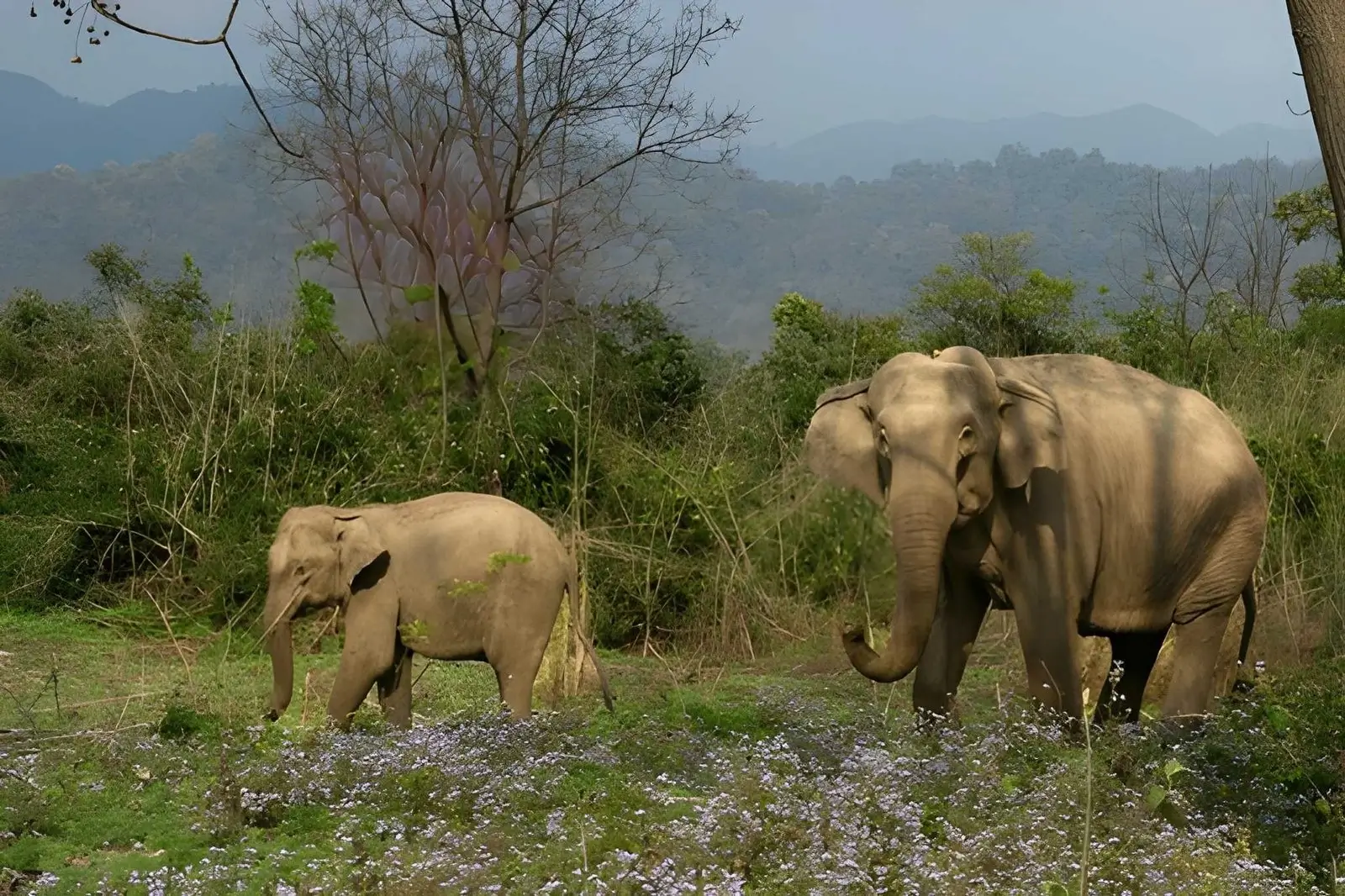
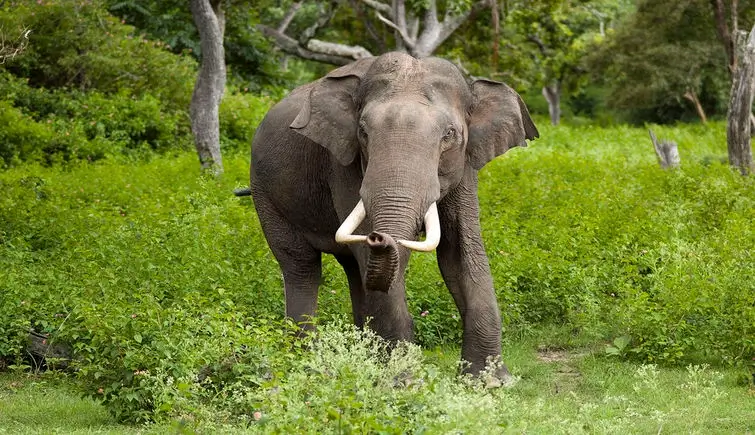
Elephants are among the most intelligent animals on Earth. They are known for their strong memory, deep social bonds, and emotional awareness.

Their behaviour offers powerful lessons about leadership, empathy, and community.

  • Experience Is a Survival Advantage

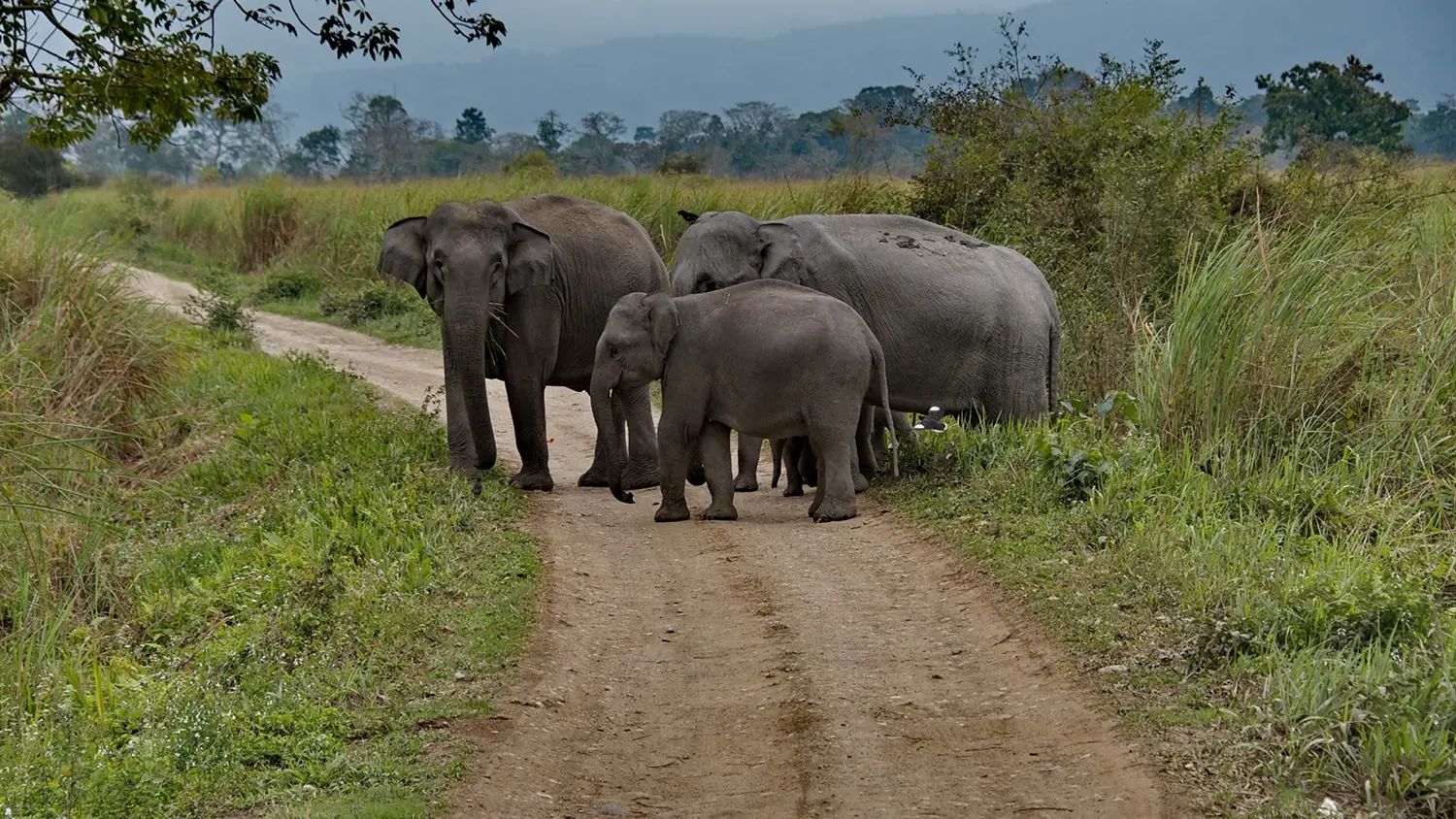
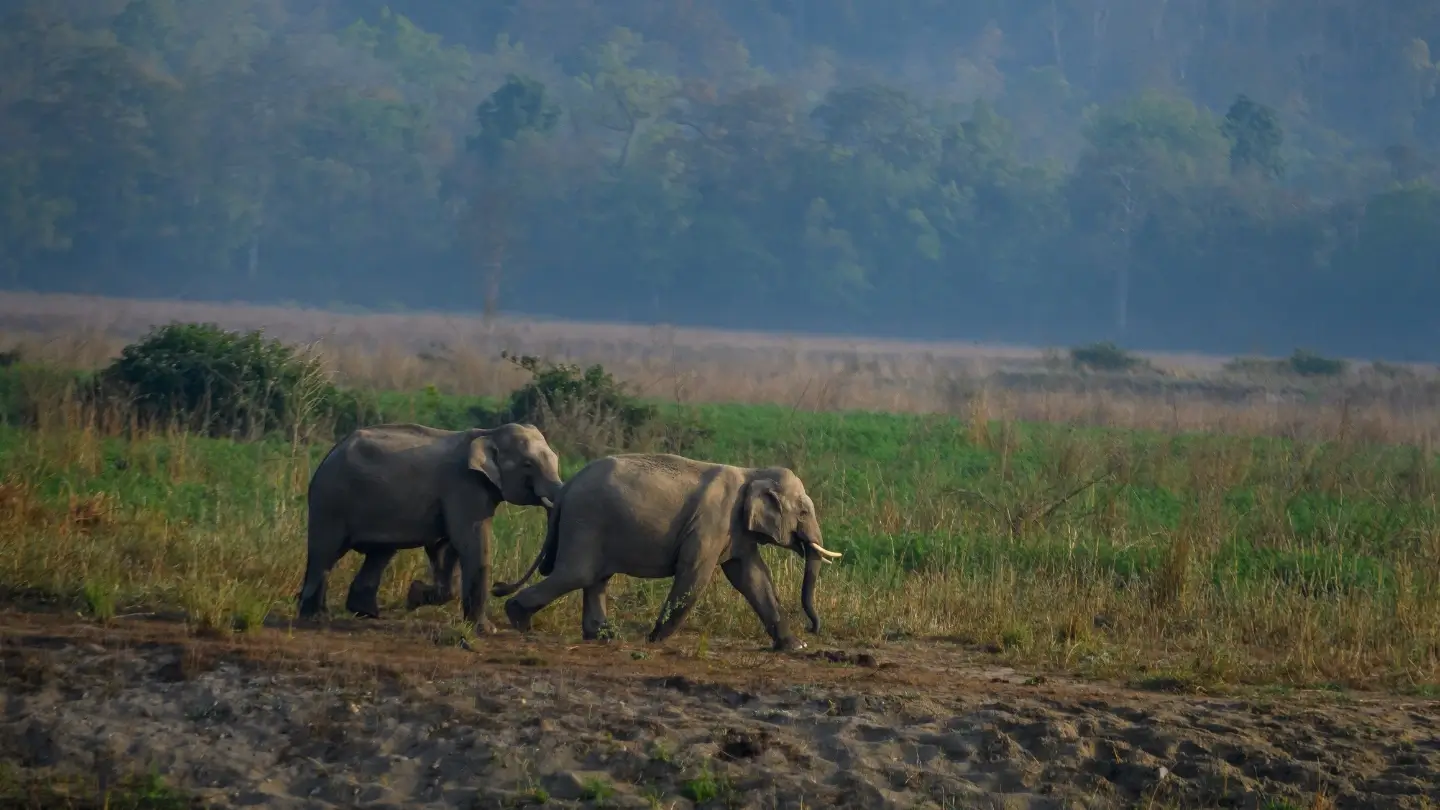
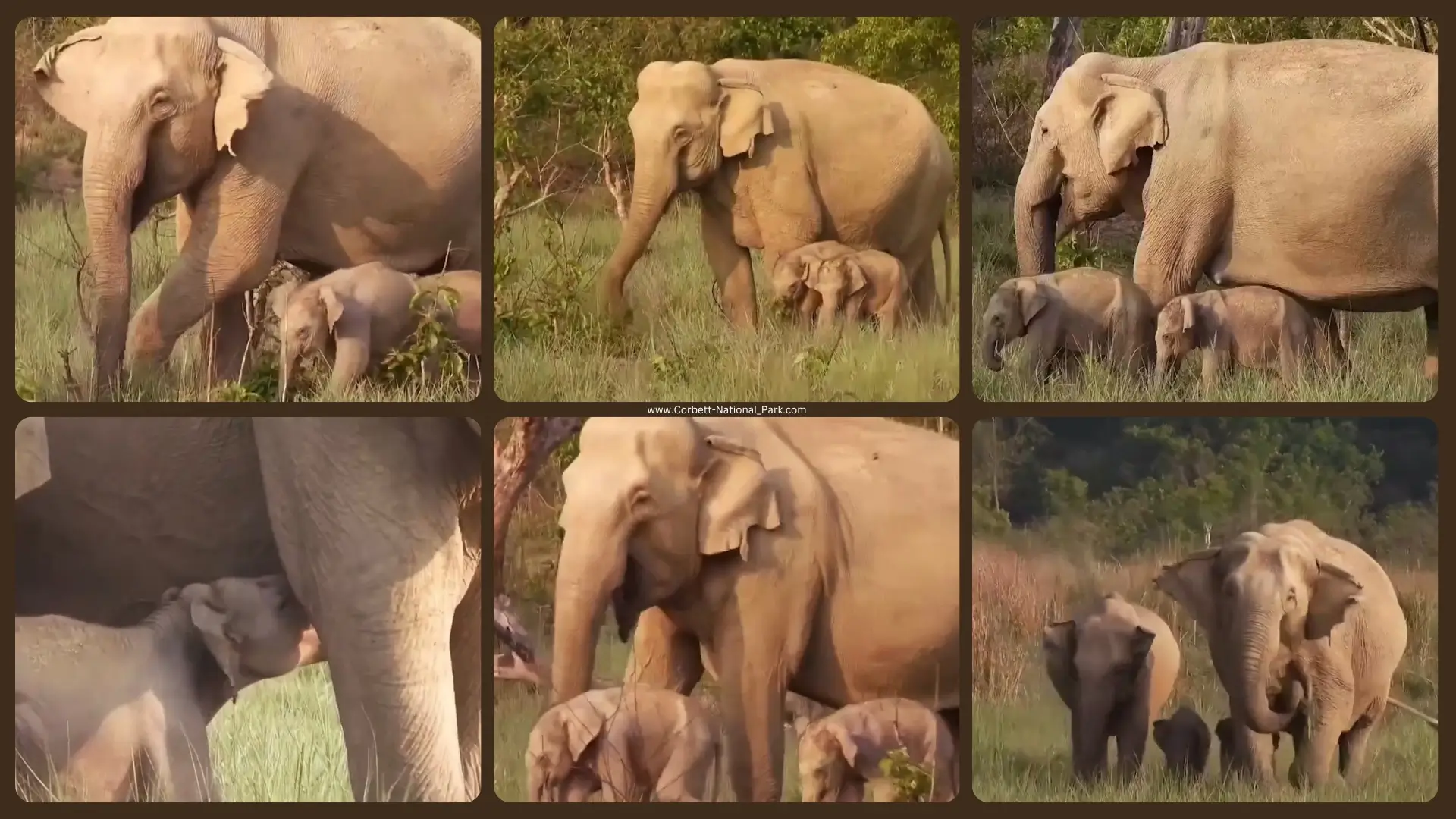
Elephant herds are led by a matriarch, the oldest and most experienced female.

She guides the herd to water sources, safe routes, and food during droughts or difficult seasons. Her decisions often determine the survival of the entire group.

This highlights an important human lesson: experience matters.

Listening to elders, mentors, and experienced individuals can help us navigate difficult situations more wisely.

  • Ignore Noise, Stay on Your Path

A popular saying inspired by elephants states:

“The elephant keeps walking while the dogs keep barking.”

Elephants rarely react to distractions around them. They move steadily toward their destination without wasting energy on unnecessary conflict.

For humans, this teaches the importance of staying focused despite criticism or negativity.

In an age of social media and constant opinions, learning to ignore distractions can protect our productivity and mental peace.

  • Connection Is Strength, Not Weakness

Elephants are highly social animals. They often greet each other by touching trunks, and they comfort distressed members of their herd through gentle contact.

Scientists have even observed elephants mourning the loss of herd members.

These behaviours remind us that human relationships thrive on connection and empathy. Simple gestures, a handshake, a hug, or supportive words, can strengthen bonds and reduce stress. In leadership roles, emotional intelligence and experience often matter more than authority alone.

3. Freshwater Turtles: Responsibility Without Recognition

Freshwater Turtles: Responsibility Without Recognition

Freshwater turtles demonstrate one of the most overlooked life lessons, responsibility without expectation. After laying eggs on land, the mother turtle covers them with sand or mud and leaves. She does not return to nurture the hatchlings.

When the young turtles emerge, they must immediately begin their journey toward water, facing predators and obstacles along the way. Their survival depends entirely on their own instincts and determination.

This behaviour reflects a timeless principle also found in the Bhagavad Gita: focus on your duty without attachment to the outcome.

Humans often seek recognition or rewards for their actions. The turtle reminds us that sometimes the most meaningful responsibilities are fulfilled simply because they are the right thing to do.
4. Rhinoceroses: Confidence Despite Uncertainty

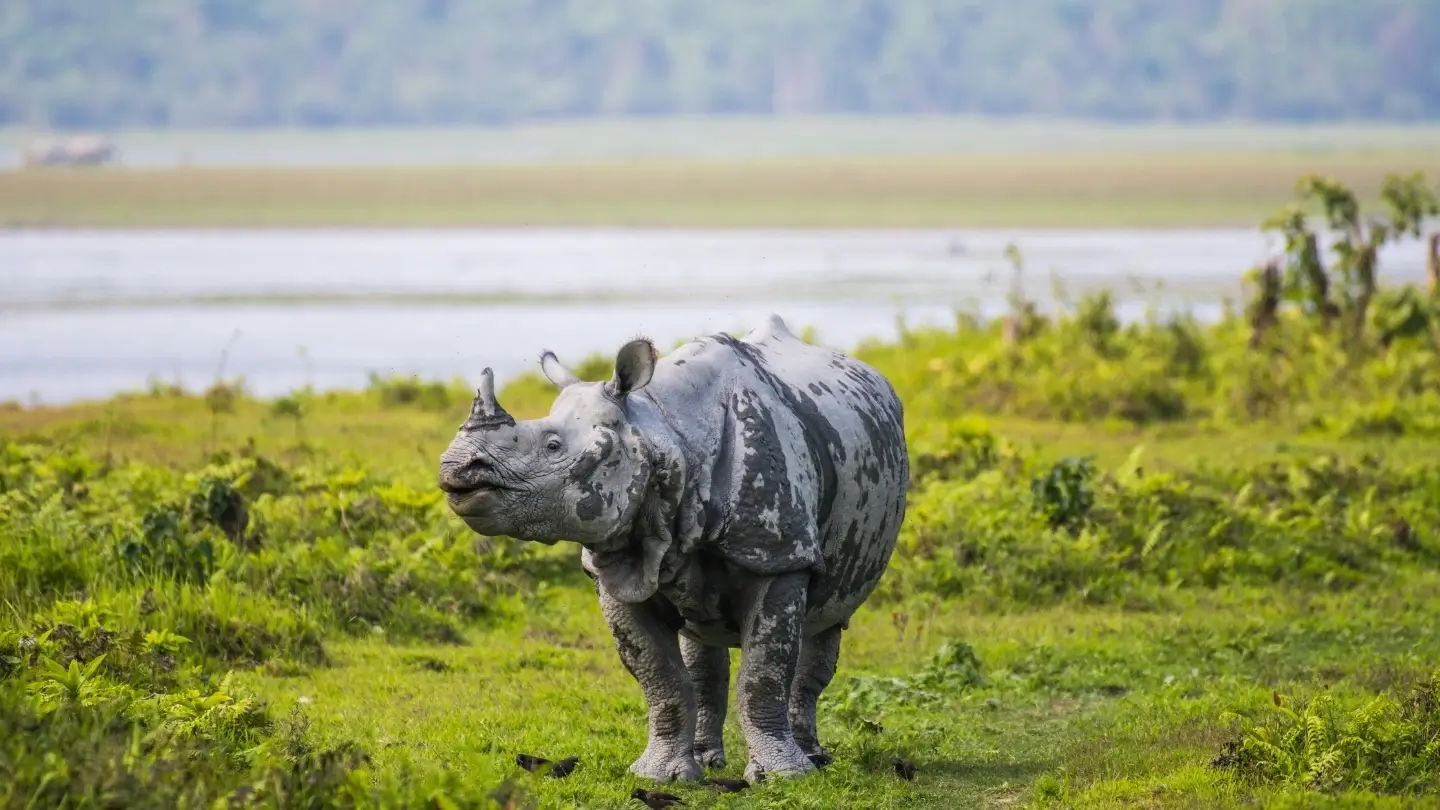
Rhinoceroses: Confidence Despite Uncertainty

Rhinoceroses move forward with confidence despite limited visibility, a powerful reminder that clarity is not always required to take action. Despite their strength, rhinos have relatively poor eyesight, often seeing clearly only about 30 feet ahead.

Yet this limitation does not prevent them from moving forward confidently. This behaviour represents an important life lesson for humans: courage despite uncertainty.

People often hesitate to act because they cannot see the entire path ahead. While planning is important, excessive fear of failure can stop progress.

Many decisions in life require moving forward without complete certainty; waiting for perfect clarity often leads to inaction.

Where You Can Observe These Behaviours in the Wild?

These lessons are not abstract ideas; they can be observed in real wildlife habitats across India.

  • Jim Corbett National Park – Observe elephant herds, predator-prey dynamics, and forest ecosystems
  • Ranthambore National Park – Ideal for observing big cat behaviour and territorial patterns
  • Kaziranga National Park – Known for rhinos and diverse wildlife interactions

Observing animals in their natural habitat often makes these lessons far more tangible and impactful.

Why Wildlife Lessons Matter?

Nature does not operate on motivation or overthinking; it operates on balance, instinct, and survival. Many of the struggles humans face today, burnout, overwork, and constant comparison, stem from moving away from these natural principles.

Observing wildlife is not just about appreciating animals; it is about reconnecting with systems that have worked long before modern complexity. And sometimes, the simplest lessons are the most powerful ones.

By observing wildlife, humans can rediscover values that modern society sometimes overlooks:

  • Collaboration instead of competition
  • Balance instead of constant pressure
  • Courage instead of fear
  • Connection instead of isolation

The wild does not try to teach us, but if we pay attention, it quietly does.

Frequently Asked Questions

Q. What life lessons can humans learn from animals?
Animals can teach humans valuable lessons about teamwork, leadership, patience, resilience, adaptability, and balance. Observing wildlife behaviour often reveals simple principles that help maintain harmony in nature and improve human life.
Q. Why are elephants considered intelligent animals?
Elephants demonstrate remarkable memory, emotional intelligence, and social cooperation. They live in organised herds, care deeply for their young, and communicate through touch, sound, and body language.
Q. What can humans learn from wildlife behaviour?
Wildlife teaches lessons in teamwork, resilience, leadership, balance, and adaptability, all of which are essential for human life and decision-making.
Q. Why is observing wildlife important for travellers?
It helps travellers understand ecosystems, animal behaviour, and the importance of conservation, making travel more meaningful and responsible.
Q. What leadership lessons can humans learn from lions?
Lions demonstrate important leadership qualities such as teamwork, clear role distribution, and protection of their group. Their pride structure shows that effective leadership often relies on cooperation rather than dominance alone.
Q. Why should humans observe wildlife behaviour?
Wildlife behaviour provides insight into natural survival strategies such as cooperation, adaptability, and resilience. These lessons can help humans make better decisions in leadership, relationships, and everyday life.

Recent Trending Posts

Best National Parks for Wildlife Safari in India: Tiger, Lion & Jungle Experiences
5 Best National Parks for Wildlife Safari in India: Tiger, Lion & Jungle Experiences

India is one of the few countries in the world where travellers can experience such an extraordinary range of wildlife within a single nation. From the riverine forests of the Himalayan foothills to the dry landscapes of western India and the dense jungles of central India, the country hosts some of the most remarkable ecosystems on Earth.

Tiger Population in India: Latest Count, State-Wise Data & Best Places to See Tigers
Tiger Population in India (2026): Latest Count, State-Wise Data & Best Places to See Tigers

India is now home to nearly three out of every four wild tigers on the planet. What was once a species on the brink of collapse has staged one of the most remarkable wildlife recoveries in modern conservation history.

Jim Corbett : From Hunter to Conservationist

Few figures in India’s wildlife history are as compelling as Jim Corbett, a hunter who spent years tracking man-eating predators before becoming one of the earliest voices for wildlife conservation. His journey from protecting villages to advocating for forests reflects a deeper understanding of the relationship between humans and wildlife.

Fascinating Facts About Elephants: Intelligence, Behaviour & Where to See Them in India
9 Fascinating Facts About Elephants: Intelligence, Behaviour & Where to See Them in India

Elephants are not just the largest land animals on Earth, they are among the most intelligent and emotionally complex species in the wild. In India, spotting an elephant in its natural habitat, especially in forests like Jim Corbett National Park, is often one of the most memorable wildlife experiences a traveller can have.

Jim Corbett National Park History: From Hailey Park to India’s First Tiger Reserve

The story of Jim Corbett National Park is closely tied to the evolution of wildlife conservation in India. Established in 1936 as Hailey National Park, it was the country’s first attempt at protecting forest ecosystems and wildlife at scale.

Interesting Facts About Tigers: Behaviour, Habitat & Safari Insights

Spotting a tiger in the wild is one of the most intense moments on a safari. The forest falls silent, alarm calls rise, and suddenly, every movement matters. But beyond the sighting lies a deeper story of behaviour, territory, and survival that most travellers miss.

Fascinating Animal Facts: Surprising Wildlife Insights from Around the World
25 Fascinating Animal Facts: Surprising Wildlife Insights from Around the World

The animal kingdom is full of behaviours that often seem unbelievable until you see them in action. From tigers with unique stripe patterns to elephants with complex social bonds, wildlife continues to challenge what we think we know about intelligence, survival, and adaptation.

Powerful Life Lessons Humans Can Learn from Wildlife
Powerful Life Lessons Humans Can Learn from Wildlife (Inspired by Nature & National Parks)

Humans often believe they have mastered intelligence, leadership, and progress. Yet, in the wild, animals follow simple principles that have ensured survival for millions of years.

Endangered Animals in India : Causes, Conservation Efforts & National Parks
Endangered Animals in India: Causes, Conservation Efforts & National Parks

TIndia is one of the world’s most biodiverse countries, yet many of its wildlife species are facing increasing threats. From habitat loss and climate change to poaching and human expansion, several animal populations have declined sharply over the past century.

Project Tiger in India: History, Achievements & Tiger Population Growth

Tigers are among the most iconic symbols of India’s wildlife heritage. The Royal Bengal Tiger, which is also the country’s national animal, represents the strength and ecological richness of India’s forests. Once widespread across the subcontinent, tiger populations declined dramatically during the twentieth century due to hunting, habitat loss, and poaching.

Best National Parks for Wildlife Photography in India
5 Best National Parks for Wildlife Photography in India

When photography is a passion, every subject can become a masterpiece. However, when wildlife becomes the theme, photography turns into a powerful way of capturing the raw beauty of nature and the untamed wilderness

Best Bird Watching Destinations in India: Top National Parks for Birding
5 Best Bird Watching Destinations in India: Top National Parks for Birding

Bird watching in India offers an extraordinary experience because few countries match its diversity of habitats and birdlife. From Himalayan foothills and vast wetlands to mangrove forests and tropical evergreen jungles, the country supports an exceptional range of bird species throughout the year.

Top Adventure Activities in Jim Corbett: Safaris, River Rafting & Outdoor Experiences

Jim Corbett National Park is often associated with tiger safaris, but the experience goes far beyond wildlife sightings. Set against the foothills of the Himalayas and shaped by rivers like Ramganga and Kosi, Corbett offers a range of outdoor activities that combine adventure with nature.

How to Help Save Tigers: Practical Ways to Support Tiger Conservation
How to Help Save Tigers: Practical Ways to Support Tiger Conservation?

Tigers play a critical role in maintaining healthy ecosystems, but their survival is still under threat due to habitat loss, poaching, and human expansion.

Why Tigers Are Endangered: Causes, Population & Conservation Efforts

Tigers are among the most important predators in the natural world, yet their survival remains under constant threat. Over the past century, tiger populations have declined drastically due to habitat loss, poaching, and human expansion.

Why Wildlife Conservation Matters for Human Survival : Real Impact on Food, Climate & Travel
Why Wildlife Conservation Matters for Human Survival: Real Impact on Food, Climate & Travel

The animal kingdom is full of behaviours that often seem unbelievable until you see them in action. From tigers with unique stripe patterns to elephants with complex social bonds, wildlife continues to challenge what we think we know about intelligence, survival, and adaptation.

Wildlife Conservation in India: Efforts, National Parks & Why It Matters

Wildlife conservation in India focuses on protecting entire ecosystems that sustain biodiversity, water systems, and human life. With increasing pressure from urbanisation, deforestation, and climate change, conservation efforts have become essential to ensure the survival of wildlife across the country.

Wildlife Management in India: Conservation Efforts, Laws & National Parks

Wildlife management in India is not just about protecting animals; it is about maintaining entire ecosystems that support biodiversity, water systems, and local communities. With increasing pressure from urbanisation, deforestation, and human expansion, conservation efforts have become essential to ensure the survival of wildlife across the country.

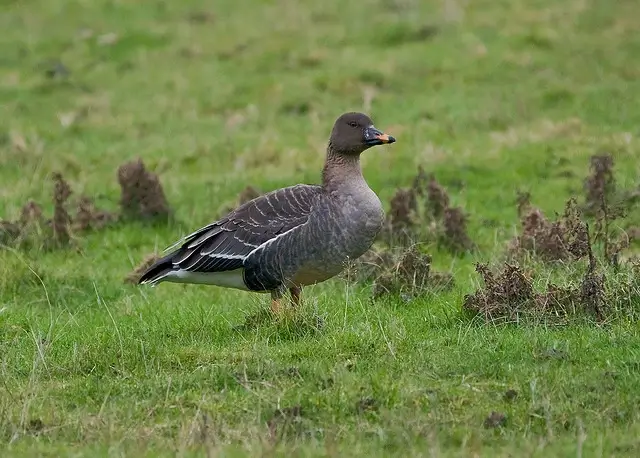
Tundra Bean Goose in India: Rare Sightings, Migration Mystery & the 2011 Corbett Record

India’s wetlands and river systems attract thousands of migratory birds every winter. Most follow predictable routes, returning year after year. But some species break the pattern entirely.

Our experts are available 24/7: