Jim Corbett National Park History: From Hailey Park to India’s First Tiger Reserve
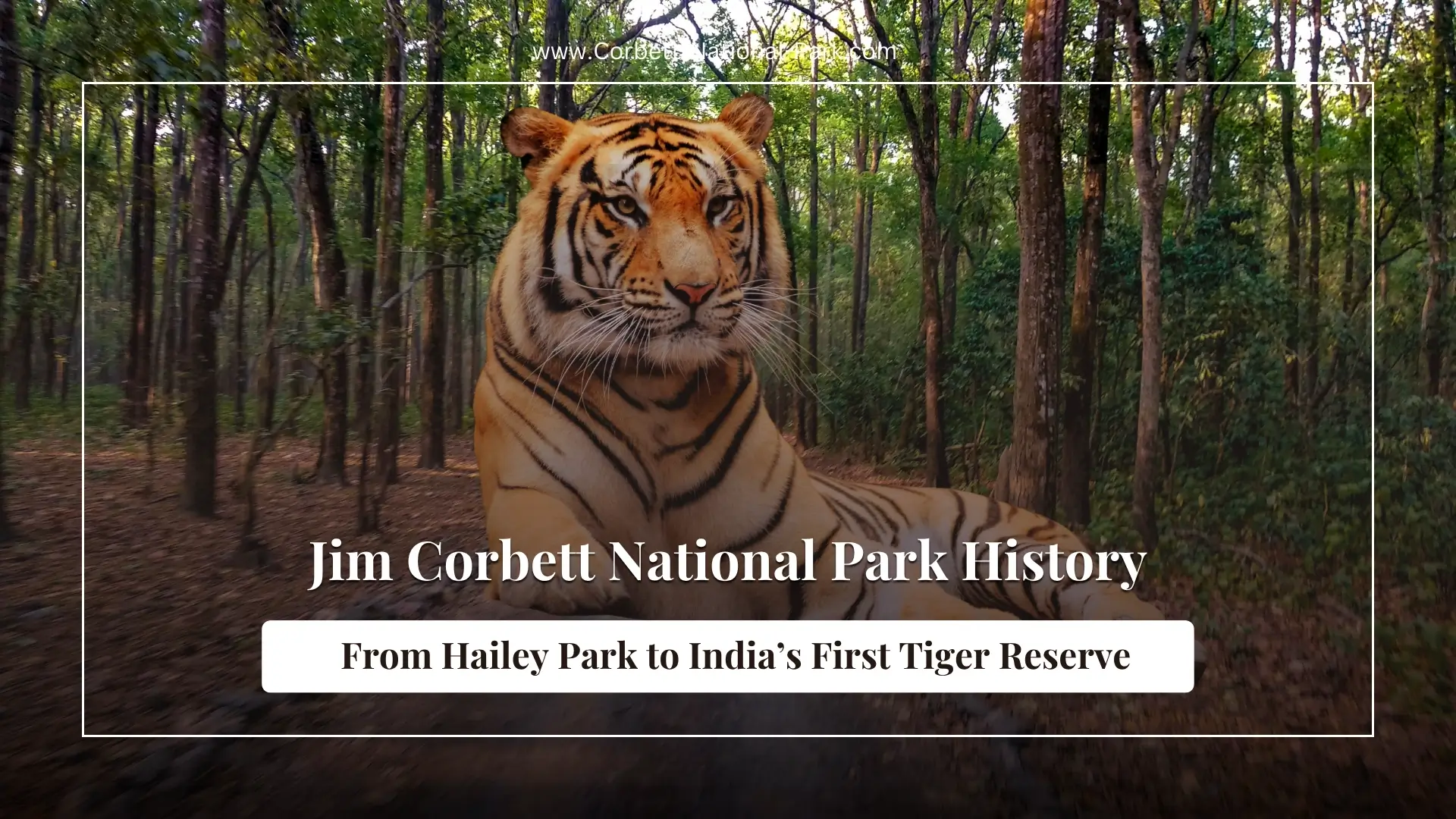
The story of Jim Corbett National Park is closely tied to the evolution of wildlife conservation in India. Established in 1936 as Hailey National Park, it was the country’s first attempt at protecting forest ecosystems and wildlife at scale.
Over the decades, the park has transformed from a protected forest into one of India’s most important tiger reserves, playing a key role in shaping modern conservation efforts.
When was Jim Corbett National Park established?
Jim Corbett National Park was established in 1936 as Hailey National Park, making it India’s oldest national park.
The Man Behind Jim Corbett National Park
The park’s history is closely linked to Jim Corbett, whose understanding of wildlife and forests helped shape early conservation thinking in India.
Unlike many hunters of his time, Corbett only hunted animals that posed a serious threat to local communities. Through his experiences in the forest, he gradually developed a deep respect for wildlife and began advocating for forest protection and wildlife conservation.
He also became a well-known author and naturalist. His famous books, including:
- Man-Eaters of Kumaon
- The Man-Eating Leopard of Rudraprayag
- Jungle Lore
introduced readers around the world to the forests and wildlife of India.
Because of his contributions to wildlife protection and his connection with the forests of Kumaon, the national park was later named in his honour.
Establishment of Jim Corbett National Park
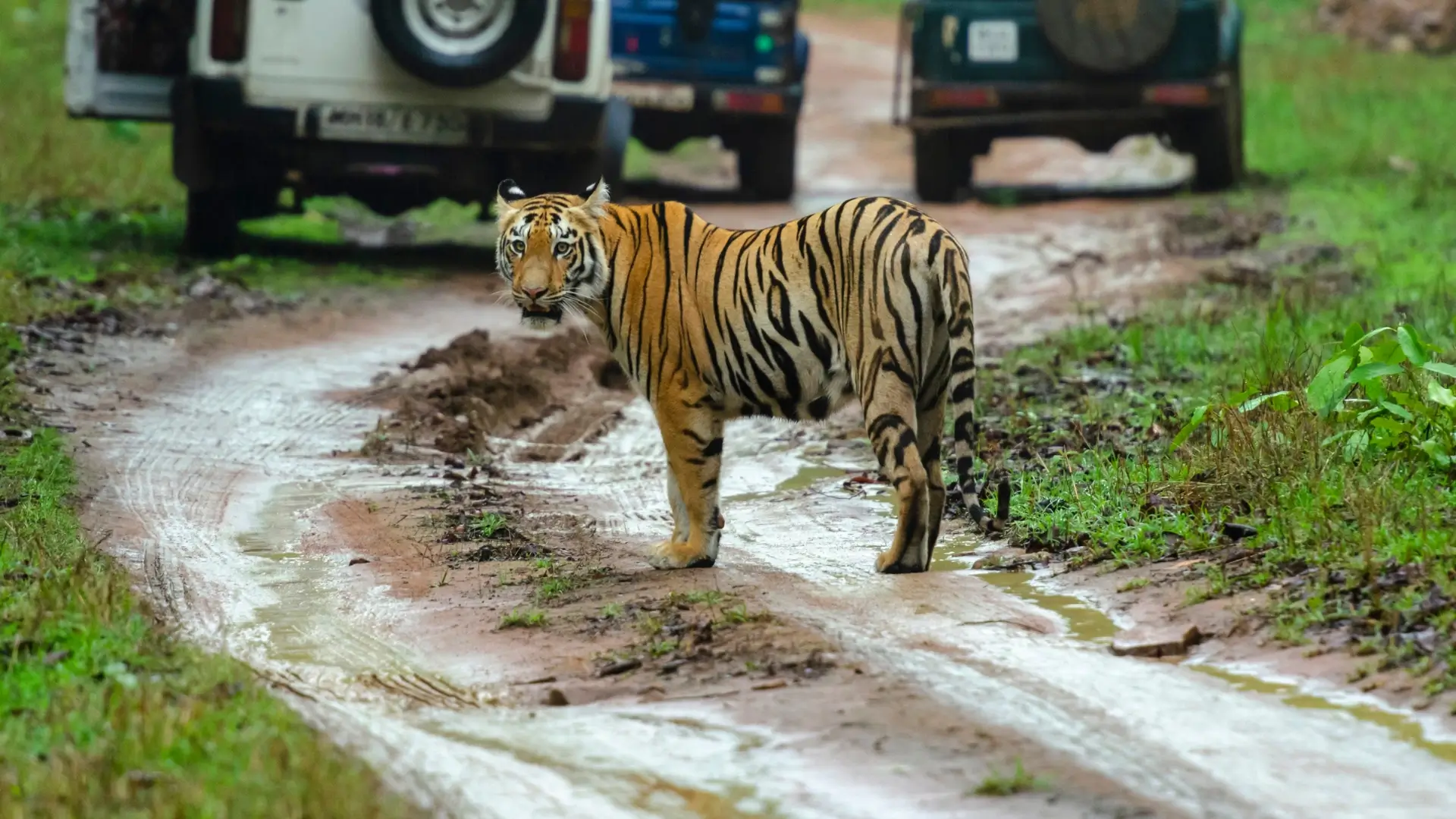
The origins of Jim Corbett National Park date back to the early twentieth century when conservation awareness in India was still developing.
The protected forest was officially established in 1936 as Hailey National Park, named after Sir Malcolm Hailey, the Governor of the United Provinces during British rule.
At the time, the region was set aside as a protected wildlife habitat to safeguard forest ecosystems and wildlife populations, including the rapidly declining tiger population. This made it one of the earliest attempts in India to establish a national park for wildlife protection.
After independence, the park was briefly renamed Ramganga National Park, reflecting the river that sustains its ecosystem. It was later renamed in honour of Jim Corbett, recognizing his role in promoting wildlife protection.
Why this was important : At a time when hunting was common, setting aside land purely for wildlife protection marked a significant shift in thinking.
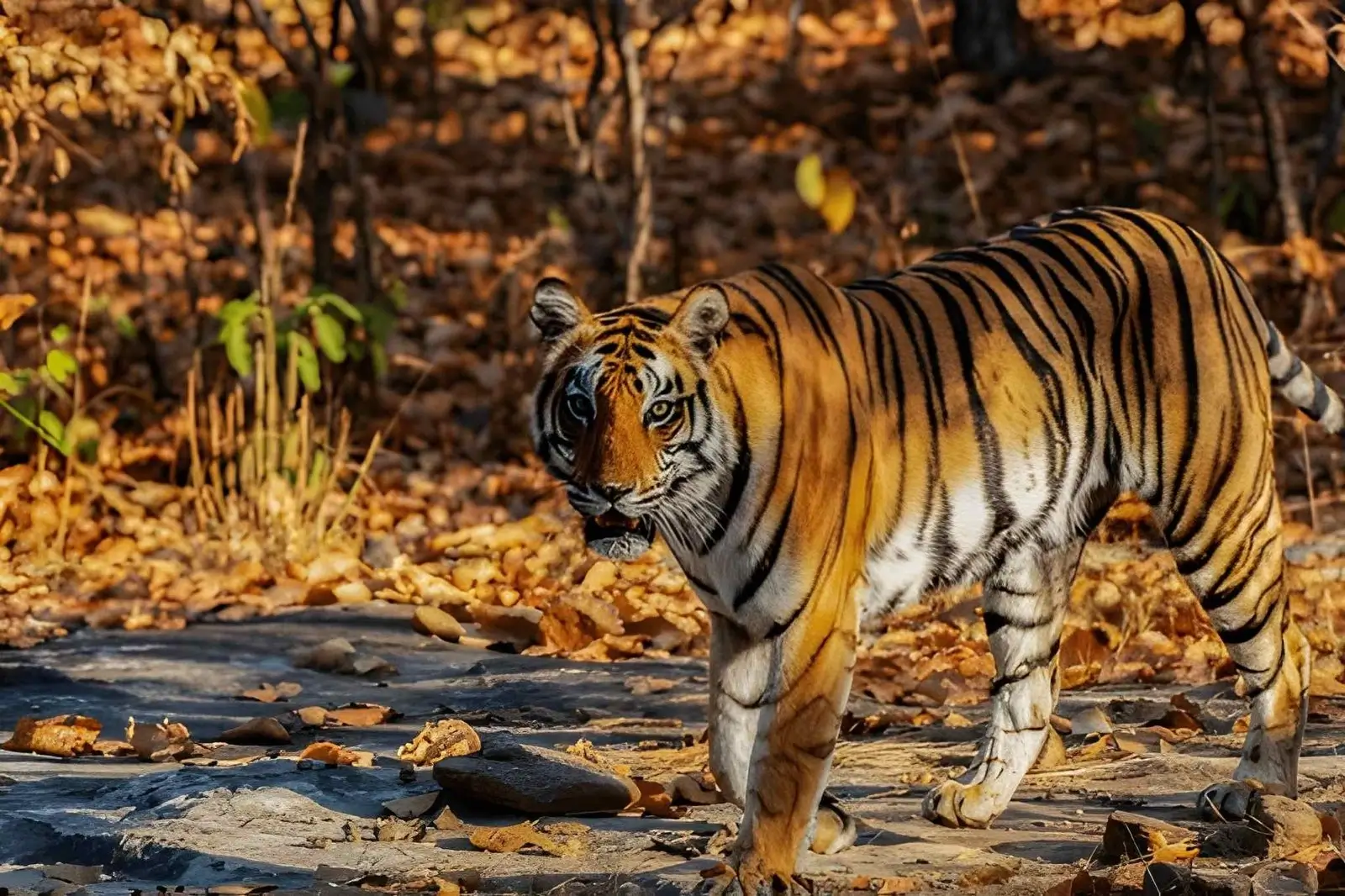
Jim Corbett National Park occupies a historic place in India’s conservation story because it later became the first tiger reserve under Project Tiger.
In 1973, the Government of India launched Project Tiger, a nationwide conservation program aimed at protecting the rapidly declining tiger population and restoring their habitats.
Corbett was selected as the first tiger reserve under this initiative due to its suitable forest habitat, prey population, and ecological importance.
Today, the park forms the core of the Corbett Tiger Reserve, which includes buffer forests and surrounding protected areas that together create a large wildlife landscape.
Key milestone : Being selected as the first tiger reserve under Project Tiger placed Corbett at the centre of India’s conservation movement.
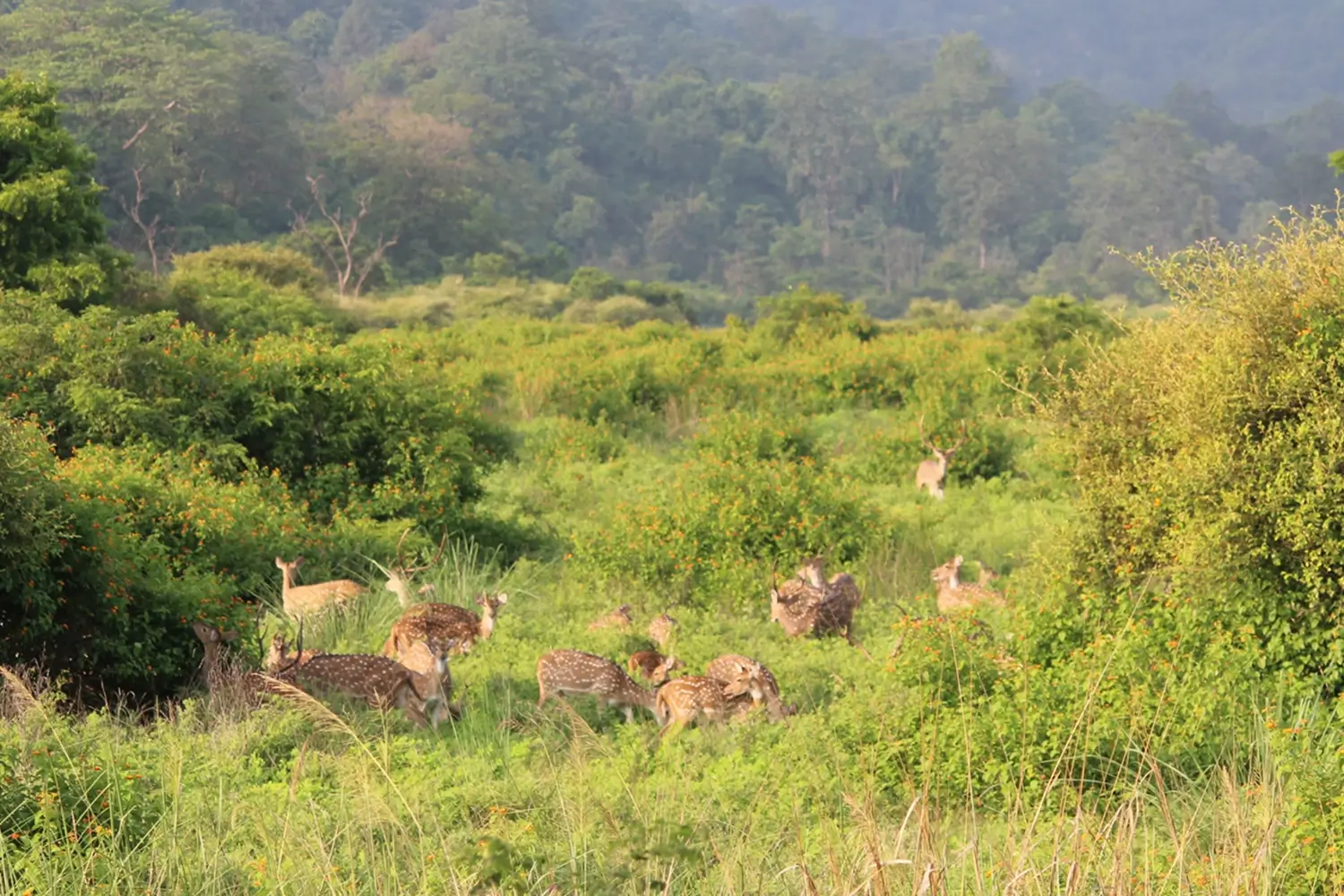
Jim Corbett National Park covers an area of approximately 520 square kilometres, while the larger Corbett Tiger Reserve landscape extends over more than 1,200 square kilometres.
The park’s terrain includes a wide range of habitats such as:
- Dense sal forests
- Open grasslands known as chaurs
- Riverine belts along the Ramganga River
- Hills and valleys in the Himalayan foothills
These varied landscapes create one of the most dynamic safari experiences in India.
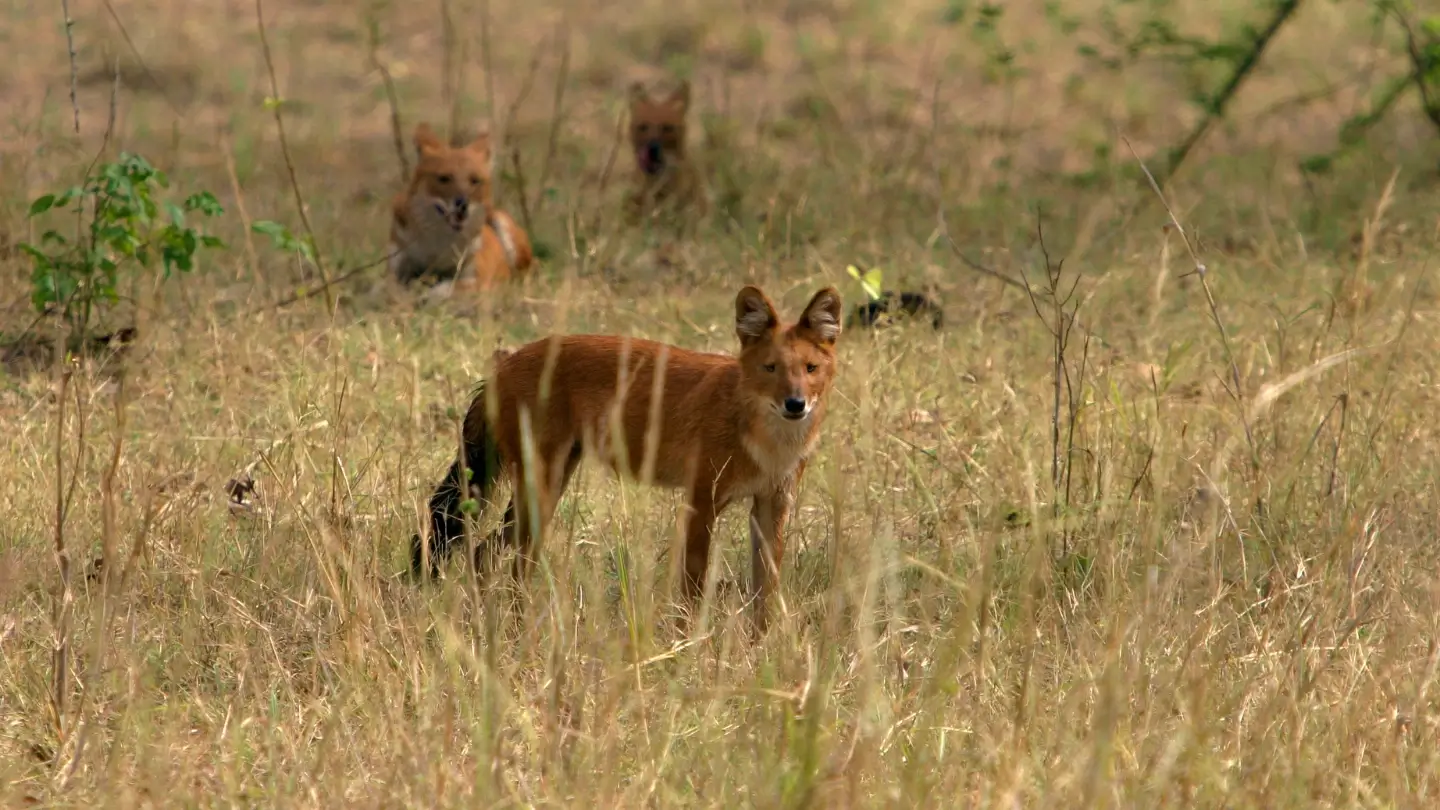
This ecological diversity supports a rich variety of wildlife.
Some of the major species found in the park include:
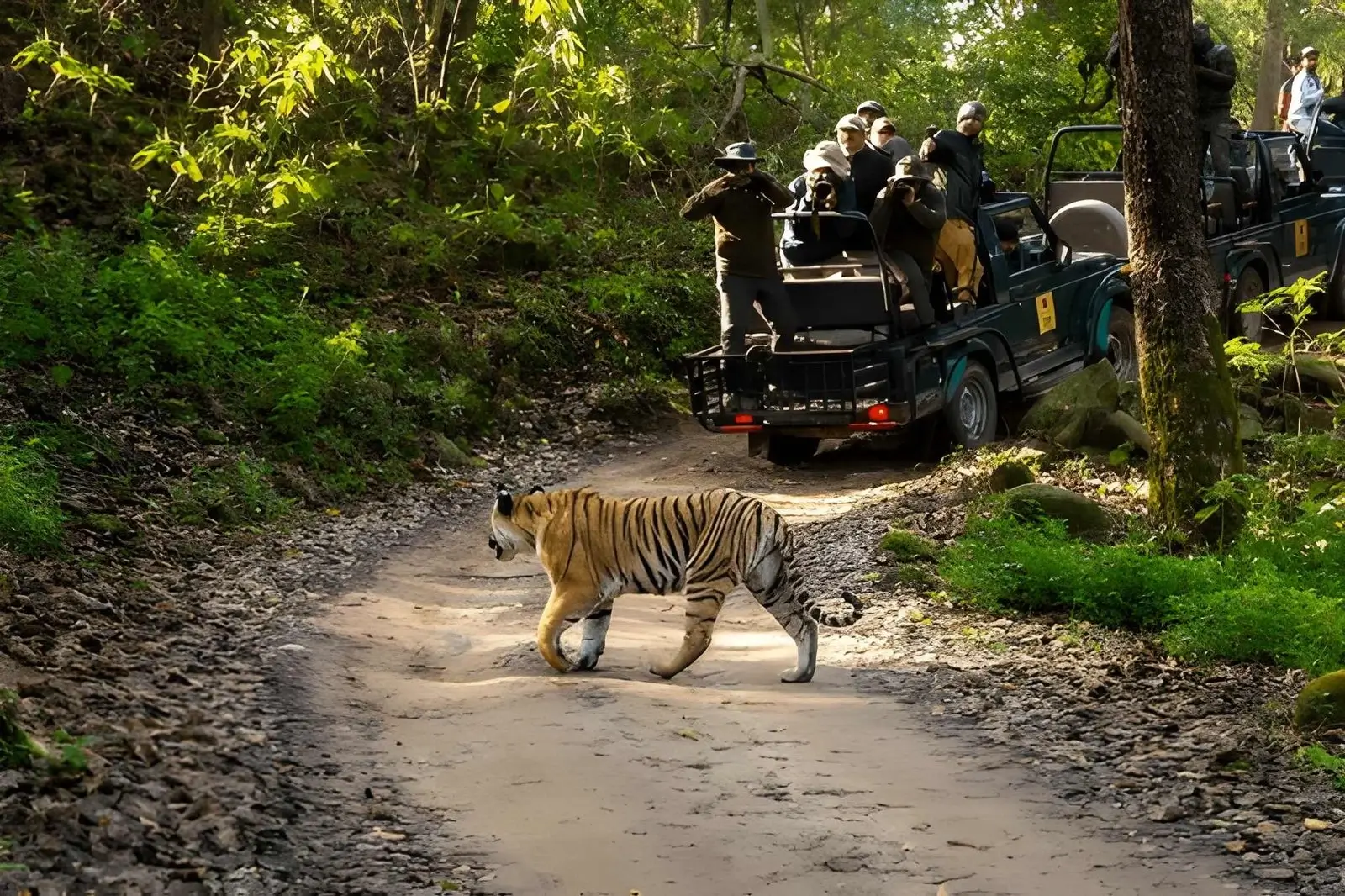
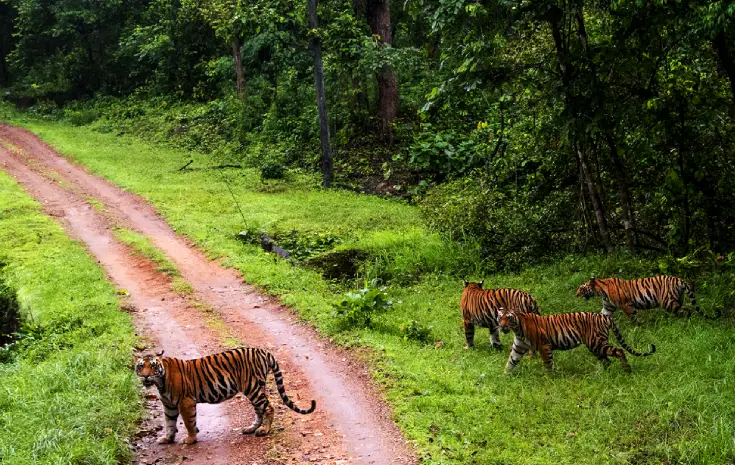
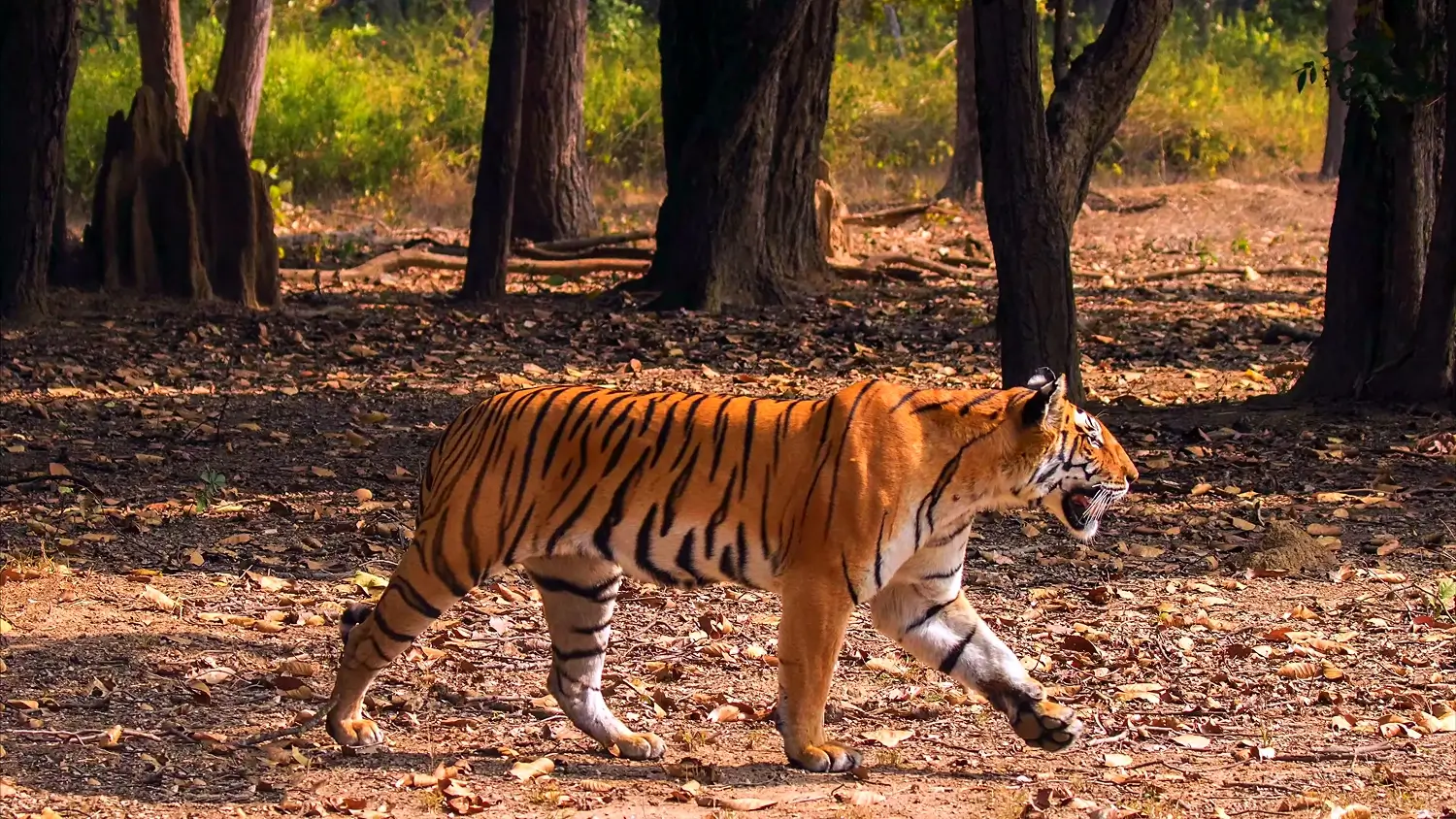
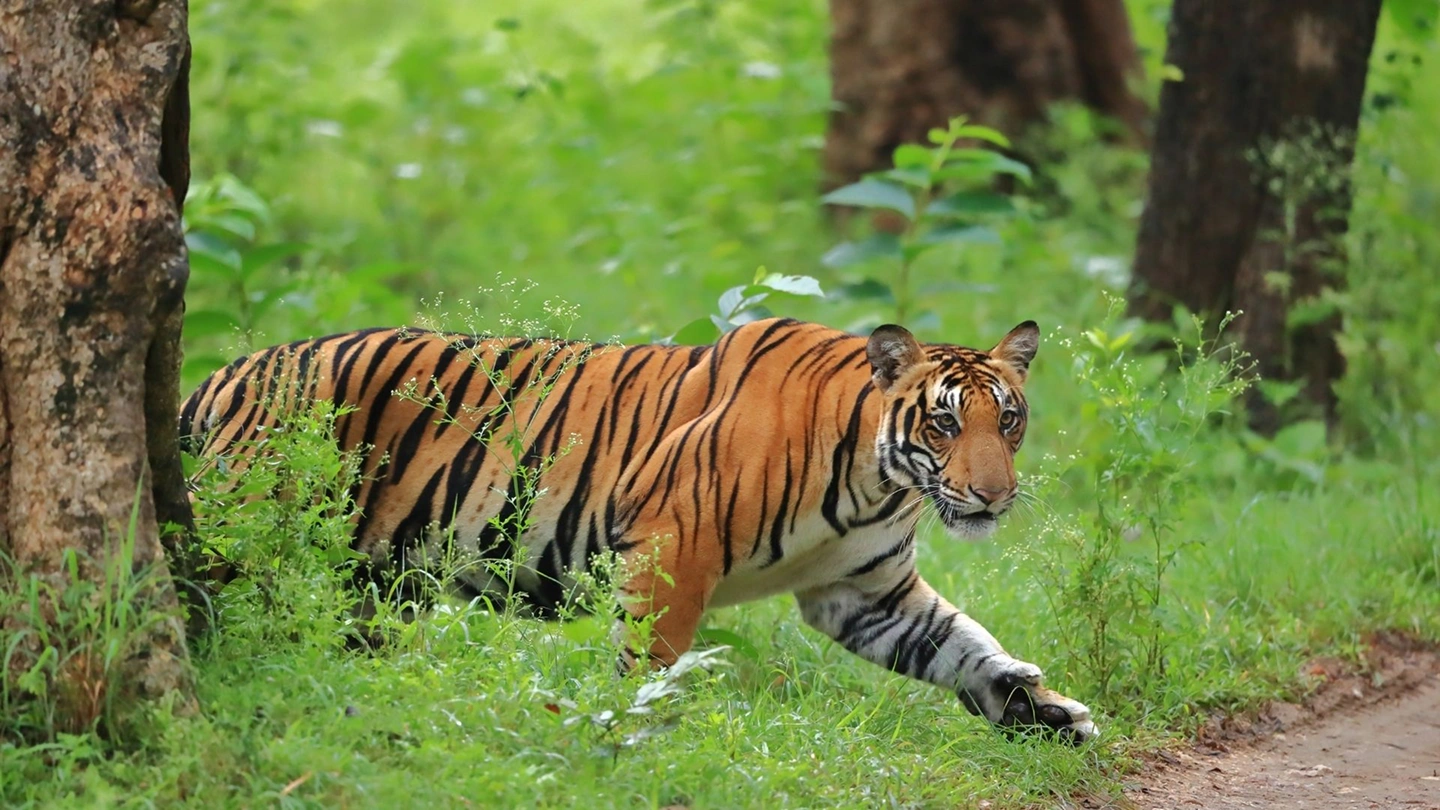
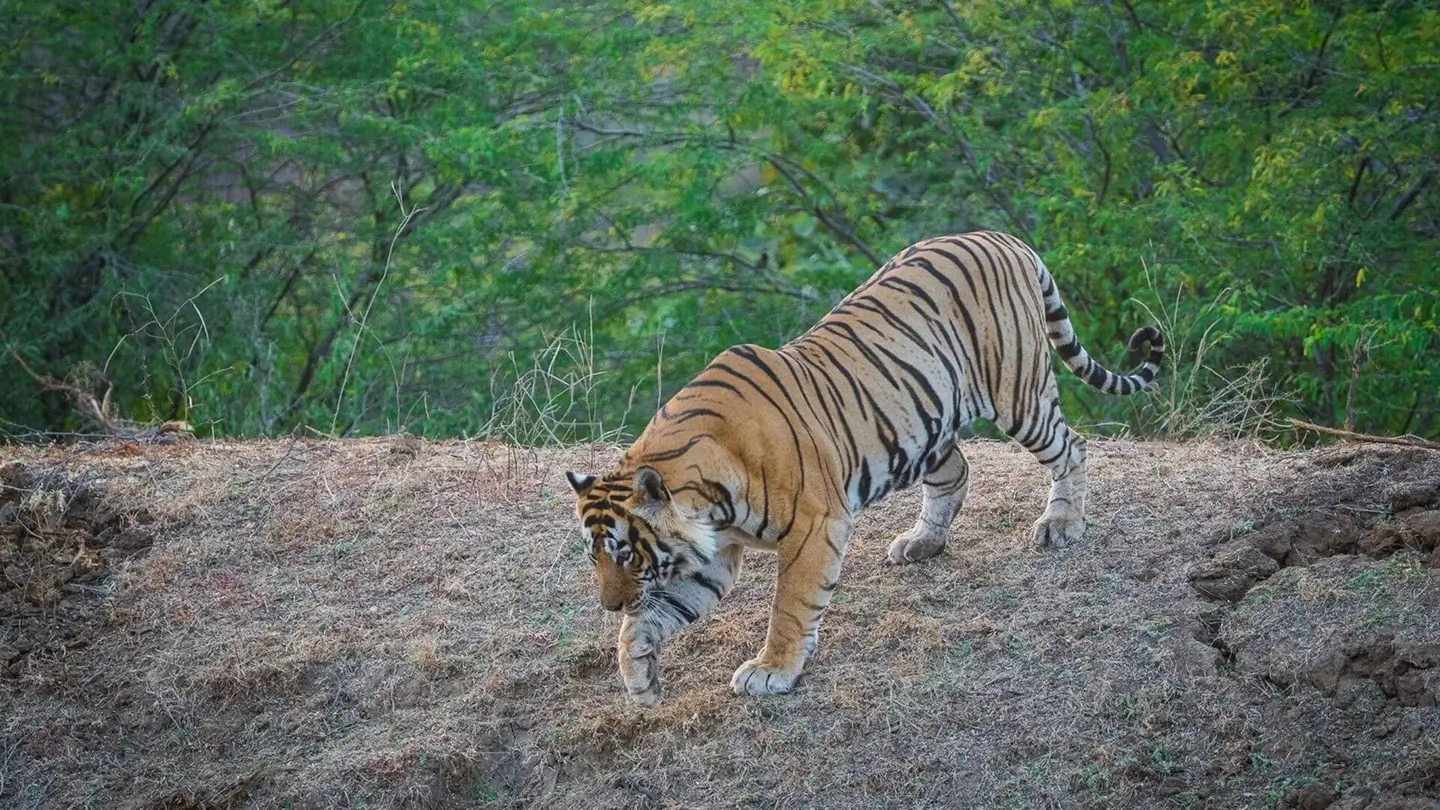
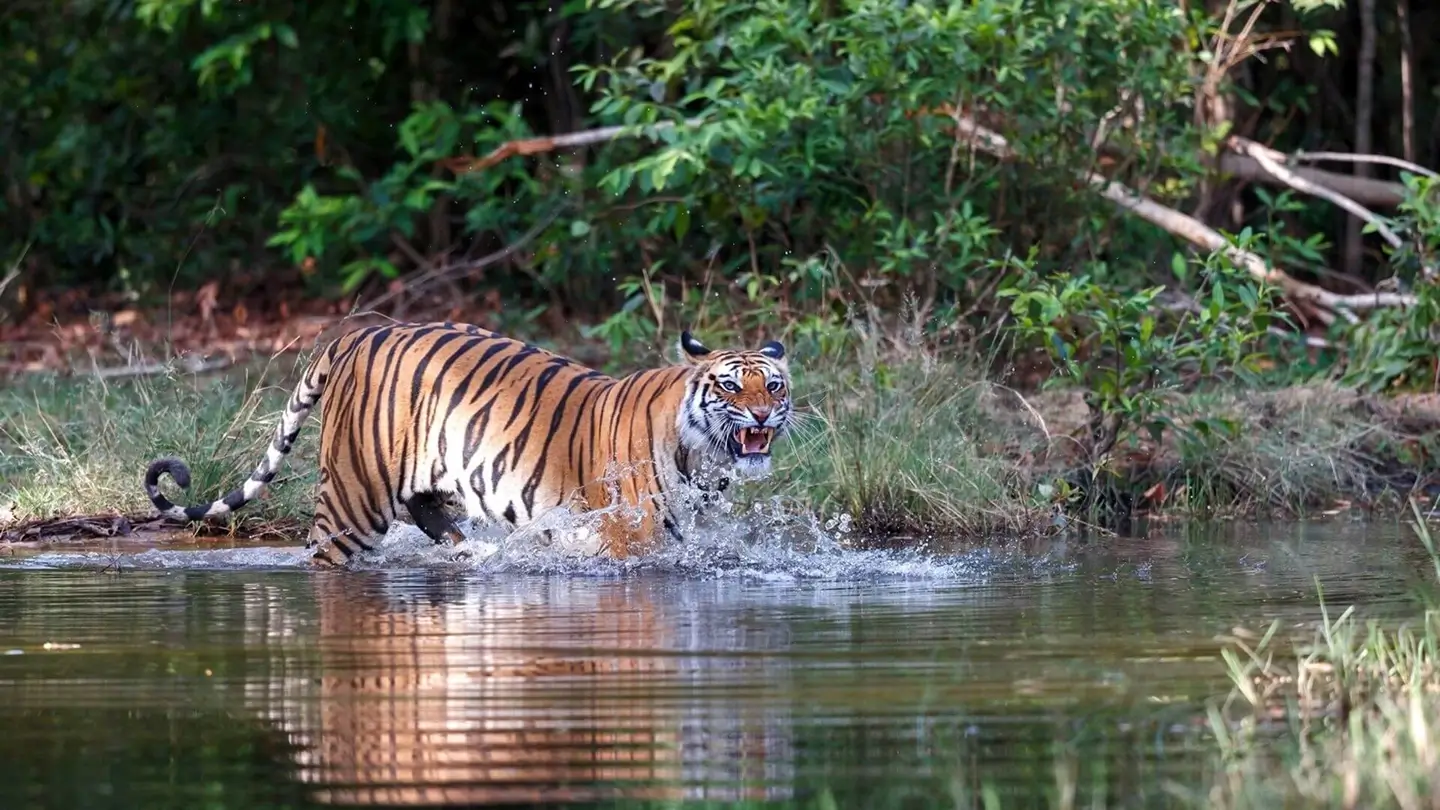
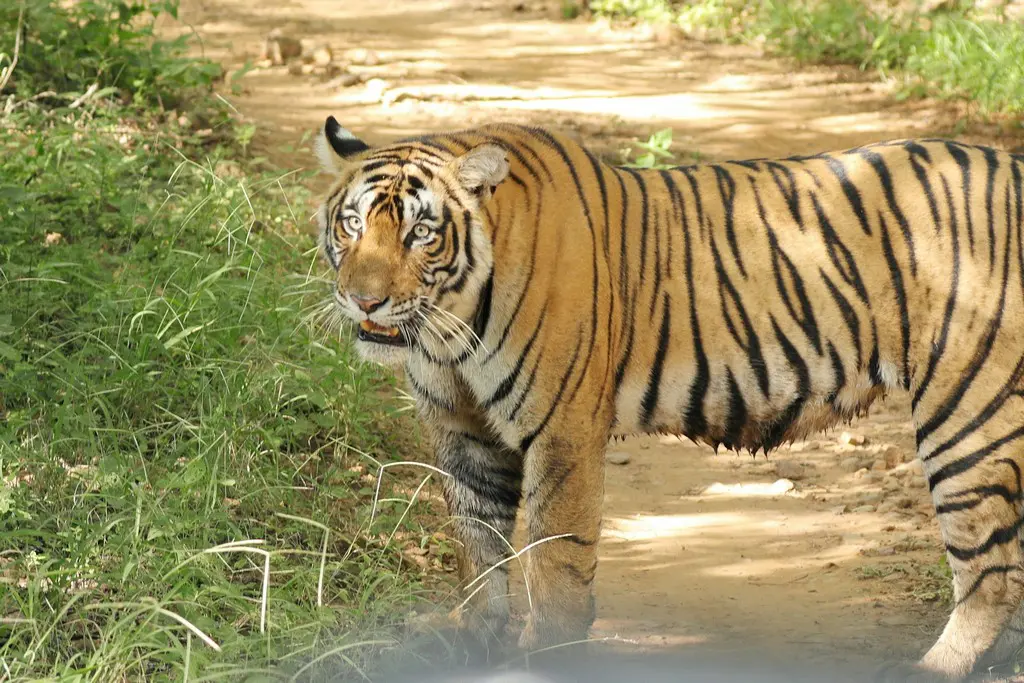
- Royal Bengal Tiger
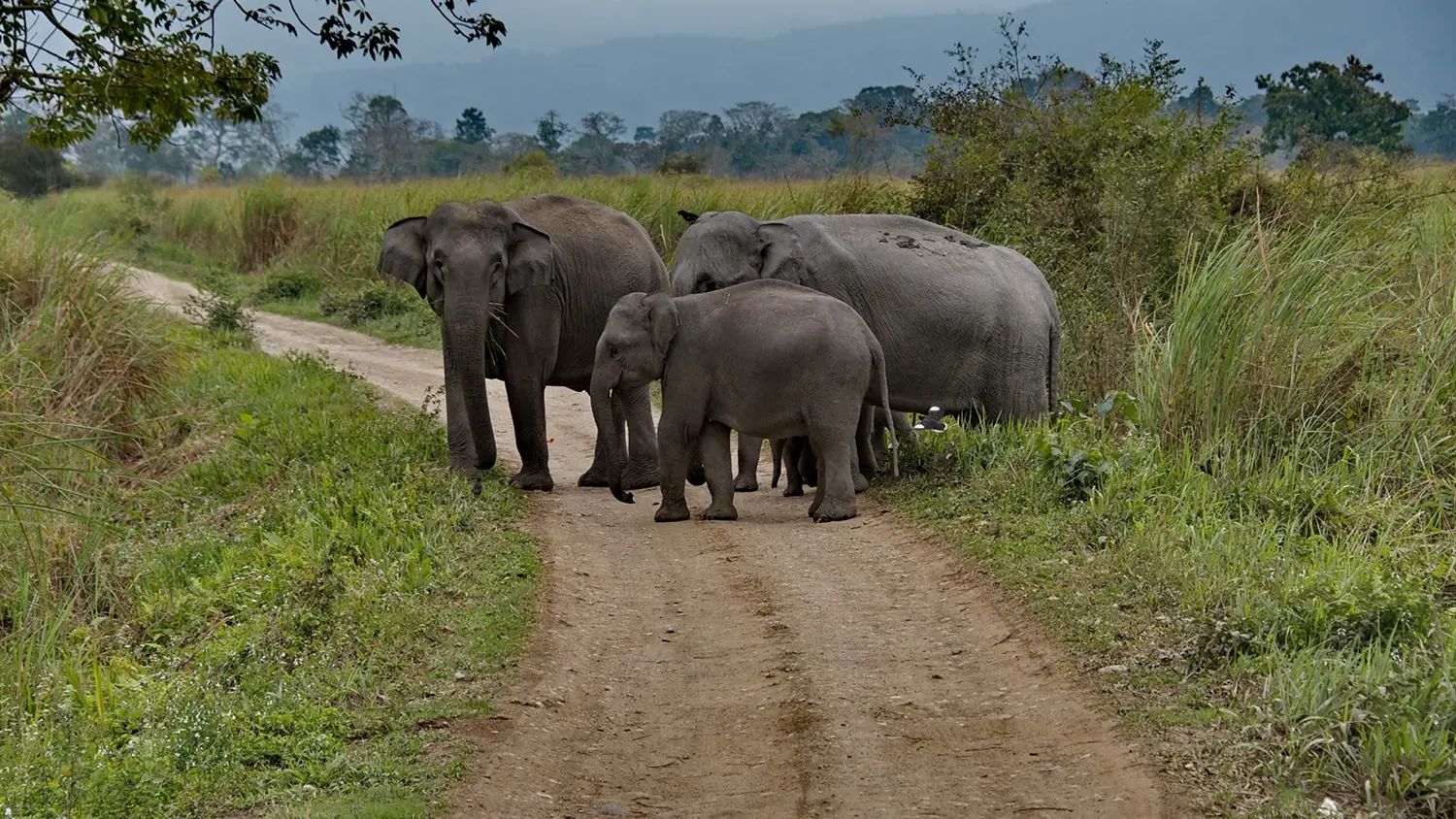
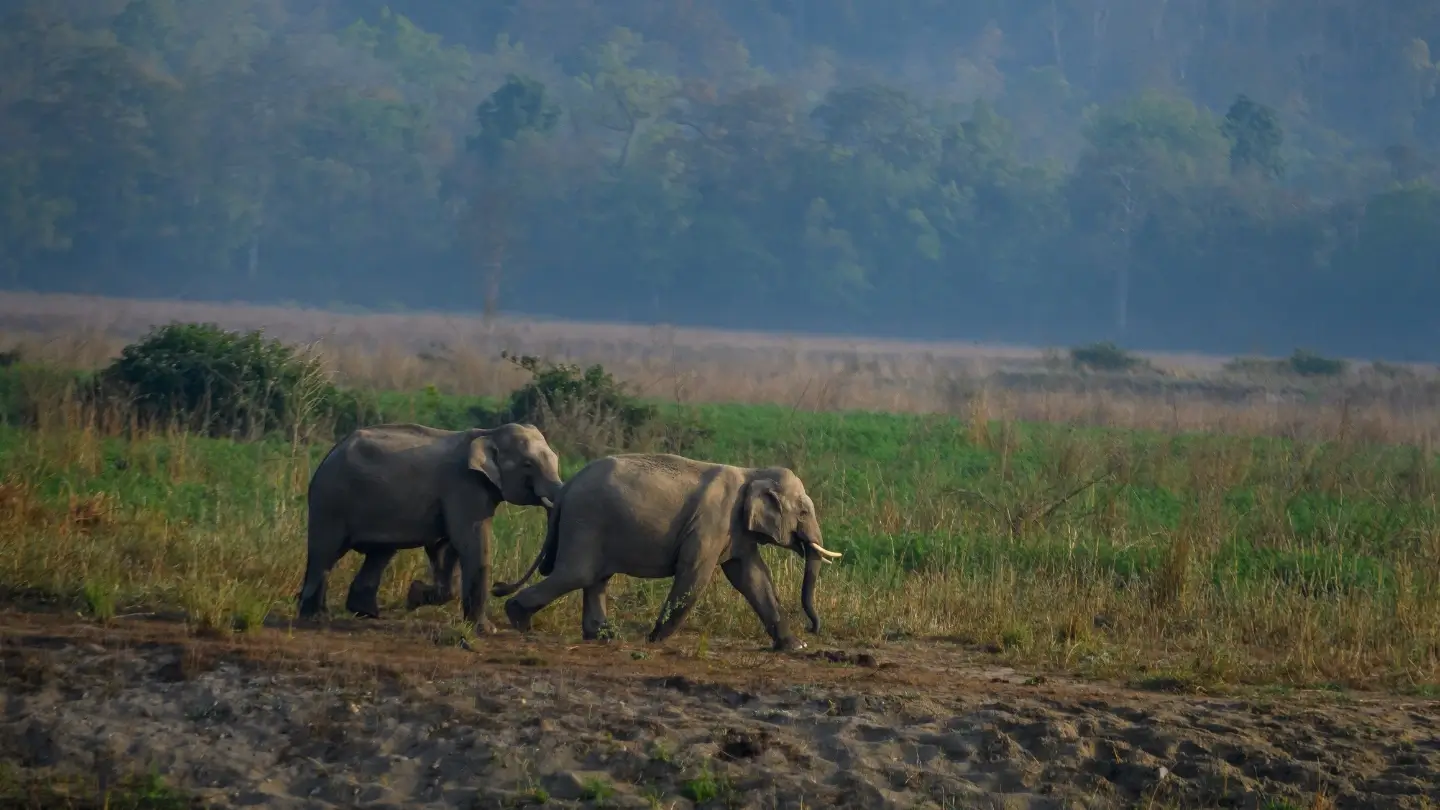
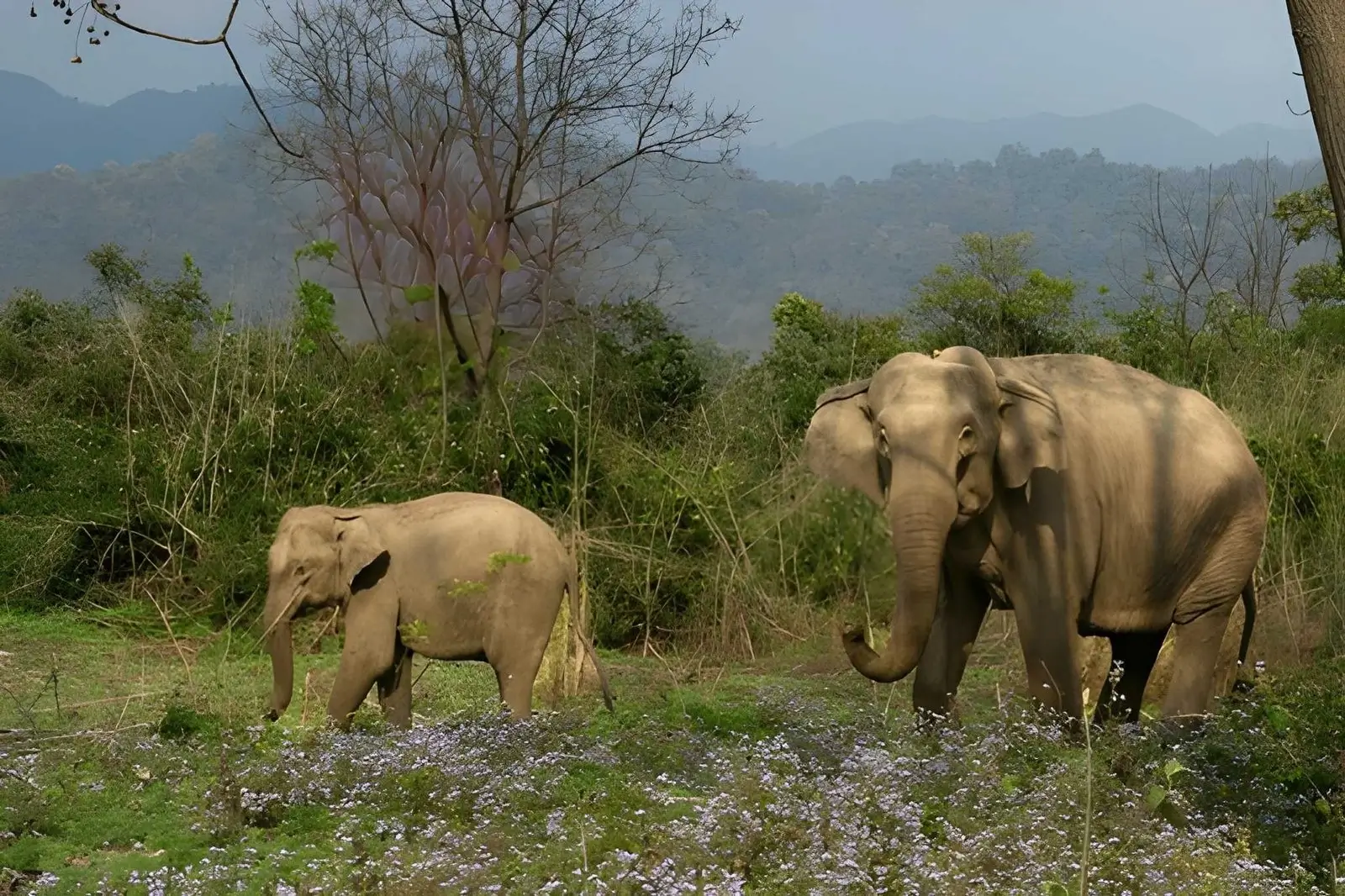
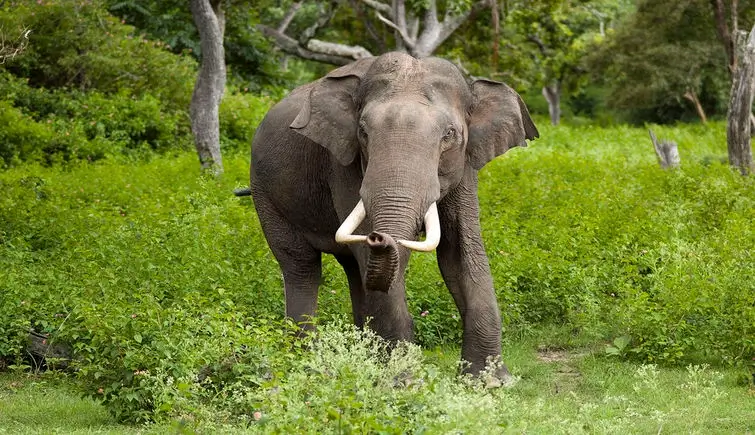
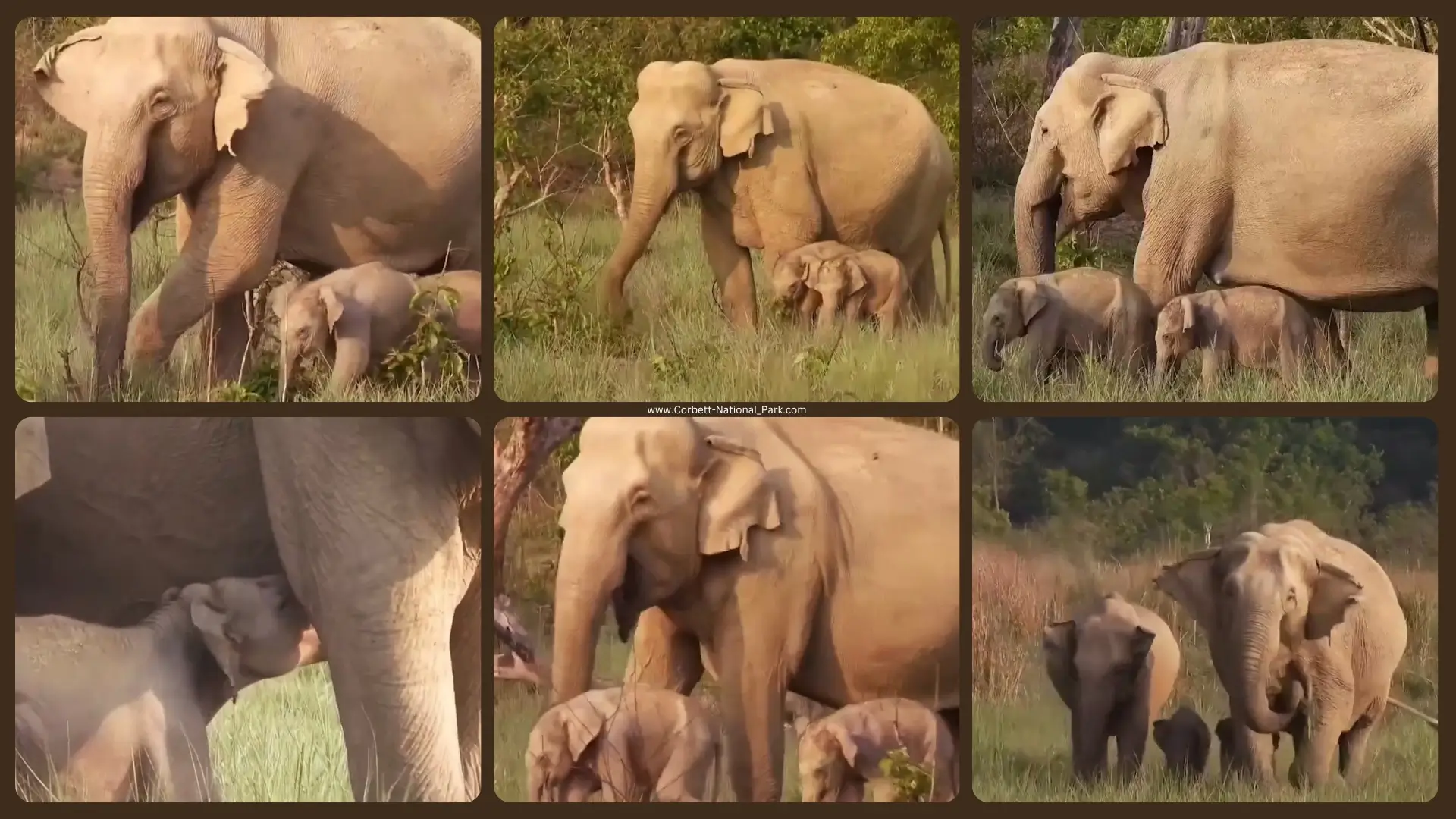
- Asian Elephant
- Leopard
- Sloth Bear
- Gharial
- Marsh Crocodile
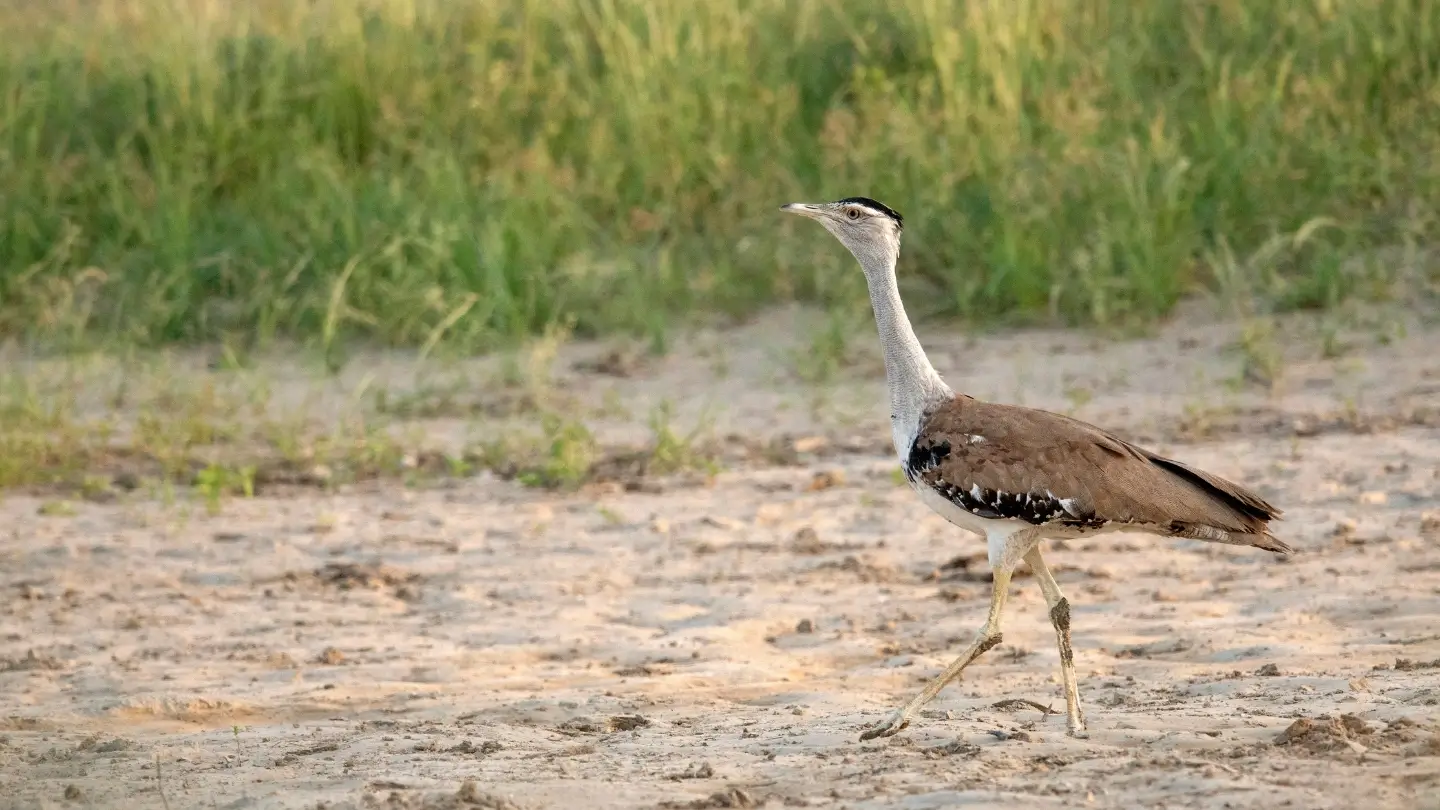
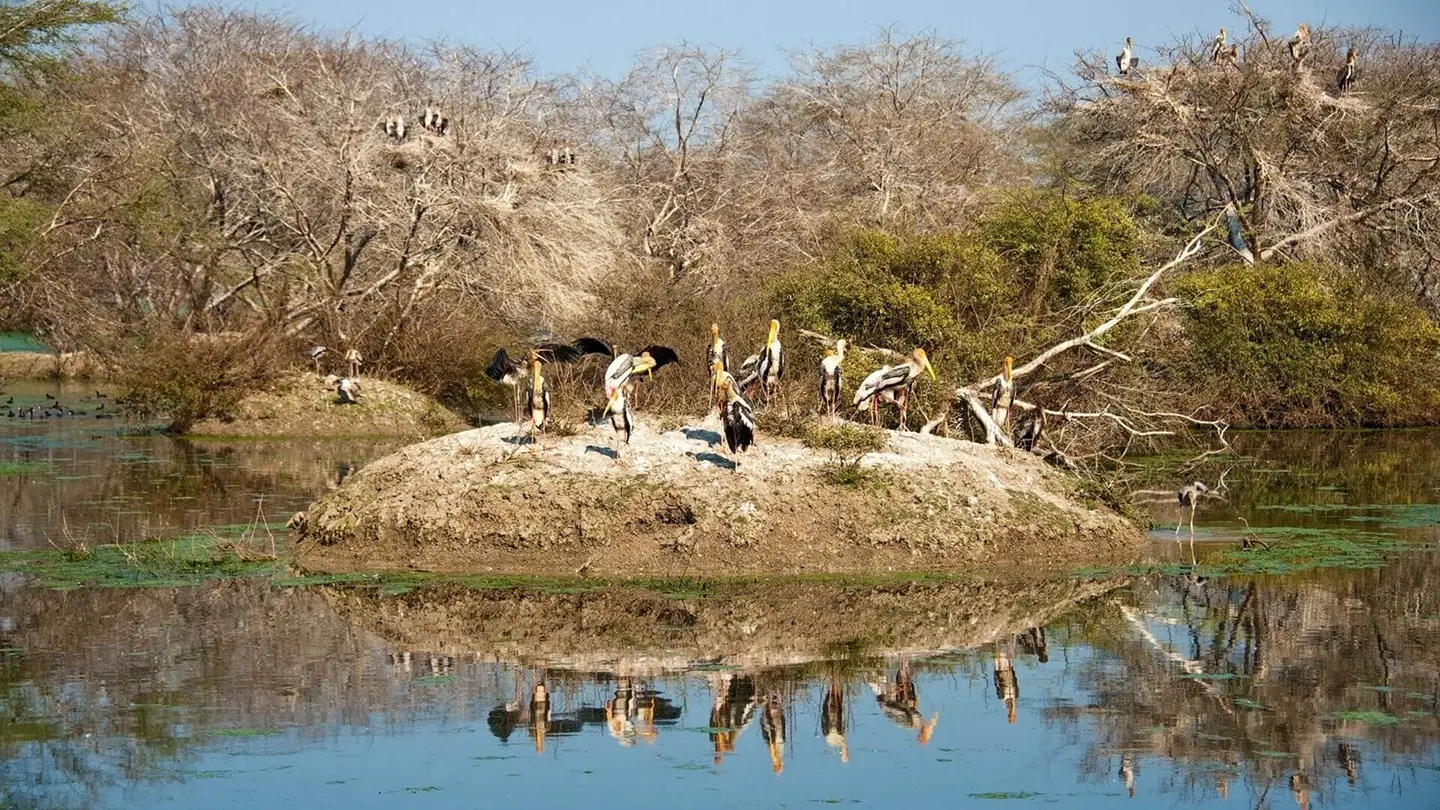
The park is also home to over 600 species of birds, making it one of the most important bird-watching destinations in northern India.
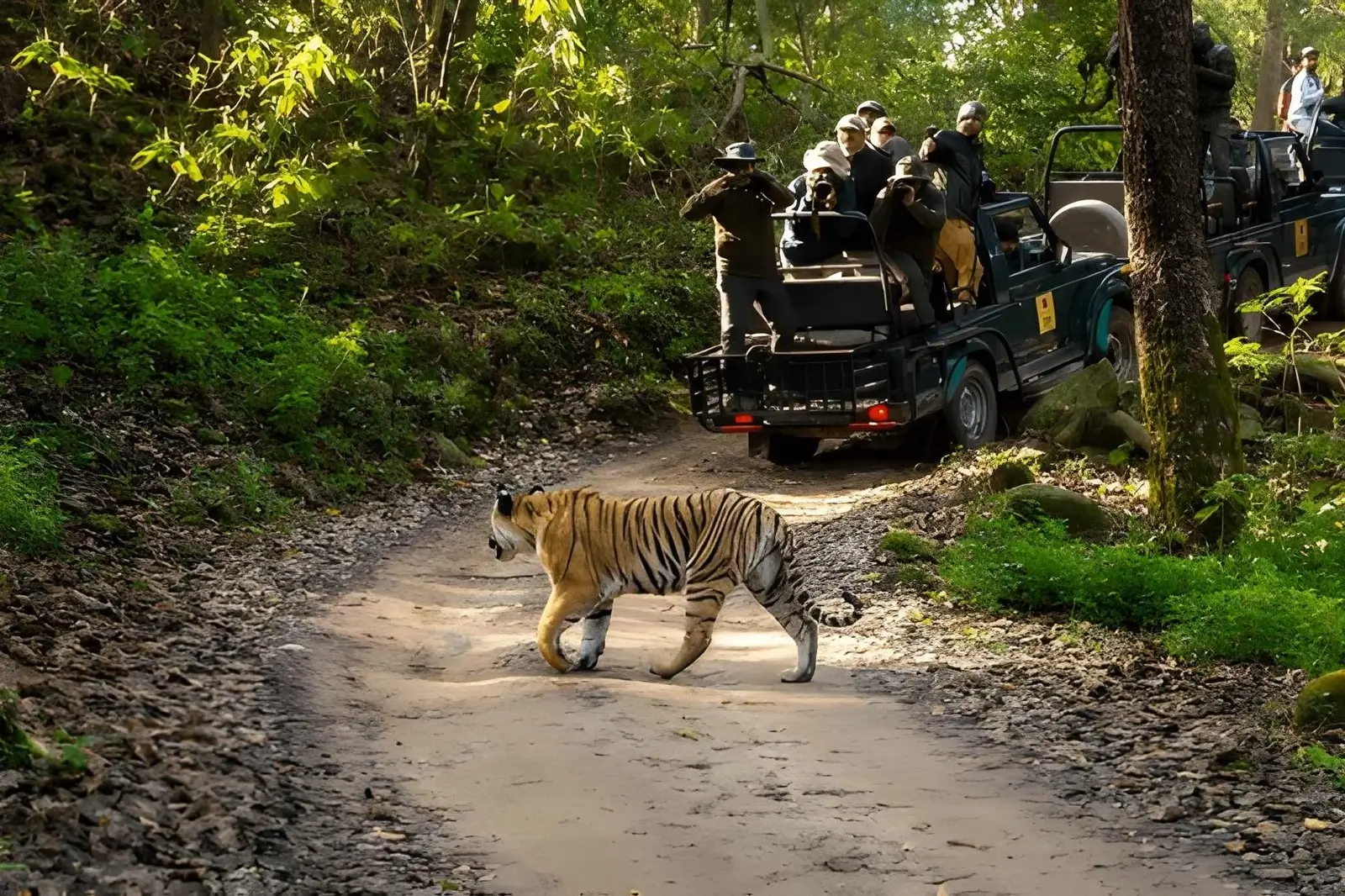
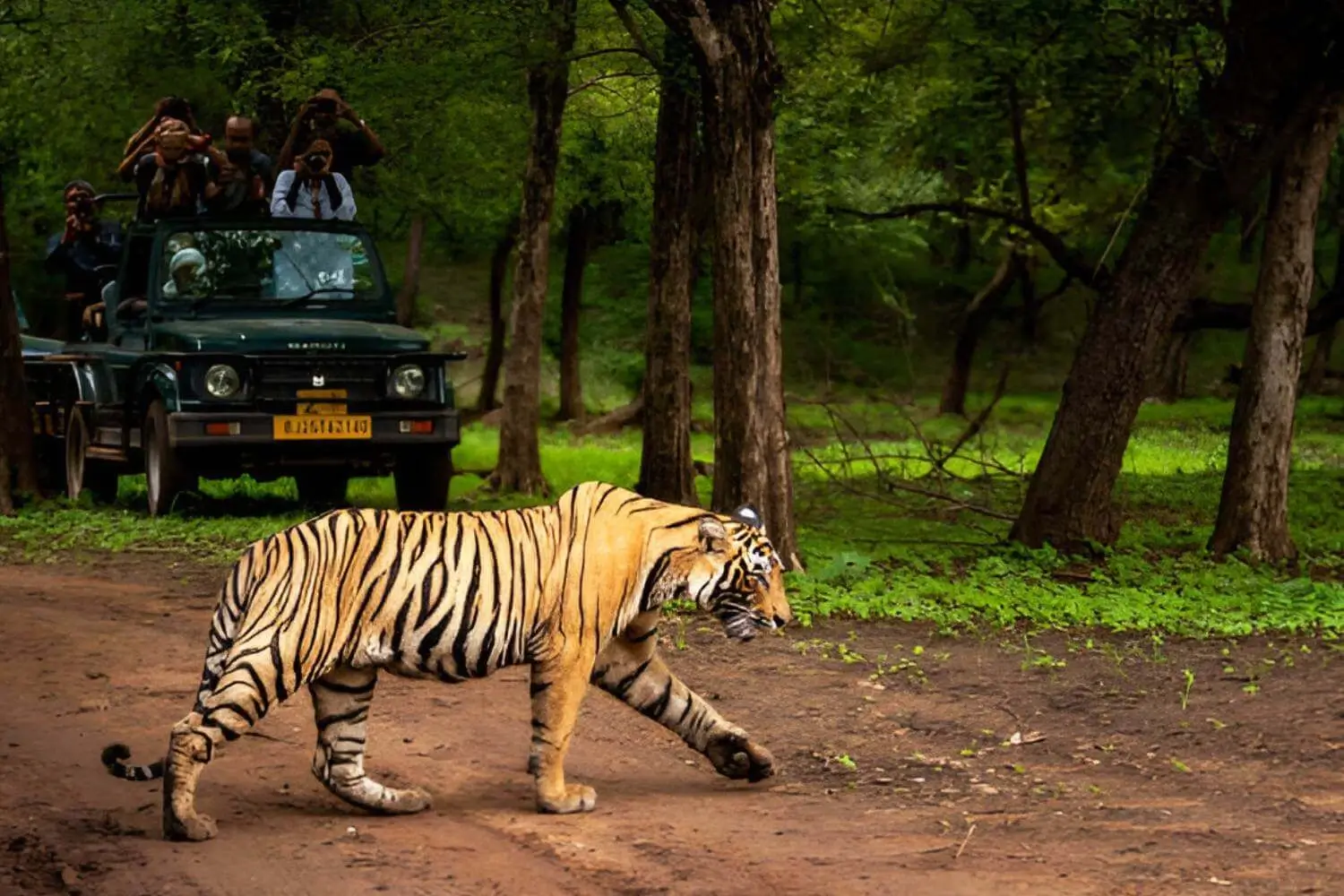
Today, Jim Corbett National Park offers a combination of wildlife safaris, birdwatching, and nature experiences.
Different safari zones provide varied landscapes, from dense forests to open grasslands, making each visit unique.
Importance of Jim Corbett National Park in Conservation
Jim Corbett National Park holds a unique place in India’s conservation history.
As the country’s first national park and the first reserve under Project Tiger, it has played a crucial role in demonstrating how protected landscapes can help restore wildlife populations.
The park has become a model for:
- wildlife habitat protection
- scientific conservation management
- eco-tourism and wildlife education
Today, Corbett remains one of India’s most visited wildlife destinations and a key stronghold for the Bengal tiger.
What this means today : Corbett continues to serve as a model for wildlife conservation and ecotourism in India.
| Fact | Details |
|---|---|
| Established | 1936 |
| Original Name | Hailey National Park |
| Renamed | Corbett National Park (1955–56) |
| Location | Uttarakhand, India |
| Famous For | Bengal Tigers and rich biodiversity |
| Conservation Role | First reserve under Project Tiger (1973) |
The history of Jim Corbett National Park reflects the evolution of wildlife conservation in India. From its early days as Hailey National Park to its role as the first tiger reserve, Corbett has remained central to protecting wildlife and forest ecosystems.
Today, it offers not just a safari experience, but a chance to explore one of the most important conservation landscapes in the country.





 Packages
 +91 9212777224