5 Best National Parks for Wildlife Photography in India
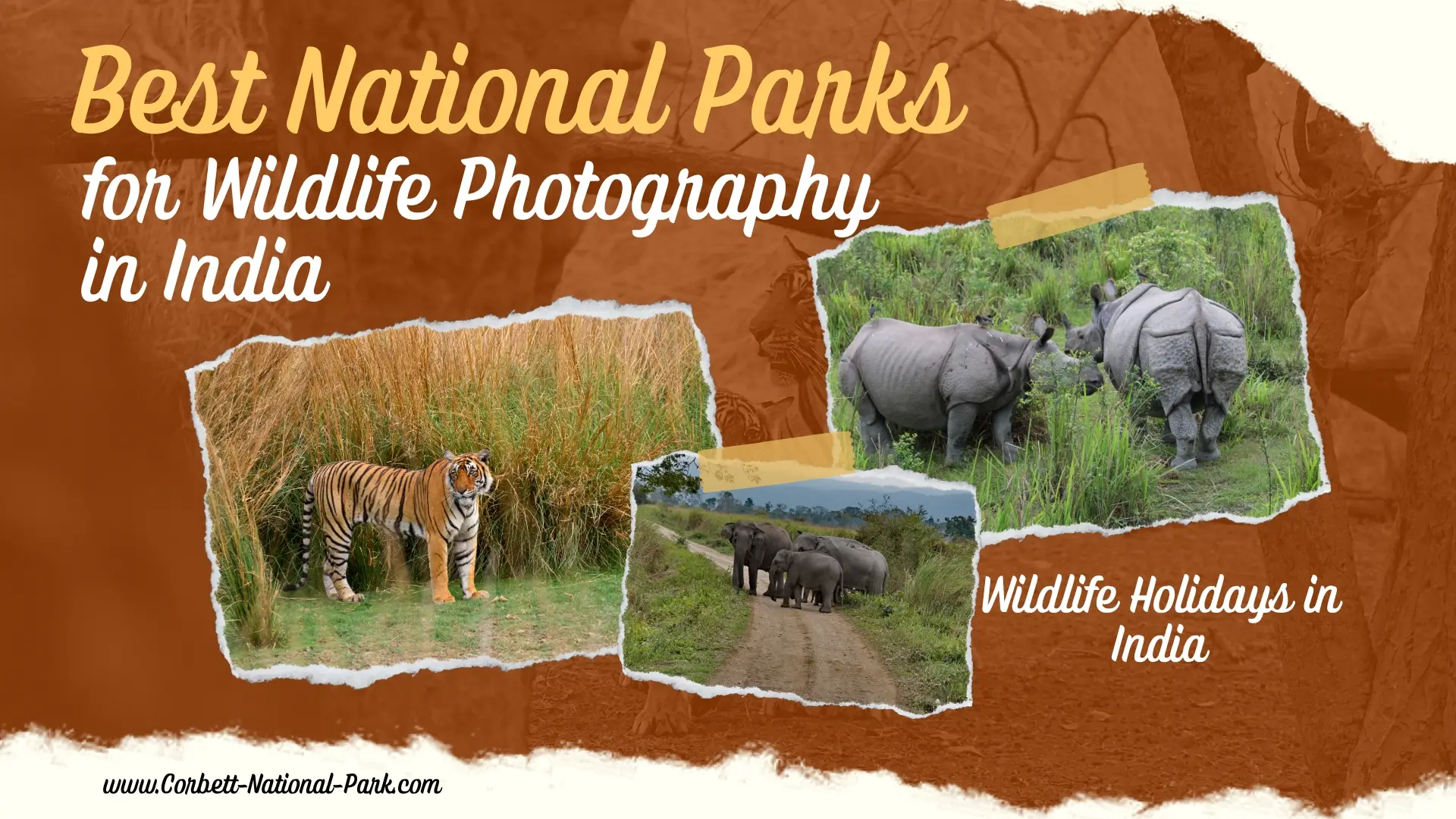
When photography is a passion, every subject can become a masterpiece. However, when wildlife becomes the theme, photography turns into a powerful way of capturing the raw beauty of nature and the untamed wilderness. India’s wildlife, spread across numerous national parks, wildlife sanctuaries, and forest reserves, offers incredible opportunities for photographers to document life beyond the human world.
For professional and amateur photographers alike, the goal is to capture animals, birds, landscapes, and natural behaviour in their purest form. India’s diverse ecosystems, from dense forests to grasslands and wetlands, make the country one of the best wildlife photography destinations in the world.
Which are the best national parks for wildlife photography in India?
The top parks for wildlife photography include:
- Jim Corbett National Park
- Ranthambore National Park
- Bandhavgarh National Park
- Kanha National Park
- Kaziranga National Park
How to Choose the Right National Park for Wildlife Photography?
Each park offers a different photographic experience:
- Best for tiger close-ups : Bandhavgarh, Ranthambore
- Best for landscapes + wildlife : Corbett, Kanha
- Best for unique species : Kaziranga (rhinos, wetlands)
- Best for beginners : Ranthambore, Corbett
Choosing the right park depends on whether you want action shots, landscapes, or rare species.
Jim Corbett National Park – Best for Landscape & Wildlife Variety
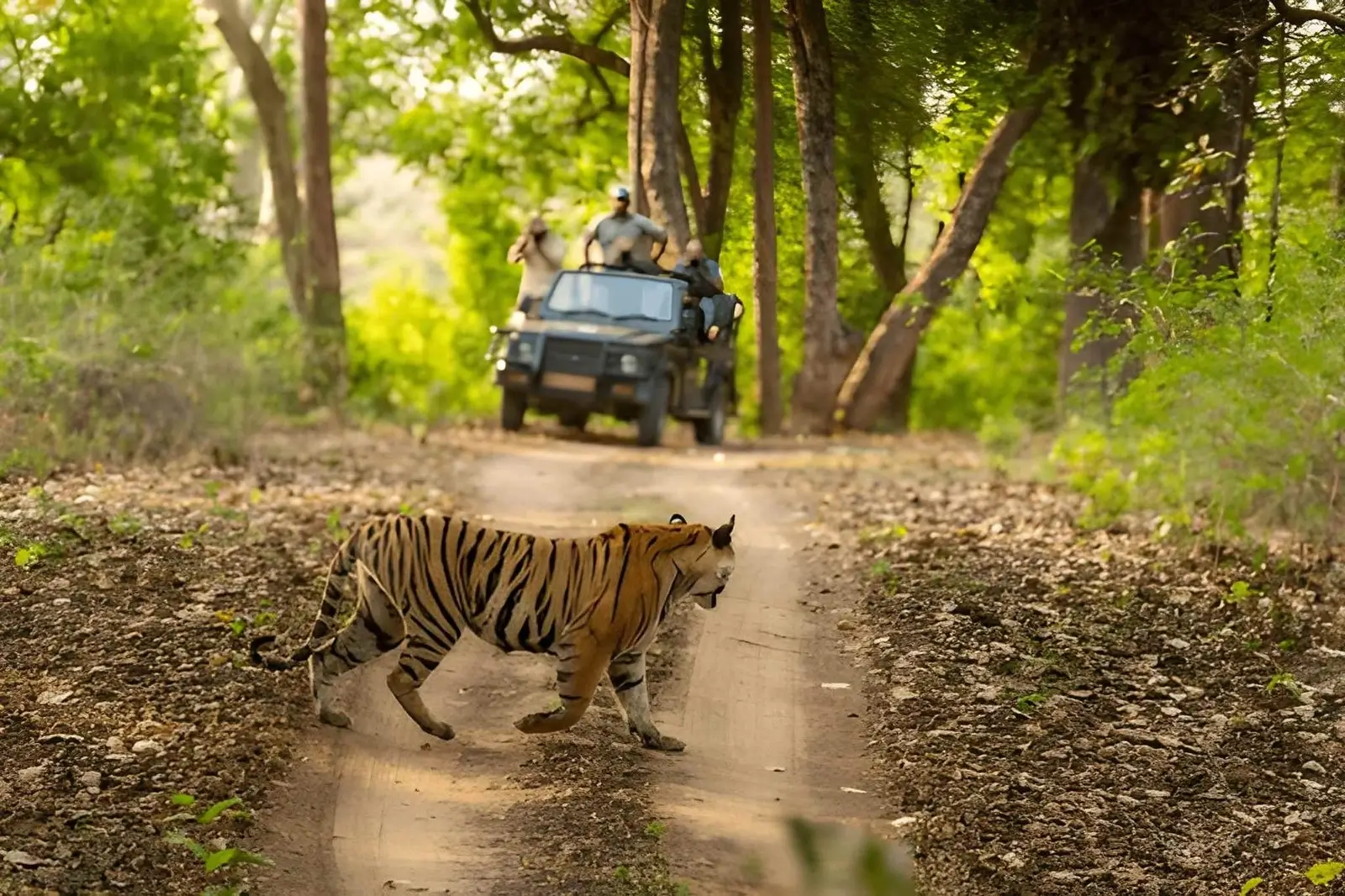
The saying “Old is Gold” perfectly fits India’s oldest national park. Established in 1936, the park was originally known as Hailey National Park and was later renamed after the legendary conservationist Jim Corbett.
Located across the Nainital and Pauri districts of Uttarakhand, Corbett Tiger Reserve is one of the most sought-after destinations for wildlife lovers and photographers.
The park’s ecosystem includes rivers, grasslands, dense forests, and wetlands, creating ideal conditions for diverse wildlife. Photographers often capture stunning images of:
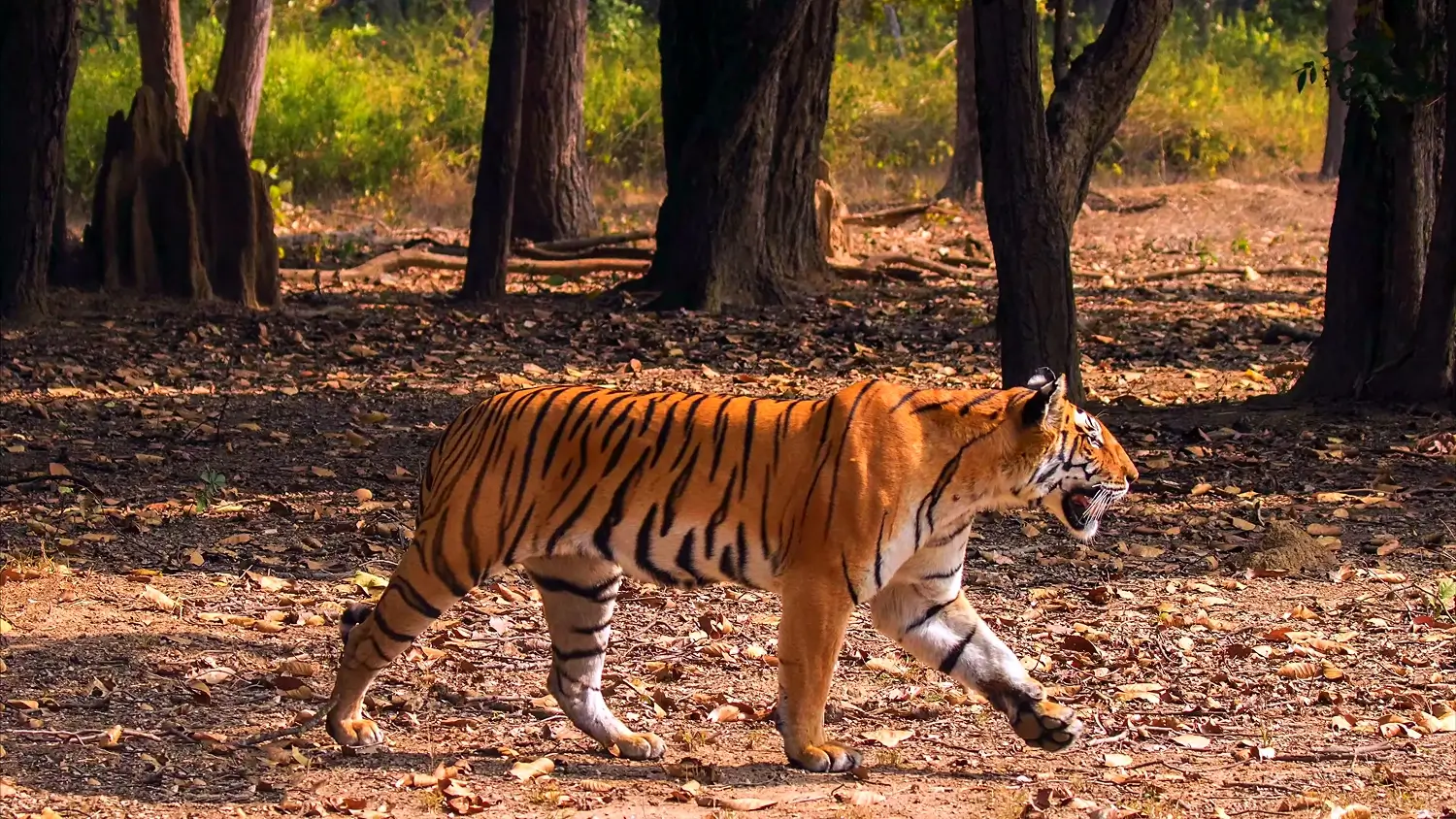
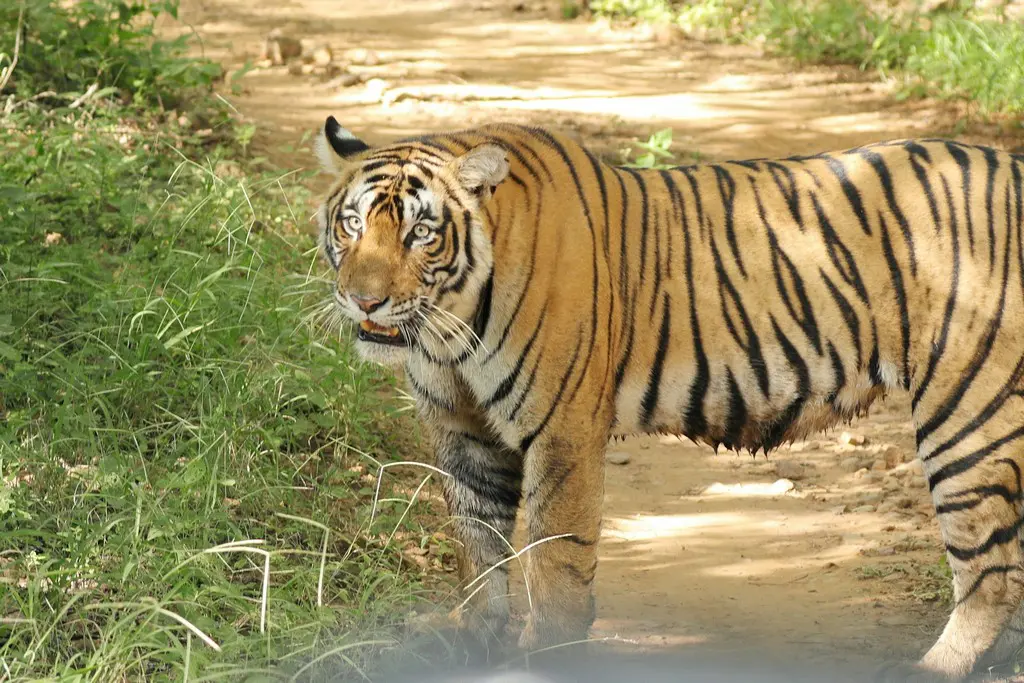
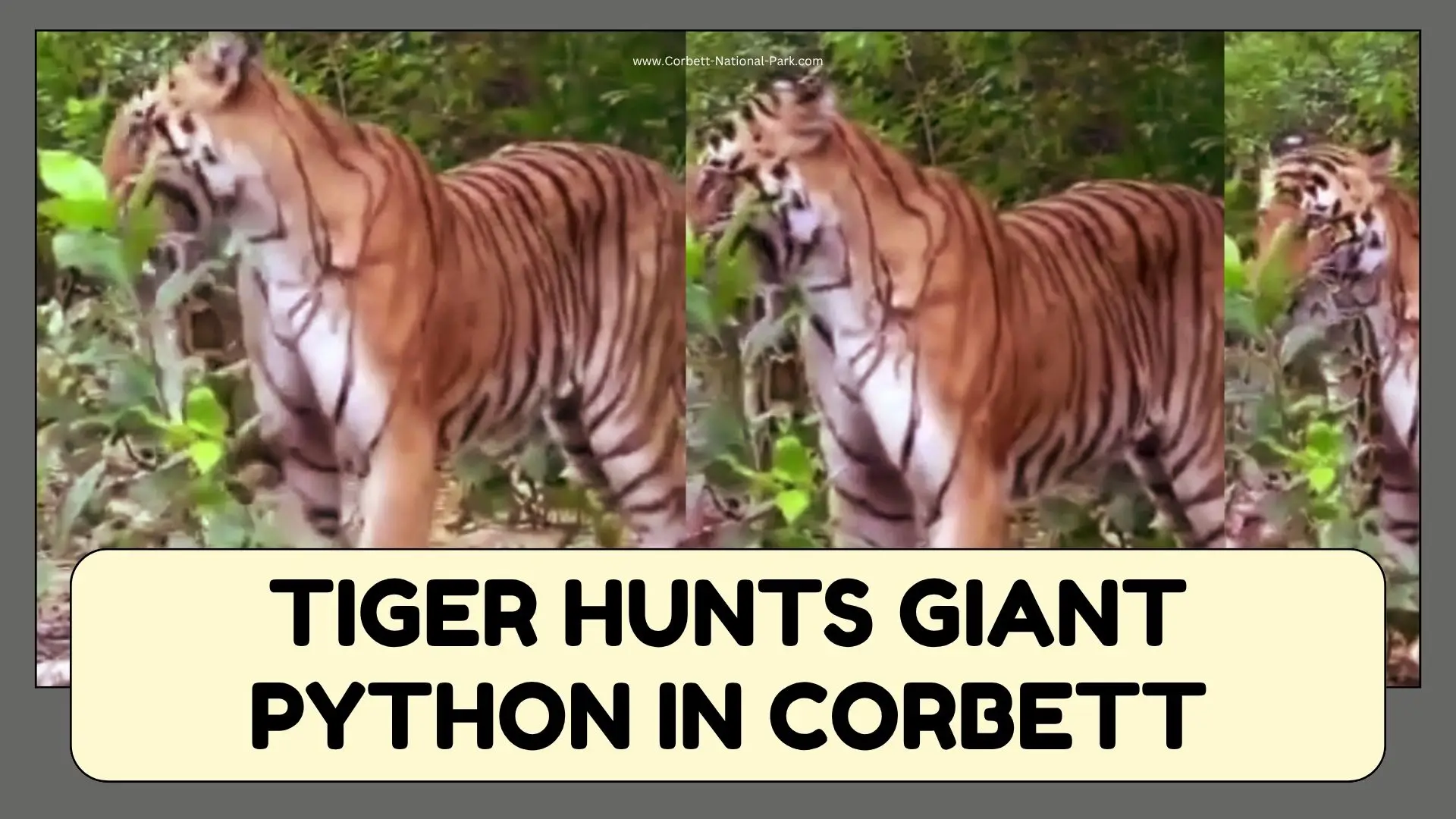
- Bengal Tiger
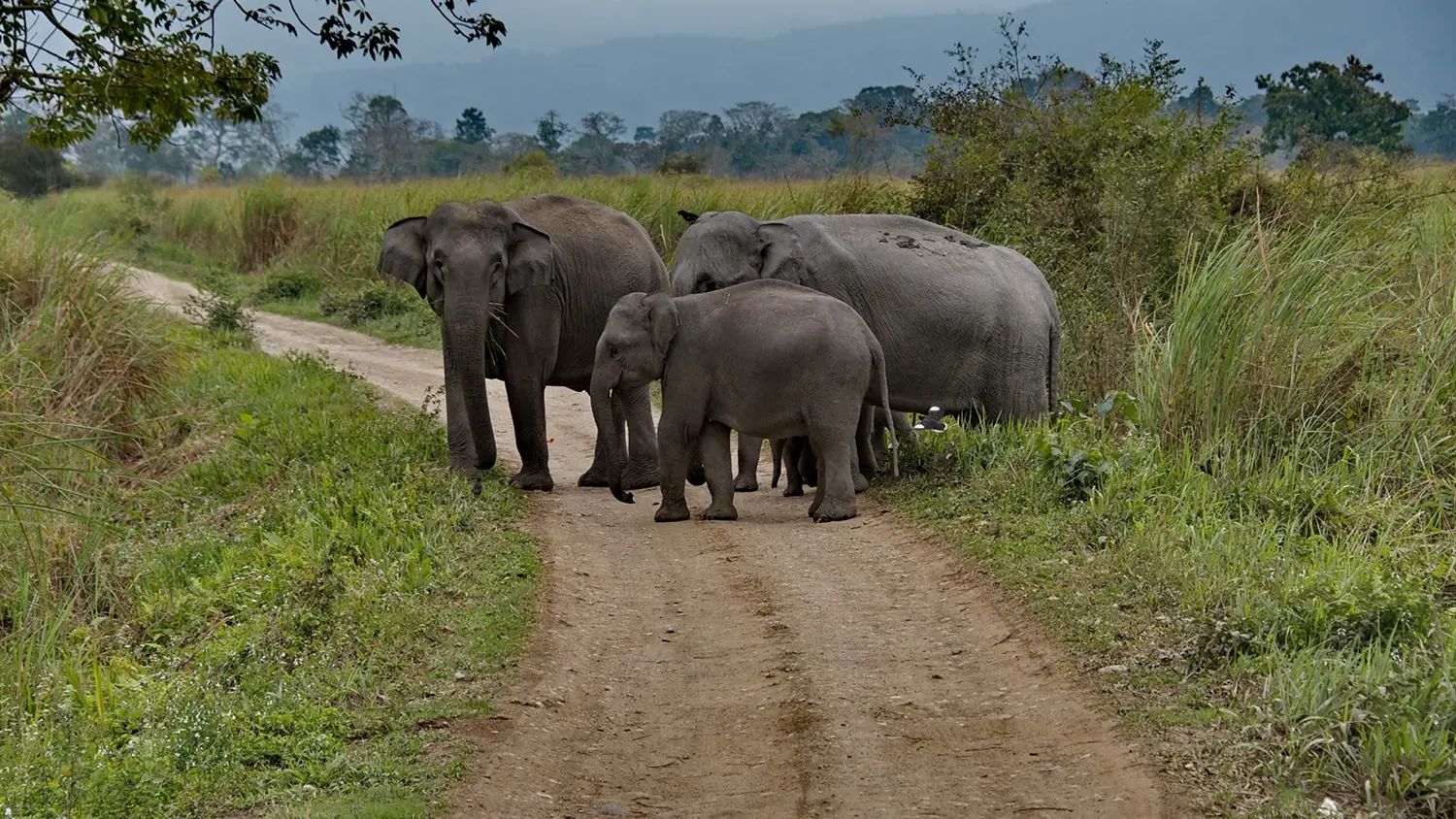
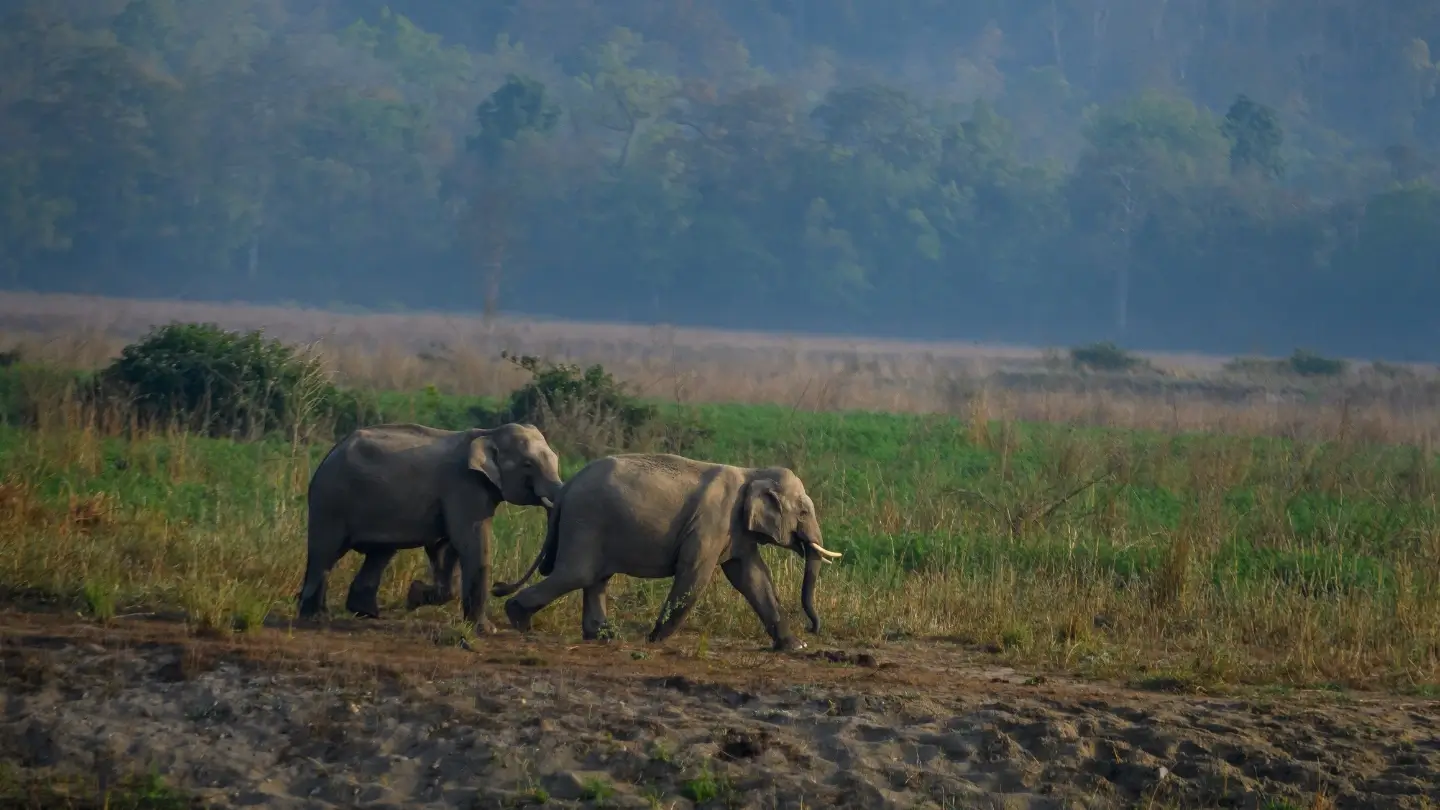
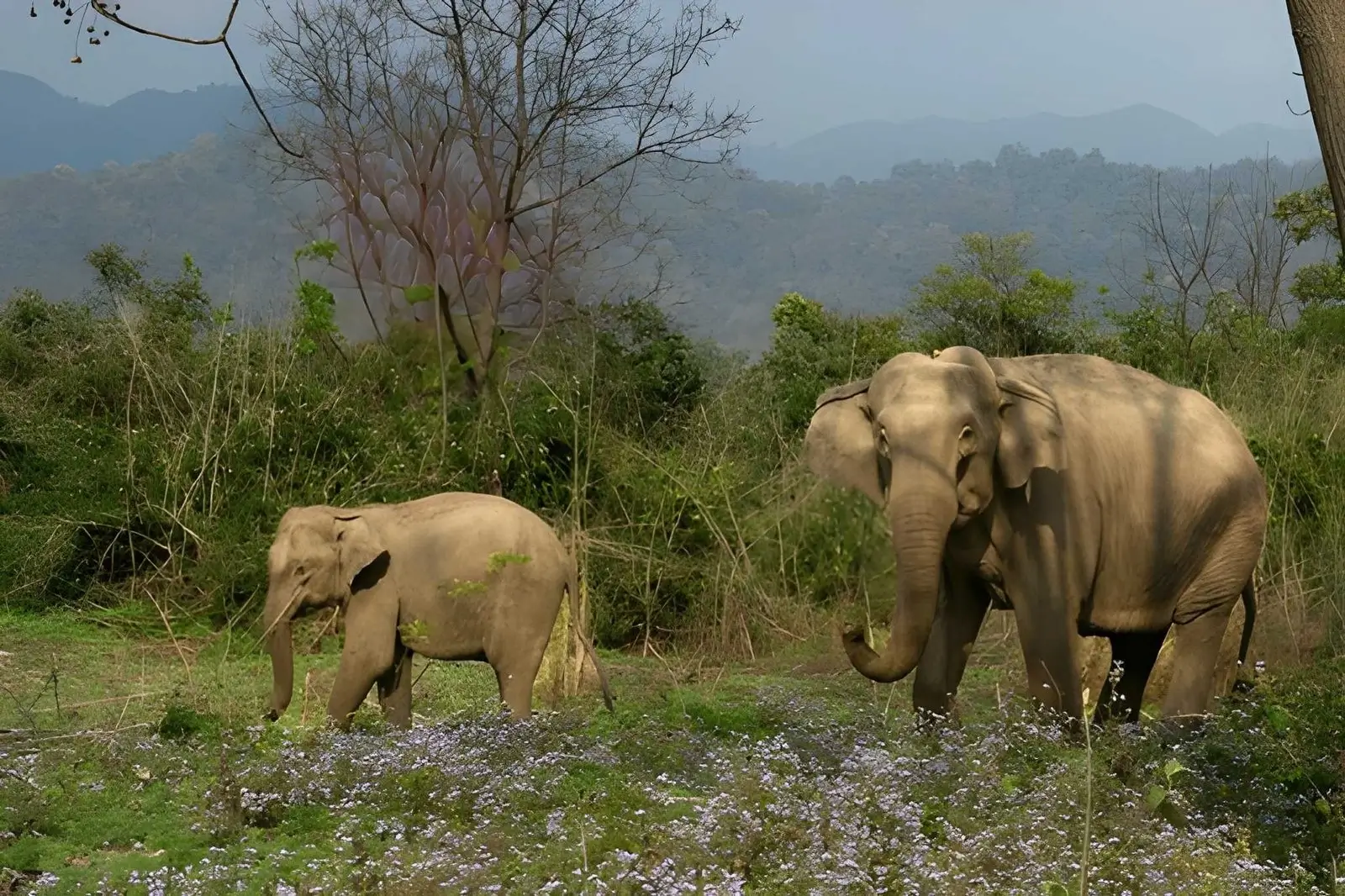
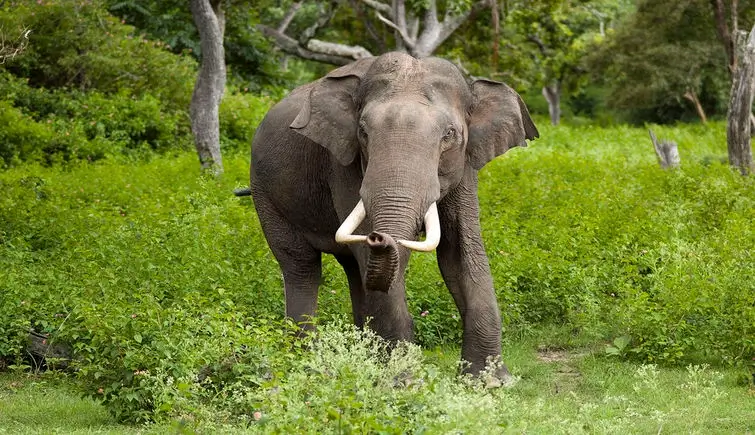
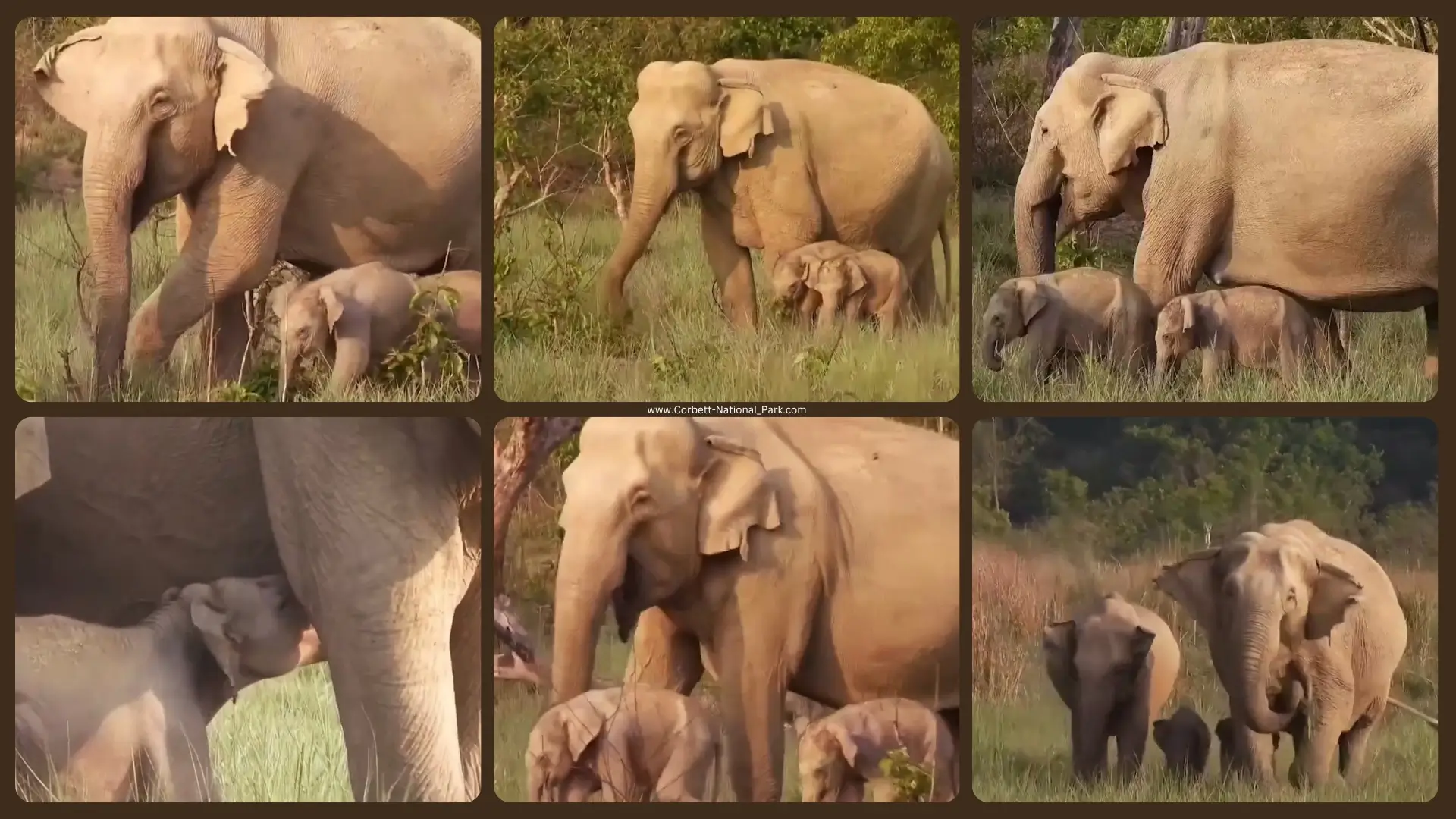
- Asian Elephant
- Leopard
- Crocodiles and reptiles
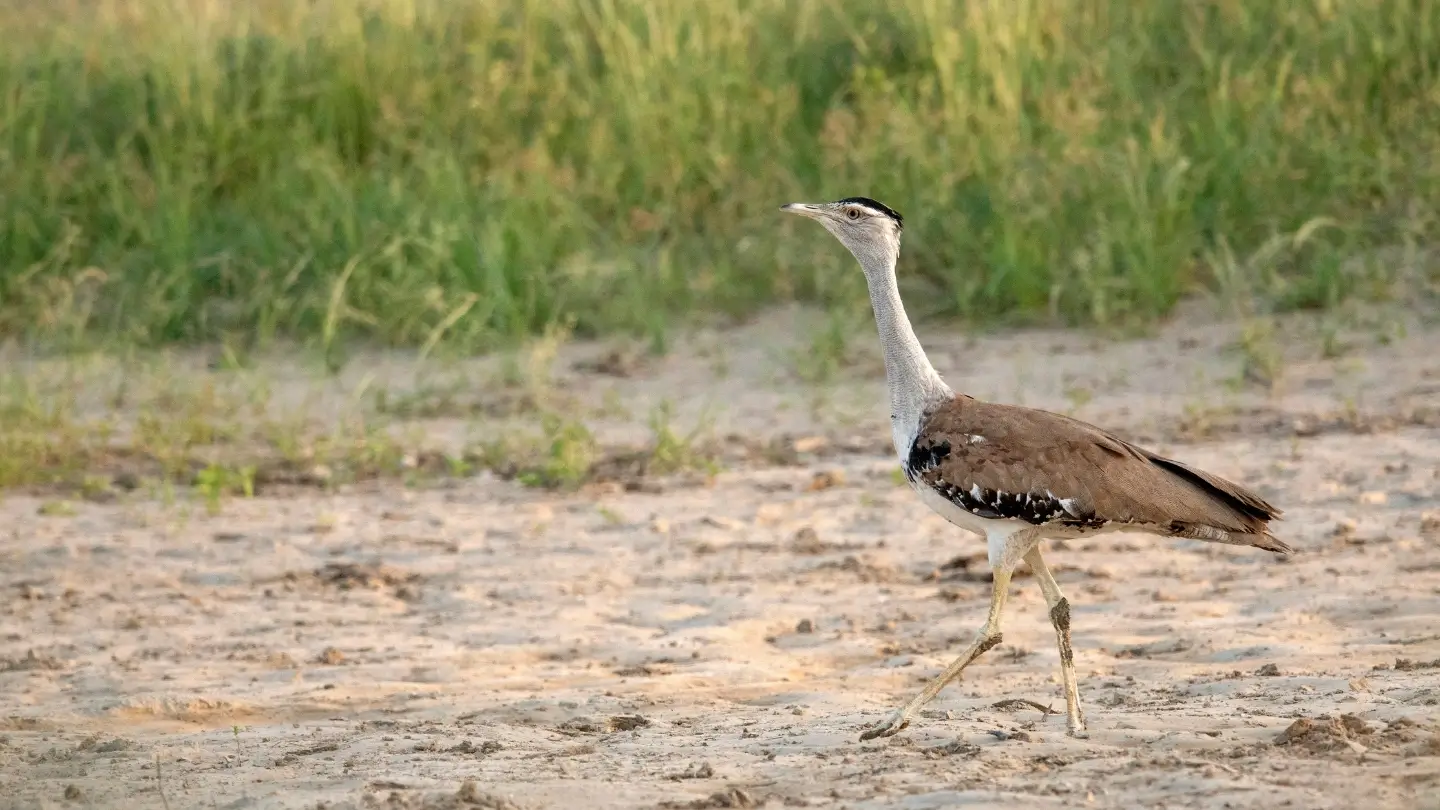
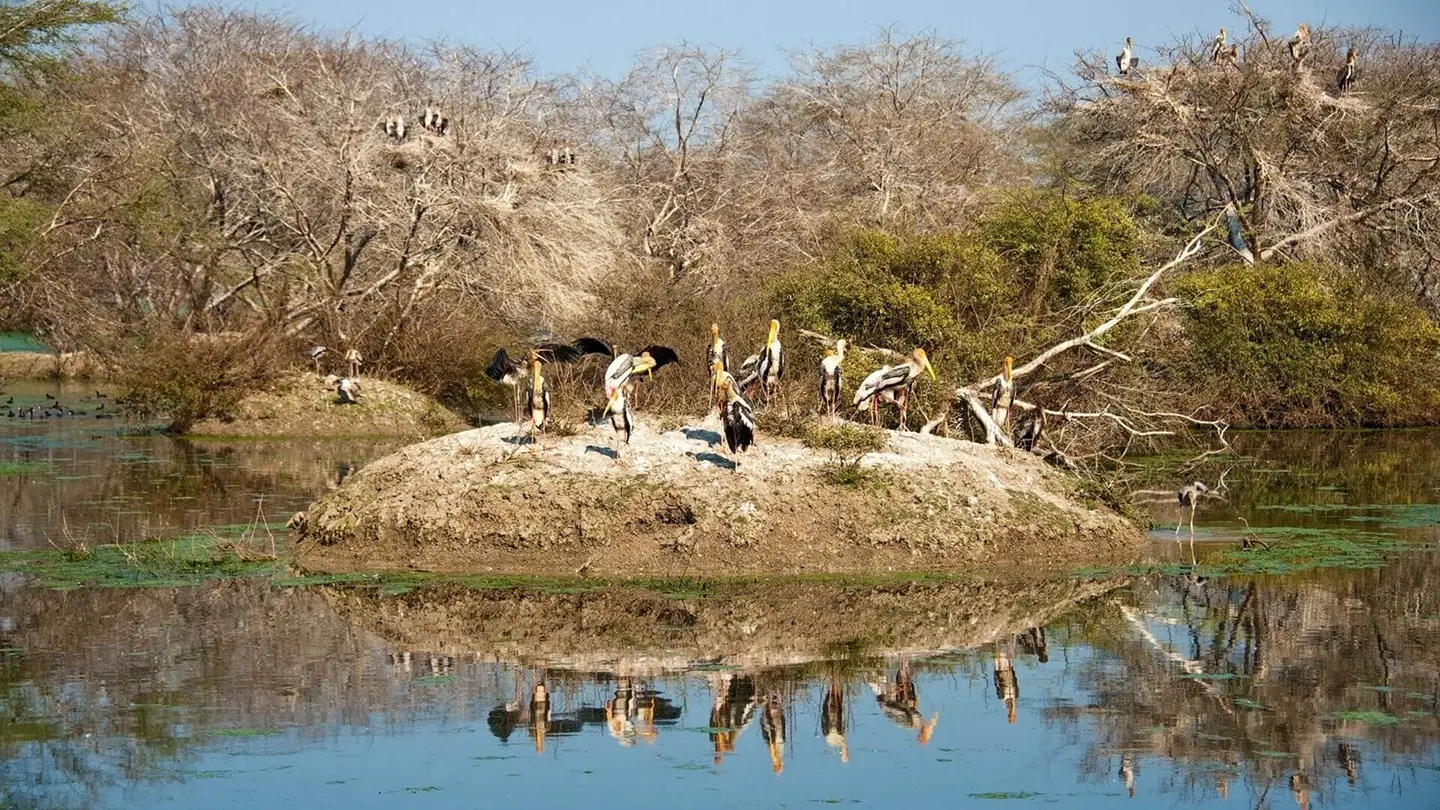
- Over 600 species of birds
The Ramganga River, misty mornings, sal forests, and herds of elephants moving through the grasslands offer endless photographic opportunities.
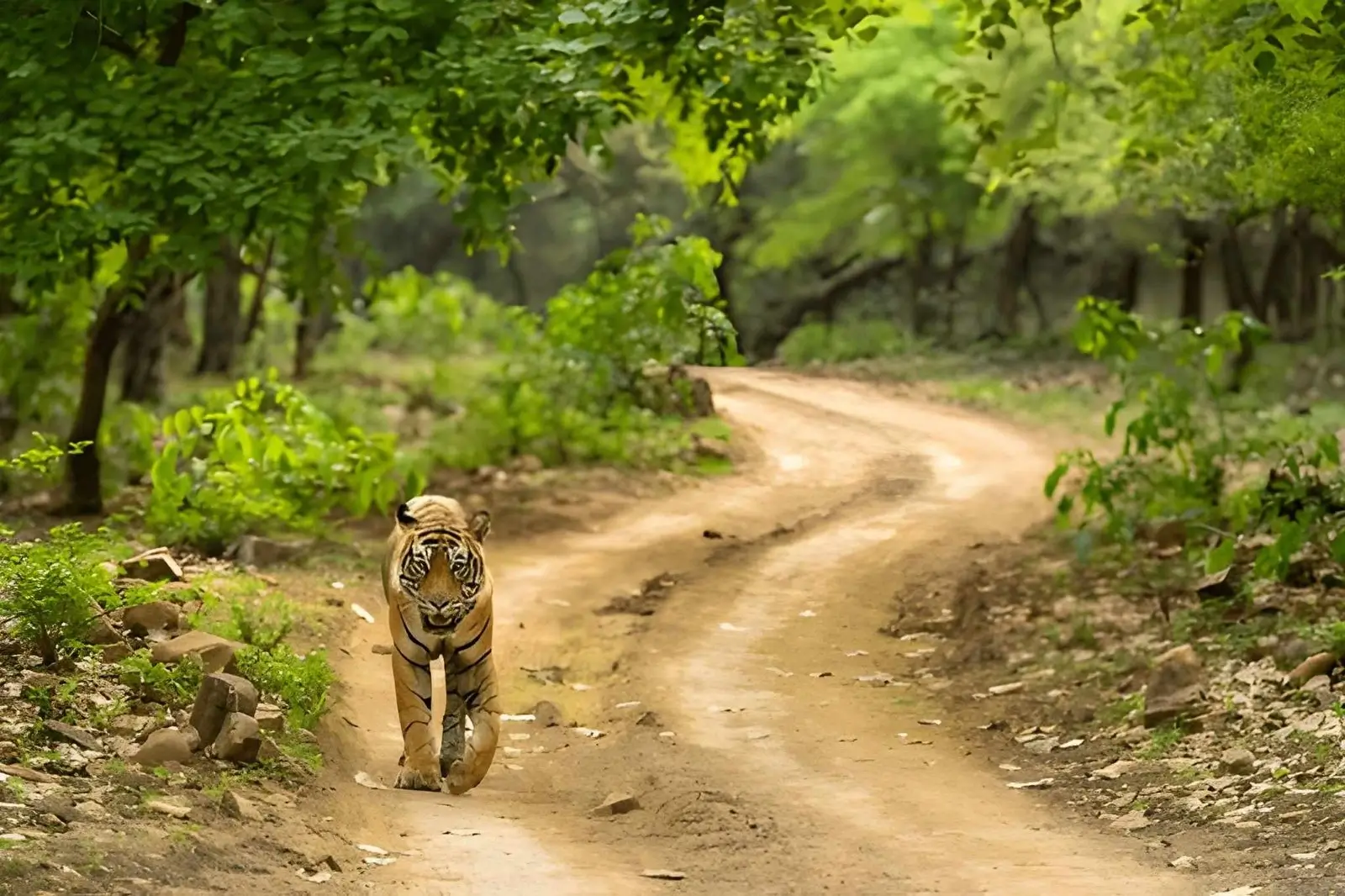
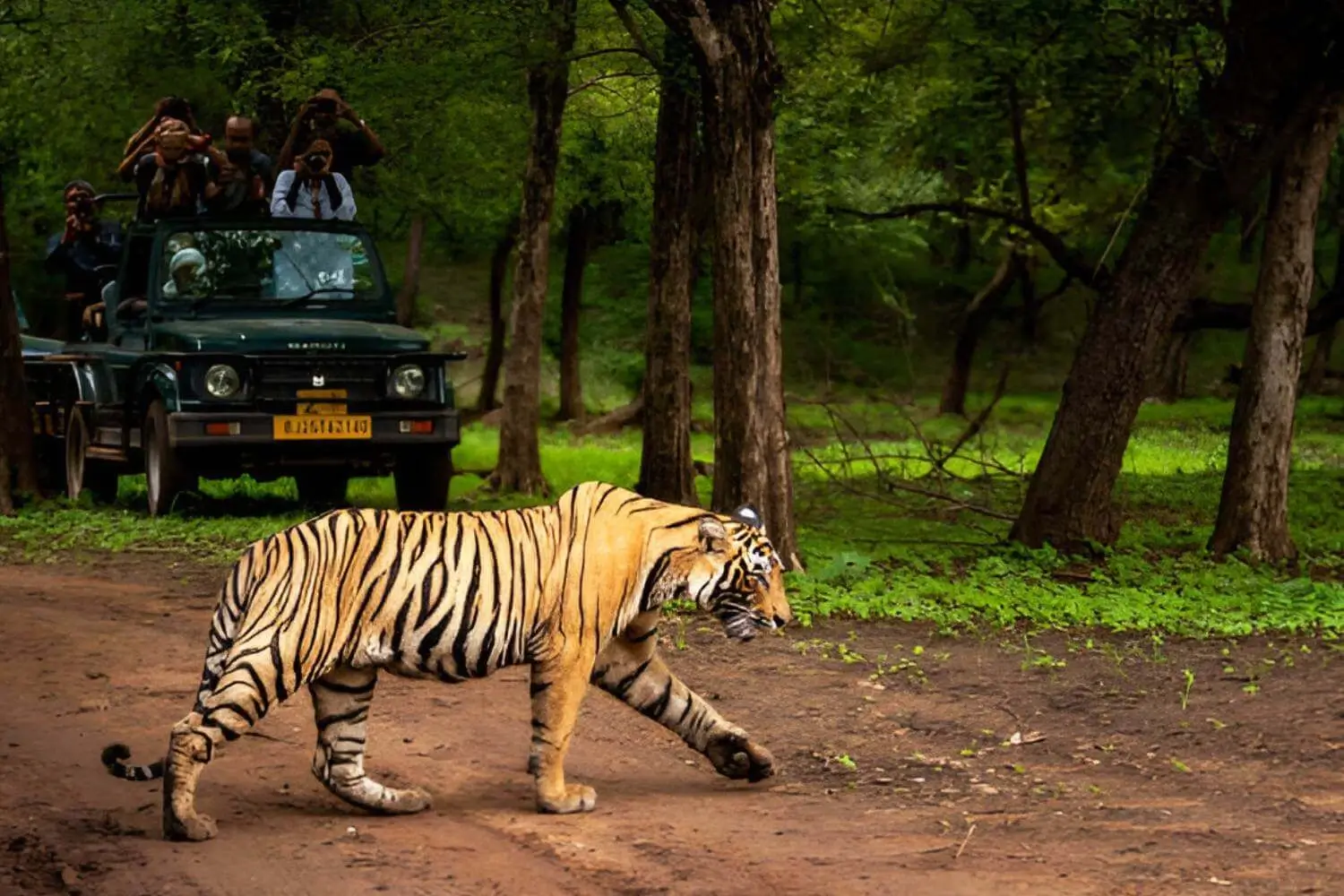
TRajasthan is widely known for its royal history, but it is also a paradise for wildlife photographers. Located in Sawai Madhopur district, Ranthambore National Park is famous for its tiger sightings and dramatic landscapes.
Once a royal hunting ground, the area was later declared a national park and included under Project Tiger to help protect the declining tiger population.
One of the most iconic photography subjects here is the Ranthambore Fort, which overlooks the forest and adds a historic backdrop to wildlife photography.
Photographers visiting Ranthambore often capture:
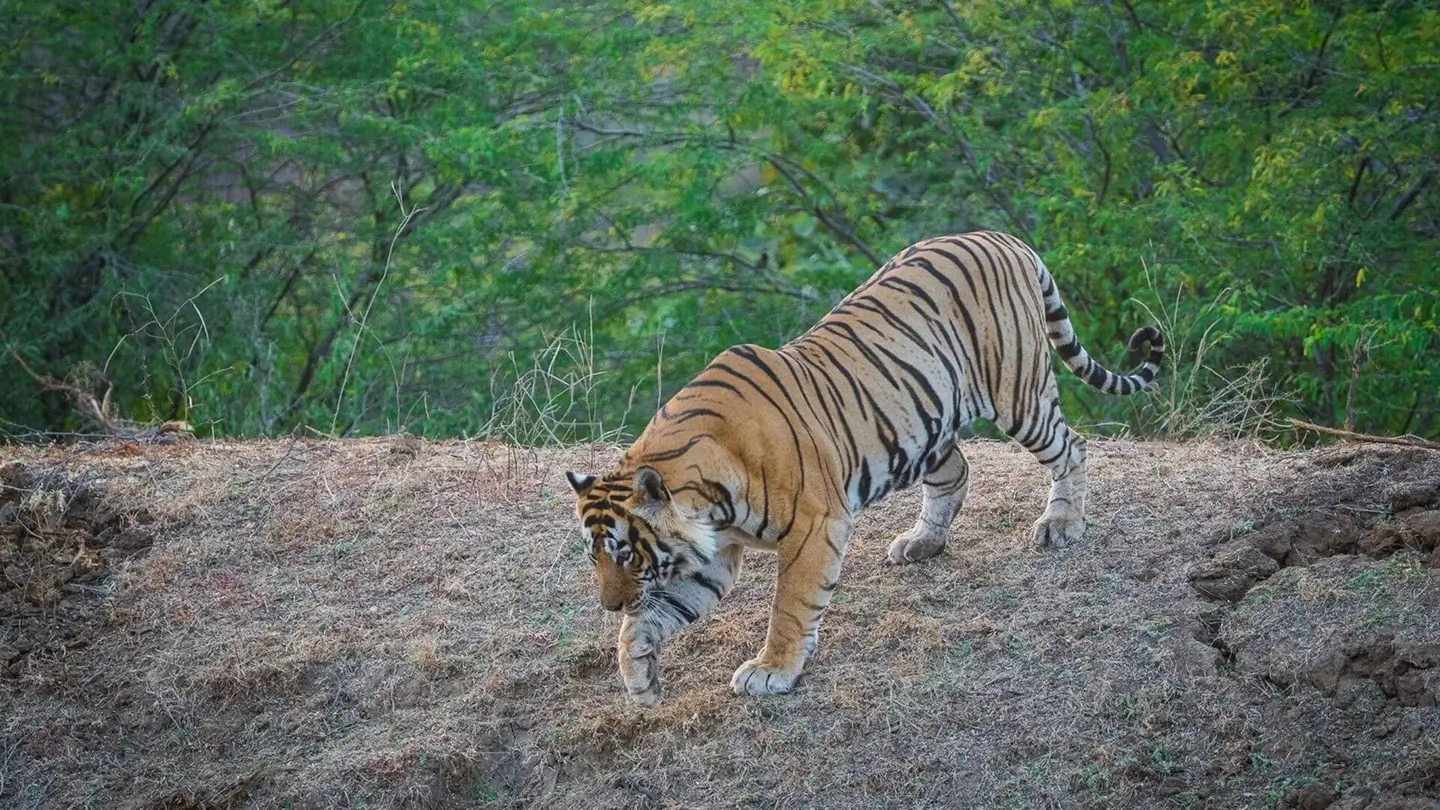
- Tigers walking near ancient ruins
- Leopards and sloth bears
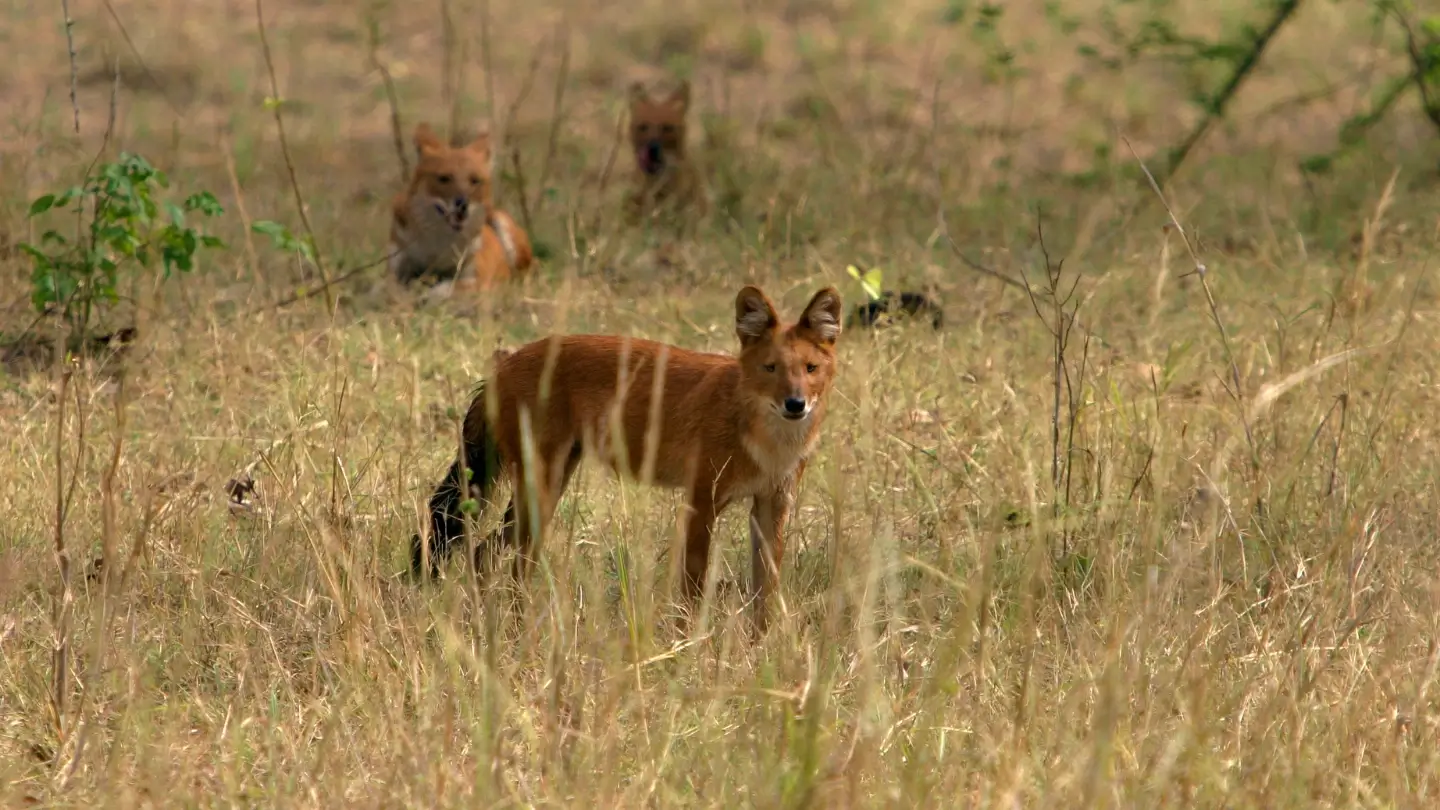
- Hyenas, jackals, and antelopes
- Marsh crocodiles near lakes
- Birds such as crested serpent eagles and kingfishers
The landscapes shaped by the Aravalli and Vindhya ranges add dramatic depth to wildlife images.
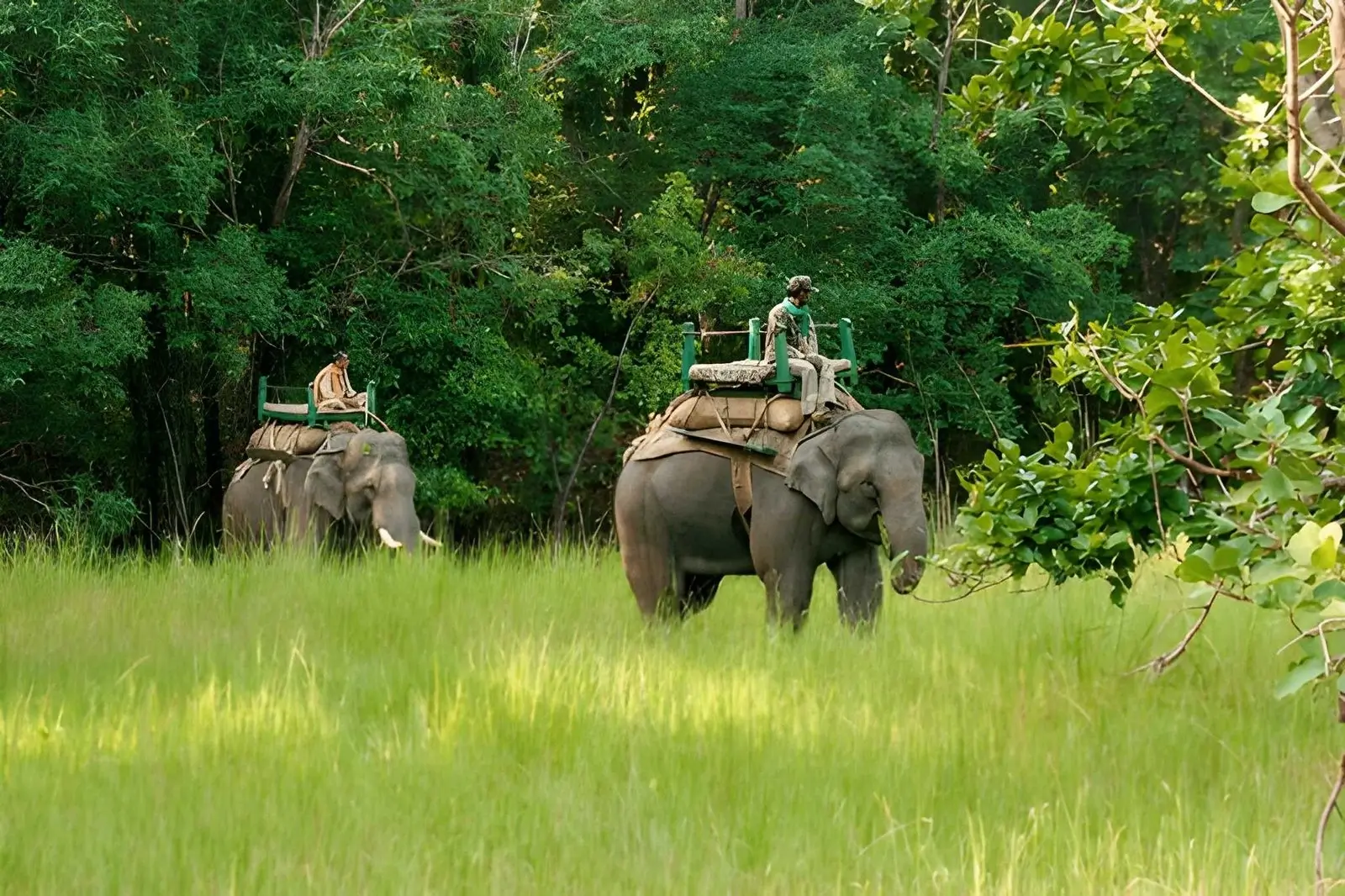
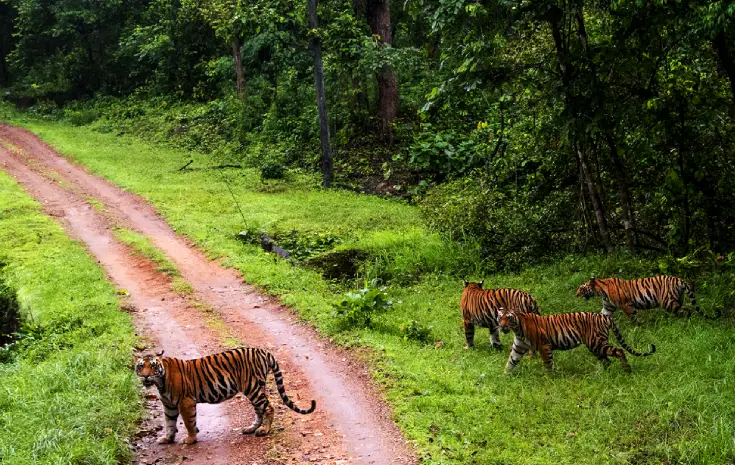
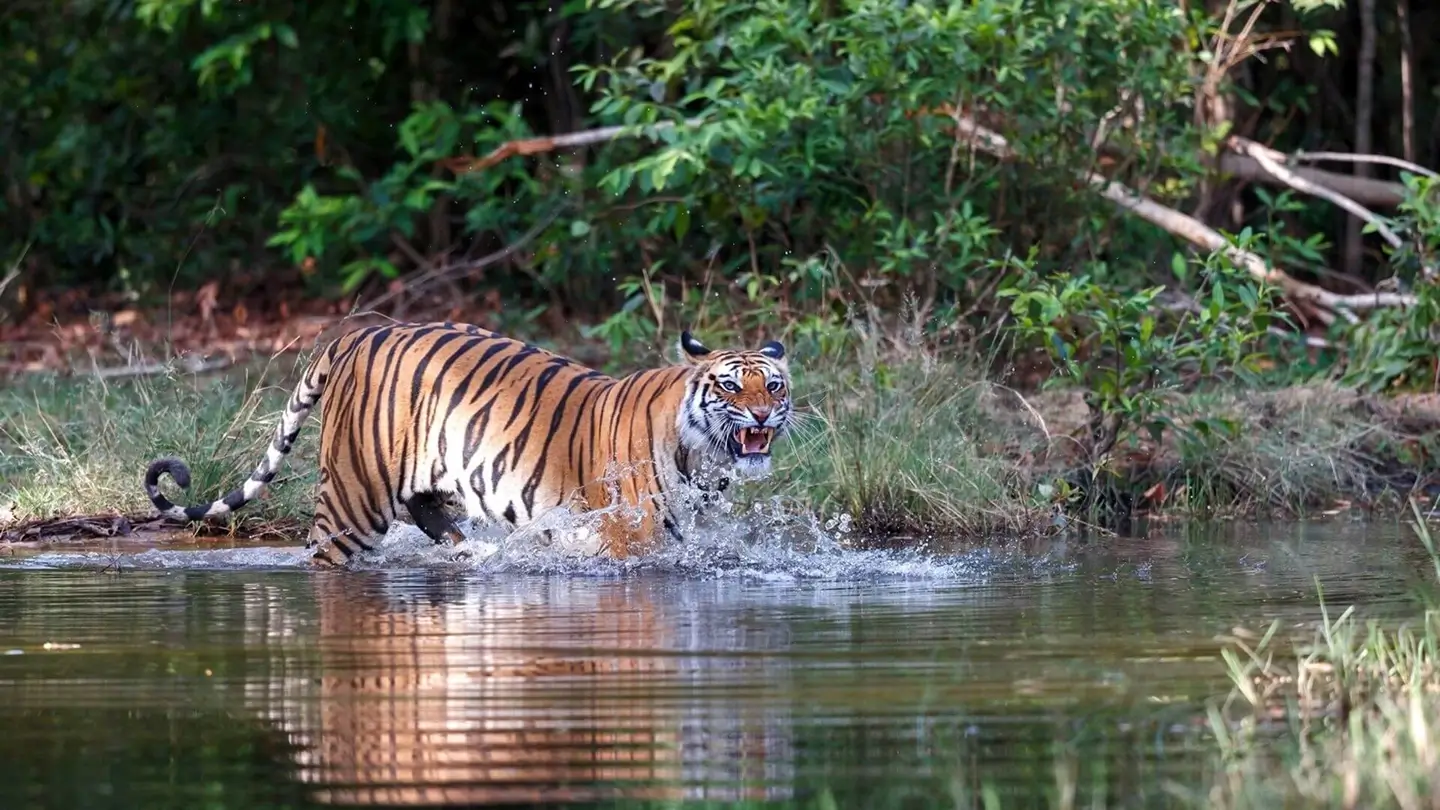
Located in the Umaria district of Madhya Pradesh, Bandhavgarh National Park is famous for having one of the highest densities of tigers in India, particularly in the Tala zone.
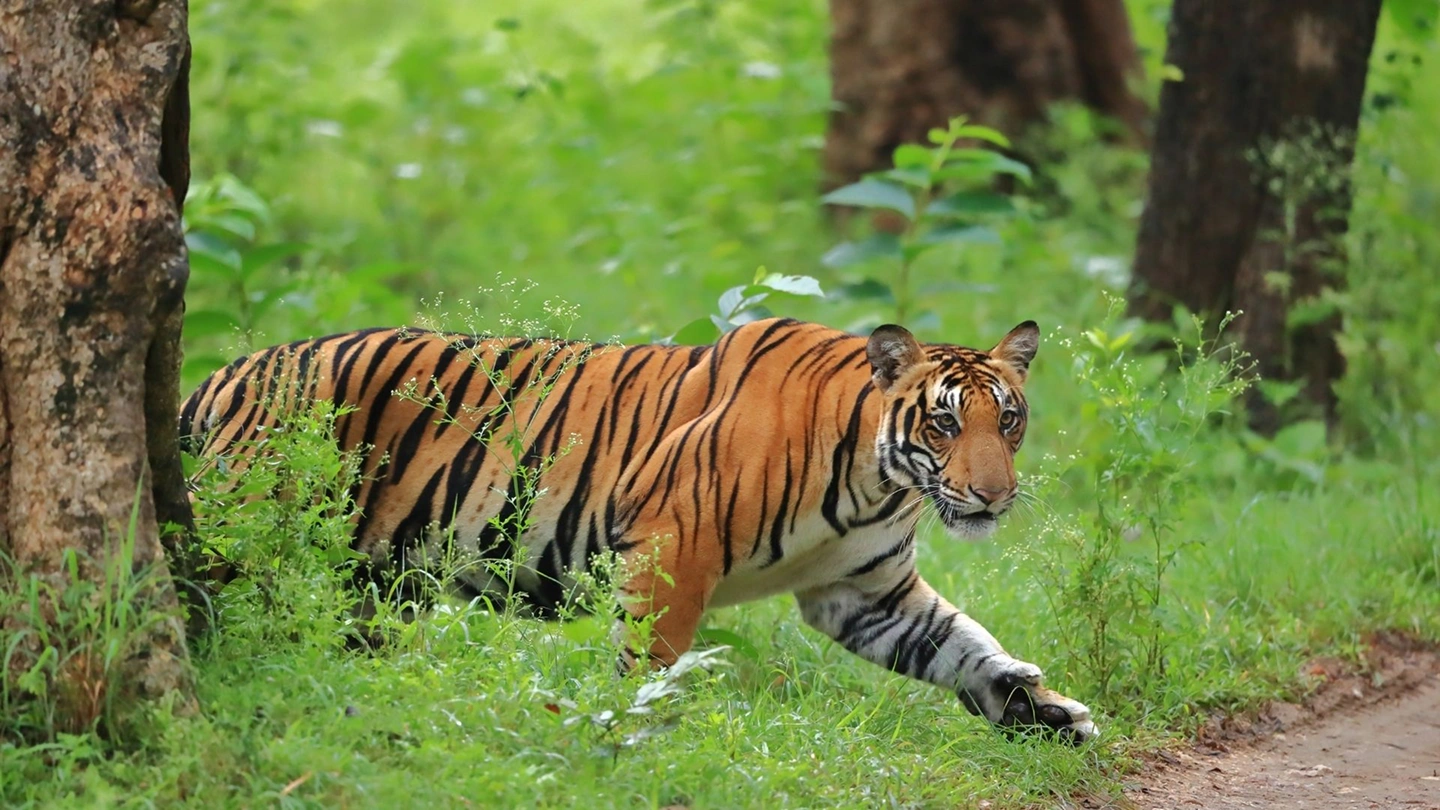
Because of this, the park is considered one of the best places in India to photograph the majestic Royal Bengal Tiger.
Apart from tigers, the park hosts a rich variety of wildlife including:
- Indian Leopard
- Gaur
- Nilgai
- Wild boars and hyenas
- Langurs and macaques
- Numerous birds and butterflies
Bandhavgarh’s landscape of forested hills, open meadows, valleys, and ancient caves makes it an ideal location for wildlife photography.
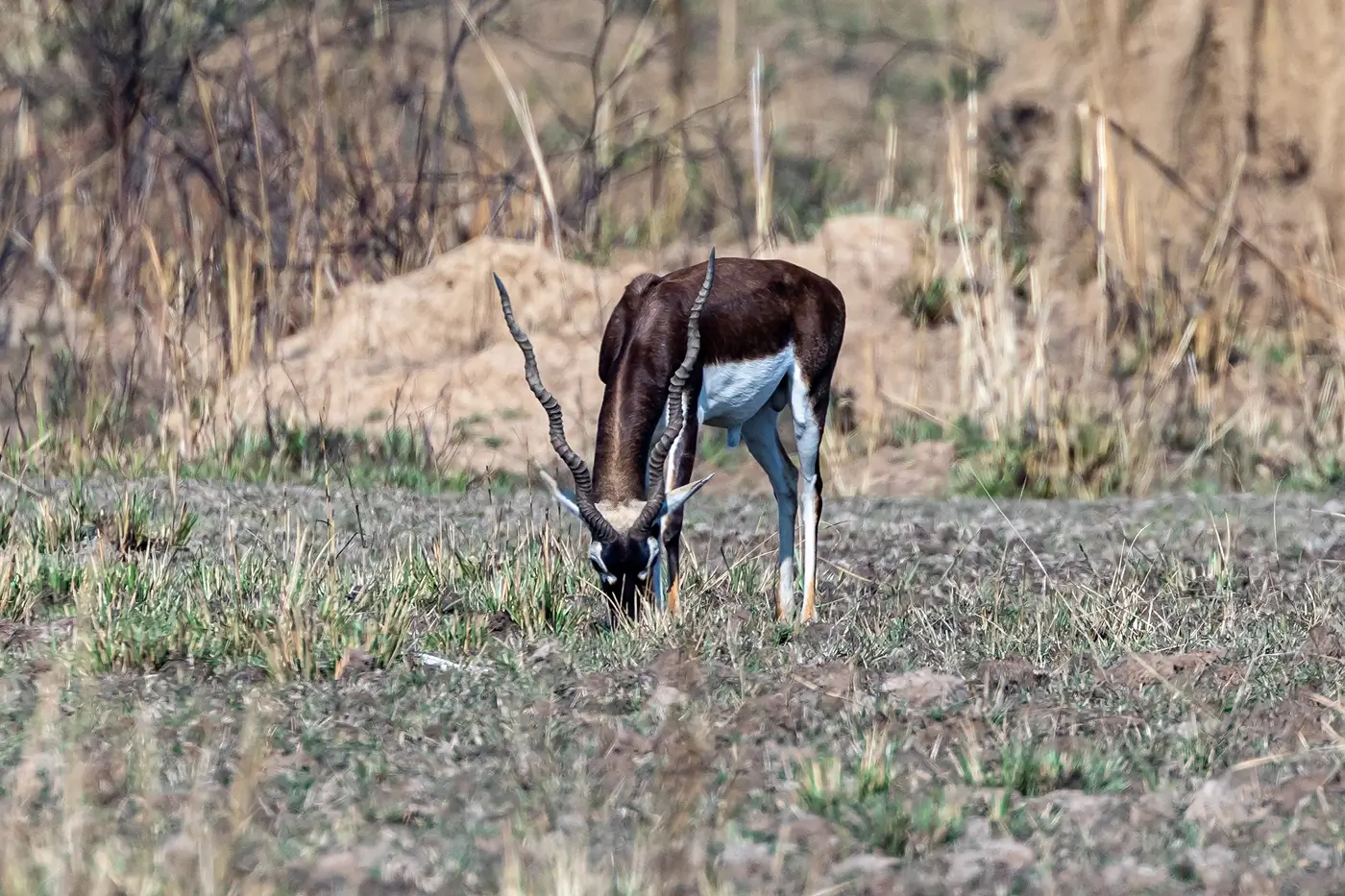
Officially known as Kanha Tiger Reserve, this park is located in the Mandla and Balaghat districts of Madhya Pradesh.
Kanha’s vast grasslands and dense forests are often associated with the inspiration behind The Jungle Book by Rudyard Kipling.
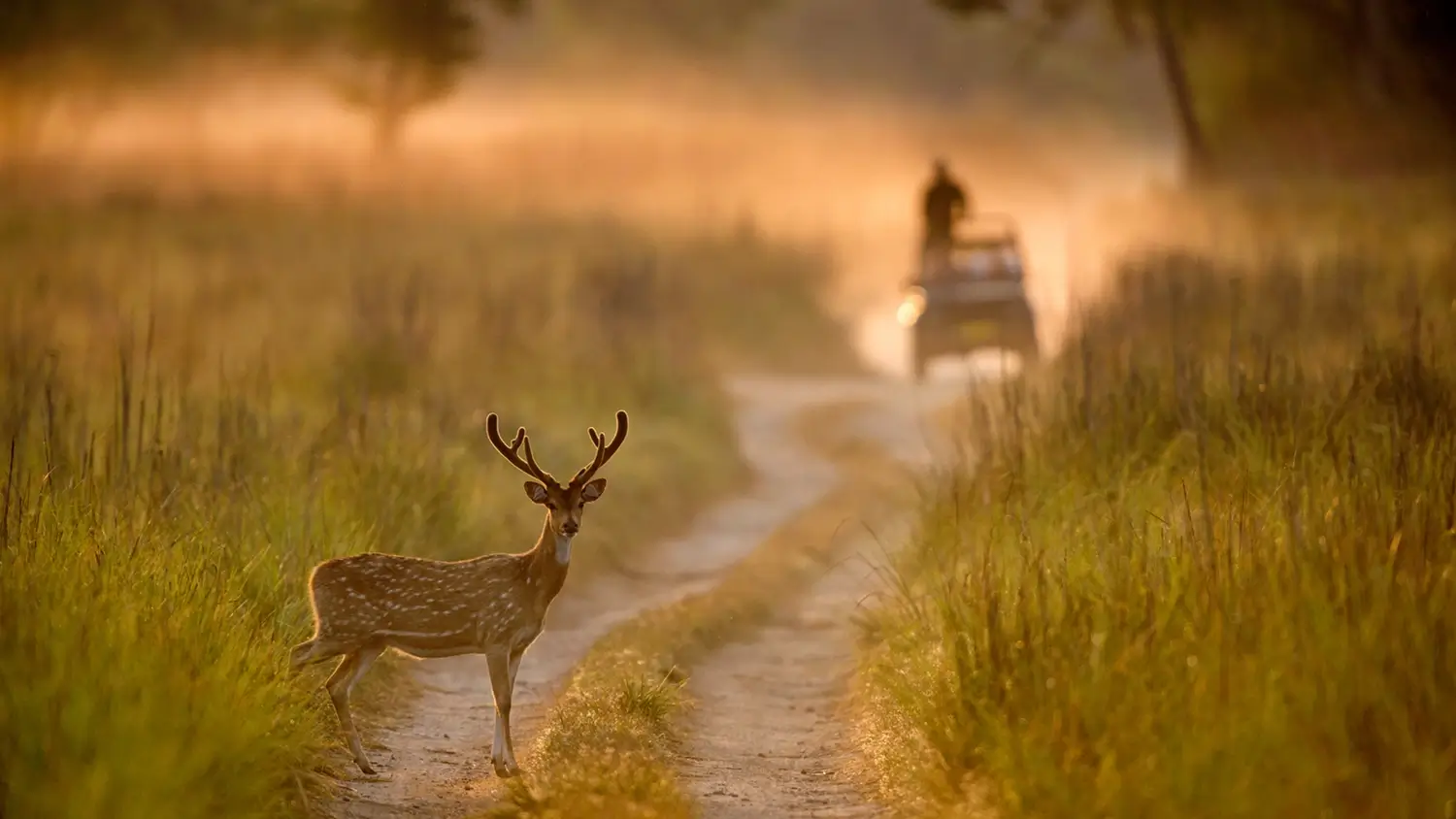
The park’s misty meadows, dense sal forests, and golden sunrise landscapes make it one of the most photogenic wildlife reserves in India.
Wildlife photographers frequently capture images of:
- Bengal Tiger
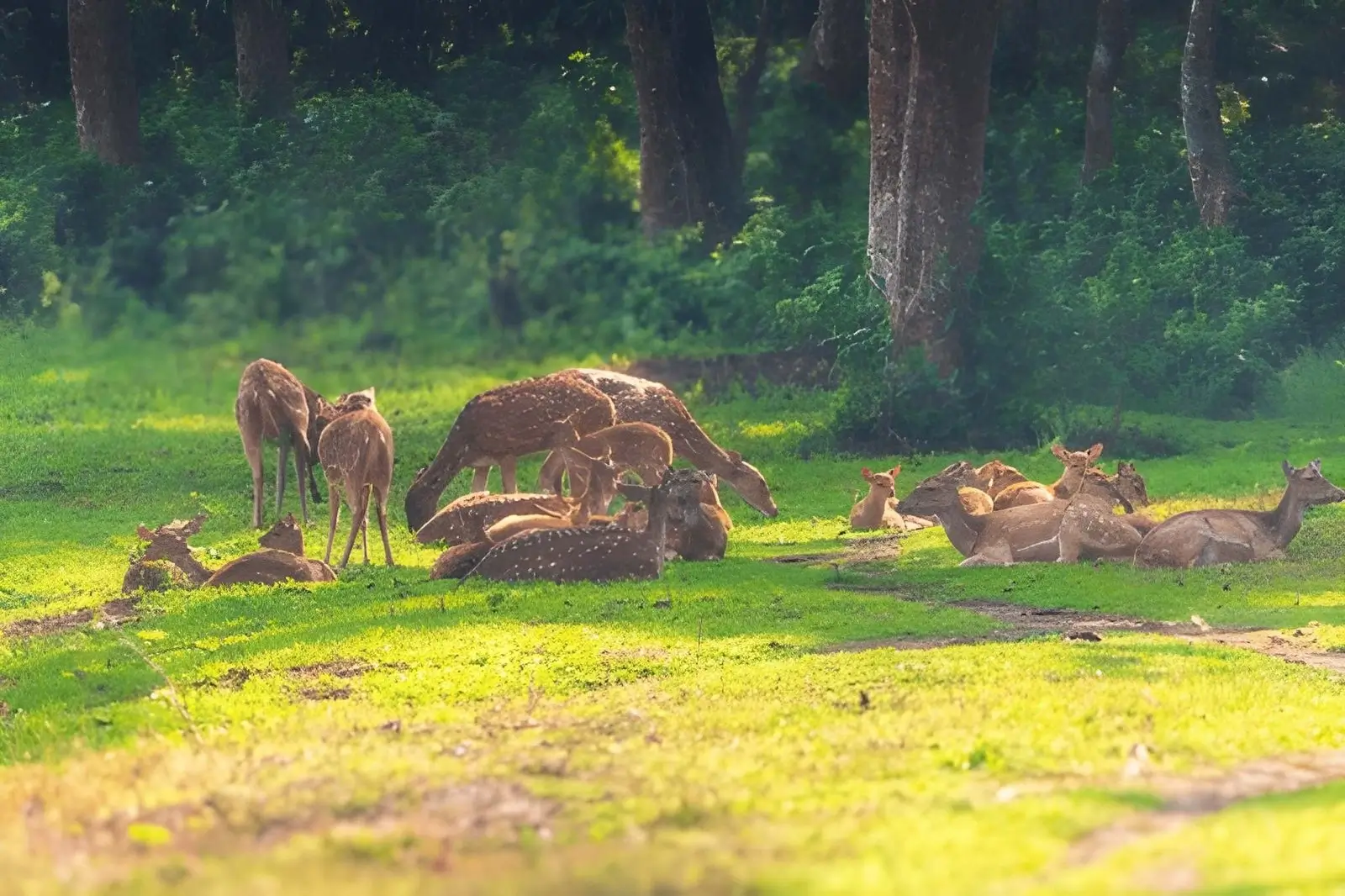
- Barasingha (Swamp Deer)
- Indian Gaur
- Jackals, foxes, and langurs
- Numerous bird species
The park is also credited with successfully saving the hard-ground barasingha, making it an important conservation success story.
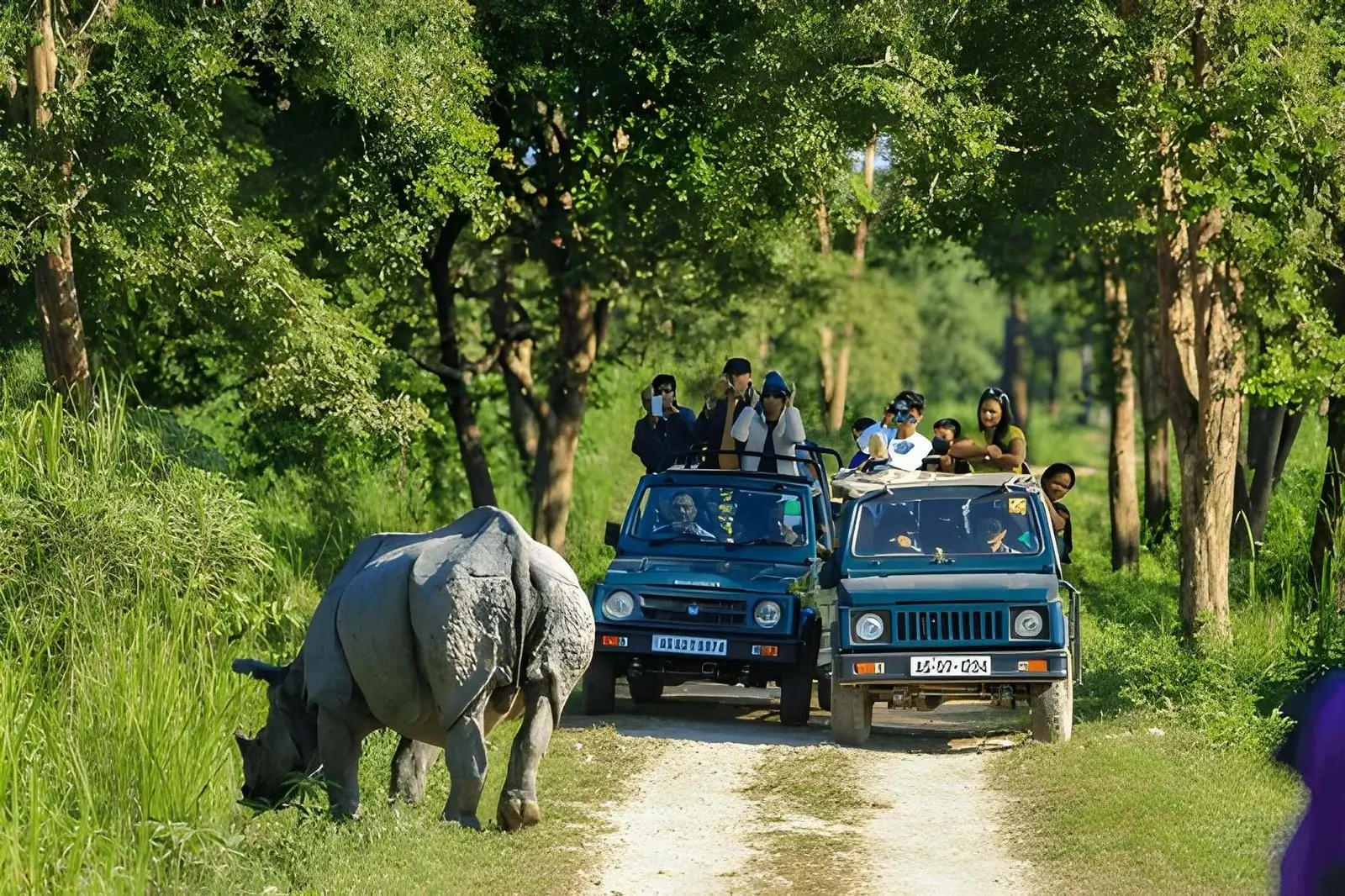
Located in Assam, Kaziranga National Park is a UNESCO World Heritage Site and one of the most important wildlife reserves in Asia.
The park is globally famous for protecting the Indian One-Horned Rhinoceros, which makes it a dream destination for wildlife photographers.
Kaziranga’s ecosystem is shaped by the Brahmaputra River and several tributaries, including the Diphlu and Mora Dhansiri rivers. The wetlands, grasslands, and forests support a remarkable variety of wildlife.
Photographers visiting Kaziranga may capture:
- One-horned rhinoceroses
- Wild Water Buffalo
- Asian Elephant
- Bengal tigers
- Migratory and resident birds
The best time for wildlife photography in Kaziranga is between November and April, when the park remains open and wildlife sightings are frequent.
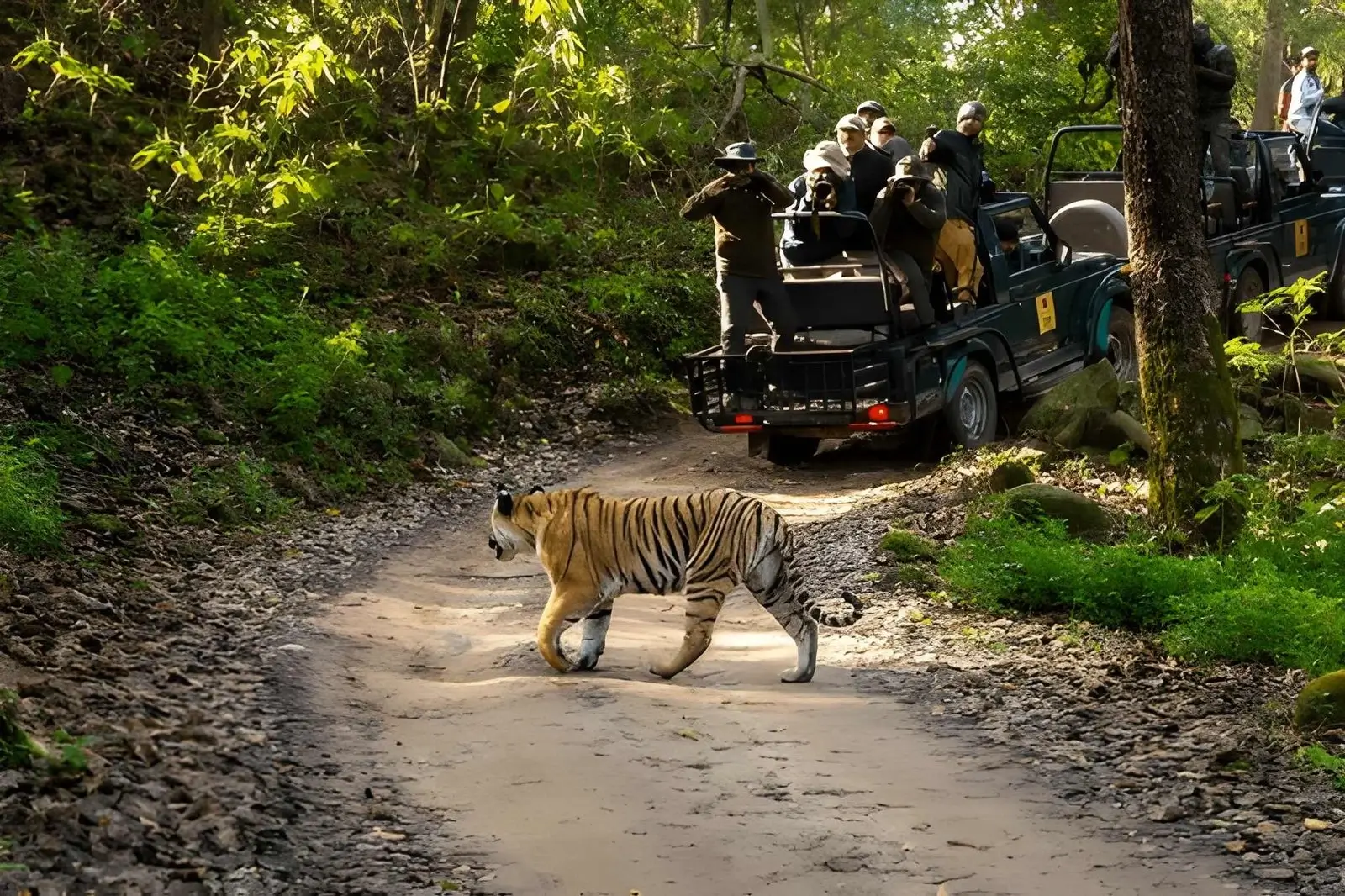
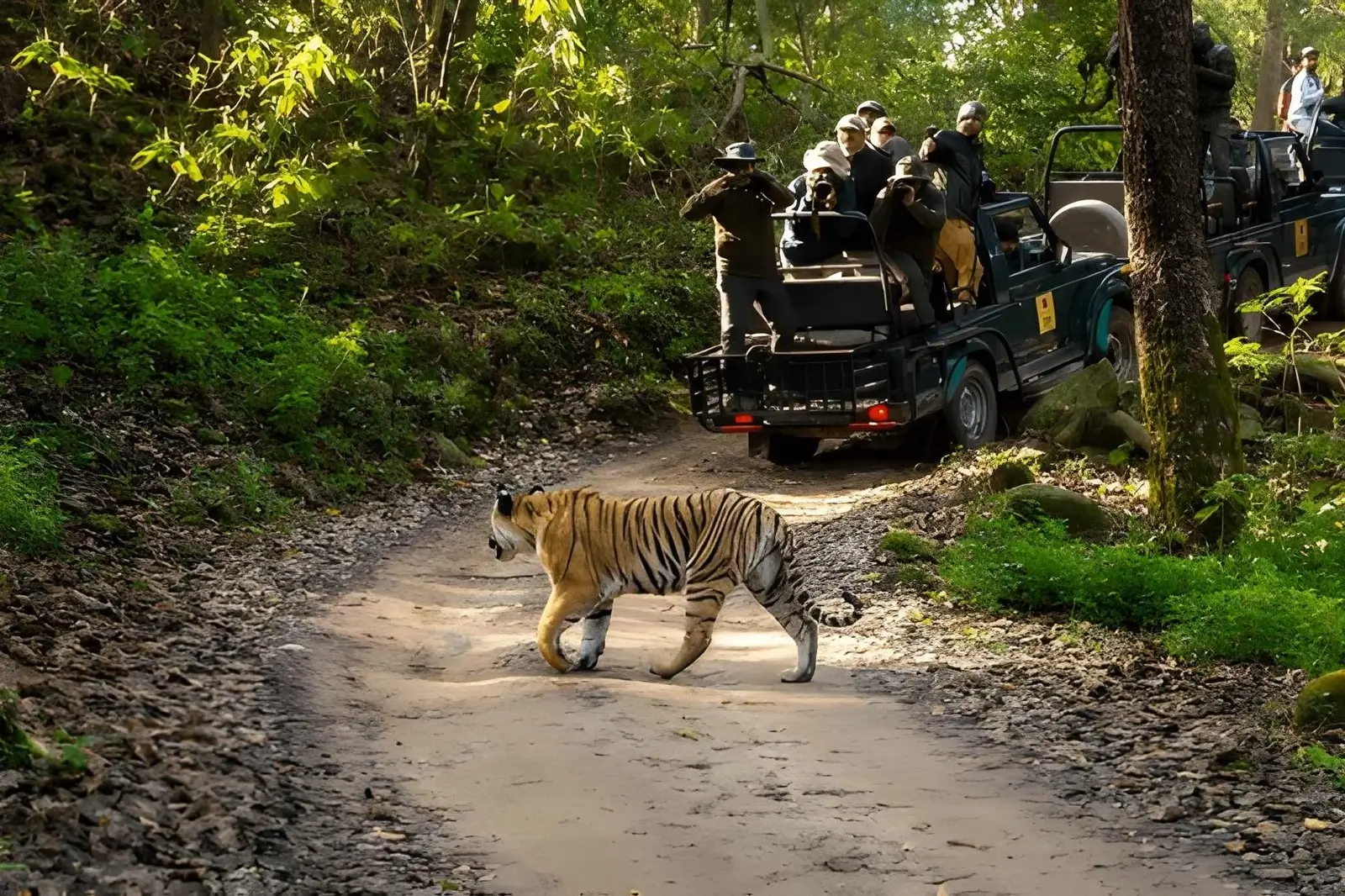
Photography insight : Wildlife photography success depends on patience, light conditions, and multiple safari drives. Early morning safaris offer soft light and higher animal activity, making them ideal for photography.
To make the most of wildlife photography in Indian national parks:
- Use a telephoto lens (300mm or above) for safe close-ups
- Prefer early morning safaris for better light and activity
- Shoot in burst mode for action shots
- Keep camera settings ready for sudden movement
- Avoid flash photography to prevent disturbing animals
Planning and patience often matter more than equipment.
- October to February : Best for landscapes and pleasant conditions
- March to June : Best for wildlife sightings (animals near water sources)
- Monsoon : Limited access but lush landscapes
Timing plays a crucial role in determining both light quality and animal visibility.
Wildlife photography in India is not just about capturing animals; it is about understanding movement, light, and behaviour within natural ecosystems. Whether it’s a tiger emerging from the forest in Bandhavgarh or elephants moving through Corbett’s grasslands, each moment is unpredictable and unique. The right location, timing, and patience often make the difference between an average shot and a memorable one.
For travellers planning a wildlife photography trip, choosing the right park and safari schedule can significantly improve both sightings and photographic opportunities.




 Packages
 +91 9212777224