5 Best Bird Watching Destinations in India: Top National Parks for Birding
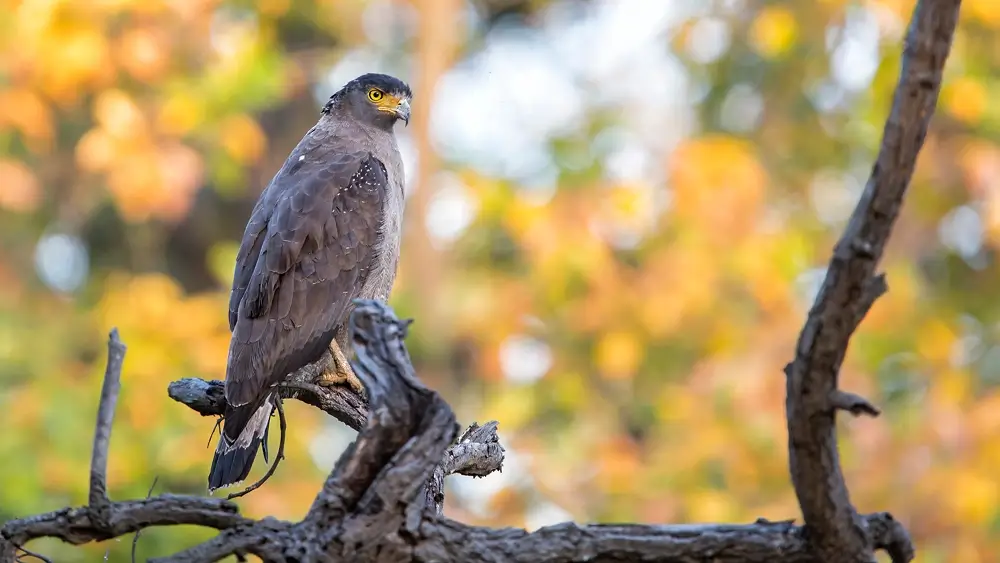
Bird watching in India offers an extraordinary experience because few countries match its diversity of habitats and birdlife. From Himalayan foothills and vast wetlands to mangrove forests and tropical evergreen jungles, the country supports an exceptional range of bird species throughout the year.
India is home to more than 1300 species of birds, making it one of the most important birding destinations in Asia. The country also lies along major migratory flyways, attracting birds that travel thousands of kilometres from Central Asia, Siberia, Europe, and the Arctic regions during winter.
Which are the best birdwatching destinations in India?
Some of the top birding destinations include:
- Keoladeo National Park
- Jim Corbett National Park
- Sundarbans National Park
- Kaziranga National Park
- Periyar National Park
How to Choose the Right Birdwatching Destination in India?
Each destination offers a different birding experience:
- Best for migratory birds & wetlands : Keoladeo National Park
- Best for mixed wildlife + birding : Corbett, Kaziranga
- Best for unique ecosystems : Sundarbans (mangroves)
- Best for endemic species : Periyar (Western Ghats)
The right choice depends on whether you prefer wetlands, forests, or river ecosystems.
Keoladeo National Park (Bharatpur), Rajasthan
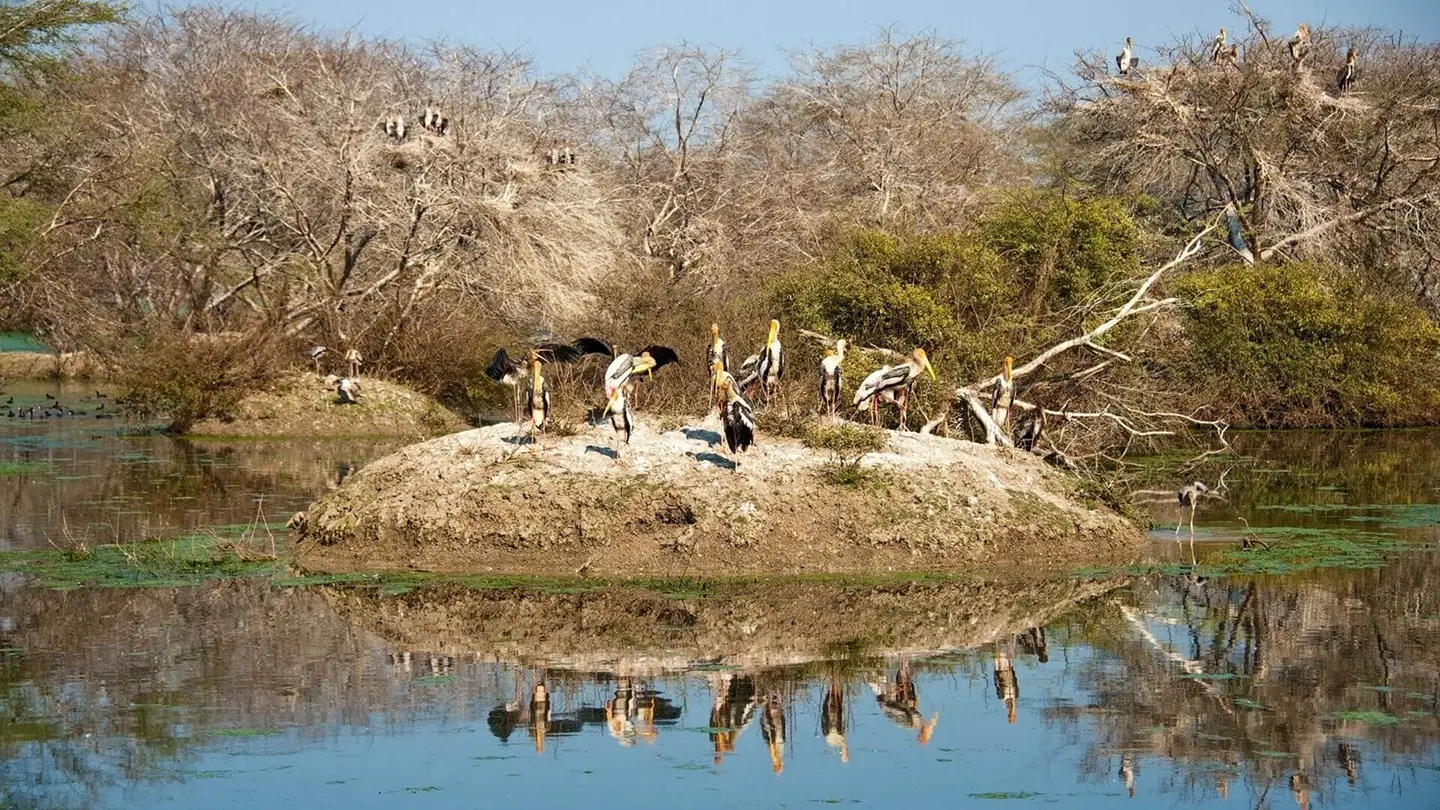
One of the most famous birdwatching locations in India, Keoladeo National Park, popularly known as Bharatpur Bird Sanctuary, is a UNESCO World Heritage Site and one of the most important wetlands for bird conservation in Asia.
Located in Rajasthan, this 29 sq km wetland ecosystem consists of marshes, woodland patches, grasslands, and shallow lakes that create ideal habitats for a wide range of resident and migratory birds.
The park hosts more than 370 species of birds, making it one of the richest birding sites in the country. Historically, it was also known as one of the few wintering grounds for the rare Siberian crane, although sightings are now extremely rare.
Why it stands out: One of India’s most accessible birding sites with high density of migratory species in a compact area.
Commonly sighted birds include:
- Painted Storks
- Pelicans
- Sarus Cranes
- Herons and Egrets
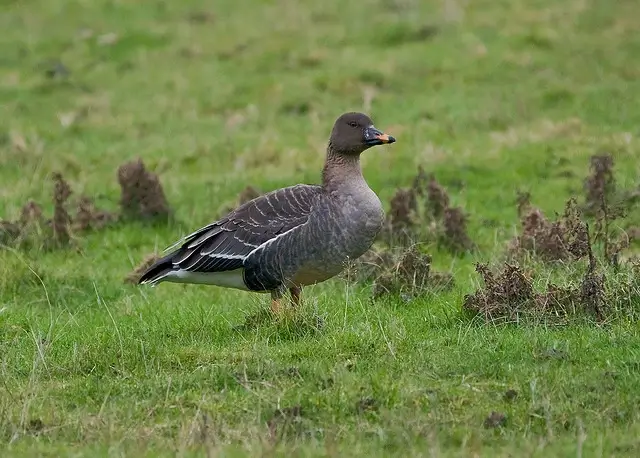
- Ducks and Geese
- Kingfishers
Because of its well-managed trails and wetlands, Bharatpur allows visitors to explore the sanctuary by cycle rickshaw, bicycle, or on foot, making it one of the most accessible birding destinations in India.
Best time for bird watching: October to March.
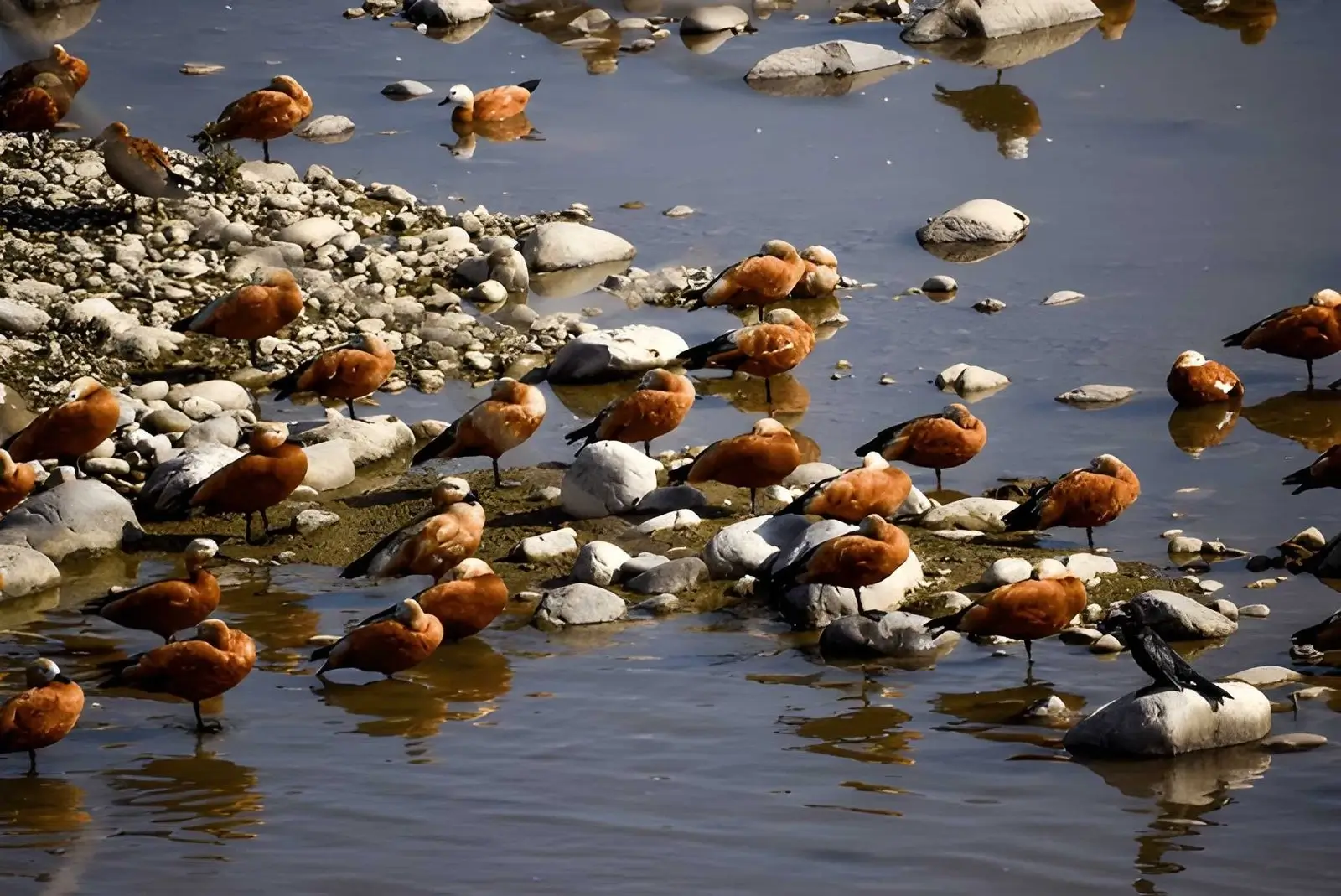
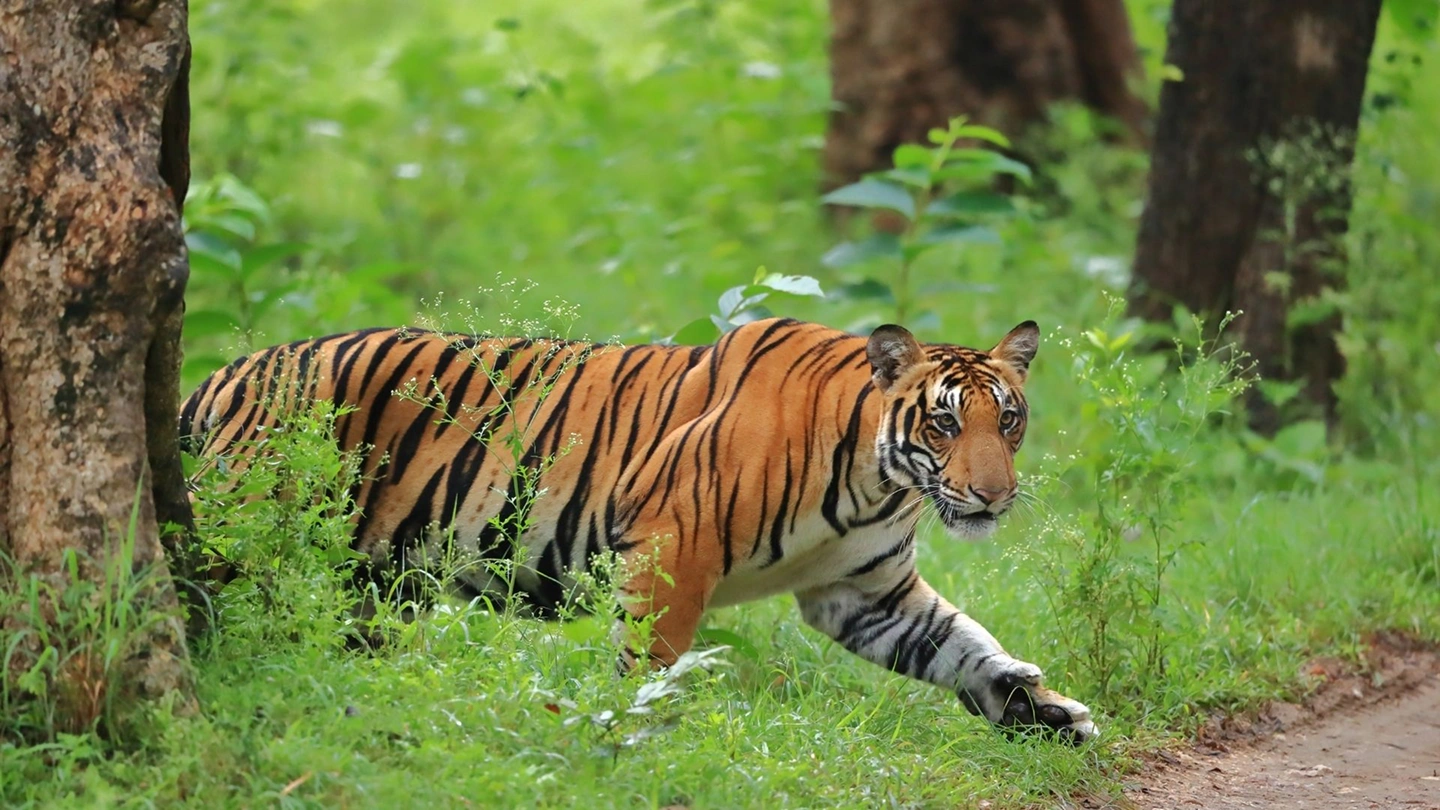
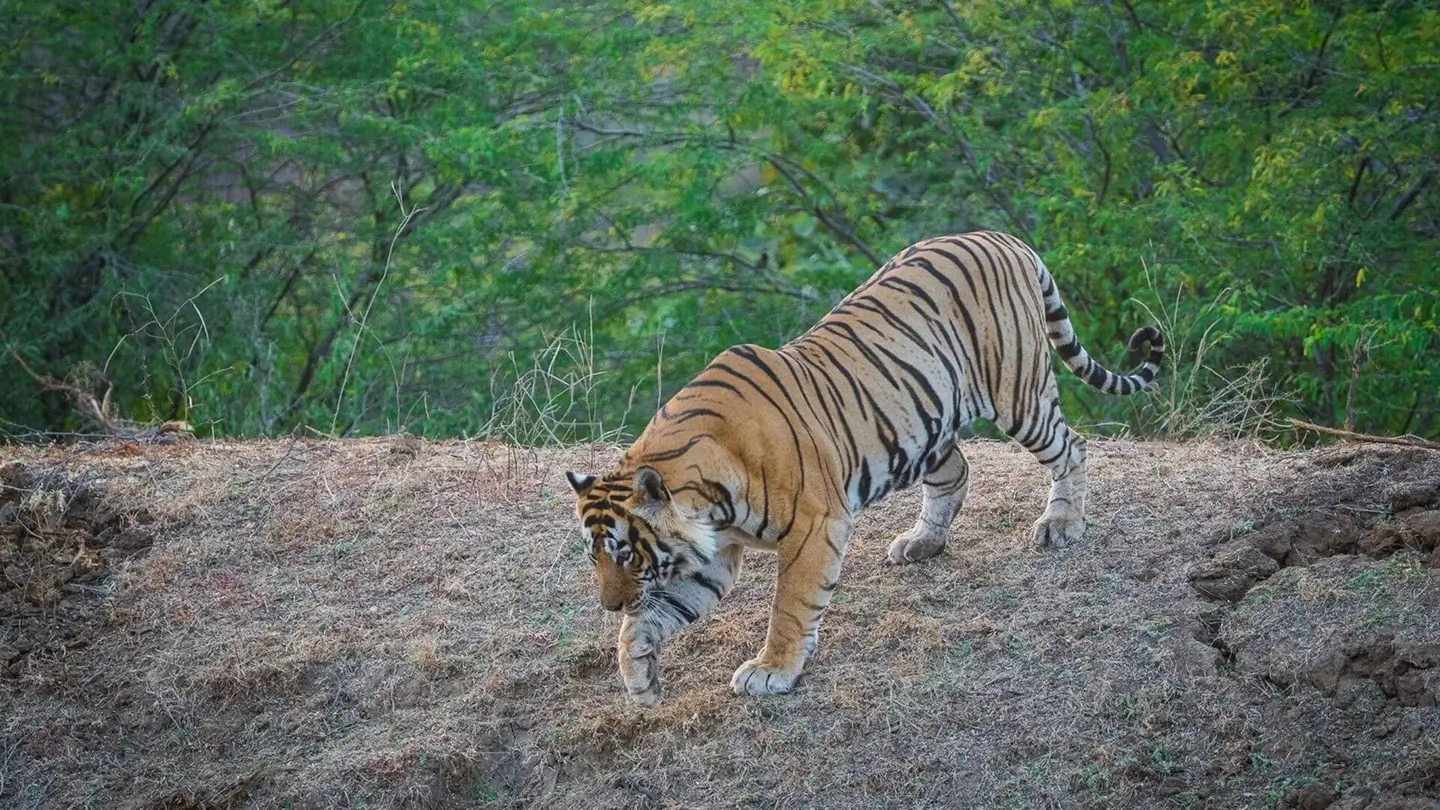
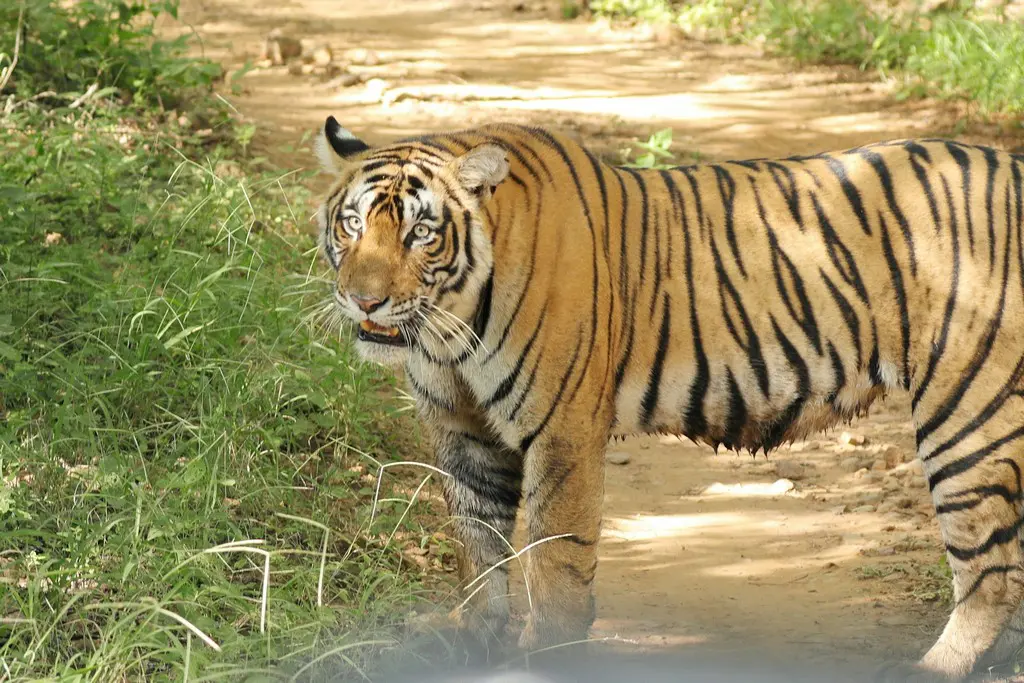
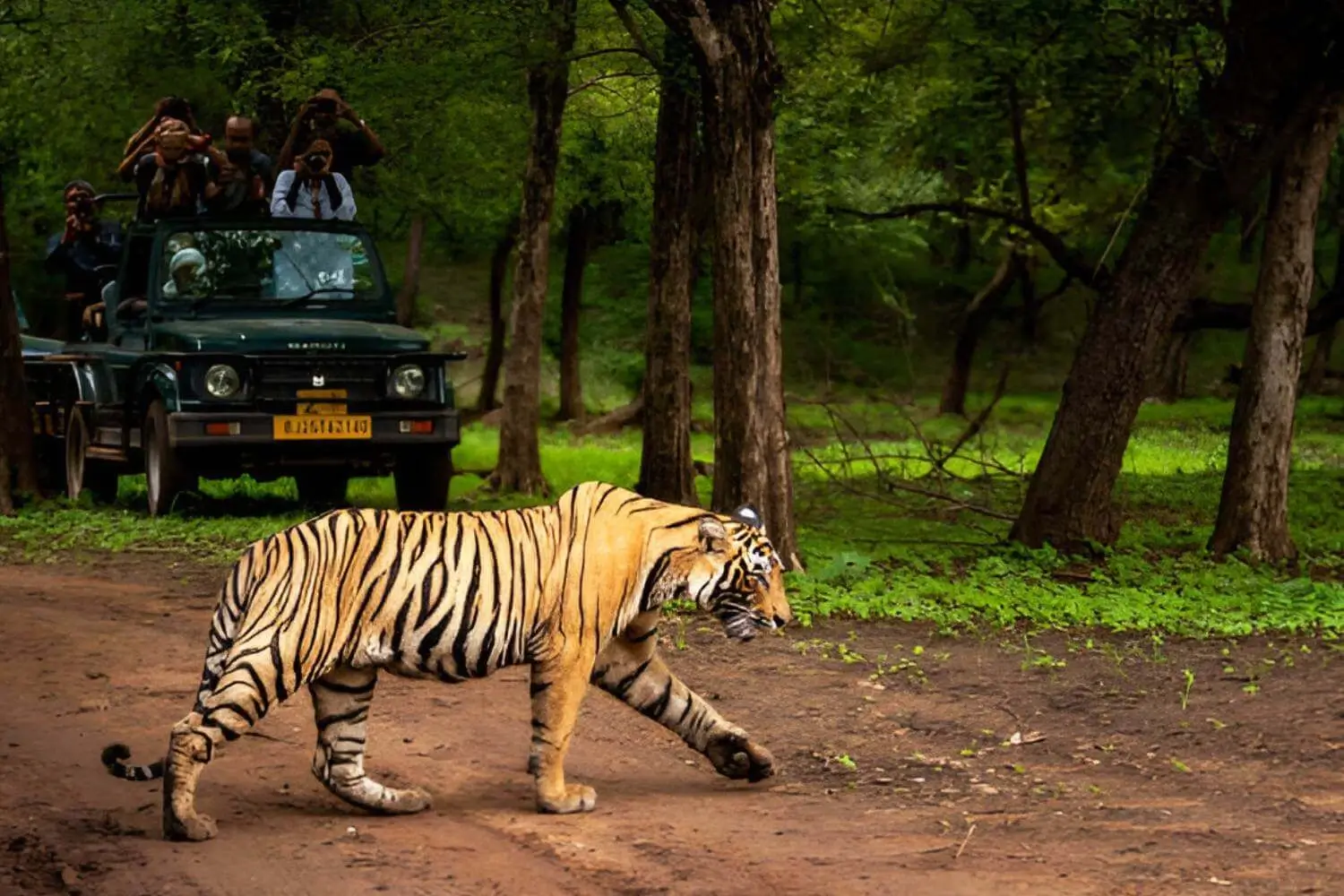
Although widely known for its tiger population, Jim Corbett National Park is also one of the most important birding destinations in northern India. Situated near Ramnagar in the Himalayan foothills, Corbett hosts more than 600 species of birds, including resident forest birds as well as migratory species that arrive during winter.
The park’s diverse habitats, including riverbanks, grasslands, wetlands, and dense forests, support an impressive variety of birds.
Why it stands out: One of the richest birding regions in North India, with over 600 species across varied habitats.
Some notable species seen in Corbett include:
- Great Hornbill
- Crested Serpent Eagle
- Pallas's Fish Eagle
- Black-necked Stork
- Darters and Cormorants
- Wagtails and Sandpipers
Bird watching is particularly rewarding along the Kosi River belt and Dhikala grasslands, where both raptors and waterbirds can often be spotted.
For bird enthusiasts visiting the park, early morning safaris offer the best chances to observe bird activity.
Best time for bird watching: November to April.
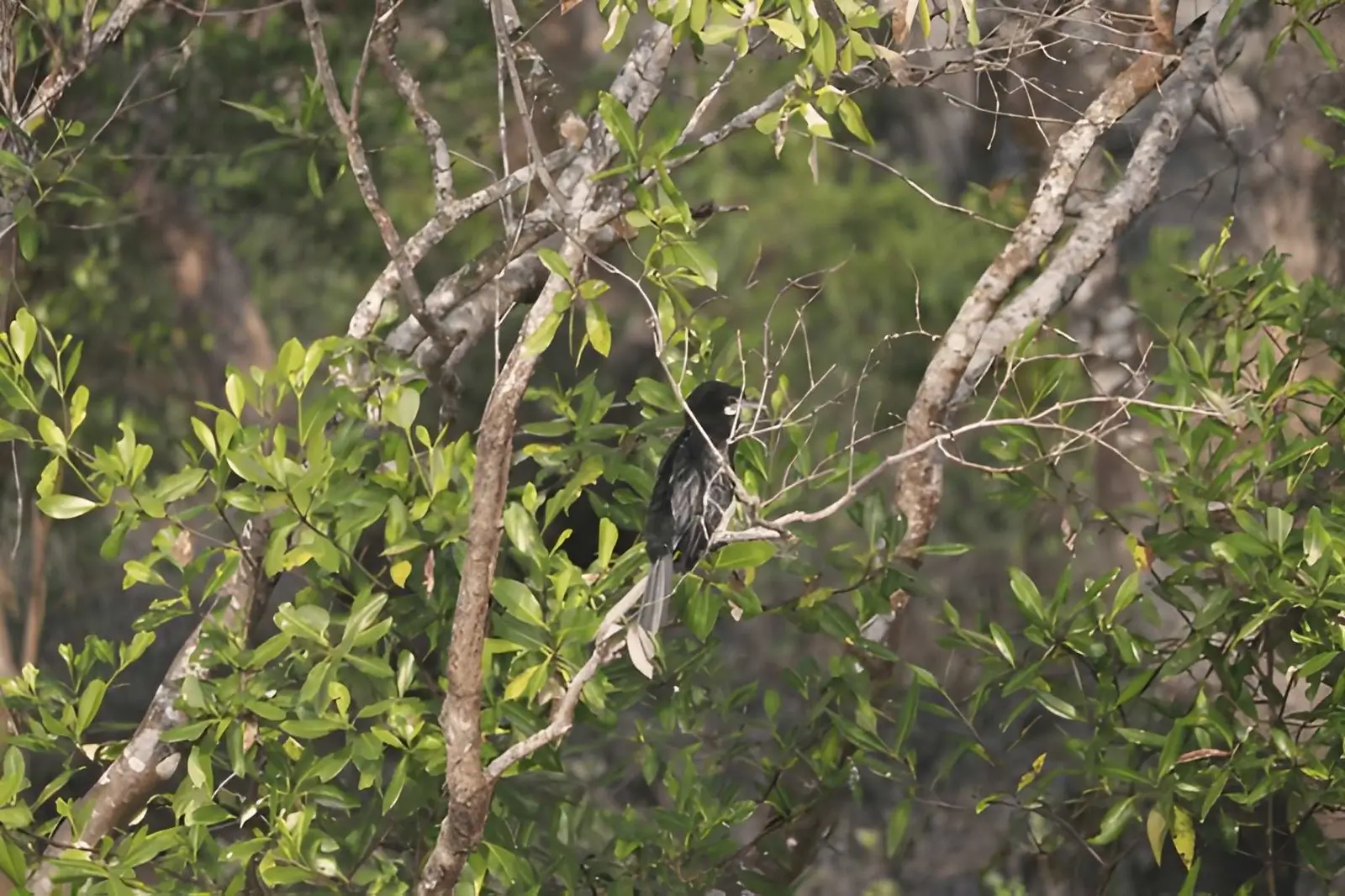
The Sundarbans National Park, located in the Ganges–Brahmaputra delta of West Bengal, is one of the most unique ecosystems in the world. Known for its vast mangrove forests and intricate waterways, the park also supports a rich variety of bird species.
Spread across over 2,500 sq km, the Sundarbans landscape consists of tidal rivers, mudflats, mangrove forests, and estuarine islands. These habitats attract many waterbirds and coastal species.
Why it stands out: Unique mangrove ecosystem offering rare coastal and estuarine bird species.
Birds commonly observed in the Sundarbans include:
- Brahminy Kite
- White Ibis
- Kingfishers
- Herons and Egrets
- Curlews and Terns
- Lesser Adjutant Stork
Since the region is largely water-based, boat safaris through mangrove channels provide the best opportunities for bird watching as well as wildlife observation.
The Sundarbans ecosystem is shared between India and Bangladesh, forming the largest mangrove forest in the world.
Best time for bird watching: September to March.
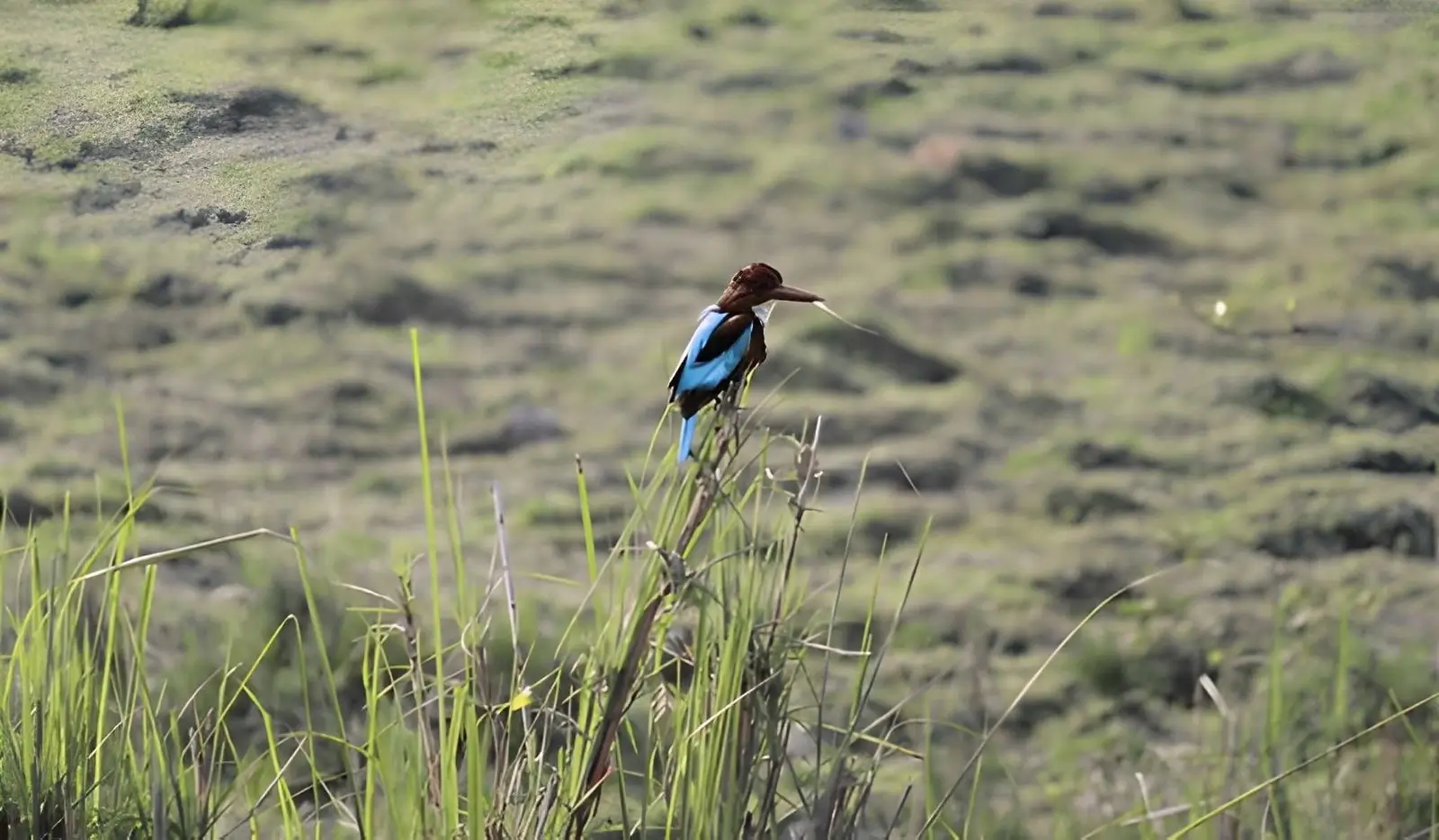
Located along the Brahmaputra River floodplains in Assam, Kaziranga National Park is internationally famous for protecting the one-horned Indian rhinoceros. However, it is also an outstanding destination for bird watchers.
The park’s mix of wetlands, tall grasslands, riverine forests, and marshes provides ideal habitats for numerous bird species. Kaziranga supports more than 480 species of birds and has been recognised as an Important Bird Area (IBA) due to its significance for bird conservation.
Why it stands out: Combines birding with large mammal sightings in open grassland landscapes.
Notable bird species found in Kaziranga include:
- Pallas's Fish Eagle
- Black-necked Stork
- Greater Adjutant Stork
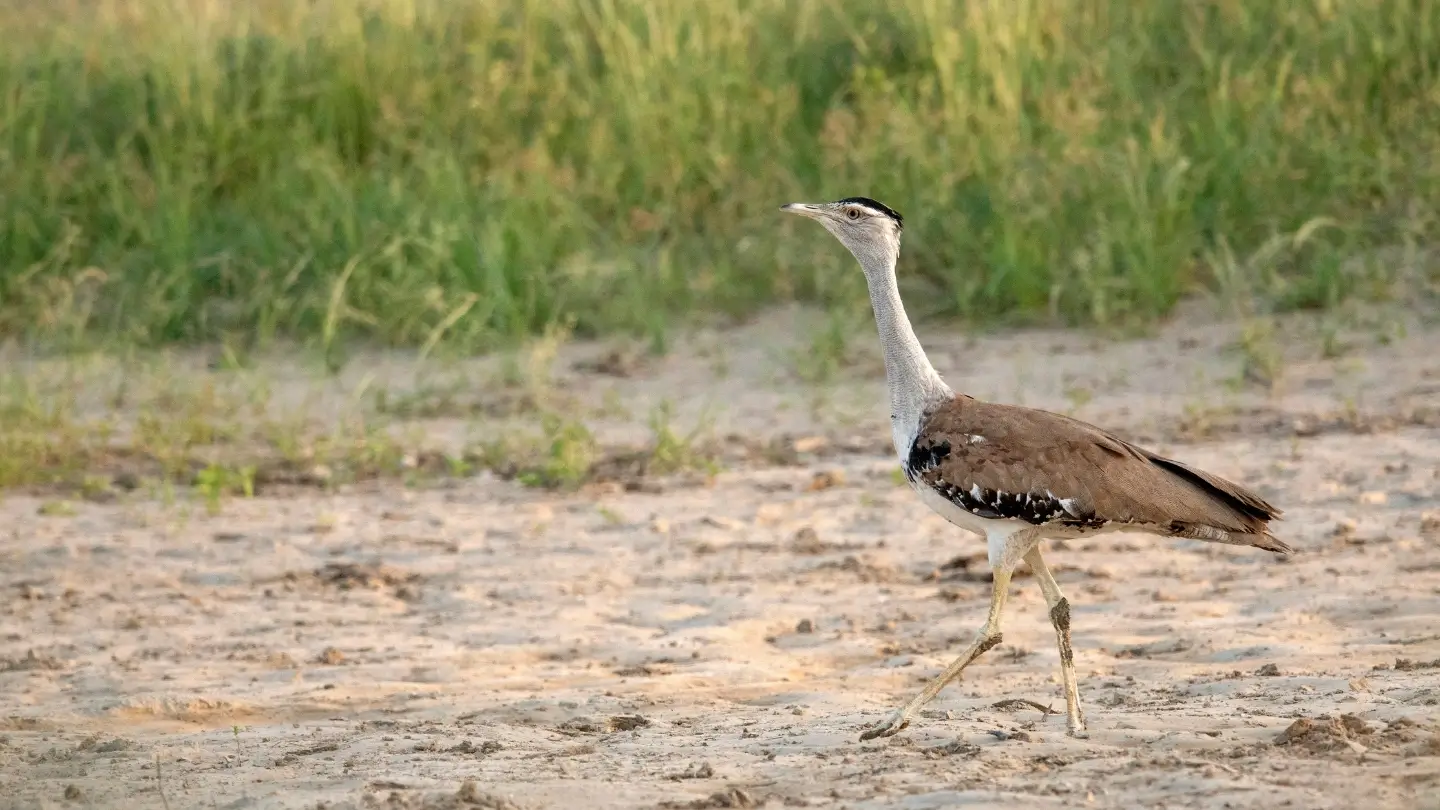
- Bengal Florican
- Grey-headed Fish Eagle
- Bar-headed Goose
Visitors can explore the park through jeep safaris and elephant safaris, which offer excellent opportunities to observe both birds and large mammals across the grassland landscape.
Best time for bird watching: November to April.
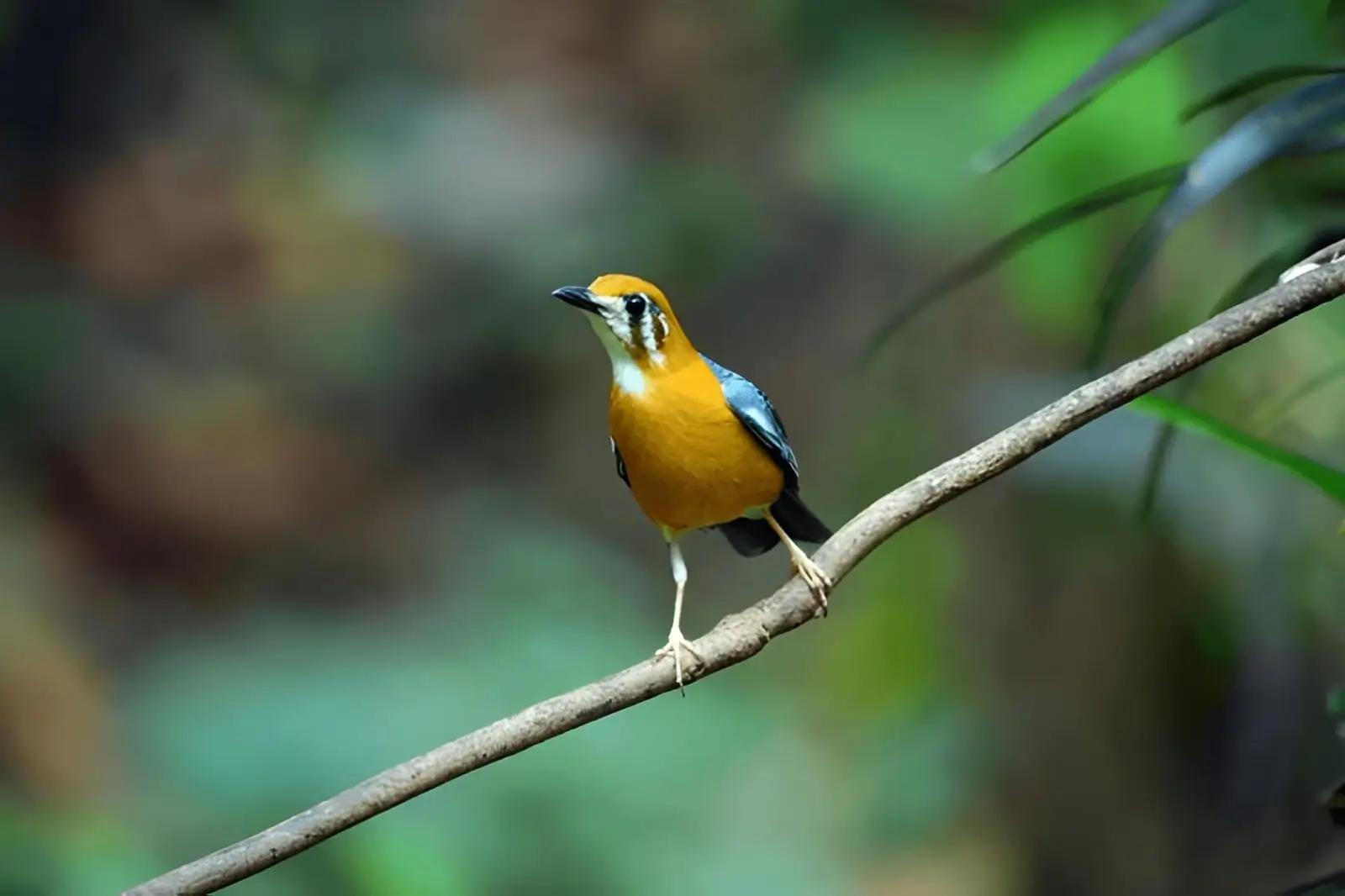
Situated in the Western Ghats of Kerala, Periyar National Park is one of the most scenic wildlife reserves in southern India and a rich habitat for birdlife. The park spreads across 777 sq km and features dense evergreen forests surrounding the picturesque Periyar Lake, which forms the centre of the reserve’s ecosystem.
Periyar is home to more than 330 species of birds, including several species endemic to the Western Ghats biodiversity hotspot.
Why it stands out: Ideal for spotting endemic bird species of the Western Ghats.
Birds frequently seen here include:
- Malabar Grey Hornbill
- Great Hornbill
- Racket-tailed Drongo
- Darters
- Kingfishers
- Cormorants
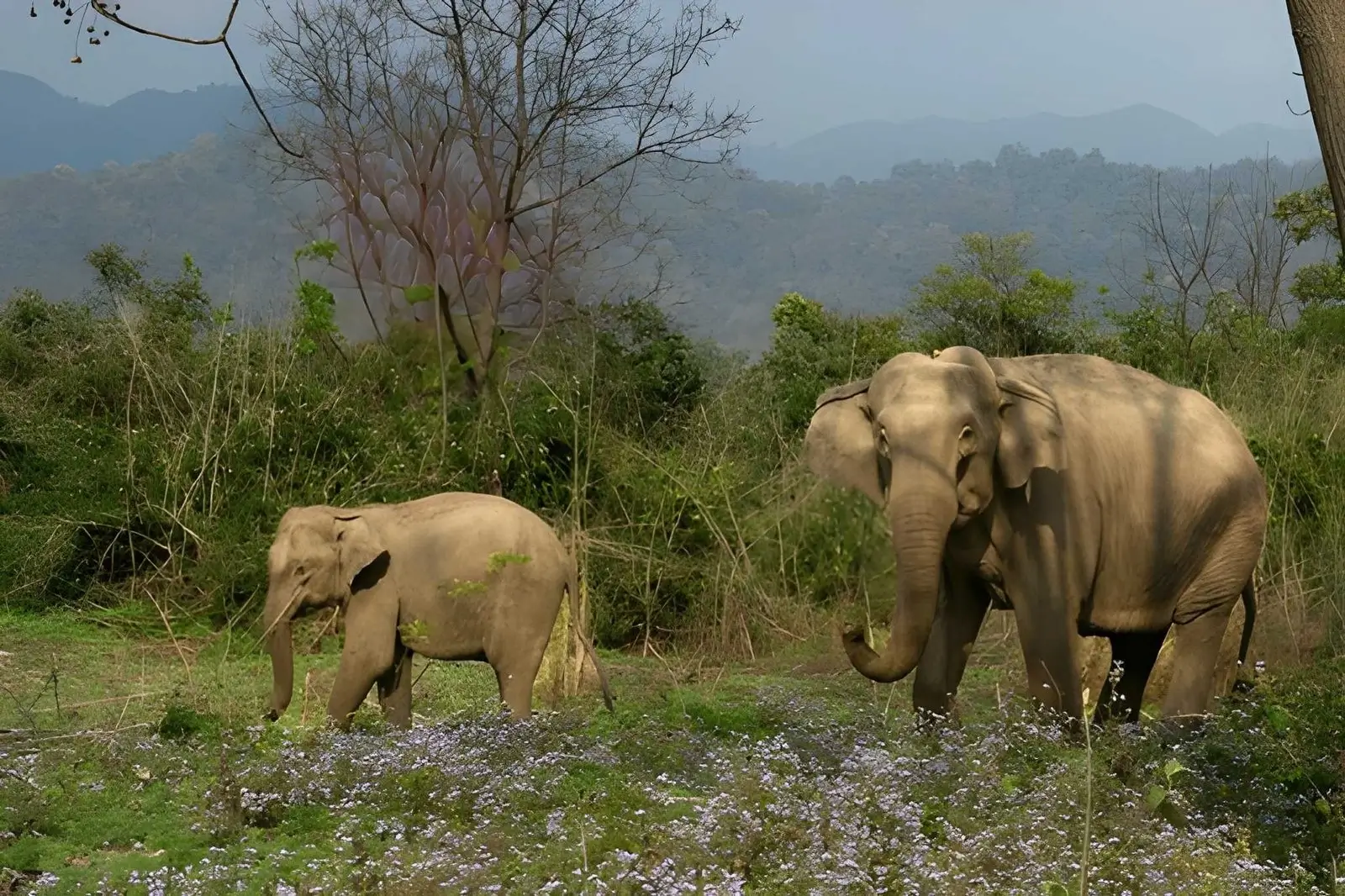
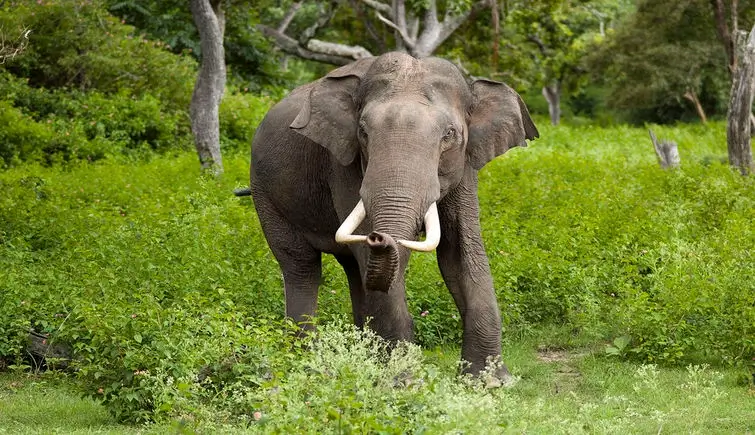
Boat cruises on Periyar Lake provide a unique vantage point for observing birds gathering along the forested shoreline, often alongside elephants and other wildlife.
Best time for bird watching: October to March.
- October to March : Peak season for migratory birds
- April to June : Good for resident species in forest regions
- Monsoon (July–September) : Limited accessibility but active breeding season
Seasonal patterns play a major role in determining species diversity and visibility.
Practical insight: Bird watching success depends heavily on timing, patience, and local guidance. Early mornings and late afternoons are typically the most active periods for bird activity.
Bird watching in India is less about ticking species off a list and more about understanding how different ecosystems support life. Whether it’s wetlands in Bharatpur, forests in Corbett, or mangroves in Sundarbans, each destination offers a completely different birding experience. Choosing the right location and timing can turn a simple visit into a deeply rewarding wildlife experience.






 Packages
 +91 9212777224