Endangered Animals in India: Causes, Conservation Efforts & National Parks
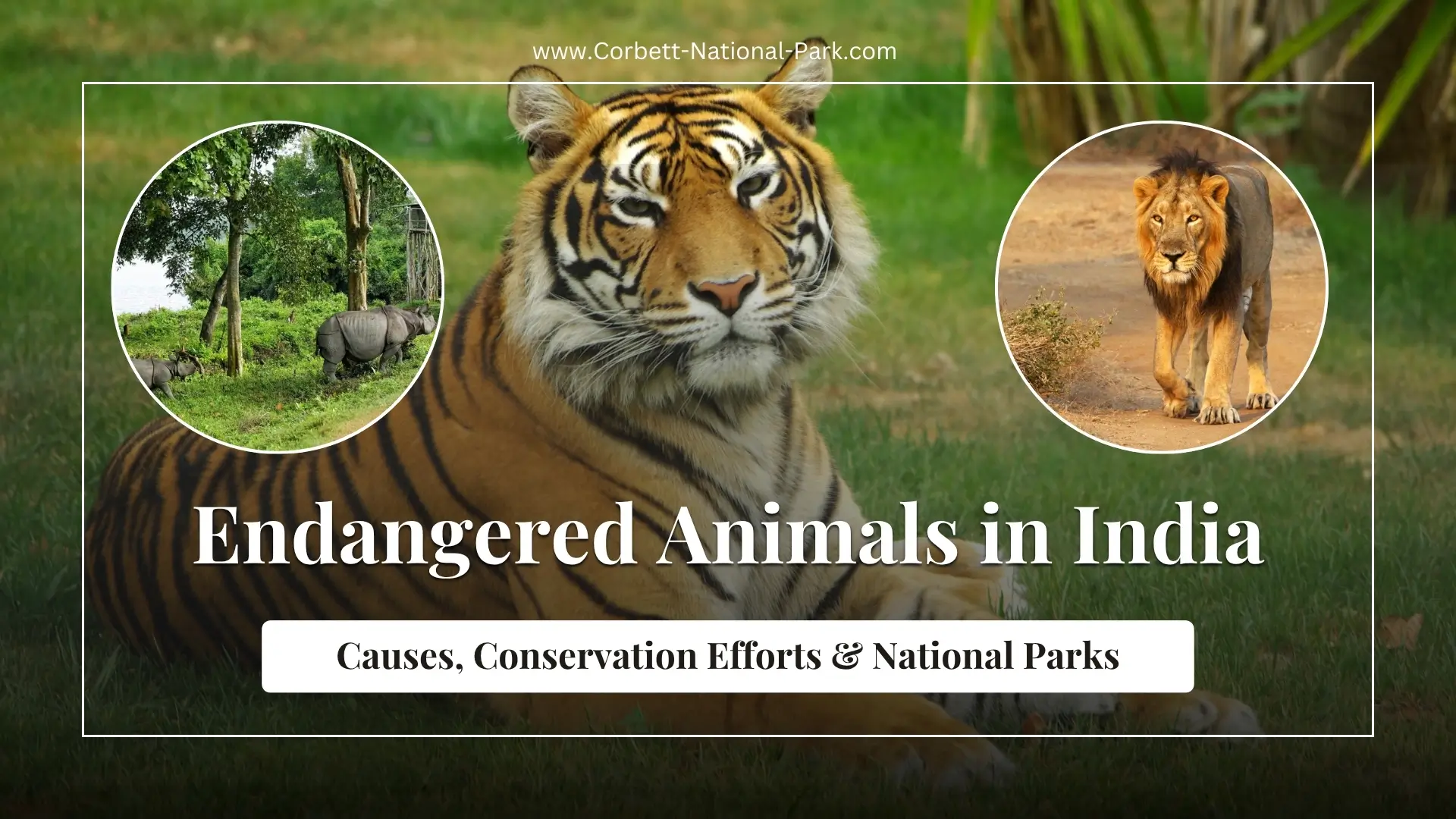
India is one of the world’s most biodiverse countries, yet many of its wildlife species are facing increasing threats. From habitat loss and climate change to poaching and human expansion, several animal populations have declined sharply over the past century.
Understanding why species become endangered and how conservation efforts work is essential to protecting India’s natural ecosystems.
What are endangered animals in India?
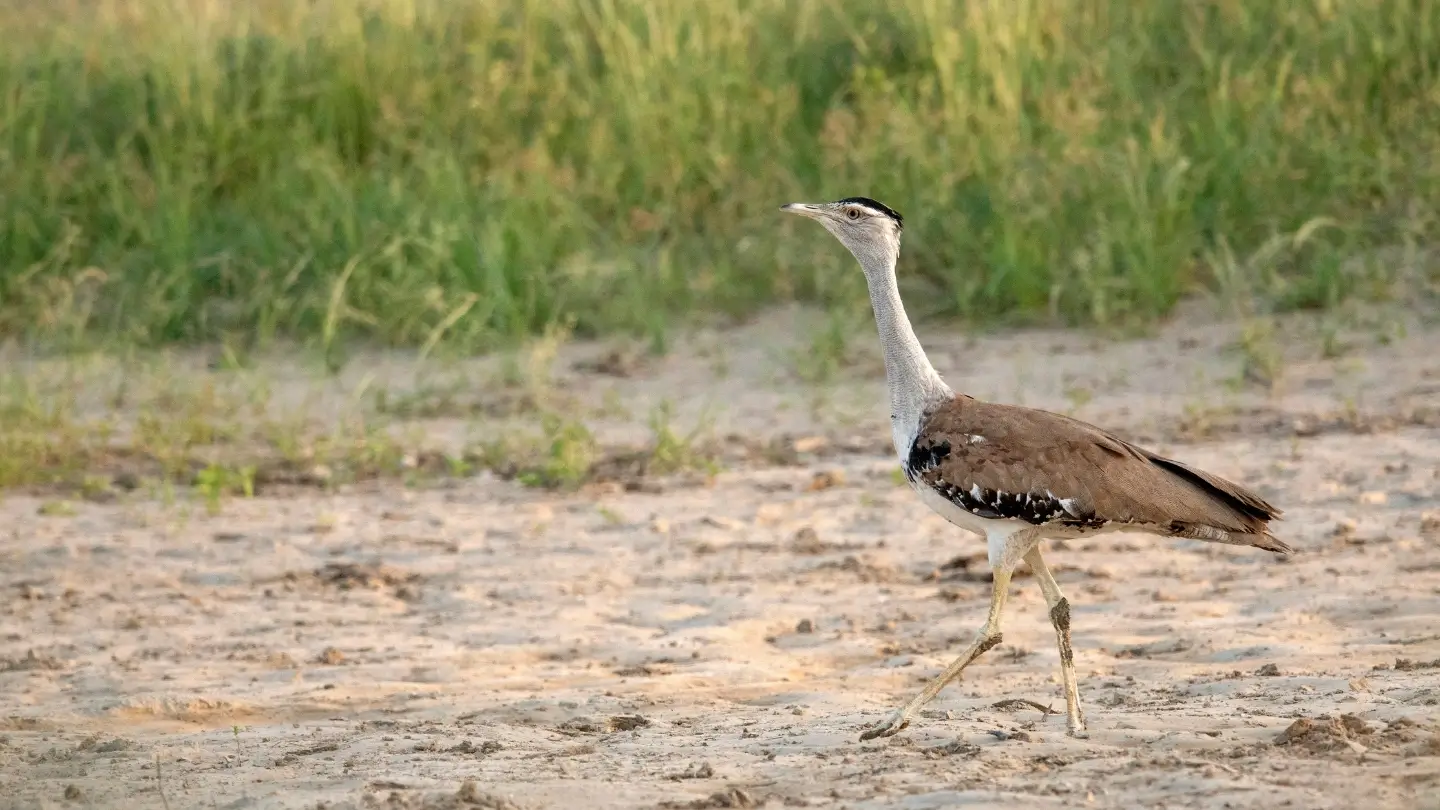
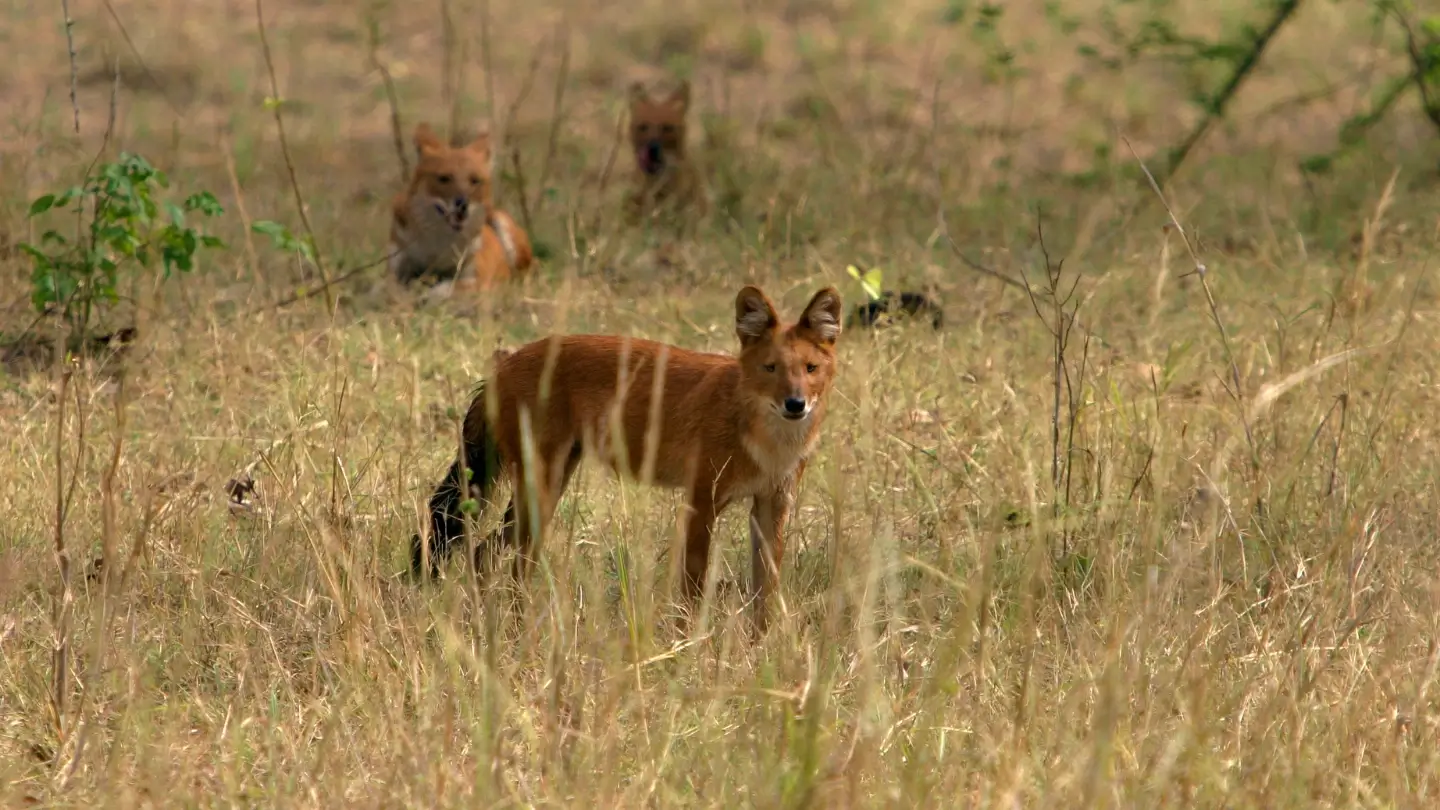
Endangered animals are species at high risk of extinction due to habitat loss, poaching, climate change, and environmental pressures.
Examples in India include:
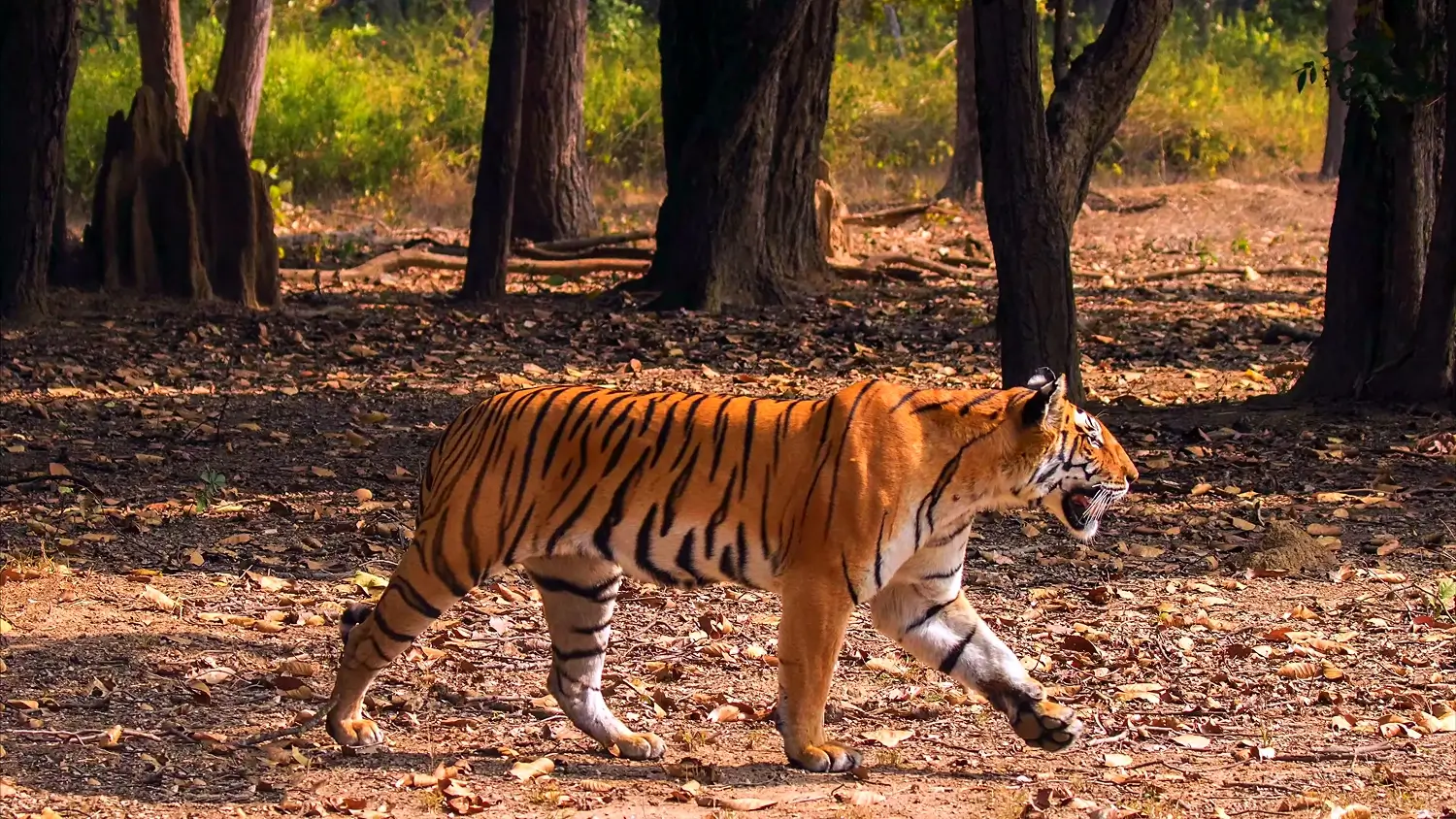
- Bengal tiger
- Asiatic lion
- Snow leopard
- One-horned Indian rhinoceros
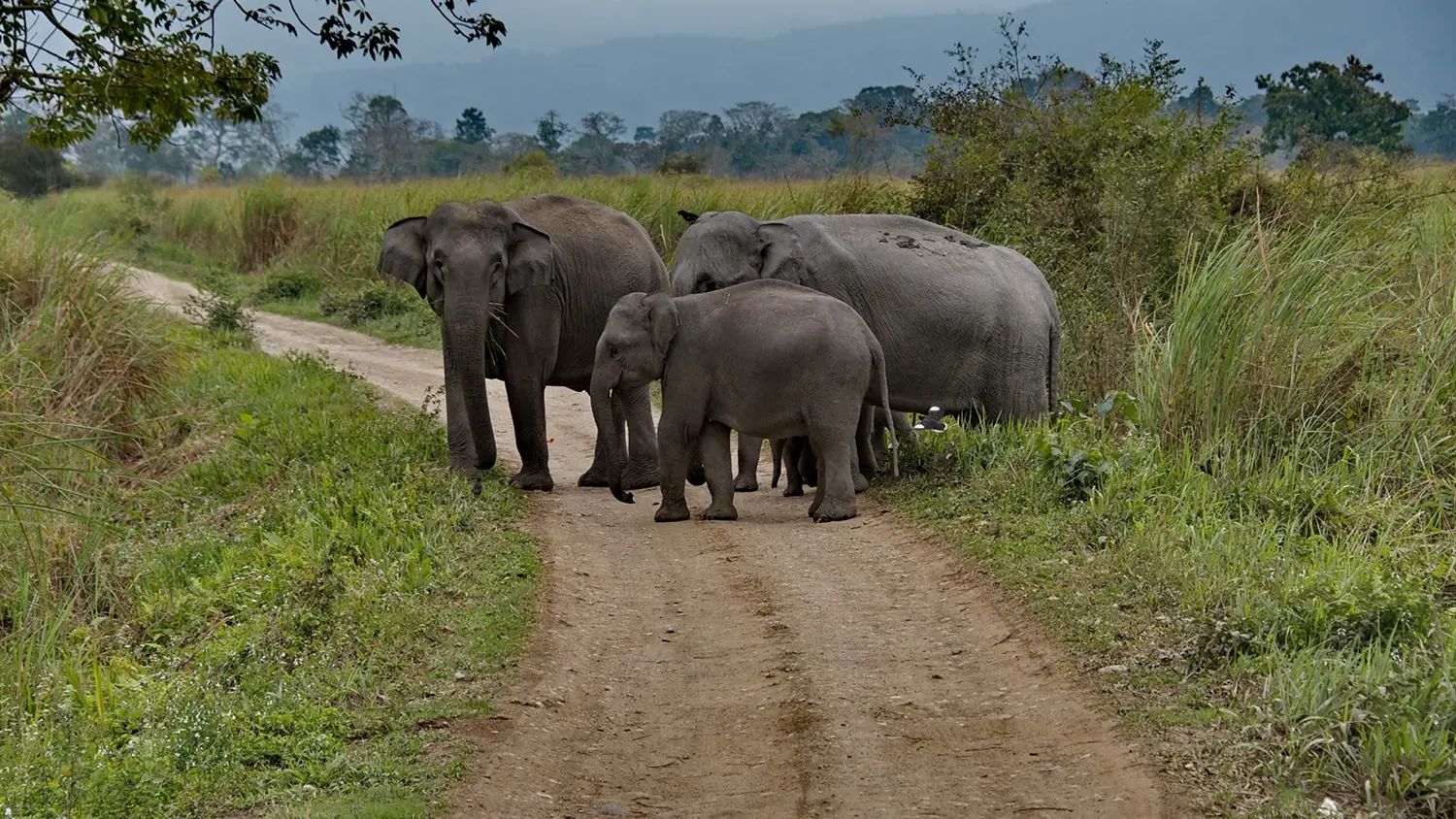
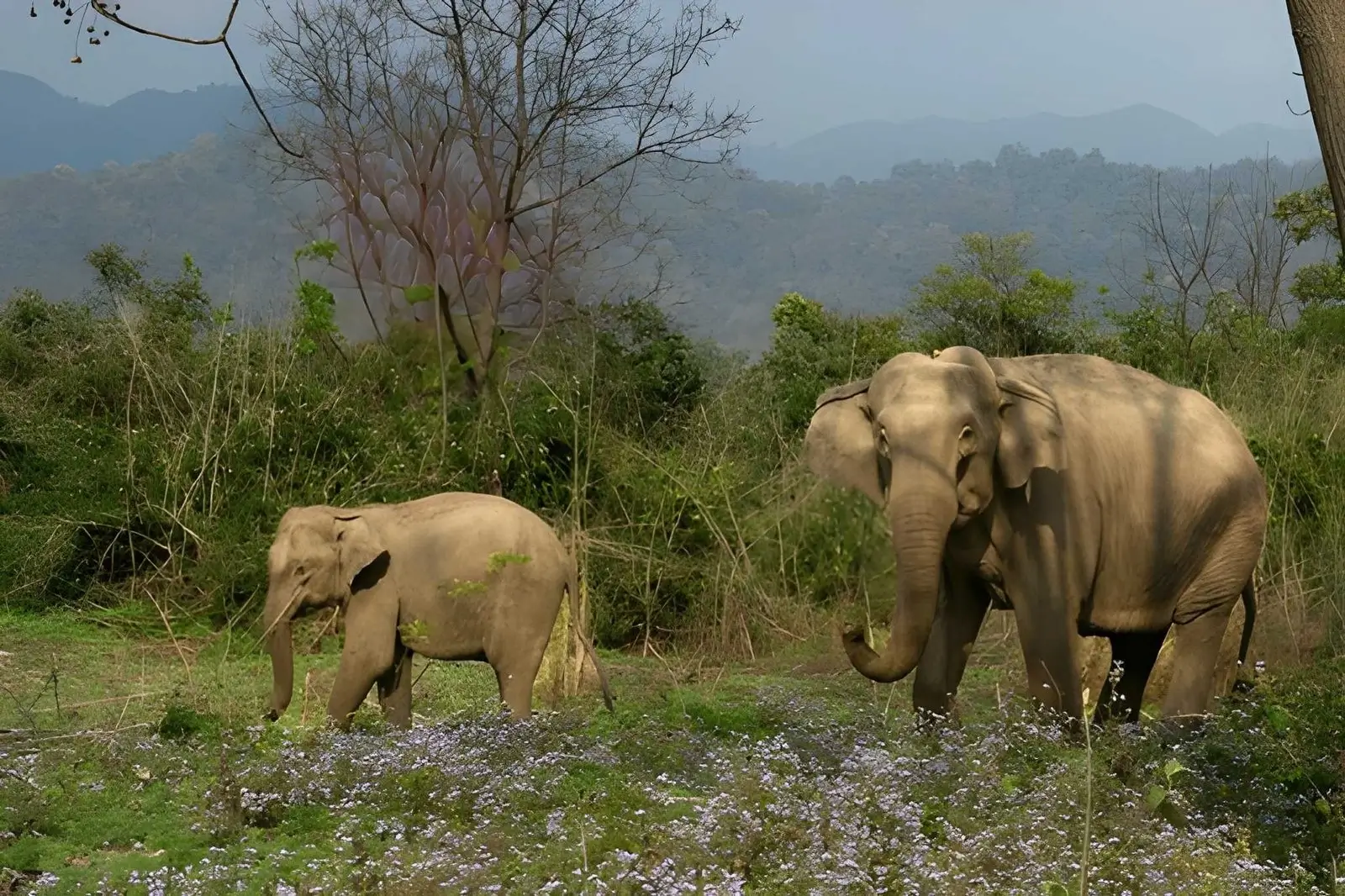
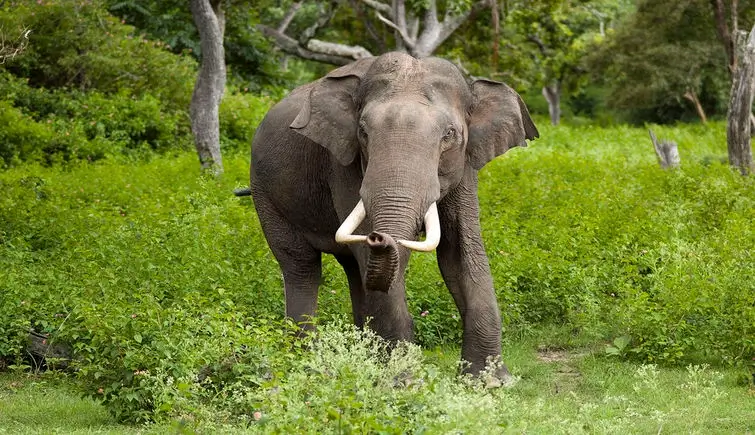
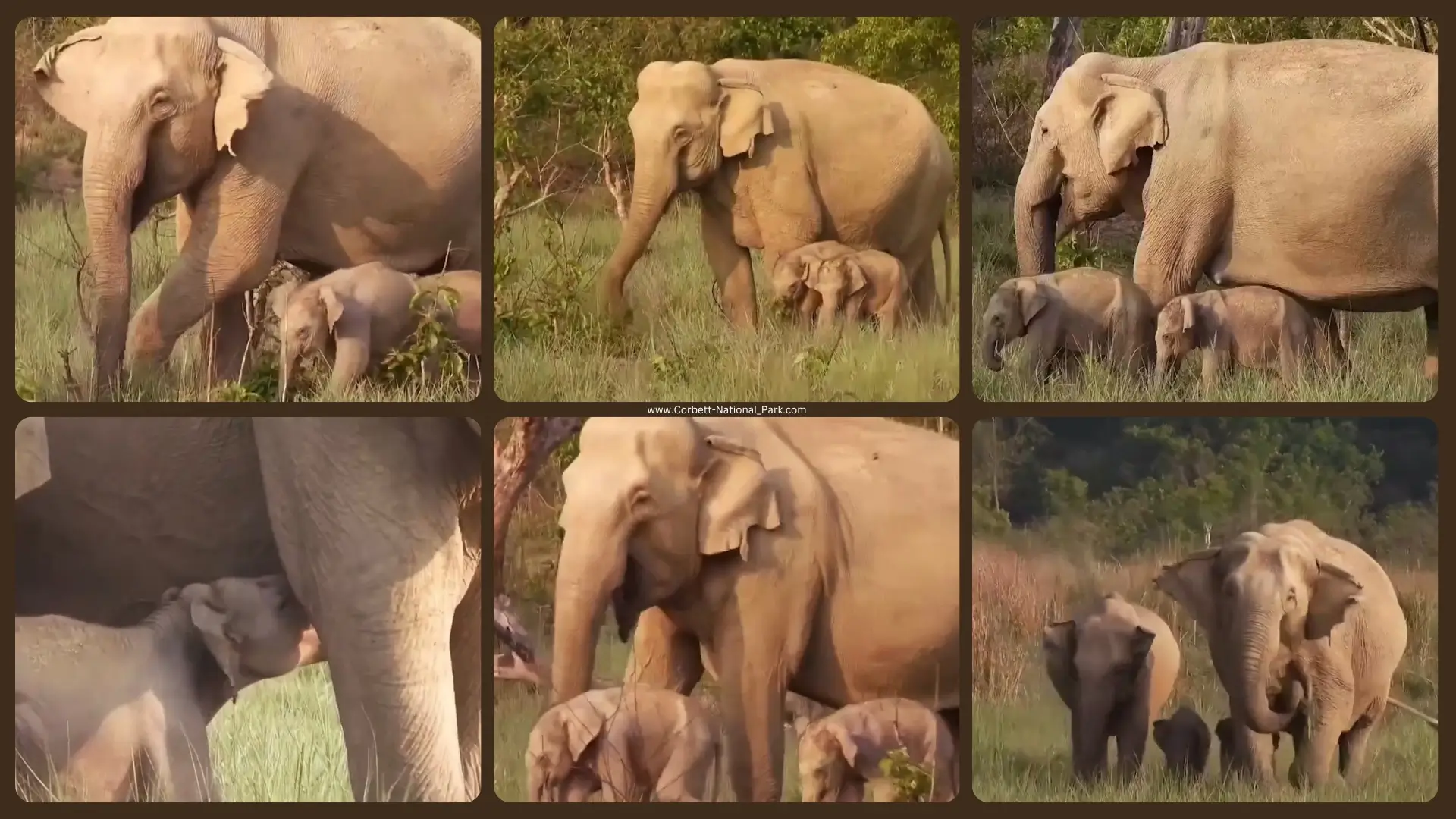
- Indian elephant
- Great Indian bustard
Understanding Extinction and Biodiversity Loss
Extinction is a natural process, but current biodiversity loss is occurring at an unusually rapid rate due to human activity. Over millions of years, species have appeared and disappeared due to environmental changes, geological events, and evolutionary processes. Fossil records show that Earth has experienced several large-scale extinction events that reshaped life on the planet.
Scientists have identified five major mass extinction events in Earth's history. In some of these events, nearly 90% of all species disappeared. One of the most well-known examples is the Cretaceous–Paleogene extinction event, which occurred about 66 million years ago and led to the extinction of the dinosaurs after a massive asteroid impact.
Today, however, scientists believe the planet may be entering a sixth mass extinction, driven largely by human activities.
Why this matters today : Unlike past extinction events, current species loss is directly linked to human impact, making conservation efforts more urgent than ever.
The Sixth Mass Extinction
Unlike earlier extinction events caused by natural disasters, the current loss of biodiversity is primarily linked to human actions. In India, these global pressures are visible through shrinking habitats, increasing human-wildlife conflict, and declining populations of several key species.
Major drivers of modern species decline include:
- Large-scale deforestation
- Habitat fragmentation and urban expansion
- Climate change
- Pollution of land and water ecosystems
- Illegal wildlife trade and poaching
India: A Global Biodiversity Hotspot
India is widely recognised for its exceptional biodiversity. The country is one of the 17 megadiverse nations in the world and supports nearly 7–8% of the planet’s recorded species.
Its varied landscapes provide habitats for a wide range of wildlife, including:
- Dense tropical forests
- Grasslands and savannas
- Mangrove ecosystems
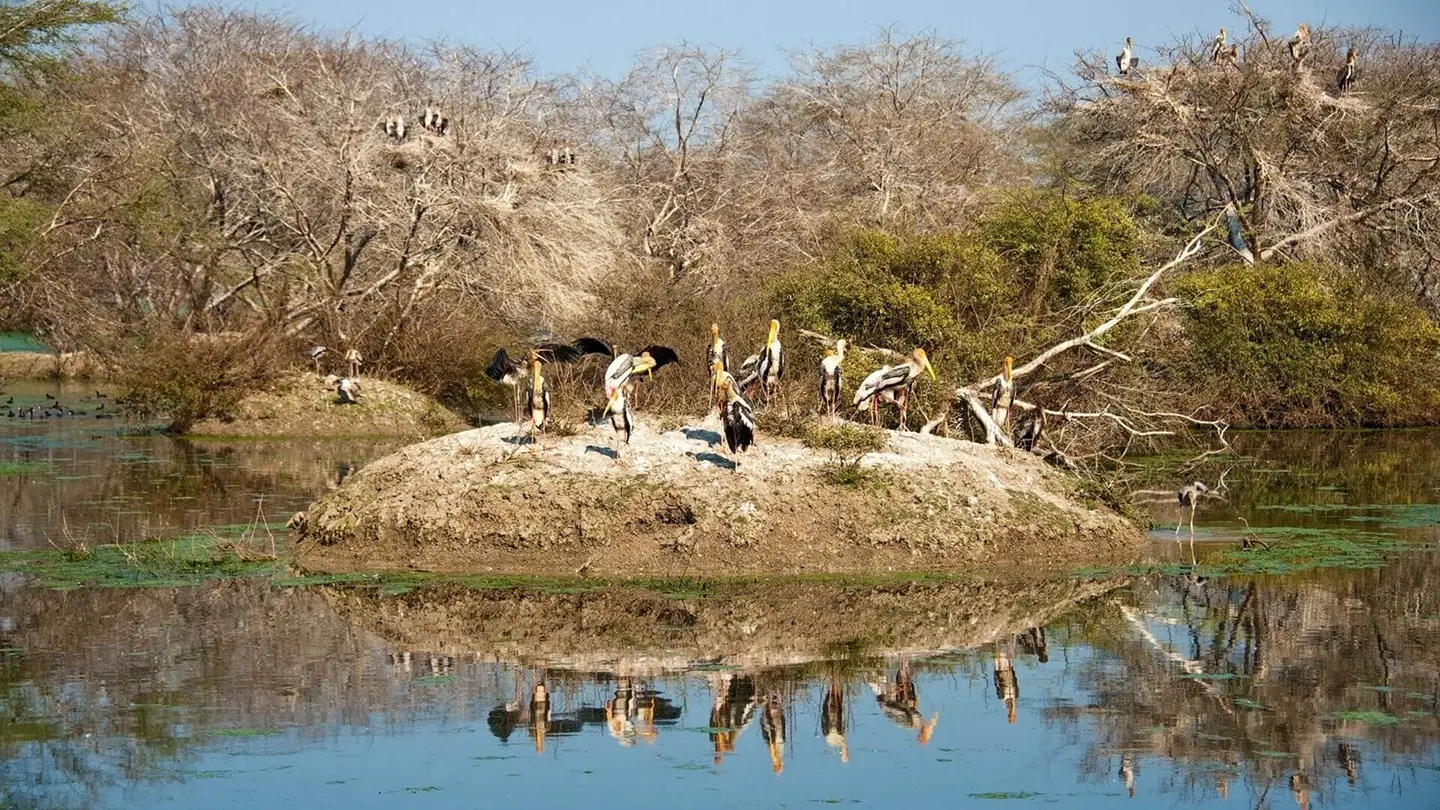
- Wetlands and river systems
- Mountain habitats in the Himalayas
This diversity makes India one of the most important regions globally for wildlife conservation. India is home to several iconic wildlife species such as the Bengal tiger, Asiatic lion, snow leopard, Indian elephant, red panda, and great Indian bustard.
However, many of these species face threats from habitat loss, poaching, and environmental changes.
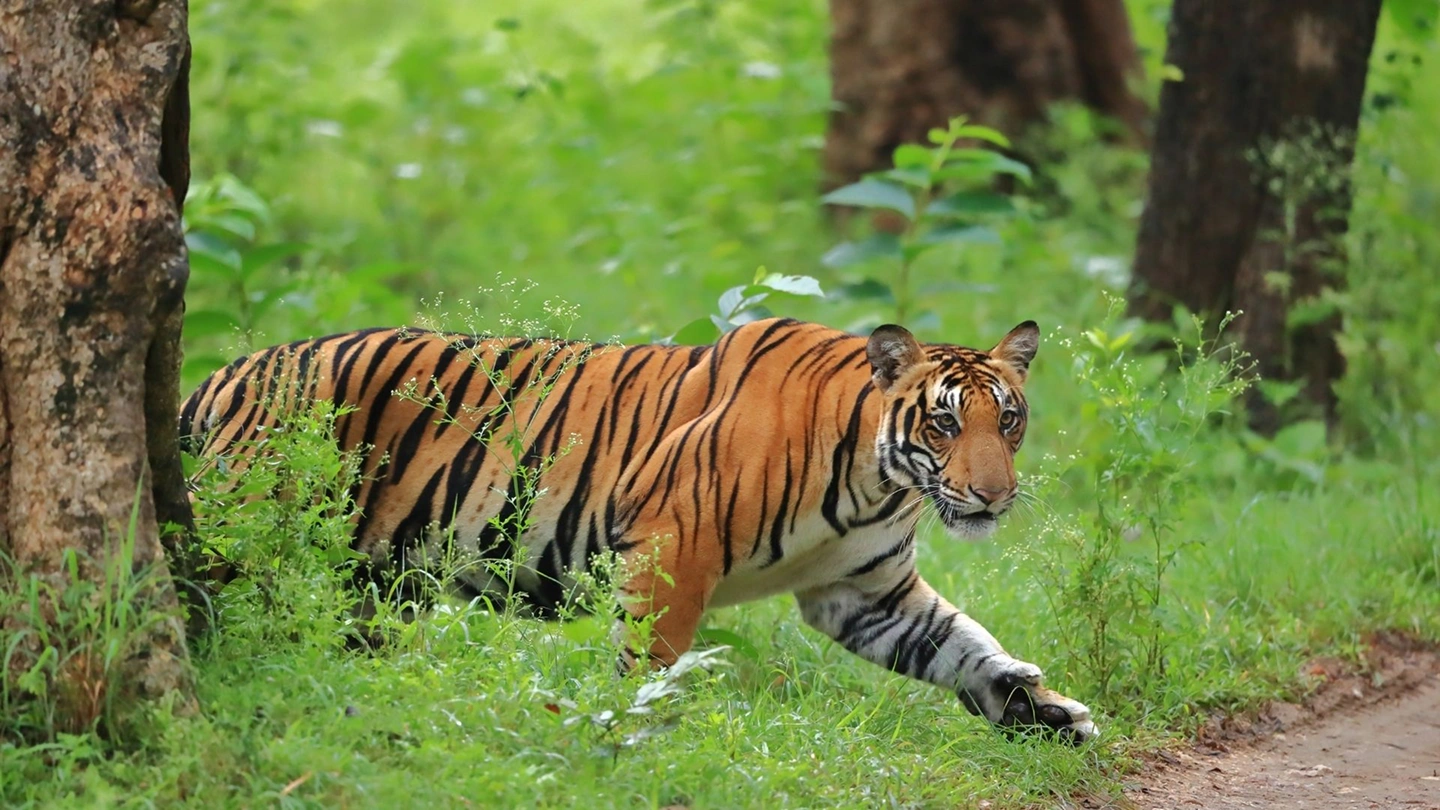
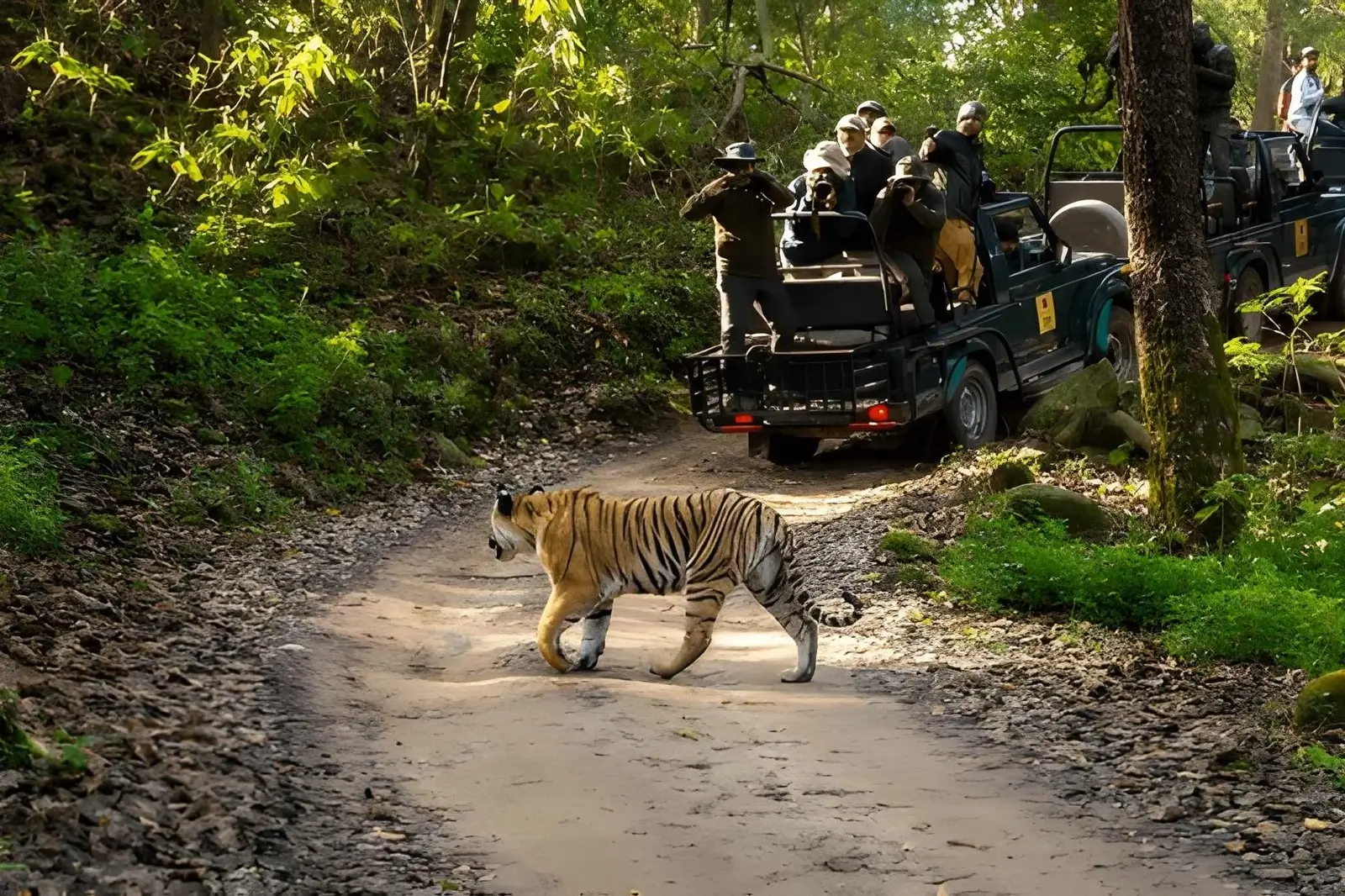
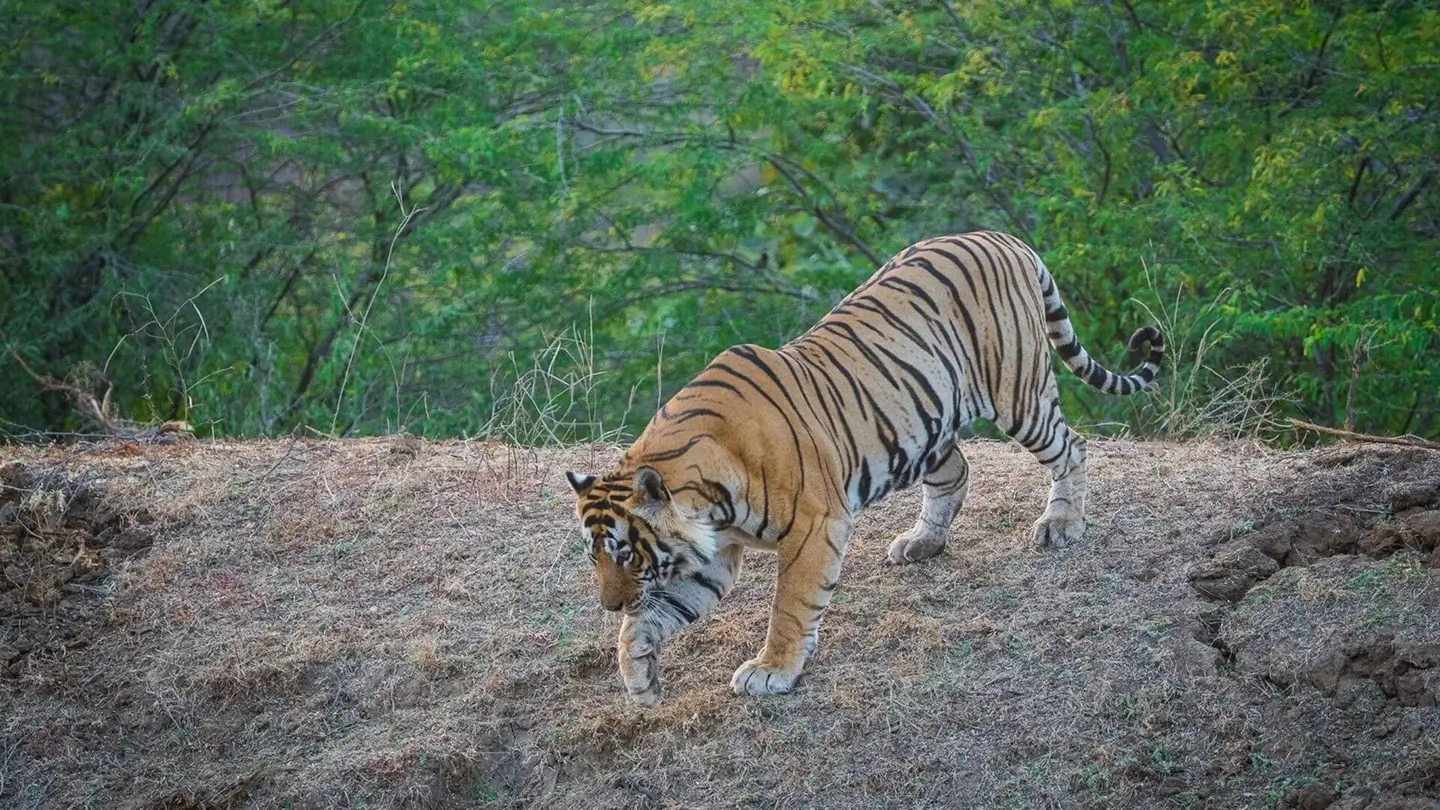
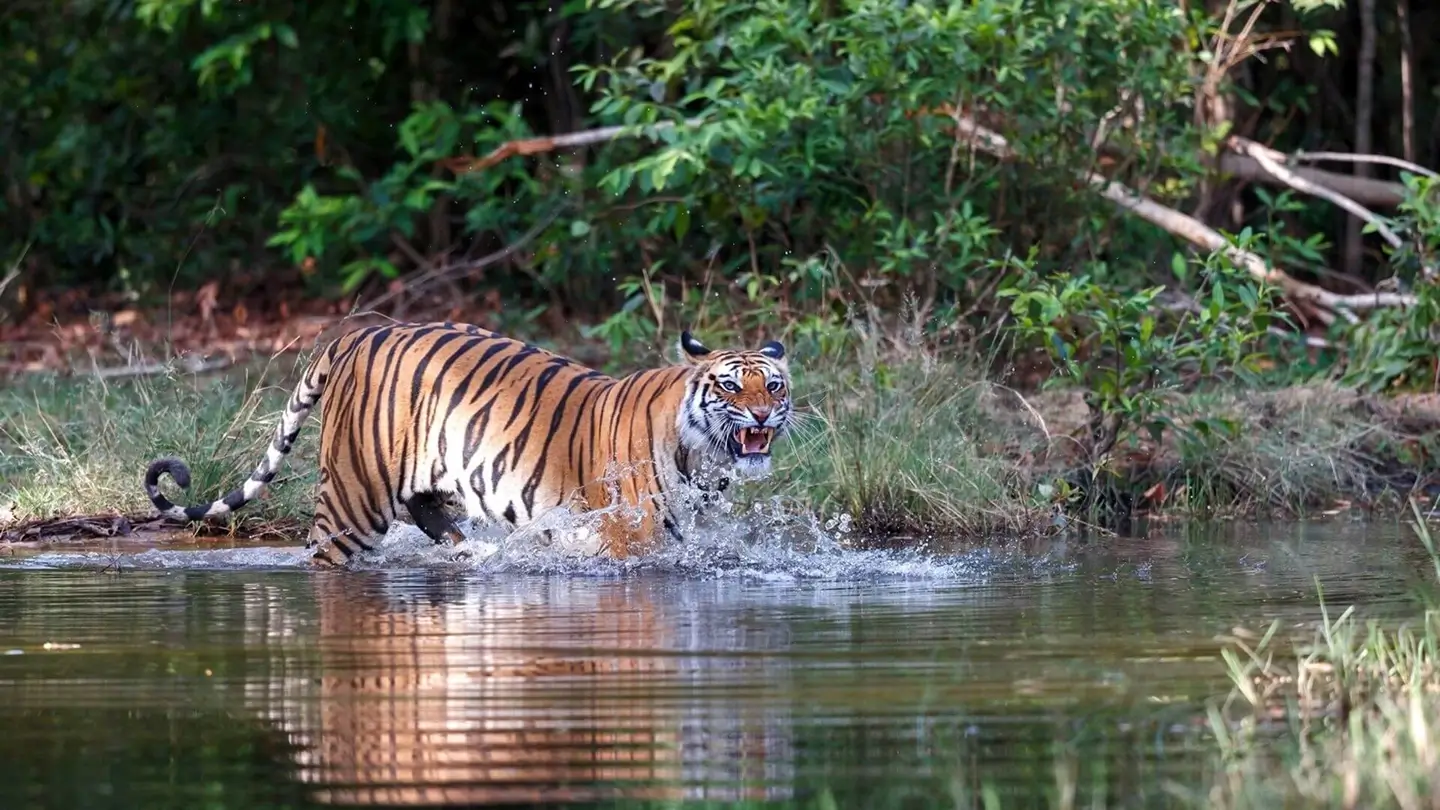
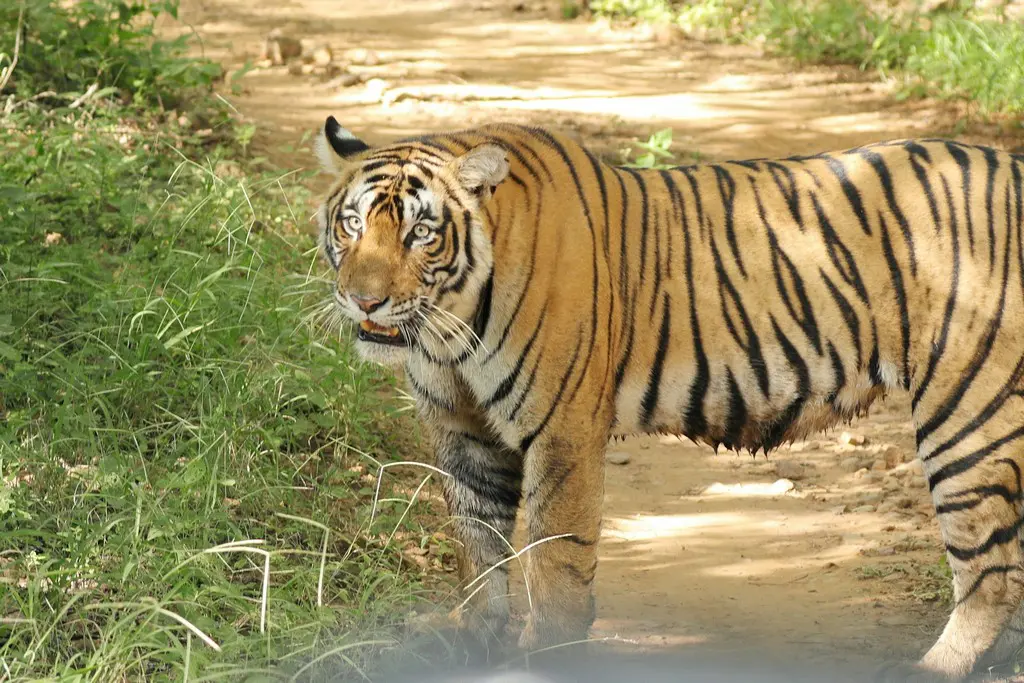
One of the most prominent examples of wildlife decline in India involves the Bengal tiger, the country’s national animal. At the beginning of the 20th century, global tiger populations were estimated to exceed 100,000 individuals. Over time, uncontrolled hunting, habitat destruction, and illegal wildlife trade caused drastic population declines.
Recognizing the urgency of the situation, the Government of India launched Project Tiger in 1973, a landmark conservation initiative aimed at protecting tiger populations and their natural habitats.
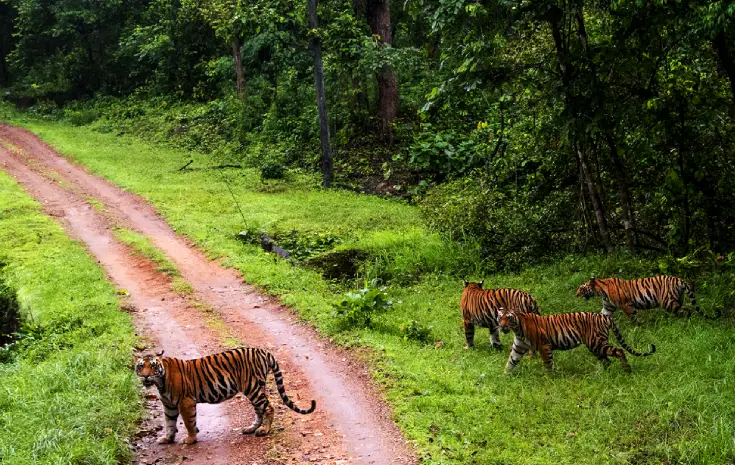
Thanks to sustained conservation efforts, tiger numbers have gradually recovered in India. According to the All India Tiger Estimation (2022), the country now supports more than 3,100 wild tigers, representing nearly 75% of the world’s tiger population. This recovery is considered one of the most successful wildlife conservation achievements globally.
Key insight: India’s tiger recovery is one of the most successful conservation stories globally, demonstrating the impact of long-term policy and habitat protection.
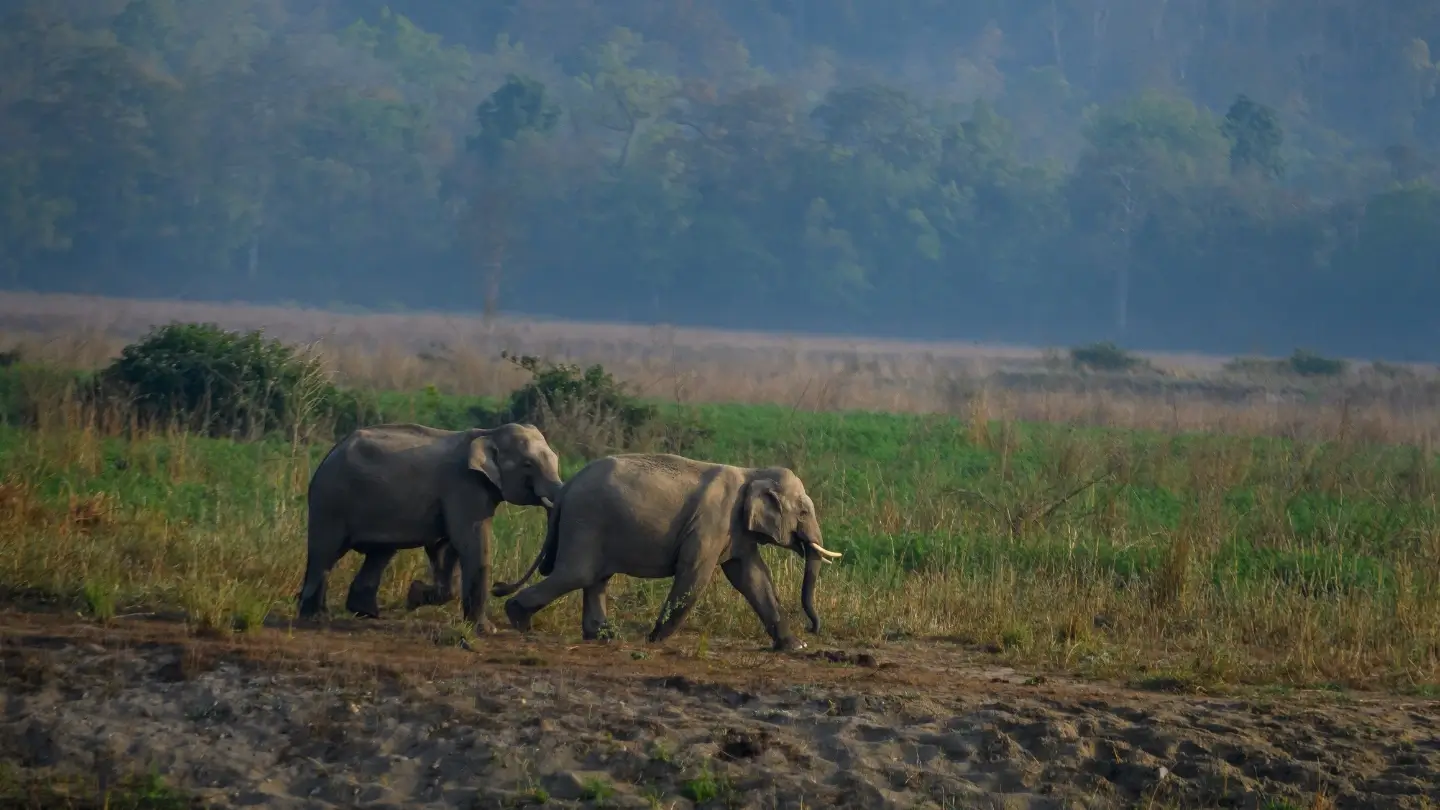
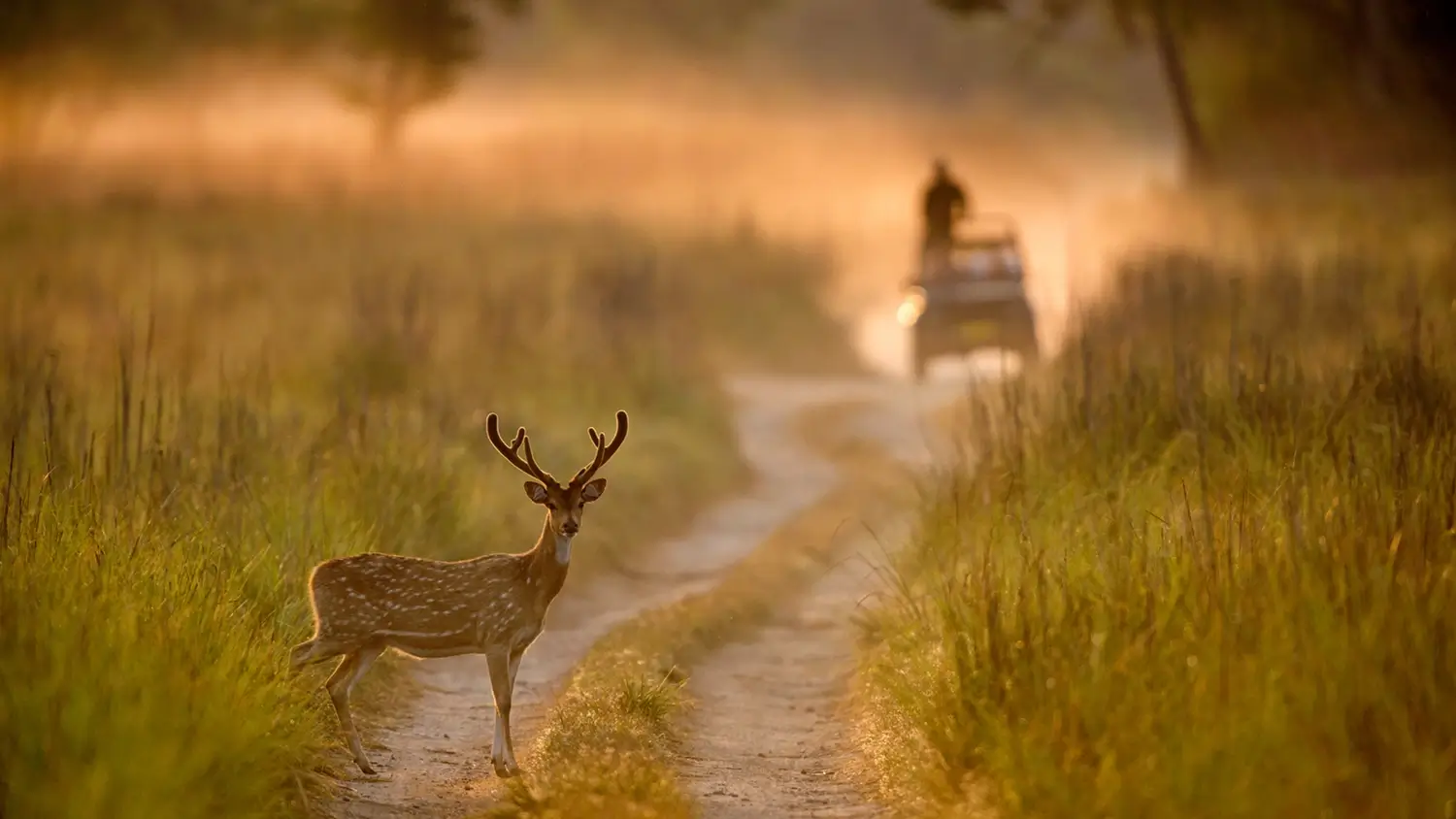
Several protected areas across India offer opportunities to observe endangered species in their natural habitats:
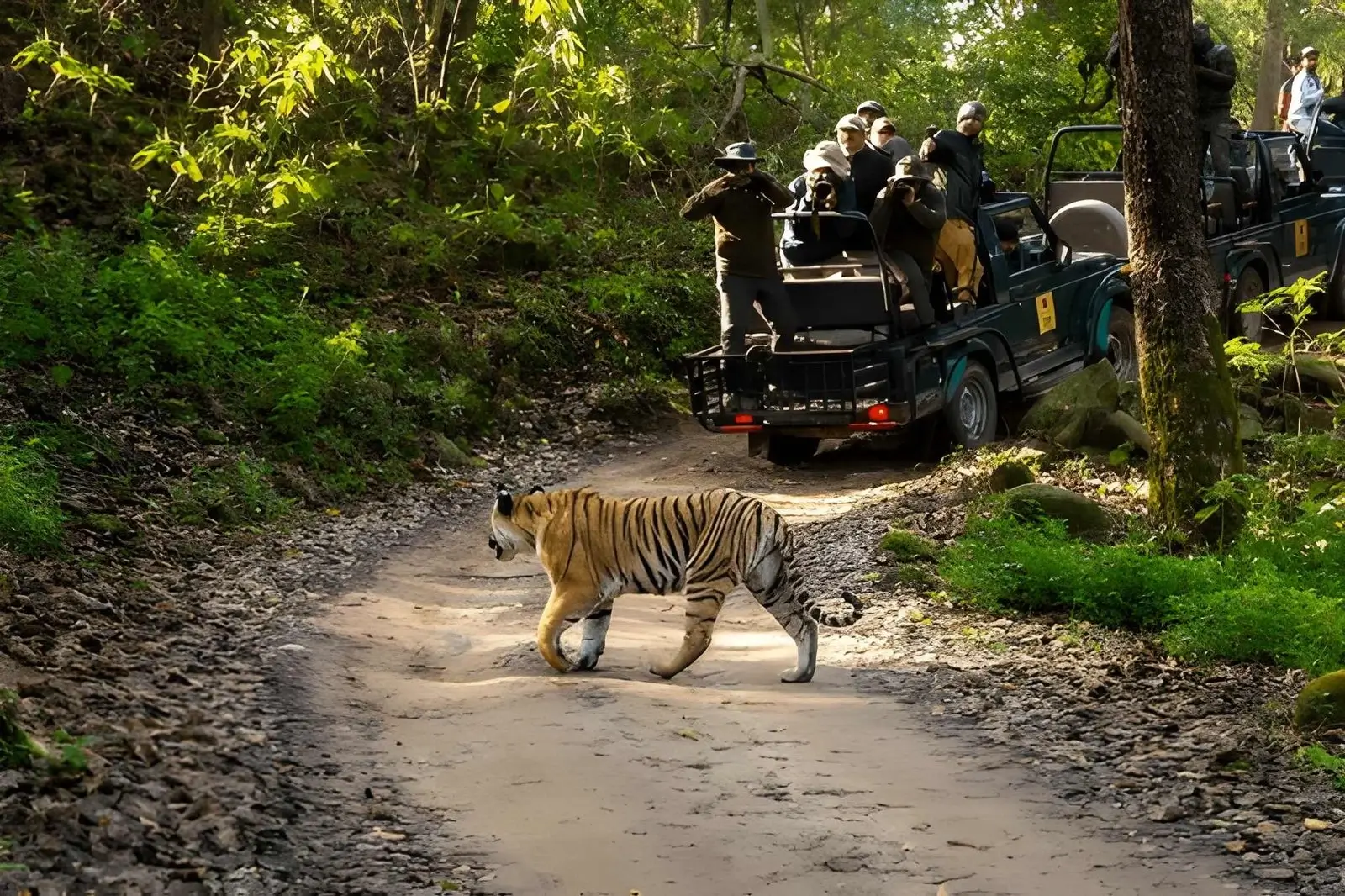
- Jim Corbett National Park – India’s oldest national park and an important tiger reserve located in the Himalayan foothills.
- Kaziranga National Park – A UNESCO World Heritage Site famous for protecting the one-horned Indian rhinoceros.
- Gir National Park – The only natural habitat of the Asiatic lion, making it one of the most unique wildlife destinations in the world.
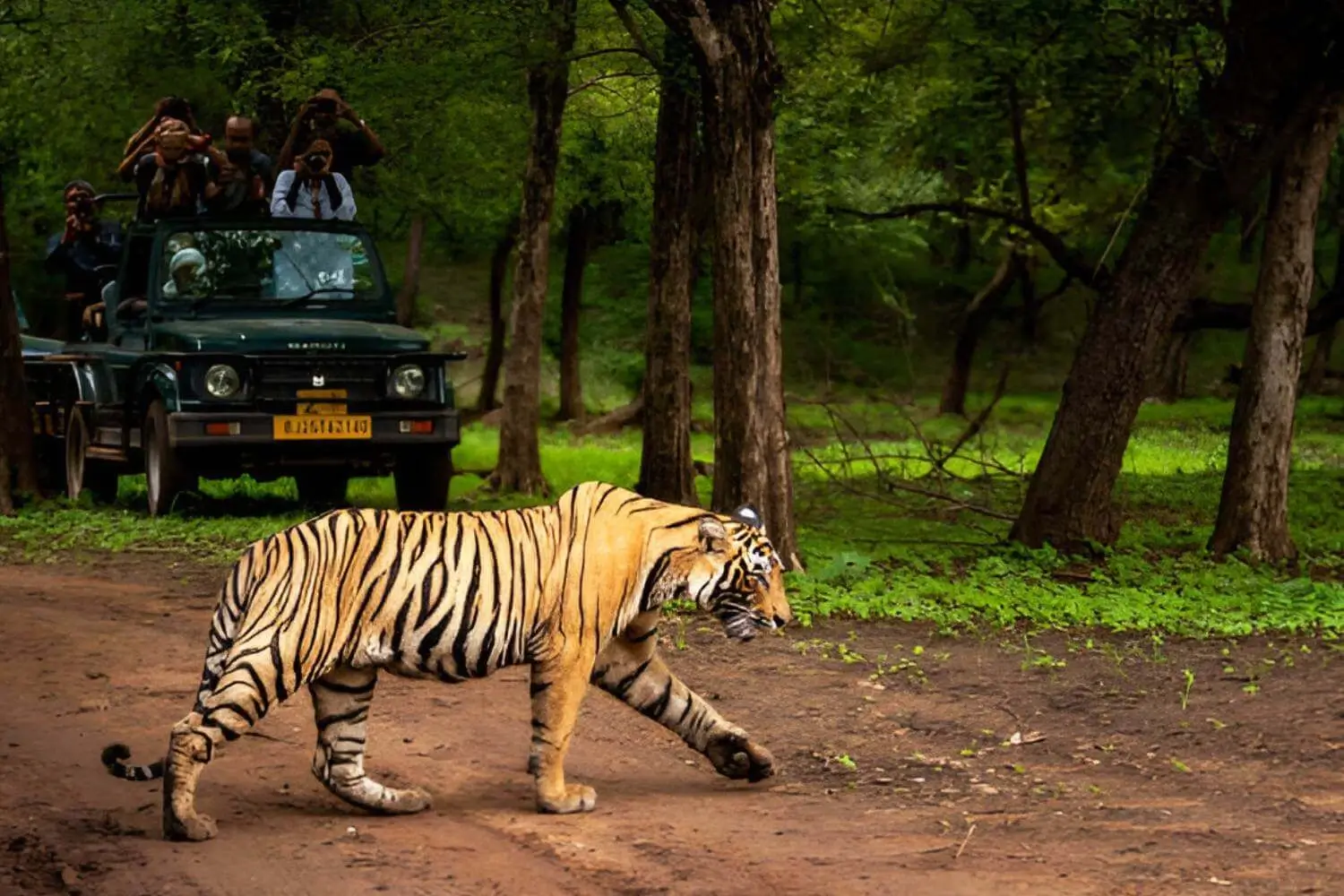
- Ranthambore National Park – One of the best-known wildlife reserves for observing Bengal tigers in the wild.
Visiting these parks responsibly supports conservation through eco-tourism.
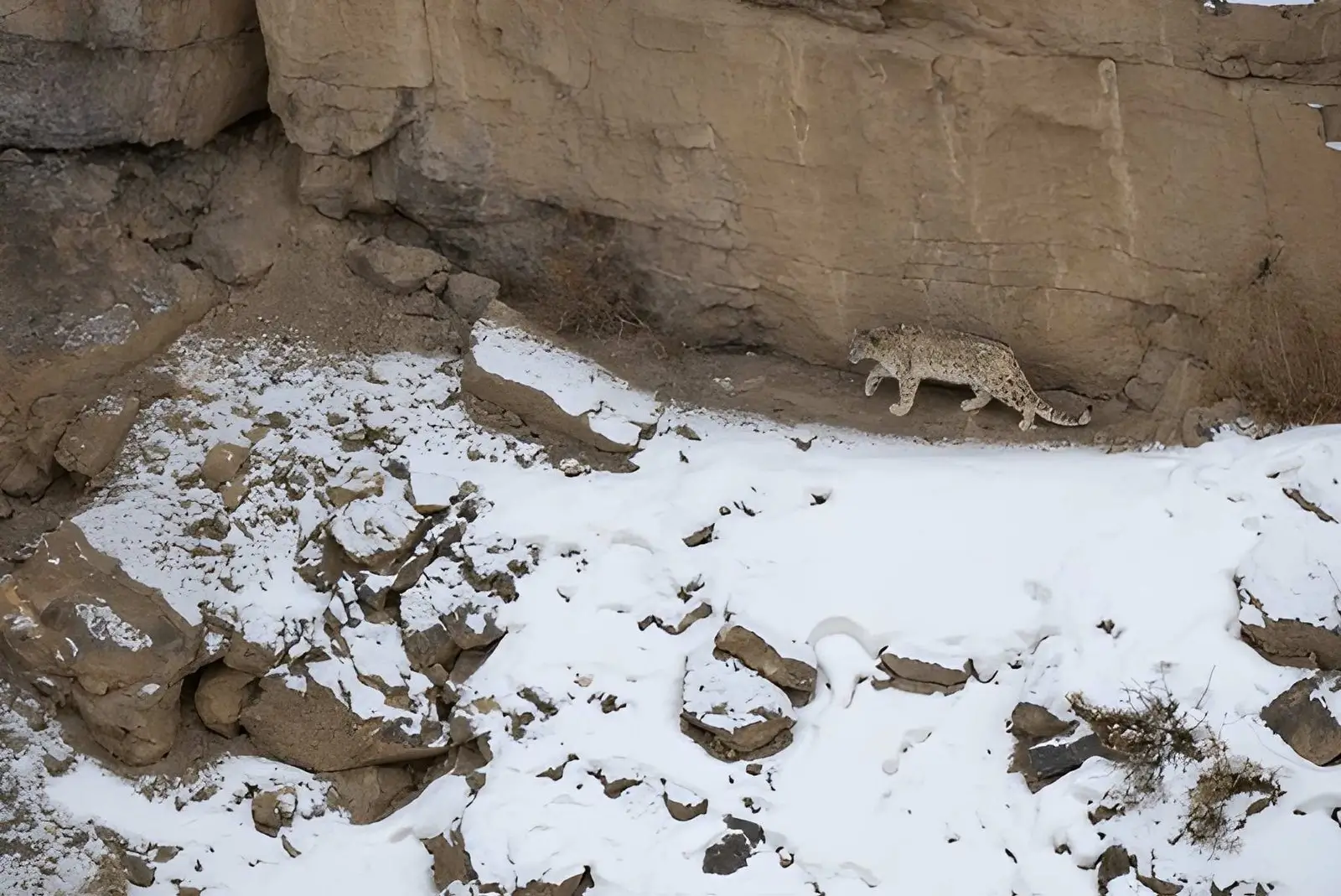
To protect endangered species and preserve ecosystems, India has established a wide network of protected areas and conservation programmes.
Key wildlife protection measures include:
- Protected Areas Network
- Project Tiger & Species Programs
- Legal Protection (Wildlife Protection Act)
- Community Conservation
Today, India has:
- 106 National Parks
- 560+ Wildlife Sanctuaries
- 54 Tiger Reserves
- 18 Biosphere Reserves
These protected landscapes play a vital role in safeguarding wildlife habitats and maintaining ecological balance.
Key insight: Conservation success depends on combining policy, science, and community participation.
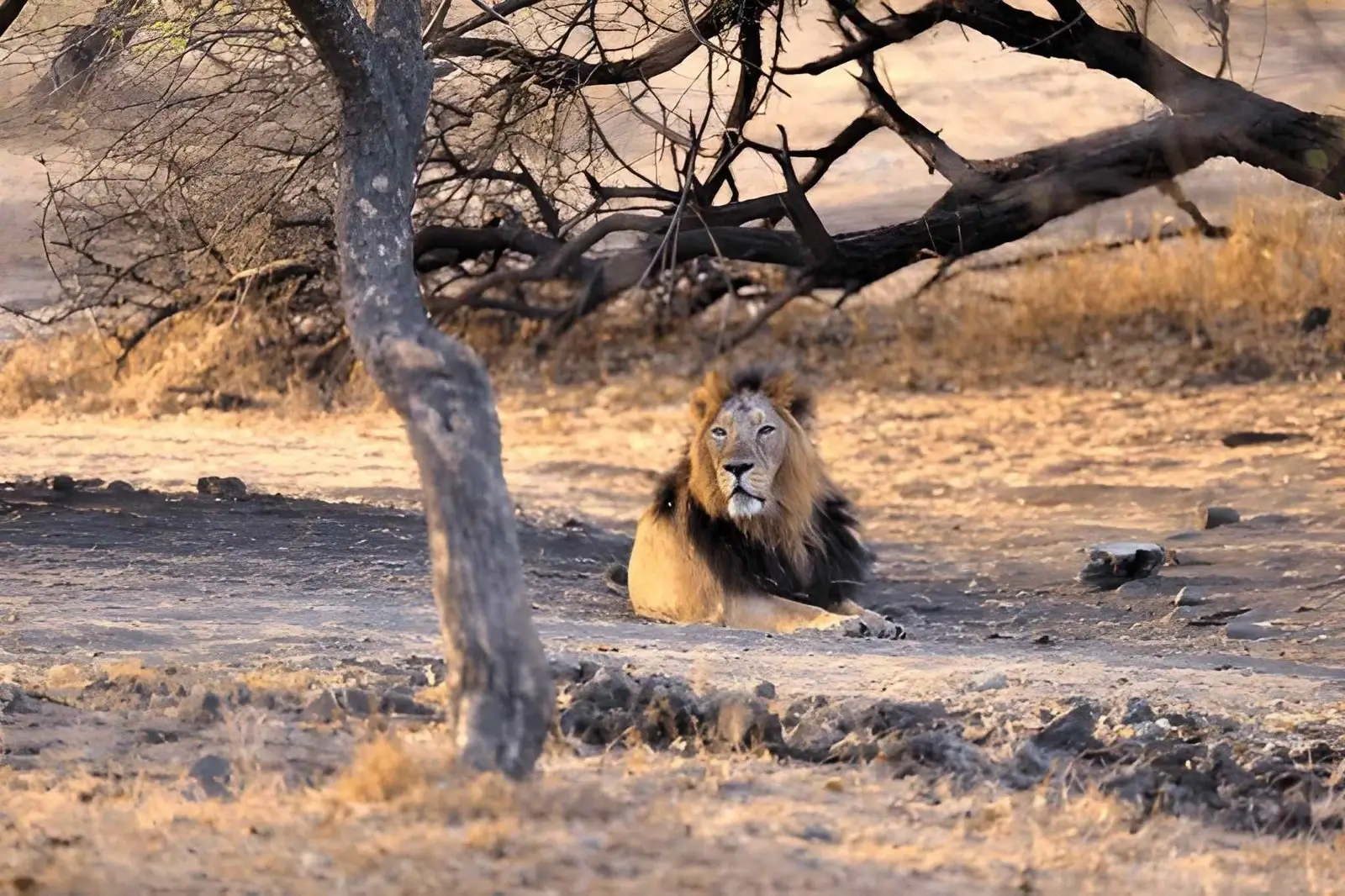
Protecting endangered species is essential for maintaining ecological balance and supporting biodiversity. The loss of even a single species can disrupt food chains, degrade ecosystems, and affect natural resources that humans depend on.
How You Can Help Protect Wildlife
Responsible travel and awareness play a growing role in supporting conservation efforts across India.
You can help by:
- Raising Awareness: Share reliable information about endangered species and biodiversity conservation through social media, educational programmes, or community discussions.
- Supporting Conservation Organisations: Donate to reputable wildlife NGOs working to protect endangered species and preserve habitats.
- Practising Responsible Travel: Choose eco-friendly tourism practices and support wildlife reserves that promote sustainable conservation.
- Avoiding Wildlife Products: Never purchase items made from animal skins, bones, or other wildlife parts.
The conservation of endangered species in India is not just about protecting wildlife; it is about preserving ecosystems that support life on Earth. While large-scale efforts continue, awareness and responsible choices by individuals can significantly contribute to long-term conservation. Protecting wildlife today ensures that future generations can experience India’s rich natural heritage.





 Packages
 +91 9212777224