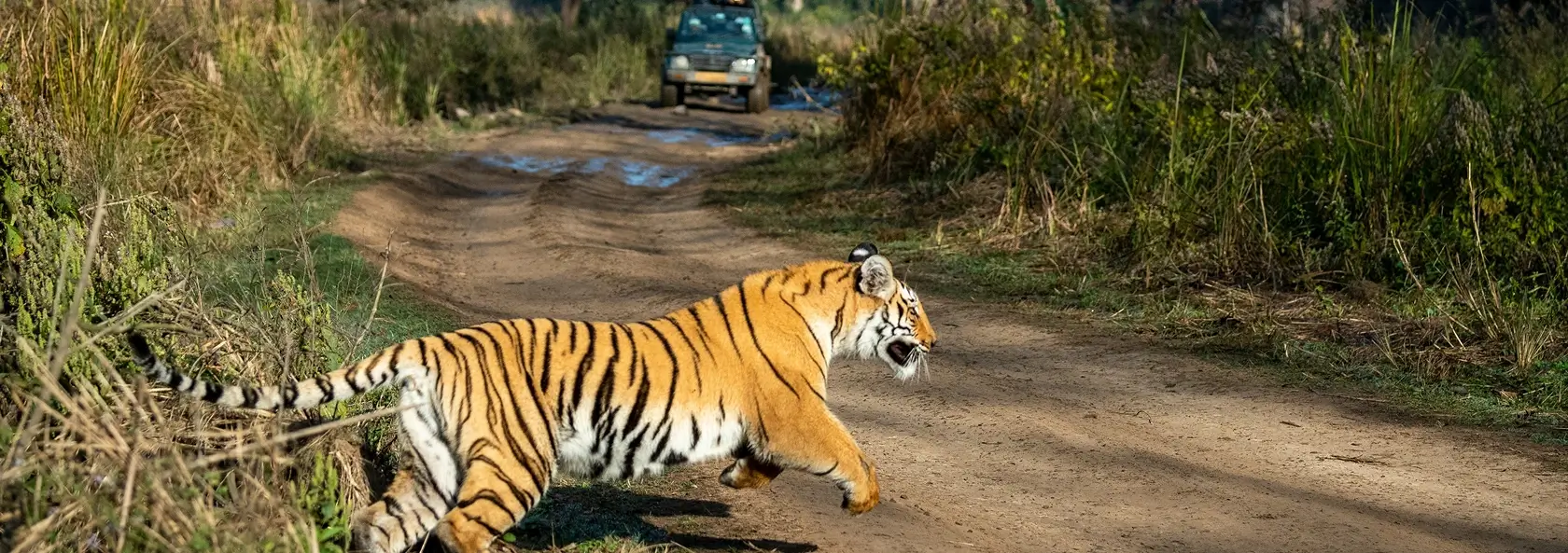
Read the latest wildlife tourism and travel updates on Jim Corbett National Park, along with informative travel guides, expert tips, and exciting holiday packages.

Few figures in India’s wildlife history are as compelling as Jim Corbett, a hunter who spent years tracking man-eating predators before becoming one of the earliest voices for wildlife conservation.
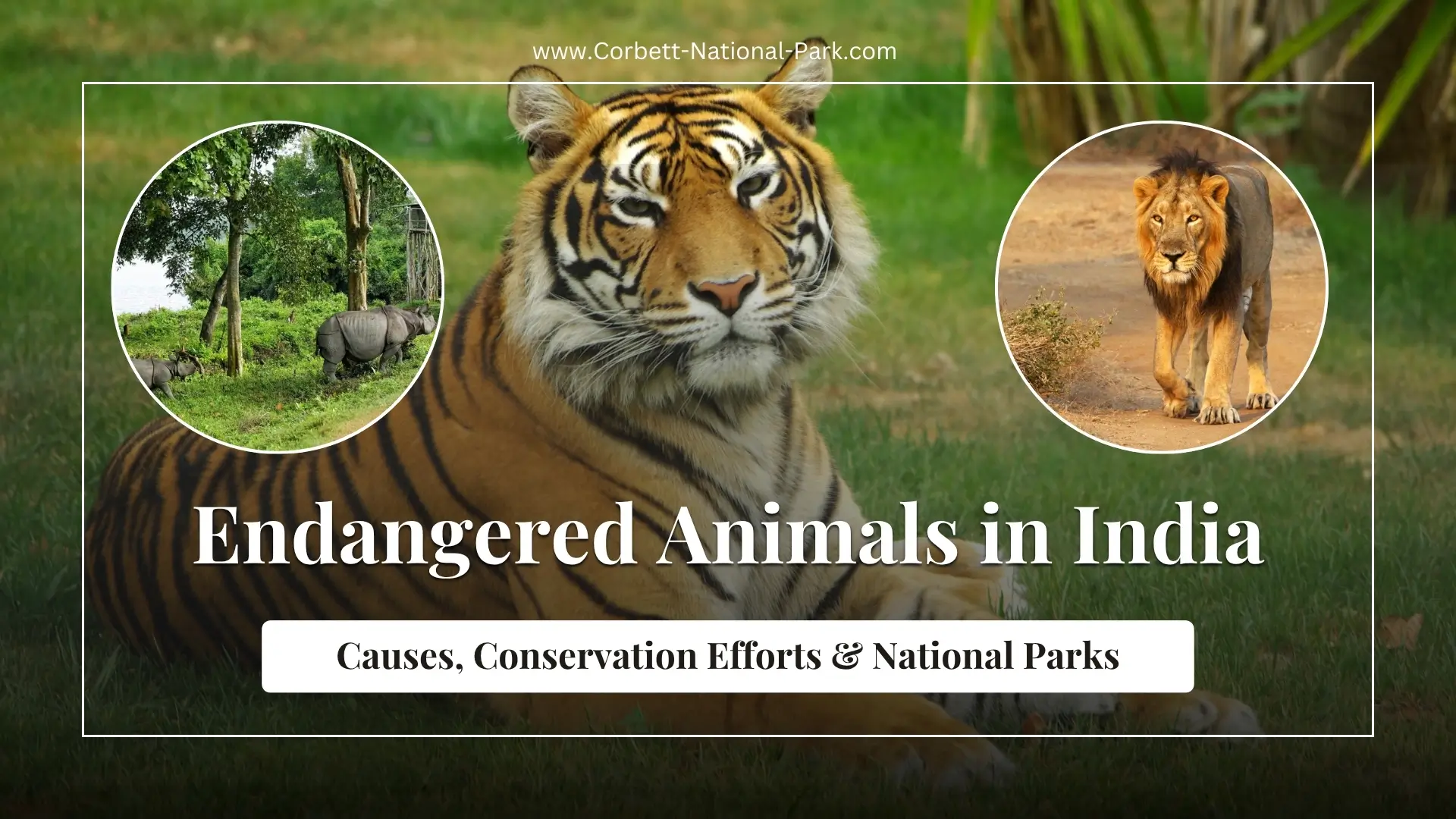
India is one of the world’s most biodiverse countries, yet many of its wildlife species are facing increasing threats. From habitat loss and climate change to poaching and human expansion, several animal populations have declined sharply over the past century.
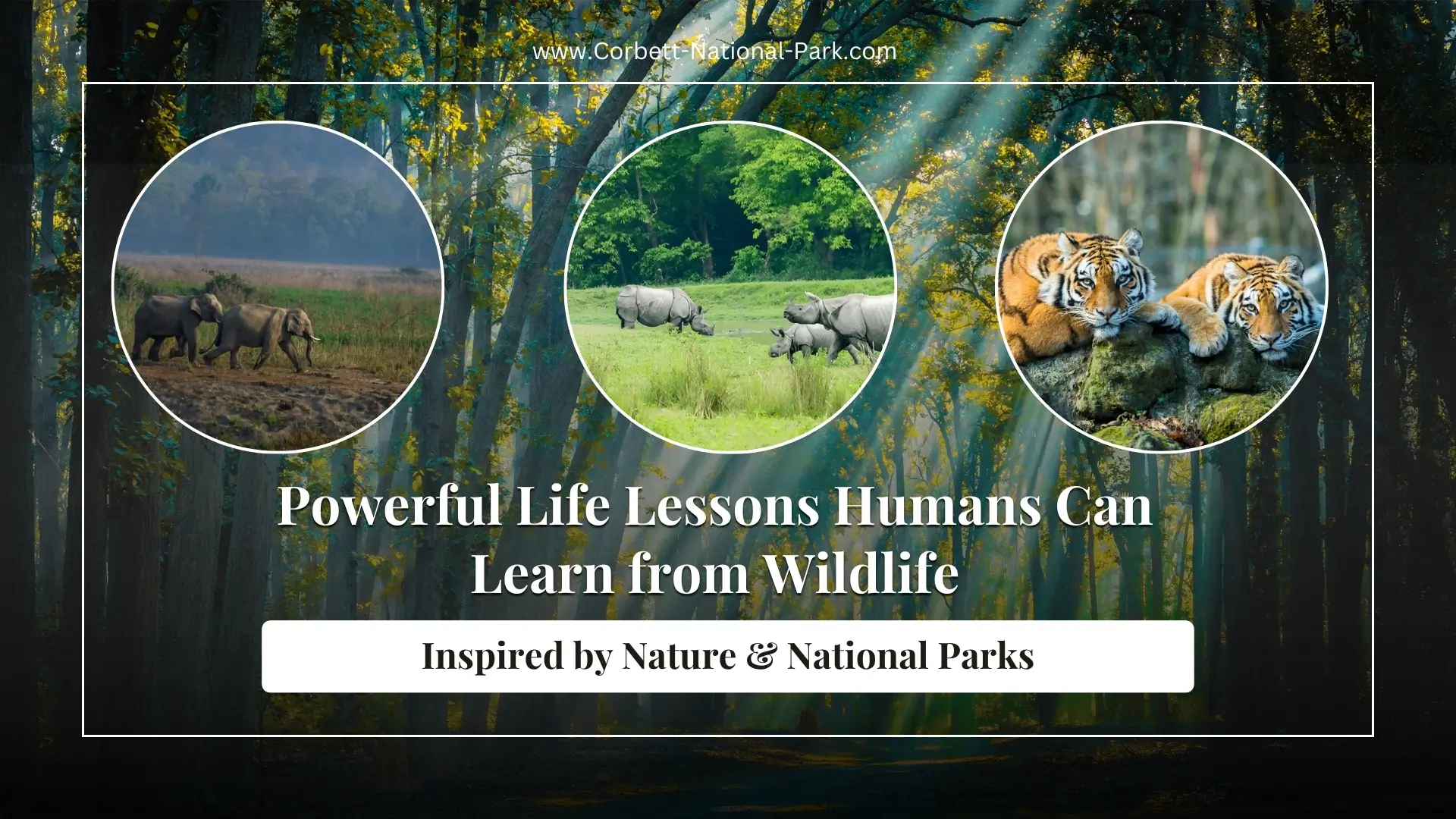
Humans often believe they have mastered intelligence, leadership, and progress. Yet, in the wild, animals follow simple principles that have ensured survival for millions of years.
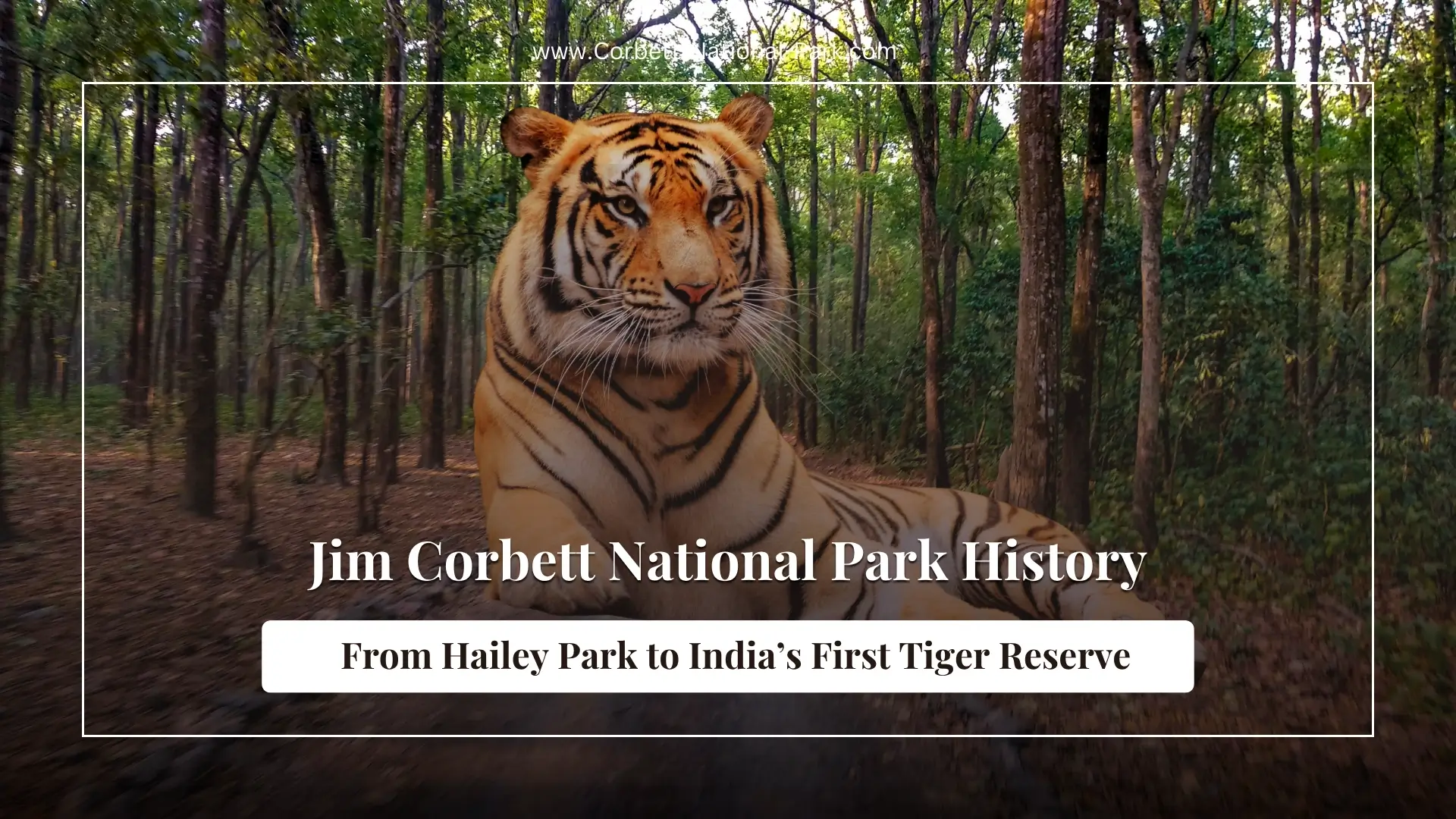
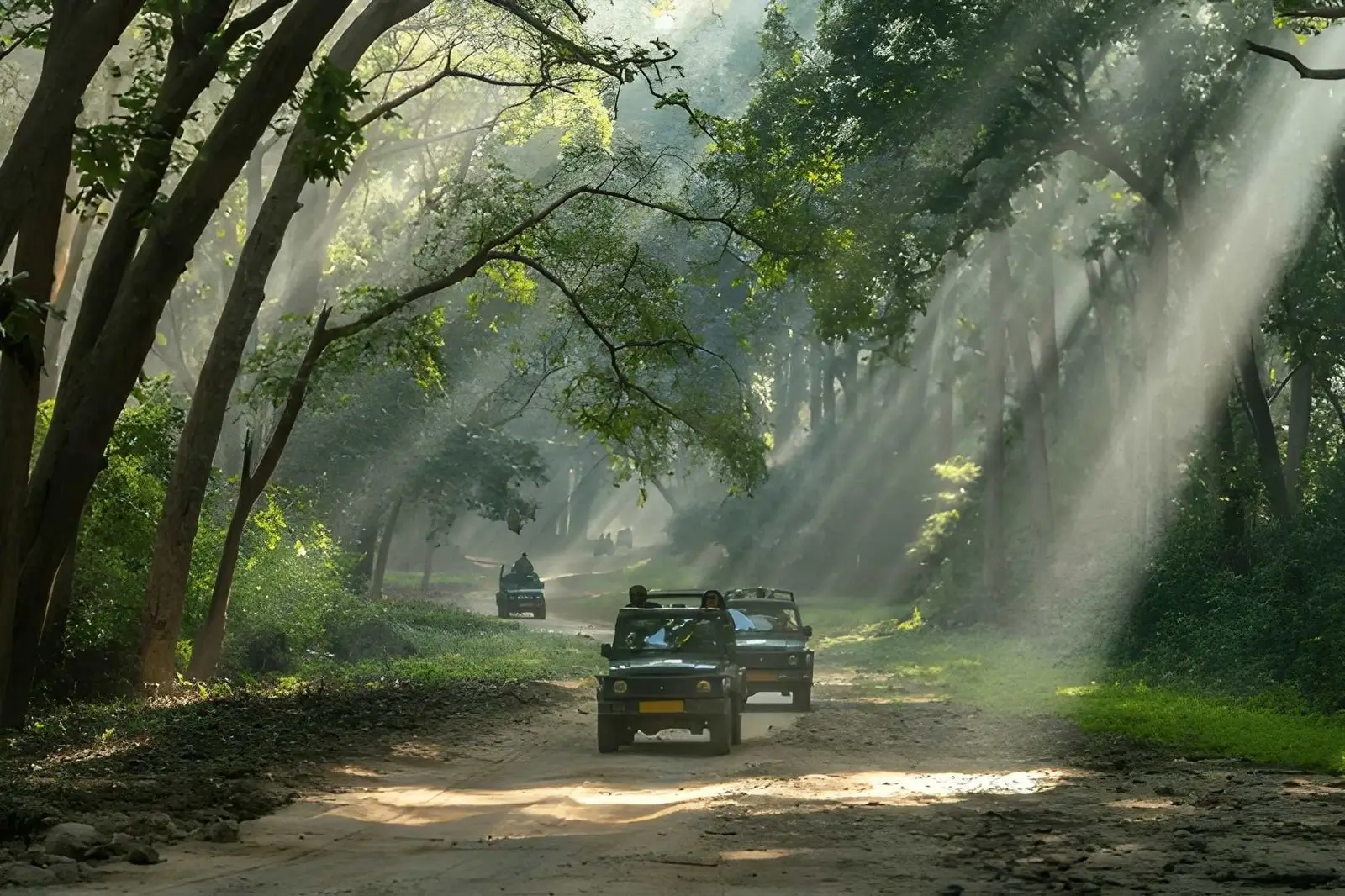
The story of Jim Corbett National Park is closely tied to the evolution of wildlife conservation in India. Established in 1936 as Hailey National Park, it was the country’s first attempt at protecting forest ecosystems and wildlife at scale.
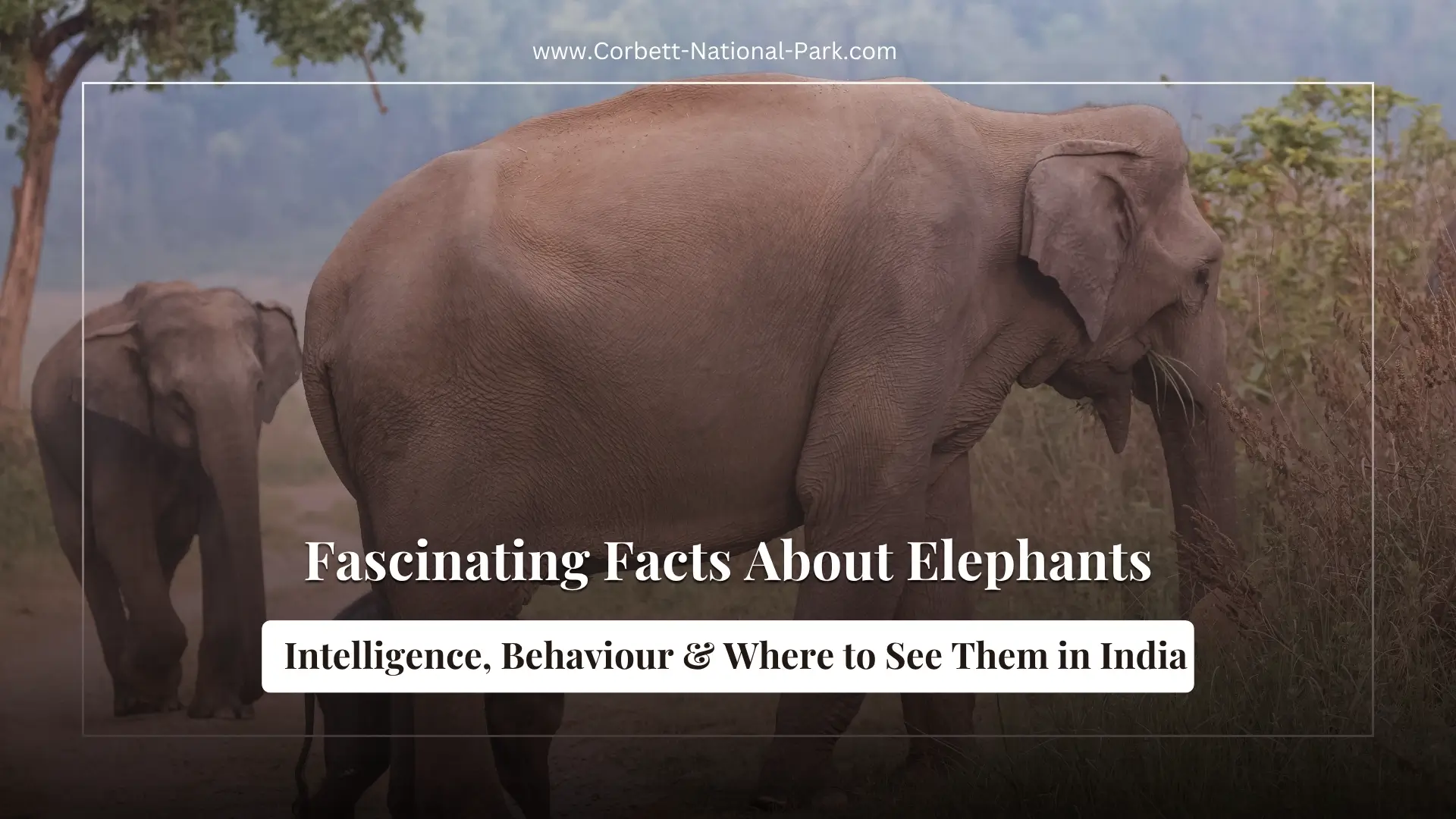
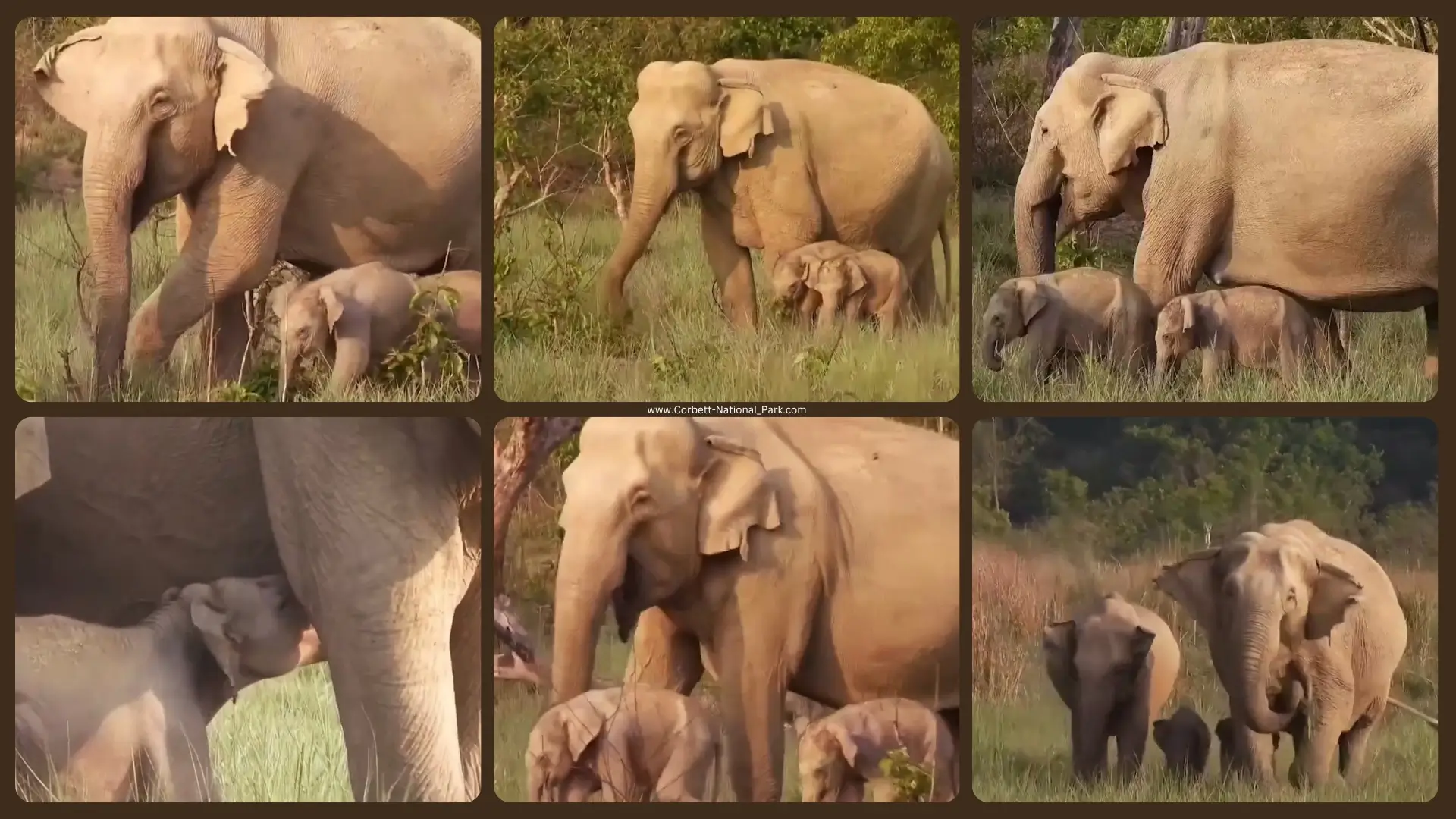
Elephants are not just the largest land animals on Earth, they are among the most intelligent and emotionally complex species in the wild. In India, spotting an elephant in its natural habitat, especially in forests like Jim Corbett National Park, is often one of the most memorable wildlife experiences a traveller can have.
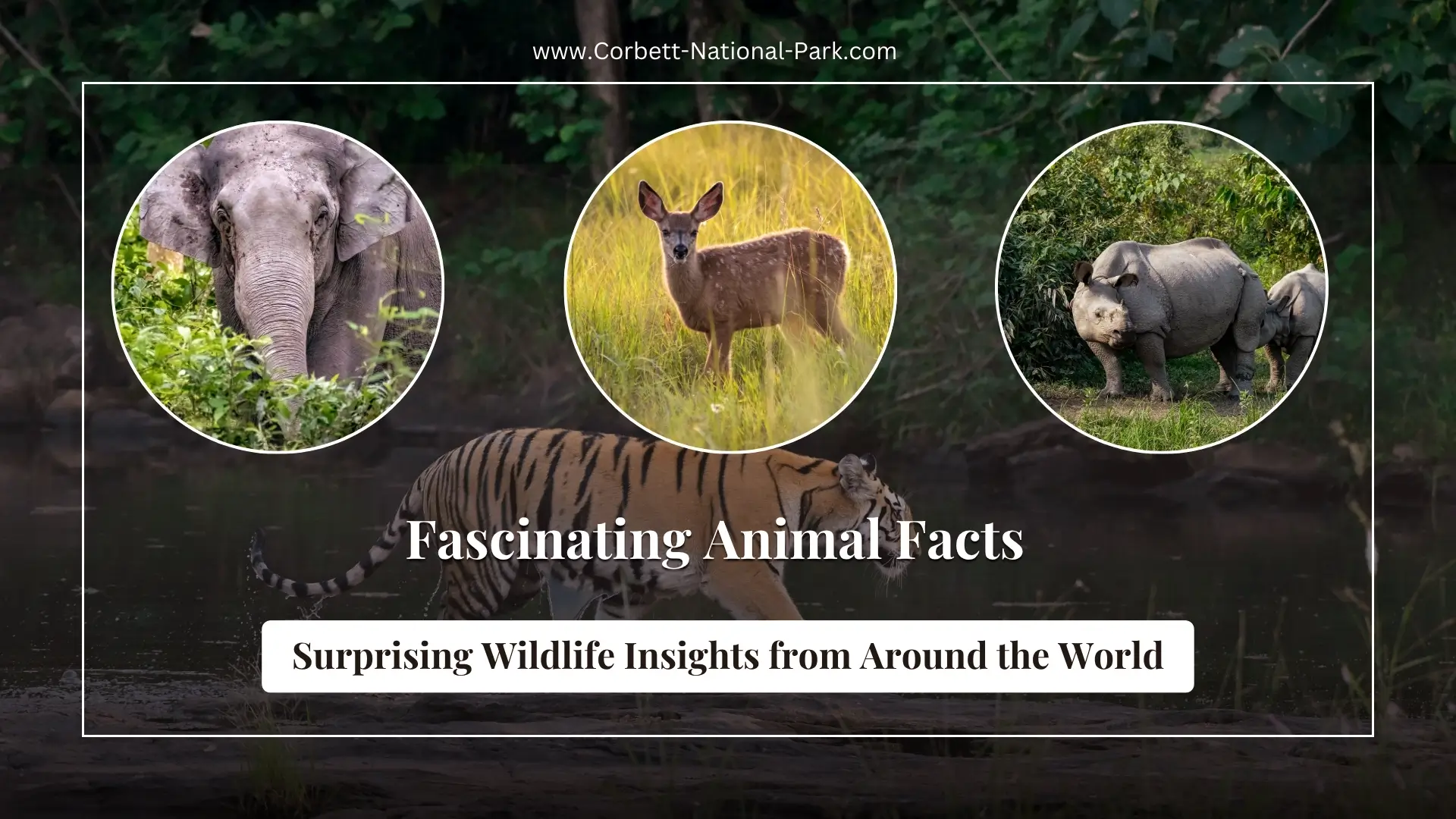
The animal kingdom is full of behaviours that often seem unbelievable until you see them in action. From tigers with unique stripe patterns to elephants with complex social bonds, wildlife continues to challenge what we think we know about intelligence, survival, and adaptation.
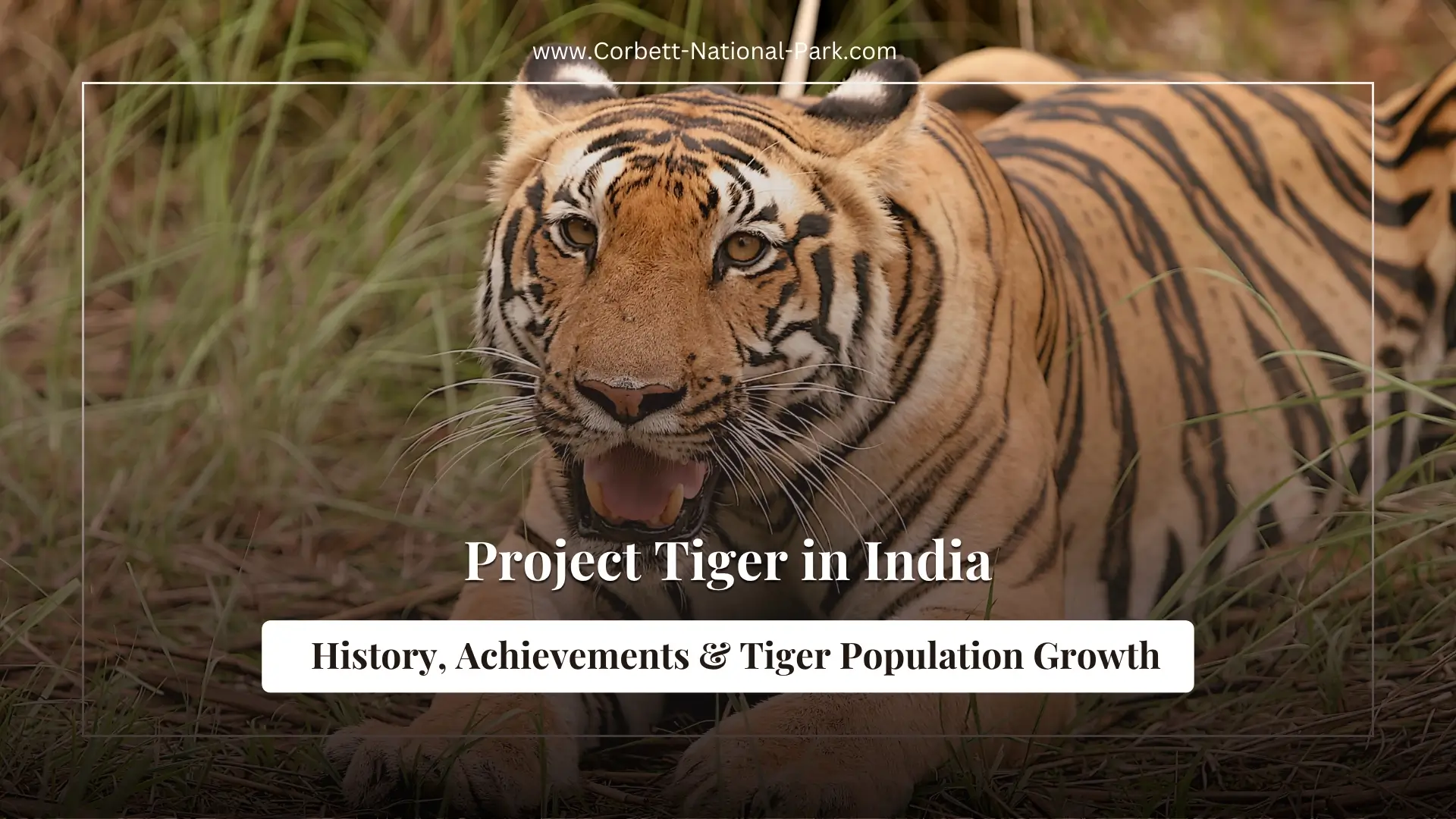
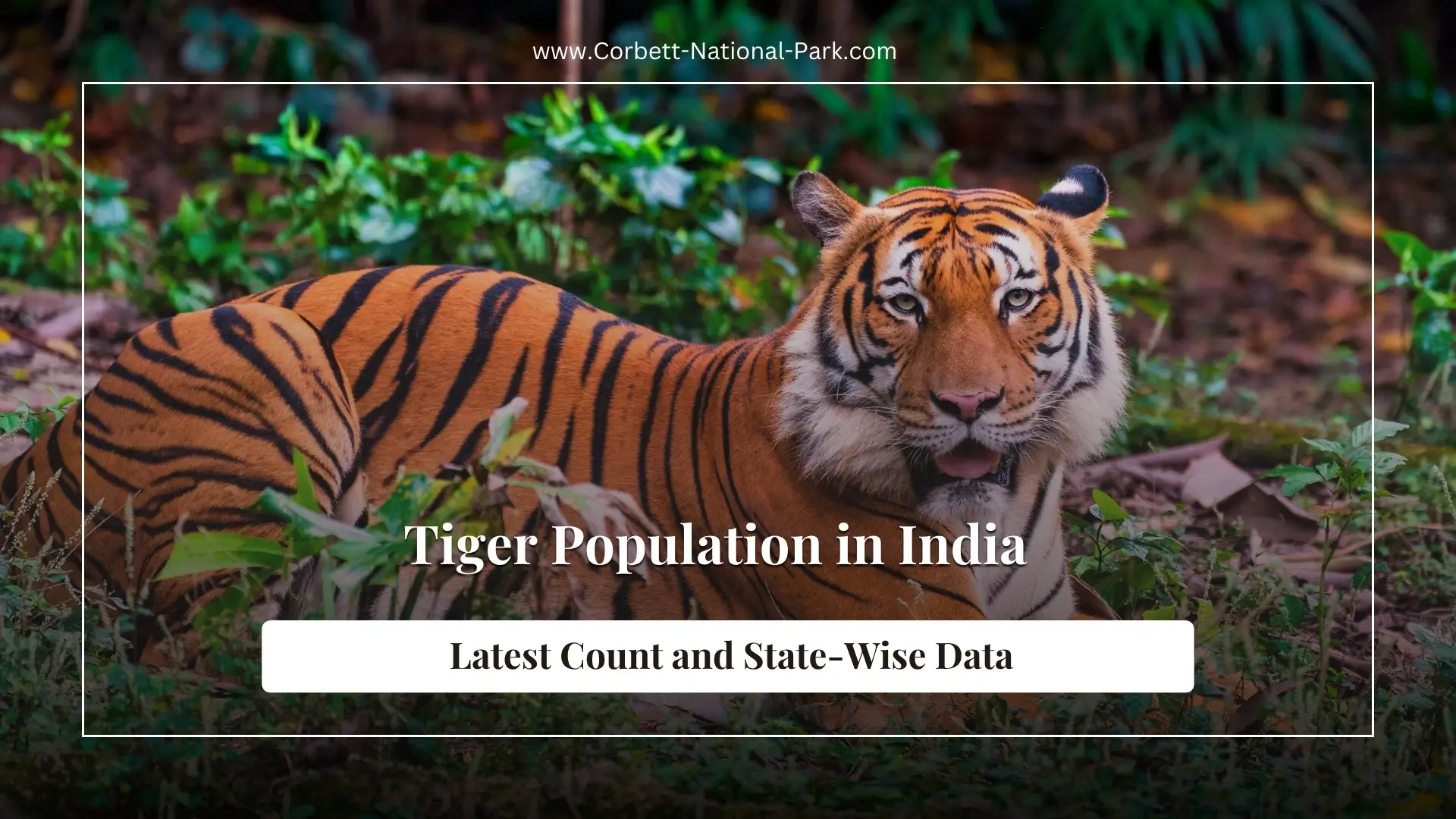
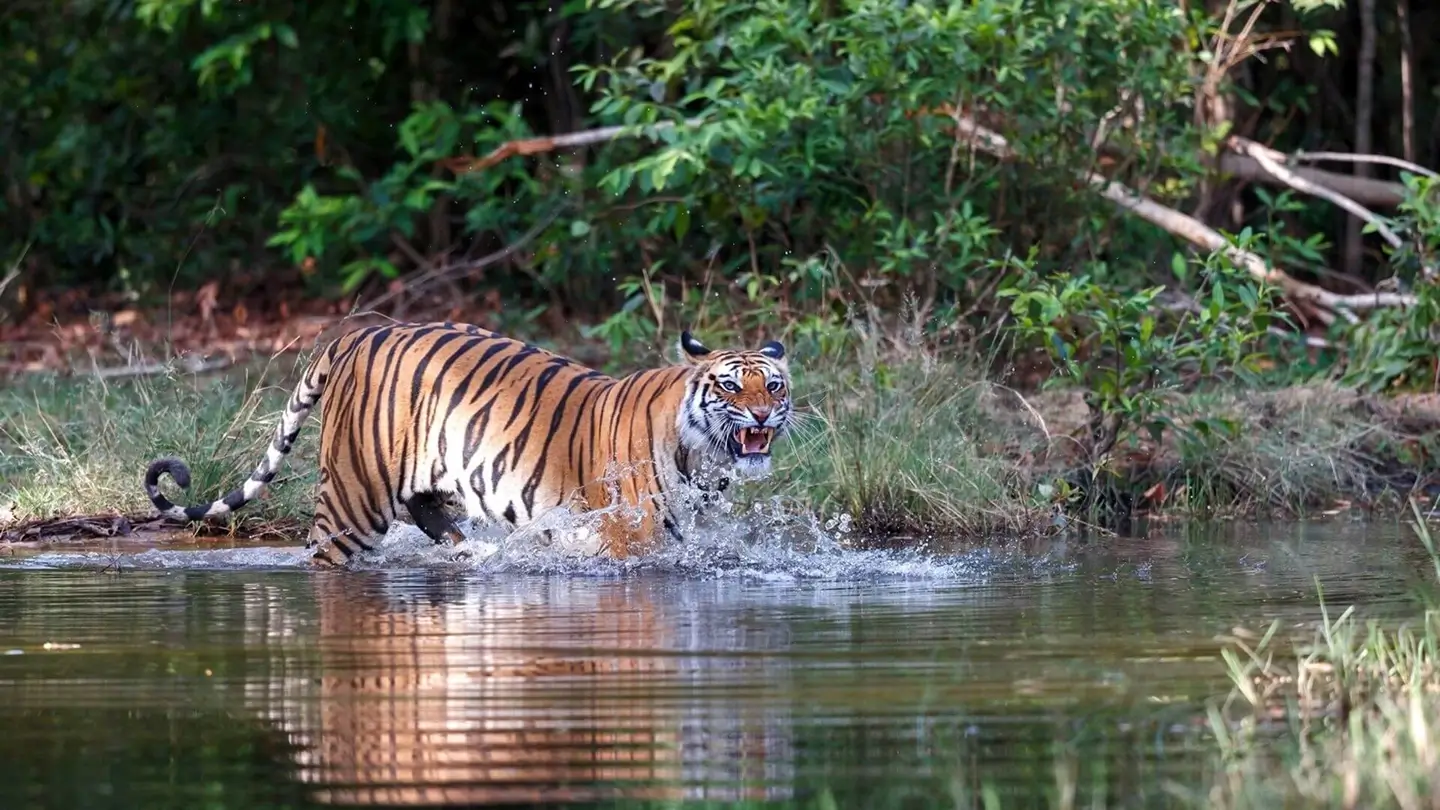
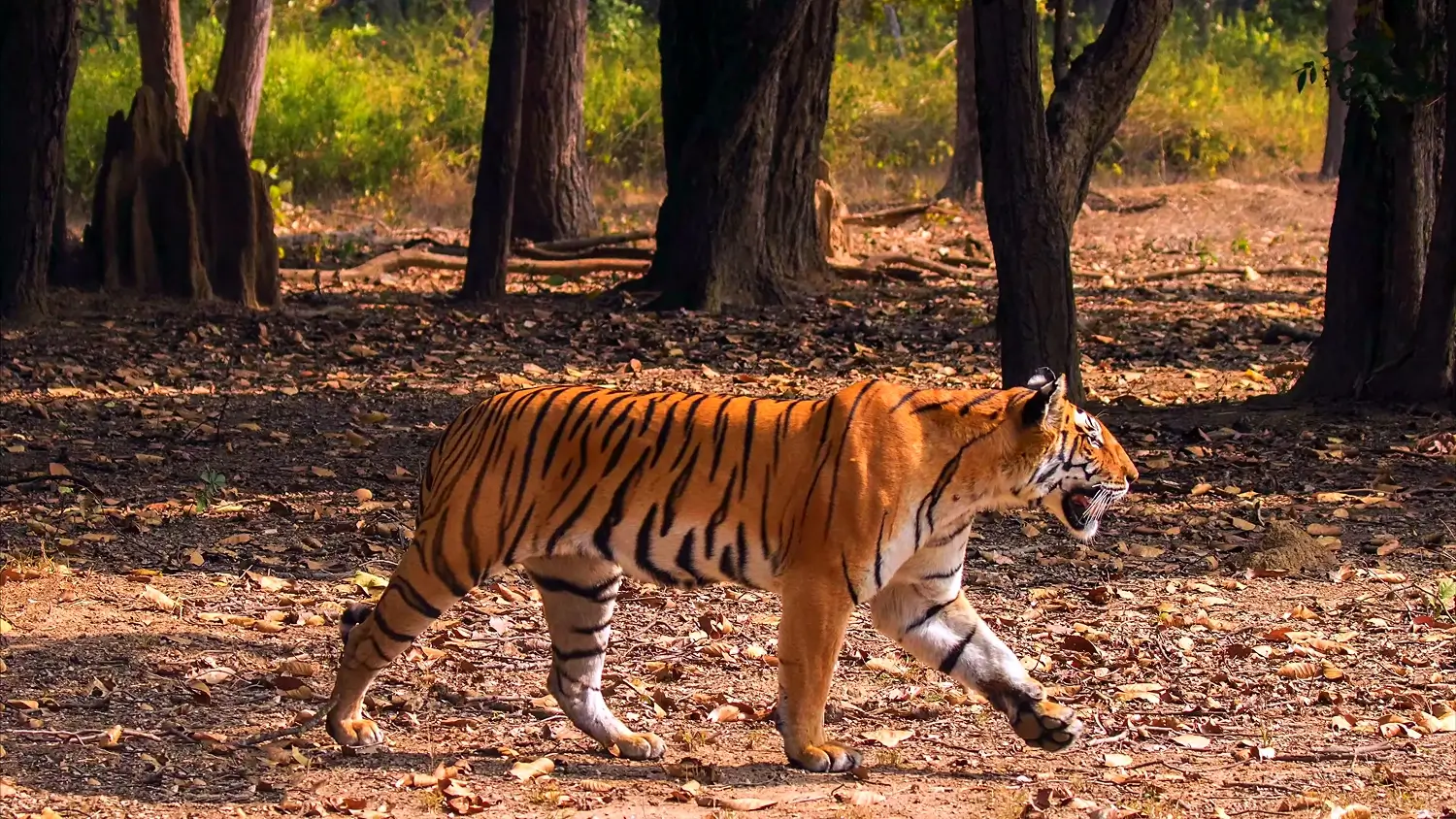
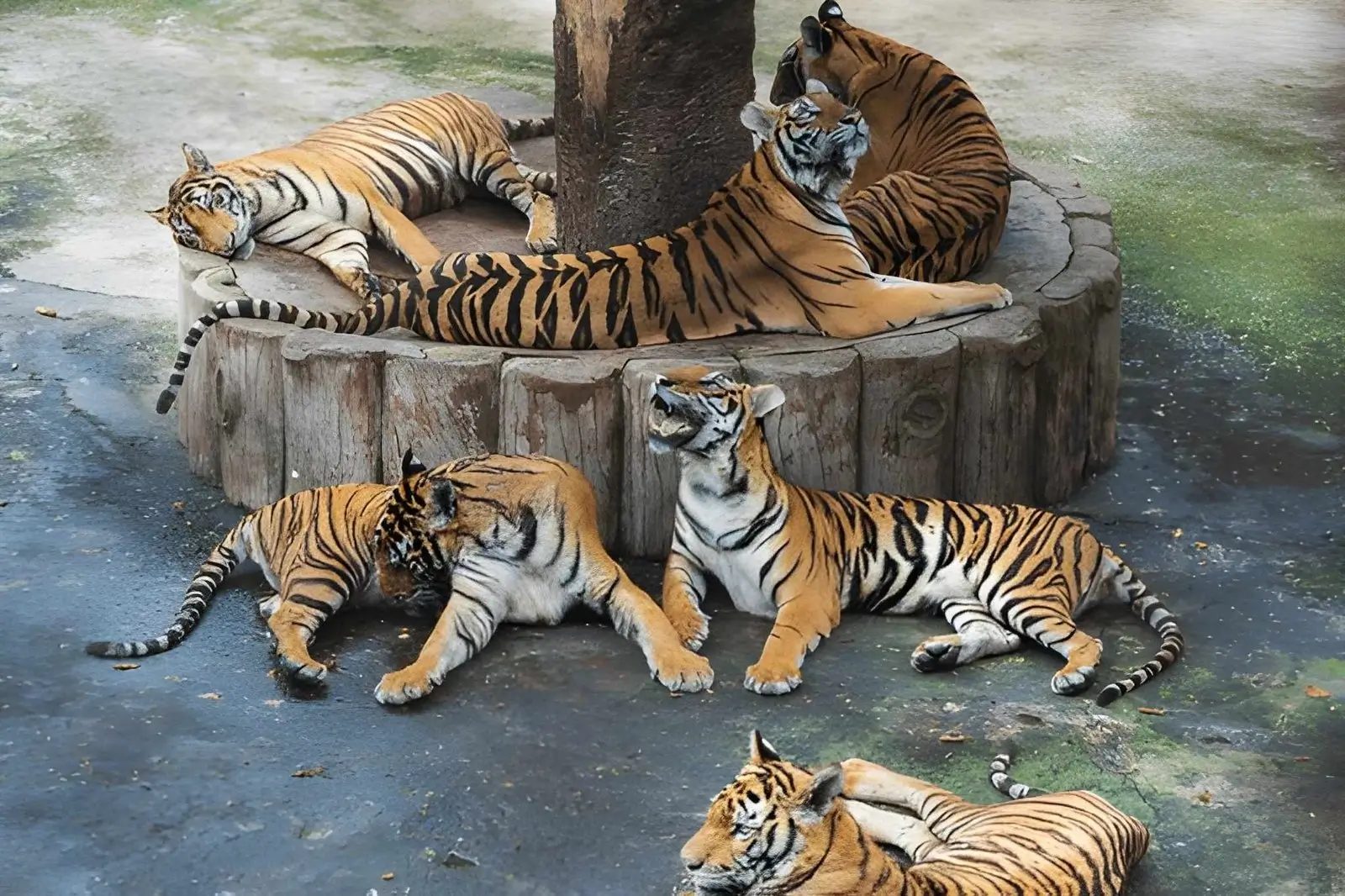
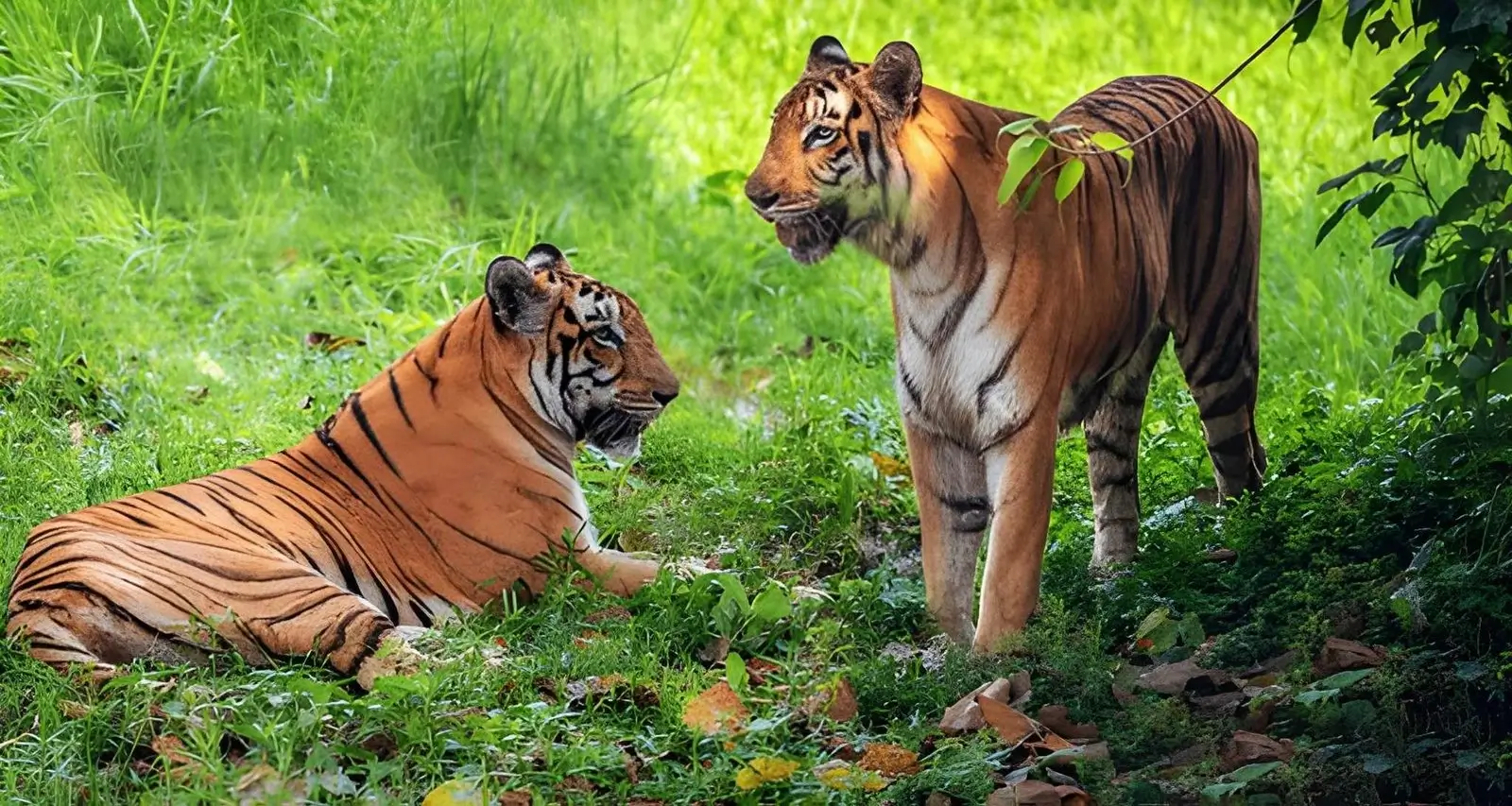
Tigers are among the most iconic symbols of India’s wildlife heritage. The Royal Bengal Tiger, which is also the country’s national animal, represents the strength and ecological richness of India’s forests. Once widespread across the subcontinent, tiger populations declined dramatically during the twentieth century due to hunting, habitat loss, and poaching.
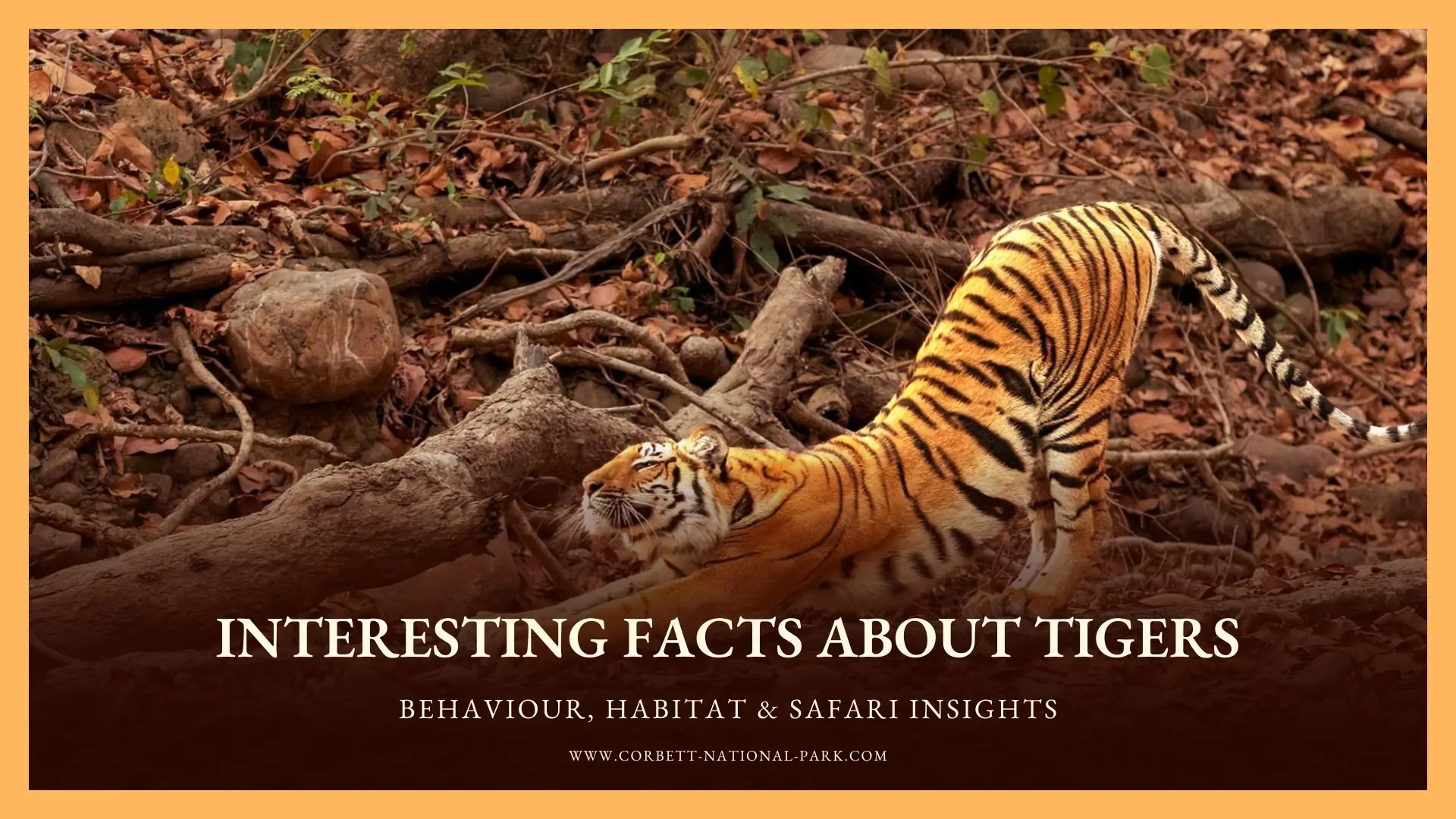
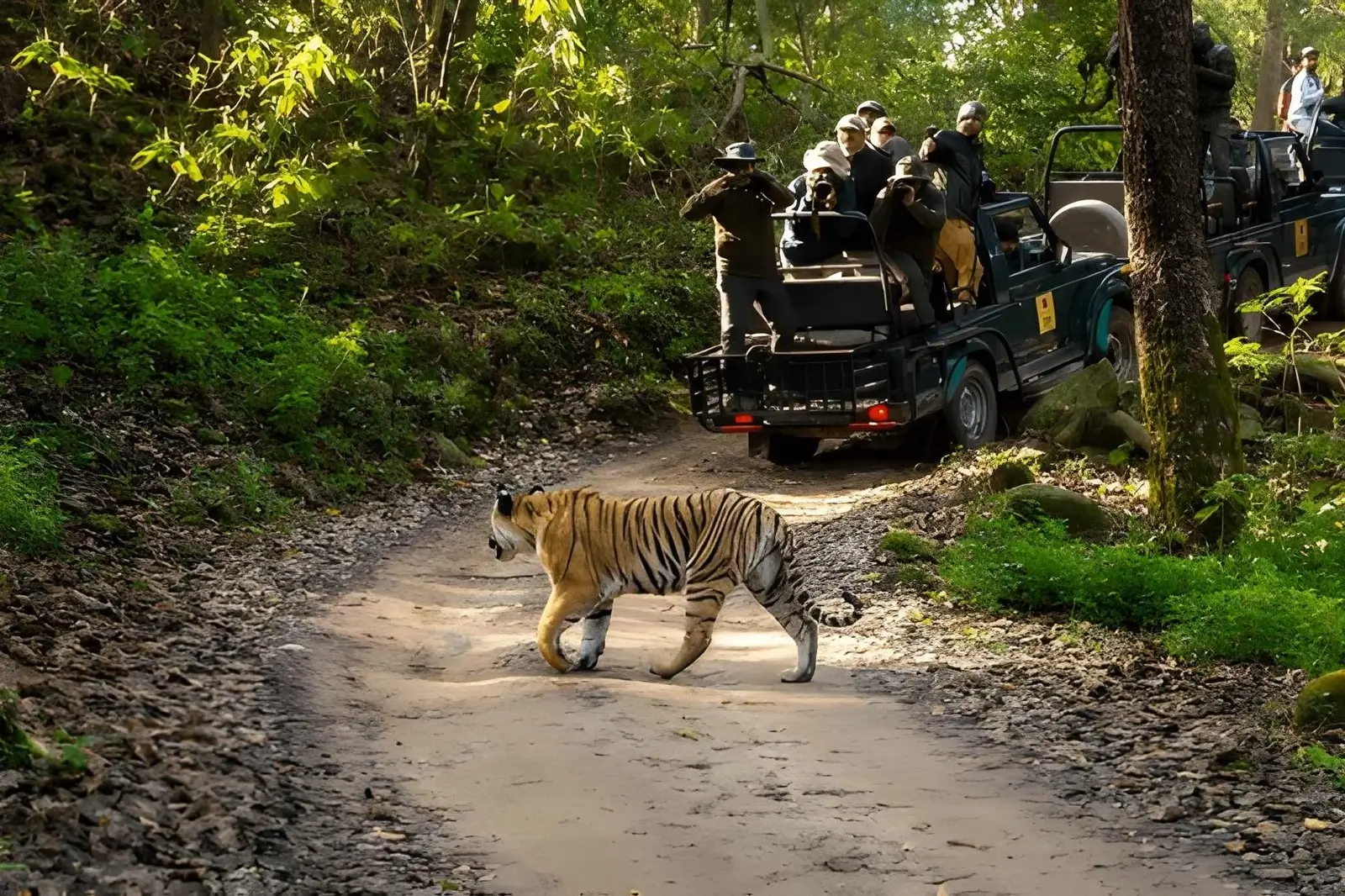
Spotting a tiger in the wild is one of the most intense moments on a safari. The forest falls silent, alarm calls rise, and suddenly, every movement matters. But beyond the sighting lies a deeper story of behaviour, territory, and survival that most travellers miss.
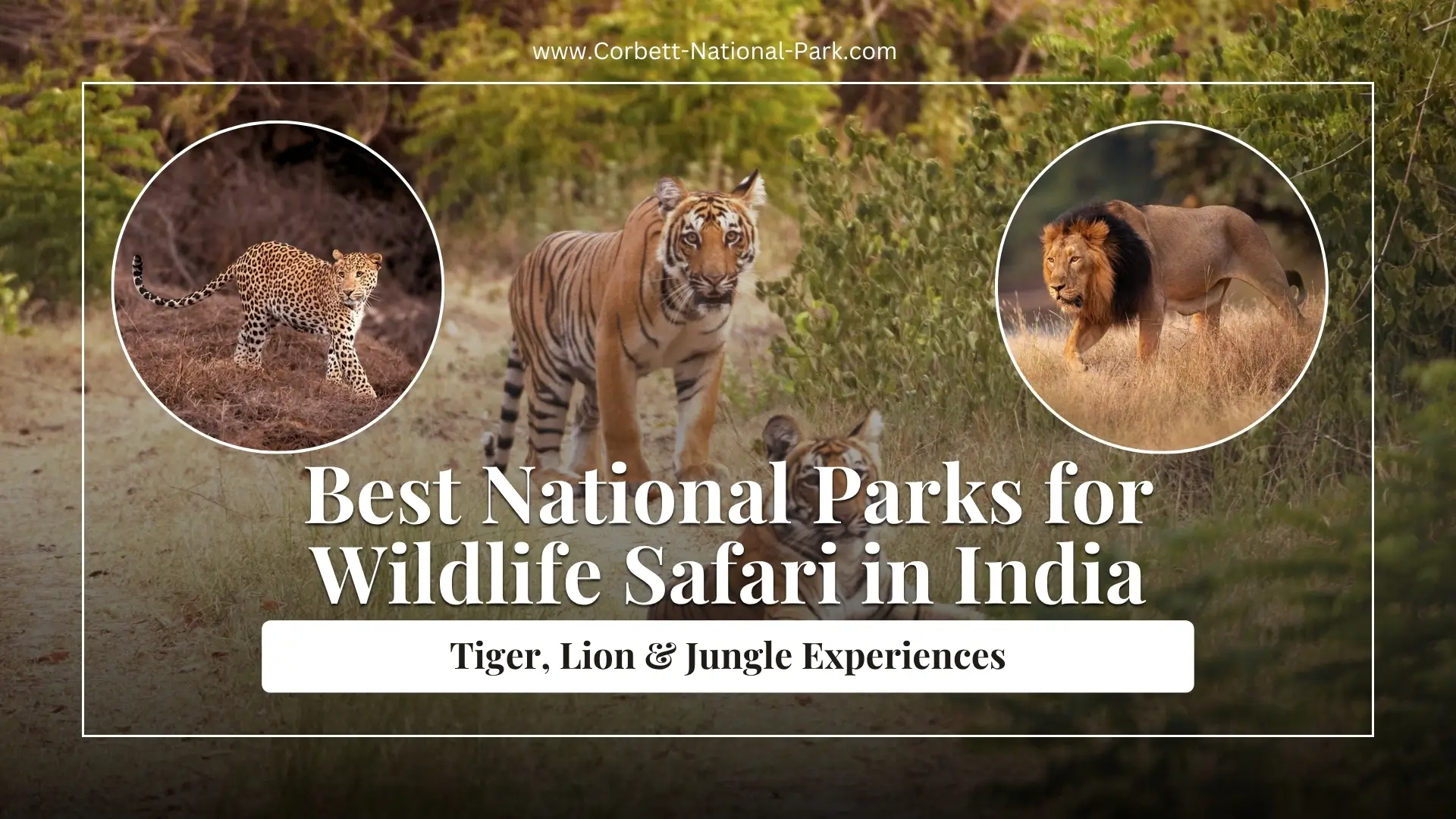
India is one of the few countries in the world where travellers can experience such an extraordinary range of wildlife within a single nation. From the riverine forests of the Himalayan foothills to the dry landscapes of western India and the dense jungles of central India, the country hosts some of the most remarkable ecosystems on Earth.
Our experts are available 24/7:

 Packages
 +91 9212777224