Rare Twin Elephant Birth in Jim Corbett National Park Stuns Wildlife Experts and Tourists
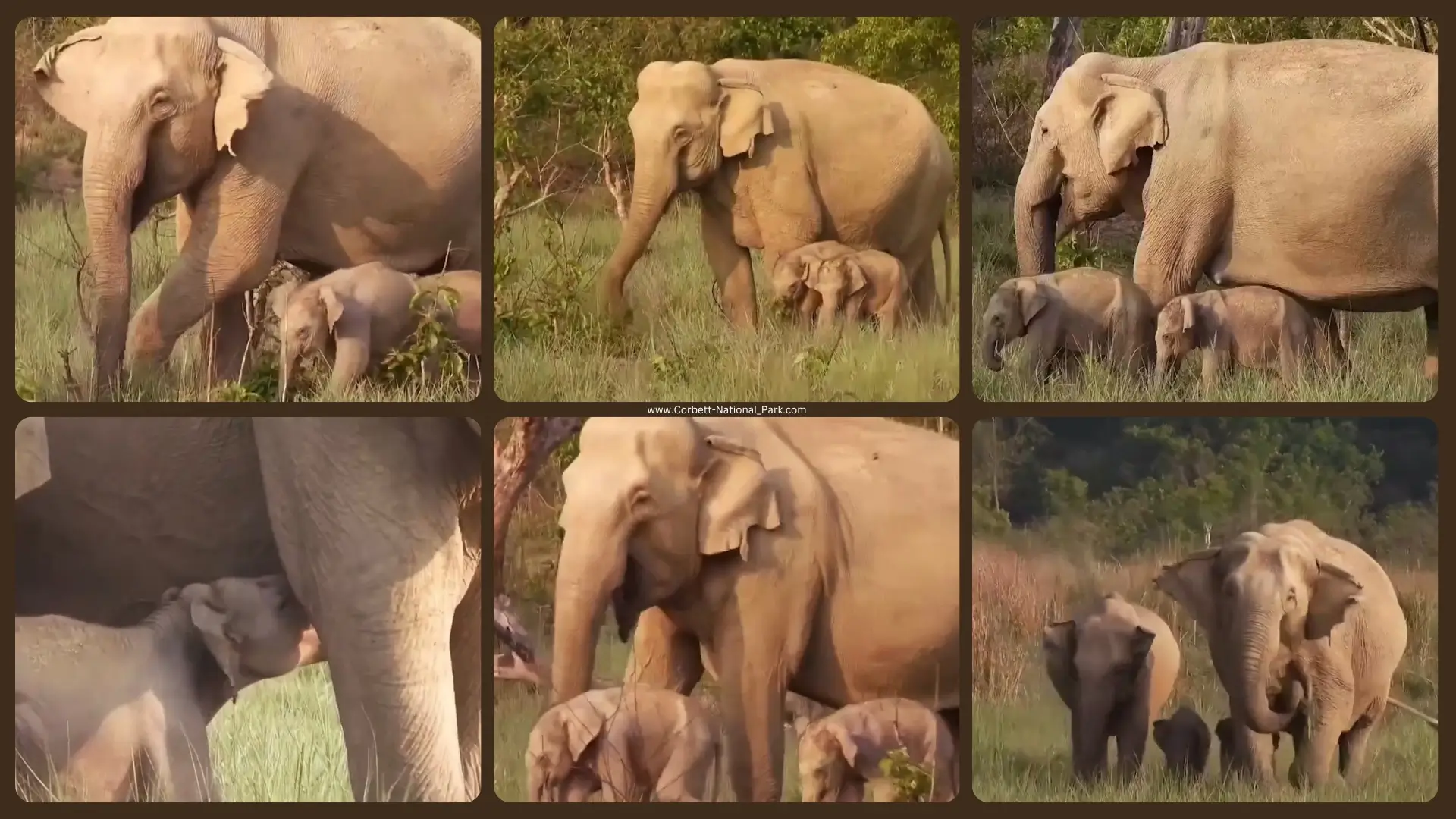
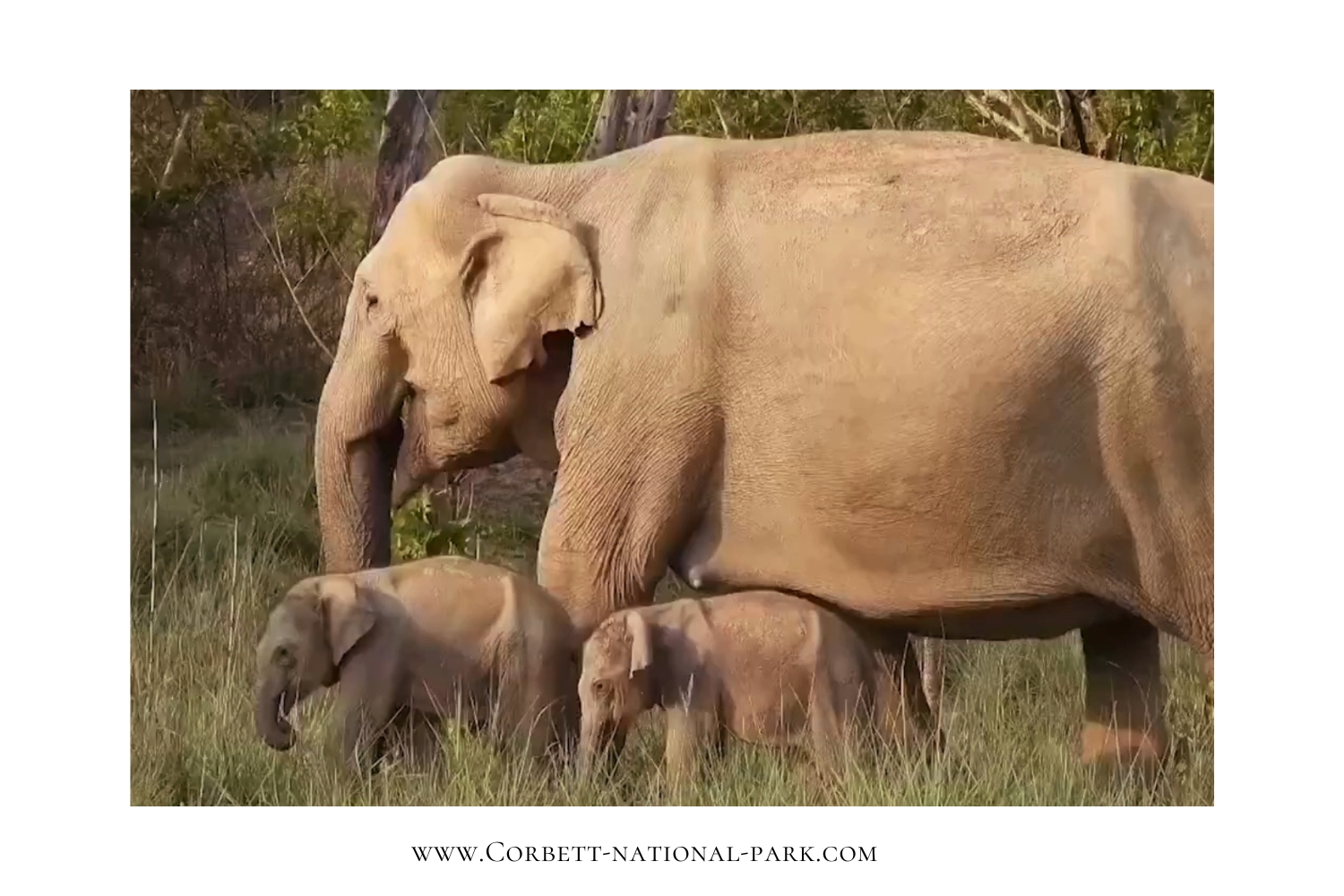
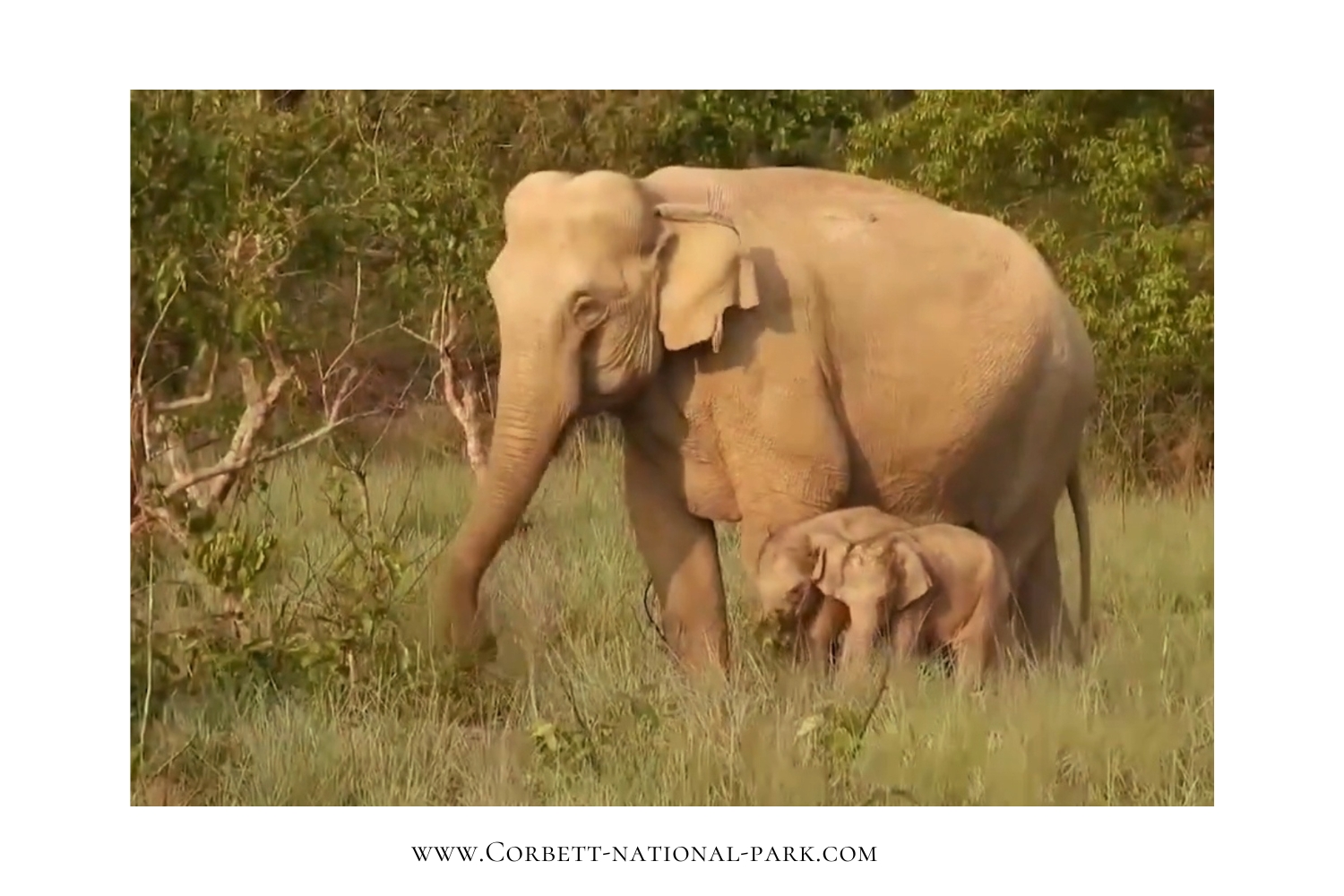
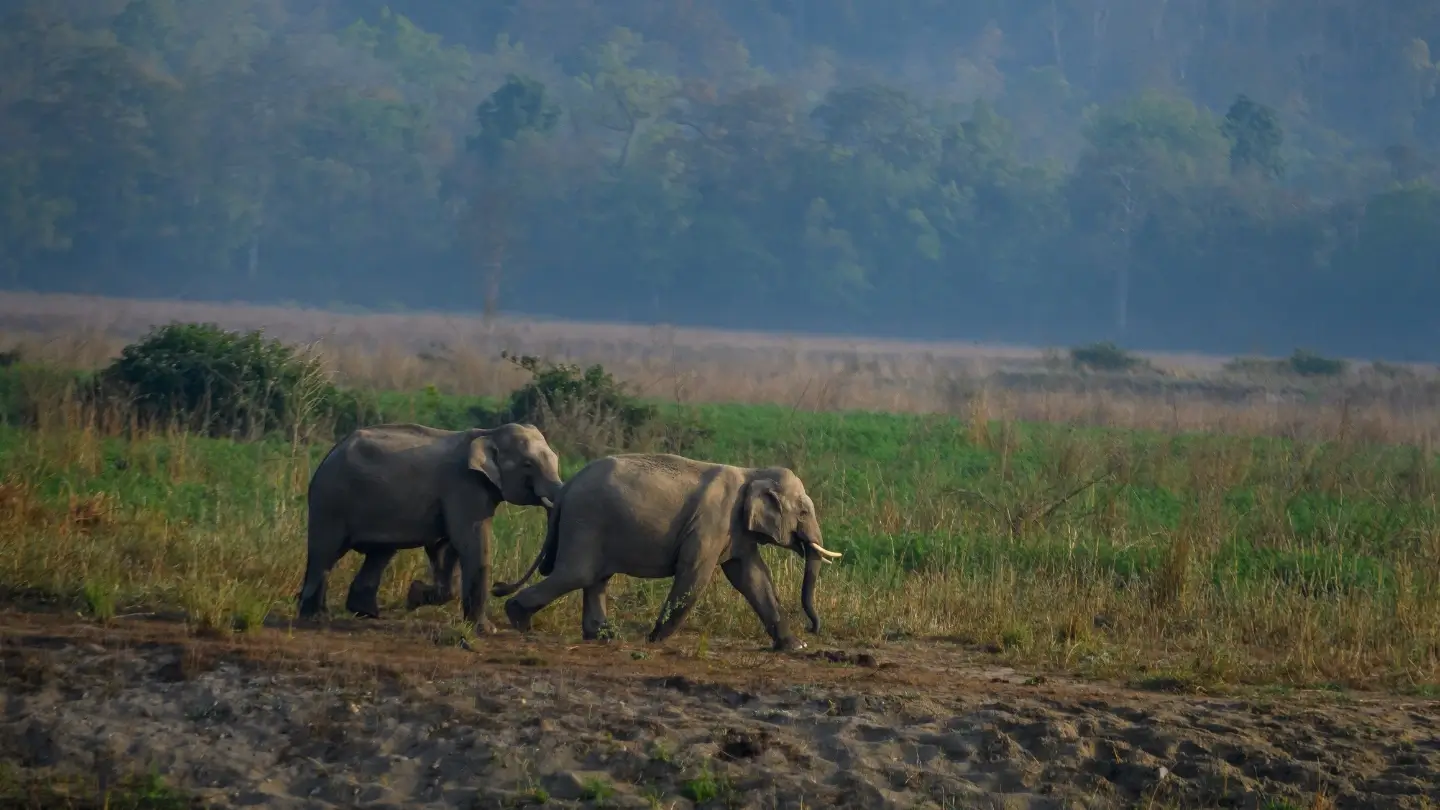
A female elephant has given birth to healthy twin calves in the Garjiya tourism zone of Corbett National Park, marking a heartwarming and extremely rare wildlife event. The rare sighting has created excitement among wildlife experts, forest officials, and tourists visiting the famous Corbett Tiger Reserve. According to experts, twin births in elephants occur in less than one per cent of cases, making this an extraordinary moment for wildlife conservation in India, and the future of elephant conservation in Uttarakhand.
The twin calves were first spotted during a jungle safari by wildlife enthusiast Sanjay Chhimwal, who captured the elephant family on camera. Forest officials have now increased monitoring in the area to ensure the safety of the mother elephant and her newborn calves while maintaining minimal human disturbance inside the reserve.
Twin Elephant Calves Spotted in Garjiya Tourism Zone
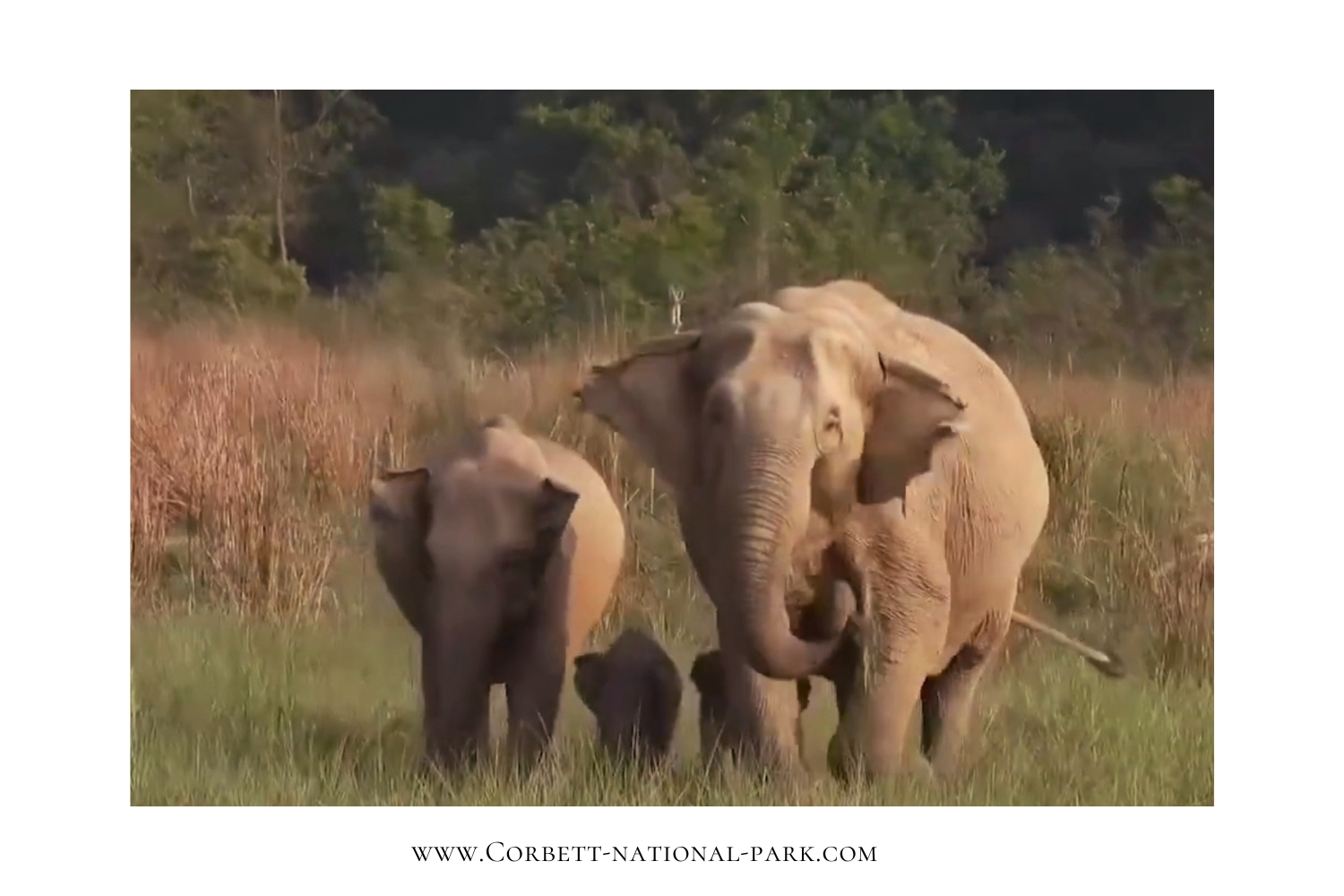
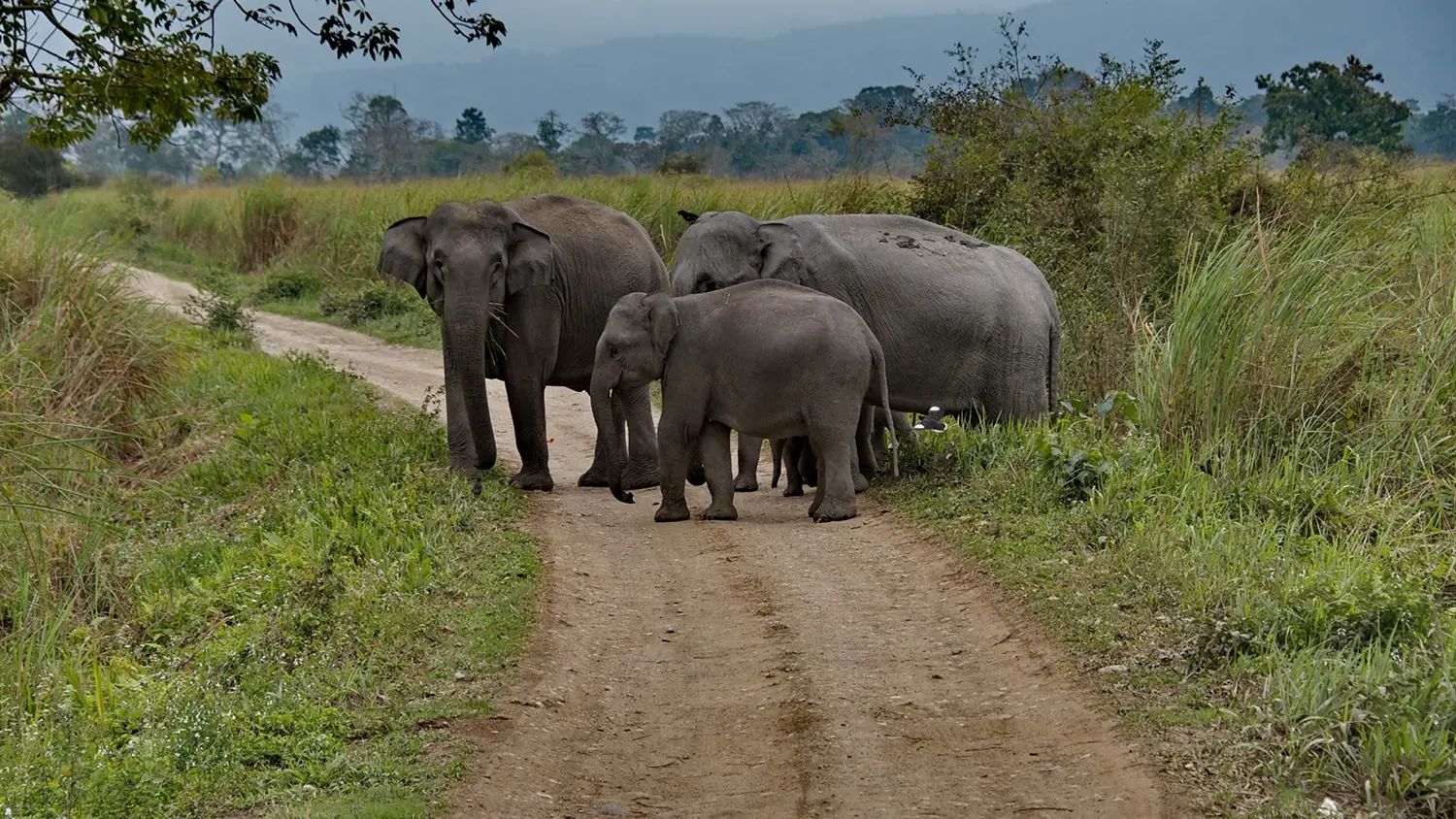
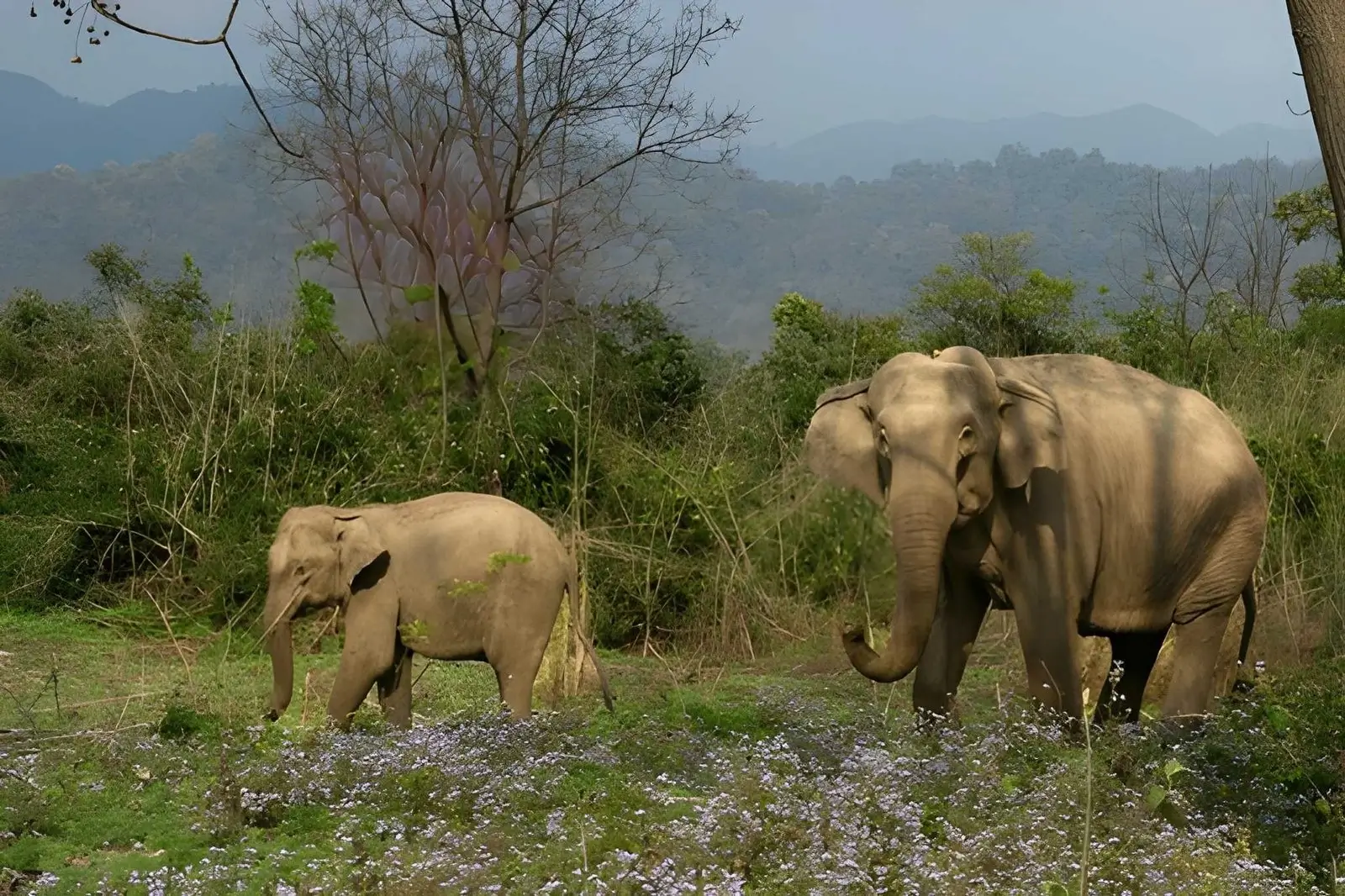
The rare elephant twins were seen moving safely alongside their mother in the Garjiya tourism zone, one of the popular safari regions inside Corbett. According to Sanjay Chhimwal, both calves appeared healthy and were seen suckling, a positive sign for their survival in the wild.
The footage quickly gained attention, as such births are rarely documented in natural forest habitats. The sighting has also become a major attraction for tourists visiting Corbett National Park in recent days.
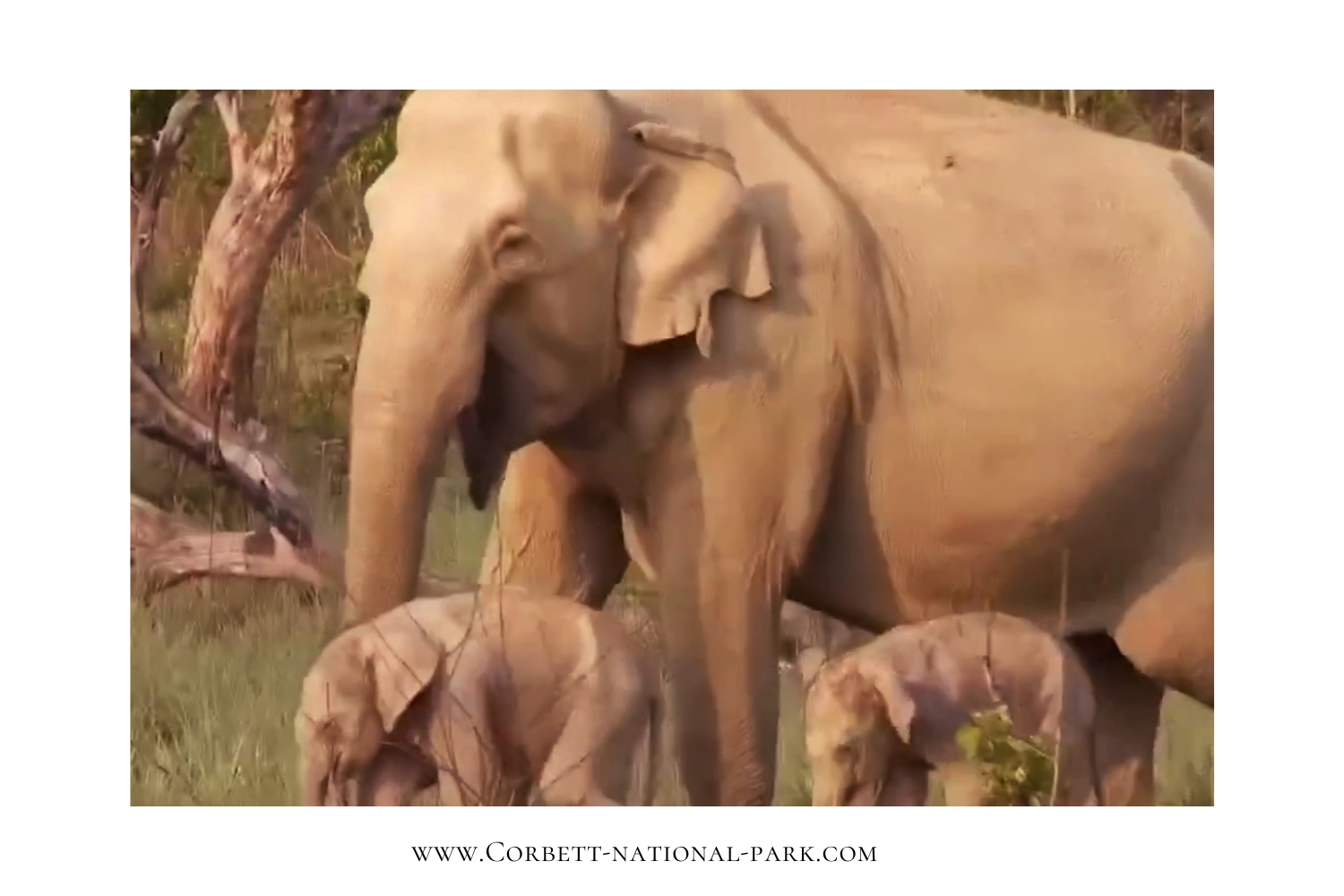
- Wildlife experts explained that elephants generally give birth to only one calf after a long gestation period of around 22 to 24 months.
- Because of this lengthy pregnancy cycle, twin births are considered biologically uncommon and highly challenging for the mother elephant.
- Wildlife expert Satpreet Singh Shetty stated that twin elephant births happen in only about one per cent of cases worldwide. He added that carrying and nursing two calves at the same time puts immense physical and nutritional pressure on the mother.
Experts also noted that survival becomes one of the biggest challenges in such cases, especially in the wild where food, movement, and protection play crucial roles in the calves’ early development.
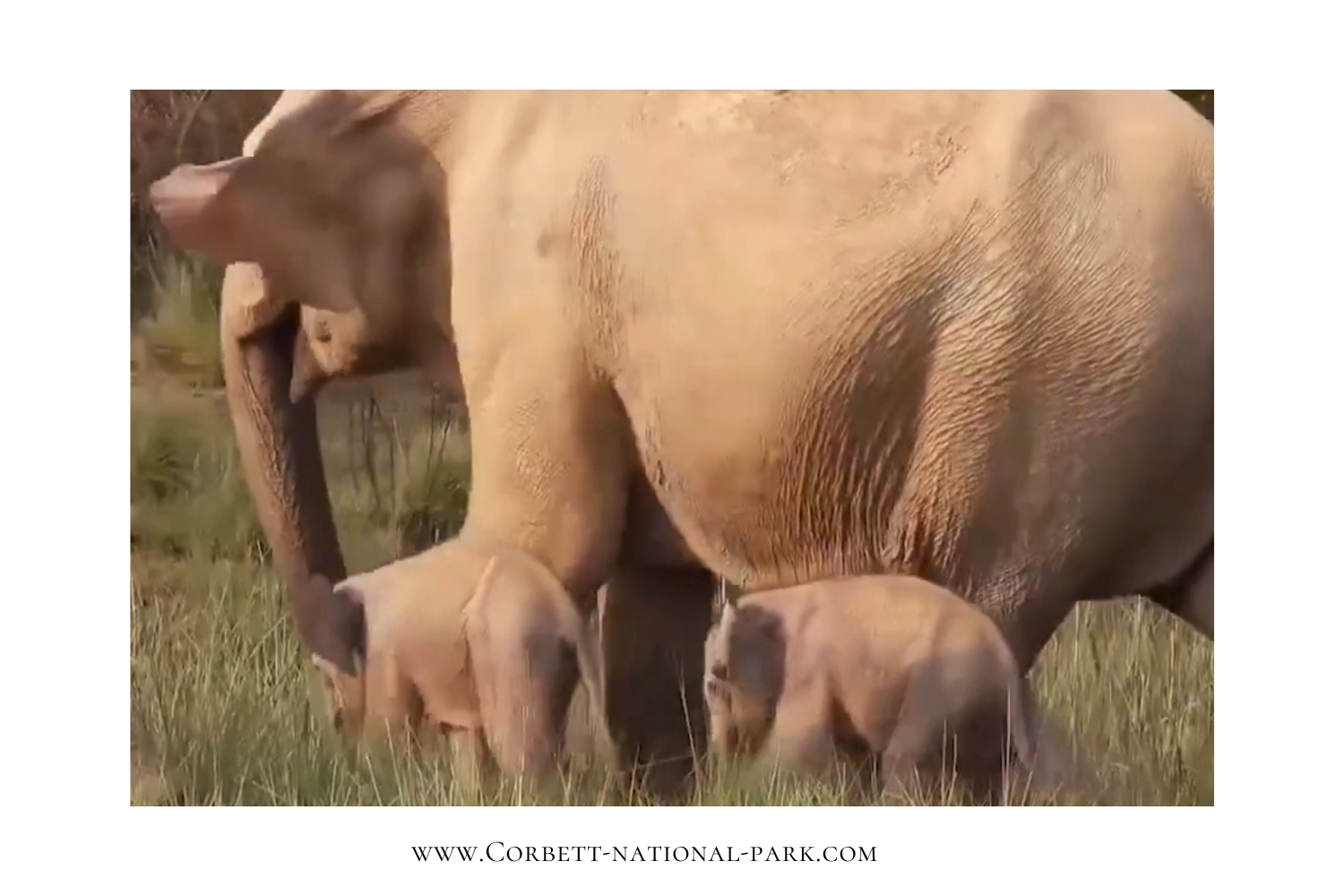
The birth of healthy twin calves is now being viewed as a positive sign of a stable and safe wildlife environment inside the reserve.
- According to Saket Badola, the successful twin birth reflects the strength of the Corbett landscape and its protected ecosystem.
- The reserve, along with the Shivalik Elephant Reserve, remains one of India’s most important regions for elephant conservation.
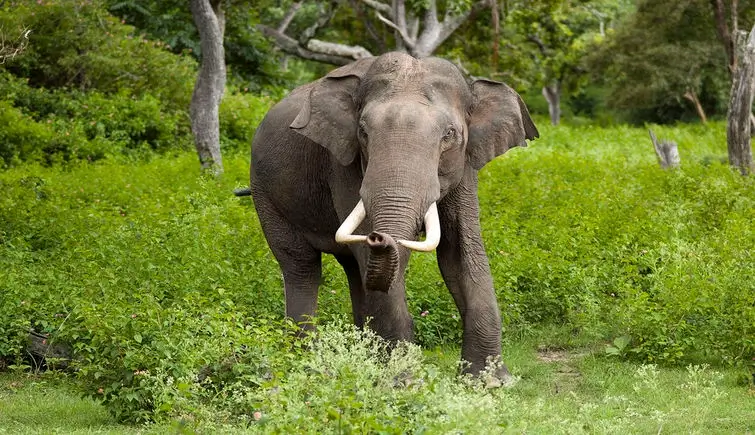
- Officials confirmed that more than 1,200 elephants have been recorded across the Corbett landscape, making it one of Uttarakhand’s largest elephant habitats.
- Forest authorities believe that secure forest zones, sufficient food availability, and continuous habitat protection have helped support a thriving elephant population in the region.
The news of the twin elephant calves has sparked fresh excitement among wildlife tourists and safari operators in Corbett. Local tourism businesses have reported a noticeable increase in bookings, especially in the Garjiya tourism zone, where visitors are hoping to catch a glimpse of the rare elephant family.
However, forest officials are urging tourists and safari operators to maintain a safe distance and avoid disturbing the mother elephant and her calves during this sensitive period.
Authorities are continuing close monitoring of the habitat while prioritizing the safety and natural movement of the elephant family.
The rare birth has once again highlighted the importance of protected forest ecosystems and long-term conservation efforts in India. Wildlife experts believe such extraordinary sightings reinforce the need to preserve natural habitats where animals can breed and survive safely.
Interestingly, similar reports of twin elephant births had earlier emerged from Panna Tiger Reserve, although such cases remain extremely uncommon.
For now, the twin elephant calves of Corbett National Park stand as a rare and hopeful symbol of India’s growing conservation success story.





 Packages
 +91 9212777224