9 Fascinating Facts About Elephants: Intelligence, Behaviour & Where to See Them in India
Fascinating Facts About Elephants: Intelligence, Behaviour & Where to See Them in India

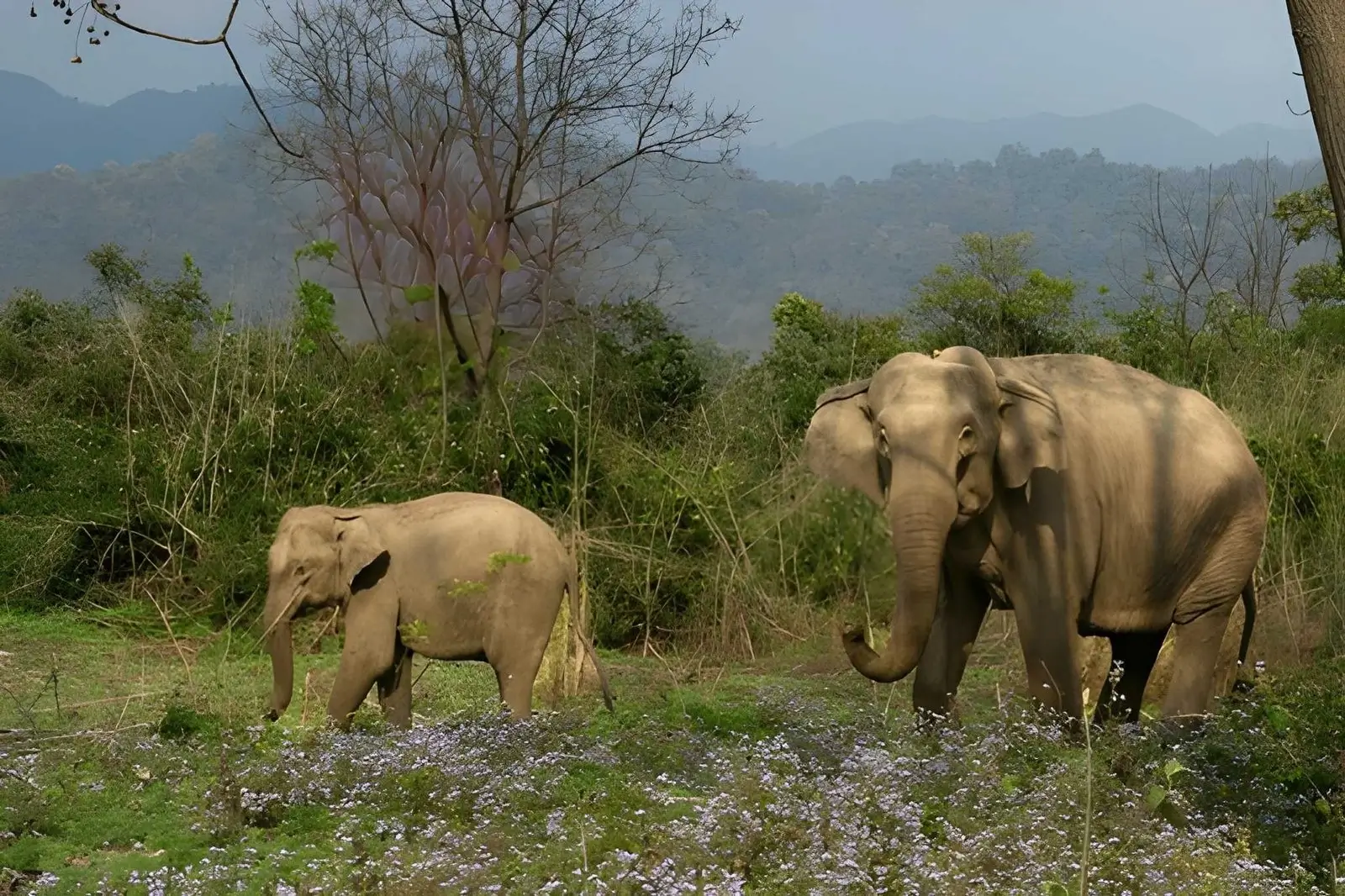
Elephants are not just the largest land animals on Earth, they are among the most intelligent and emotionally complex species in the wild. In India, spotting an elephant in its natural habitat, especially in forests like Jim Corbett National Park, is often one of the most memorable wildlife experiences a traveller can have.

From their extraordinary memory to their role in shaping entire ecosystems, elephants continue to surprise both scientists and wildlife enthusiasts. Here are some fascinating facts about elephants that reveal just how remarkable these giants truly are.

1. Baby Elephants Weigh as Much as an Adult Human at Birth
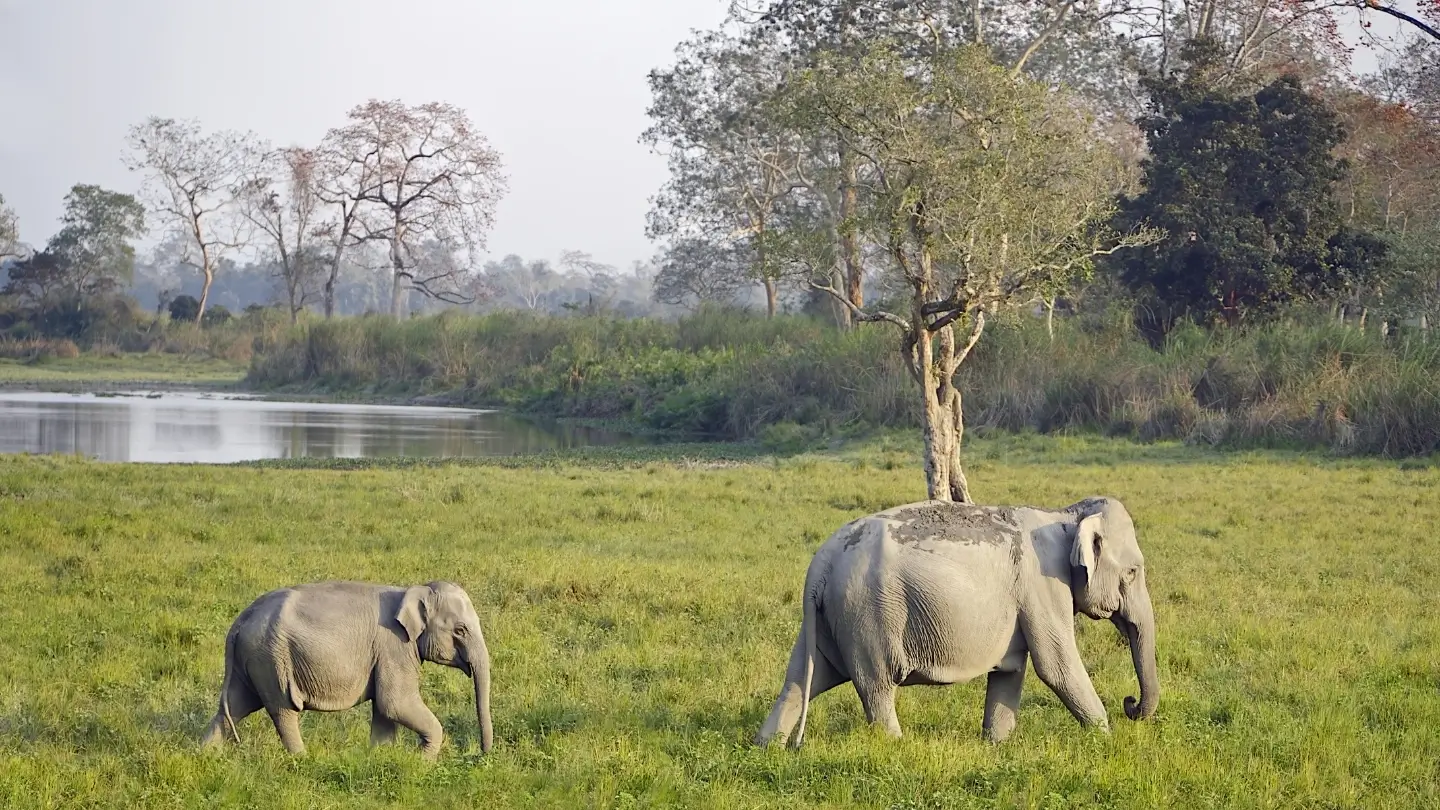
Baby Elephants Weigh as Much as an Adult Human at Birth

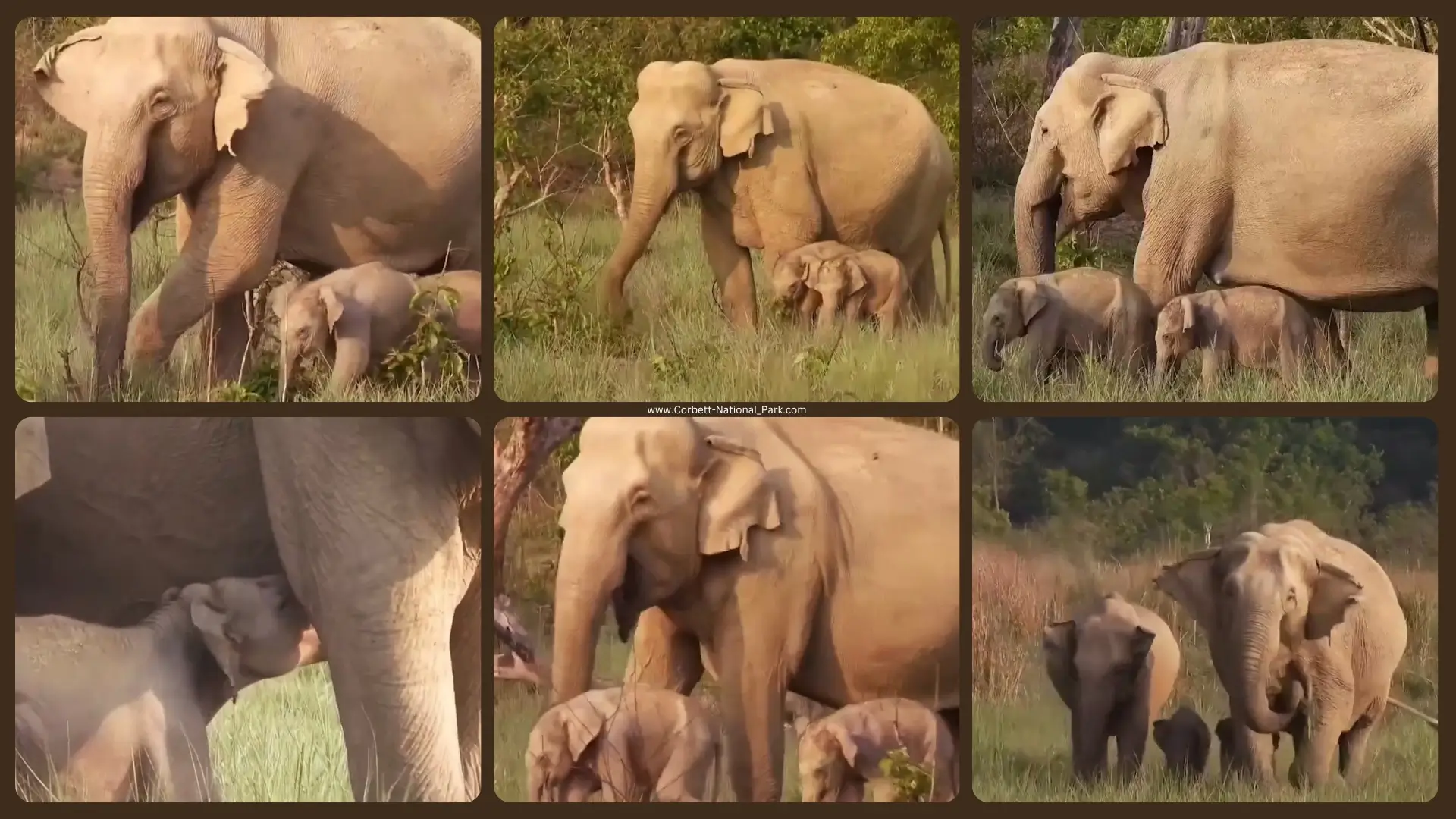
Elephants start life much larger than most animals. A newborn elephant calf typically weighs 90 to 120 kilograms (200–265 pounds) at birth, making it heavier than many adult humans. This early development is crucial for survival in the wild, especially in dense forests like Corbett, where calves must keep up with moving herds almost immediately.

Elephants also hold the record for the longest pregnancy among land animals, with a gestation period of about 22 months. This extended development period allows the calf’s brain and body to grow significantly before birth.

Within minutes of being born, the calf attempts to stand and walk. It stays extremely close to its mother and other females in the herd, who help protect and care for the newborn during its early months.
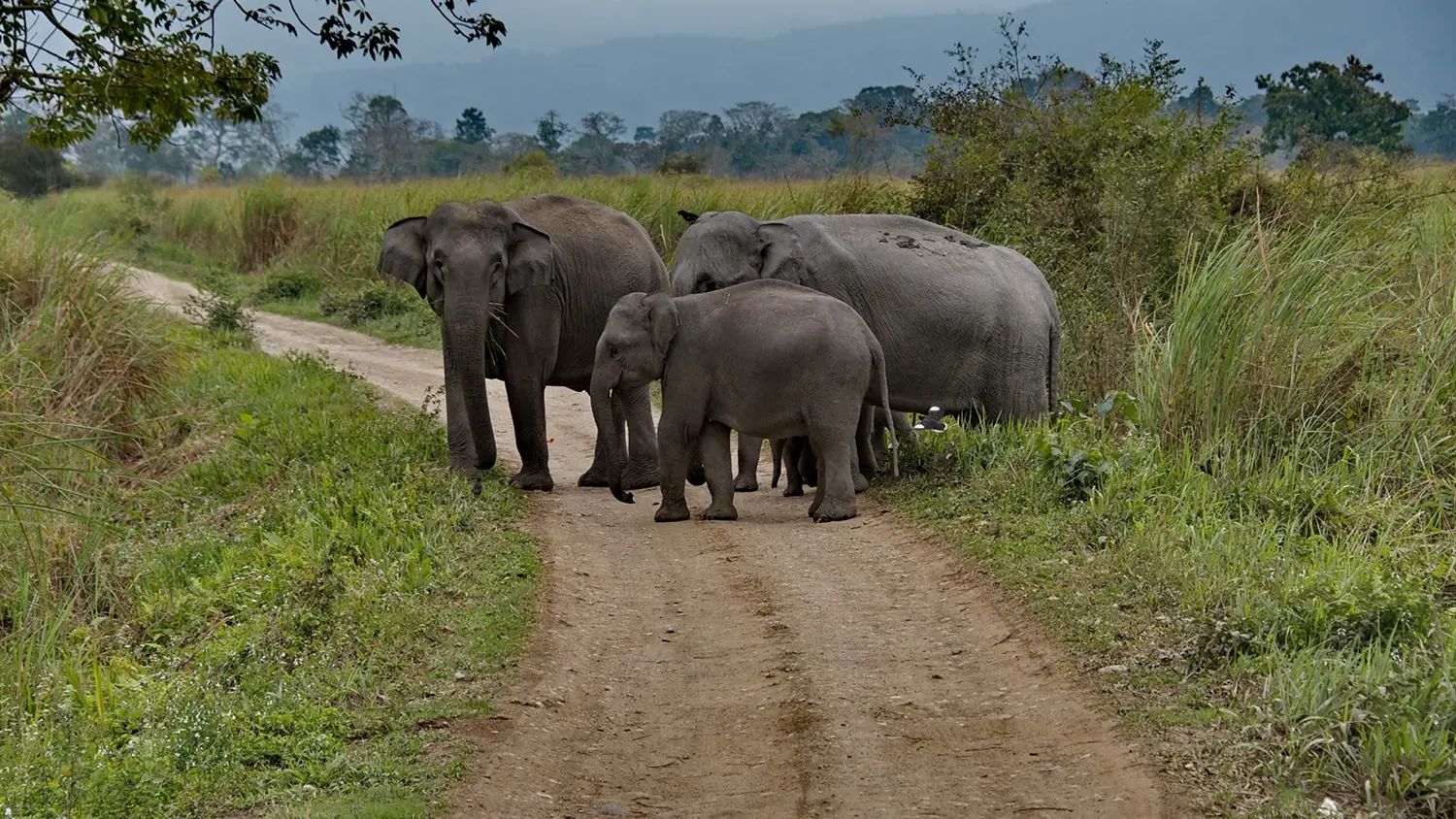
2. Elephants Can Recognise Themselves in a Mirror (A Rare Sign of Intelligence)

Elephants Can Recognise Themselves in a Mirror (A Rare Sign of Intelligence)

Elephants belong to a rare group of animals that can recognise themselves in a mirror, a trait associated with advanced self-awareness.

In a famous scientific experiment conducted at the Bronx Zoo, researchers placed a large mirror in an elephant enclosure. One elephant named Happy was observed touching a mark placed on her head after seeing her reflection, demonstrating that she understood the reflection represented herself.

This ability is extremely rare in the animal kingdom and has only been observed in species such as great apes, dolphins, magpies, and certain whales. The behavior suggests elephants possess a high level of cognitive complexity and self-recognition.
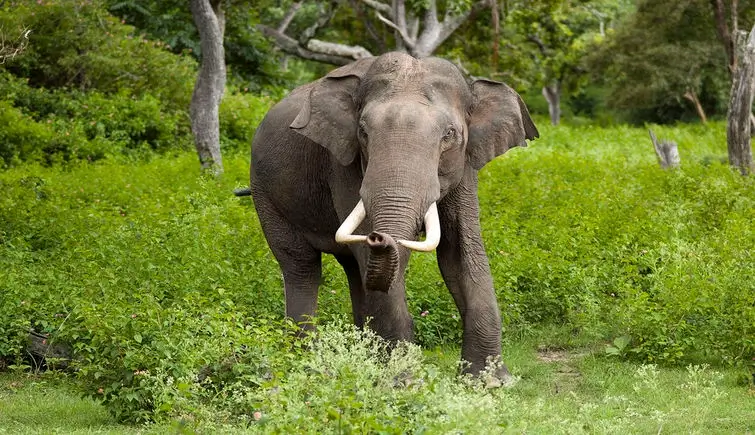
3. Elephants Have One of the Most Advanced Brains in the Animal Kingdom

Elephants Have One of the Most Advanced Brains in the Animal Kingdom

Elephants possess the largest brain of any land animal, weighing around 4.5 to 5 kilograms.

Their brains contain an exceptionally developed cerebral cortex, which is linked to memory, problem-solving, and emotional processing. This advanced brain structure explains many of the remarkable behaviors observed in elephant societies.

Scientists have documented elephants demonstrating:

  • Cooperative problem-solving
  • Emotional bonding within families
  • Protective behavior toward injured herd members
  • Chital and NilMourning behavior around deceased elephants

Such observations have led researchers to consider elephants among the most intelligent animals on the planet.
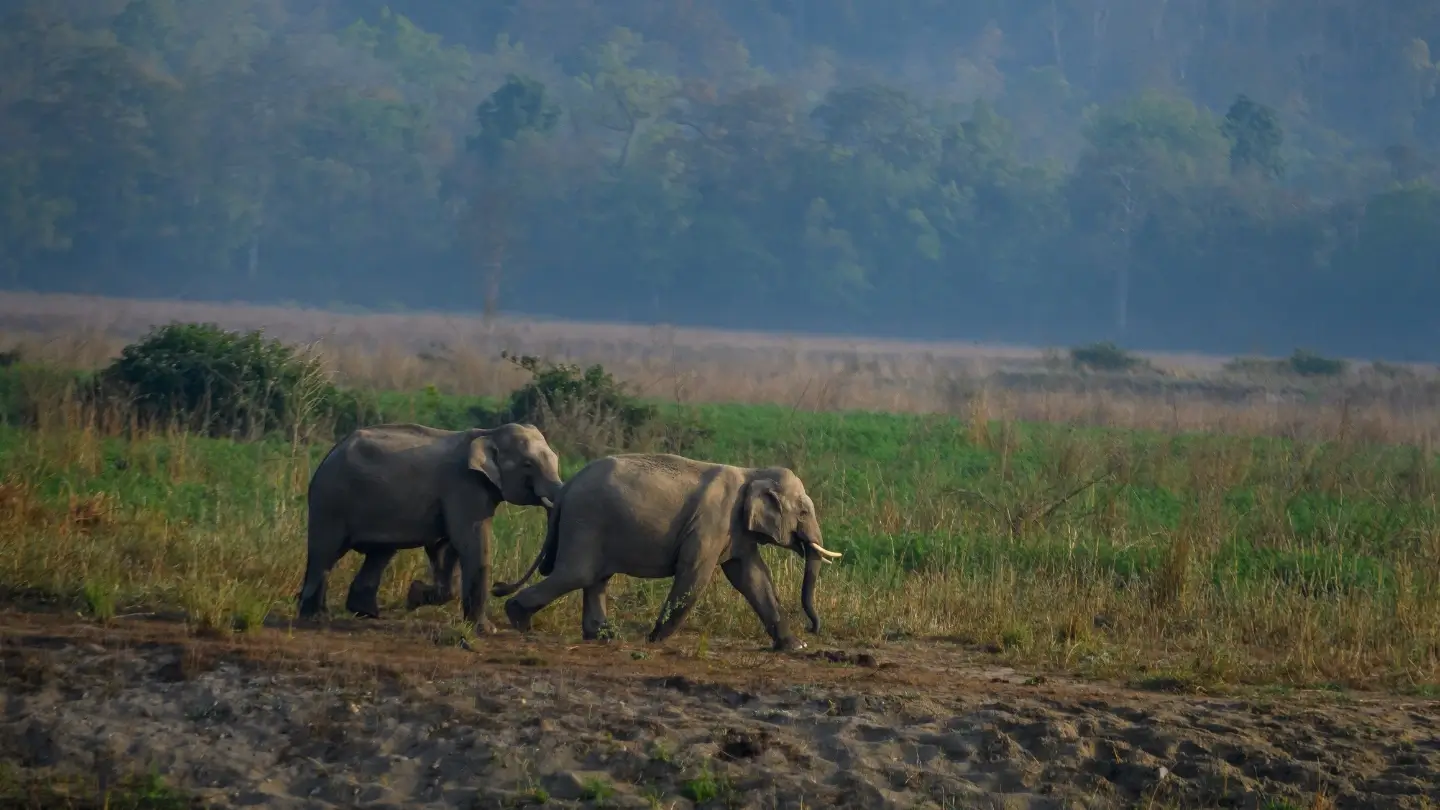
4. An Elephant’s Trunk Has Over 40,000 Muscles and Incredible Precision

n Elephant’s Trunk Has Over 40,000 Muscles and Incredible Precision

The elephant’s trunk is one of the most versatile organs in the animal kingdom. It is actually a fusion of the upper lip and nose and contains over 40,000 individual muscles. This adaptability is one reason elephants thrive in diverse habitats, from grasslands to riverine forests found in North India.

This incredible structure allows elephants to perform a wide range of actions, including:

  • Picking up small objects like a peanut
  • Pulling down tree branches
  • Smelling food or water from long distances
  • Spraying water or dust on their bodies for cooling and protection

An adult elephant’s trunk can grow up to 2 metres long and is strong enough to lift heavy logs while remaining sensitive enough to handle delicate objects.
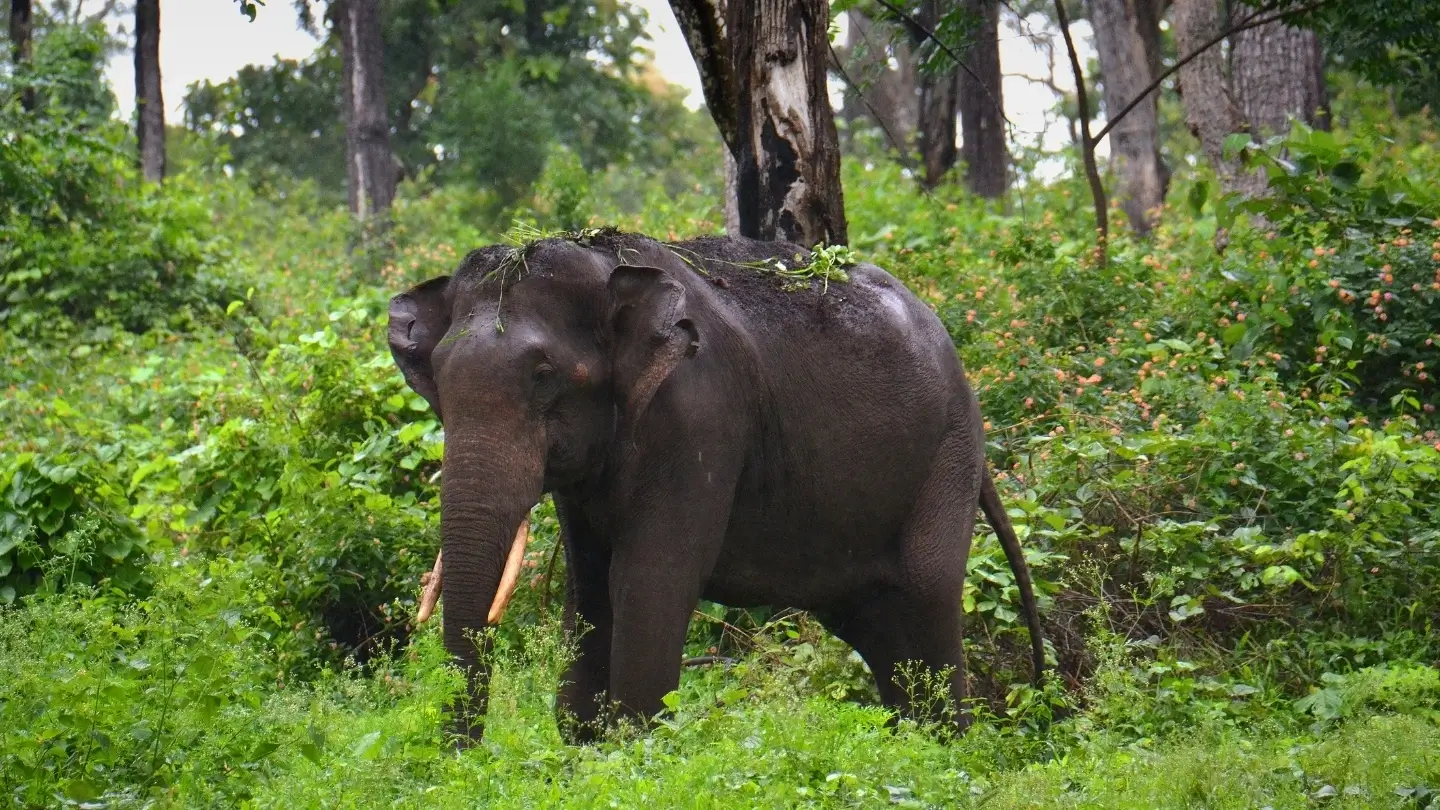
5. Elephants Communicate Across Kilometres Using Low-Frequency Sound

Elephants Communicate Across Kilometres Using Low-Frequency Sound

Elephants communicate using a combination of vocal sounds, body language, and ground vibrations.

One of their most fascinating communication methods involves infrasound, which refers to extremely low-frequency sounds that humans cannot hear. These sound waves can travel several kilometers across the landscape.

Elephants detect these vibrations through specialized sensory cells in their feet and trunks. This allows herds to stay connected even when they are far apart, helping them coordinate movements and locate one another across large distances.
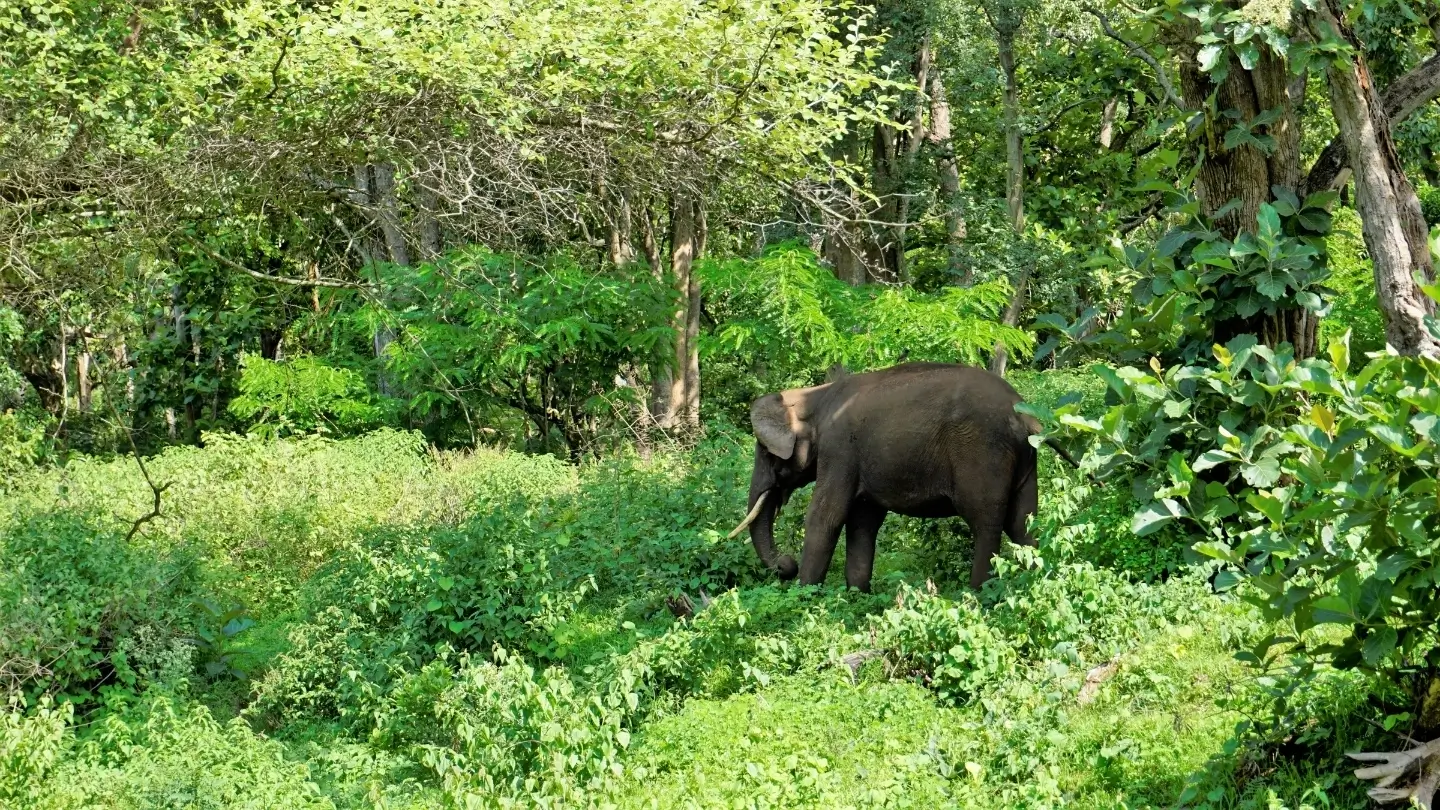
6. Adult Elephants Have Almost No Natural Predators

Adult Elephants Have Almost No Natural Predators

Due to their massive size and strong defensive behavior, adult elephants have very few natural predators.

However, elephant calves may occasionally be targeted by predators such as lions or hyenas, particularly in parts of Africa. In such situations, the entire herd often forms a protective circle around the young calf.

Today, the greatest threat to elephants does not come from predators but from human activities, including habitat destruction and illegal poaching.
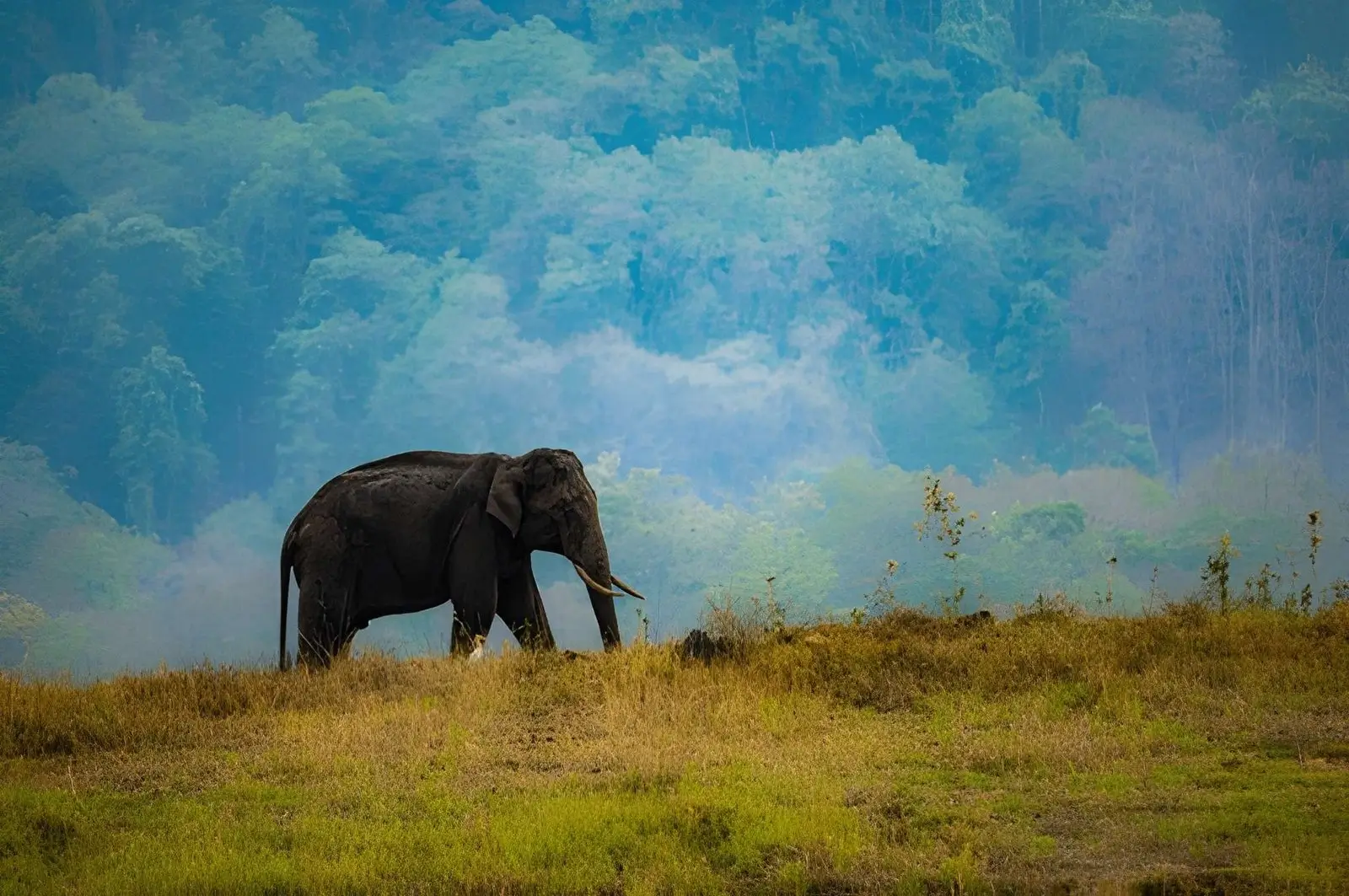
7. Elephants Eat Up to 150 Kg of Food Every Single Day

Elephants Eat Up to 150 Kg of Food Every Single Day

Elephants require enormous amounts of food to support their large bodies. An adult elephant can consume up to 150 kilograms of vegetation in a single day.

Their diet mainly consists of:

  • Grass
  • Tree bark
  • Roots
  • Leaves
  • Fruits

Elephants spend up to 16 hours a day feeding, constantly moving across large areas in search of food and water. Their feeding habits also help shape ecosystems by clearing pathways and dispersing seeds across forests and grasslands.

In reserves like Corbett, this constant feeding behaviour often determines where elephants are spotted during safaris, typically near water bodies and forest clearings.
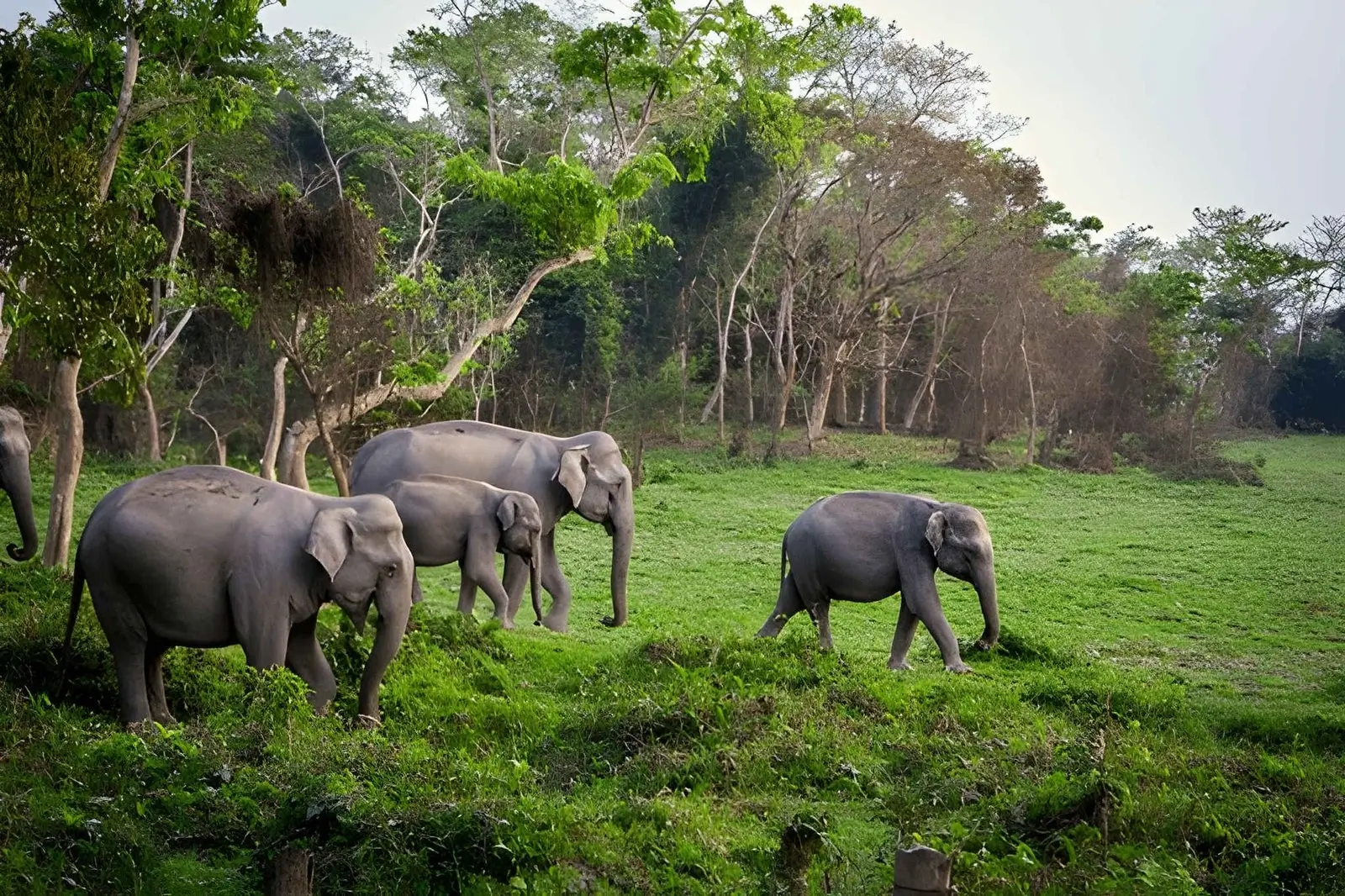
8. Elephants Are “Ecosystem Engineers” That Shape Entire Landscapes

Elephants Are “Ecosystem Engineers” That Shape Entire Landscapes

Elephants are often referred to as “ecosystem engineers.” As they move through forests and grasslands, their activities help shape the natural environment in several ways:

  • Creating clearings in dense forests
  • Digging water holes used by other animals
  • Dispersing seeds across large distances
  • Maintaining open grasslands

Because of these ecological roles, the presence of elephants can influence the survival of many other plant and animal species in their habitat.
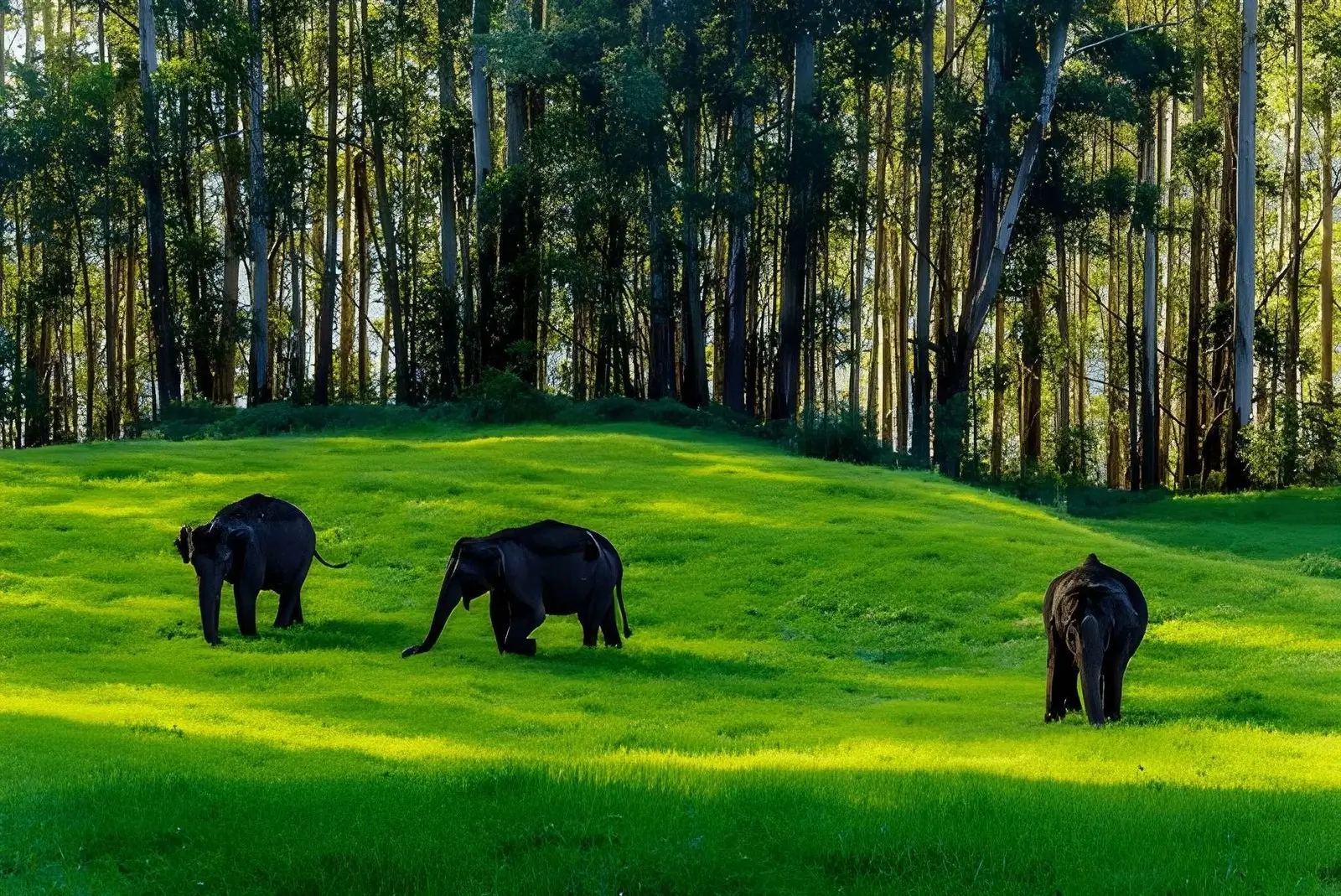
9. Elephants Are Facing Growing Threats from Humans and Habitat Loss

Elephants Are Facing Growing Threats from Humans and Habitat Loss

Despite their strength and ecological importance, elephant populations face significant threats today.

The two main challenges are:

  • Illegal poaching – Elephants are hunted for their ivory tusks, which are still traded illegally in parts of the world.
  • Habitat loss – Expanding human settlements, agriculture, and infrastructure projects have reduced the natural landscapes elephants depend on.

According to conservation estimates:

  • African elephant populations have declined sharply over the past century
  • Asian elephants are classified as endangered, with fewer than 50,000 remaining in the wild

Conservation programmes, anti-poaching patrols, and protected wildlife reserves are working to safeguard these animals for the future.

Where to See Elephants in India (Best National Parks)?

While elephants are found across several regions, some national parks in India offer better chances of sightings.

  • Jim Corbett National Park – One of the best places in North India to see large herds, especially in Dhikala and Bijrani zones
  • Kaziranga National Park – High elephant density alongside rhinos and wetlands
  • Periyar National Park – Known for elephant sightings near water bodies
  • Bandipur National Park – Frequent sightings in open forest landscapes

Elephant sightings depend heavily on season, safari timing, and habitat type.

Why Protecting Elephants Matters?

Elephants are more than just impressive animals; they are essential to the health of entire ecosystems. Their movements shape forests, distribute plant species, and support the survival of many other animals.

In India, elephant conservation is particularly critical due to increasing human-elephant conflict in forest-edge regions, especially in states like Uttarakhand, Assam, and Karnataka.

Protecting elephants also protects the landscapes they inhabit. Many national parks and wildlife reserves around the world rely on elephant conservation to maintain biodiversity.

As travellers and wildlife enthusiasts, we can help support elephant conservation by:

While elephants are found across several regions, some national parks in India offer better chances of sightings.

  • Avoiding products made from ivory or wildlife body parts
  • Supporting ethical wildlife tourism and conservation programs
  • Raising awareness about the importance of elephant protection

Ensuring the survival of elephants means preserving one of the most intelligent and fascinating species on our planet for generations to come.


Frequently Asked Questions

Q. Where can you see elephants in India easily?
National parks like Corbett, Kaziranga, and Bandipur offer some of the best opportunities, especially during early morning and evening safaris.
Q. What is the best time to see elephants in India?
Summer months (March to June) are ideal, as elephants gather near water sources, increasing sighting chances.

Recent Trending Posts

Best National Parks for Wildlife Safari in India: Tiger, Lion & Jungle Experiences
5 Best National Parks for Wildlife Safari in India: Tiger, Lion & Jungle Experiences

India is one of the few countries in the world where travellers can experience such an extraordinary range of wildlife within a single nation. From the riverine forests of the Himalayan foothills to the dry landscapes of western India and the dense jungles of central India, the country hosts some of the most remarkable ecosystems on Earth.

Tiger Population in India: Latest Count, State-Wise Data & Best Places to See Tigers
Tiger Population in India (2026): Latest Count, State-Wise Data & Best Places to See Tigers

India is now home to nearly three out of every four wild tigers on the planet. What was once a species on the brink of collapse has staged one of the most remarkable wildlife recoveries in modern conservation history.

Jim Corbett : From Hunter to Conservationist

Few figures in India’s wildlife history are as compelling as Jim Corbett, a hunter who spent years tracking man-eating predators before becoming one of the earliest voices for wildlife conservation. His journey from protecting villages to advocating for forests reflects a deeper understanding of the relationship between humans and wildlife.

Fascinating Facts About Elephants: Intelligence, Behaviour & Where to See Them in India
9 Fascinating Facts About Elephants: Intelligence, Behaviour & Where to See Them in India

Elephants are not just the largest land animals on Earth, they are among the most intelligent and emotionally complex species in the wild. In India, spotting an elephant in its natural habitat, especially in forests like Jim Corbett National Park, is often one of the most memorable wildlife experiences a traveller can have.

Jim Corbett National Park History: From Hailey Park to India’s First Tiger Reserve

The story of Jim Corbett National Park is closely tied to the evolution of wildlife conservation in India. Established in 1936 as Hailey National Park, it was the country’s first attempt at protecting forest ecosystems and wildlife at scale.

Interesting Facts About Tigers: Behaviour, Habitat & Safari Insights

Spotting a tiger in the wild is one of the most intense moments on a safari. The forest falls silent, alarm calls rise, and suddenly, every movement matters. But beyond the sighting lies a deeper story of behaviour, territory, and survival that most travellers miss.

Fascinating Animal Facts: Surprising Wildlife Insights from Around the World
25 Fascinating Animal Facts: Surprising Wildlife Insights from Around the World

The animal kingdom is full of behaviours that often seem unbelievable until you see them in action. From tigers with unique stripe patterns to elephants with complex social bonds, wildlife continues to challenge what we think we know about intelligence, survival, and adaptation.

Powerful Life Lessons Humans Can Learn from Wildlife
Powerful Life Lessons Humans Can Learn from Wildlife (Inspired by Nature & National Parks)

Humans often believe they have mastered intelligence, leadership, and progress. Yet, in the wild, animals follow simple principles that have ensured survival for millions of years.

Endangered Animals in India : Causes, Conservation Efforts & National Parks
Endangered Animals in India: Causes, Conservation Efforts & National Parks

TIndia is one of the world’s most biodiverse countries, yet many of its wildlife species are facing increasing threats. From habitat loss and climate change to poaching and human expansion, several animal populations have declined sharply over the past century.

Project Tiger in India: History, Achievements & Tiger Population Growth

Tigers are among the most iconic symbols of India’s wildlife heritage. The Royal Bengal Tiger, which is also the country’s national animal, represents the strength and ecological richness of India’s forests. Once widespread across the subcontinent, tiger populations declined dramatically during the twentieth century due to hunting, habitat loss, and poaching.

Best National Parks for Wildlife Photography in India
5 Best National Parks for Wildlife Photography in India

When photography is a passion, every subject can become a masterpiece. However, when wildlife becomes the theme, photography turns into a powerful way of capturing the raw beauty of nature and the untamed wilderness

Best Bird Watching Destinations in India: Top National Parks for Birding
5 Best Bird Watching Destinations in India: Top National Parks for Birding

Bird watching in India offers an extraordinary experience because few countries match its diversity of habitats and birdlife. From Himalayan foothills and vast wetlands to mangrove forests and tropical evergreen jungles, the country supports an exceptional range of bird species throughout the year.

Top Adventure Activities in Jim Corbett: Safaris, River Rafting & Outdoor Experiences

Jim Corbett National Park is often associated with tiger safaris, but the experience goes far beyond wildlife sightings. Set against the foothills of the Himalayas and shaped by rivers like Ramganga and Kosi, Corbett offers a range of outdoor activities that combine adventure with nature.

How to Help Save Tigers: Practical Ways to Support Tiger Conservation
How to Help Save Tigers: Practical Ways to Support Tiger Conservation?

Tigers play a critical role in maintaining healthy ecosystems, but their survival is still under threat due to habitat loss, poaching, and human expansion.

Why Tigers Are Endangered: Causes, Population & Conservation Efforts

Tigers are among the most important predators in the natural world, yet their survival remains under constant threat. Over the past century, tiger populations have declined drastically due to habitat loss, poaching, and human expansion.

Why Wildlife Conservation Matters for Human Survival : Real Impact on Food, Climate & Travel
Why Wildlife Conservation Matters for Human Survival: Real Impact on Food, Climate & Travel

The animal kingdom is full of behaviours that often seem unbelievable until you see them in action. From tigers with unique stripe patterns to elephants with complex social bonds, wildlife continues to challenge what we think we know about intelligence, survival, and adaptation.

Wildlife Conservation in India: Efforts, National Parks & Why It Matters

Wildlife conservation in India focuses on protecting entire ecosystems that sustain biodiversity, water systems, and human life. With increasing pressure from urbanisation, deforestation, and climate change, conservation efforts have become essential to ensure the survival of wildlife across the country.

Wildlife Management in India: Conservation Efforts, Laws & National Parks

Wildlife management in India is not just about protecting animals; it is about maintaining entire ecosystems that support biodiversity, water systems, and local communities. With increasing pressure from urbanisation, deforestation, and human expansion, conservation efforts have become essential to ensure the survival of wildlife across the country.

Tundra Bean Goose in India: Rare Sightings, Migration Mystery & the 2011 Corbett Record

India’s wetlands and river systems attract thousands of migratory birds every winter. Most follow predictable routes, returning year after year. But some species break the pattern entirely.

Our experts are available 24/7: