How to Help Save Tigers: Practical Ways to Support Tiger Conservation?
How to Help Save Tigers: Practical Ways to Support Tiger Conservation

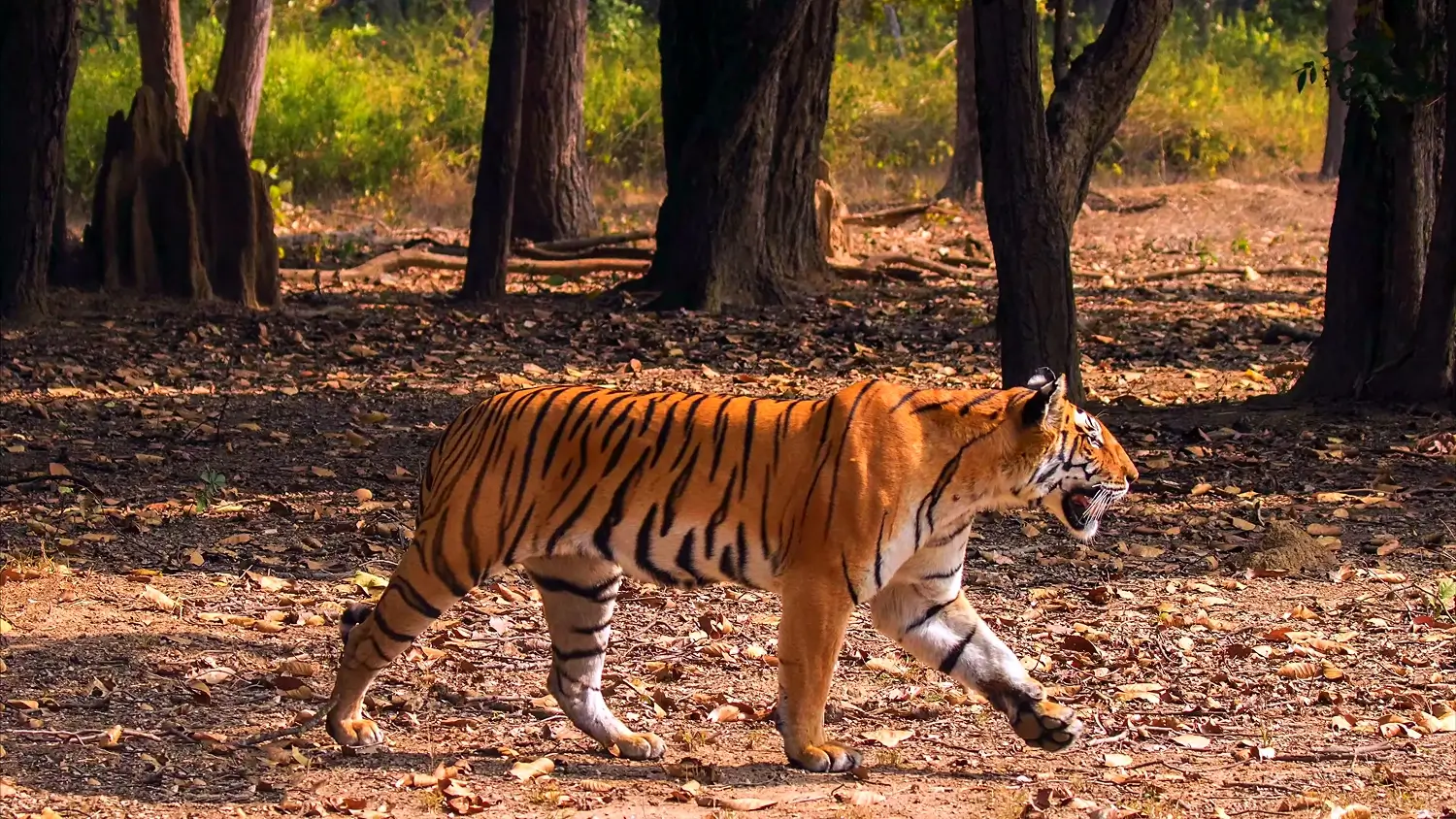
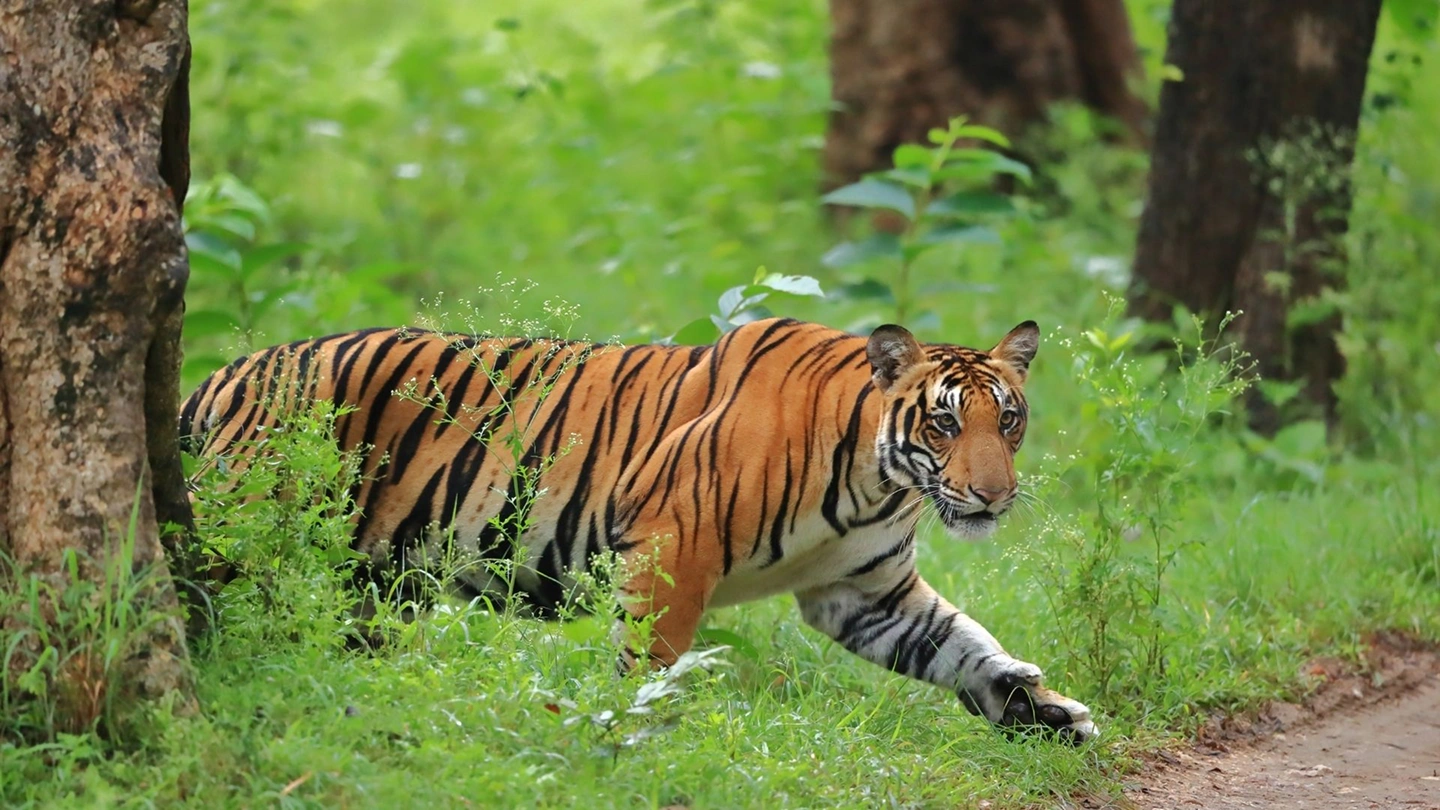
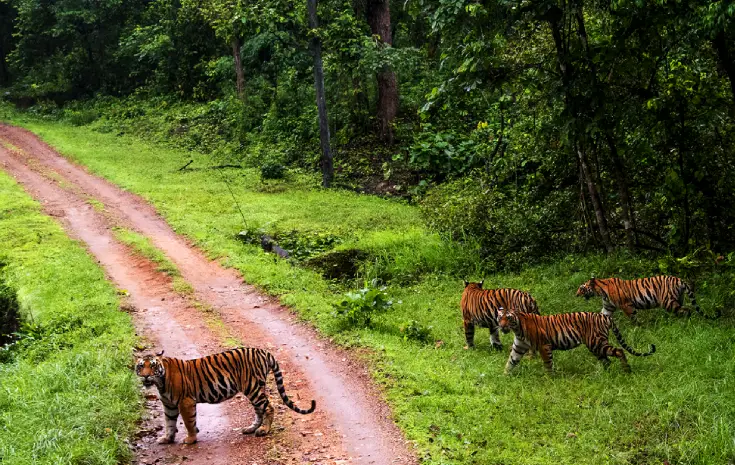
Tigers play a critical role in maintaining healthy ecosystems, but their survival is still under threat due to habitat loss, poaching, and human expansion. While governments and conservation groups lead large-scale efforts, individuals also play an important role in supporting tiger conservation.

Here are practical ways you can help protect tigers and their habitats.

How can individuals help save tigers?

You can help protect tigers by:

  • Spreading awareness
  • Supporting conservation programs
  • Avoiding wildlife products
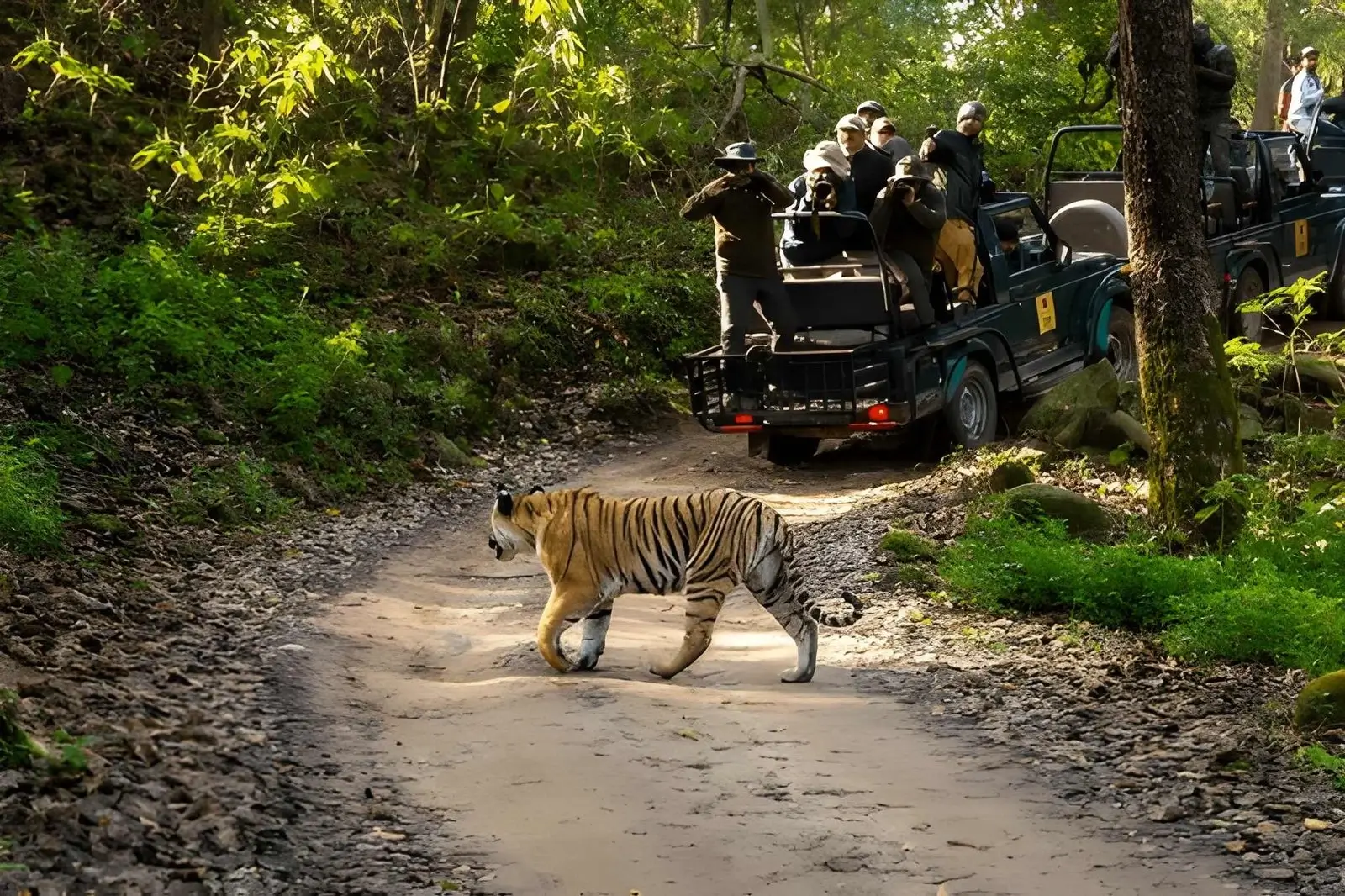
  • Promoting responsible tourism
  • Protecting forest ecosystems

Why individual actions matter?

Even small actions, when multiplied across millions of people, can significantly reduce pressure on wildlife and support long-term conservation.

1. Spread Awareness About Tiger Conservation
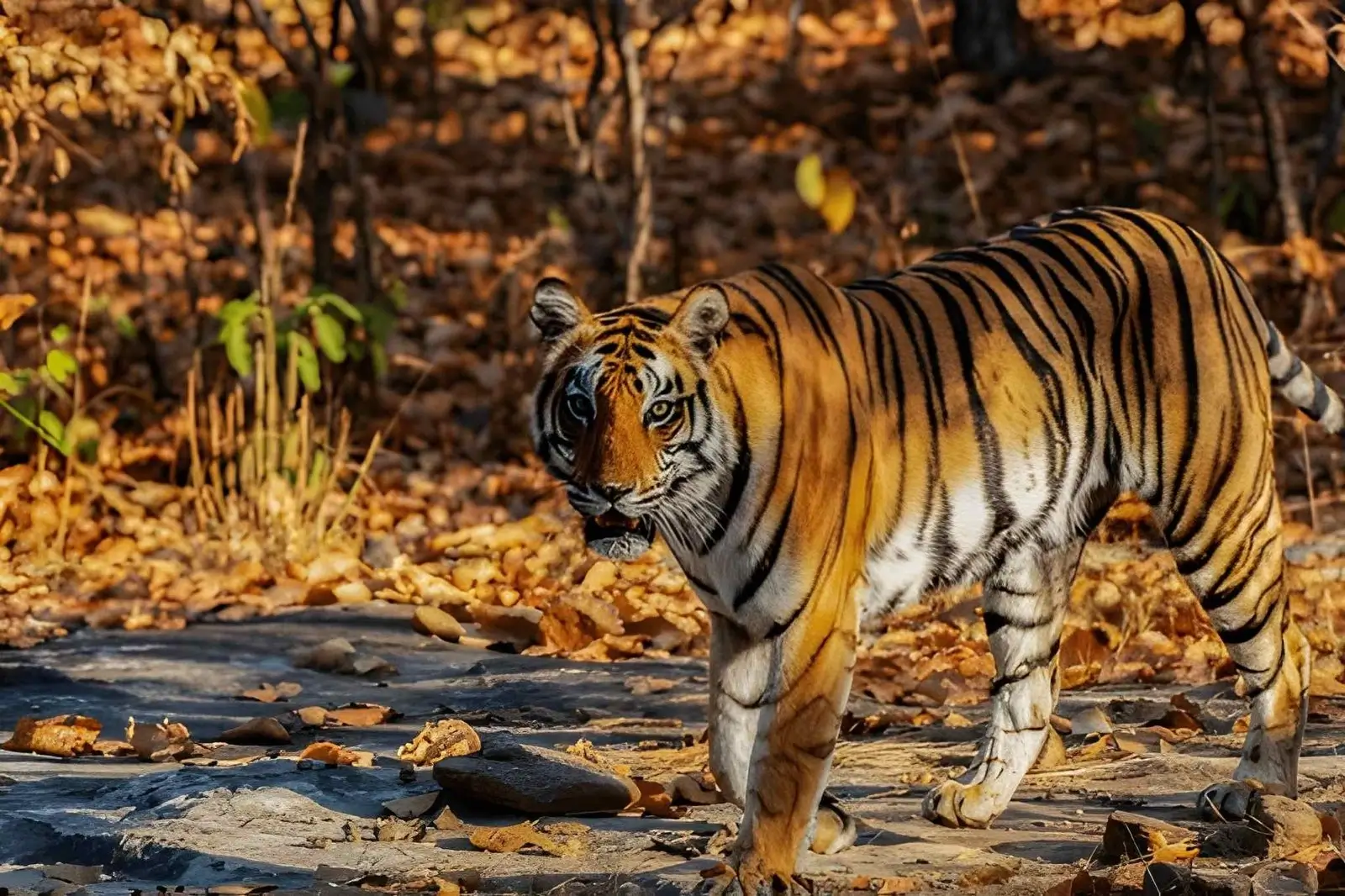
Spread Awareness About Tiger Conservation

Public awareness is one of the most powerful tools for wildlife conservation. When people understand the ecological importance of tigers and the threats they face, they are more likely to support conservation initiatives and responsible policies. Awareness helps build public support for conservation policies and reduces demand for illegal wildlife products.

You can help raise awareness by:

  • Sharing reliable information about tiger conservation through social media or blogs
  • Supporting educational campaigns that highlight the importance of wildlife protection
  • Encouraging discussions about conservation within schools, communities, and workplaces
  • Promoting responsible wildlife tourism and nature education

Even small efforts to spread awareness can help build a larger movement for wildlife protection.
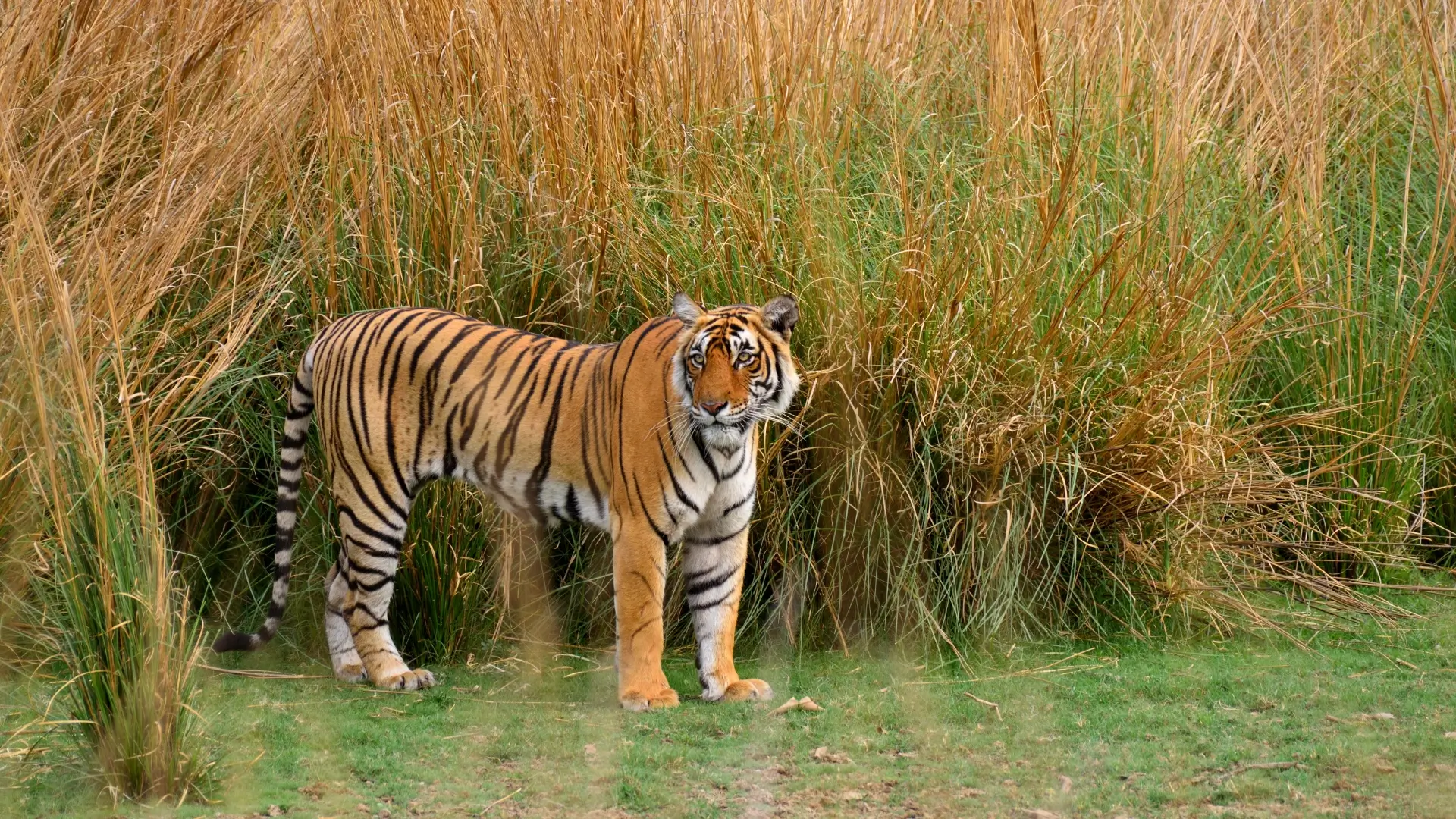
2. Help Combat Wildlife Poaching

Combat Wildlife Poaching

Poaching remains one of the most serious threats to wild tigers. Tigers are illegally hunted for their skins, bones, teeth, and other body parts, which are sometimes traded in illegal wildlife markets.

Strict wildlife protection laws exist in many countries, including India, but enforcement often relies on public vigilance and reporting of suspicious activities.

If you encounter information related to illegal wildlife trade or poaching, you should report it to:

  • Local forest department authorities
  • Wildlife protection agencies
  • Official wildlife crime reporting platforms

Public cooperation can significantly help authorities combat wildlife crime and protect endangered species.

3. Avoid Products Made from Wildlife

Avoid Products Made from Wildlife

Illegal wildlife trade is driven by demand for products made from endangered animals. Tiger skins, bones, and other body parts are sometimes used in decorative items or traditional medicines. Reducing demand directly weakens illegal wildlife trade networks.

Consumers can help reduce this demand by making responsible choices:

  • Never purchase products made from tiger skin or body parts
  • Avoid medicines or products claiming to contain tiger ingredients
  • Report wildlife products being sold illegally
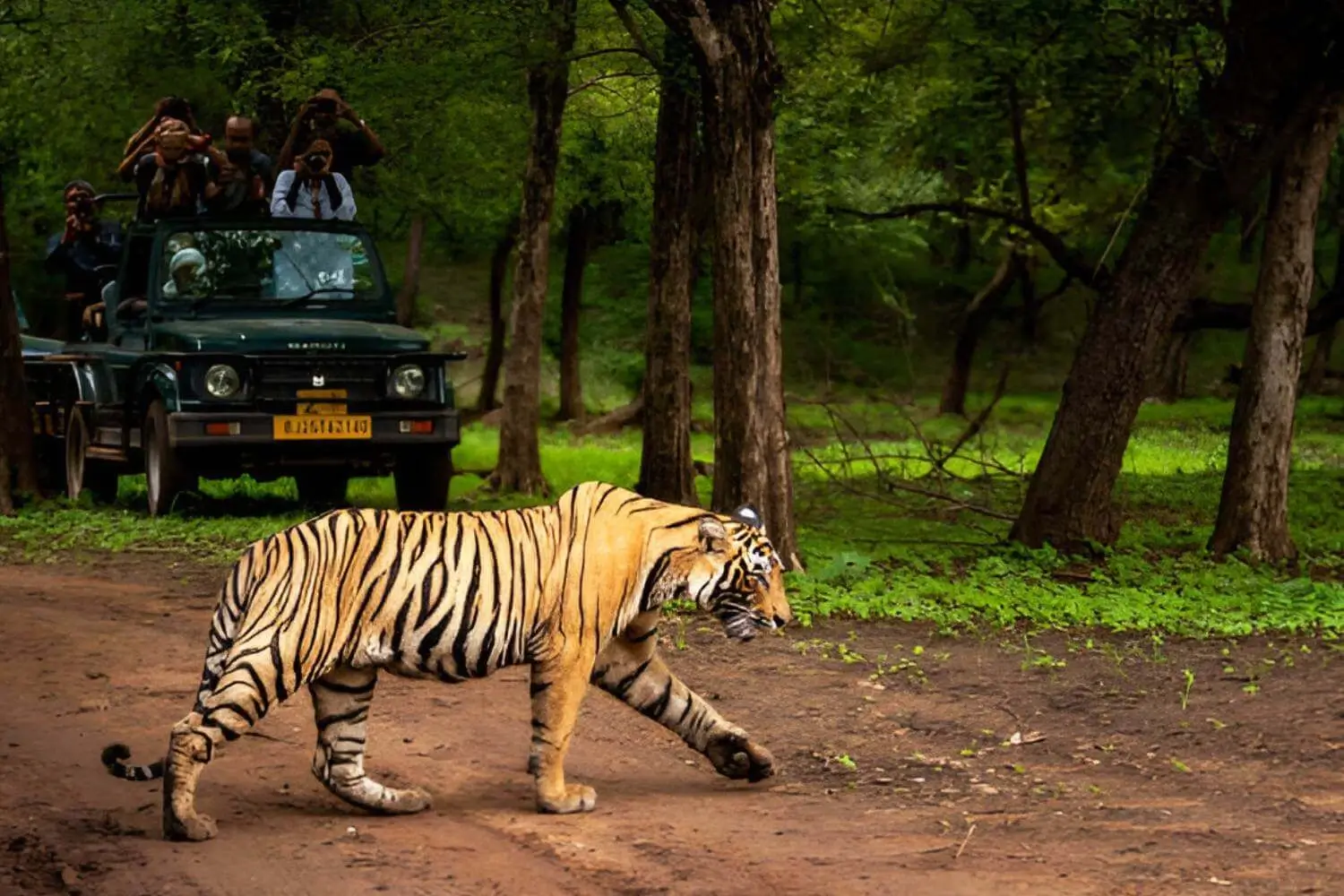
4. Support Forest Conservation Efforts

Support Forest Conservation Efforts

Tigers depend on large, healthy forest landscapes for survival. Unfortunately, habitat loss caused by deforestation, infrastructure expansion, and human settlements continues to threaten tiger habitats. Protecting forests ensures that tigers have enough space, prey, and safe habitats to survive.

Individuals can contribute to habitat protection by:

  • Supporting organizations working on forest conservation
  • Participating in tree-planting and ecological restoration initiatives
  • Promoting sustainable consumption practices that reduce pressure on forests
  • Supporting policies that protect wildlife habitats

Healthy forests not only support tigers but also preserve biodiversity and ecological balance.
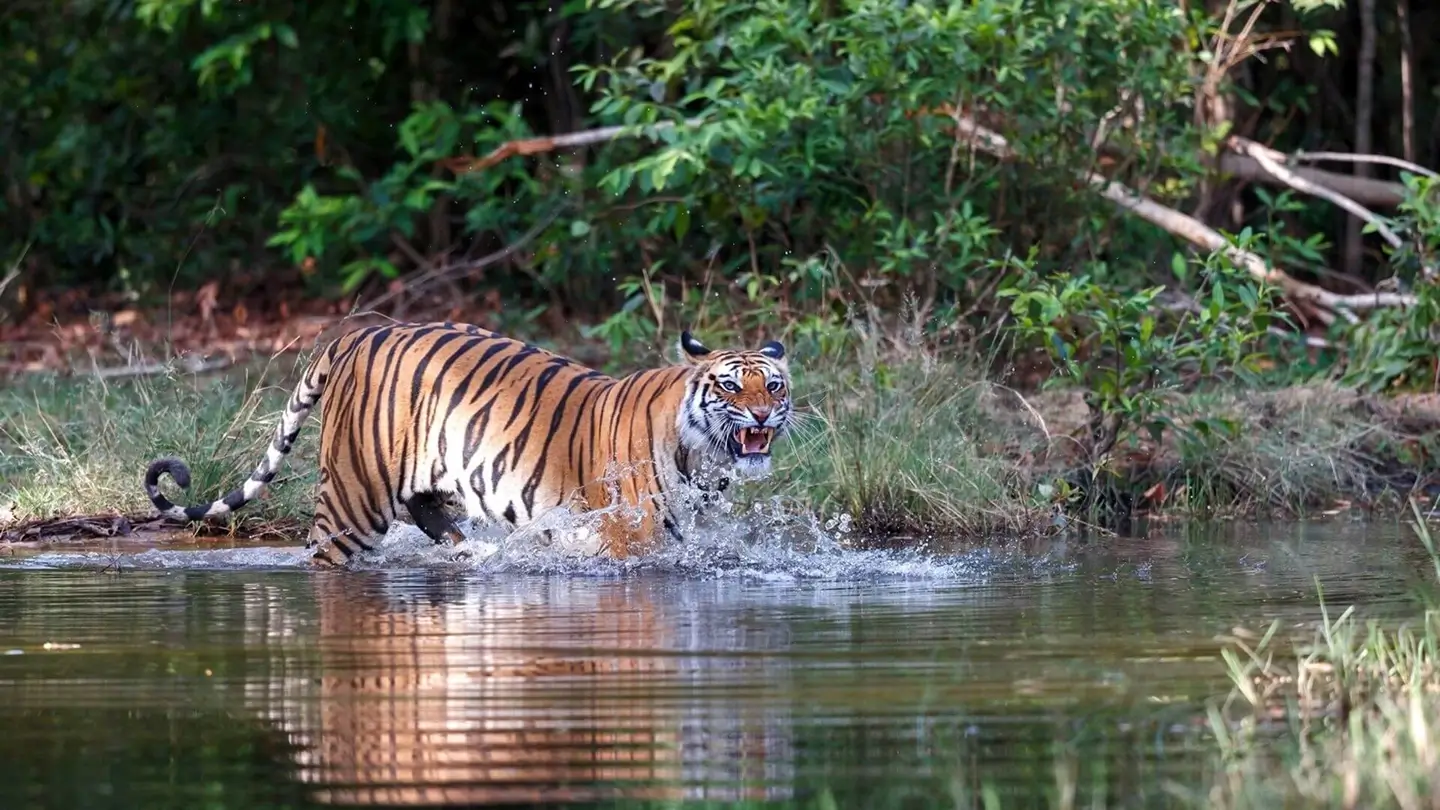
5. Support Tiger Conservation Programs

Support Tiger Conservation Programs

Many conservation organisations and wildlife authorities actively work to protect tigers through habitat management, anti-poaching patrols, research, and community engagement. Conservation programmes rely on funding, research, and community support to operate effectively.

Individuals can support these efforts in several ways:

  • Donating to trusted wildlife conservation organizations
  • Volunteering with conservation initiatives or awareness campaigns
  • Supporting responsible eco-tourism in wildlife reserves
  • Promoting conservation education through blogs, articles, or community outreach

Where You Can Support Tiger Conservation in India?

Many protected areas across India are part of ongoing conservation efforts:

  • Jim Corbett National Park
  • Ranthambore National Park
  • Bandhavgarh National Park
  • Kanha National Park

Visiting these parks responsibly contributes to conservation efforts through eco-tourism and awareness.

Did You Know?

Historically, eight subspecies of tigers existed across Asia. Sadly, three subspecies, the Bali tiger, Caspian tiger, and Javan tiger, are now extinct.

Today, the remaining tiger subspecies include:

  • Bengal Tiger
  • Siberian (Amur) Tiger
  • Indochinese Tiger
  • Malayan Tiger
  • South China Tiger
  • Sumatran Tiger

According to recent global estimates, there are around 4,500 wild tigers left in the world, with India alone supporting over 3,100 wild tigers, making it central to global conservation efforts.

Key insight:

The extinction of three subspecies highlights how quickly tiger populations can decline without strong conservation efforts.

Saving tigers is not just about protecting a single species, it is about preserving entire ecosystems that support biodiversity and human life.

While large-scale conservation requires policy and funding, individual actions play an equally important role in reducing threats and supporting long-term protection. Even small choices, when made consciously, can contribute to the survival of one of the world’s most iconic species.


Frequently Asked Questions

Q. Why are tigers important to the ecosystem?
Tigers are apex predators that regulate herbivore populations such as deer and wild boar. By maintaining this balance, they help prevent overgrazing and support healthy forests that sustain biodiversity and ecological stability.
Q. Where can you see tigers in India?
Popular tiger reserves include Corbett, Ranthambore, Bandhavgarh, and Kanha.
Q. Is the tiger population increasing in India?
Yes, conservation efforts like Project Tiger have helped increase tiger numbers in recent years.
Q. What is the biggest threat to wild tigers?
The biggest threats to tigers include poaching, illegal wildlife trade, habitat destruction, and human-wildlife conflict. These pressures reduce tiger populations and fragment their natural habitats.
Q. How many tigers are left in the world?
Recent global estimates suggest that there are around 4,500 wild tigers remaining worldwide, with India supporting the majority of the global tiger population.
Q. How can individuals help save tigers?
Individuals can contribute by spreading awareness, avoiding wildlife products, supporting conservation organisations, reporting wildlife crimes, promoting forest conservation, and supporting responsible wildlife tourism.

Recent Trending Posts

Best National Parks for Wildlife Safari in India: Tiger, Lion & Jungle Experiences
5 Best National Parks for Wildlife Safari in India: Tiger, Lion & Jungle Experiences

India is one of the few countries in the world where travellers can experience such an extraordinary range of wildlife within a single nation. From the riverine forests of the Himalayan foothills to the dry landscapes of western India and the dense jungles of central India, the country hosts some of the most remarkable ecosystems on Earth.

Tiger Population in India: Latest Count, State-Wise Data & Best Places to See Tigers
Tiger Population in India (2026): Latest Count, State-Wise Data & Best Places to See Tigers

India is now home to nearly three out of every four wild tigers on the planet. What was once a species on the brink of collapse has staged one of the most remarkable wildlife recoveries in modern conservation history.

Jim Corbett : From Hunter to Conservationist

Few figures in India’s wildlife history are as compelling as Jim Corbett, a hunter who spent years tracking man-eating predators before becoming one of the earliest voices for wildlife conservation. His journey from protecting villages to advocating for forests reflects a deeper understanding of the relationship between humans and wildlife.

Fascinating Facts About Elephants: Intelligence, Behaviour & Where to See Them in India
9 Fascinating Facts About Elephants: Intelligence, Behaviour & Where to See Them in India

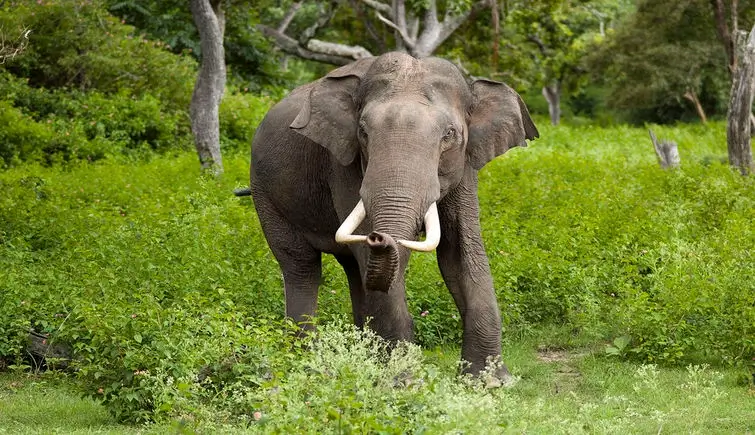
Elephants are not just the largest land animals on Earth, they are among the most intelligent and emotionally complex species in the wild. In India, spotting an elephant in its natural habitat, especially in forests like Jim Corbett National Park, is often one of the most memorable wildlife experiences a traveller can have.

Jim Corbett National Park History: From Hailey Park to India’s First Tiger Reserve

The story of Jim Corbett National Park is closely tied to the evolution of wildlife conservation in India. Established in 1936 as Hailey National Park, it was the country’s first attempt at protecting forest ecosystems and wildlife at scale.

Interesting Facts About Tigers: Behaviour, Habitat & Safari Insights

Spotting a tiger in the wild is one of the most intense moments on a safari. The forest falls silent, alarm calls rise, and suddenly, every movement matters. But beyond the sighting lies a deeper story of behaviour, territory, and survival that most travellers miss.

Fascinating Animal Facts: Surprising Wildlife Insights from Around the World
25 Fascinating Animal Facts: Surprising Wildlife Insights from Around the World

The animal kingdom is full of behaviours that often seem unbelievable until you see them in action. From tigers with unique stripe patterns to elephants with complex social bonds, wildlife continues to challenge what we think we know about intelligence, survival, and adaptation.

Powerful Life Lessons Humans Can Learn from Wildlife
Powerful Life Lessons Humans Can Learn from Wildlife (Inspired by Nature & National Parks)

Humans often believe they have mastered intelligence, leadership, and progress. Yet, in the wild, animals follow simple principles that have ensured survival for millions of years.

Endangered Animals in India : Causes, Conservation Efforts & National Parks
Endangered Animals in India: Causes, Conservation Efforts & National Parks

TIndia is one of the world’s most biodiverse countries, yet many of its wildlife species are facing increasing threats. From habitat loss and climate change to poaching and human expansion, several animal populations have declined sharply over the past century.

Project Tiger in India: History, Achievements & Tiger Population Growth

Tigers are among the most iconic symbols of India’s wildlife heritage. The Royal Bengal Tiger, which is also the country’s national animal, represents the strength and ecological richness of India’s forests. Once widespread across the subcontinent, tiger populations declined dramatically during the twentieth century due to hunting, habitat loss, and poaching.

Best National Parks for Wildlife Photography in India
5 Best National Parks for Wildlife Photography in India

When photography is a passion, every subject can become a masterpiece. However, when wildlife becomes the theme, photography turns into a powerful way of capturing the raw beauty of nature and the untamed wilderness

Best Bird Watching Destinations in India: Top National Parks for Birding
5 Best Bird Watching Destinations in India: Top National Parks for Birding

Bird watching in India offers an extraordinary experience because few countries match its diversity of habitats and birdlife. From Himalayan foothills and vast wetlands to mangrove forests and tropical evergreen jungles, the country supports an exceptional range of bird species throughout the year.

Top Adventure Activities in Jim Corbett: Safaris, River Rafting & Outdoor Experiences

Jim Corbett National Park is often associated with tiger safaris, but the experience goes far beyond wildlife sightings. Set against the foothills of the Himalayas and shaped by rivers like Ramganga and Kosi, Corbett offers a range of outdoor activities that combine adventure with nature.

How to Help Save Tigers: Practical Ways to Support Tiger Conservation
How to Help Save Tigers: Practical Ways to Support Tiger Conservation?

Tigers play a critical role in maintaining healthy ecosystems, but their survival is still under threat due to habitat loss, poaching, and human expansion.

Why Tigers Are Endangered: Causes, Population & Conservation Efforts

Tigers are among the most important predators in the natural world, yet their survival remains under constant threat. Over the past century, tiger populations have declined drastically due to habitat loss, poaching, and human expansion.

Why Wildlife Conservation Matters for Human Survival : Real Impact on Food, Climate & Travel
Why Wildlife Conservation Matters for Human Survival: Real Impact on Food, Climate & Travel

The animal kingdom is full of behaviours that often seem unbelievable until you see them in action. From tigers with unique stripe patterns to elephants with complex social bonds, wildlife continues to challenge what we think we know about intelligence, survival, and adaptation.

Wildlife Conservation in India: Efforts, National Parks & Why It Matters

Wildlife conservation in India focuses on protecting entire ecosystems that sustain biodiversity, water systems, and human life. With increasing pressure from urbanisation, deforestation, and climate change, conservation efforts have become essential to ensure the survival of wildlife across the country.

Wildlife Management in India: Conservation Efforts, Laws & National Parks

Wildlife management in India is not just about protecting animals; it is about maintaining entire ecosystems that support biodiversity, water systems, and local communities. With increasing pressure from urbanisation, deforestation, and human expansion, conservation efforts have become essential to ensure the survival of wildlife across the country.

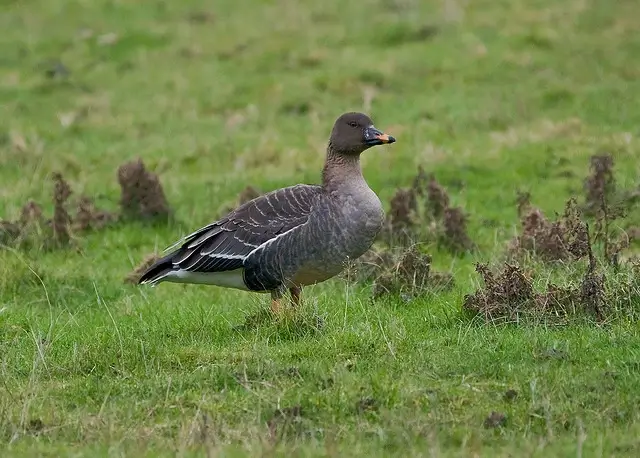
Tundra Bean Goose in India: Rare Sightings, Migration Mystery & the 2011 Corbett Record

India’s wetlands and river systems attract thousands of migratory birds every winter. Most follow predictable routes, returning year after year. But some species break the pattern entirely.

Our experts are available 24/7: