25 Fascinating Animal Facts: Surprising Wildlife Insights from Around the World
Fascinating Animal Facts: Surprising Wildlife Insights from Around the World

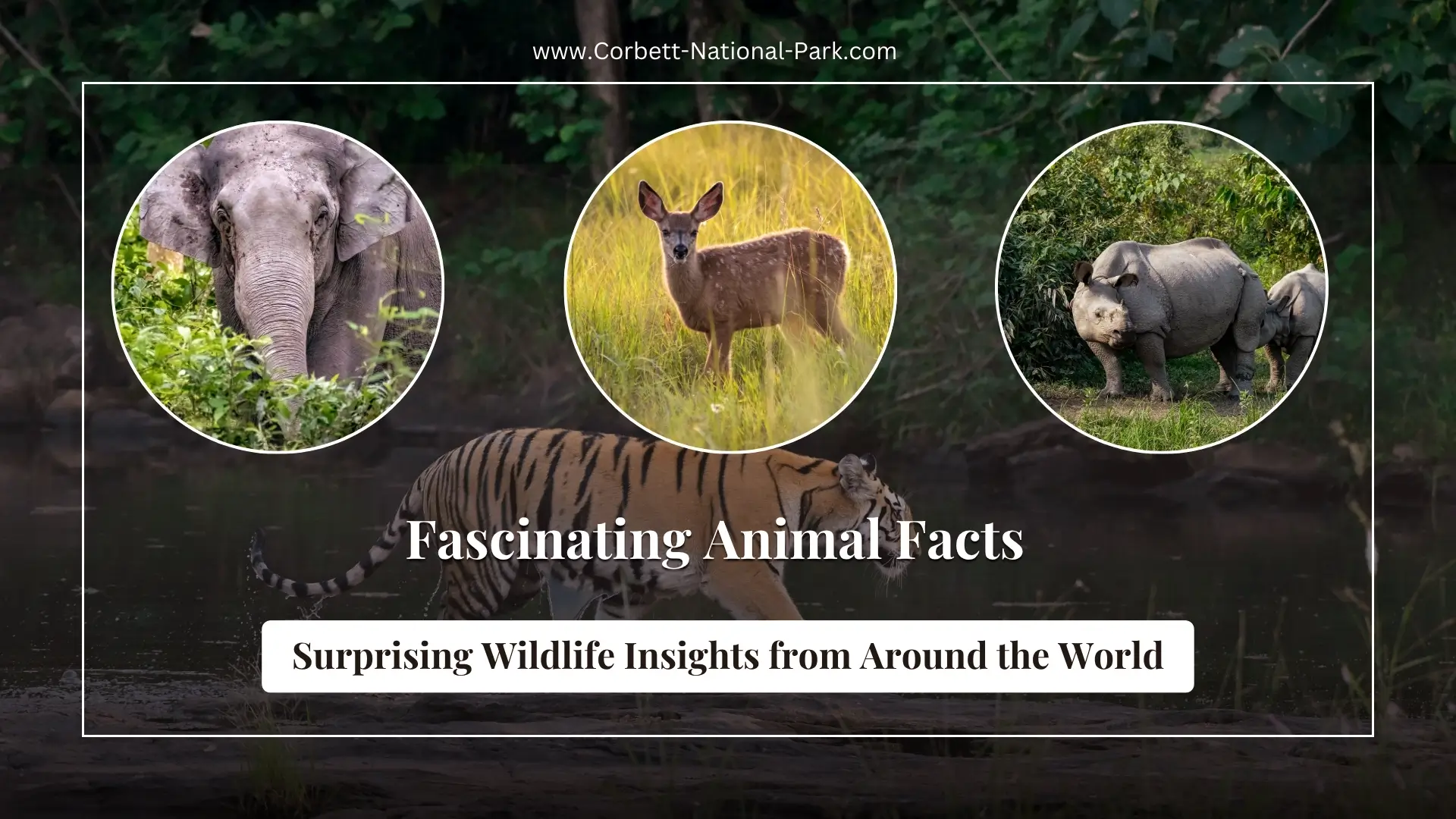
The animal kingdom is full of behaviours that often seem unbelievable until you see them in action. From tigers with unique stripe patterns to elephants with complex social bonds, wildlife continues to challenge what we think we know about intelligence, survival, and adaptation.

In regions like Jim Corbett National Park, many of these behaviours can be observed firsthand, making wildlife experiences far more than just sightseeing. Here are some fascinating animal facts that reveal how extraordinary nature really is.

Animal Intelligence & Behaviour

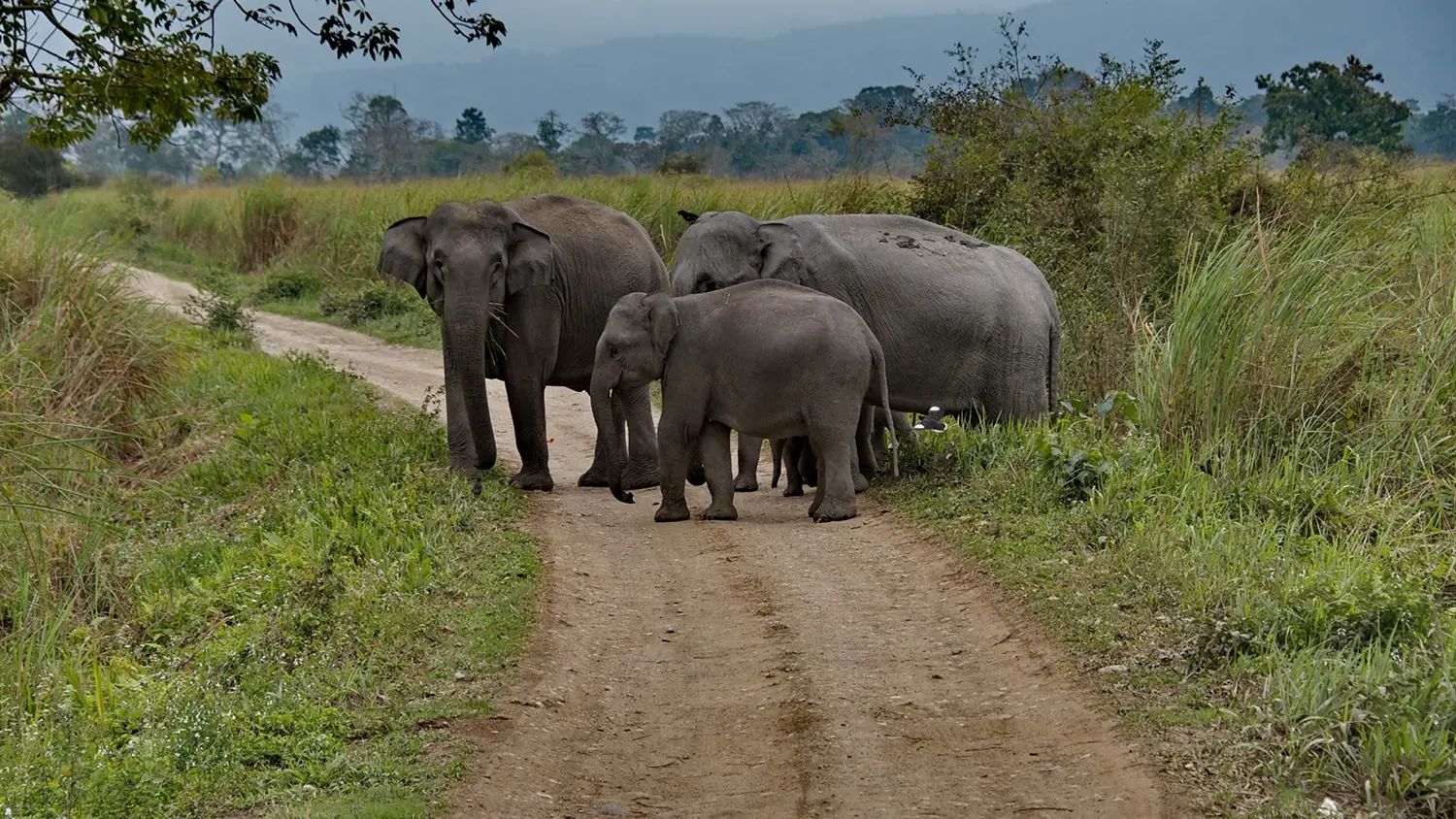
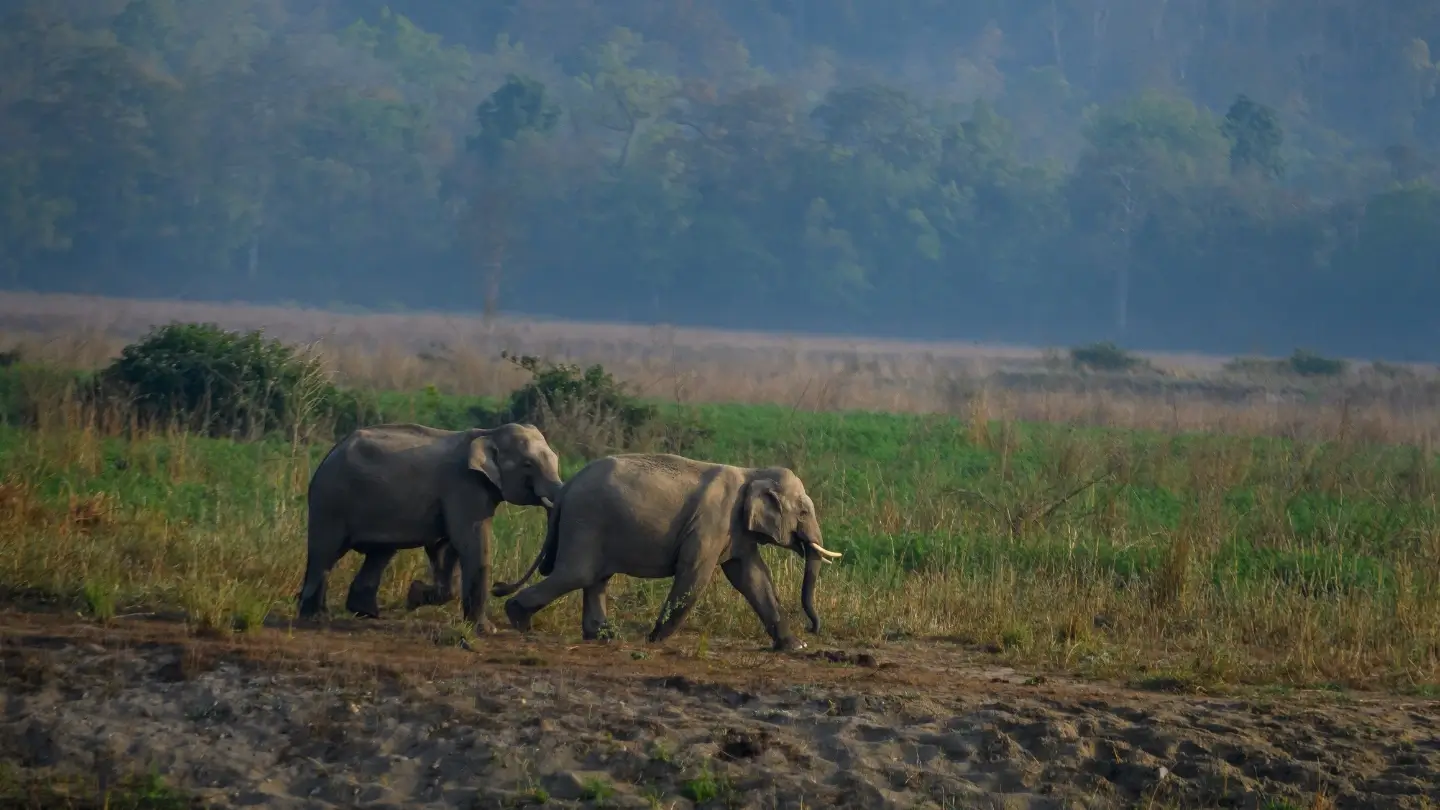
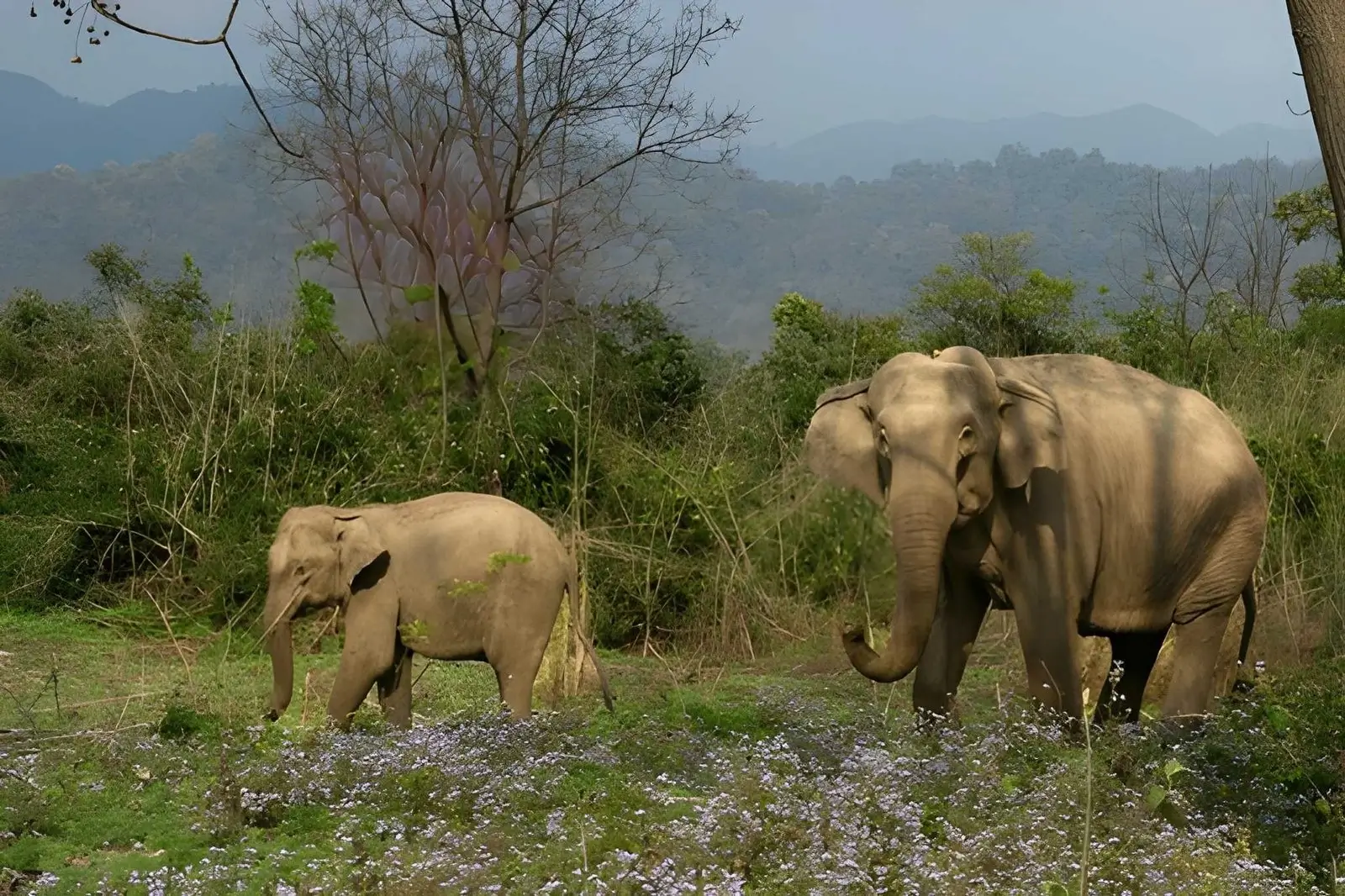
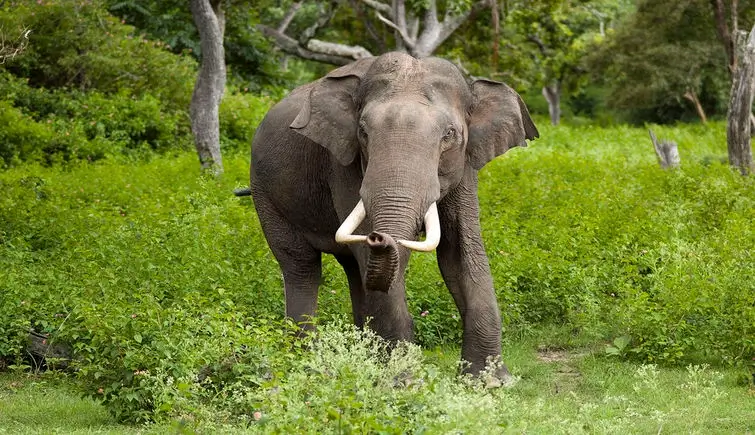
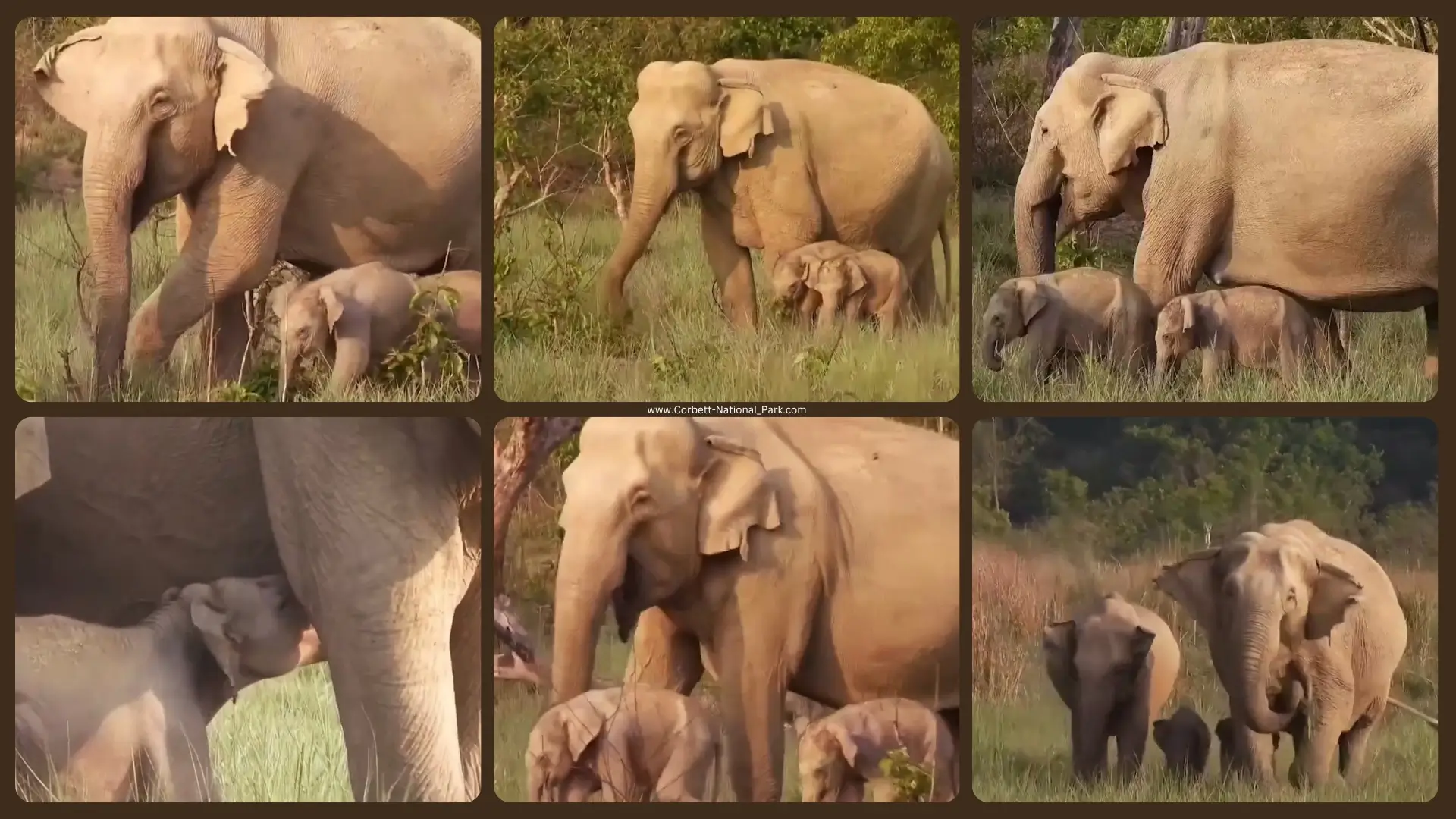
  • Elephants spend a large portion of their day eating, often up to 16–18 hours daily, consuming grasses, bark, fruits, and leaves to maintain their massive size.
  • Dolphins do not drink seawater like humans. Instead, they obtain most of their water from the fish they eat.
  • The popular belief that goldfish have a 3-second memory is a myth. Studies show they can remember things for several months.
  • Gorillas typically live 35–40 years in the wild, while those in captivity may live even longer with proper care.
  • Elephants show strong emotional behaviour, including mourning and social bonding, though the belief that they cry emotional tears like humans is debated by scientists.
  • Lions may mate multiple times in a day, sometimes 20–40 times, particularly during the breeding cycle.

Speed, Strength & Physical Abilities

  • Cheetahs are the fastest land animals, capable of reaching speeds of up to 100–120 km/h (62–75 mph) in short bursts.
  • Giraffes can run up to about 60 km/h (37 mph) over short distances despite their long legs and tall bodies.
  • Hippos spend much of their time in water to keep their bodies cool, although they cannot swim in the traditional sense and instead move by pushing off the riverbed.
  • Sharks constantly replace their teeth throughout their lifetime. Some species can lose and regrow thousands of teeth during their lives.
  • Adult hippopotamuses typically weigh between 1,500 to 4,000 kg (3,300–8,800 pounds) and are among the largest land mammals.

Unique Biological Adaptations

  • Bats are the only mammals capable of true flight. Unlike flying squirrels, which glide, bats can sustain powered flight using their wings.
  • Starfish (sea stars) do not have a brain or blood. Many species also have the remarkable ability to regenerate lost arms.
  • Cockroaches can survive for days without their heads because their brains are distributed through their bodies and they breathe through small openings in their segments.
  • Some tarantulas can survive for months without food, depending on environmental conditions and species.
  • Some shark species lay large egg cases, often called “mermaid’s purses,” which protect developing embryos.

Sensory & Survival Skills

  • Rabbits can see almost 360 degrees around them, helping them detect predators quickly. Parrots can also rotate their heads significantly to expand their field of vision.
  • Crickets have their ears on their front legs, which help them detect vibrations and sounds.
  • Many birds sleep while perched, and some species can even sleep with half of their brain awake to stay alert for predators.
  • Frogs do not close their eyes completely when sleeping, which is why their eyes often appear partially open.
  • A giraffe’s tongue can grow up to 45–50 cm long and is dark in colour, which helps protect it from sunburn while feeding.

Wildlife You Can Spot in India

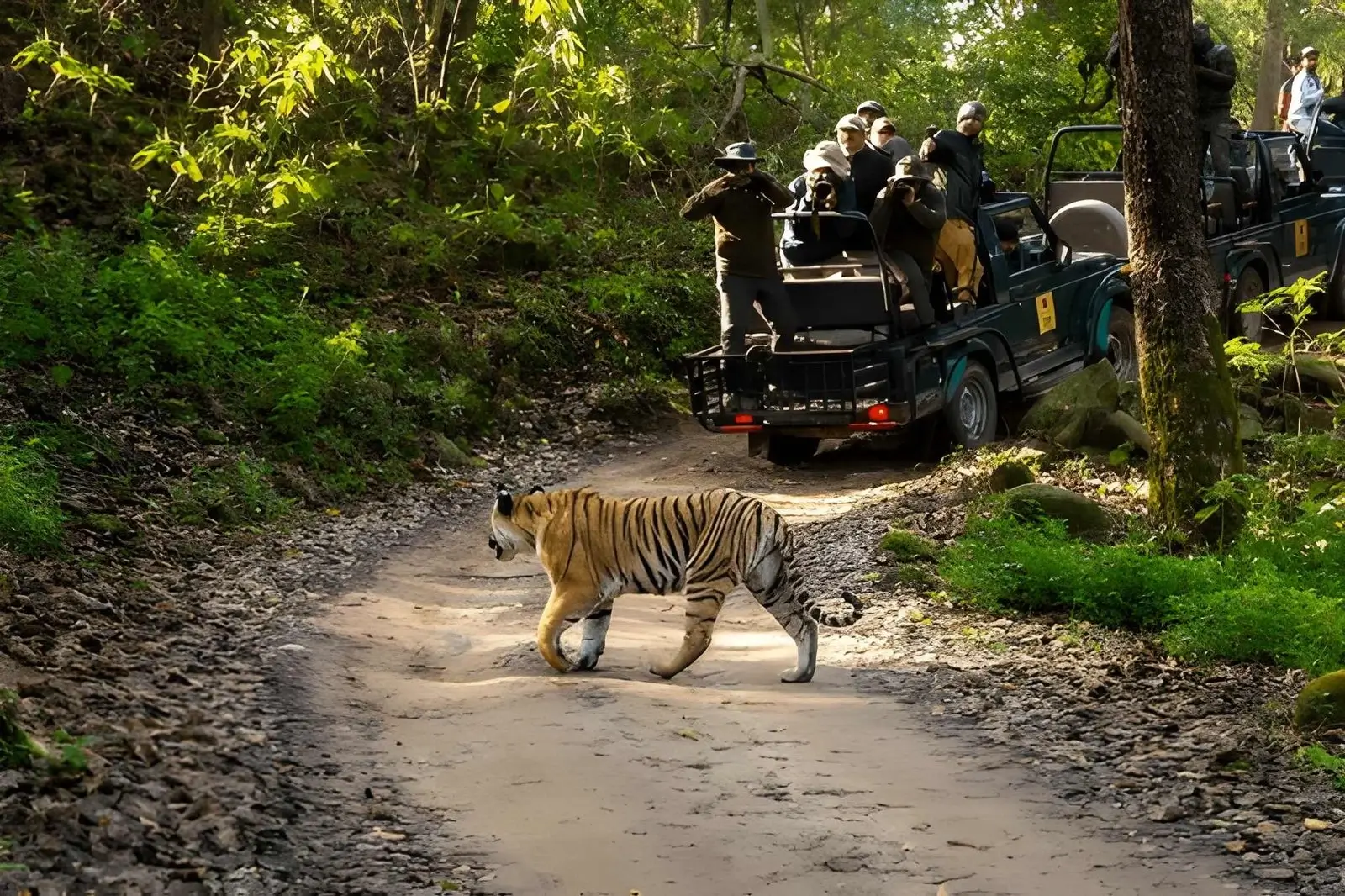
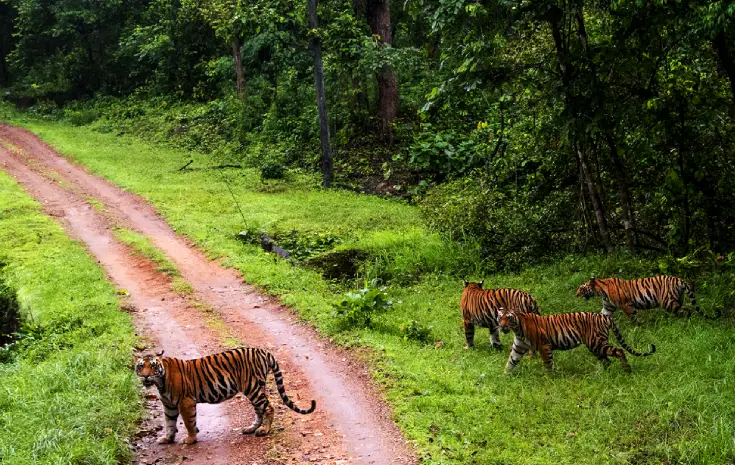
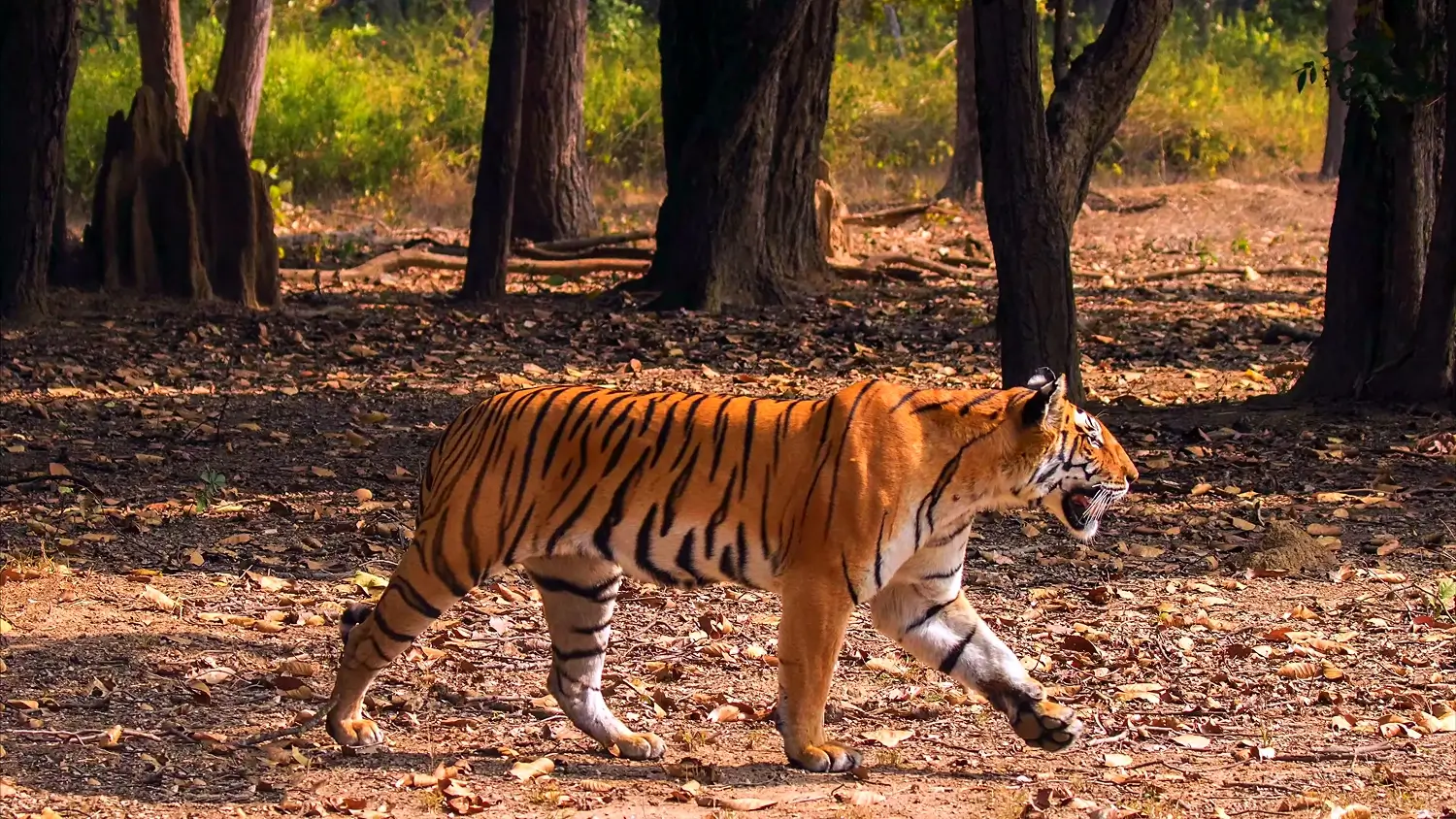
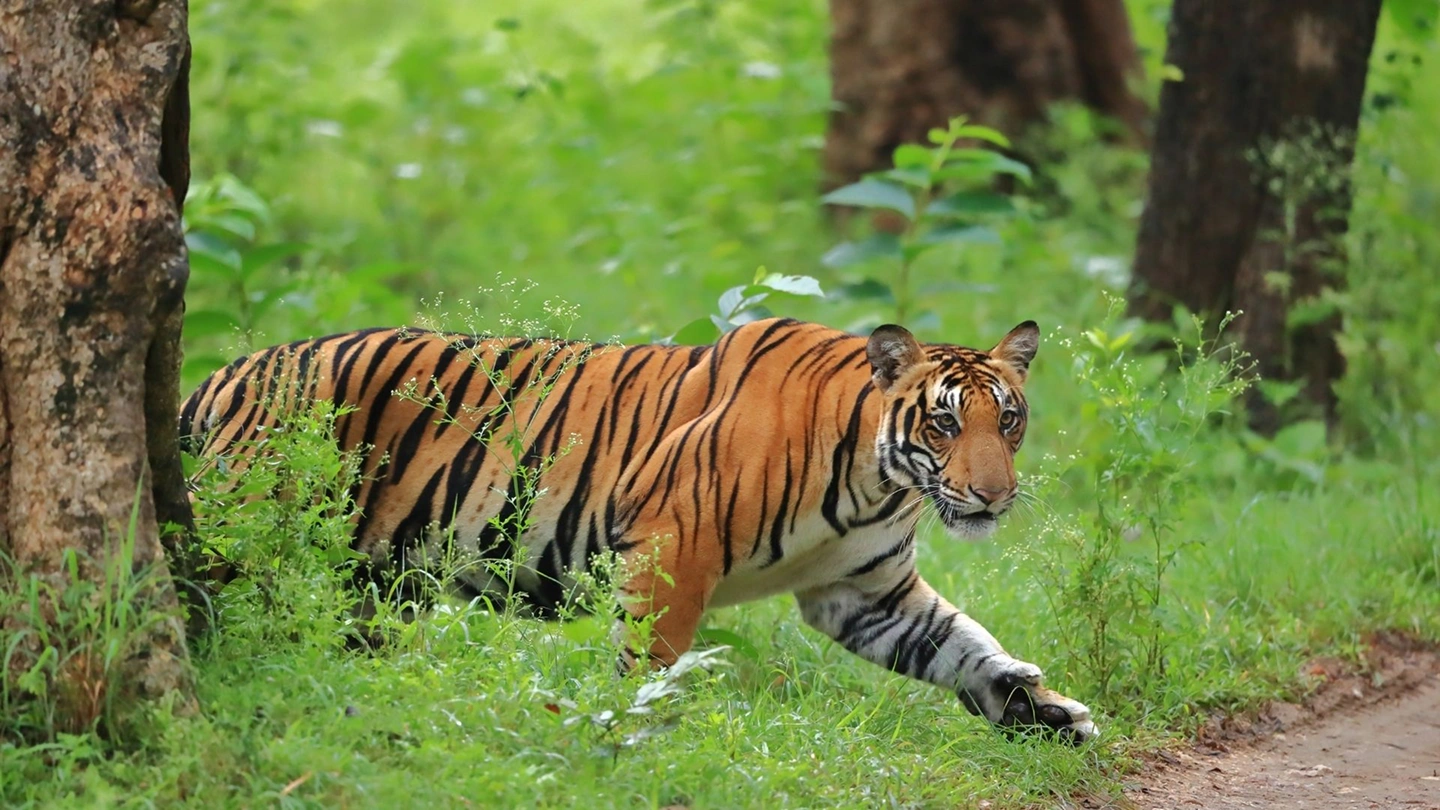
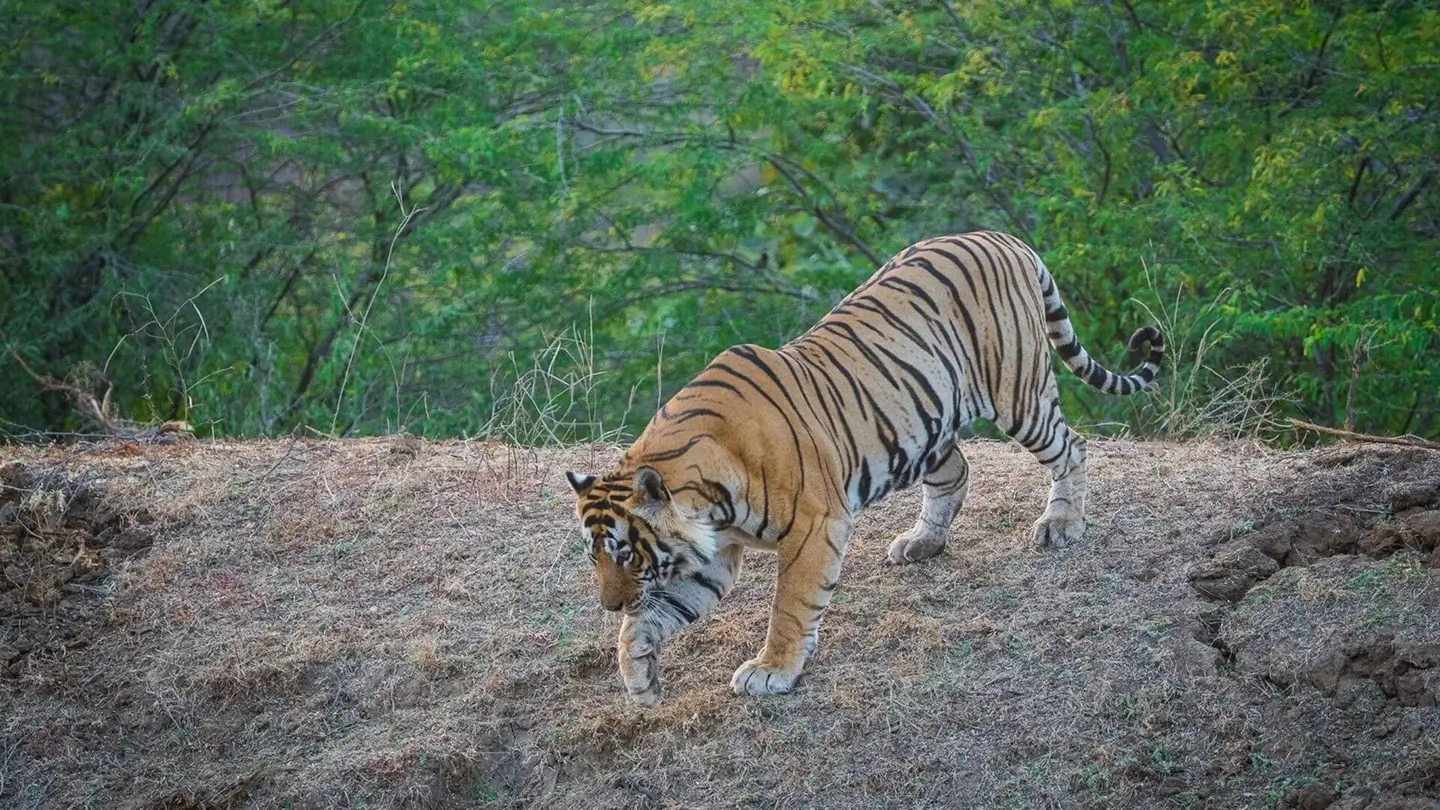
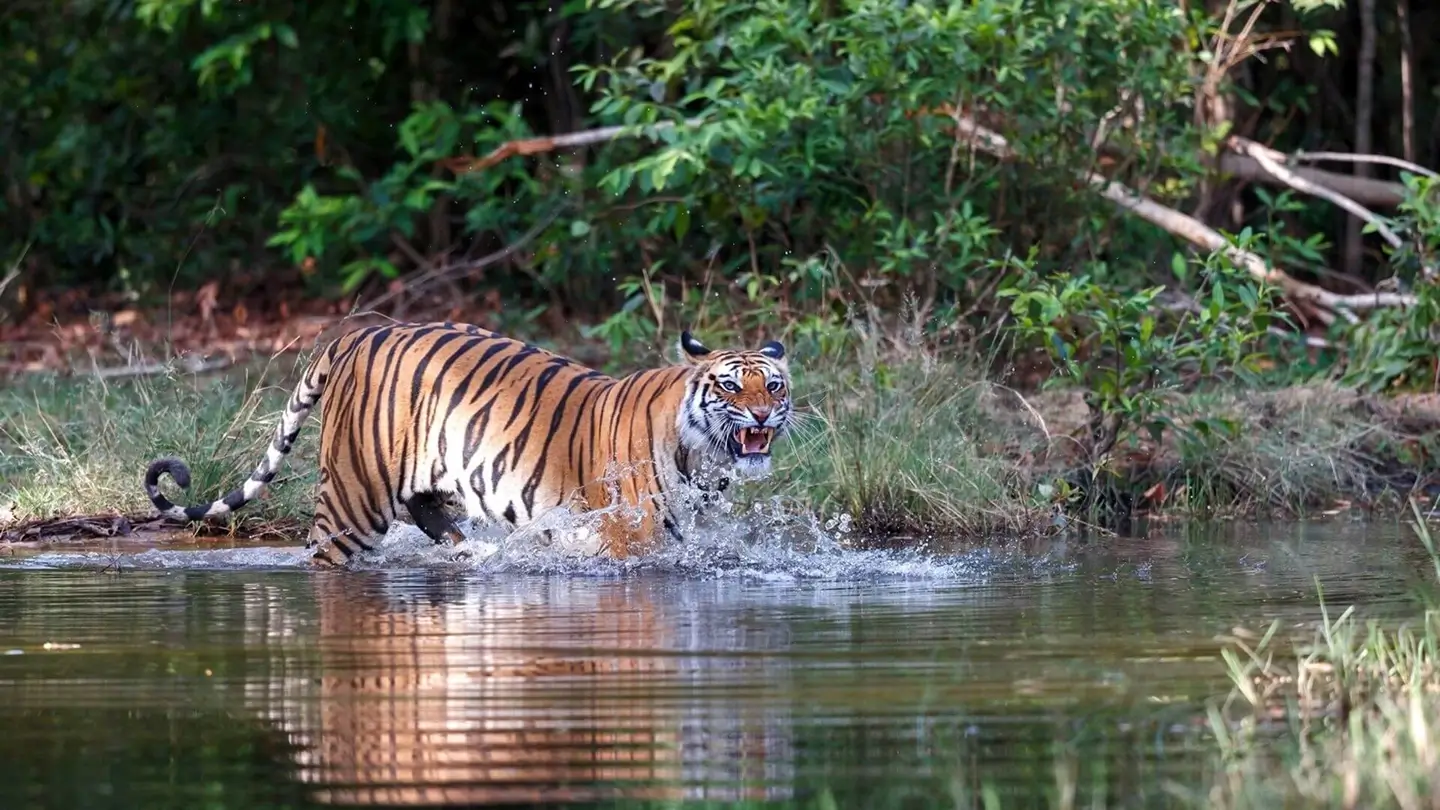
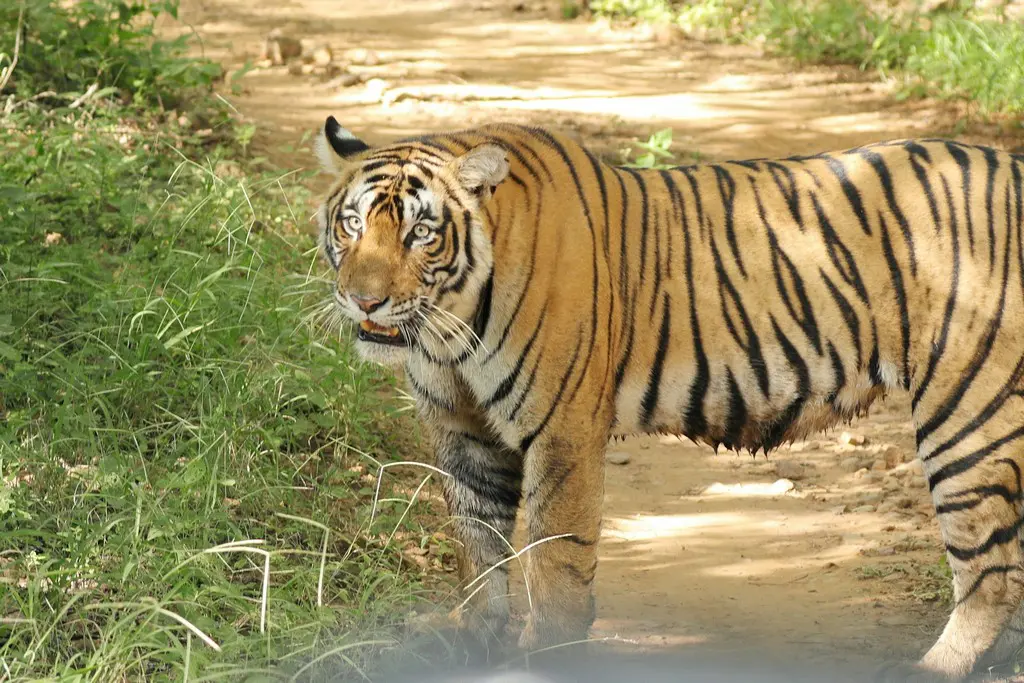
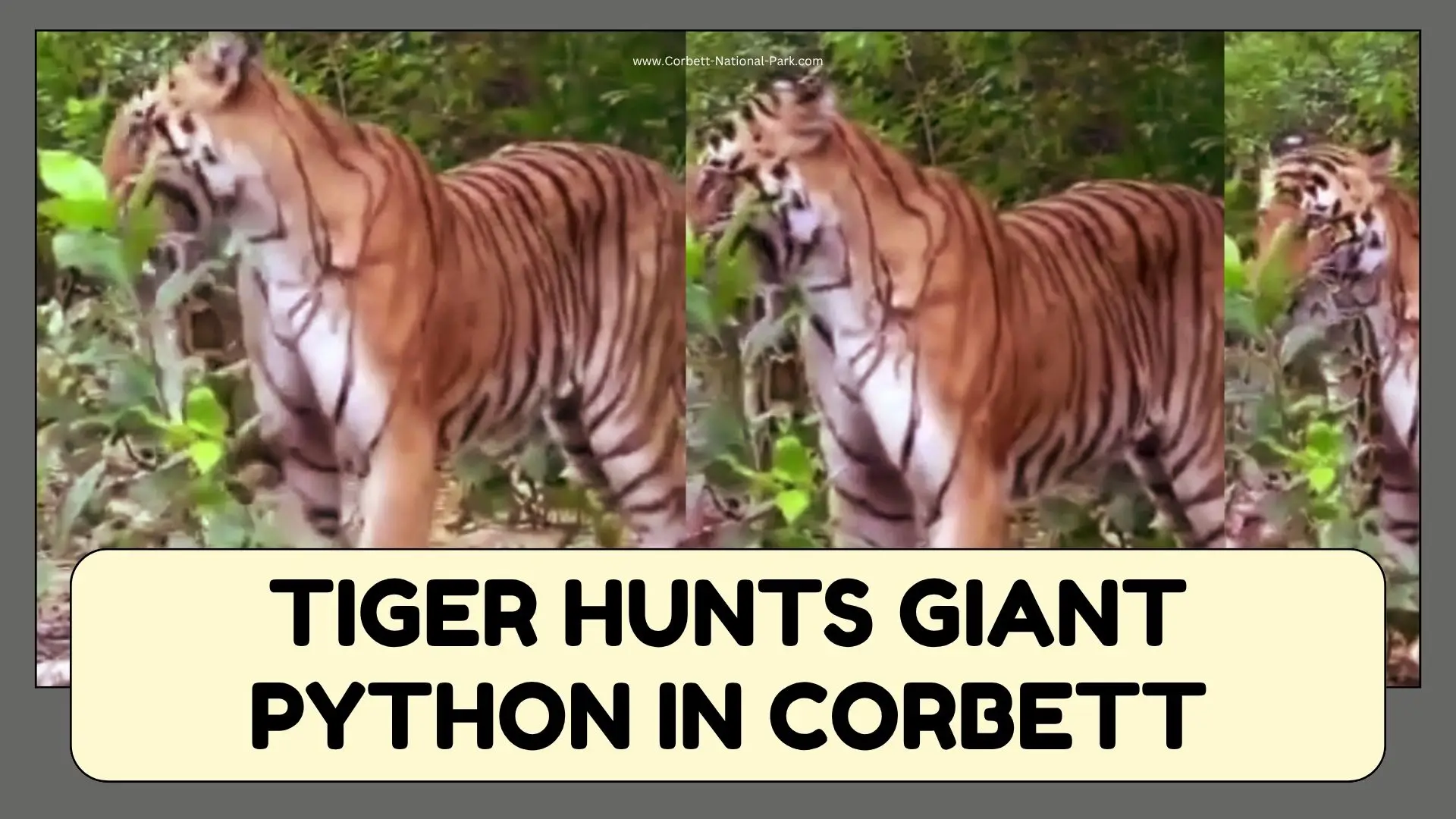
  • No two tigers have identical stripe patterns. Their stripes are as unique as human fingerprints, helping researchers identify individual tigers in the wild.
  • Elephants are the only animals that cannot jump, mainly because of their body structure and weight.

Lifespan & Survival Patterns

  • Dragonflies have a short adult life span, often living only a few weeks, though their larval stage in water can last months or even years.
  • Sloths are known for their slow lifestyle, spending most of their time resting or sleeping in trees, often 15–20 hours a day.

Health & Environmental Impact

  • Houseflies can carry hundreds of harmful microorganisms, including bacteria that cause diseases such as typhoid and cholera, which is why they are considered significant carriers of infection.

Where You Can Experience Wildlife Up Close in India
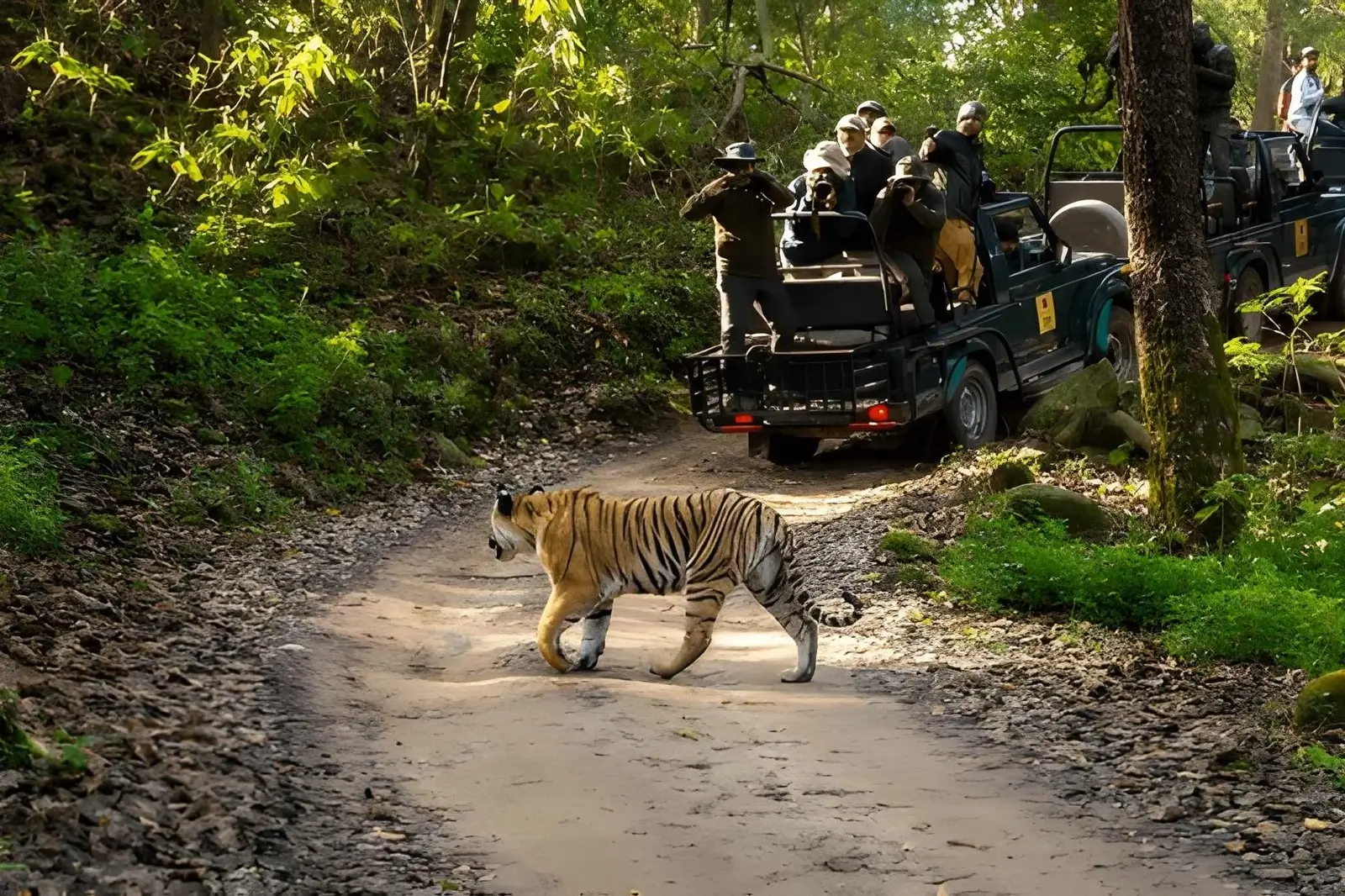
Experience Wildlife Up Close in India

While many of these facts come from global wildlife studies, several can be observed in India’s national parks.

  • Jim Corbett National Park – Known for tigers, elephants, and diverse ecosystems
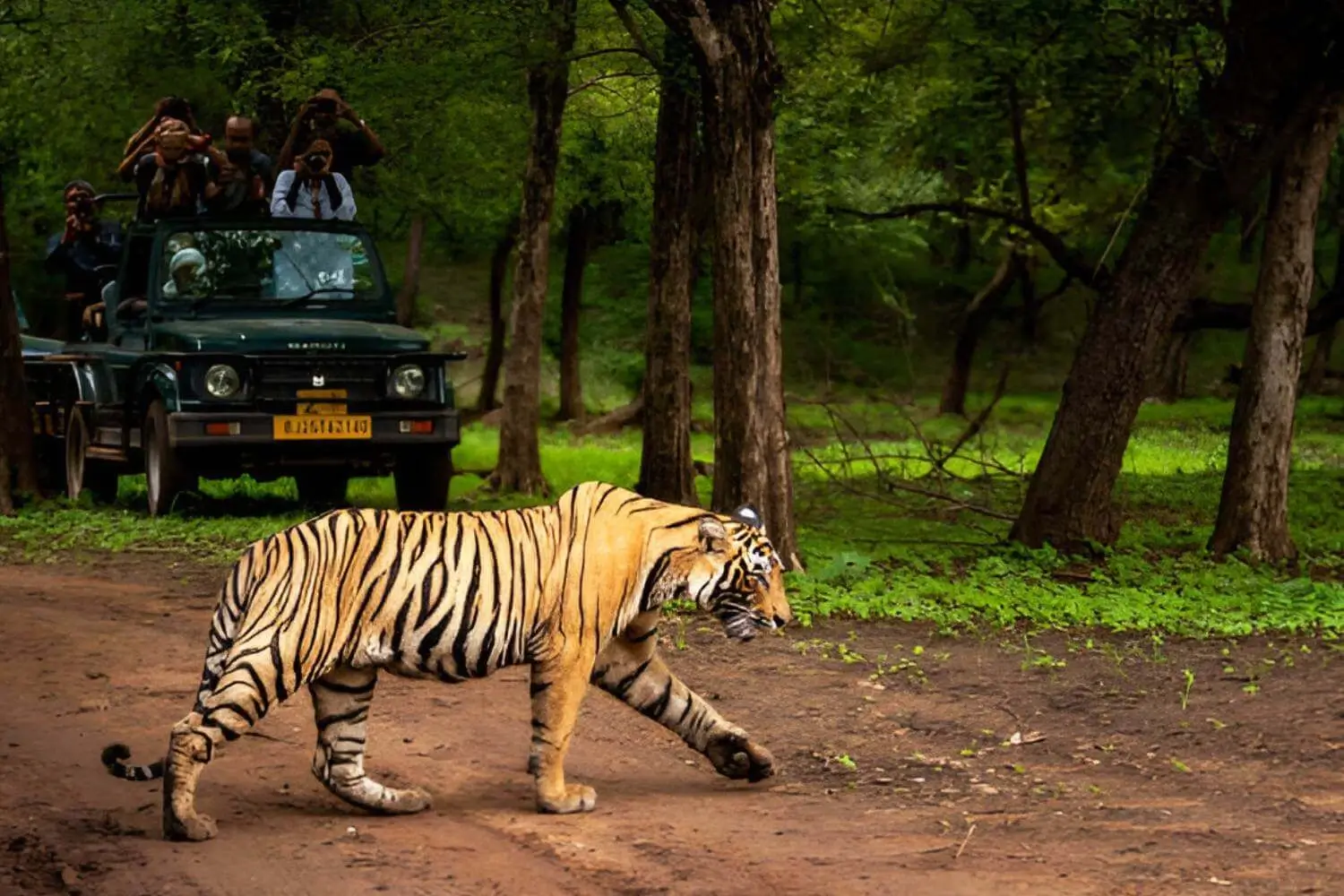
  • Ranthambore National Park – One of the best places to observe tiger behaviour
  • Kaziranga National Park – Famous for rhinos and wetlands

Observing animals in their natural habitat often brings these facts to life in a way no article can.

The more we learn about animals, the more it becomes clear that survival in the wild is built on precision, adaptation, and balance. For travellers, wildlife experiences are not just about spotting animals; they are about understanding how these behaviours shape entire ecosystems.

And once you start noticing these details, a safari is no longer just a drive; it becomes a completely different experience.


Recent Trending Posts

Best National Parks for Wildlife Safari in India: Tiger, Lion & Jungle Experiences
5 Best National Parks for Wildlife Safari in India: Tiger, Lion & Jungle Experiences

India is one of the few countries in the world where travellers can experience such an extraordinary range of wildlife within a single nation. From the riverine forests of the Himalayan foothills to the dry landscapes of western India and the dense jungles of central India, the country hosts some of the most remarkable ecosystems on Earth.

Tiger Population in India: Latest Count, State-Wise Data & Best Places to See Tigers
Tiger Population in India (2026): Latest Count, State-Wise Data & Best Places to See Tigers

India is now home to nearly three out of every four wild tigers on the planet. What was once a species on the brink of collapse has staged one of the most remarkable wildlife recoveries in modern conservation history.

Jim Corbett : From Hunter to Conservationist

Few figures in India’s wildlife history are as compelling as Jim Corbett, a hunter who spent years tracking man-eating predators before becoming one of the earliest voices for wildlife conservation. His journey from protecting villages to advocating for forests reflects a deeper understanding of the relationship between humans and wildlife.

Fascinating Facts About Elephants: Intelligence, Behaviour & Where to See Them in India
9 Fascinating Facts About Elephants: Intelligence, Behaviour & Where to See Them in India

Elephants are not just the largest land animals on Earth, they are among the most intelligent and emotionally complex species in the wild. In India, spotting an elephant in its natural habitat, especially in forests like Jim Corbett National Park, is often one of the most memorable wildlife experiences a traveller can have.

Jim Corbett National Park History: From Hailey Park to India’s First Tiger Reserve

The story of Jim Corbett National Park is closely tied to the evolution of wildlife conservation in India. Established in 1936 as Hailey National Park, it was the country’s first attempt at protecting forest ecosystems and wildlife at scale.

Interesting Facts About Tigers: Behaviour, Habitat & Safari Insights

Spotting a tiger in the wild is one of the most intense moments on a safari. The forest falls silent, alarm calls rise, and suddenly, every movement matters. But beyond the sighting lies a deeper story of behaviour, territory, and survival that most travellers miss.

Fascinating Animal Facts: Surprising Wildlife Insights from Around the World
25 Fascinating Animal Facts: Surprising Wildlife Insights from Around the World

The animal kingdom is full of behaviours that often seem unbelievable until you see them in action. From tigers with unique stripe patterns to elephants with complex social bonds, wildlife continues to challenge what we think we know about intelligence, survival, and adaptation.

Powerful Life Lessons Humans Can Learn from Wildlife
Powerful Life Lessons Humans Can Learn from Wildlife (Inspired by Nature & National Parks)

Humans often believe they have mastered intelligence, leadership, and progress. Yet, in the wild, animals follow simple principles that have ensured survival for millions of years.

Endangered Animals in India : Causes, Conservation Efforts & National Parks
Endangered Animals in India: Causes, Conservation Efforts & National Parks

TIndia is one of the world’s most biodiverse countries, yet many of its wildlife species are facing increasing threats. From habitat loss and climate change to poaching and human expansion, several animal populations have declined sharply over the past century.

Project Tiger in India: History, Achievements & Tiger Population Growth

Tigers are among the most iconic symbols of India’s wildlife heritage. The Royal Bengal Tiger, which is also the country’s national animal, represents the strength and ecological richness of India’s forests. Once widespread across the subcontinent, tiger populations declined dramatically during the twentieth century due to hunting, habitat loss, and poaching.

Best National Parks for Wildlife Photography in India
5 Best National Parks for Wildlife Photography in India

When photography is a passion, every subject can become a masterpiece. However, when wildlife becomes the theme, photography turns into a powerful way of capturing the raw beauty of nature and the untamed wilderness

Best Bird Watching Destinations in India: Top National Parks for Birding
5 Best Bird Watching Destinations in India: Top National Parks for Birding

Bird watching in India offers an extraordinary experience because few countries match its diversity of habitats and birdlife. From Himalayan foothills and vast wetlands to mangrove forests and tropical evergreen jungles, the country supports an exceptional range of bird species throughout the year.

Top Adventure Activities in Jim Corbett: Safaris, River Rafting & Outdoor Experiences

Jim Corbett National Park is often associated with tiger safaris, but the experience goes far beyond wildlife sightings. Set against the foothills of the Himalayas and shaped by rivers like Ramganga and Kosi, Corbett offers a range of outdoor activities that combine adventure with nature.

How to Help Save Tigers: Practical Ways to Support Tiger Conservation
How to Help Save Tigers: Practical Ways to Support Tiger Conservation?

Tigers play a critical role in maintaining healthy ecosystems, but their survival is still under threat due to habitat loss, poaching, and human expansion.

Why Tigers Are Endangered: Causes, Population & Conservation Efforts

Tigers are among the most important predators in the natural world, yet their survival remains under constant threat. Over the past century, tiger populations have declined drastically due to habitat loss, poaching, and human expansion.

Why Wildlife Conservation Matters for Human Survival : Real Impact on Food, Climate & Travel
Why Wildlife Conservation Matters for Human Survival: Real Impact on Food, Climate & Travel

The animal kingdom is full of behaviours that often seem unbelievable until you see them in action. From tigers with unique stripe patterns to elephants with complex social bonds, wildlife continues to challenge what we think we know about intelligence, survival, and adaptation.

Wildlife Conservation in India: Efforts, National Parks & Why It Matters

Wildlife conservation in India focuses on protecting entire ecosystems that sustain biodiversity, water systems, and human life. With increasing pressure from urbanisation, deforestation, and climate change, conservation efforts have become essential to ensure the survival of wildlife across the country.

Wildlife Management in India: Conservation Efforts, Laws & National Parks

Wildlife management in India is not just about protecting animals; it is about maintaining entire ecosystems that support biodiversity, water systems, and local communities. With increasing pressure from urbanisation, deforestation, and human expansion, conservation efforts have become essential to ensure the survival of wildlife across the country.

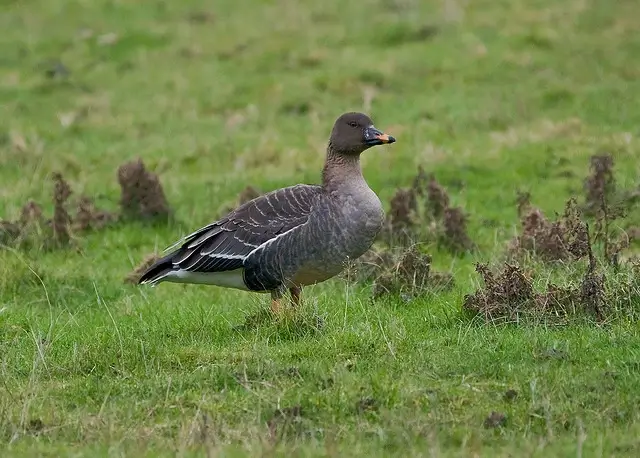
Tundra Bean Goose in India: Rare Sightings, Migration Mystery & the 2011 Corbett Record

India’s wetlands and river systems attract thousands of migratory birds every winter. Most follow predictable routes, returning year after year. But some species break the pattern entirely.

Our experts are available 24/7: