Why Wildlife Conservation Matters for Human Survival: Real Impact on Food, Climate & Travel
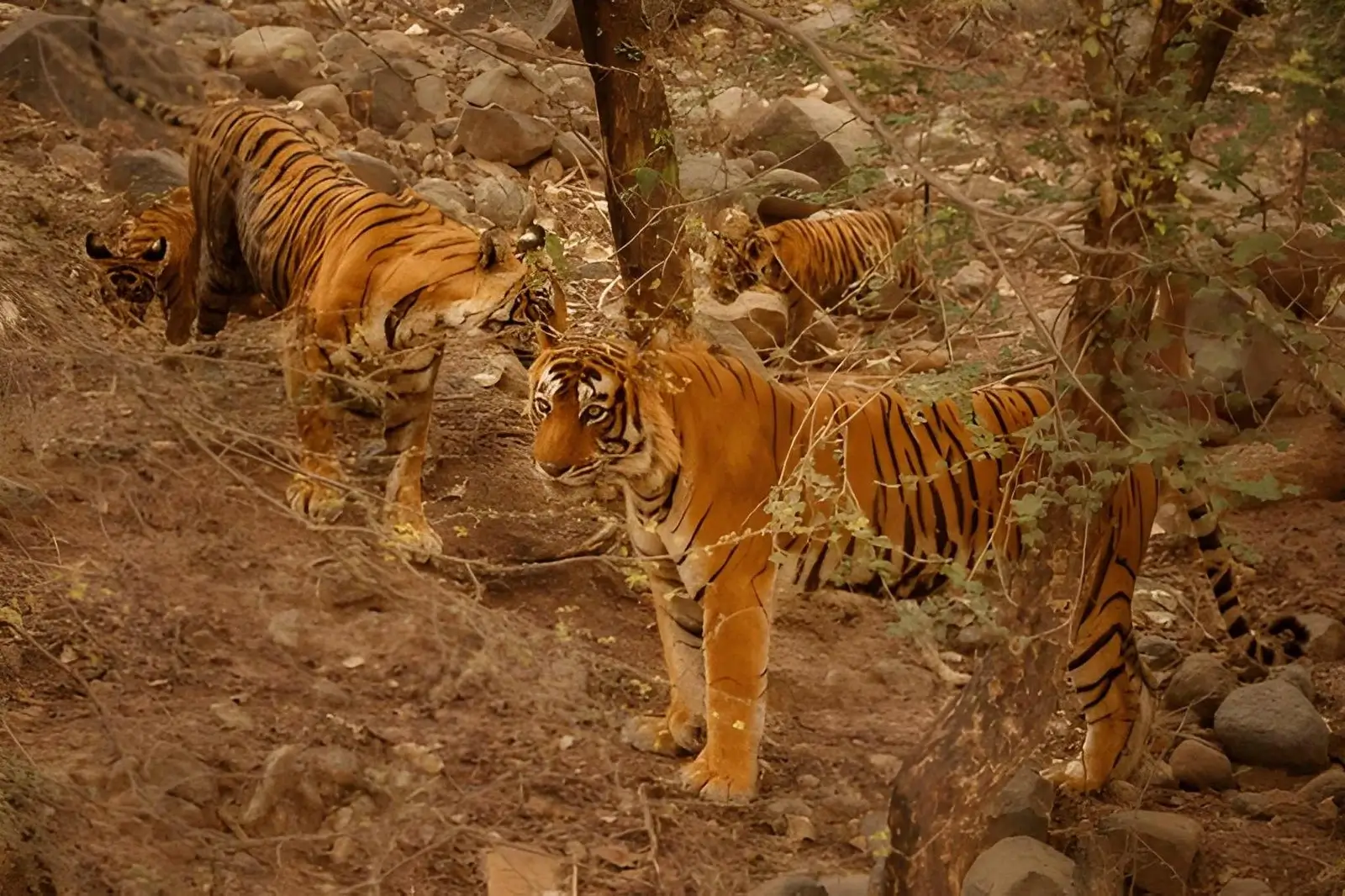
Wildlife is often seen as something we admire on safaris or documentaries. But the reality is far more direct; human survival depends on it. From the air we breathe to the food we eat and the water we rely on, natural ecosystems supported by wildlife quietly sustain life on Earth.
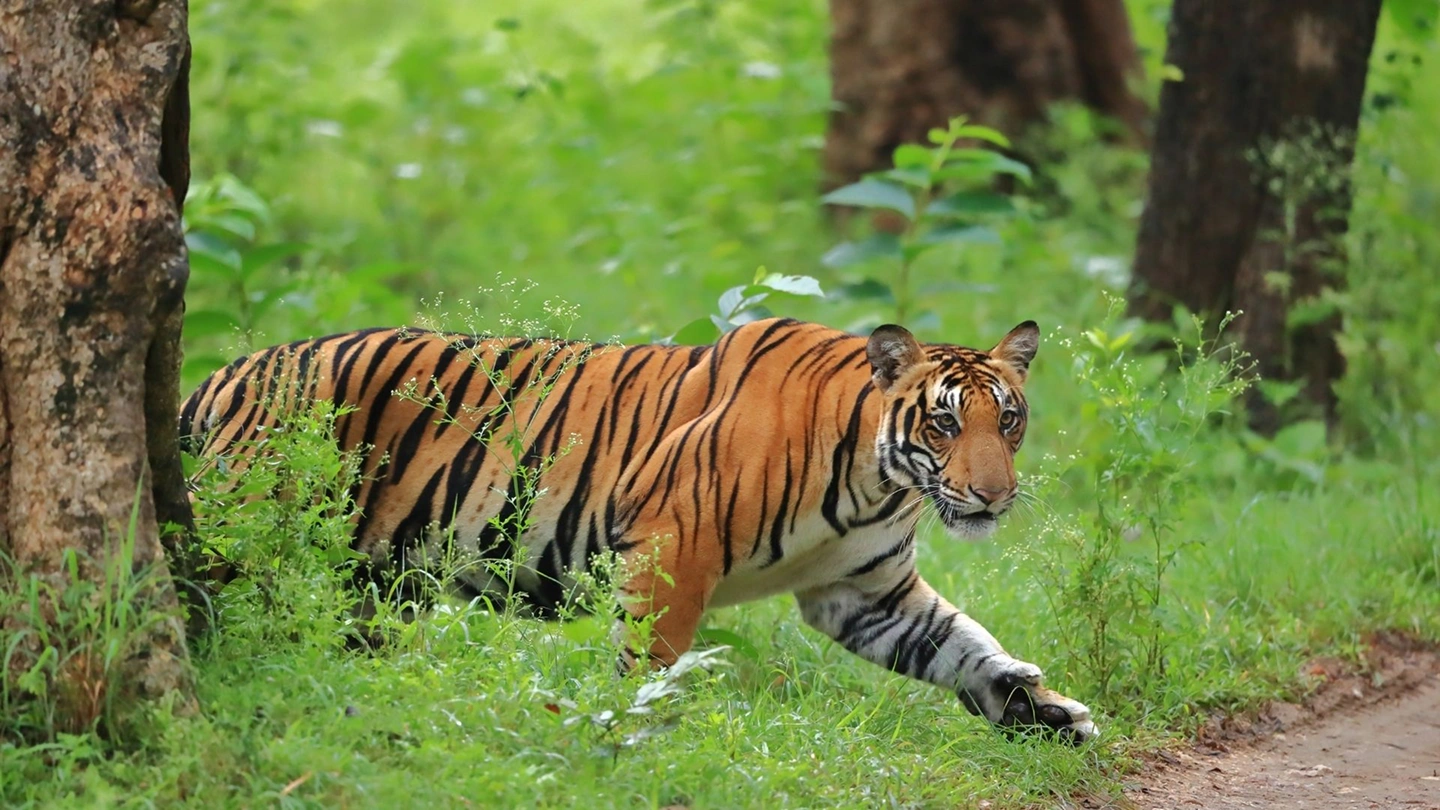
When travellers visit forests like Jim Corbett National Park, they are not just observing animals; they are stepping into ecosystems that actively support human life. Understanding this connection is key to understanding why wildlife conservation is no longer optional.
But why do we need to protect wildlife so actively today?
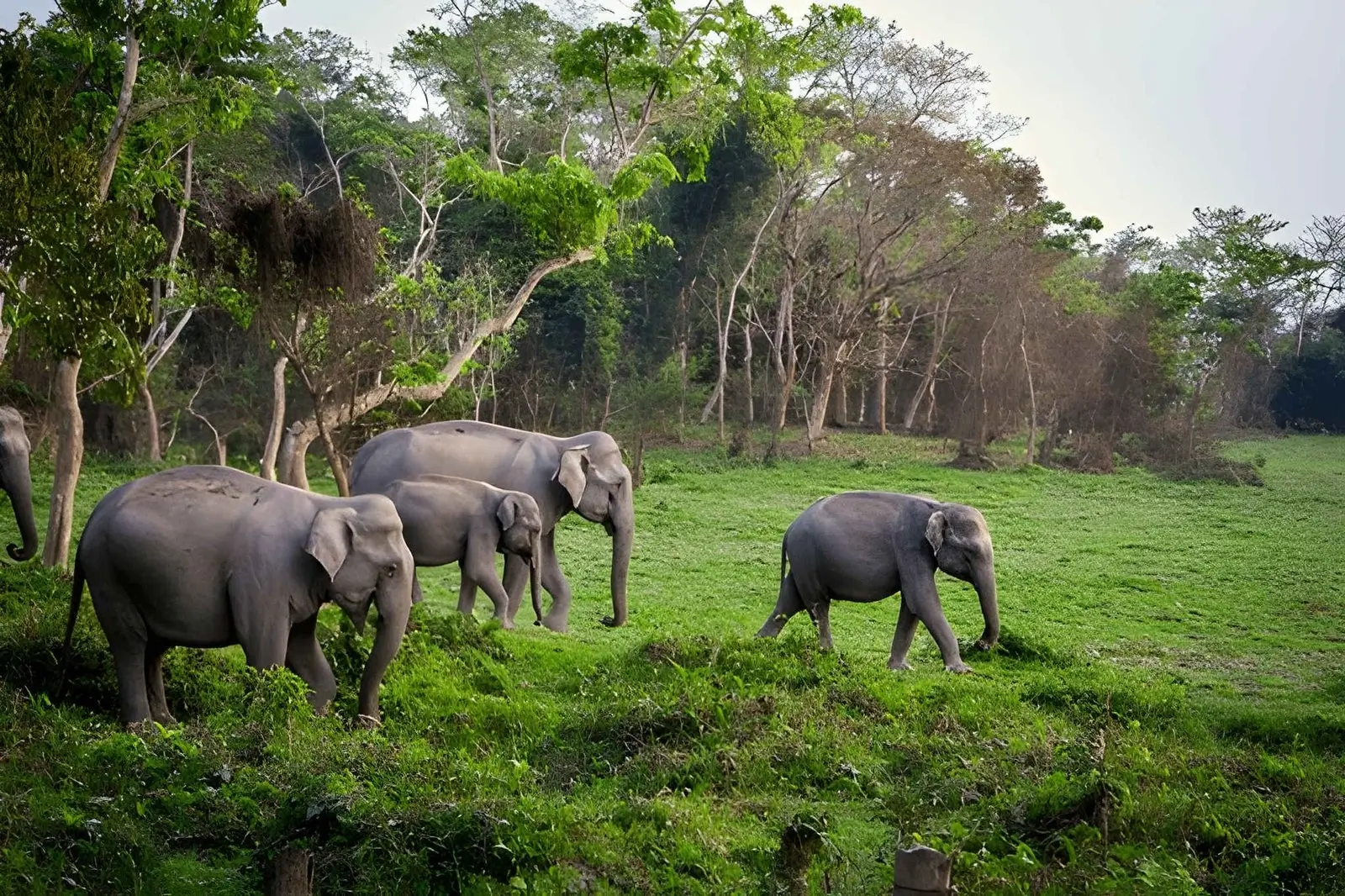
All the effort of government and other organisations for wildlife conservation exists for one fundamental reason: human survival is deeply connected to wildlife and healthy ecosystems.
Forest ecosystems, especially in regions like the Himalayan foothills, play a key role in regulating climate and maintaining air quality across surrounding regions.
Understanding why wildlife matters is the first step toward protecting it. Here are some important reasons why wildlife conservation matters for all of us.
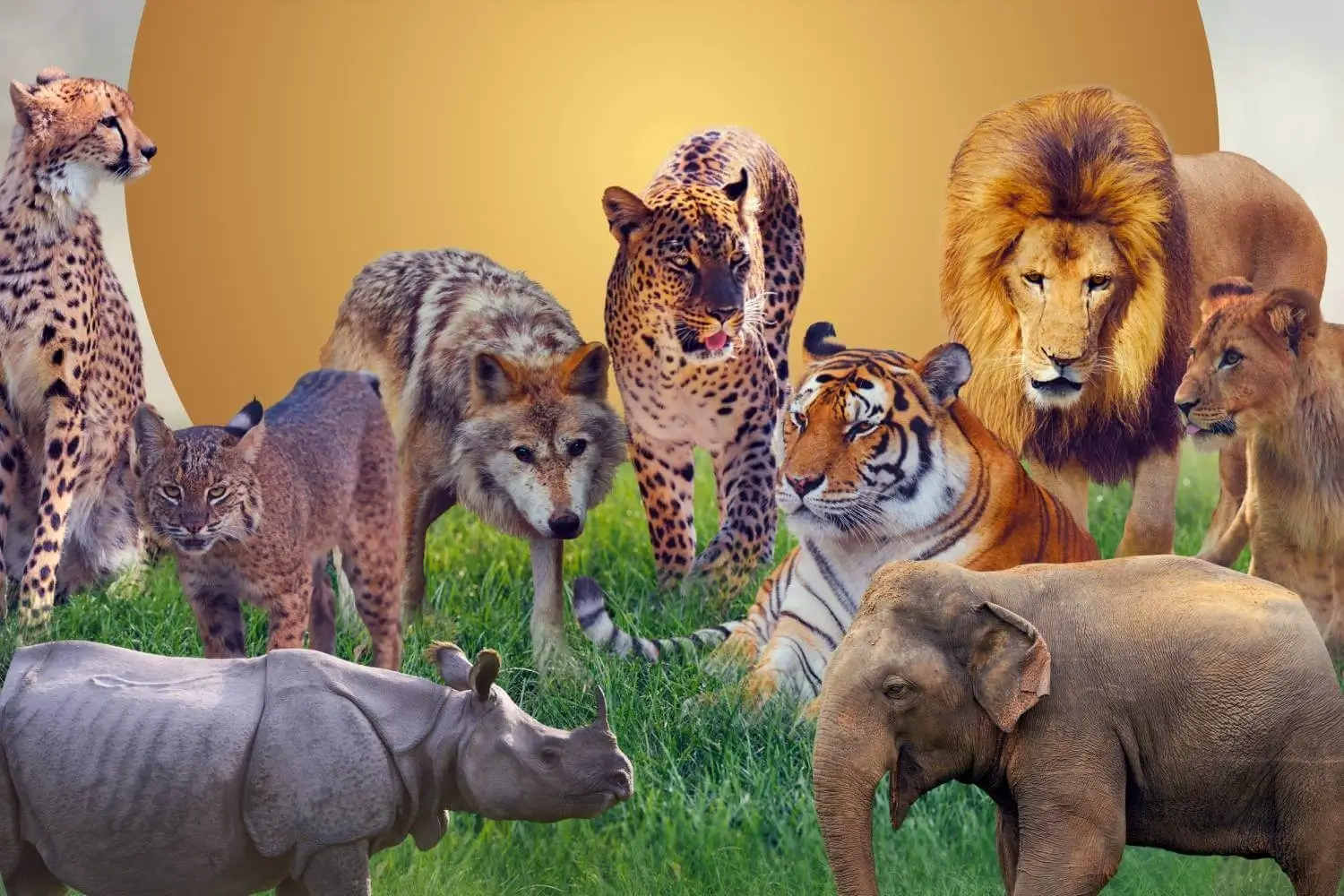
Every ecosystem operates through a food chain, where different species depend on each other for survival.
For example:
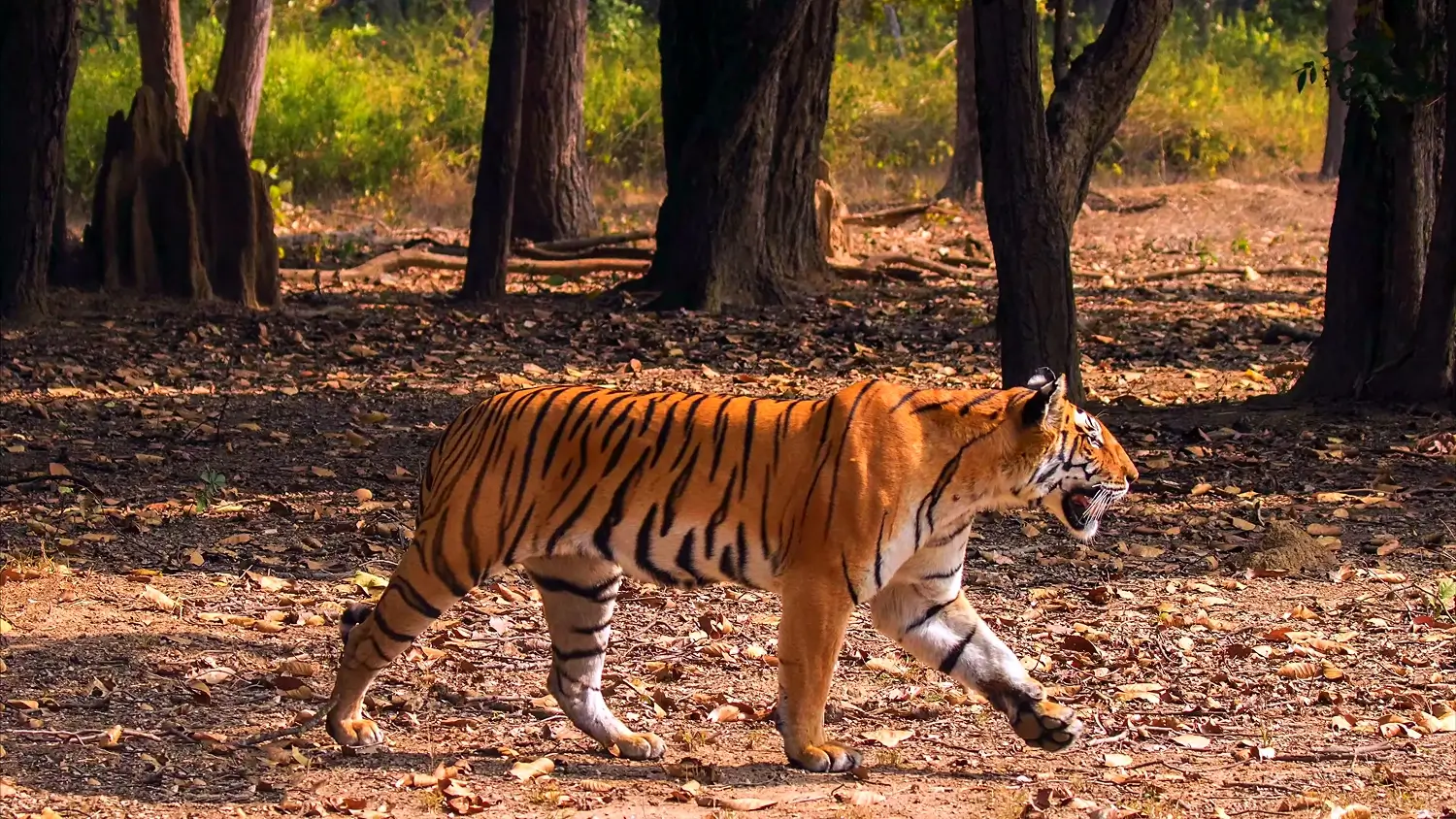
- Predators such as lions, tigers, or wolves control herbivore populations.
- Herbivores feed on plants and vegetation.
- Plants produce energy through sunlight and form the foundation of most ecosystems.
When one part of this chain disappears, the entire system becomes unstable.
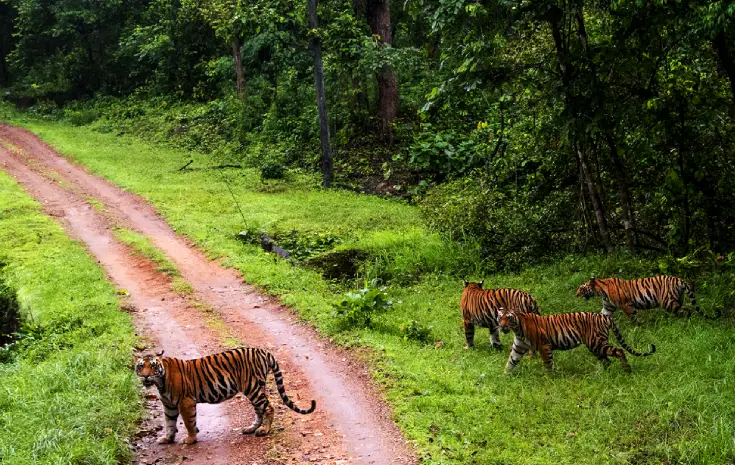
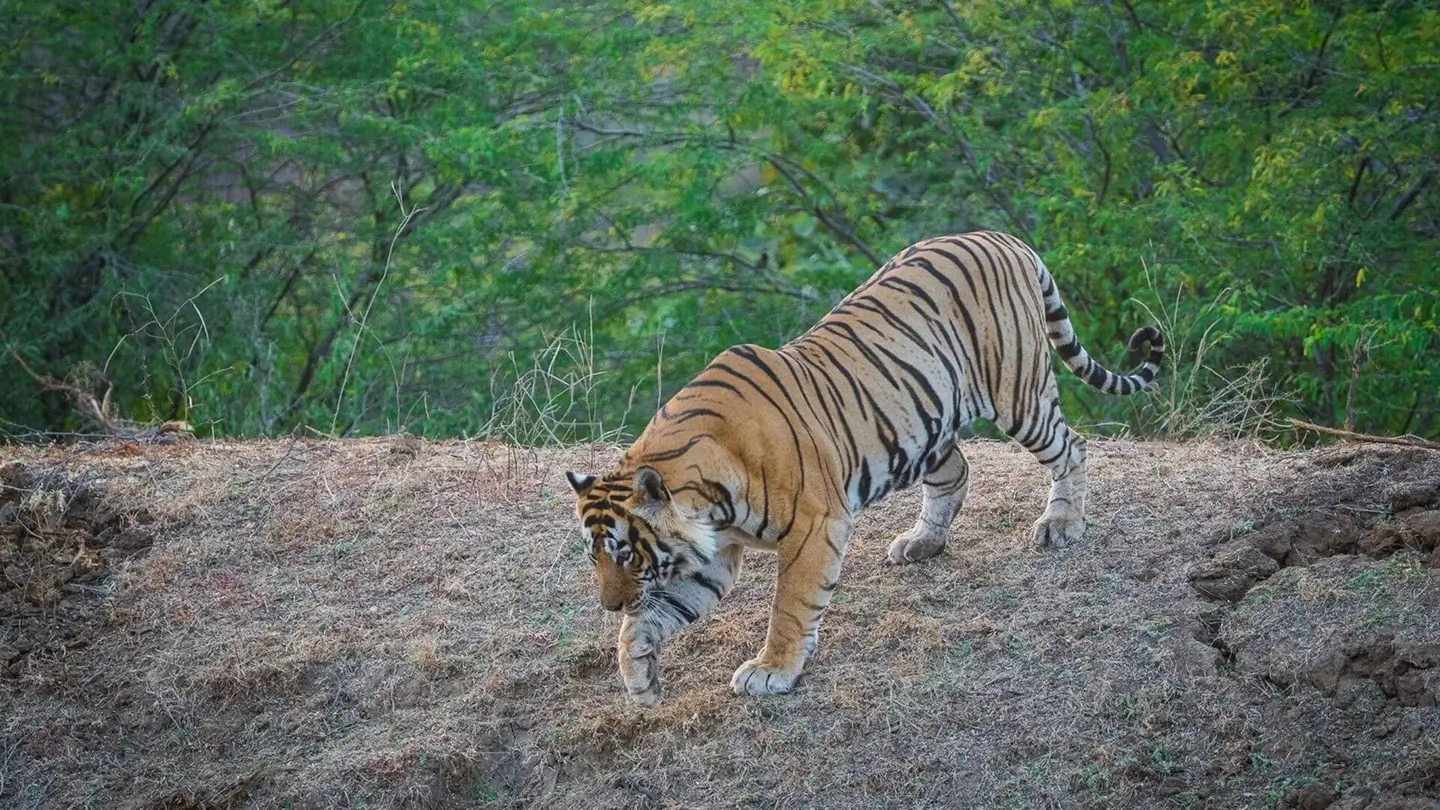
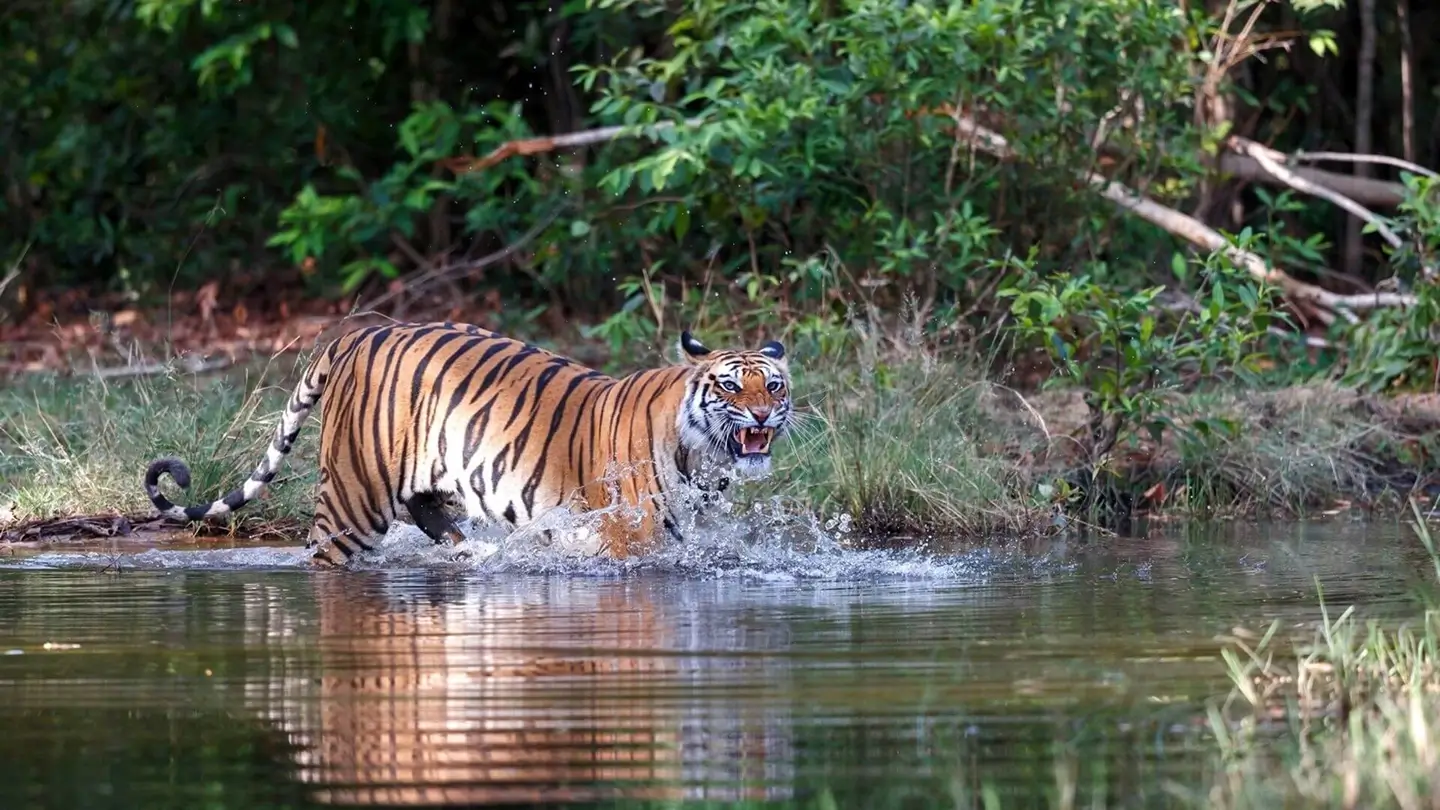
A famous example comes from Yellowstone National Park in the United States. When wolves were reintroduced into the park in 1995, they began controlling the population of elk. This allowed vegetation along rivers to recover, which in turn improved habitats for birds, beavers, and other wildlife.
The presence of one predator ended up reshaping the entire ecosystem. This example shows how wildlife helps maintain ecological balance, which ultimately supports healthy landscapes that humans also depend on.
This balance directly affects human survival, as unstable ecosystems can lead to reduced agricultural productivity, water shortages, and loss of biodiversity that supports livelihoods.
Many animals play an important role in maintaining the health of forests and grasslands.
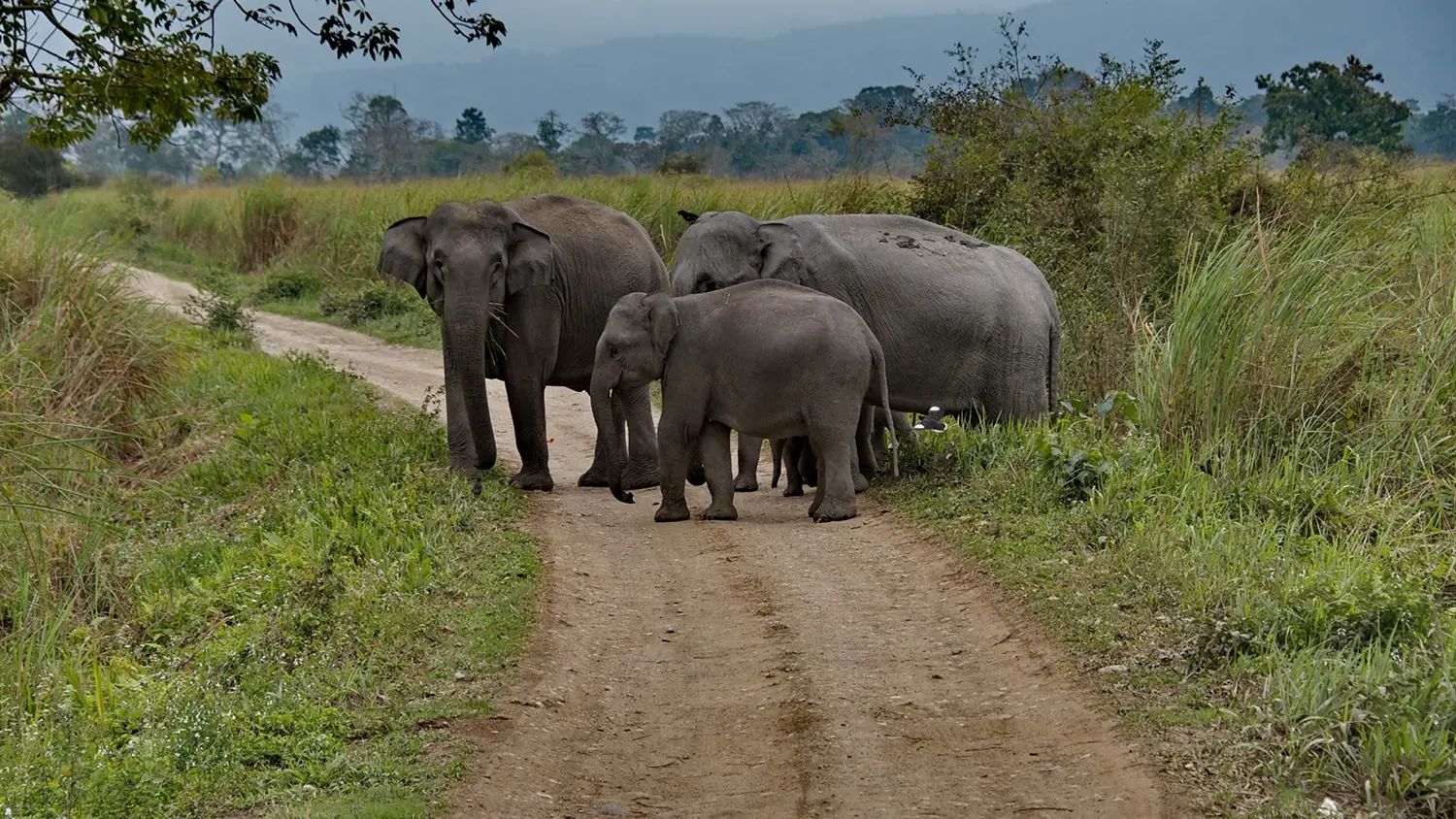
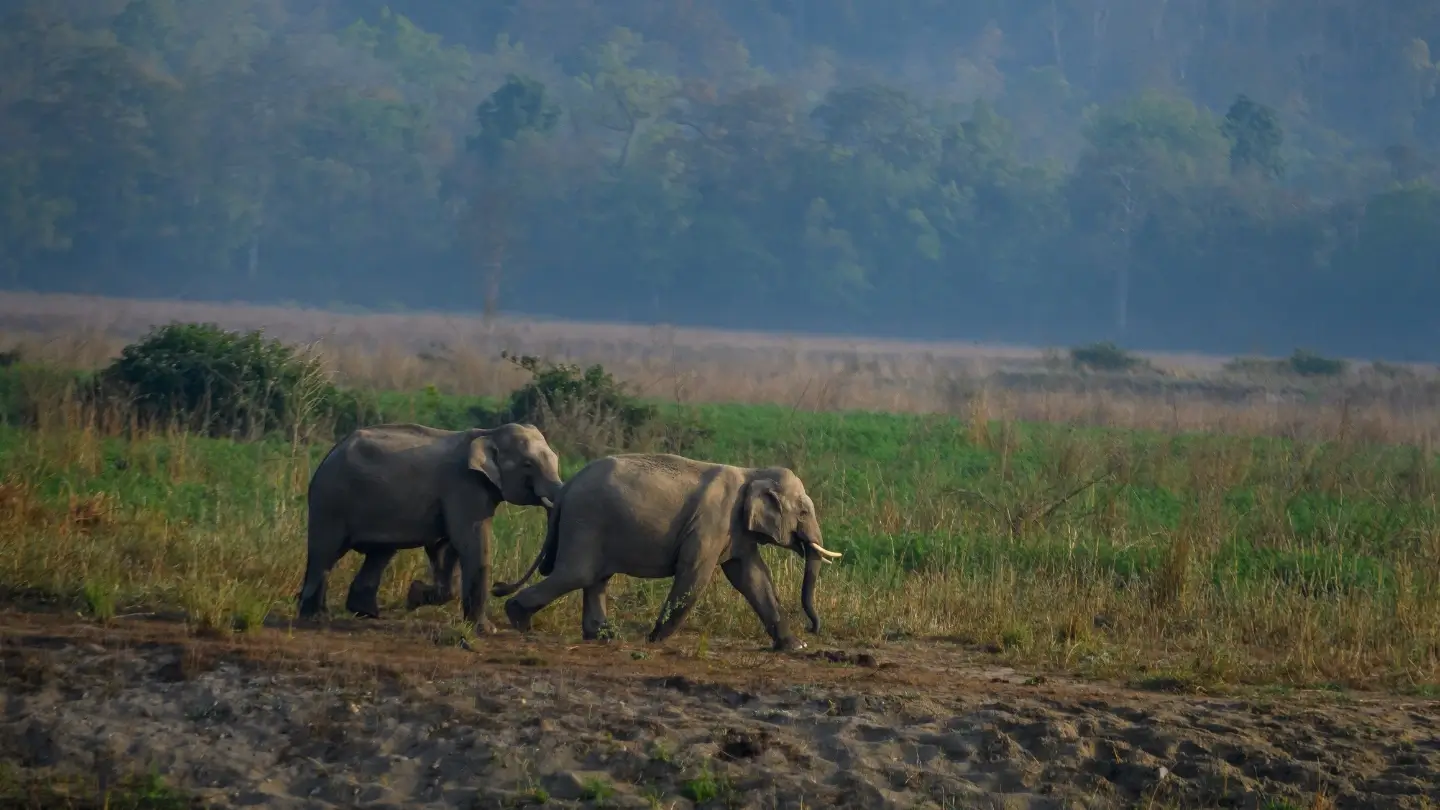
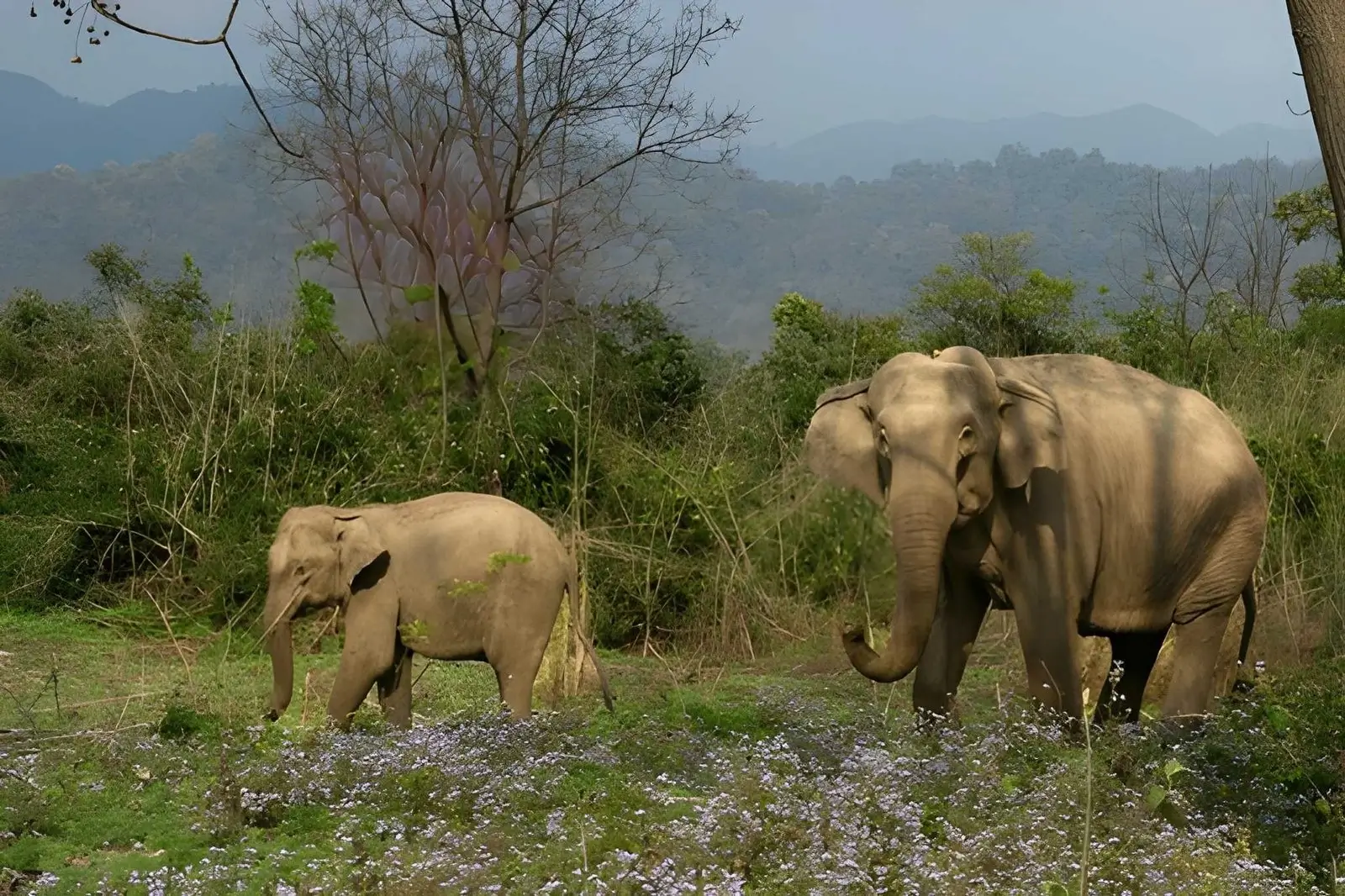
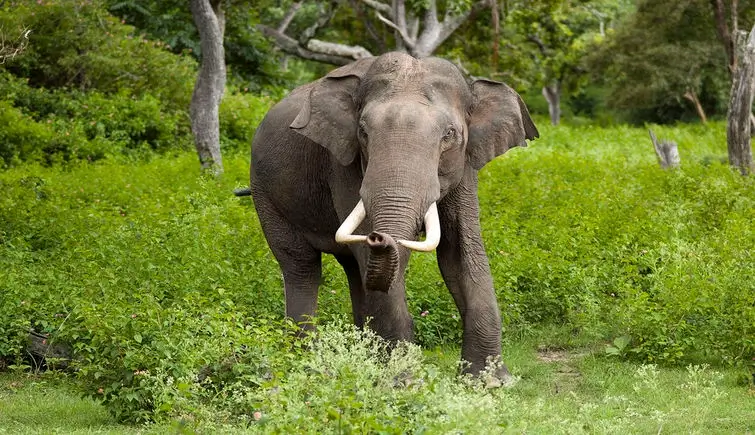
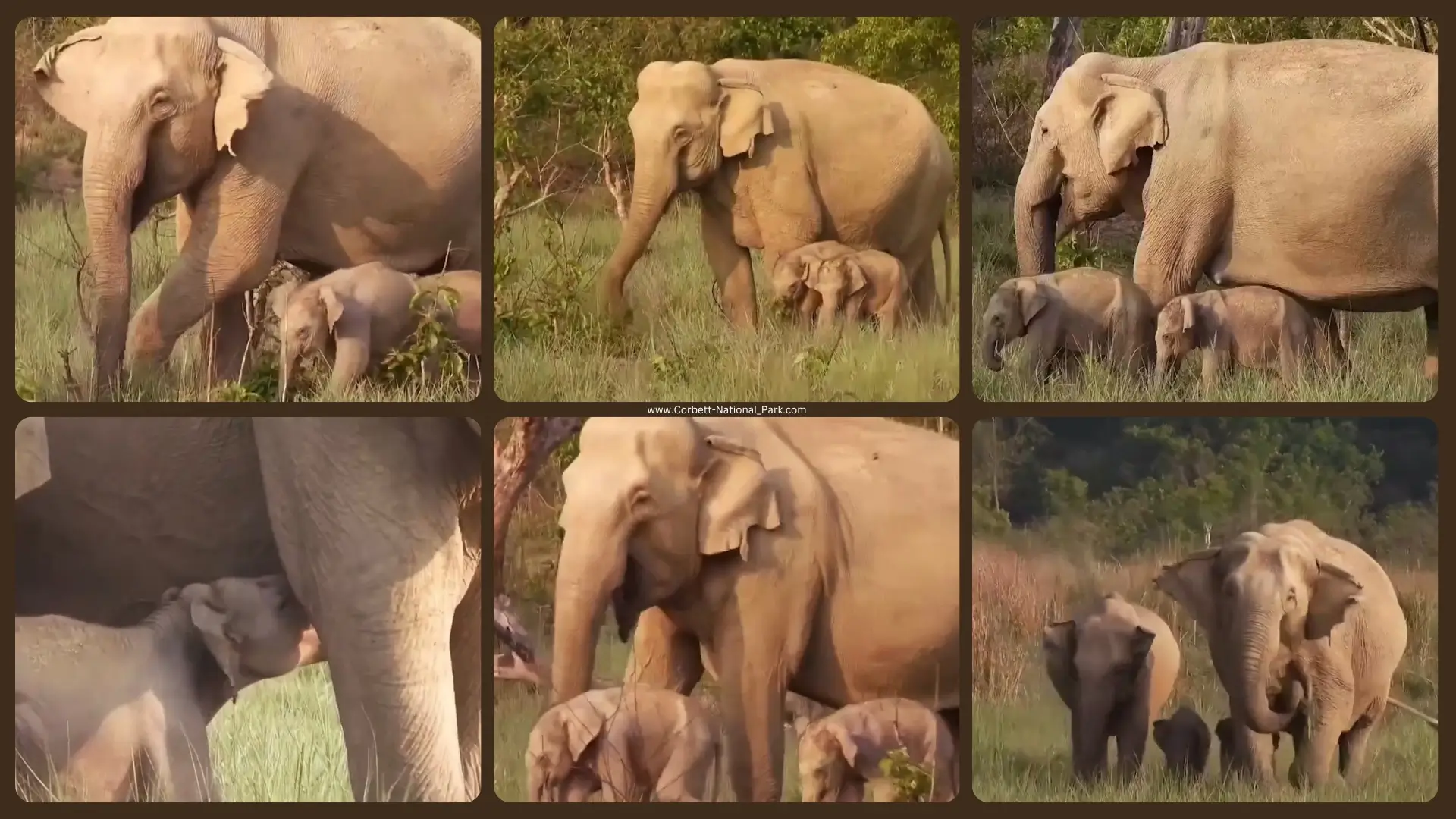
For instance, elephants are often called “ecosystem engineers.” As they move through forests, they break branches, create pathways, and disperse seeds across large areas. These activities help regenerate forests and support plant diversity.
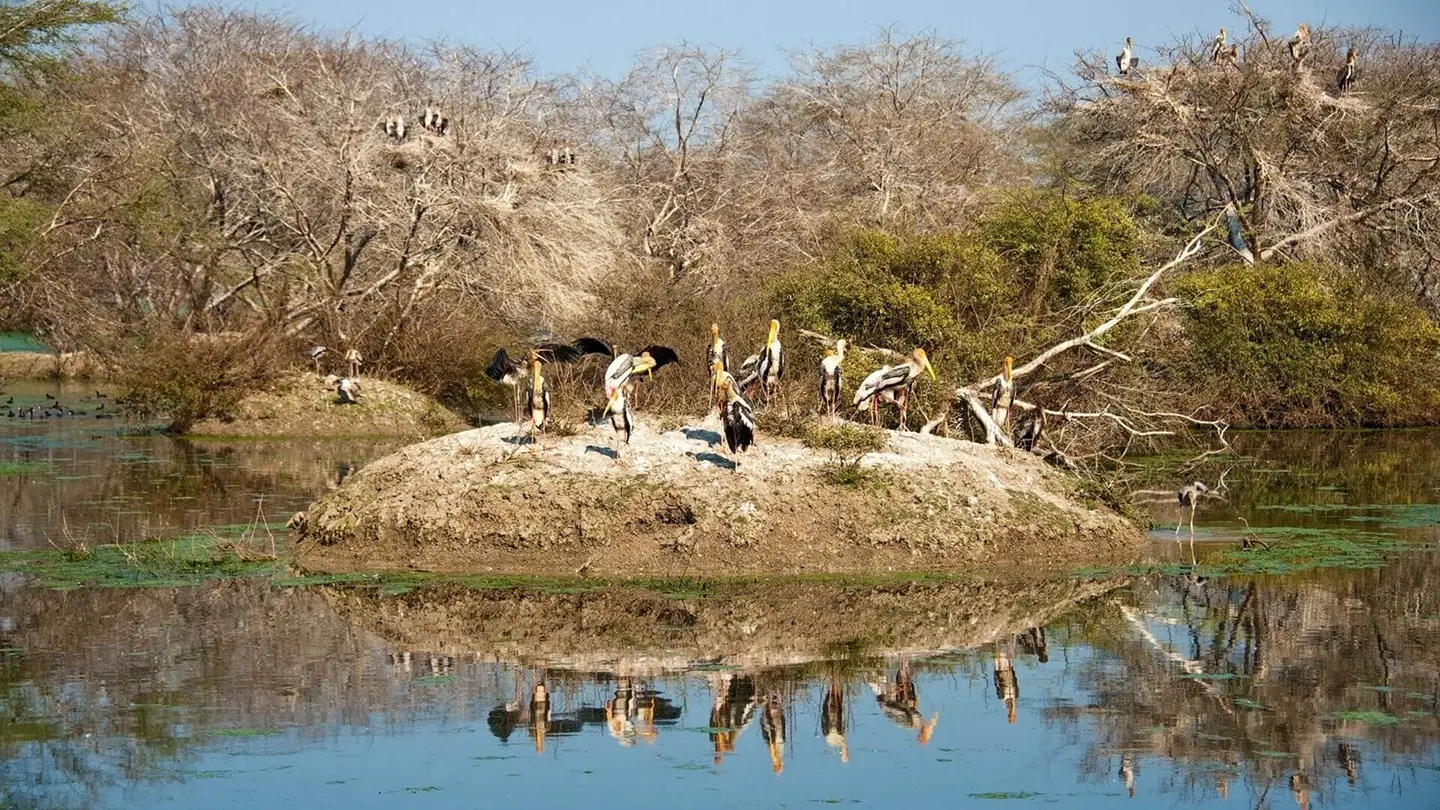
Similarly, animals such as birds, monkeys, and bats help spread seeds of fruit-bearing trees. This natural seed dispersal helps forests regenerate over time.
Healthy forests are essential for humans because they help:
- regulate climate
- store carbon
- protect water sources
- support biodiversity
Without wildlife playing these ecological roles, forest ecosystems would gradually weaken.
One of the most fundamental benefits of nature is the oxygen we breathe.
Plants and trees produce oxygen through the process of photosynthesis, absorbing carbon dioxide and releasing oxygen into the atmosphere. Forest ecosystems around the world contribute significantly to maintaining this balance.
There is also a lesser-known contributor to Earth's oxygen supply: phytoplankton.
These microscopic plant-like organisms live in oceans and produce a large portion of the oxygen in our atmosphere. They also form the foundation of marine food chains that support fish and ocean biodiversity.
Protecting wildlife habitats such as forests, wetlands, and oceans helps maintain these natural systems that regulate our atmosphere.
Agriculture also depends heavily on wildlife and biodiversity. Pollinators such as bees, butterflies, birds, and bats help fertilize crops by transferring pollen between plants. According to global agricultural studies, a large percentage of food crops depend on animal pollinators.
A decline in pollinators would directly impact global food supply, affecting everything from fruits and vegetables to nuts and oil crops. Without these pollinators, many fruits, vegetables, and nuts would become extremely difficult to produce.
Wildlife also supports agriculture in other ways. Soil organisms such as earthworms, nematodes, and beneficial microbes help break down organic matter and maintain soil fertility.
These natural processes keep farmland productive and support global food systems.
Nature has been one of the greatest sources of medicine throughout human history. Traditional healing systems such as Ayurveda, Traditional Chinese Medicine, and Indigenous medicine rely heavily on plant-based remedies found in forests and natural ecosystems.
Modern pharmaceutical research continues to discover new medical compounds from biodiversity. Many important drugs have originated from plants, fungi, and other natural sources.
For example:
- Certain mushrooms such as Reishi and Turkey Tail are studied for their potential health benefits.
- Compounds from plants have contributed to treatments for heart disease, infections, and cancer.
- Early forms of insulin used in diabetes treatment were extracted from animal sources.
Protecting wildlife ecosystems also protects the potential for future medical discoveries.
Healthy ecosystems also help regulate water and soil systems that humans rely on.
Forests, wetlands, and grasslands help:
- filter water
- prevent soil erosion
- regulate rainfall patterns
- recharge groundwater
Many animals contribute to these processes. For example, burrowing animals help aerate soil, while aquatic organisms maintain the health of rivers and lakes.
Even small organisms play important roles. Microscopic creatures in soil break down organic matter and recycle nutrients that plants need to grow.
These natural systems support agriculture, clean water supplies, and stable landscapes.
Despite its importance, wildlife around the world faces serious threats.
Some of the biggest challenges include:
- Habitat loss Expanding cities, agriculture, and infrastructure projects continue to reduce natural habitats for many species.
- Illegal poaching and wildlife tradeAnimals such as elephants, rhinos, and pangolins are still targeted for illegal wildlife products.
- Climate changeChanging temperatures and weather patterns are affecting ecosystems and wildlife habitats globally.
According to international biodiversity assessments, many species today face an increased risk of extinction if conservation efforts are not strengthened.
Protecting wildlife is therefore not just about saving animals. It is about preserving the ecosystems that support life on Earth.
In India, this balance is especially visible in forest ecosystems where wildlife directly supports water systems and biodiversity. National parks like Jim Corbett National Park act as critical conservation zones that protect both wildlife and natural resources.
In India, wildlife conservation is closely tied to protected areas such as national parks and tiger reserves.
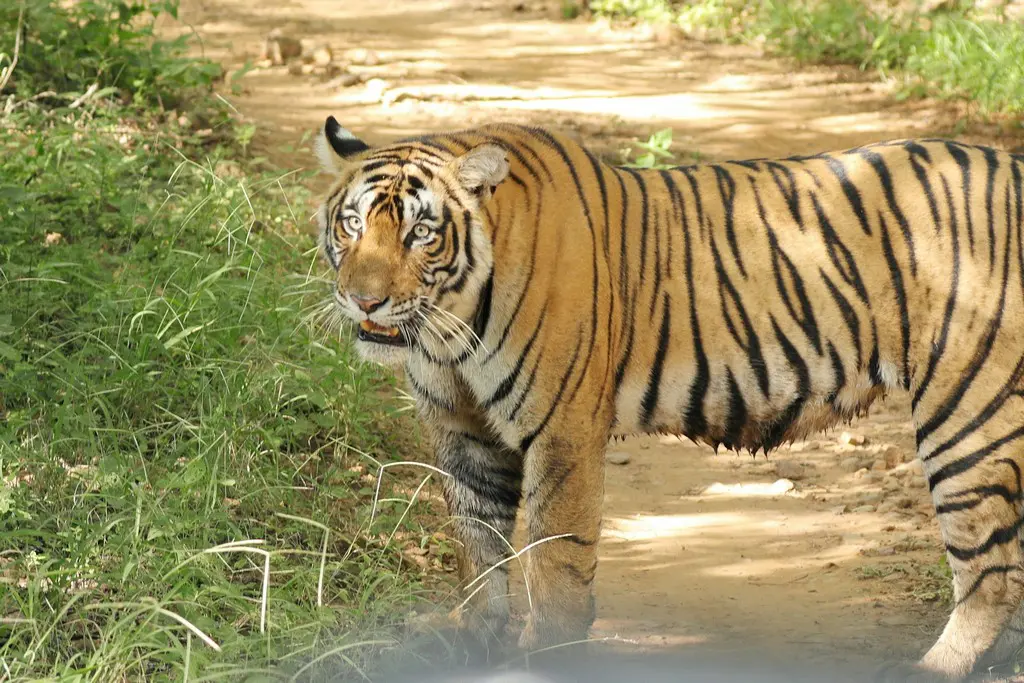
Parks like Jim Corbett National Park, Ranthambore National Park, Kaziranga National Park play a crucial role in preserving biodiversity, protecting forests, and maintaining ecological balance.
These landscapes not only safeguard wildlife but also support water systems, climate regulation, and local communities.
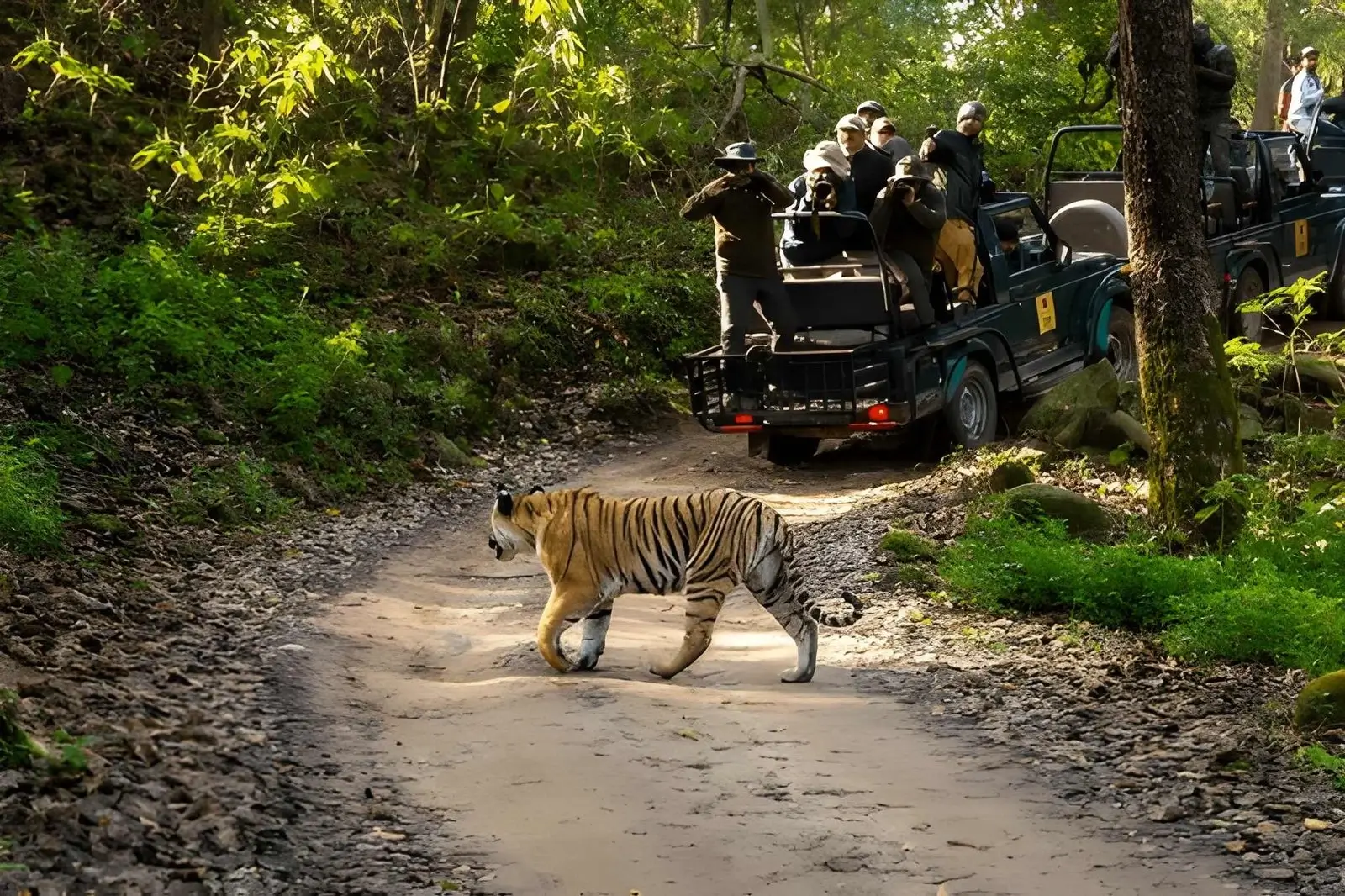
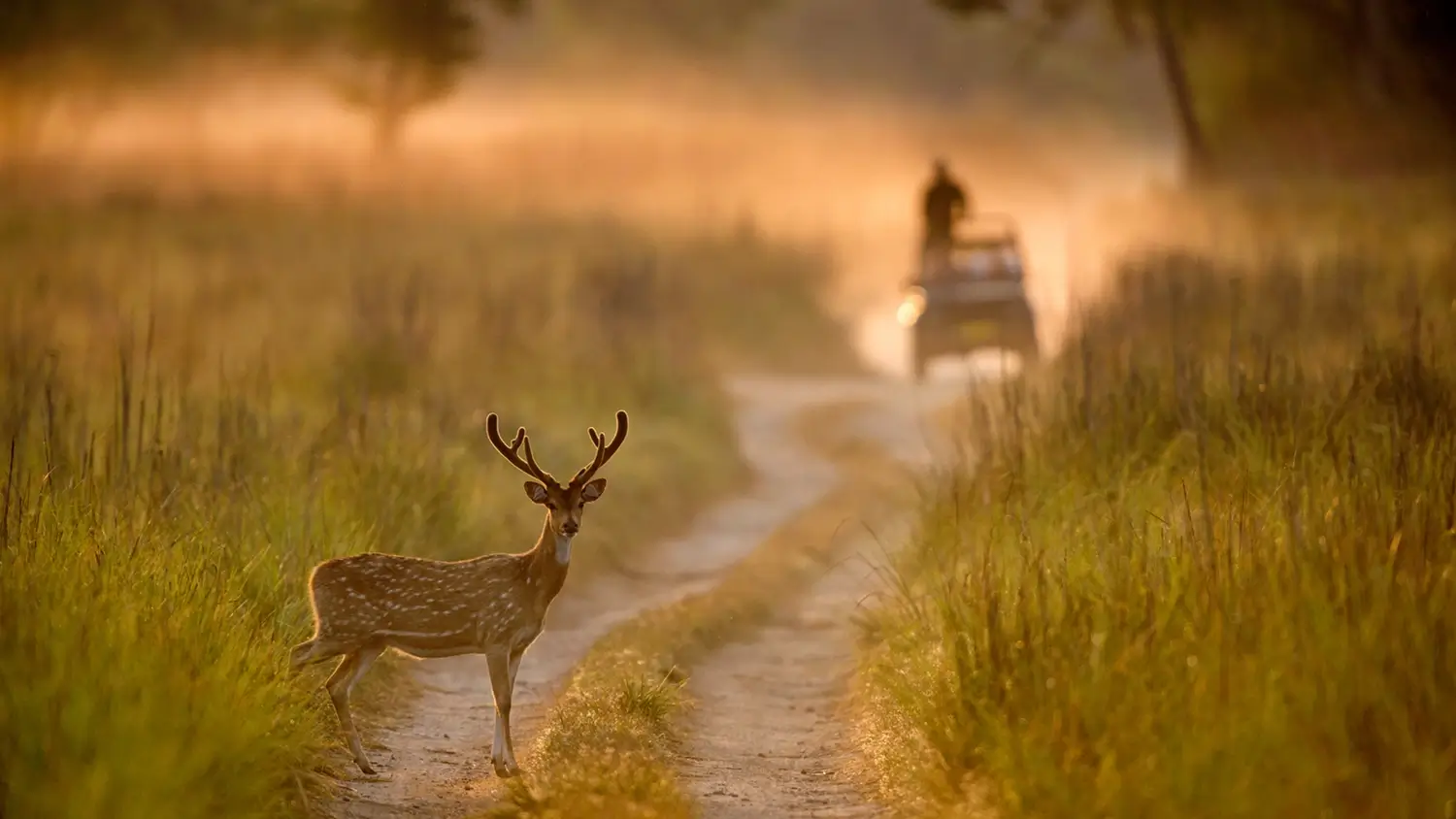
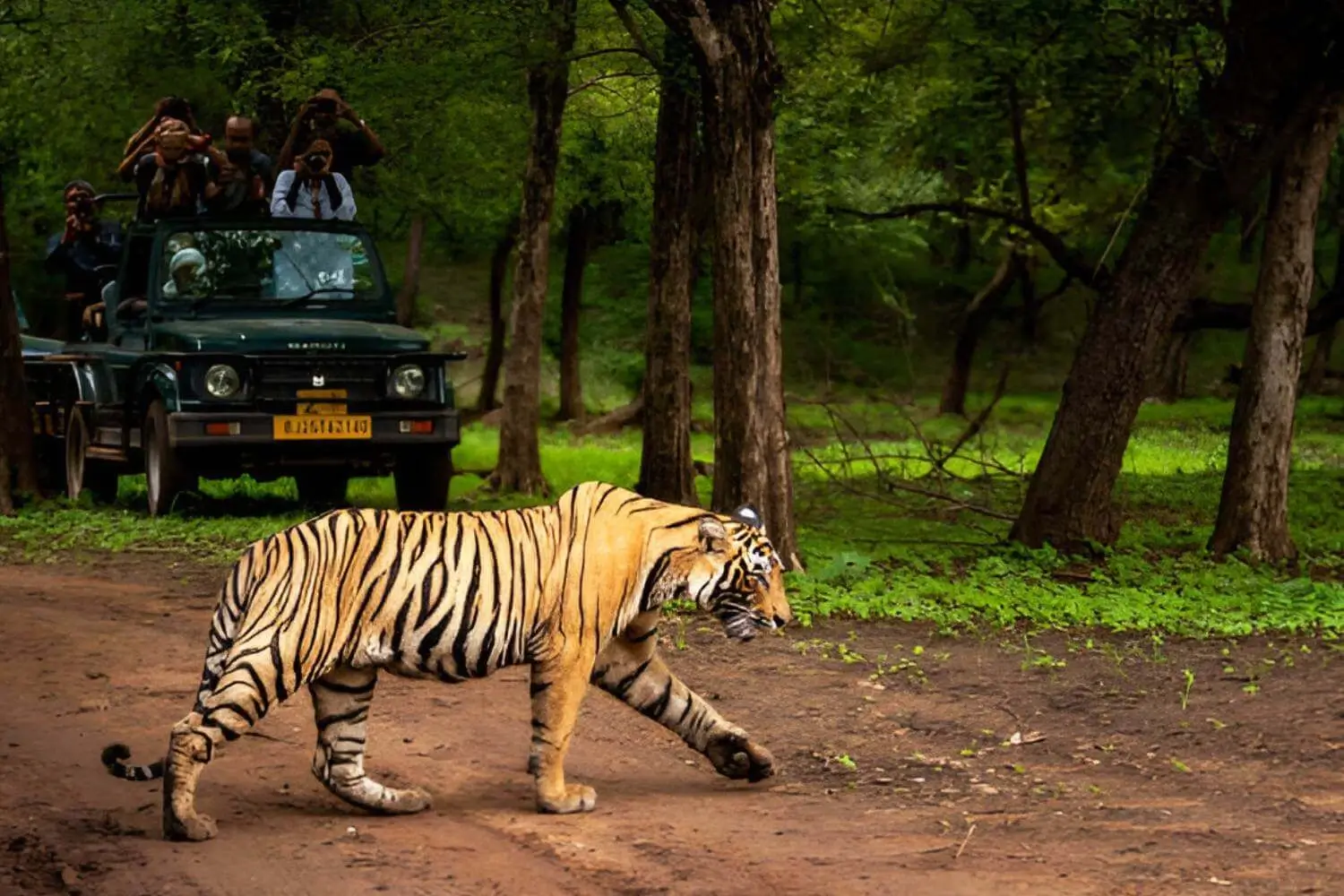
For travellers, wildlife is often the highlight of exploring destinations like Corbett or Kaziranga. But beyond sightings, these experiences offer a deeper understanding of how ecosystems function and why they must be protected.
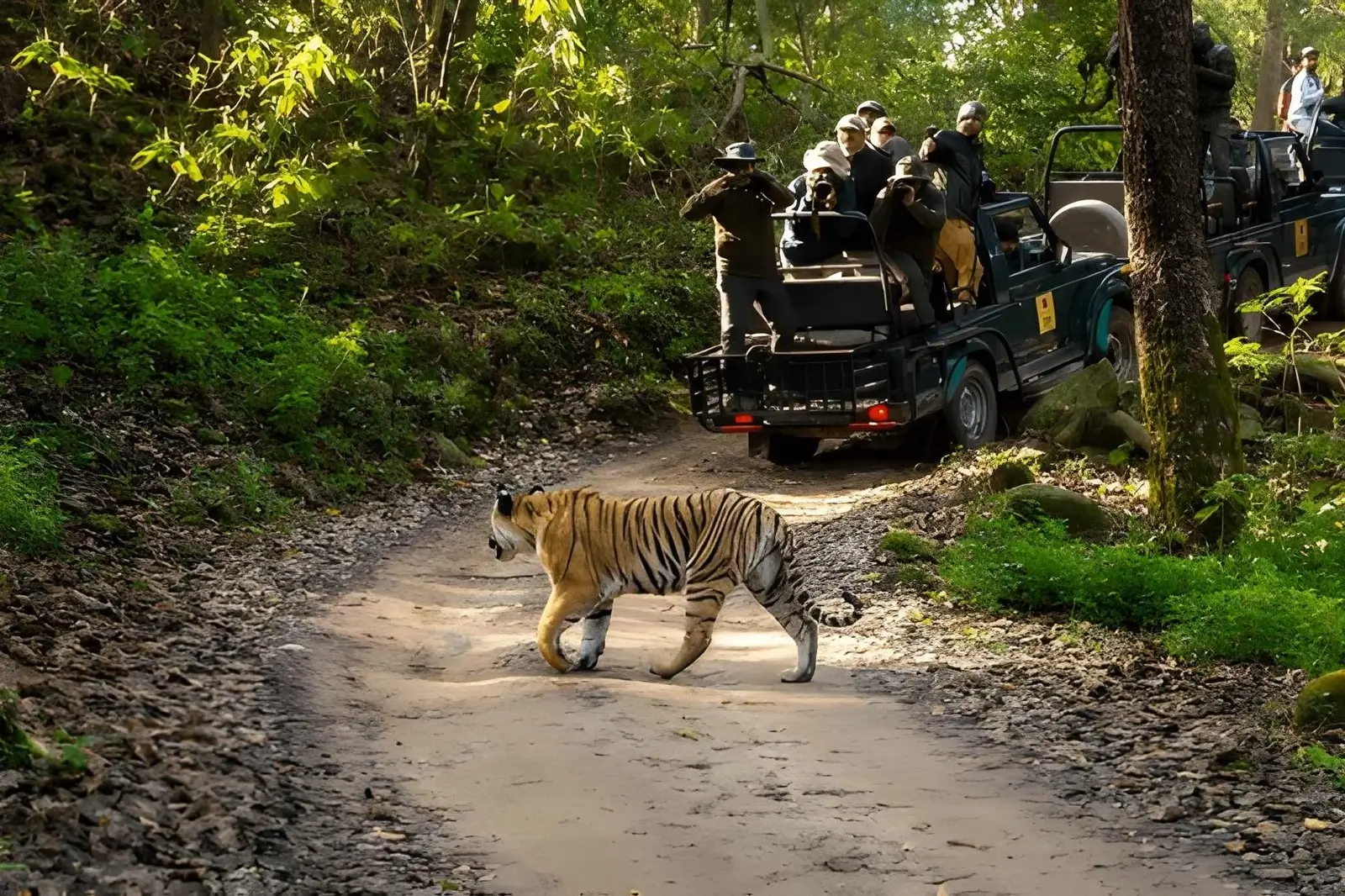
Responsible tourism can also support conservation efforts by generating funds for protected areas, wildlife research, and local communities that help safeguard ecosystems.
When wildlife thrives, travel destinations remain vibrant and ecologically healthy.
Even small actions by travellers can contribute to wildlife conservation.
Here are a few simple ways to help:
- Avoid littering in forests, parks, and trekking routes. Carry your waste back with you.
- Do not purchase products made from wildlife parts, such as ivory or animal skins.
- Support ethical wildlife tourism that respects animals and their habitats.
- Follow park rules and maintain distance from wildlife while on safaris or nature walks.
- Share responsible travel practices on social media to spread awareness about conservation.
When travellers respect wildlife and nature, they help protect the ecosystems that make these experiences possible.
The Bigger Picture
Protecting wildlife is not just about saving animals; it is about safeguarding the natural systems that sustain human life. For travellers, choosing responsible wildlife experiences in places like Corbett helps support conservation efforts while offering a deeper connection with nature.
Because when wildlife survives, so do we.




 Packages
 +91 9212777224