Project Tiger in India: History, Achievements & Tiger Population Growth
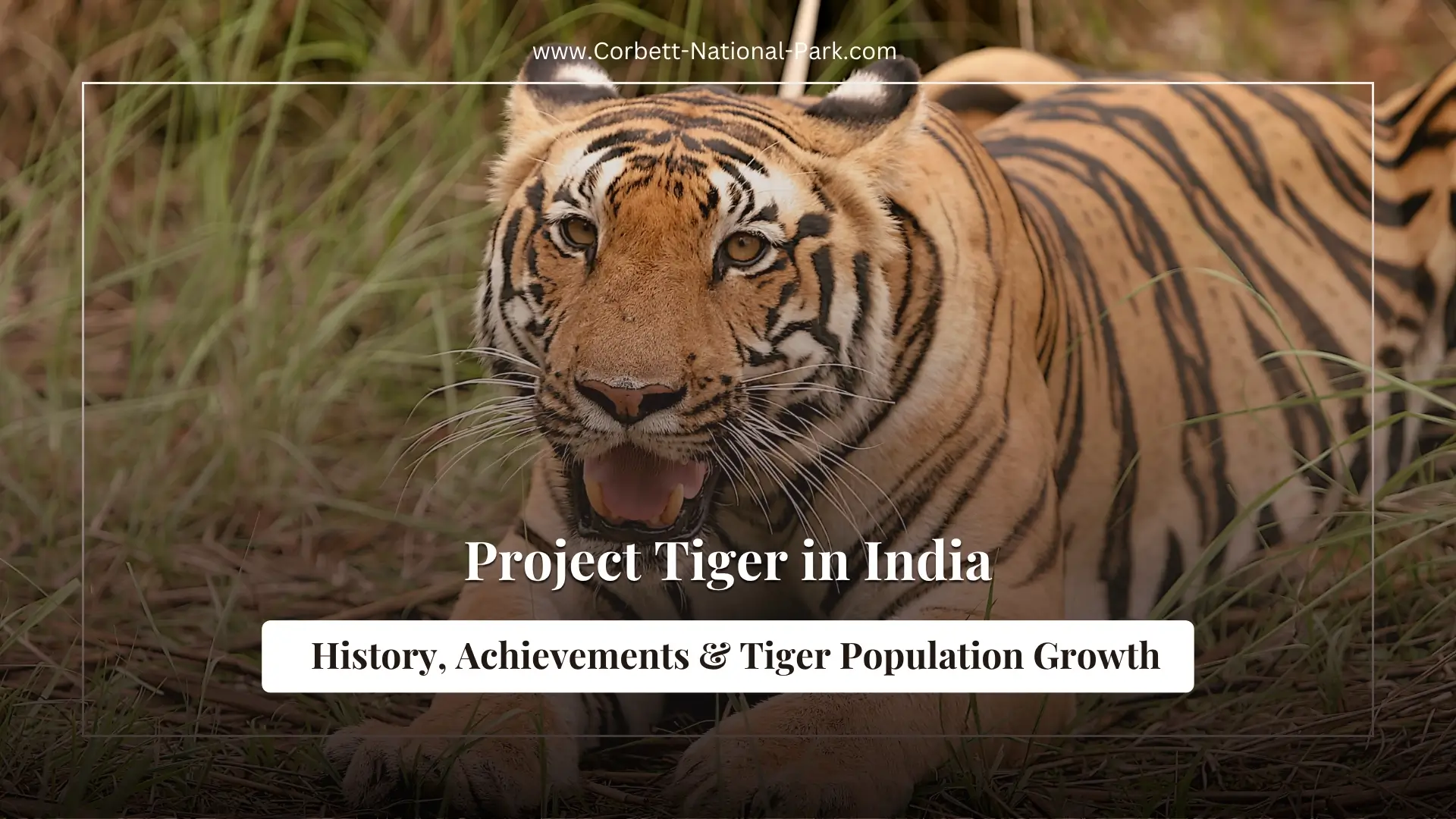
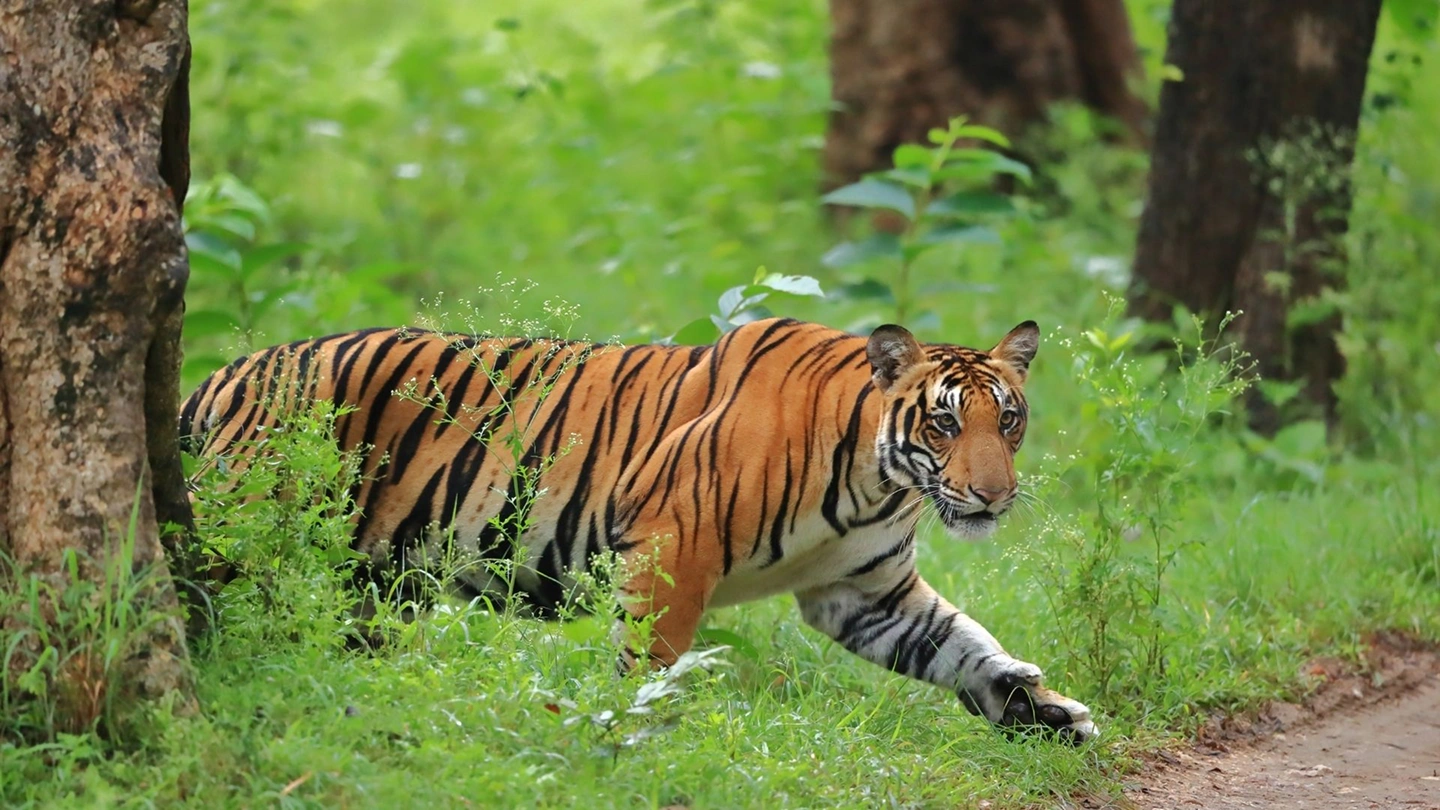
Tigers are among the most iconic symbols of India’s wildlife heritage. The Royal Bengal Tiger, which is also the country’s national animal, represents the strength and ecological richness of India’s forests. Once widespread across the subcontinent, tiger populations declined dramatically during the twentieth century due to hunting, habitat loss, and poaching.
Today, however, India is home to the largest population of wild tigers in the world, a conservation achievement made possible largely through Project Tiger, one of the most ambitious wildlife protection programmes ever undertaken.
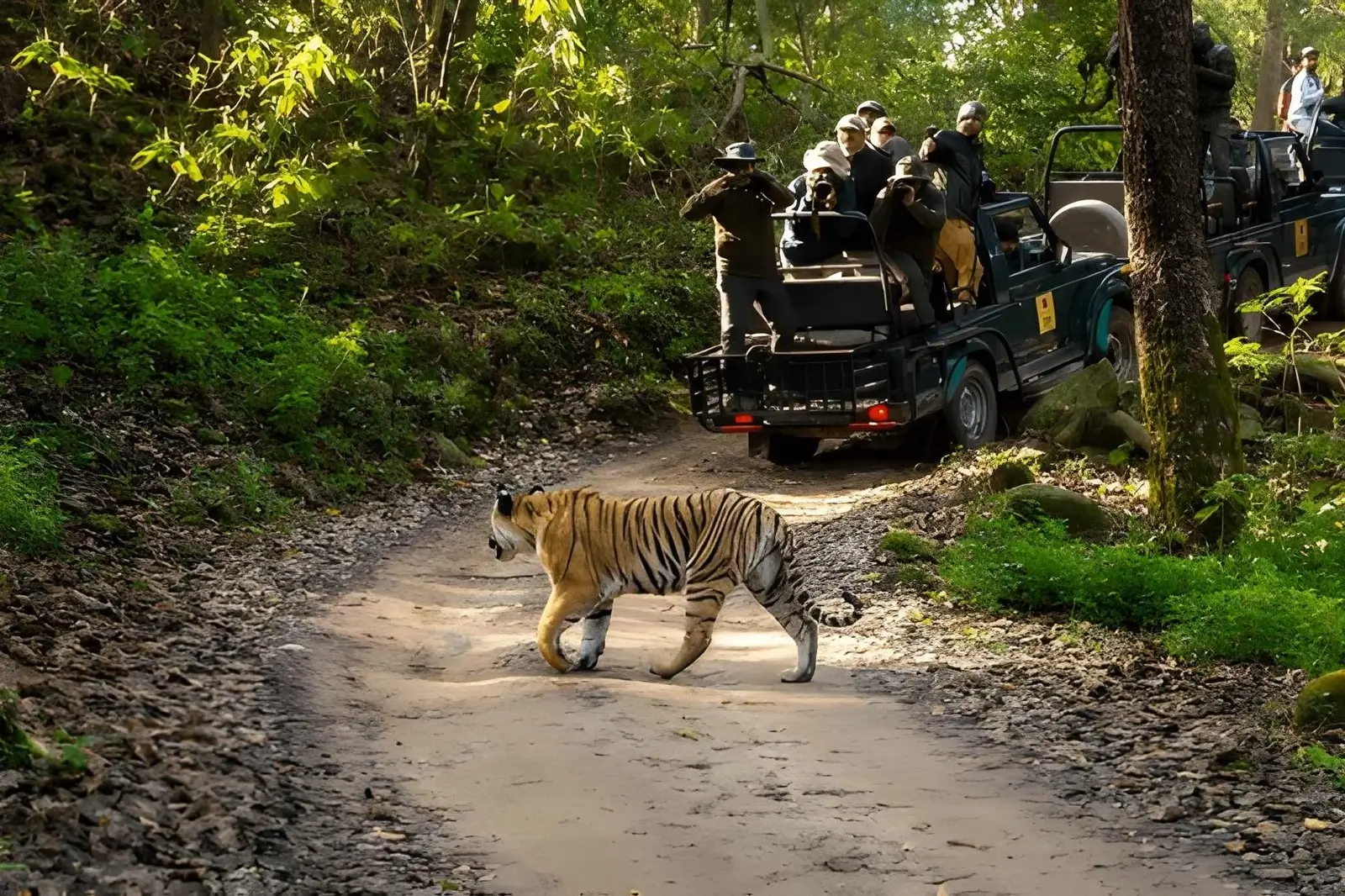
Several famous wildlife destinations such as Jim Corbett National Park, Ranthambore National Park, Bandhavgarh National Park, and Kanha National Park are now globally known for tiger conservation and wildlife tourism.
What is Project Tiger in India?
Project Tiger is a wildlife conservation programme launched in 1973 to protect Bengal tigers and their habitats, and today India supports over 3,100 wild tigers, the highest in the world.
Why Project Tiger Still Matters Today
Project Tiger is not just a conservation initiative; it directly impacts biodiversity, forest health, and even climate stability. Healthy tiger populations indicate strong ecosystems, which in turn support water systems, carbon balance, and local livelihoods.
The Need for Tiger Conservation in India
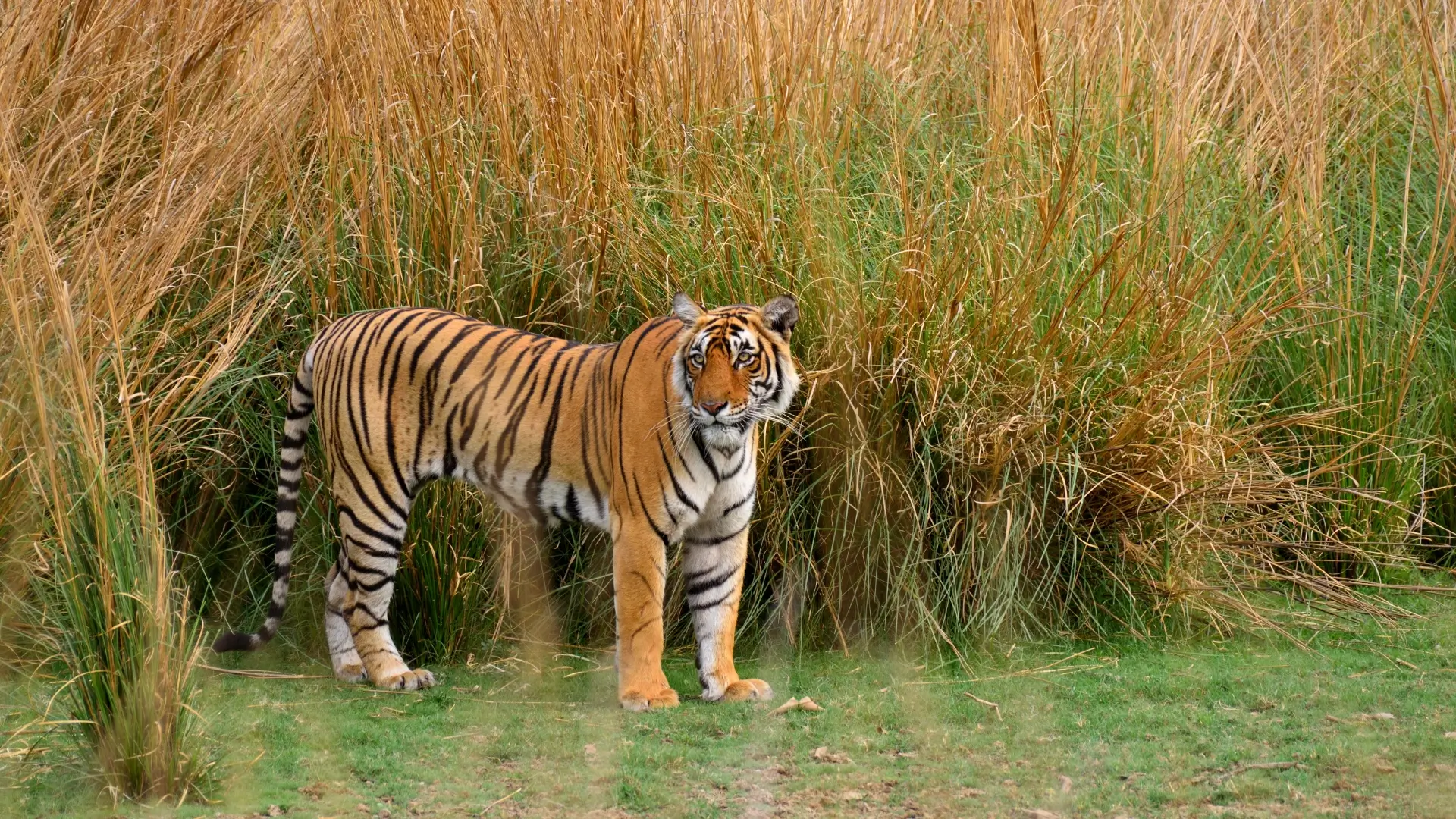
The history of tiger conservation in India is closely linked to the rapid decline of tiger populations during the mid-twentieth century.
Many forests that are now protected reserves were once royal hunting grounds used by kings, colonial officials, and aristocrats. Trophy hunting, combined with habitat destruction and expanding agriculture, significantly reduced tiger numbers.
By the 1950s and 1960s, the situation had become alarming. Several factors contributed to the decline of tigers across the country:
- Unregulated hunting and trophy hunting
- Poaching for skins, bones, and body parts
- Loss of forest habitats due to agriculture and development
- Increasing human settlements inside forest landscapes
As these pressures intensified, tiger sightings became increasingly rare in many regions. Conservationists and wildlife experts warned that the species could face extinction in India if urgent action was not taken.
Recognising this crisis, the Government of India launched Project Tiger in 1973, marking a historic step toward wildlife conservation.
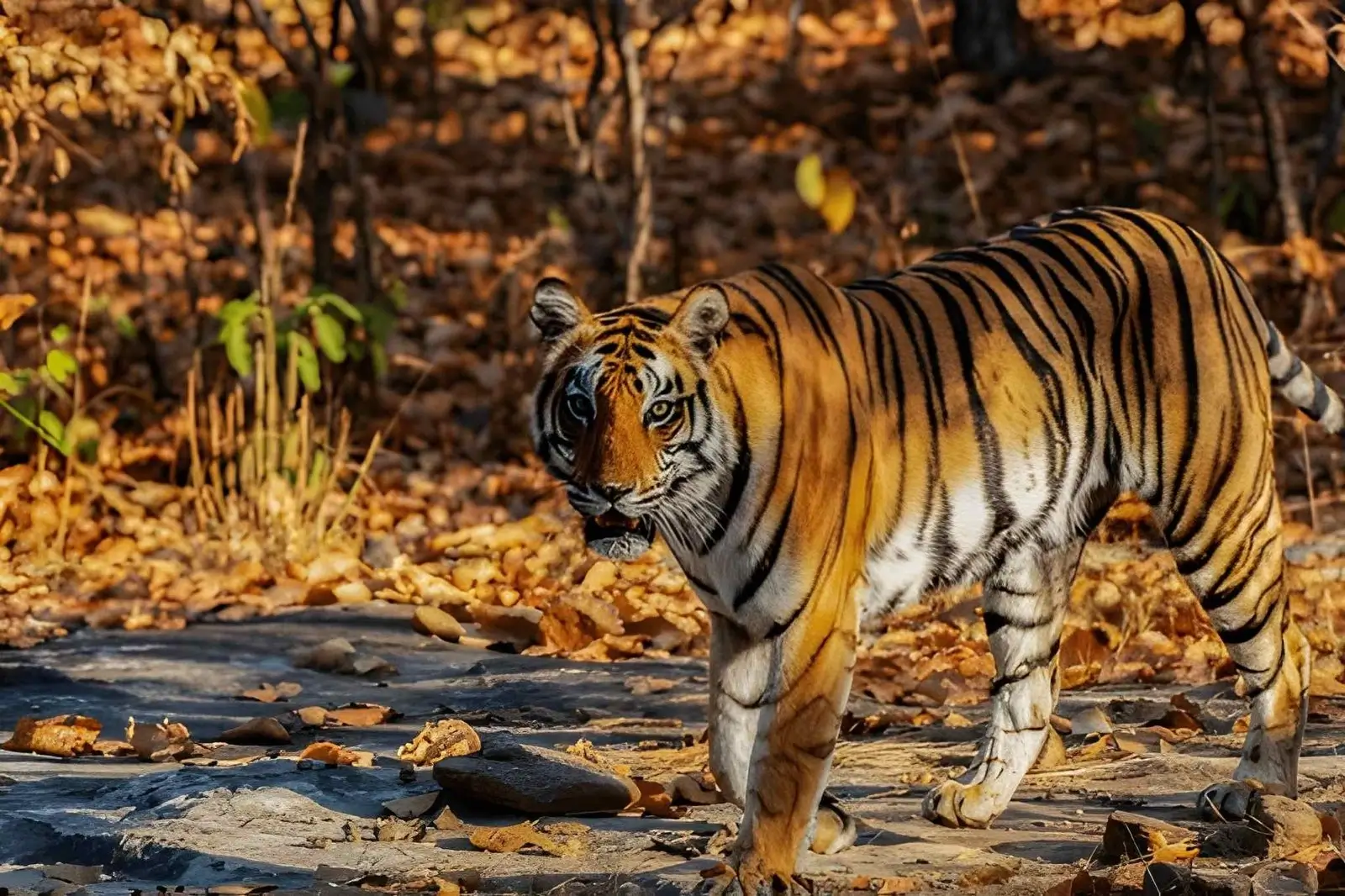
The primary goals of Project Tiger focus on both species’ protection and ecosystem conservation.
Key objectives include:
- Maintaining a viable population of Bengal tigers in the wild
- Protecting ecologically important forest habitats
- Preserving biodiversity within tiger landscapes
- Promoting scientific wildlife management
- Reducing human-wildlife conflict through improved conservation strategies
What this means: Project Tiger focuses on ecosystems, not just individual species, ensuring long-term sustainability of wildlife habitats.
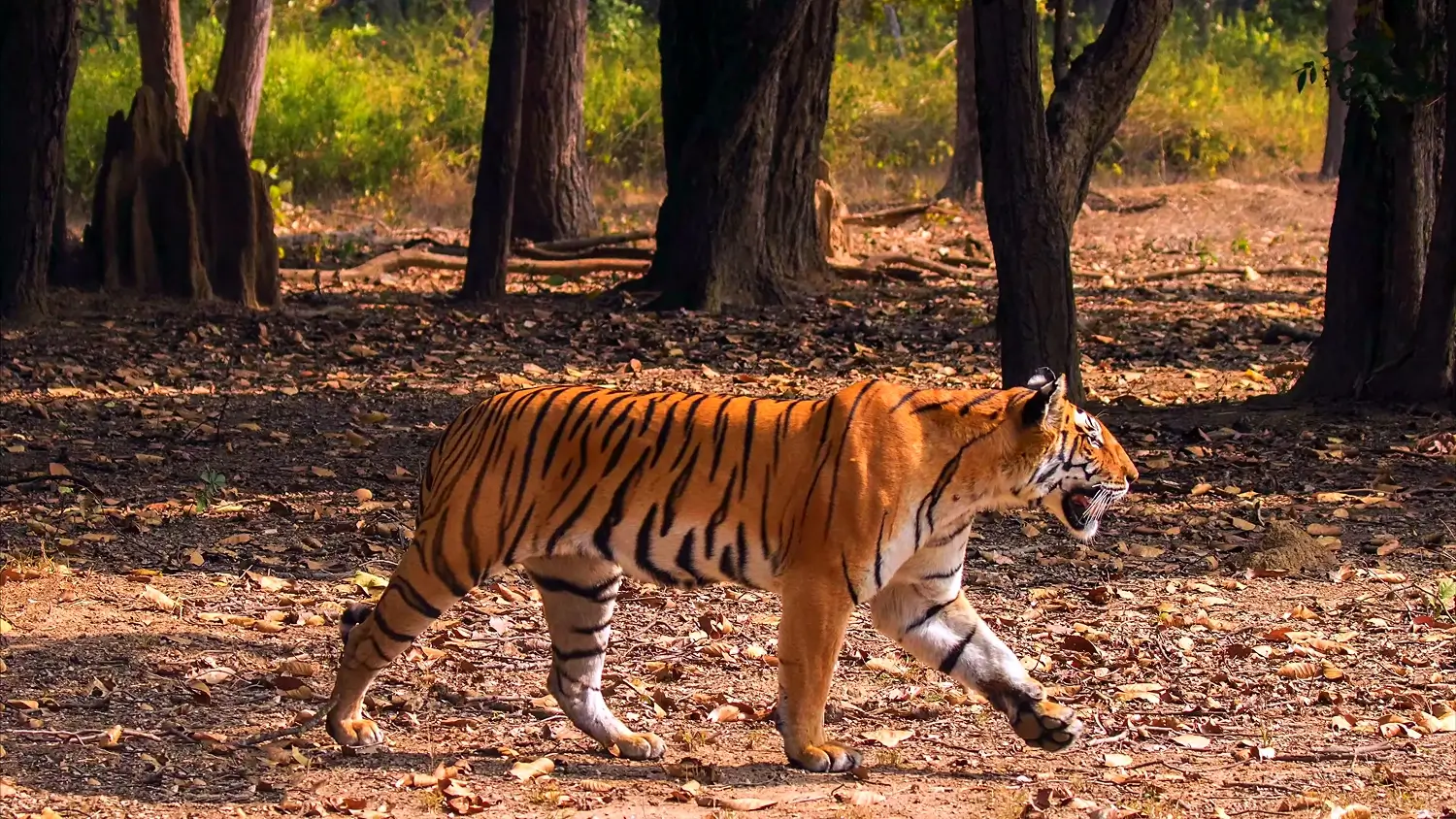
Over the decades, several important conservation strategies have been implemented under Project Tiger to strengthen wildlife protection across India.
Habitat Protection and Forest Management
Large forest areas were brought under strict protection and managed using scientific conservation methods. Restoration of degraded forests and protection of wildlife corridors helped improve habitat quality for tigers and other species.
Core and Buffer Zone Strategy
Tiger reserves follow a core-buffer model designed to balance wildlife protection with human activity.
- Core Zone: A strictly protected area where wildlife breeding and natural ecological processes occur without human disturbance.
- Buffer Zone: Surrounding areas where controlled human activities and eco-tourism are permitted.
This strategy helps maintain ecological stability while reducing pressure on core wildlife habitats.
Anti-Poaching Measures
To combat illegal wildlife trade, the government introduced stronger protection mechanisms, including:
- Special Tiger Protection Forces (STPF)
- Improved forest patrol systems
- Monitoring of wildlife crime networks
These efforts significantly strengthened anti-poaching enforcement in tiger reserves.
Relocation of Villages
In certain cases, villages located inside critical tiger habitats were voluntarily relocated with government support. This allowed forest ecosystems to recover and reduced conflict between humans and wildlife.
Scientific Tiger Monitoring
India has adopted modern wildlife monitoring techniques to track tiger populations accurately. These include:
- Camera trap surveys
- DNA analysis
- Landscape-level population estimation
Such scientific methods have helped produce reliable data on tiger populations across the country.
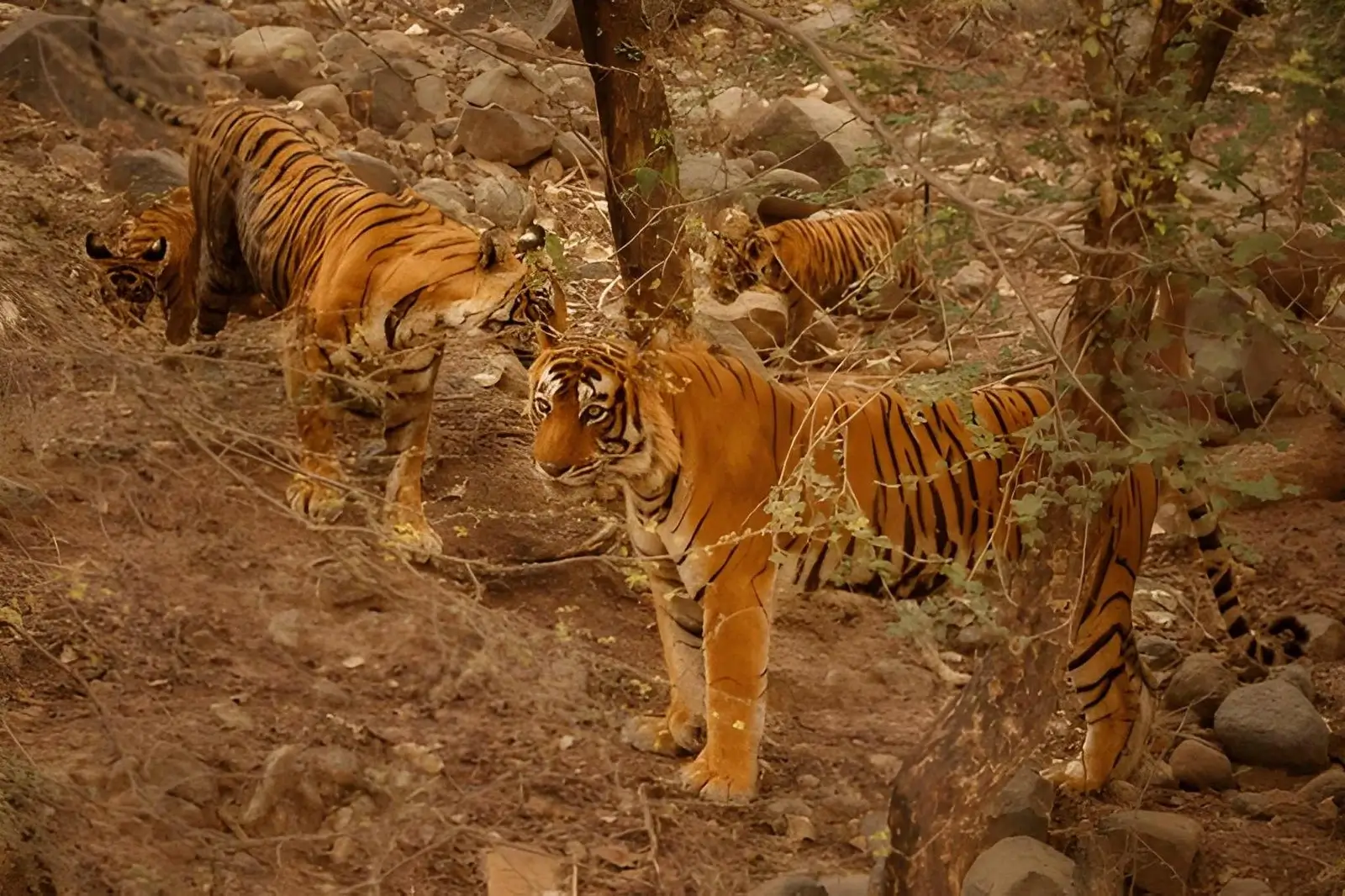
When Project Tiger began in 1973, India had only 9 designated tiger reserves and an estimated 1,827 tigers in the wild. Over the decades, conservation efforts expanded significantly, and more forests were brought under protection.
According to the All India Tiger Estimation (2022):
- India now has 54 tiger reserves
- The country supports more than 3,100 wild tigers
- Nearly 75% of the world’s wild tiger population lives in India
This remarkable recovery is widely regarded as one of the most successful wildlife conservation stories in the world.
Key insight: India has more than doubled its tiger population since 2006, making this one of the most successful conservation recoveries globally.

Project Tiger has produced several important conservation successes since its launch.
Major achievements include:
- Expansion of tiger reserves across multiple Indian states
- Restoration and protection of critical forest ecosystems
- Significant increase in tiger populations
- Strengthened anti-poaching infrastructure
- Greater public awareness about wildlife conservation
These achievements are the result of sustained efforts by forest departments, conservation organisations, scientists, and local communities working together to protect India’s wildlife.
Several tiger reserves across India are part of Project Tiger and offer opportunities to observe conservation success firsthand:
- Jim Corbett National Park – First tiger reserve under Project Tiger
- Ranthambore National Park – Known for accessible tiger sightings
- Bandhavgarh National Park – High tiger density
- Kanha National Park – Strong conservation success stories
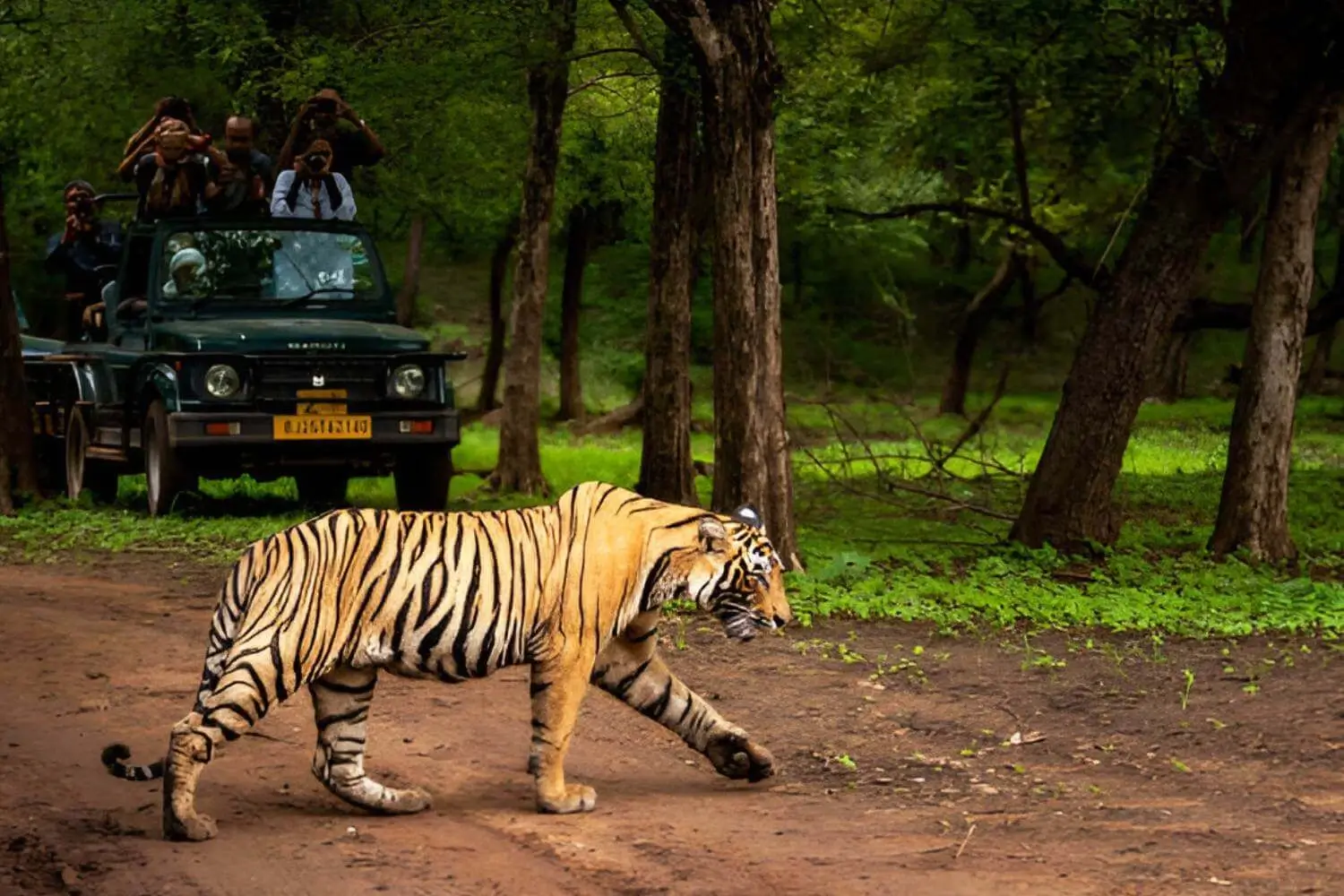
Visiting these reserves allows travellers to experience the results of decades of conservation efforts.
In recent years, AI-driven monitoring, camera trap analytics, and GIS-based tracking have further improved wildlife conservation strategies in India.
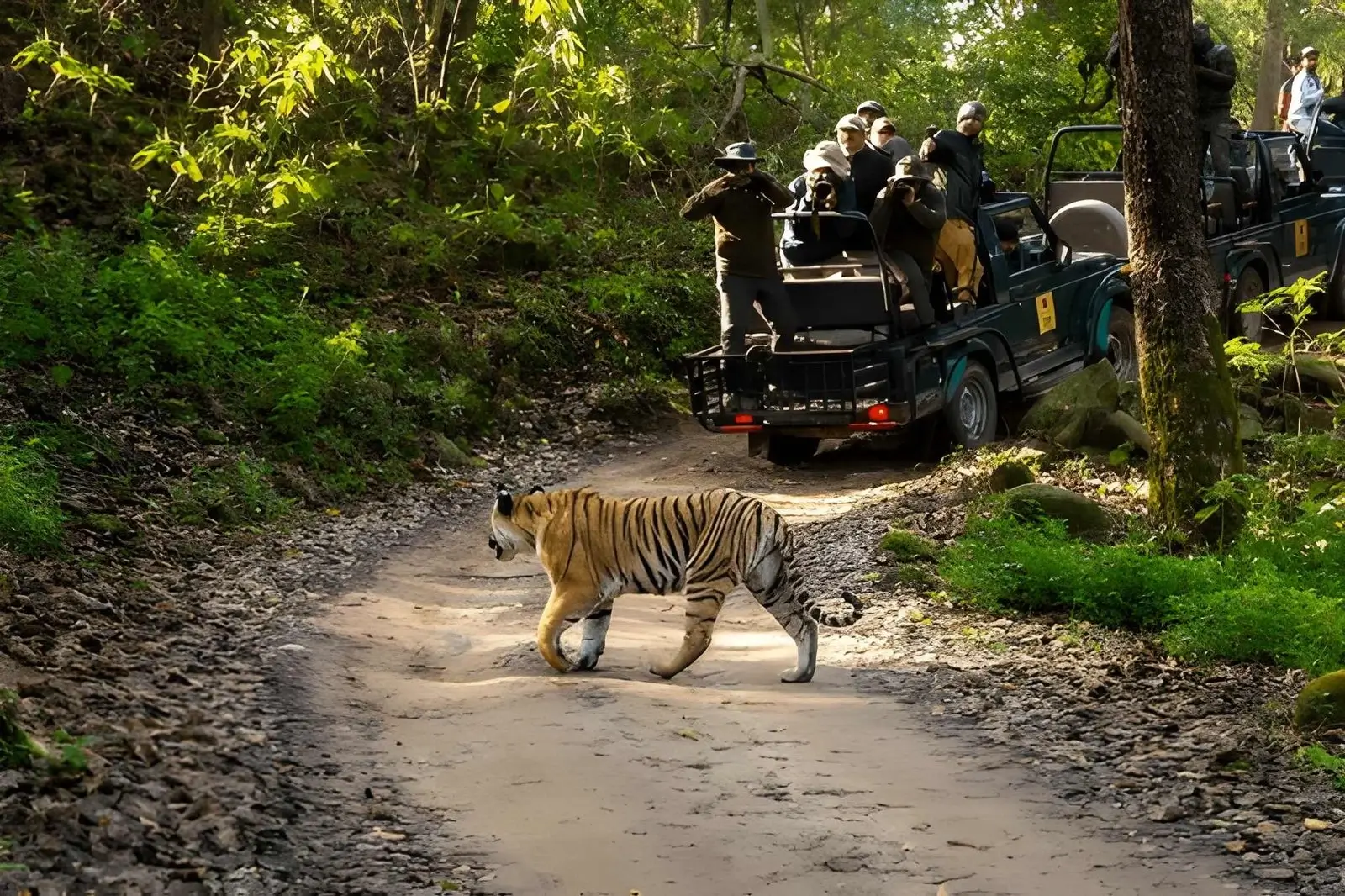
At the same time, responsible wildlife tourism in India has helped promote conservation awareness. Visitors to tiger reserves often gain a deeper appreciation of the importance of protecting forests and wildlife.
Eco-tourism initiatives also support local economies around protected areas, encouraging communities to participate in conservation efforts.
Project Tiger is not just a conservation story; it is proof that long-term, structured efforts can reverse environmental decline. From near extinction to global leadership in tiger conservation, India’s journey highlights what is possible when policy, science, and community efforts align. For travellers, visiting these landscapes is not just about seeing a tiger, it is about witnessing one of the world’s most successful conservation efforts in action.











 Packages
 +91 9212777224