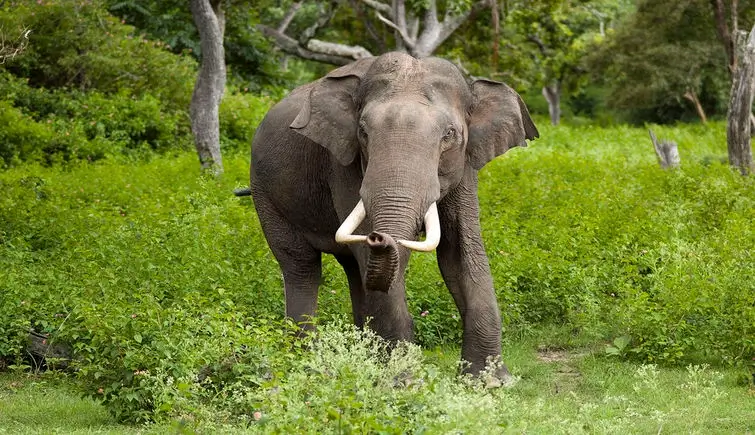
5 Best National Parks for Wildlife Safari in India: Tiger, Lion & Jungle Experiences
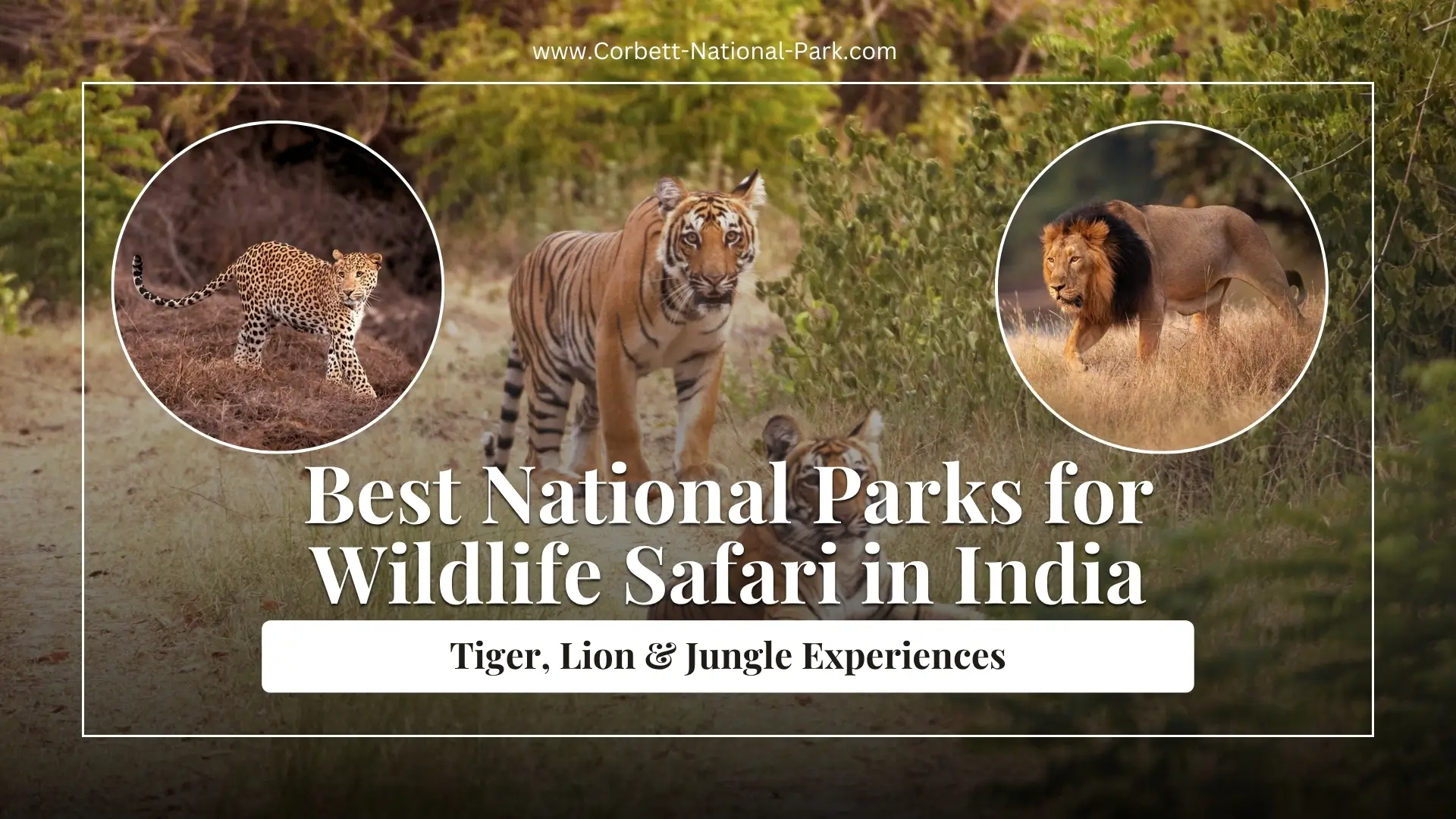
Best National Parks for Wildlife Safari in India

India is one of the few countries in the world where travellers can experience such an extraordinary range of wildlife within a single nation. From the riverine forests of the Himalayan foothills to the dry landscapes of western India and the dense jungles of central India, the country hosts some of the most remarkable ecosystems on Earth.

To protect this biodiversity, India has created an extensive network of protected areas that includes more than 100 national parks and over 560 wildlife sanctuaries and conservation reserves. These landscapes safeguard iconic species such as the Royal Bengal tiger, Asiatic lion, Indian elephant, one-horned rhinoceros, and barasingha.

For travellers planning an India wildlife safari tour, choosing the right park is important because each destination offers a unique landscape and wildlife experience. Some parks are famous for tiger sightings, while others are globally significant for rare species conservation.

Which are the best national parks for wildlife safari in India?

The top national parks for wildlife safaris in India include:

  • Jim Corbett National Park
  • Ranthambore National Park
  • Gir National Park
  • Bandhavgarh National Park
  • Kanha National Park

How to Choose the Right National Park for Safari in India?

Each national park offers a different experience, and the best choice depends on your travel goals:

  • Best for first-time safari travellers : Ranthambore, Corbett
  • Best for high tiger sighting probability : Bandhavgarh
  • Best for unique species (Asiatic lions) : Gir
  • Best for scenic landscapes + balanced experience: Kanha

Choosing the right park is less about “which is best” and more about what kind of wildlife experience you’re looking for.
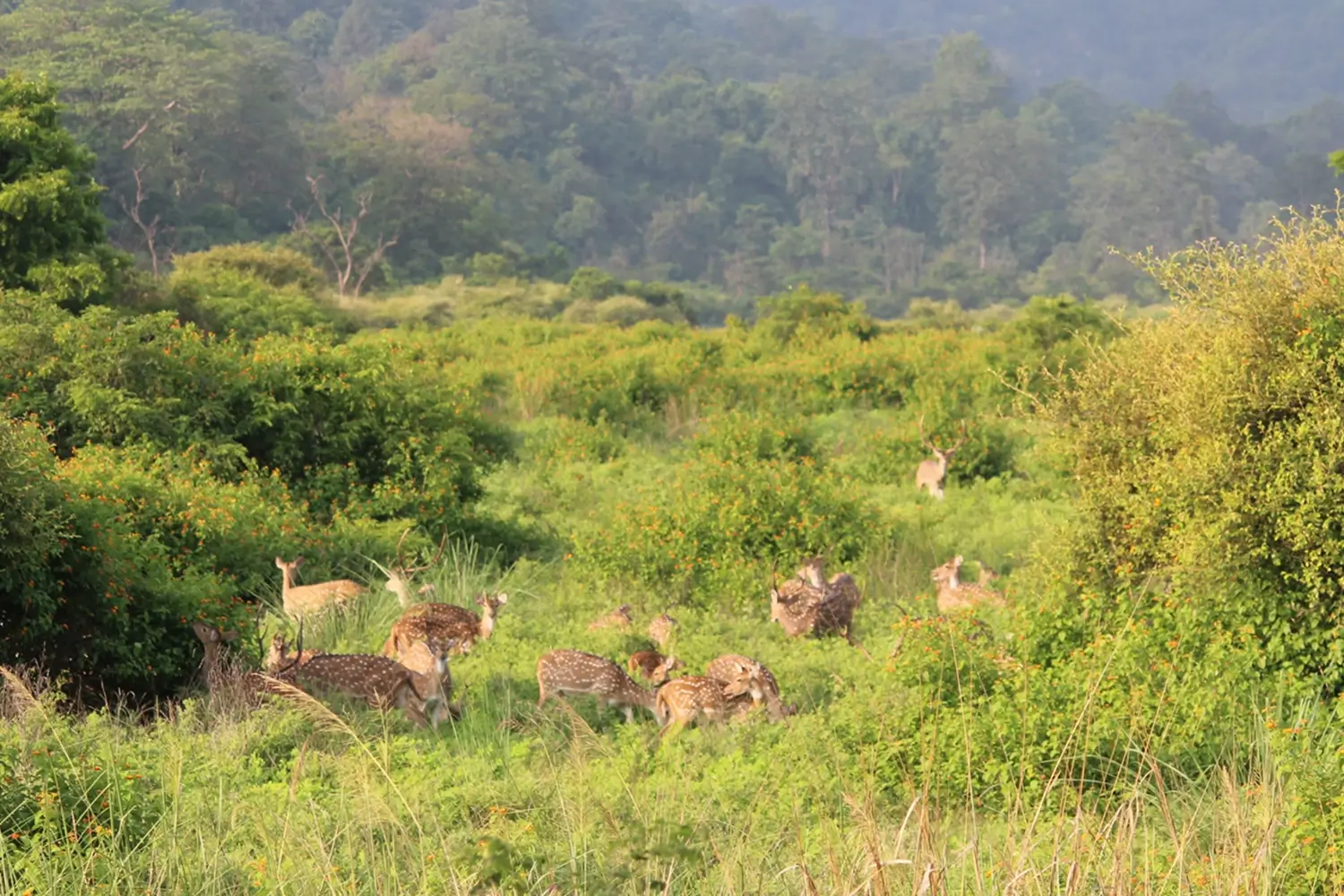
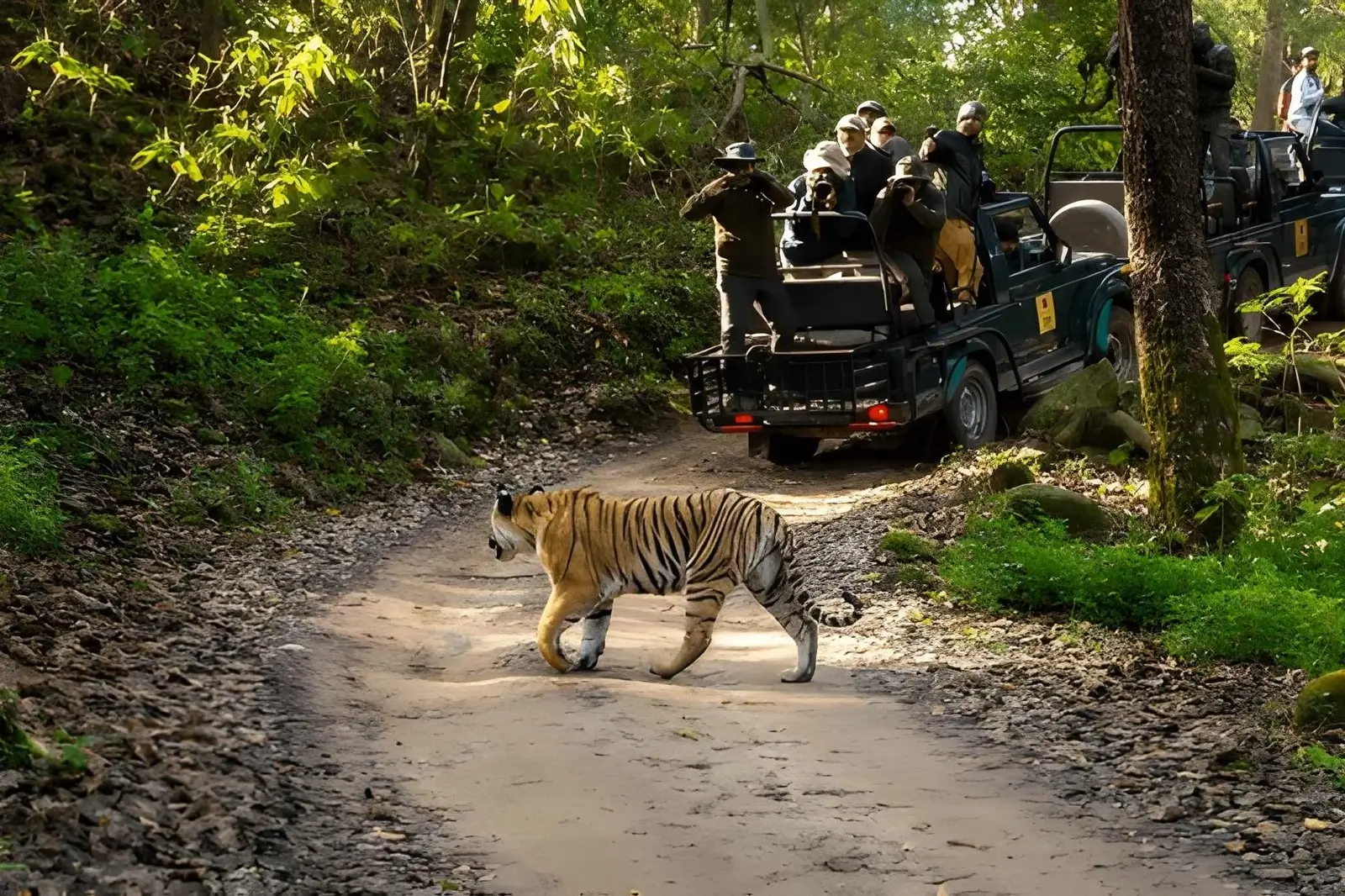
1. Jim Corbett National Park, Uttarakhand

Jim Corbett National Park, Uttarakhand, India

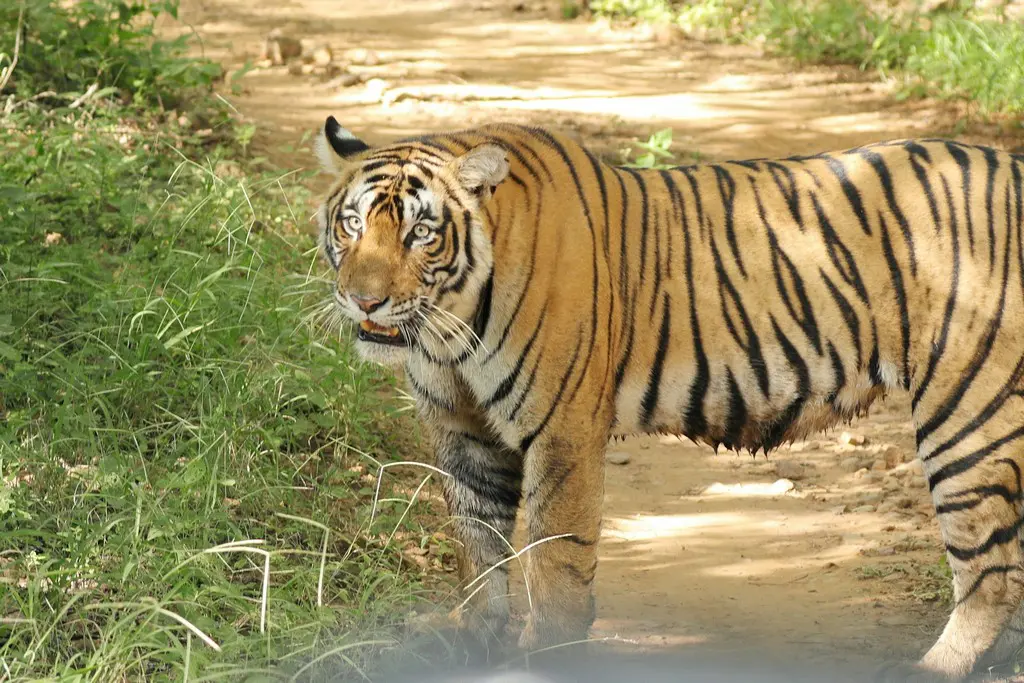
Jim Corbett National Park in Uttarakhand is the oldest national park in India, established in 1936 as Hailey National Park. It later became the first tiger reserve under Project Tiger in 1973, marking the beginning of India’s flagship tiger conservation programme.

The park stretches across the Nainital and Pauri Garhwal districts and covers over 1,300 sq km, including core and buffer zones. Its landscape is extremely diverse, featuring riverine belts, grasslands, hills, marshy depressions, and dense Sal forests along the foothills of the Himalayas.

Why it stands out : One of the most accessible tiger reserves in North India, known for diverse landscapes and well-developed safari zones.

Jim Corbett supports a rich variety of wildlife, including:

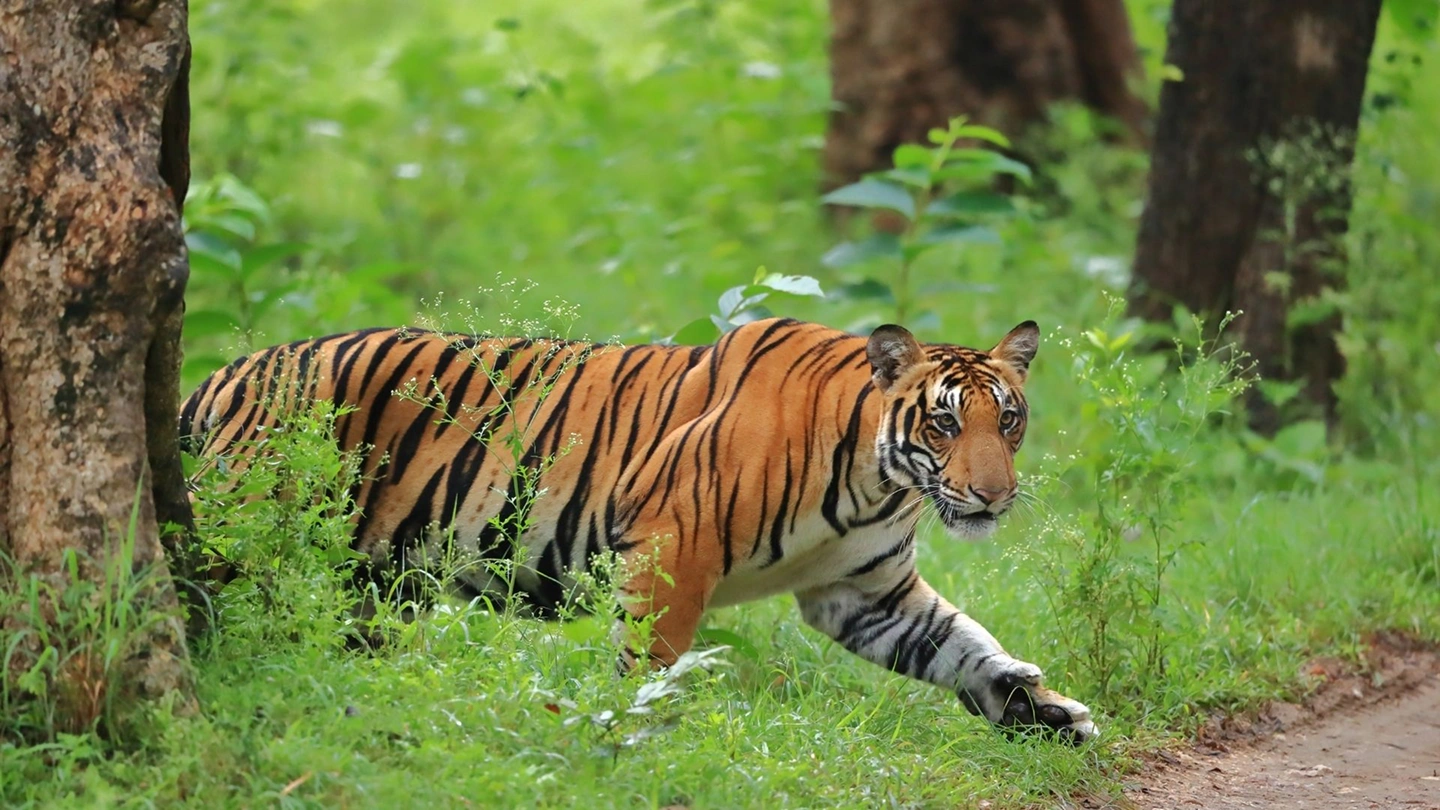
  • Royal Bengal Tigers
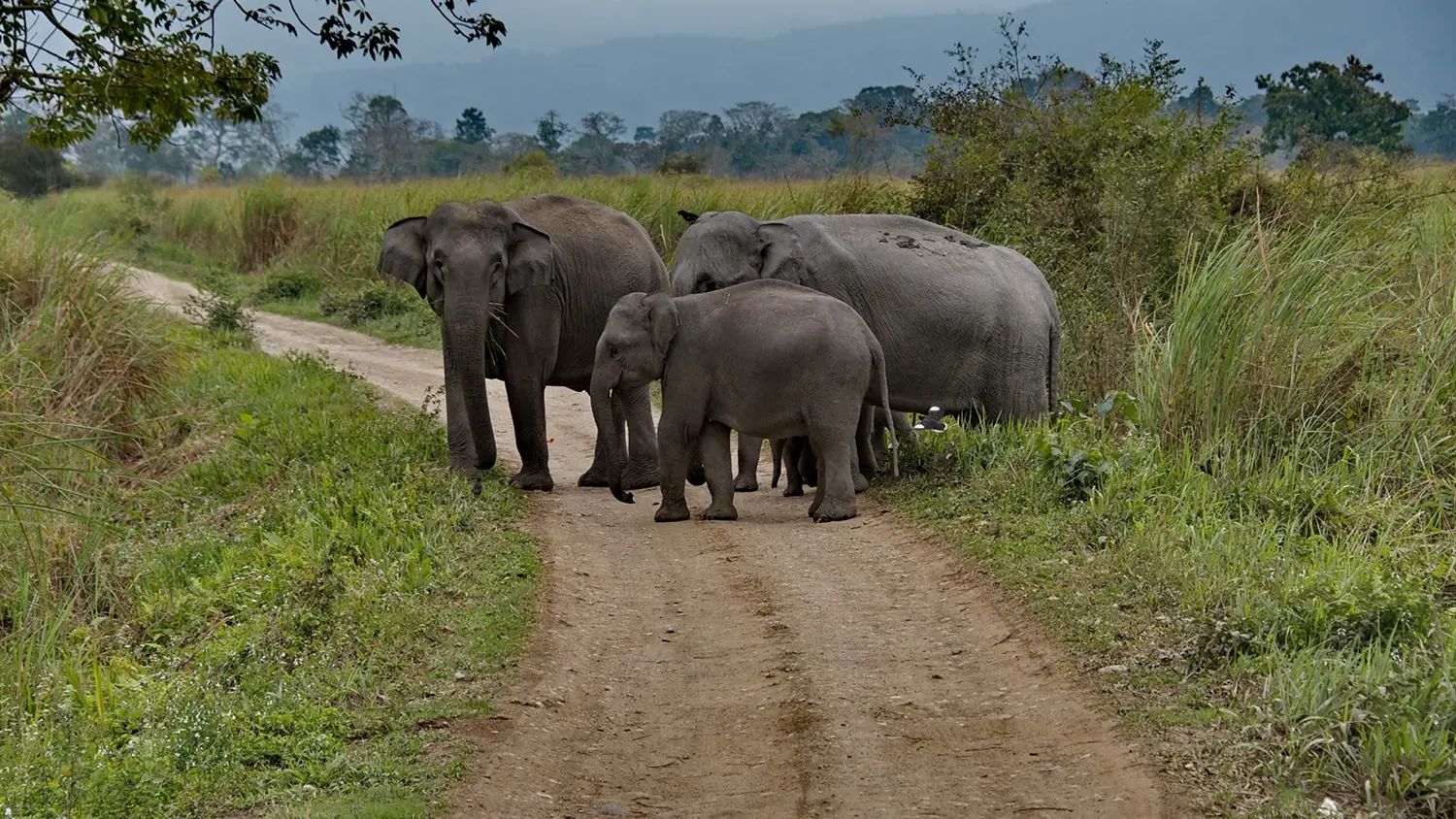
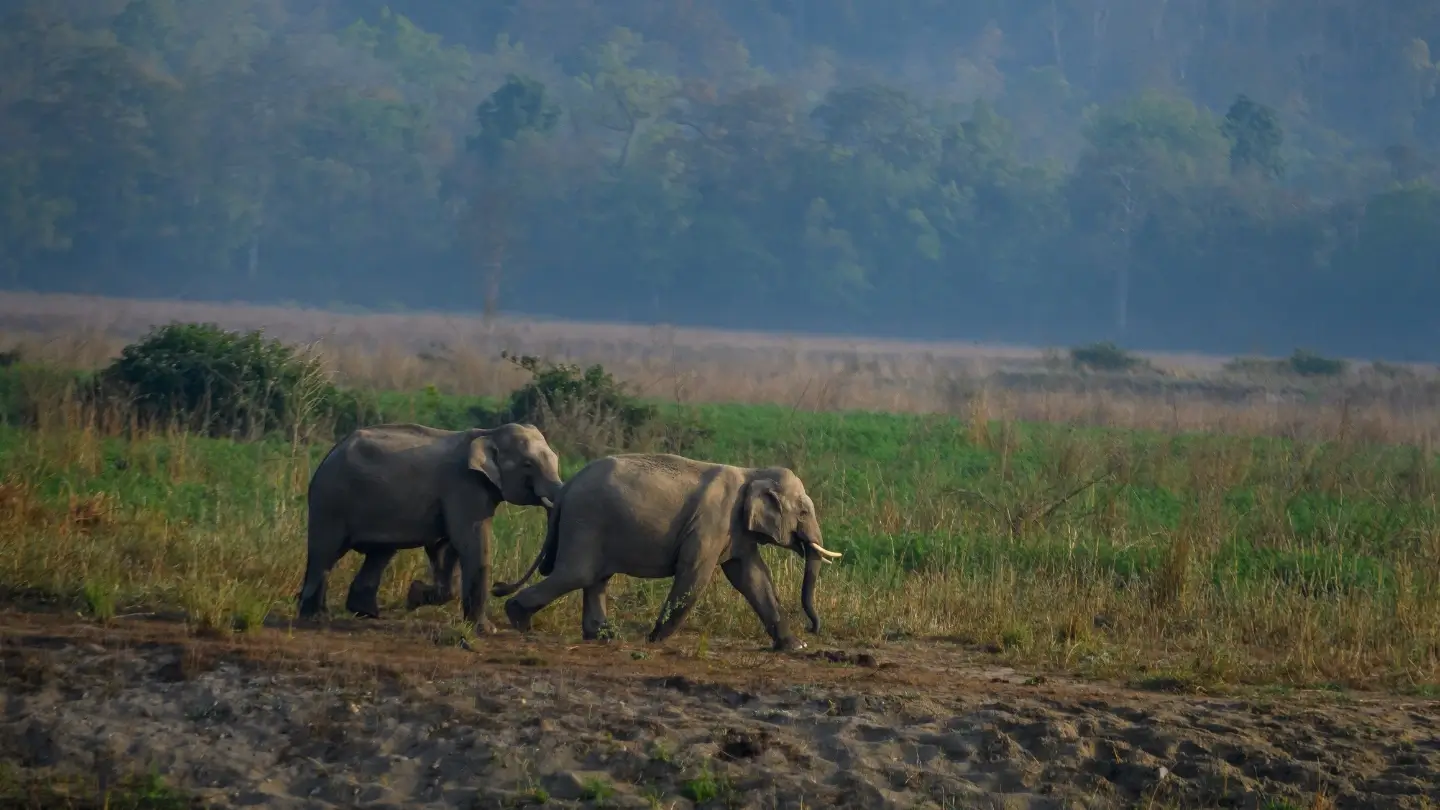
  • Asian Elephants
  • Leopards
  • Sloth Bears
  • Gharials and Mugger Crocodiles
  • More than 600 bird species

Wildlife safaris operate in several tourism zones such as Dhikala, Bijrani, Jhirna, Dhela, and Durga Devi, each offering different terrain and wildlife viewing opportunities. Dhikala, in particular, is known for its expansive grasslands and excellent wildlife sightings.

Best time to visit : Mid-November to June (Dhikala zone closes during the monsoon season).
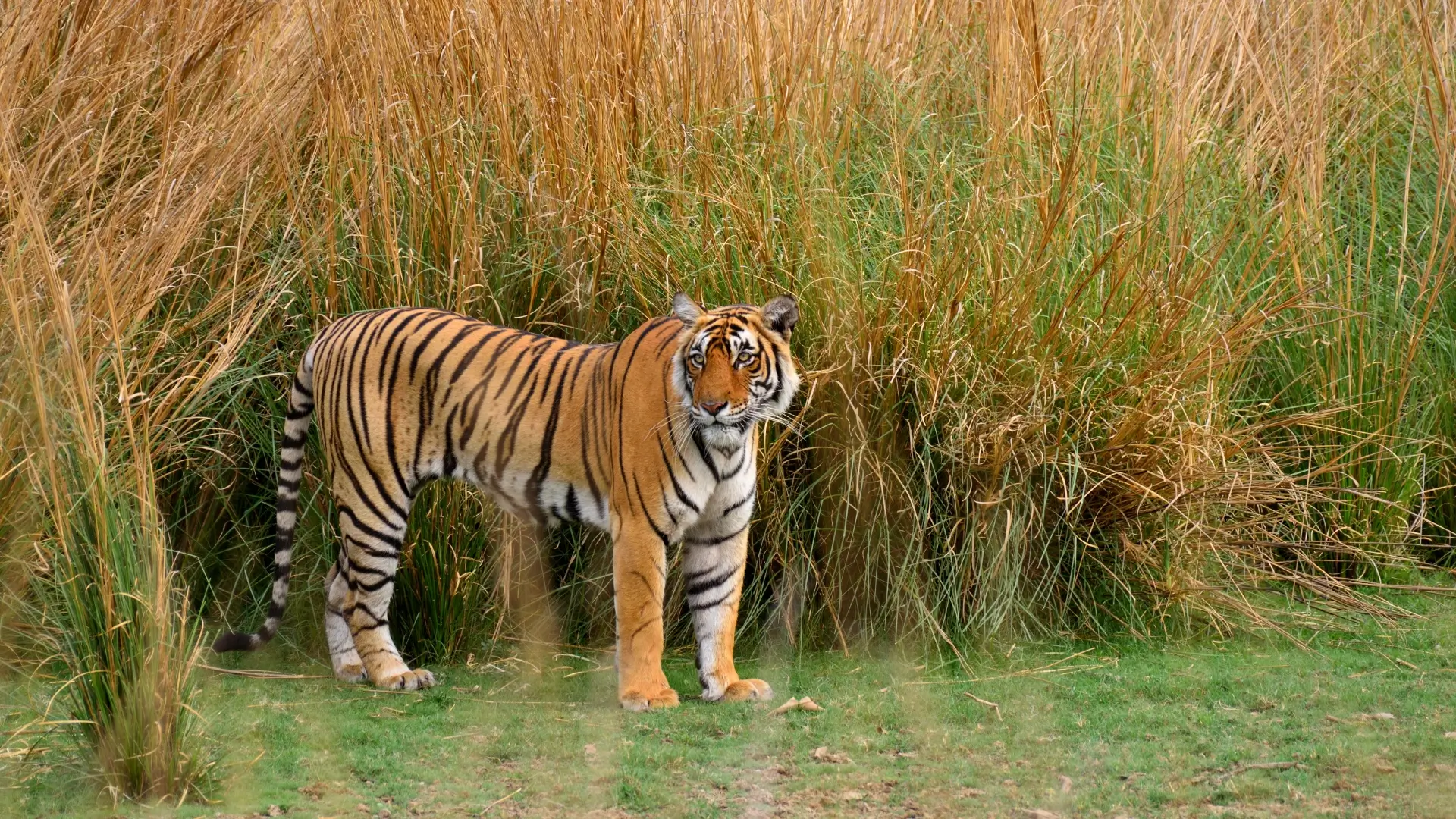
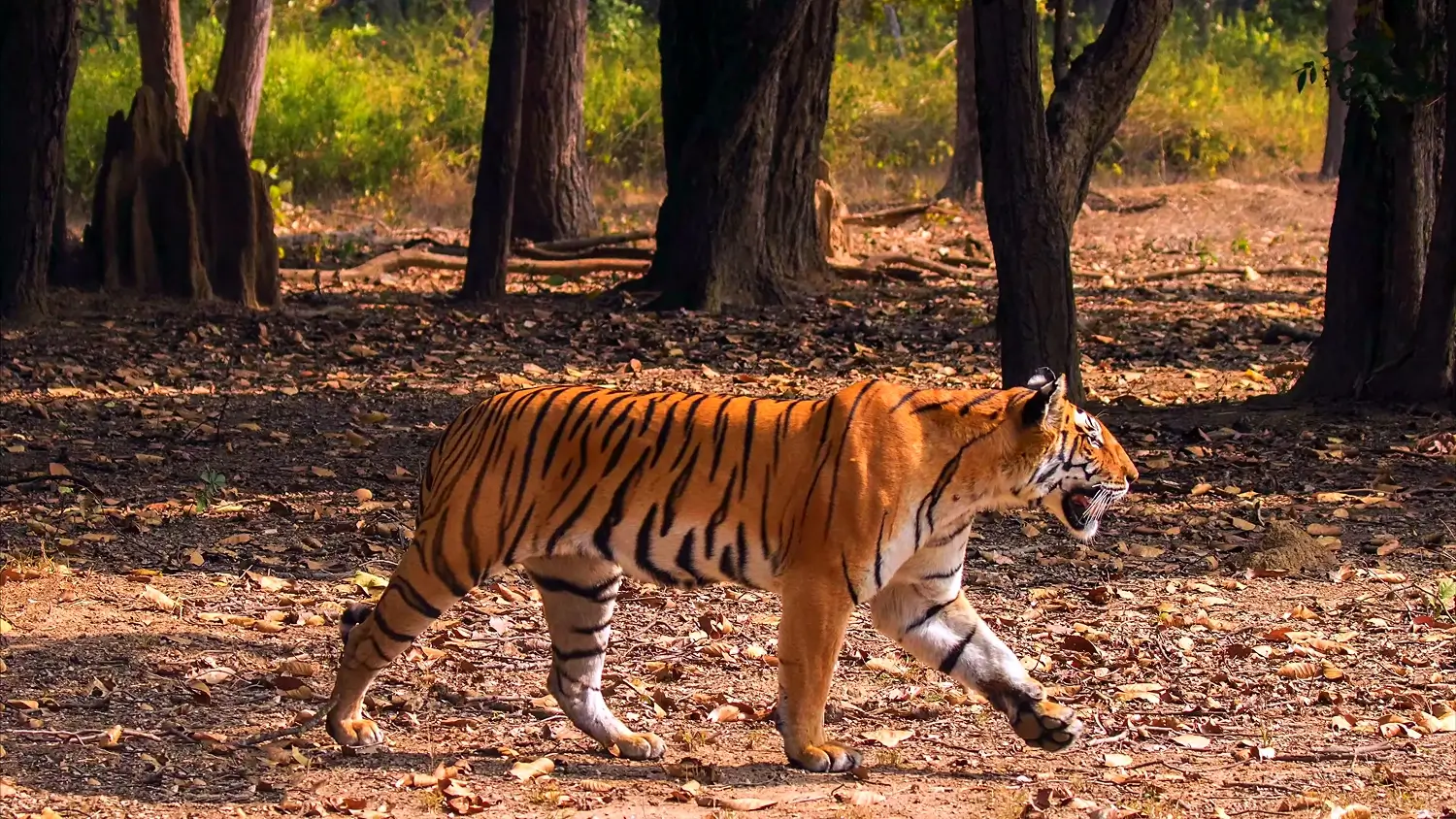
2. Ranthambore National Park, Rajasthan

Ranthambore National Park, Rajasthan, India

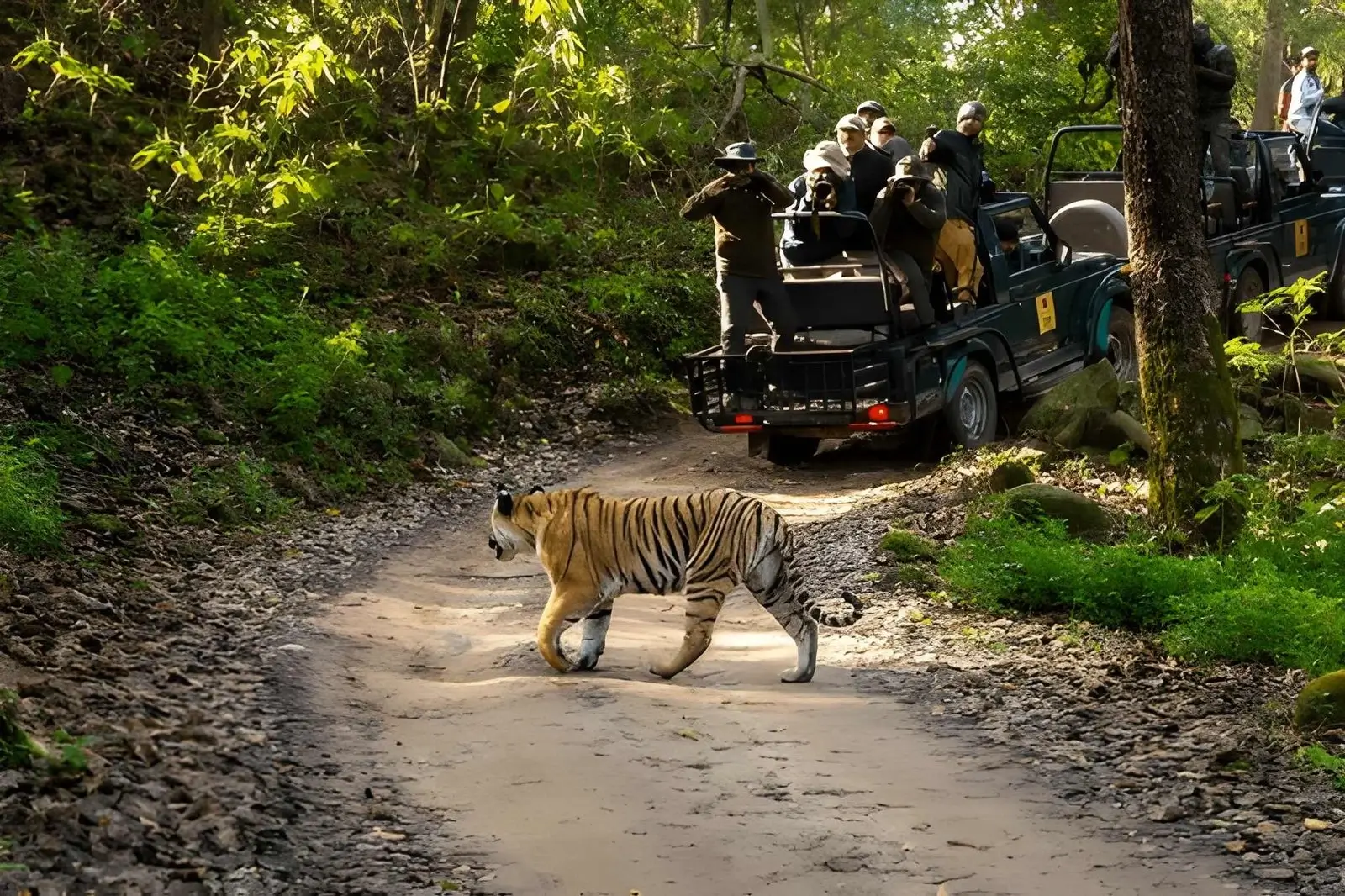
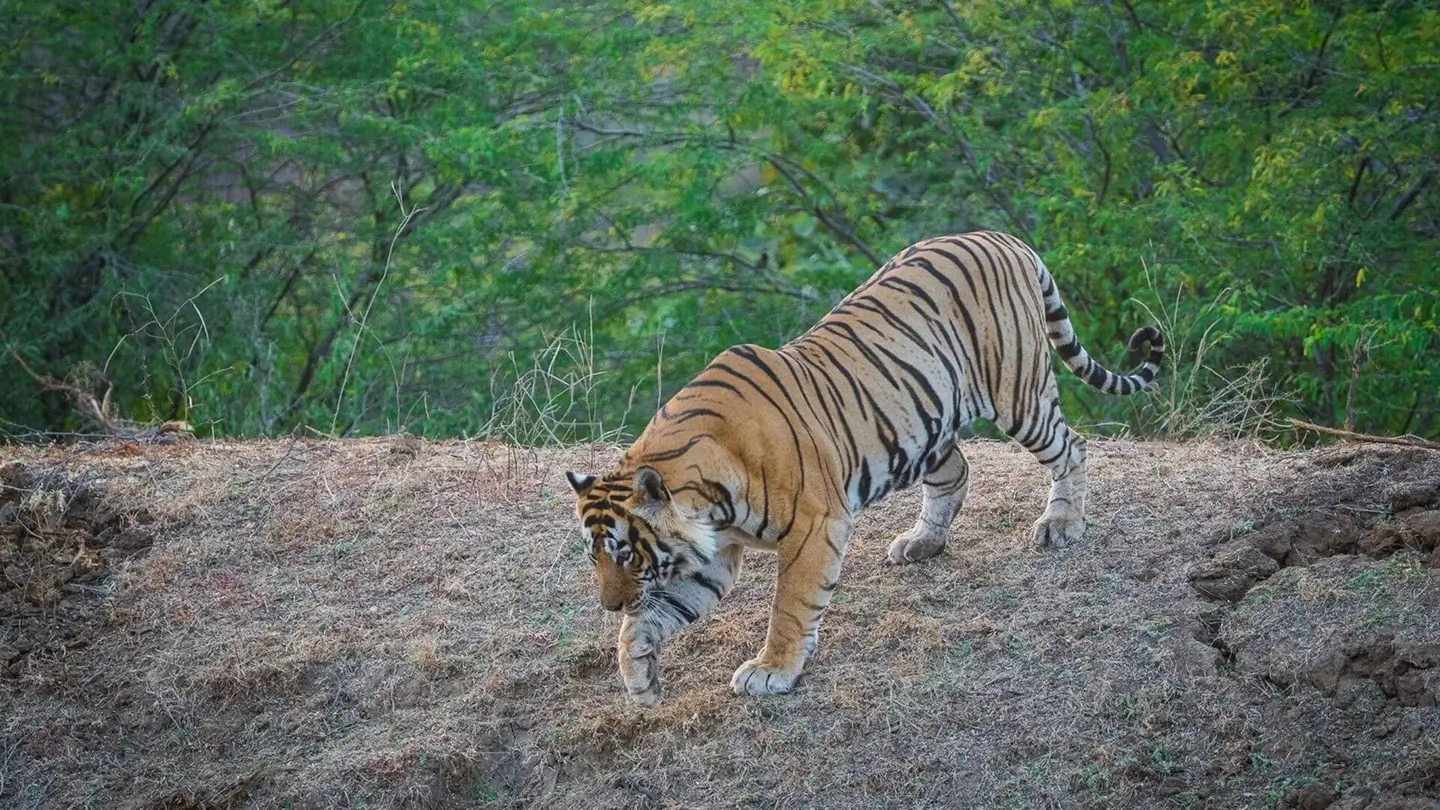
Ranthambore National Park in Rajasthan is one of the most well-known destinations for tiger safaris in India. Located in the Sawai Madhopur district, the park was declared a national park in 1980 and soon became an important part of Project Tiger.

The landscape of Ranthambore is dramatic and distinctive. It consists of dry deciduous forests, rocky hills, lakes, and ancient ruins, creating a striking backdrop for wildlife sightings. The historic Ranthambore Fort, a UNESCO World Heritage Site, rises above the forest and adds cultural significance to the landscape.

Why it stands out : One of the best parks in India for tiger sightings in a dramatic setting of ruins and lakes.

Wildlife commonly seen in Ranthambore includes:

  • Bengal Tigers
  • Leopards
  • Sloth Bears
  • Striped Hyenas
  • Nilgai and Sambar Deer
  • Marsh Crocodiles
  • More than 300 bird species

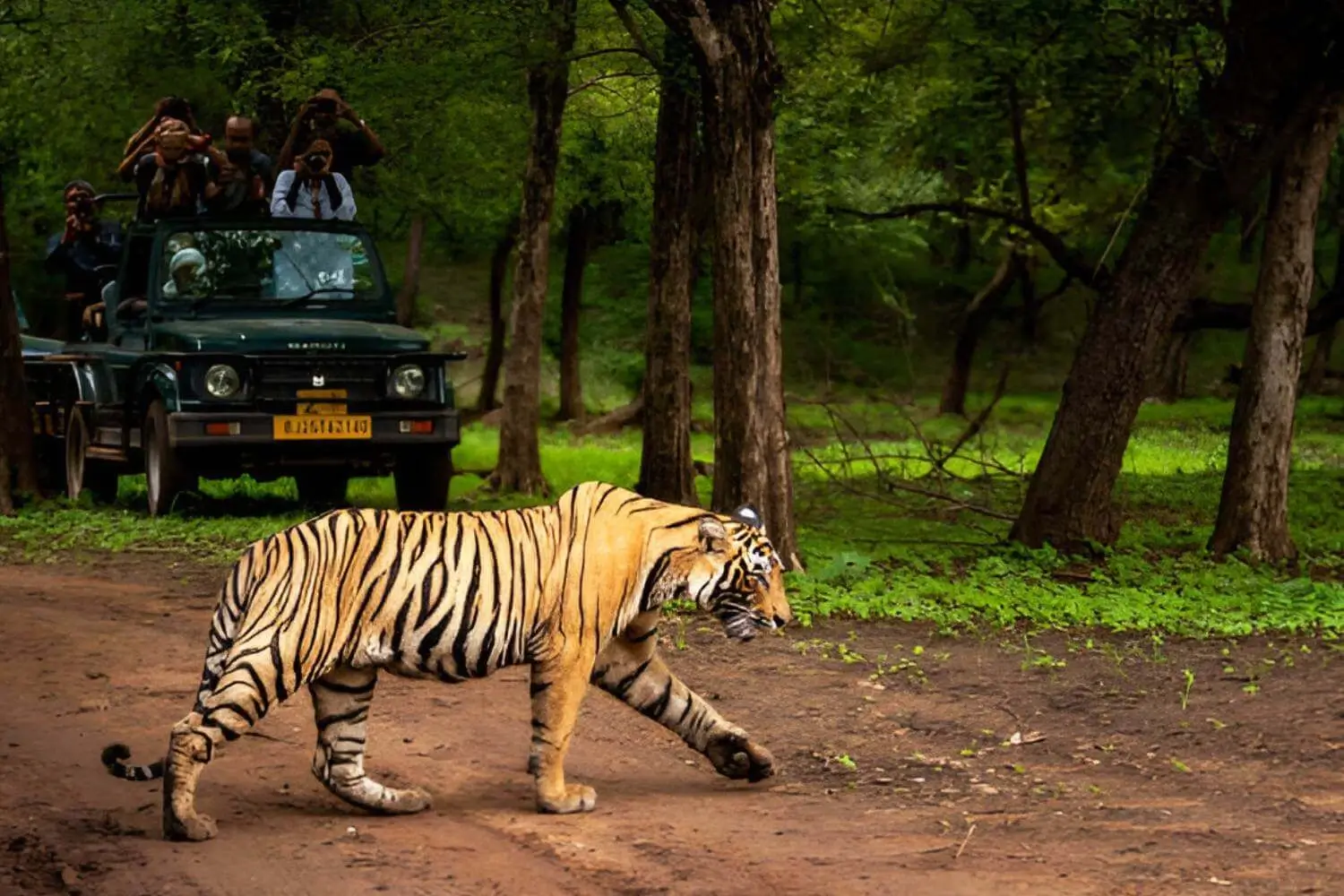
The park is divided into multiple safari zones, each accessed through regulated jeep or canter safaris.

Best time to visit : October to June, with March to May offering better tiger sightings as animals gather near water sources.
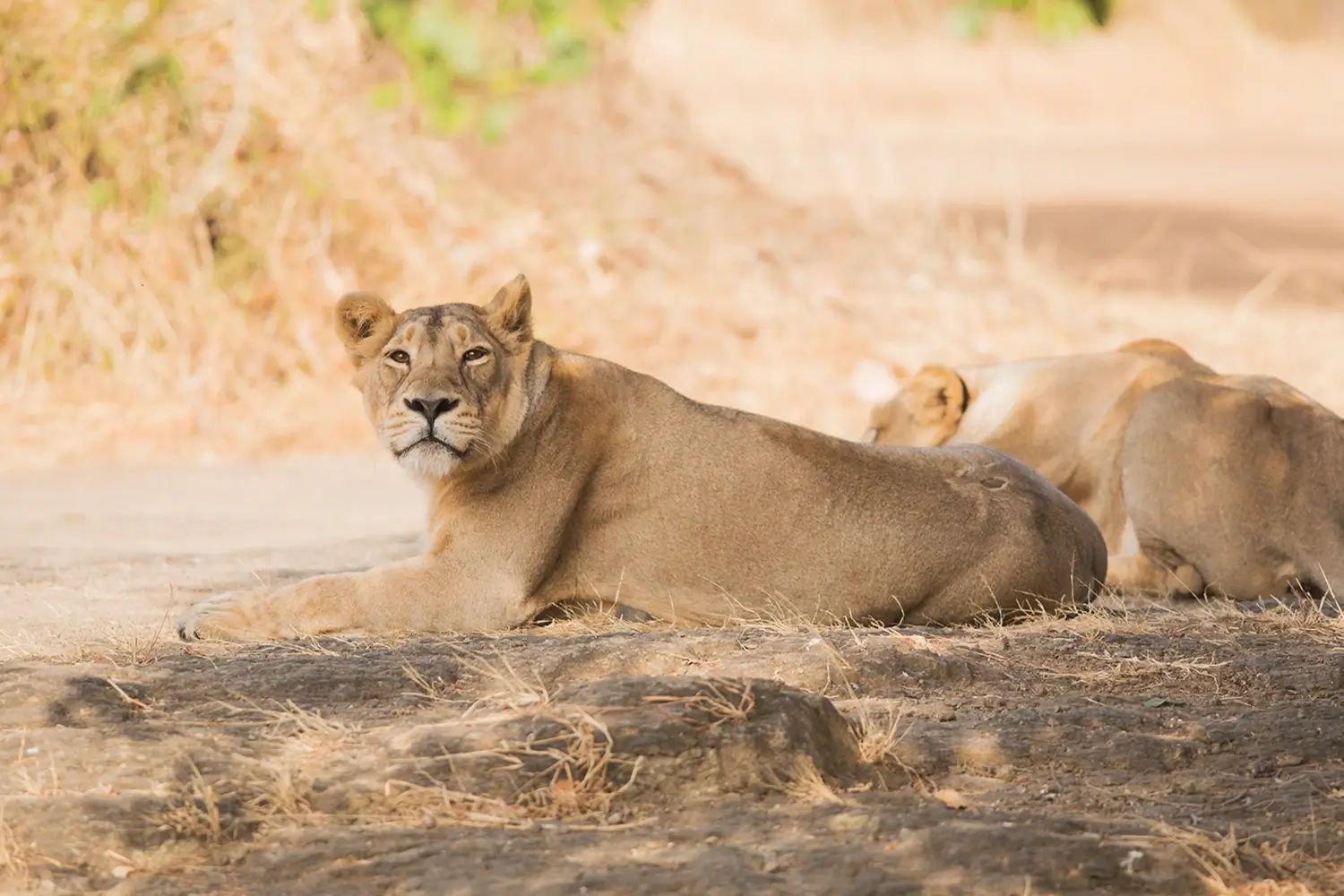
3. Gir National Park, Gujarat

Gir National Park, Gujarat, India

Gir National Park and Wildlife Sanctuary, located in Gujarat, holds global significance as the only natural habitat of the Asiatic lion in the world. Often referred to as Sasan Gir, the protected landscape spans around 1,412 sq km, including national park and sanctuary areas.

The terrain consists of dry deciduous forests, acacia scrublands, rocky hills, and seasonal rivers, creating a unique ecosystem suited to lions. Conservation efforts in Gir have been remarkably successful. According to the latest lion census, the Gir landscape supports more than 670 Asiatic lions, making it one of the most successful wildlife recovery stories in India.

Why it stands out : The only place in the world where Asiatic lions can be seen in the wild.

Apart from lions, Gir also hosts a rich diversity of wildlife, such as:

  • Leopards
  • Striped Hyenas
  • Jackals
  • Chital and Nilgai
  • Marsh Crocodiles
  • More than 300 bird species

Visitors explore the park through guided jeep safaris, while the Devalia Interpretation Zone offers a shorter and more controlled wildlife viewing experience.

Best time to visit : December to March for comfortable weather, although the park remains open from mid-October to mid-June.
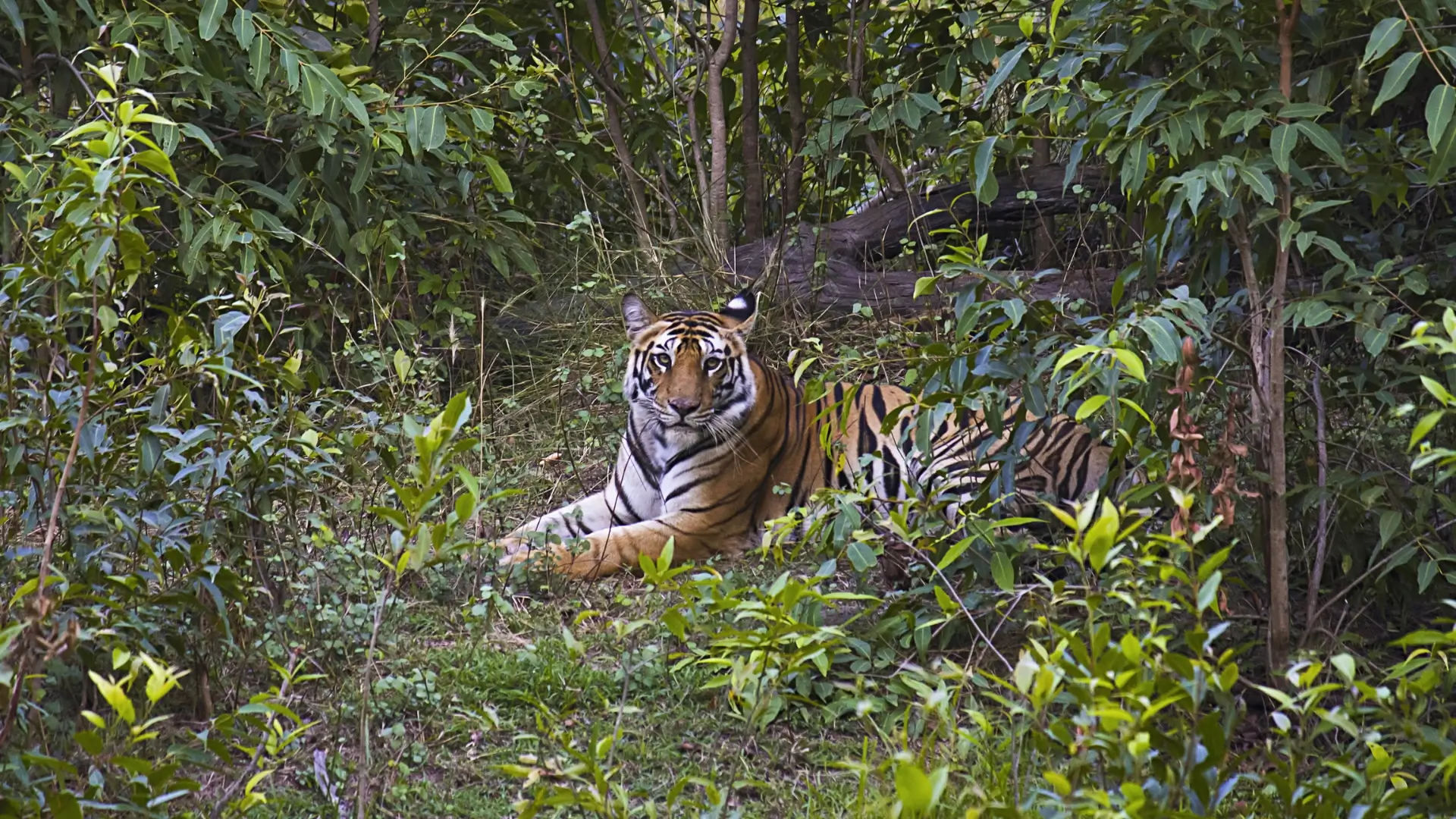
4. Bandhavgarh National Park, Madhya Pradesh

Bandhavgarh National Park, Madhya Pradesh, India

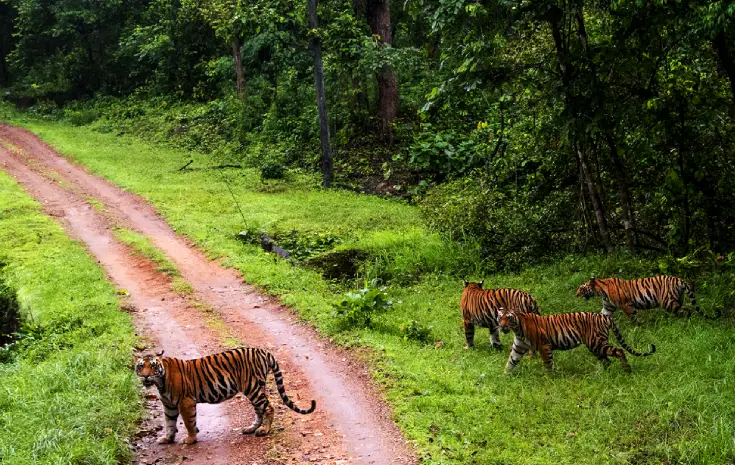
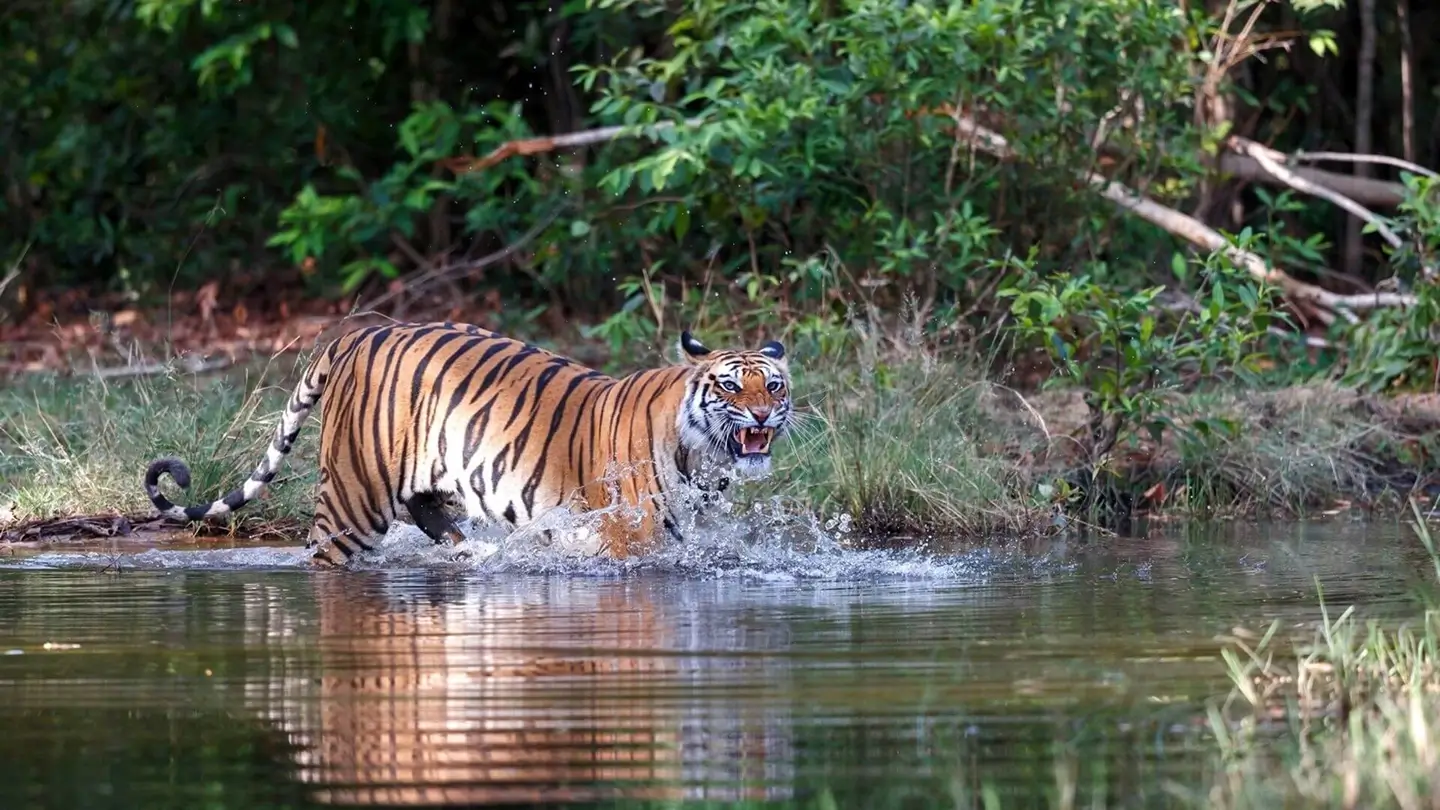
Located in the Umaria district of Madhya Pradesh, Bandhavgarh National Park is widely recognised for having one of the highest densities of Bengal tigers in India. The park spreads across approximately 1,536 sq km, including buffer zones, with the core area covering about 716 sq km. The terrain is characterised by steep ridges of the Vindhya Hills, dense Sal forests, bamboo thickets, and open grasslands, providing ideal habitat for large predators.

Bandhavgarh also has strong historical significance. The ancient Bandhavgarh Fort, believed to be more than 2,000 years old, sits atop a hill inside the park and overlooks the surrounding forests.

Why it stands out : Known for one of the highest tiger densities in India.

Besides tigers, visitors may encounter:

  • Leopards
  • Indian Bison (Gaur)
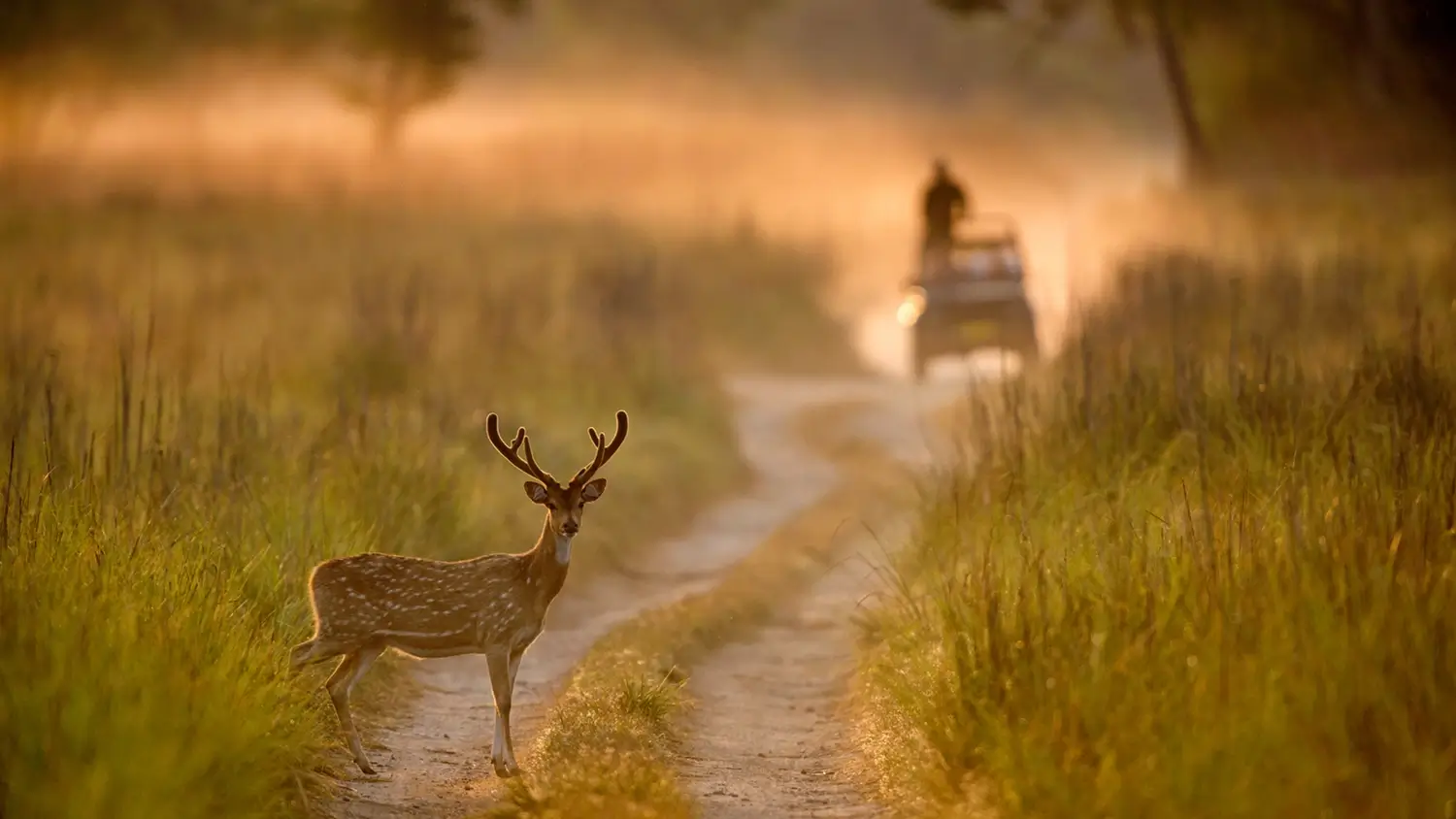
  • Sambar and Spotted Deer
  • Wild Boars
  • Langurs
  • More than 250 bird species

Bandhavgarh safari tourism operates through three main zones:

  • Tala Zone – the most popular and wildlife-rich zone
  • Magadhi Zone
  • Khitauli Zone

Best time to visit : October to June, with summer months offering higher chances of tiger sightings.
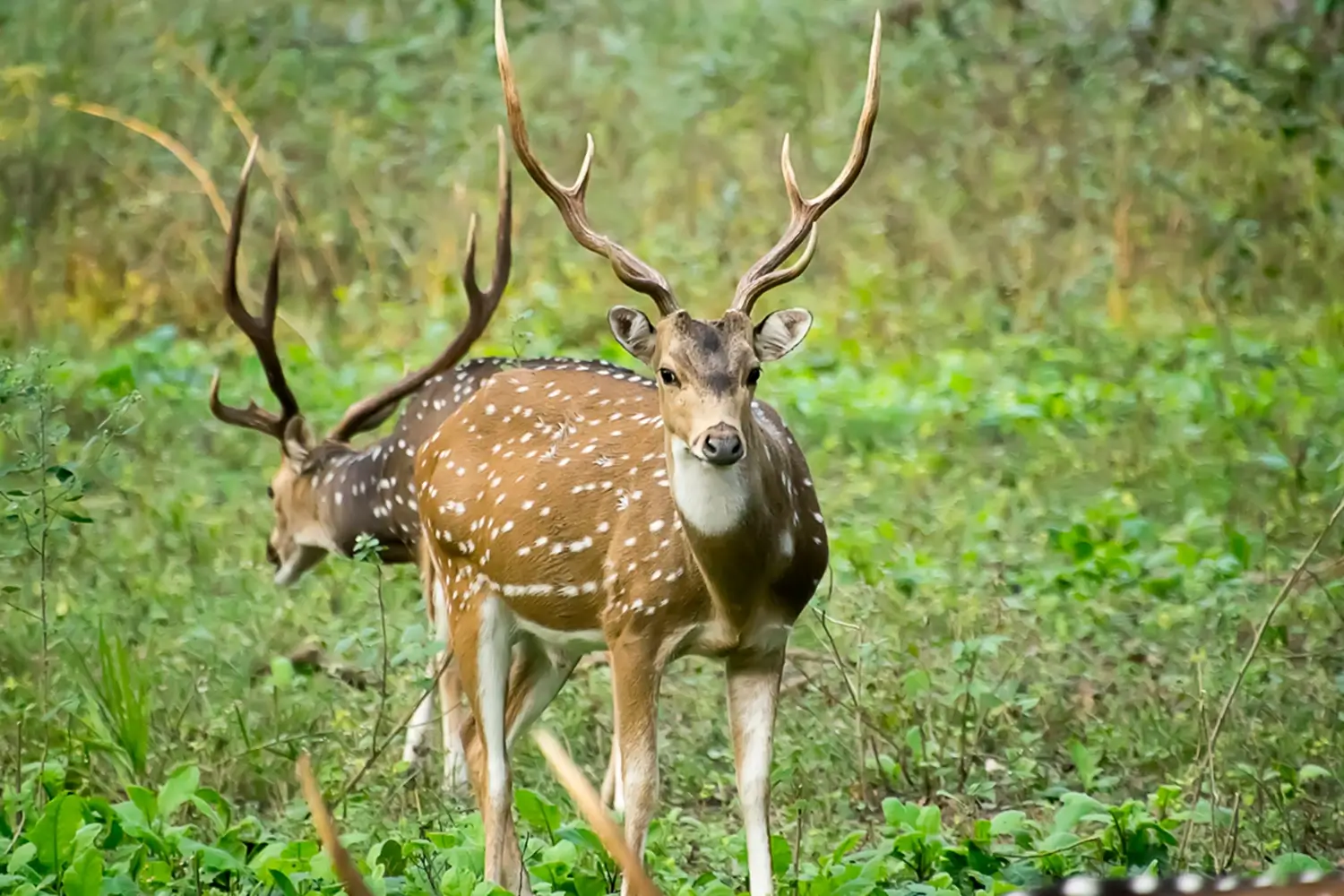
5. Kanha National Park, Madhya Pradesh

Kanha National Park, Madhya Pradesh, India

Kanha National Park, located in the Mandla and Balaghat districts of Madhya Pradesh, is one of the largest and best-managed national parks in India. The park is also widely believed to have inspired Rudyard Kipling’s The Jungle Book.

Kanha’s protected landscape includes dense forests, bamboo groves, rolling grasslands, and forest meadows set within the Maikal Range of the Satpura Hills.

The park covers around 940 sq km of core area and over 1,900 sq km, including buffer zones, making it one of the most extensive wildlife habitats in central India.

Kanha is globally known for the successful conservation of the hard-ground barasingha (swamp deer), which was once close to extinction but has recovered due to dedicated conservation efforts.

Why it stands out : One of India’s most scenic and well-managed parks, ideal for a balanced safari experience.

Wildlife commonly seen in Kanha includes:

  • Bengal Tigers
  • Leopards
  • Barasingha (Swamp Deer)
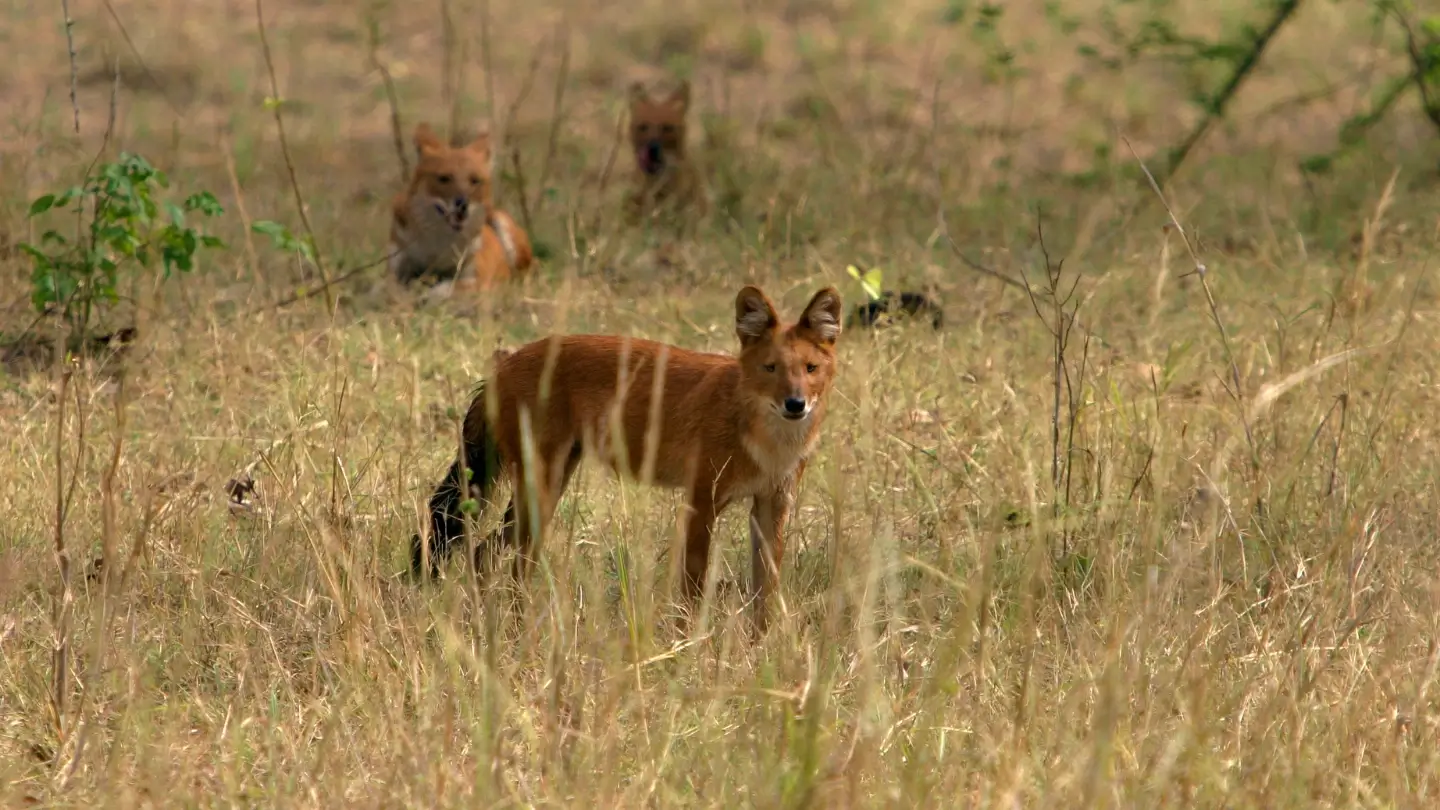
  • Wild Dogs (Dholes)
  • Sloth Bears
  • More than 300 bird species

Jeep safaris are conducted in tourism zones such as Kanha, Kisli, Mukki, and Sarhi, each offering different forest landscapes and wildlife viewing opportunities.

Best time to visit : October to June, with November to February offering pleasant weather for safaris.

Best Time for Wildlife Safari in India (Quick Guide)

  • October to February : Pleasant weather, best for overall travel
  • March to June : Higher chances of animal sightings near water sources
  • Monsoon (July–September) : Most parks remain closed

Seasonal planning plays a major role in safari success, especially for tiger sightings.

Practical insight:

A safari experience depends not just on the park but also on zone selection, timing, and number of drives. Booking multiple safaris significantly increases wildlife sighting chances.

India’s national parks are not just about wildlife sightings; they are about experiencing ecosystems shaped over centuries. Whether it’s tracking tigers in Bandhavgarh, spotting lions in Gir, or exploring riverine forests in Corbett, each park offers a distinct perspective on India’s wilderness. The key is not choosing the “best” park but choosing the one that aligns with how you want to experience wildlife.


Frequently Asked Questions

Q. Which national park is best for tiger sightings in India?
Some of the best national parks for tiger sightings in India include Ranthambore, Bandhavgarh, Kanha, Jim Corbett, and Tadoba National Park. Among these, Bandhavgarh and Ranthambore are particularly well known for relatively higher tiger sighting probabilities.
Q. Which national park in India is famous for lions?
Gir National Park in Gujarat is the only natural habitat of the Asiatic lion in the world. It is the only place where visitors can see Asiatic lions roaming freely in the wild.
Q. What is the best time for a wildlife safari in India?
The best time for wildlife safaris in India is generally October to June. Summer months from March to May often offer better wildlife sightings as animals gather around water sources.
Q. How many national parks are there in India?
India currently has more than 100 national parks and over 560 wildlife sanctuaries and protected areas, all dedicated to protecting the country’s rich biodiversity and endangered wildlife species.

Recent Trending Posts

Best National Parks for Wildlife Safari in India: Tiger, Lion & Jungle Experiences
5 Best National Parks for Wildlife Safari in India: Tiger, Lion & Jungle Experiences

India is one of the few countries in the world where travellers can experience such an extraordinary range of wildlife within a single nation. From the riverine forests of the Himalayan foothills to the dry landscapes of western India and the dense jungles of central India, the country hosts some of the most remarkable ecosystems on Earth.

Tiger Population in India: Latest Count, State-Wise Data & Best Places to See Tigers
Tiger Population in India (2026): Latest Count, State-Wise Data & Best Places to See Tigers

India is now home to nearly three out of every four wild tigers on the planet. What was once a species on the brink of collapse has staged one of the most remarkable wildlife recoveries in modern conservation history.

Jim Corbett : From Hunter to Conservationist

Few figures in India’s wildlife history are as compelling as Jim Corbett, a hunter who spent years tracking man-eating predators before becoming one of the earliest voices for wildlife conservation. His journey from protecting villages to advocating for forests reflects a deeper understanding of the relationship between humans and wildlife.

Fascinating Facts About Elephants: Intelligence, Behaviour & Where to See Them in India
9 Fascinating Facts About Elephants: Intelligence, Behaviour & Where to See Them in India

Elephants are not just the largest land animals on Earth, they are among the most intelligent and emotionally complex species in the wild. In India, spotting an elephant in its natural habitat, especially in forests like Jim Corbett National Park, is often one of the most memorable wildlife experiences a traveller can have.

Jim Corbett National Park History: From Hailey Park to India’s First Tiger Reserve

The story of Jim Corbett National Park is closely tied to the evolution of wildlife conservation in India. Established in 1936 as Hailey National Park, it was the country’s first attempt at protecting forest ecosystems and wildlife at scale.

Interesting Facts About Tigers: Behaviour, Habitat & Safari Insights

Spotting a tiger in the wild is one of the most intense moments on a safari. The forest falls silent, alarm calls rise, and suddenly, every movement matters. But beyond the sighting lies a deeper story of behaviour, territory, and survival that most travellers miss.

Fascinating Animal Facts: Surprising Wildlife Insights from Around the World
25 Fascinating Animal Facts: Surprising Wildlife Insights from Around the World

The animal kingdom is full of behaviours that often seem unbelievable until you see them in action. From tigers with unique stripe patterns to elephants with complex social bonds, wildlife continues to challenge what we think we know about intelligence, survival, and adaptation.

Powerful Life Lessons Humans Can Learn from Wildlife
Powerful Life Lessons Humans Can Learn from Wildlife (Inspired by Nature & National Parks)

Humans often believe they have mastered intelligence, leadership, and progress. Yet, in the wild, animals follow simple principles that have ensured survival for millions of years.

Endangered Animals in India : Causes, Conservation Efforts & National Parks
Endangered Animals in India: Causes, Conservation Efforts & National Parks

TIndia is one of the world’s most biodiverse countries, yet many of its wildlife species are facing increasing threats. From habitat loss and climate change to poaching and human expansion, several animal populations have declined sharply over the past century.

Project Tiger in India: History, Achievements & Tiger Population Growth

Tigers are among the most iconic symbols of India’s wildlife heritage. The Royal Bengal Tiger, which is also the country’s national animal, represents the strength and ecological richness of India’s forests. Once widespread across the subcontinent, tiger populations declined dramatically during the twentieth century due to hunting, habitat loss, and poaching.

Best National Parks for Wildlife Photography in India
5 Best National Parks for Wildlife Photography in India

When photography is a passion, every subject can become a masterpiece. However, when wildlife becomes the theme, photography turns into a powerful way of capturing the raw beauty of nature and the untamed wilderness

Best Bird Watching Destinations in India: Top National Parks for Birding
5 Best Bird Watching Destinations in India: Top National Parks for Birding

Bird watching in India offers an extraordinary experience because few countries match its diversity of habitats and birdlife. From Himalayan foothills and vast wetlands to mangrove forests and tropical evergreen jungles, the country supports an exceptional range of bird species throughout the year.

Top Adventure Activities in Jim Corbett: Safaris, River Rafting & Outdoor Experiences

Jim Corbett National Park is often associated with tiger safaris, but the experience goes far beyond wildlife sightings. Set against the foothills of the Himalayas and shaped by rivers like Ramganga and Kosi, Corbett offers a range of outdoor activities that combine adventure with nature.

How to Help Save Tigers: Practical Ways to Support Tiger Conservation
How to Help Save Tigers: Practical Ways to Support Tiger Conservation?

Tigers play a critical role in maintaining healthy ecosystems, but their survival is still under threat due to habitat loss, poaching, and human expansion.

Why Tigers Are Endangered: Causes, Population & Conservation Efforts

Tigers are among the most important predators in the natural world, yet their survival remains under constant threat. Over the past century, tiger populations have declined drastically due to habitat loss, poaching, and human expansion.

Why Wildlife Conservation Matters for Human Survival : Real Impact on Food, Climate & Travel
Why Wildlife Conservation Matters for Human Survival: Real Impact on Food, Climate & Travel

The animal kingdom is full of behaviours that often seem unbelievable until you see them in action. From tigers with unique stripe patterns to elephants with complex social bonds, wildlife continues to challenge what we think we know about intelligence, survival, and adaptation.

Wildlife Conservation in India: Efforts, National Parks & Why It Matters

Wildlife conservation in India focuses on protecting entire ecosystems that sustain biodiversity, water systems, and human life. With increasing pressure from urbanisation, deforestation, and climate change, conservation efforts have become essential to ensure the survival of wildlife across the country.

Wildlife Management in India: Conservation Efforts, Laws & National Parks

Wildlife management in India is not just about protecting animals; it is about maintaining entire ecosystems that support biodiversity, water systems, and local communities. With increasing pressure from urbanisation, deforestation, and human expansion, conservation efforts have become essential to ensure the survival of wildlife across the country.

Tundra Bean Goose in India: Rare Sightings, Migration Mystery & the 2011 Corbett Record

India’s wetlands and river systems attract thousands of migratory birds every winter. Most follow predictable routes, returning year after year. But some species break the pattern entirely.

Our experts are available 24/7: